Top 3 Caves around Villafranca D'Asti
Best caves around Villafranca D'Asti are found within the broader Asti province and the Piedmont region, offering a mix of historical and natural underground features. While Villafranca D'Asti itself is known for its historical sites and vineyard landscapes, the surrounding area provides unique subterranean experiences. These include ancient cave dwellings and traditional "infernòt" cellars. The region presents a blend of cultural heritage and geological interest for explorers.
Best caves around Villafranca D'Asti
- The most popular caves is Cave Dwellings of Mombarone, a cave that features real houses dug into the embankment of hills, dating from the early 18th century. These structures, excavated from rock, provide a glimpse into ancient living arrangements and are freely accessible.
- Another must-see spot is Casegrotta Cave Houses, unusual houses once inhabited and dug into the rock. These historical dwellings offer a unique insight into past rural life.
- Visitors also love Madonna del Portone Pond (Asti), a religious building featuring a stone cavity housing a statue of the Madonna. This quiet spot includes a pond with fish and turtles, offering a peaceful retreat.
- Villafranca D'Asti and the surrounding area are known for historical cave dwellings, such as those in Mombarone, and unique underground cellars called "infernòt". These range from ancient habitations to traditional wine storage chambers, showcasing the region's diverse underground heritage.
- The caves around Villafranca D'Asti are appreciated by the komoot community, with 19 upvotes and 23 photos shared by visitors.
Last updated: July 14, 2026
Cave Dwellings of Mombarone
Highlight • Cave
The cave houses have been partially restored and furnished by the owners Franco Mario and Adriano and by the association "Quattro passi a nord-Ovest". They can be visited freely, according to the instructions on site.
Source: www-quattropassianordovest-com.translate.goog/1/case_grotta_di_mombarone_4463556.html?_x_tr_sch=http&_x_tr_sl=it&_x_tr_tl=nl&_x_tr_hl=nl&_x_tr_pto=sc
Translated by Google •
Tip by

Madonna del Portone Pond (Asti)
Highlight • Religious Site
Translated by Google •
Tip by

Sign up now to discover places like this
Get recommendations on the best single tracks, peaks, & plenty of other exciting outdoor places.
Sign up for free
Casegrotta Cave Houses
Highlight • Structure
Translated by Google •
Tip by

I Crutin (Natural Tuff Caves)
Highlight • Cave
Translated by Google •
Tip by

Cave Dwellings of Mombarone, Asti
Highlight • Historical Site
Showing Translation
Tip by

Start today with a free account
Your next adventure awaits.
Login or Signup
Tips from the Community

A little further beyond the small hamlet of Mombarone d’Asti, following the signs, another, older and unexpected version of the inhabited center arises: the cave houses, structures dug into the tuff, inhabited from the Middle Ages to the first decades of the twentieth century. A dive into the past in a movie-like setting 🎥
0
0

Unfortunately, the complete loop cannot be done because you have to go through a private road and the owner is not really available to let you pass, so just after the houses you have to take a road that goes back, shortening the route by quite a bit.
0
0

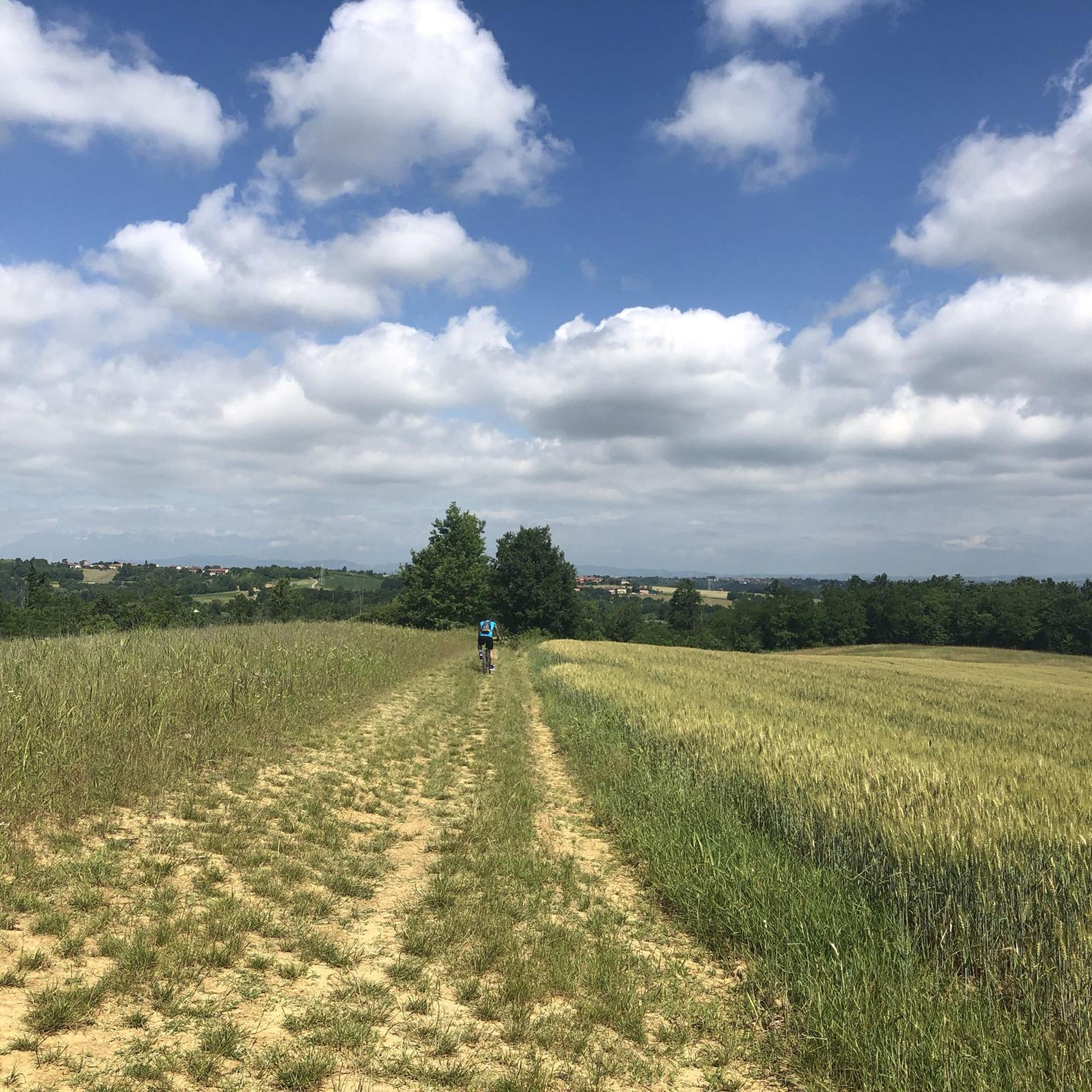
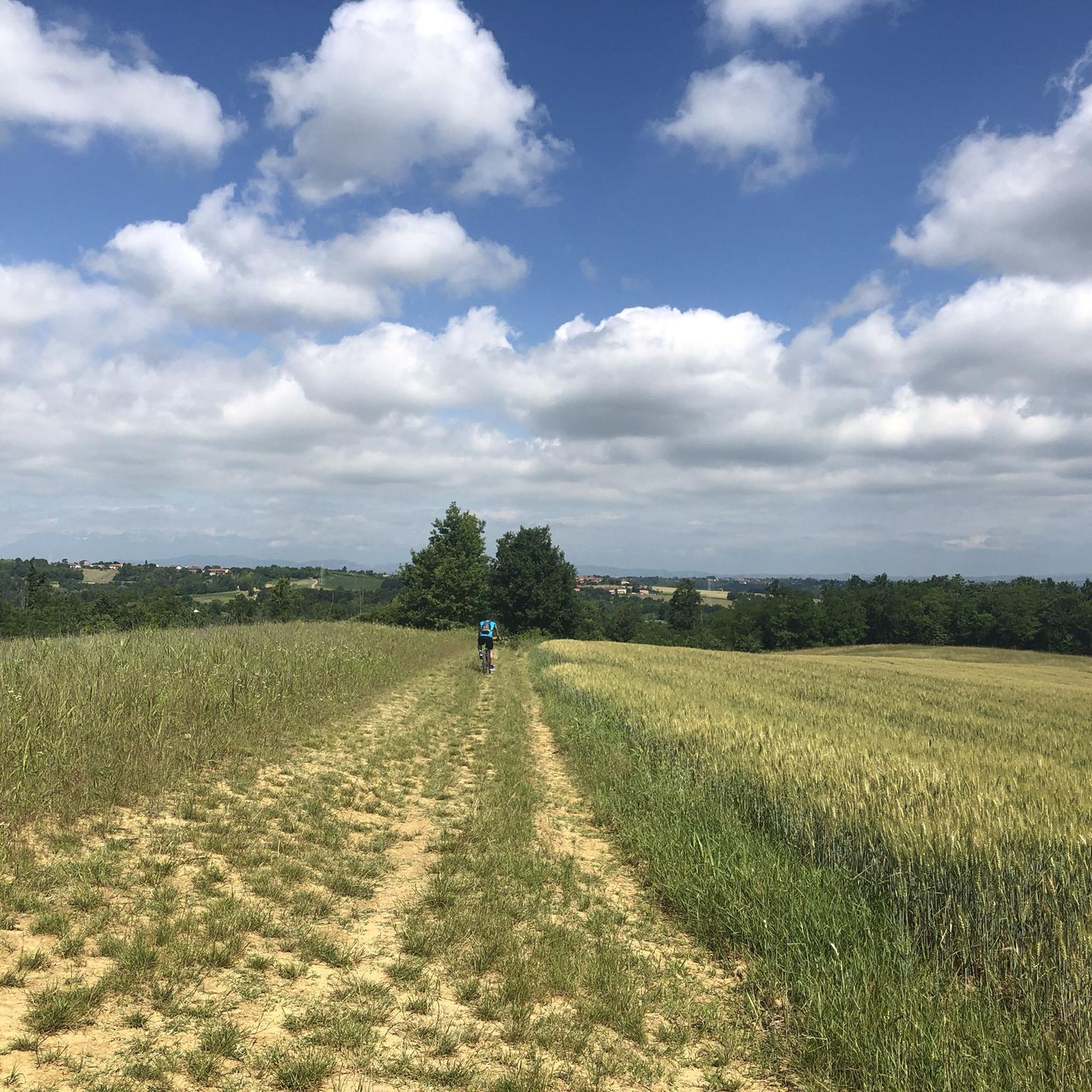
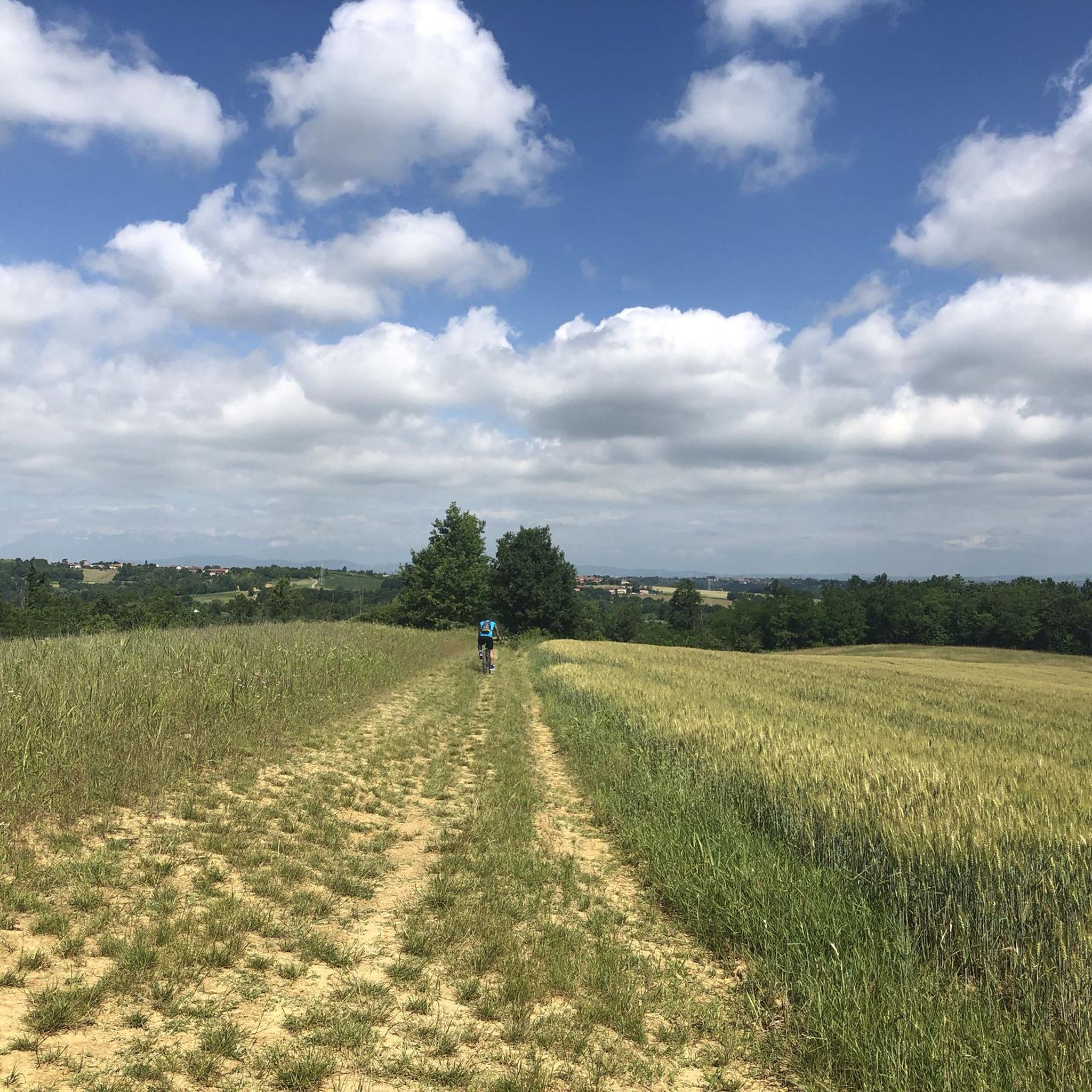
Unusual houses once inhabited and dug into the rock. They can be reached by mountain bike, gravel and above all with good legs.
0
0

A cavity in the stone houses an altar and just above the statue of the Madonna. A silent, peaceful place, a few meters from the city center and traffic.
0
0
Outside the beautiful and large church dedicated to the Madonna "del Portone", on the left side, there is a delightful pond with fish and turtles overlooked by a stone cavity that houses the statue of the Madonna.
0
0

The crutin understood in their natural form (not dug by man in the tuff for the purpose of preserving food and wine) are caves dug into the tuff when the sea reached the level of the mouth of the current caves.
0
0

Pleasant excursion to reach the Mombarone cave houses.
0
0

On the hills of the Asti area, in the locality of Carie di Mombarone, a small hamlet northwest of Asti, dug into the embankment of the hills formed by sand-earth deposits (tuff) are the cave houses . These are real houses, all equipped with the famous "crotin" (small cellar), dating from the beginning of the 18th century and inhabited until the beginning of the 20th century. The last inhabitants, from which the houses take their name, were “Gisep d'Carie” and “barba mini”. The houses, albeit shabby, but equipped with all the "comforts" of the time, decorated with utensils, are divided into rooms by brick walls. The rooms are large, the mild and dry climate of the area has favored their habitability, and the abundance of water resources in the area has enabled survival. The stable is distinguished from human habitation, built with a sloping floor for the drainage of waste water and a manger dug into the tuff. The objects of daily work are still present and well preserved. A well was made next to the stable, consisting of a round cistern that was used to collect rainwater and was kept during periods of drought. Between the house and the stable is an inn, which usually served to provide refreshment to travelers and beggars who crossed the valley. The cave houses have been partially restored and furnished by the owners Franco Mario and Adriano and by the association "Quattro passi a nord-Ovest". They can be visited freely, according to the instructions on site. Source: https://www-quattropassianordovest-com.translate.goog/1/case_grotta_di_mombarone_4463556.html?_x_tr_sch=http&_x_tr_sl=it&_x_tr_tl=nl&_x_tr_hl=nl&_x_tr_pto=sc
3
0
Frequently Asked Questions
What unique underground attractions can I find near Villafranca D'Asti?
While Villafranca D'Asti itself doesn't have natural caves, the broader Asti province and Piedmont region offer unique underground experiences. You can explore historical 'infernòt' (underground cellars) and fascinating cave houses like the Cave Dwellings of Mombarone and Casegrotta Cave Houses. These sites offer a glimpse into the region's viticultural heritage and ancient living arrangements.
Are there any natural caves directly in Villafranca D'Asti?
No, there are no prominent natural caves directly within Villafranca D'Asti. The area is more known for its historical sites and vineyard landscapes. However, the wider Piedmont region offers significant natural cave systems for those willing to travel further.
Where can I explore historical cave dwellings near Villafranca D'Asti?
You can visit the Cave Dwellings of Mombarone, located a short distance from Mombarone, a hamlet of Asti. These unique structures were excavated from rock and inhabited from the Middle Ages until the early 20th century. They are freely accessible, allowing you to explore these ancient habitations. Another similar site is the Casegrotta Cave Houses.
What are the Bossea Caves, and are they worth visiting from Villafranca D'Asti?
The Bossea Caves (Grotte di Bossea) are among the most beautiful and important natural caves in Italy, located in the Corsaglia Valley in Frabosa Soprana, within the wider Piedmont region. They feature spectacular halls, stalactites, stalagmites, underground waterfalls, and lakes. They are notable for paleontological findings, including remains of the *Ursus spelaeus* (cave bear). While a drive from Villafranca D'Asti, they offer a truly impressive natural cave experience. You can find more information on VisitPiemonte.
Are there family-friendly underground sites around Villafranca D'Asti?
Yes, the Cave Dwellings of Mombarone and Casegrotta Cave Houses are generally family-friendly as they are freely accessible historical sites. For a more unique experience, the Madonna del Portone Pond (Asti) features a stone cavity housing a statue of the Madonna, alongside a pond with fish and turtles, offering a peaceful and interesting stop for families.
What are 'Infernòt' and where can I visit them?
'Infernòt' are not natural caves but small, hand-dug underground chambers carved into sandstone, found throughout the Monferrato area near Asti. They were traditionally used for storing bottled wine due to their consistent temperature. They represent a unique form of rural architecture. Many are privately owned, but some are open for tours and wine tastings, offering insight into the region's viticultural heritage. The highlight I Crutin (Natural Tuff Caves) refers to similar formations, some of which were later adapted by humans.
What kind of geological features can I expect to see in the caves of the wider Piedmont region?
In the wider Piedmont region, particularly at the Bossea Caves, you can expect to see spectacular natural formations including large halls, intricate stalactites and stalagmites, underground streams, roaring waterfalls, and clear lakes. These caves are formed in karst landscapes, showcasing the erosive power of water on soluble rock over millennia. The I Crutin near Villafranca D'Asti are also examples of caves formed in tuff, a type of volcanic rock.
What outdoor activities can I combine with a visit to these underground sites?
The area around Villafranca D'Asti is excellent for cycling and mountain biking. You can find numerous routes, such as those in the MTB Trails around Villafranca D'Asti guide or the Cycling around Villafranca D'Asti guide. Many of these routes pass through picturesque vineyard landscapes and charming villages, making it easy to combine a ride with a visit to a cave dwelling or an 'infernòt'.
What is the best time of year to visit the underground attractions in the Asti region?
Underground attractions like the 'infernòt' and cave houses maintain a relatively constant temperature year-round, making them suitable for visits in any season. However, if you plan to combine your visit with outdoor activities like cycling or exploring the surrounding landscapes, spring (April-June) and autumn (September-October) offer the most pleasant weather conditions.
Are there any other significant natural caves in the broader Piedmont region besides Bossea?
Yes, beyond the Bossea Caves, the broader Piedmont region also features the Gheisa d'la Tana Cave in Val d'Angrogna, which holds historical significance for the Waldensian community. Additionally, the Pink Alabaster Caves of Busca are a series of five gorges that were once quarries, featuring deeply cut caves with red-colored earth. These offer different types of natural and historical underground experiences.
What should I wear when visiting underground sites in the Asti region?
For sites like the 'infernòt' and cave houses, comfortable walking shoes are sufficient. Since underground spaces maintain cooler temperatures, even in summer, it's advisable to bring a light jacket or sweater. If you plan to visit larger natural cave systems like the Bossea Caves, wear sturdy, non-slip footwear and dress in layers, as temperatures inside can be consistently cool and damp.
Most popular routes around Villafranca D'Asti
Most popular attractions around Villafranca D'Asti

Get inspired with the komoot mobile app


Explore more
Extend your search for the best caves by checking out these guides of the top ones around Villafranca D'Asti:
