Top 4 Lakes around Lesja
Lakes around Lesja, a mountainous municipality in Innlandet county, Norway, offers over 400 lakes, many situated above the treeline. This area is known for its diverse natural beauty and recreational activities, lying on an east-west watershed. The landscape, shaped by glacial erosion, provides varied terrain for outdoor exploration. These lakes are often appreciated for their clear waters and the surrounding mountain environment.
Best lakes around Lesja
- The most popular lake is Typical Norwegian landscape near the Vålåsjøen lake, a…
Last updated: July 1, 2026
Husomtjønn
Highlight • Lake
Translated by Google •
Tip by

Flåtåtjønn Lake
Highlight • Lake
Translated by Google •
Tip by
Sign up now to discover places like this
Get recommendations on the best single tracks, peaks, & plenty of other exciting outdoor places.
Sign up for free
Typical Norwegian landscape near the Vålåsjøen lake
Highlight • Lake
Tip by

Bodies of water in Dovrefjell–Sunndalsfjella National Park
Highlight • Lake
Tip by

Start today with a free account
Your next adventure awaits.
Login or Signup
Popular around Lesja
Tips from the Community

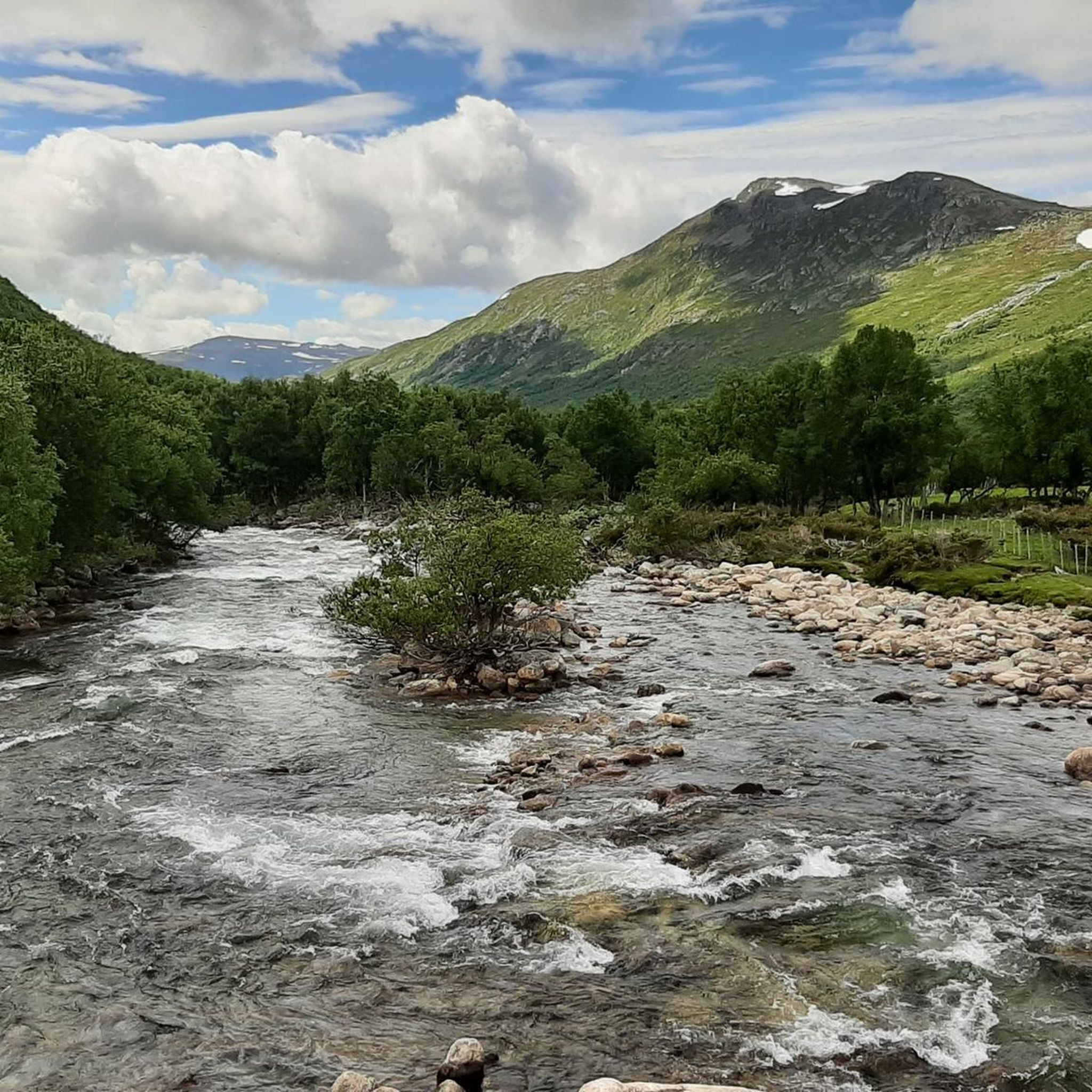
Dovrefjell-Sunndalsfjella National Park is characterised by its wetlands and peat bogs. Countless small bodies of water dot its magnificent tundra landscape.
0
0

This section of the Tour de Dovre is truly spectacular. Here you can enjoy unspoiled nature, views of snow-capped peaks, a very enjoyable gravel surface, and plenty of fresh air.
0
0

The information panel explains how the lake got its name: Erik Husom (1817-1892), after whom this mountain lake was named, was a tenant farmer on the Kittilstadhusom farm. This farm is located in a low, sunny spot in the valley, where crops often withered and were destroyed due to severe drought. Therefore, Husom dug a ditch from the lake down to the farm. This measure was unsuccessful, however, as there was insufficient water. The water evaporated and seeped away before reaching the farm.
0
0
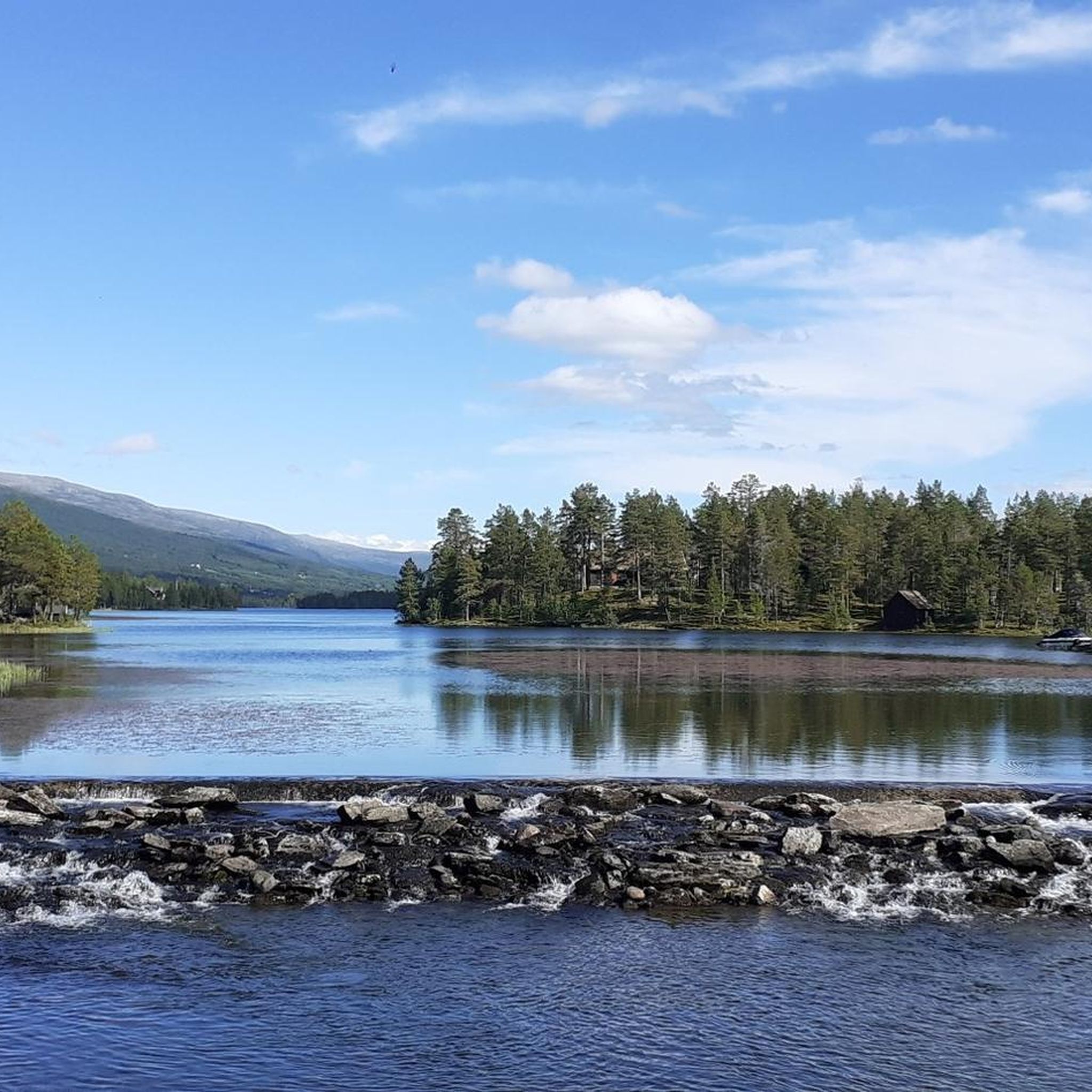
The information board explains: The water for many irrigation systems comes from an inland lake like this one, the Flatatjønn. In order to collect as much water as possible up in the mountains, a dam was usually built. Even if the lake has no major tributaries, the mountains receive large amounts of precipitation. Water rights to such inland lakes were a valuable possession that could also be sold from farm to farm. The rights to this lake were passed down in the village with the farm inheritance. The area around the Flatatjønn is also suitable for reindeer herding. This explains why there are several reindeer pits on the south side of the lake.
0
0
Frequently Asked Questions
Which lakes around Lesja are suitable for families?
For families, Vålåsjøen lake offers a family-friendly viewpoint with unspoiled nature and fresh air. Lomtjønn is also an excellent choice, known for its easy accessibility and abundance of smaller trout, making it ideal for introducing children to fishing. Additionally, the Moose Observation Tower at Fokstugu Nature Reserve provides a family-friendly spot with a lake and good chances of seeing wildlife.
Where can I go fishing in the Lesja region?
Lesja offers diverse fishing opportunities. Lesjaskogsvatnet is popular for trout and grayling, and you can also enjoy canoeing there. For mountain grayling and trout in a high-altitude setting, Vangsvatnet in the Dalsida public lands is a prime spot. Lomtjønn is particularly good for families due to its easy access and abundant trout. Experienced anglers seeking dramatic mountain scenery and good trout fishing might consider Grønvatna.
What outdoor activities can I do near the lakes in Lesja?
Beyond enjoying the lakes themselves, the Lesja region offers a variety of outdoor activities. You can find numerous cycling routes, including easy loops like the 'Rest Area by the River loop from Lesjaskogsvatnet' or more challenging rides like the 'Lesjatråkket Trail'. For hiking, options range from moderate trails such as 'Hjellhøi summit - Dombås' to more difficult ones like 'Mount Kampen Trail'. Many of these routes are accessible from various points around the lakes. You can explore more options in the Traffic-free bike rides around Lesja, Hiking around Lesja, and Cycling around Lesja guides.
Are there any historical sites or unique features related to the lakes?
Yes, several lakes in Lesja have interesting historical connections. Lesjaskogsvatnet is unique for having two outlets and was dammed in the 1660s to serve the Lesja Iron Works. Husomtjønn has a story of an old irrigation attempt by a tenant farmer. Similarly, Flåtåtjønn Lake features historical dams built to collect water for irrigation systems, and the area also contains reindeer pits, indicating past reindeer herding activities.
What is the best time of year to visit the lakes in Lesja?
The best time to visit the lakes in Lesja for most activities is typically during the summer months. Many lakes are situated above the treeline, and ice-off can occur as late as August in years with heavy snow. Summer offers ideal conditions for fishing, canoeing, cycling, and hiking, with pleasant temperatures and longer daylight hours. For winter activities, the frozen lakes offer different experiences, but specific conditions vary.
Can I find tranquil mountain experiences around the lakes?
Absolutely. Lakes like Aursjøen, located in the mountains, are known for their serene natural environment, offering tranquility and classic mountain experiences. The area around Aursjøen, with its small coves, beaches, and wild streams, is perfect for those seeking peace and quiet amidst nature's sounds. Grønvatna also provides a dramatic mountain landscape with glaciers and peaks for a more rugged, rewarding experience.
Are there opportunities for cycling around the lakes?
Yes, the area around Lesjaskogsvatnet is particularly good for cycling, with shared-use paths and gravel roads forming part of a continuous cycle route between Bjorli and Dombås. Many other lakes are accessible via routes suitable for touring bicycles. You can find various cycling tours, including easy and moderate options, in the Traffic-free bike rides around Lesja and Cycling around Lesja guides.
What kind of natural landscapes can I expect to see around Lesja's lakes?
Lesja's lakes are primarily located in a mountainous terrain, often above the treeline, shaped by glacial erosion. You can expect diverse landscapes ranging from wetlands and peat bogs, as seen in the Bodies of water in Dovrefjell–Sunndalsfjella National Park, to dramatic mountain scenery with glaciers and snow-capped peaks around lakes like Grønvatna. The region also features unspoiled nature and tundra landscapes, offering breathtaking views.
Are there any viewpoints near the lakes?
Yes, several spots offer excellent viewpoints. The area near Vålåsjøen lake is known for its spectacular views of unspoiled nature and snow-capped peaks. The Moose Observation Tower at Fokstugu Nature Reserve also provides a great vantage point over a lake, with opportunities to spot wildlife. Many of the higher-altitude lakes naturally offer panoramic views of the surrounding mountainous landscape.
What makes Vangsvatnet unique among Lesja's lakes?
Vangsvatnet is notable for its population of mountain grayling, with some fish reaching around 1 kg. It's believed to be one of the world's highest elevation populations of grayling. Located in the Dalsida public lands, it also offers access to other waters within Reinheimen National Park, making it a unique destination for anglers and nature enthusiasts seeking high-altitude experiences.
Most popular routes around Lesja
Most popular attractions around Lesja

Get inspired with the komoot mobile app


Explore more
Still not found your perfect lake around Lesja? Check out the guides of these regions to see even more beautiful places.
