Top 4 Lakes around West Alvington
Best lakes around West Alvington are primarily associated with Slapton Ley, the largest natural freshwater lake in the South West of England. This significant body of water is a Site of Special Scientific Interest and a National Nature Reserve, known for its rich biodiversity and diverse habitats. The area provides opportunities for nature observation and easy walks around lakes near West Alvington.
Best lakes around West Alvington
- The most popular lakes is Slapton Sands and Slapton Ley, a natural…
Last updated: July 15, 2026
Slapton Sands and Slapton Ley
Highlight • Natural Monument
Tip by

View of Starehole Bay
Highlight • Natural
Tip by

Sign up now to discover places like this
Get recommendations on the best single tracks, peaks, & plenty of other exciting outdoor places.
Sign up for free
View of Hope Cove and South Milton Sands from Bolt Tail
Highlight • Beach
Tip by

View of Salcombe from Snapes Point
Highlight • Viewpoint
Tip by

View of Salcombe Harbour from Mill Bay
Highlight (Segment) • Beach
Tip by

Start today with a free account
Your next adventure awaits.
Login or Signup
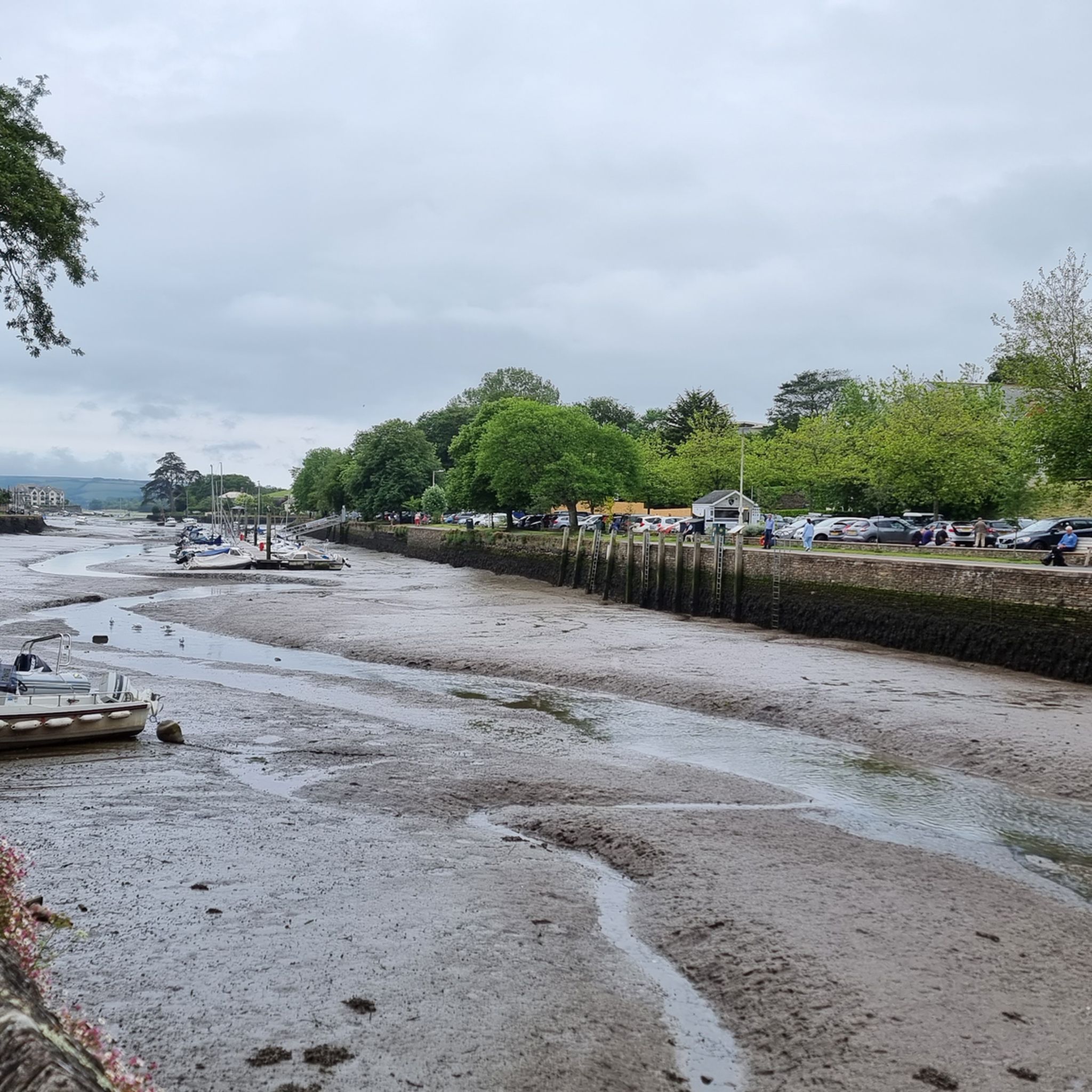
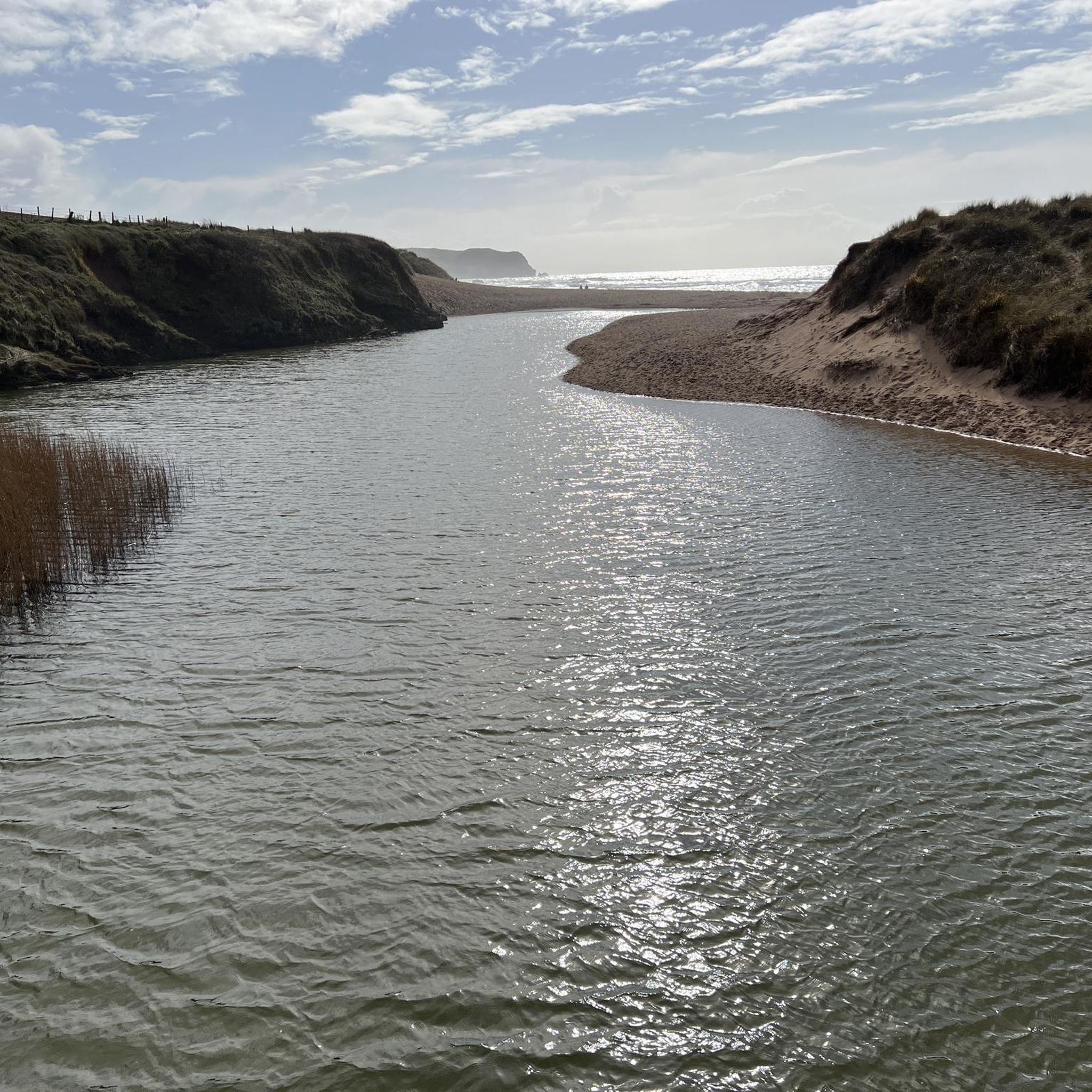
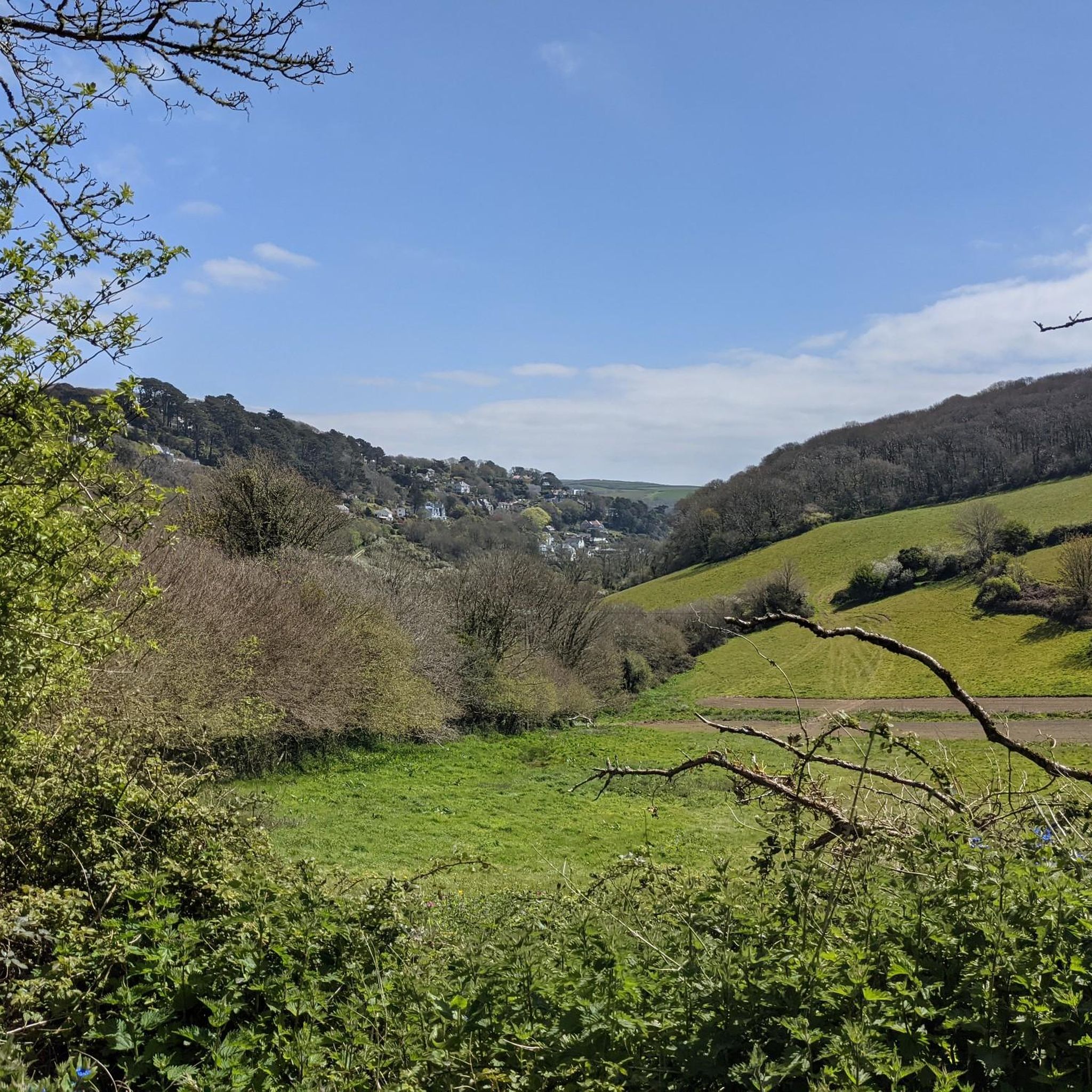
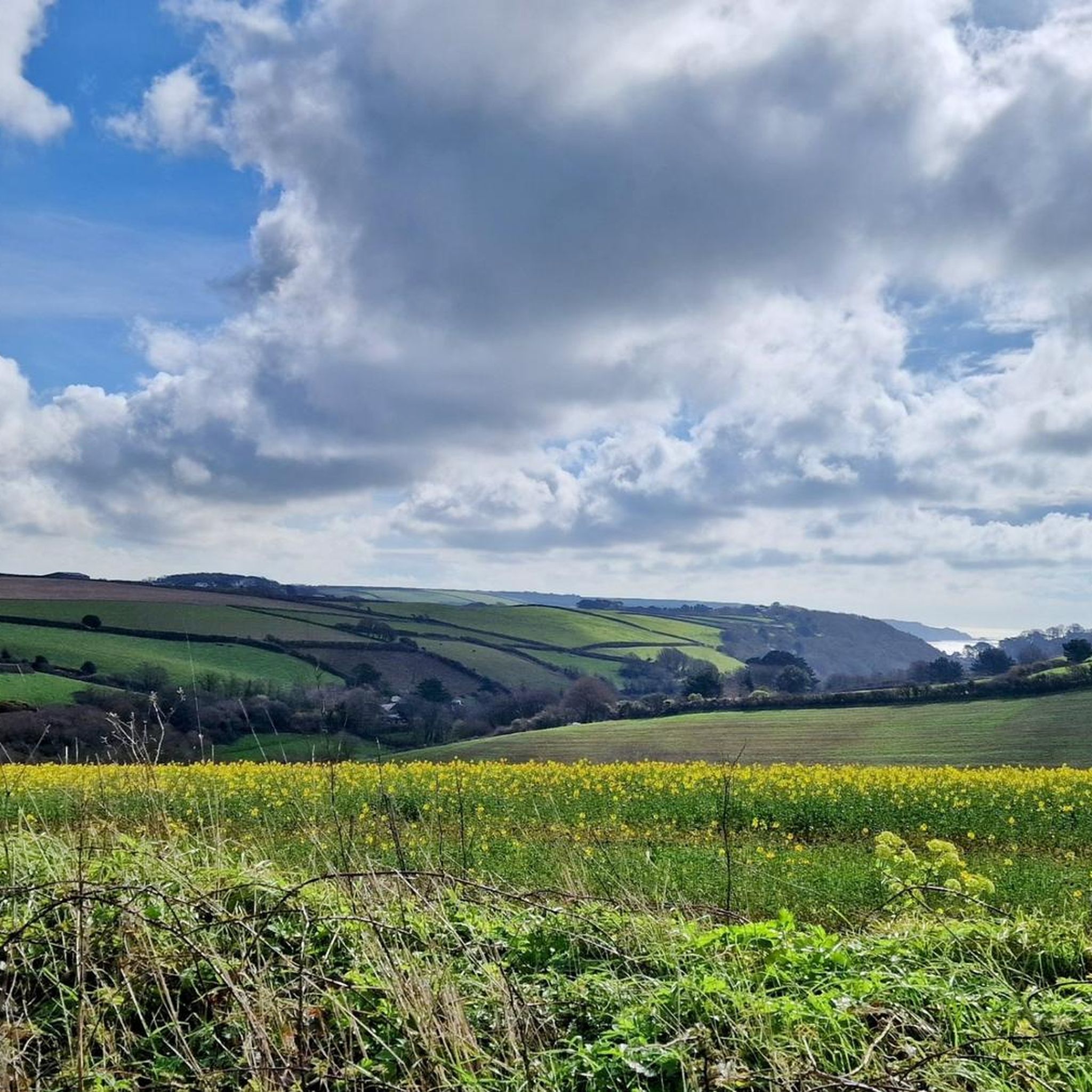
Tips from the Community

From this point along the South West Coast Path, you are treated to breathtaking views of Starehole Bay. This little bay in South Devon sits at the mouth of the Kingsbridge Estuary, where it opens into the English Channel.
1
0

Mill Bay is a fun sandy beach. The views from this coast across Salcombe Harbour are wonderful. It's worth slowing down your run or pausing to take it all in.
0
0

It's often too windy here for a sheltered picnic but so worth it.
0
0
The views from here on a good day are superb.
0
0

The headland looking back on Hope Cove and across to South Milton Sands. A nice stead walk up with some rockier bits near the top. Make sure you’re wearing suitable footwear if you want to get to the top of the view point.
0
0

Running up to Snape's Point is worth it for the stunning views of Salcombe and the Kingsbridge Estuary.
0
0

When the tide is out it's a great place to explore. a mix of sand and rocks. The path down to the cove is fenced off where it joins the coastal path, but it still is there. I was maintained not that long ago and the metal bridge at the bottom currently feels robust (July 2021).
0
0
Frequently Asked Questions
What is the most significant lake attraction near West Alvington?
The primary lake attraction near West Alvington is Slapton Ley. It is the largest natural freshwater lake in the South West of England, designated as a National Nature Reserve due to its rich biodiversity and unique ecosystem. It's separated from the sea by a narrow shingle beach, Slapton Sands.
What kind of wildlife can I expect to see at Slapton Ley?
Slapton Ley is a haven for wildlife, especially birds, with over 230 recorded species, including Cetti's Warblers and Eurasian Bitterns. You might also spot otters, badgers, dormice, and bats. The reserve's diverse habitats support a wide array of plant life, including rare species like strapwort, and thousands of fungi species.
Are there walking trails around the lakes near West Alvington?
Yes, Slapton Ley offers well-marked nature trails suitable for various skill levels, including easy circular walks and routes with boardwalks across reed beds. The South West Coast Path also runs alongside Slapton Ley and Slapton Sands, providing opportunities for longer coastal hikes. For more hiking options, you can explore the hiking guide for West Alvington.
How long does it take to walk around Slapton Ley?
A popular trail skirts the ley for approximately 1.75 miles (2.8 km). The total length of Slapton Ley is about 1.5 miles (2.4 km), so a full circuit or exploration of its main trails can take a couple of hours, depending on your pace and how often you stop to observe wildlife.
Are there family-friendly options for visiting lakes in the area?
Absolutely. Slapton Ley is considered very family-friendly, offering easy nature trails and educational programs at the Field Studies Council. Other spots like Snapes Point and Mill Bay also offer family-friendly viewpoints and sandy beaches with wonderful views.
What are some notable viewpoints near the lakes and coastline?
The area offers several stunning viewpoints. From Starehole Bay, you get breathtaking views where the Kingsbridge Estuary meets the English Channel. Bolt Tail provides superb views across Hope Cove and South Milton Sands. For panoramic vistas of Salcombe and the Kingsbridge Estuary, visit Snapes Point.
What outdoor activities can I do near these lakes?
Beyond walking and wildlife observation at Slapton Ley, the region is excellent for outdoor activities. You can find numerous hiking routes, including coastal paths, in the hiking guide for West Alvington. Cycling is also popular, with various routes for touring and road cycling available in the cycling guide and road cycling guide.
Is Slapton Ley accessible for visitors with mobility considerations?
While specific accessibility details for all trails vary, Slapton Ley does feature boardwalks across reed beds, which can improve access in certain areas. For detailed information on accessible routes and facilities, it's advisable to check with the Slapton Ley Field Centre directly.
When is the best time to visit the lakes around West Alvington?
The lakes and surrounding areas are beautiful year-round. Spring and autumn are particularly good for birdwatching at Slapton Ley due to migratory species. Summer offers pleasant weather for walking and enjoying the beaches like Slapton Sands and Mill Bay. Even in winter, the natural beauty and resident wildlife provide a serene experience.
Are there educational opportunities at Slapton Ley?
Yes, the Slapton Ley Field Centre, managed by the Field Studies Council, offers guided walks, educational programs, and nature activities. It's an excellent resource for learning about conservation and the local ecosystem, making a visit to Slapton Ley both enjoyable and informative.
What makes Slapton Ley unique compared to other lakes?
Slapton Ley is unique as the largest natural freshwater lake in the South West of England, separated from the sea by a narrow shingle beach. This geological feature, combined with its status as a National Nature Reserve, creates a rare and vital habitat supporting exceptional biodiversity, including rare plants and a significant bird population.
Most popular attractions around West Alvington

Get inspired with the komoot mobile app


Explore more
Still not found your perfect lake around West Alvington? Check out the guides of these regions to see even more beautiful places.
