Top 5 Castles around Castilleja De Guzmán
Best castles around Castilleja De Guzmán offers a journey through historical sites in the province of Seville, Spain. While the town itself does not feature traditional medieval castles, the surrounding area is rich in significant historical buildings and archaeological sites. The region is known for its deep past, including Roman origins, Moorish influence, and prehistoric megalithic monuments. Visitors can explore a variety of historical locations that reflect centuries of cultural evolution.
Best castles around Castilleja De Guzmán
- The most popular…
Last updated: July 3, 2026
Real Alcázar of Seville
Highlight • Historical Site
Translated by Google •
Tip by

Royal Alcázar of Seville
Highlight • Historical Site
Translated by Google •
Tip by

Sign up now to discover places like this
Get recommendations on the best single tracks, peaks, & plenty of other exciting outdoor places.
Sign up for free
Real Alcázar — Puerta de los Leones
Highlight • Historical Site
Tip by

San Jacinto Street and San Jorge Castle
Highlight • Historical Site
Translated by Google •
Tip by
Castle of Saint George
Highlight • Castle
Tip by
Start today with a free account
Your next adventure awaits.
Login or Signup
Tips from the Community

The palace is in the immediate vicinity of the cathedral and is very busy, so the queues in front of the entrance are long. Definitely take enough water with you, as Seville is also known as the "frying pan" of Spain.
0
0

Also known as Triana Castle, Castillo San Jorge, or the Castle of the Inquisition, this monument is located on the banks of the Guadalquivir River, just at the end of the Isabel II Bridge, also known as the Triana Bridge.
0
0

The Admiral's Chamber is located in the Royal Alcázar of Seville. This historic room is accessed from the Patio de la Montería and is the only remaining room of the original building of the Casa de Contratación de las Indias, dating from the 16th and 17th centuries. The Casa de Contratación was a key institution in the administration and control of trade with the Americas.
9
0

The entrance to the Real Alcazar is on the Plaza del Triunfo via the Puerta del Leon. Look for the clawing lion on a tile above the entrance gate. You will need about 3 hours to visit.
1
0
The entrance to the Real Alcazar is on the Plaza del Triunfo via the Puerta del Leon. Look for the clawing lion on a tile above the entrance gate. You will need about 3 hours to visit.
8
0
The Real Alcázar de Sevilla is a magnificent royal palace and one of the most impressive tourist attractions in the city: The construction of the Alcázar began in 913 under the direction of Abd-ar-Rahman III, the first Caliph of Al-Andalus. The palace is a perfect blend of Moorish, Gothic, Renaissance and Baroque architecture. The Patio de las Doncellas is one of the most iconic places in the Alcázar, with a beautiful pond in the middle and sunken gardens. The palace is one of the best examples of Mudéjar architecture, a style strongly influenced by Moorish culture. It is probably the oldest royal palace in Europe still in use. The Alcázar, together with the Cathedral of Seville and the Archivo General de Indias, has been a UNESCO World Heritage Site since 1987.
9
0

Very nice place in Seville :)
3
0
The Alcazr of Seville, an artistic paradise, a mix of cultures, styles and with beautiful gardens, all in the heart of Seville. It is one of the oldest royal palaces in use in the world, built on ancient Roman and Visigothic buildings since the year 913.
22
0
Frequently Asked Questions
What historical sites can I explore in Castilleja de Guzmán itself?
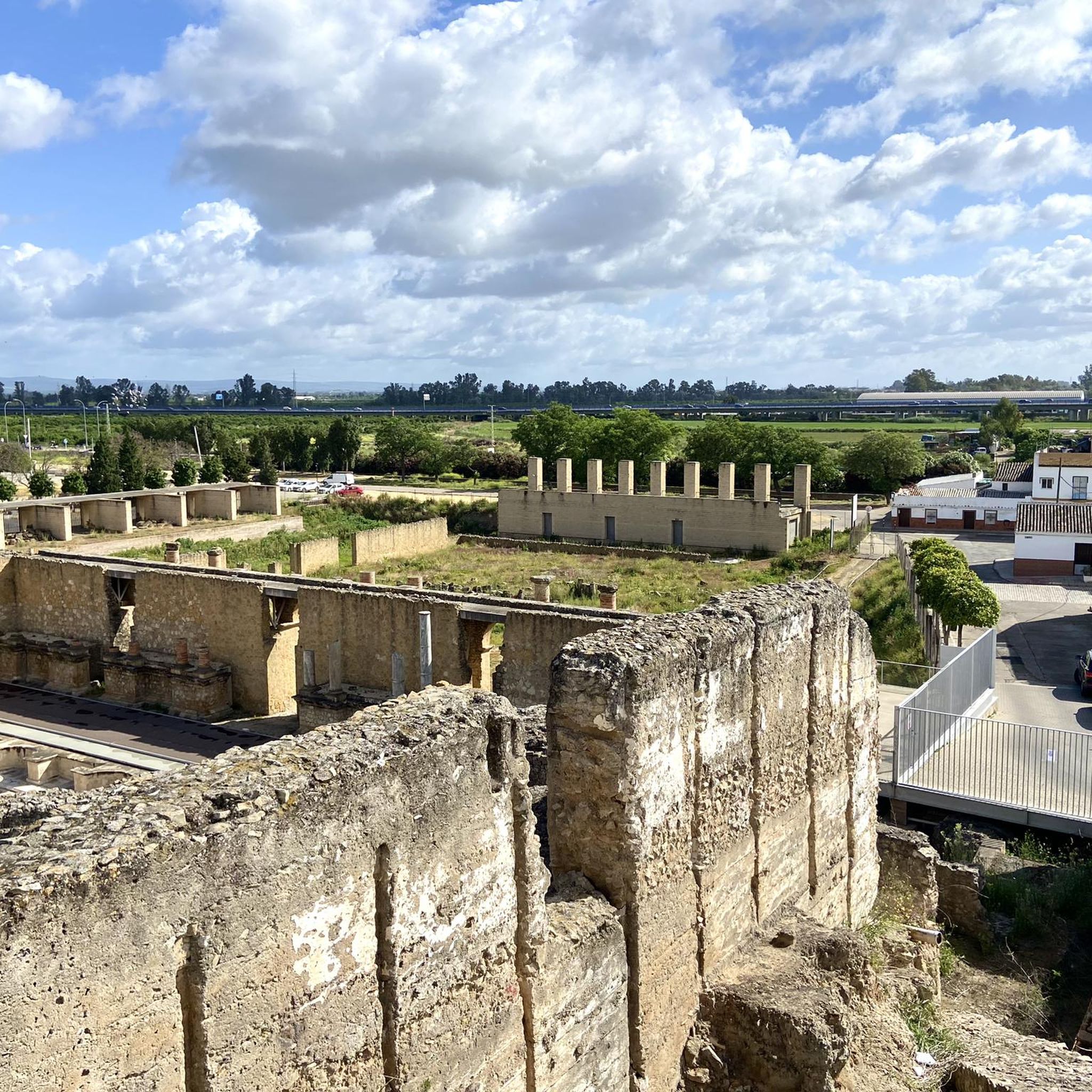
While Castilleja de Guzmán doesn't have traditional medieval castles, you can visit the Palacio de los Guzmanes, a significant historical palace with origins tracing back to a Roman military camp. It features Neo-Mudéjar architecture and the beautiful Jardines de Forestier, designed by Jean-Claude Nicolas Forestier. Additionally, explore prehistoric sites like the Dolmen de Montelirio and Dolmen del Señorío, part of a large Chalcolithic necropolis, and the ancient Torre de Contrapeso, a Roman-origin olive oil mill component.
Are there any family-friendly historical sites near Castilleja de Guzmán?
Yes, several sites are suitable for families. The Real Alcázar of Seville is a fantastic option, offering stunning architecture, diverse styles, and beautiful gardens that children often enjoy exploring. The Castle of Saint George and San Jacinto Street and San Jorge Castle also offer historical insights in an accessible urban setting.
What is the best time of year to visit the historical sites around Castilleja de Guzmán?
The best time to visit is typically during the spring (March to May) and autumn (September to November). During these seasons, the weather is milder and more pleasant for exploring both indoor and outdoor sites like the Jardines de Forestier. Summers can be very hot, and winters, while generally mild, can be cooler and wetter.
What outdoor activities can I do near these historical sites?
The area around Castilleja de Guzmán offers various outdoor activities. You can find numerous hiking trails, such as the 'Tower of Gold – The Giralda and the cathedral loop from Cartuja' or 'Hiking loop from Tomares'. For running enthusiasts, there are routes like the 'Ruta del Agua Trail loop from Castilleja de Guzmán'. Mountain biking options include trails like 'Caño Ronco y Santa Brígida - circular desde Plaza de Toros de Camas'. You can find more details on these activities in the hiking, running, and MTB guides for the region.
Are there any less crowded historical sites to visit in the area?
To avoid larger crowds, consider exploring the prehistoric Dolmens of Montelirio and El Señorío in Castilleja de Guzmán. These archaeological sites offer a unique glimpse into ancient civilizations and are generally less frequented than the more prominent attractions in Seville. The Torre de Contrapeso also provides a quiet, historical point of interest.
Can I find viewpoints near the historical sites in Castilleja de Guzmán?
Yes, the Jardines de Forestier, which complement the Palacio de los Guzmanes, are known for offering unique and scenic viewpoints of the Aljarafe region. Strolling through these extensive gardens provides excellent opportunities to enjoy panoramic vistas.
What is the historical significance of the <a href="https://www.komoot.com/highlight/1055590" target="_blank" rel="noopener">Real Alcázar of Seville</a>?
The Real Alcázar of Seville is one of the oldest royal palaces still in use worldwide, with a history dating back to ancient Roman and Visigothic buildings from 913 AD. It's a remarkable blend of cultures and architectural styles, showcasing Moorish, Gothic, Renaissance, and Baroque influences, surrounded by exquisite gardens.
What can I expect when visiting the <a href="https://www.komoot.com/highlight/8110953" target="_blank" rel="noopener">Castle of Saint George</a>?
The Castle of Saint George, also known as Triana Castle or Castillo San Jorge, is located on the banks of the Guadalquivir River at the end of the Isabel II Bridge. This historic riverside castle now houses a thriving market and offers insights into its past as the seat of the Spanish Inquisition. It's a site rich in history and local life.
Are there cafes or dining options near the historical sites in Castilleja de Guzmán?
While specific cafes within the immediate vicinity of the Palacio de los Guzmanes or the Dolmens might be limited, Castilleja de Guzmán is a town with local amenities. You can find cafes and restaurants in the town center, a short distance from these historical points of interest, offering traditional Andalusian cuisine and refreshments.
What makes <a href="https://www.komoot.com/highlight/6536812" target="_blank" rel="noopener">San Jacinto Street and San Jorge Castle</a> a notable visit?
San Jacinto Street and San Jorge Castle is a historical area that was once home to the Hermitage of La Candelaria and early factories, including a prestigious ceramics factory and Seville's first airplane factory. Walking through the small alleys of San Jacinto Street allows visitors to experience its authenticity and charm, connecting with a rich industrial and religious past.
Are the historical sites around Castilleja de Guzmán generally wheelchair accessible?
Accessibility varies by site. Modern attractions and renovated historical sites like parts of the Real Alcázar of Seville often have provisions for wheelchair access. However, older or archaeological sites, such as the Dolmens or the Torre de Contrapeso, may have uneven terrain or limited facilities. It's advisable to check specific accessibility details for each site before your visit.
What are the opening hours for the historical sites in Castilleja de Guzmán during winter?
Most historical sites, including the Palacio de los Guzmanes and the major attractions in nearby Seville like the Real Alcázar, generally remain open during winter months, though their operating hours might be reduced compared to peak season. It's recommended to check the official websites or contact the sites directly for the most current winter schedules before planning your visit.
Most popular routes around Castilleja De Guzmán
Most popular attractions around Castilleja De Guzmán

Get inspired with the komoot mobile app


Explore more
Looking for the best castles somewhere else? Discover other guides around Castilleja De Guzmán:
