Top 3 Caves around Avignon
Best caves around Avignon are found in a region characterized by its diverse geological formations and rich history. The area, nestled in Provence, features a landscape shaped by rivers and limestone, creating numerous underground structures. This environment has led to the formation of natural caves and historical troglodyte dwellings. Visitors can explore these subterranean worlds, which offer insights into both natural processes and human heritage.
Best caves around Avignon
- The most popular caves is Troglodyte Village of Barry, a…
Last updated: July 4, 2026
Troglodyte Village of Barry
Highlight • Historical Site
Translated by Google •
Tip by

Thouzon Caves
Highlight • Gorge
Translated by Google •
Tip by

Sign up now to discover places like this
Get recommendations on the best single tracks, peaks, & plenty of other exciting outdoor places.
Sign up for free
Troglodyte Dwellings of Font de l'Orme
Highlight • Historical Site
Tip by

Le Monde Souterrain Museum
Highlight • Structure
Adults pay €8 and children aged 7 to 14 pay €6.50. A visit takes about forty minutes.
Translated by Google •
Tip by

Start today with a free account
Your next adventure awaits.
Login or Signup
Popular around Avignon

Triathlon 360 – my journey around the world
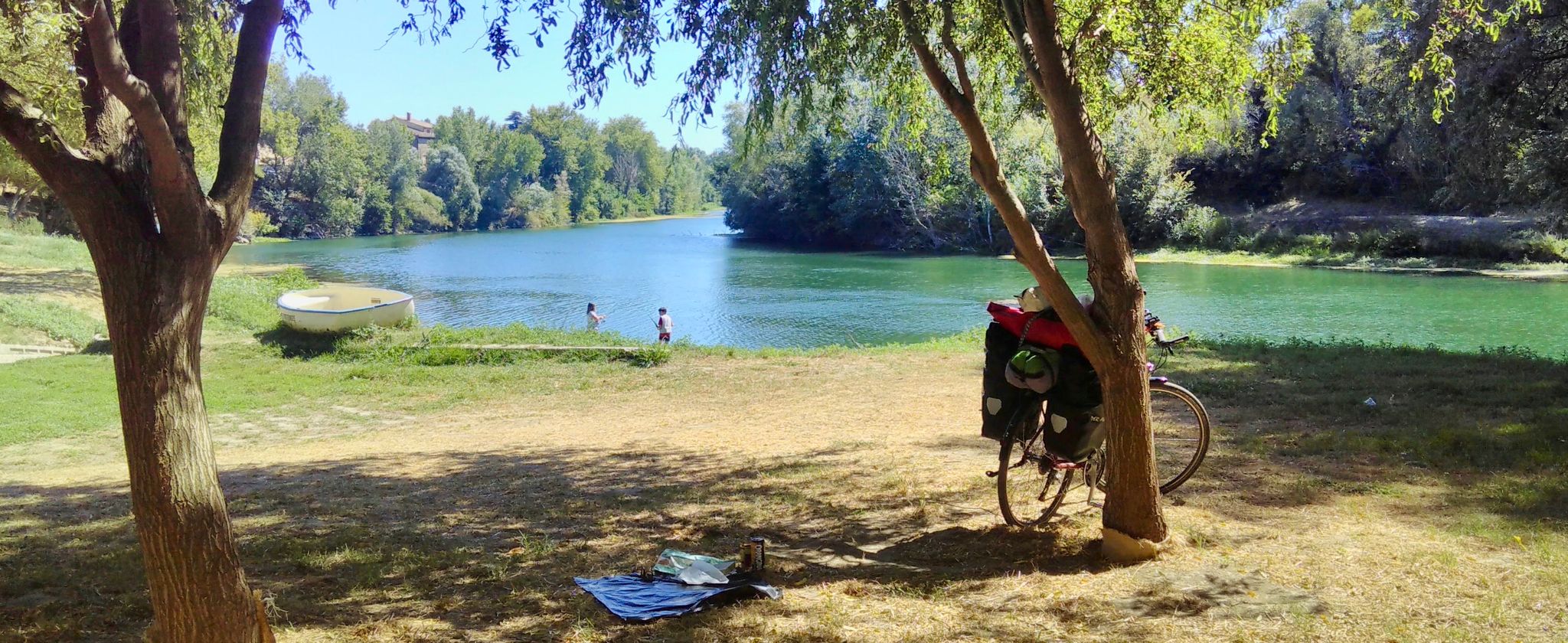
Via Rhôna — cycling the Rhone Valley Way from Lyon to the Mediterranean
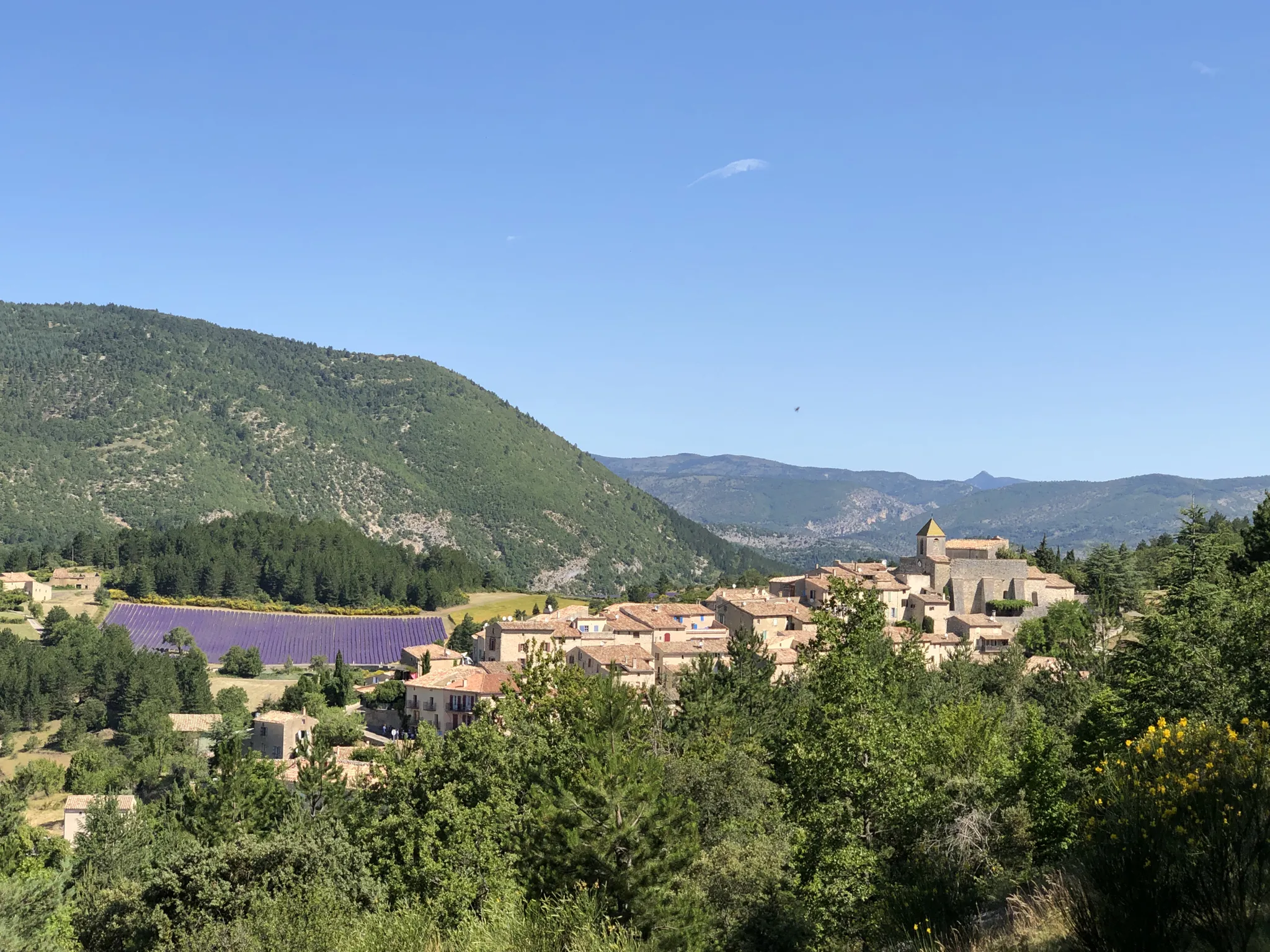
Exceptional natural landscapes — La Grande Traversée de Vaucluse à VTT
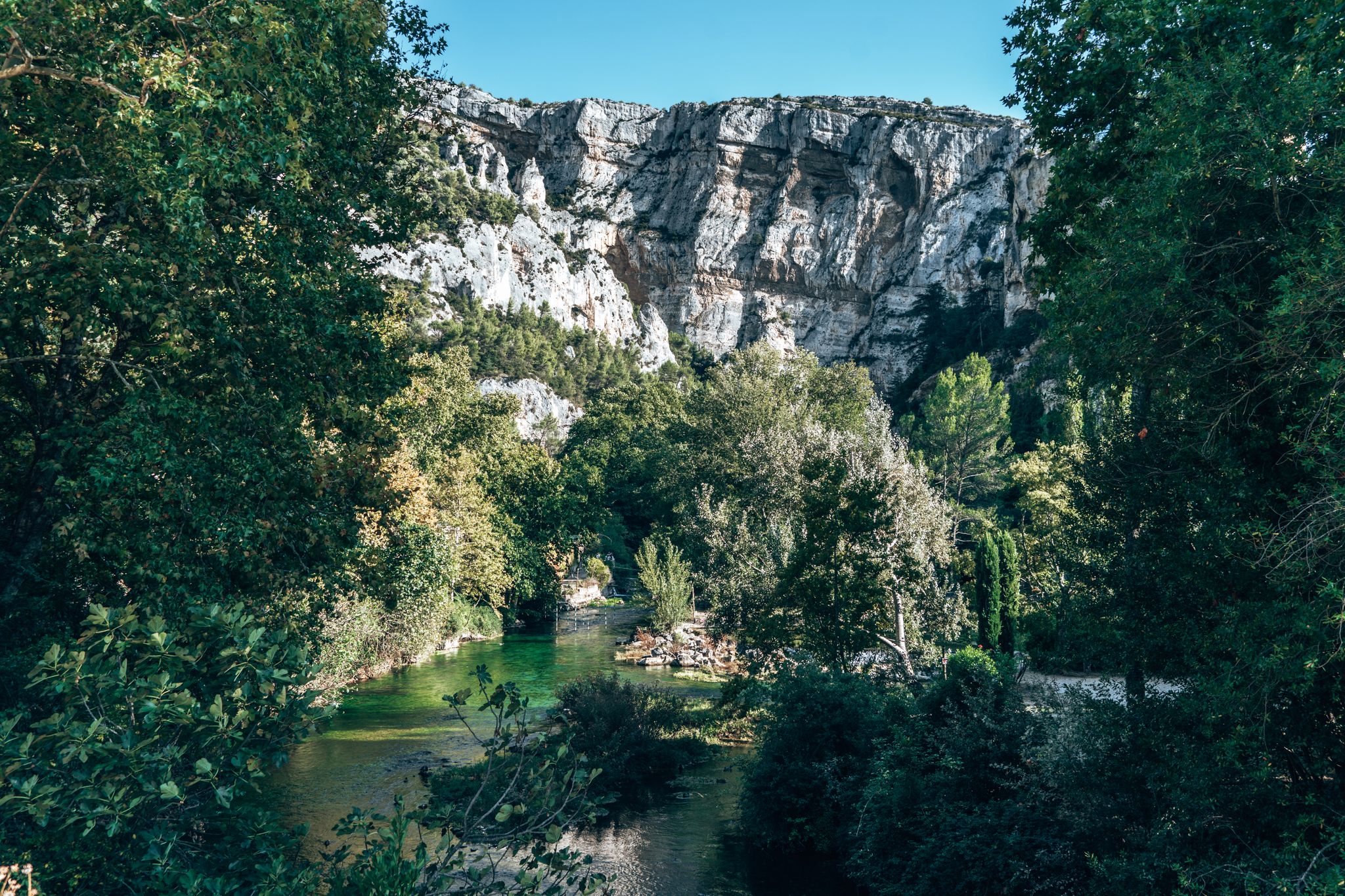
Hiking in the Luberon – Biosphere Reserve and UNESCO Geopark
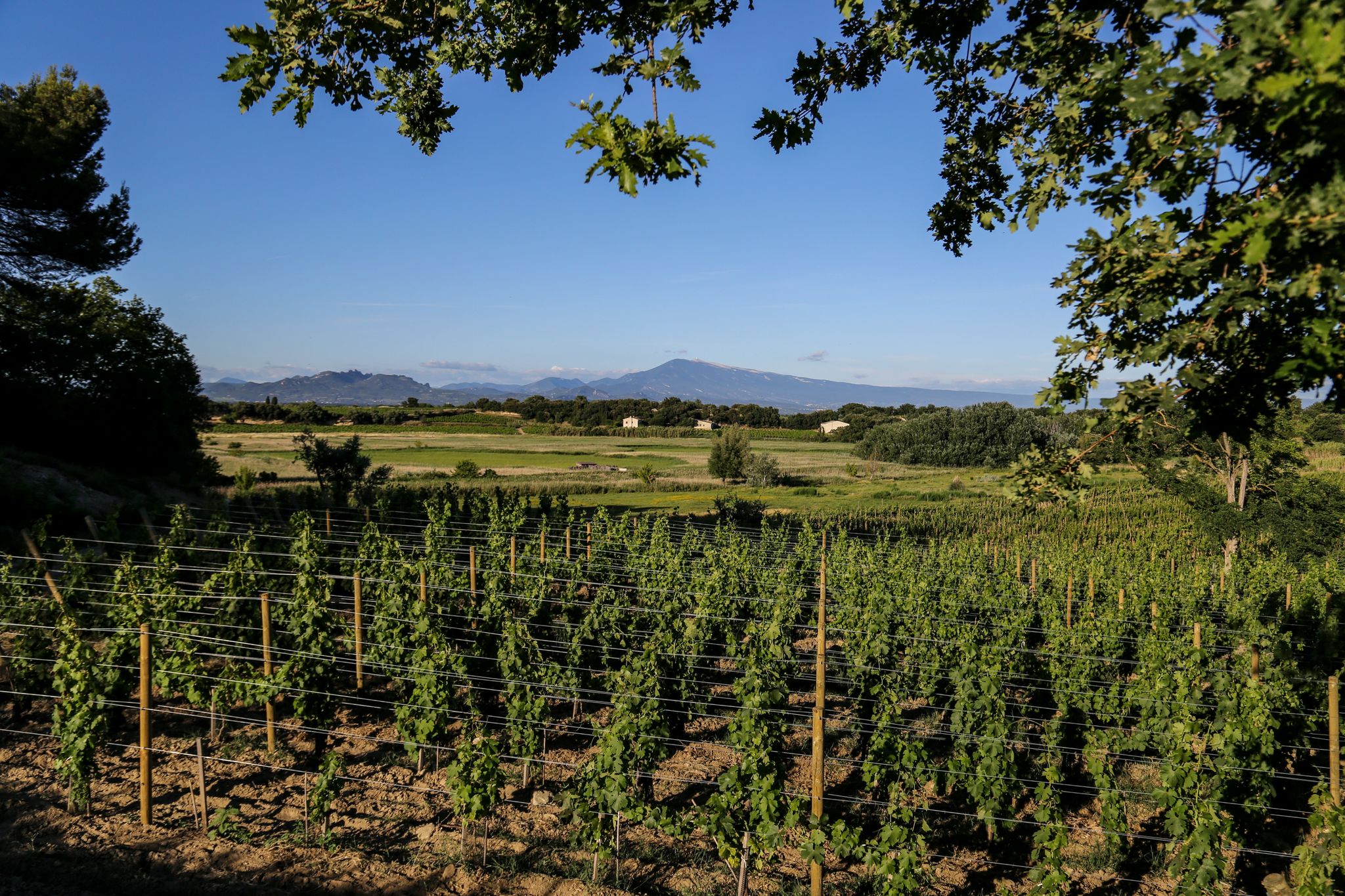
Cycling and wine – Côtes-du-Rhône tour
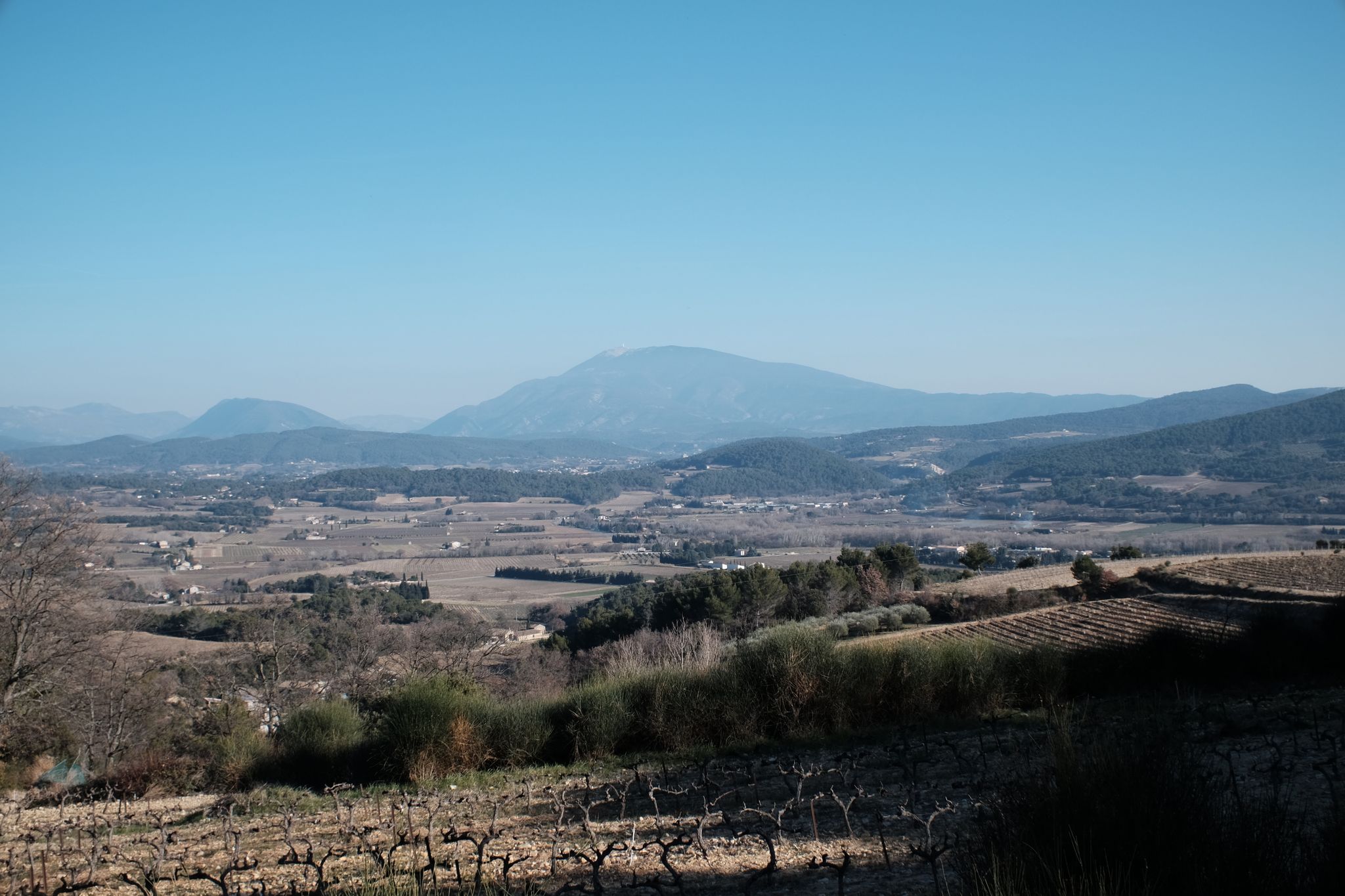
Adventure from north to south – Grande Traversée de Vaucluse
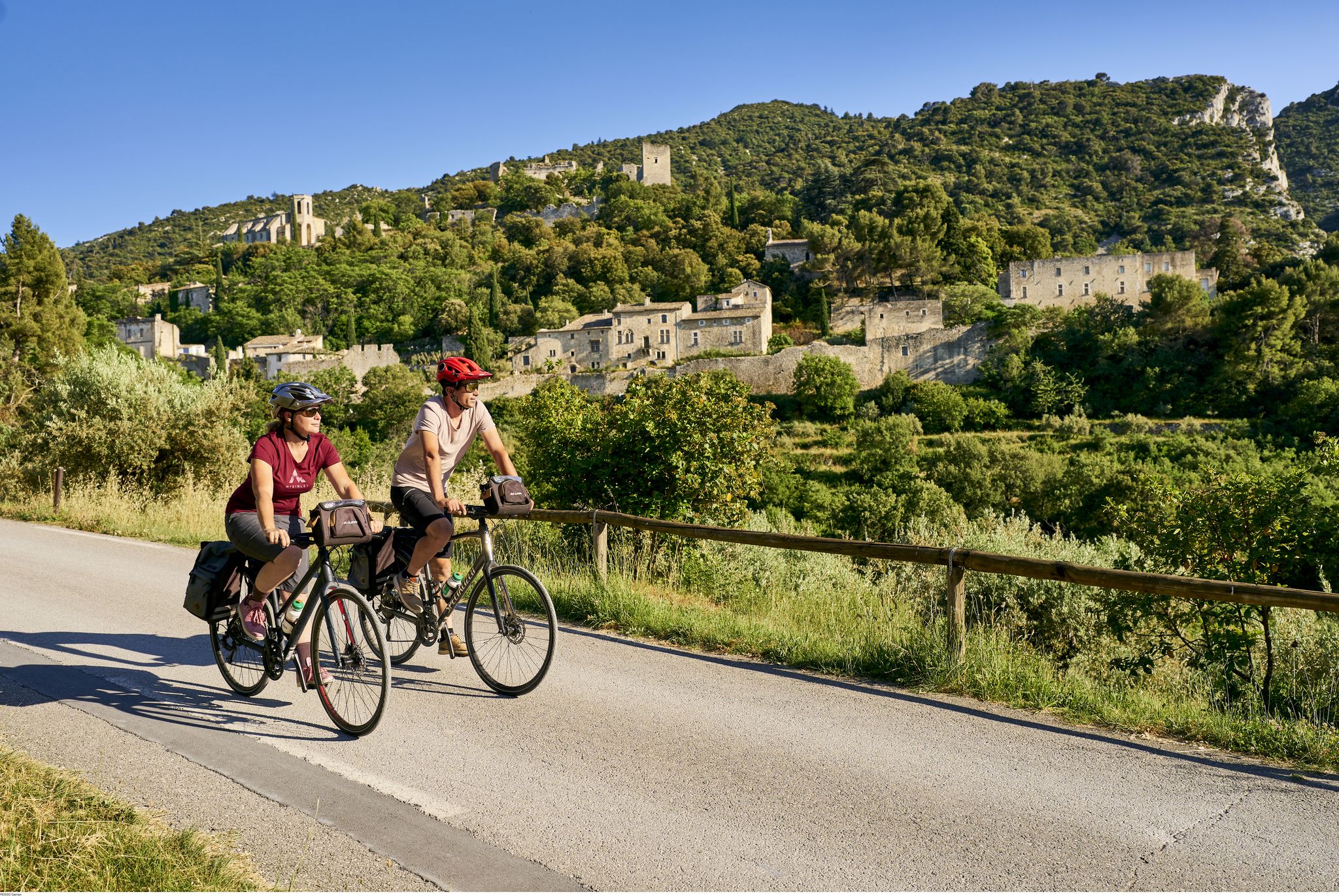
Epic landscapes in France’s Vaucluse — Provence by bike
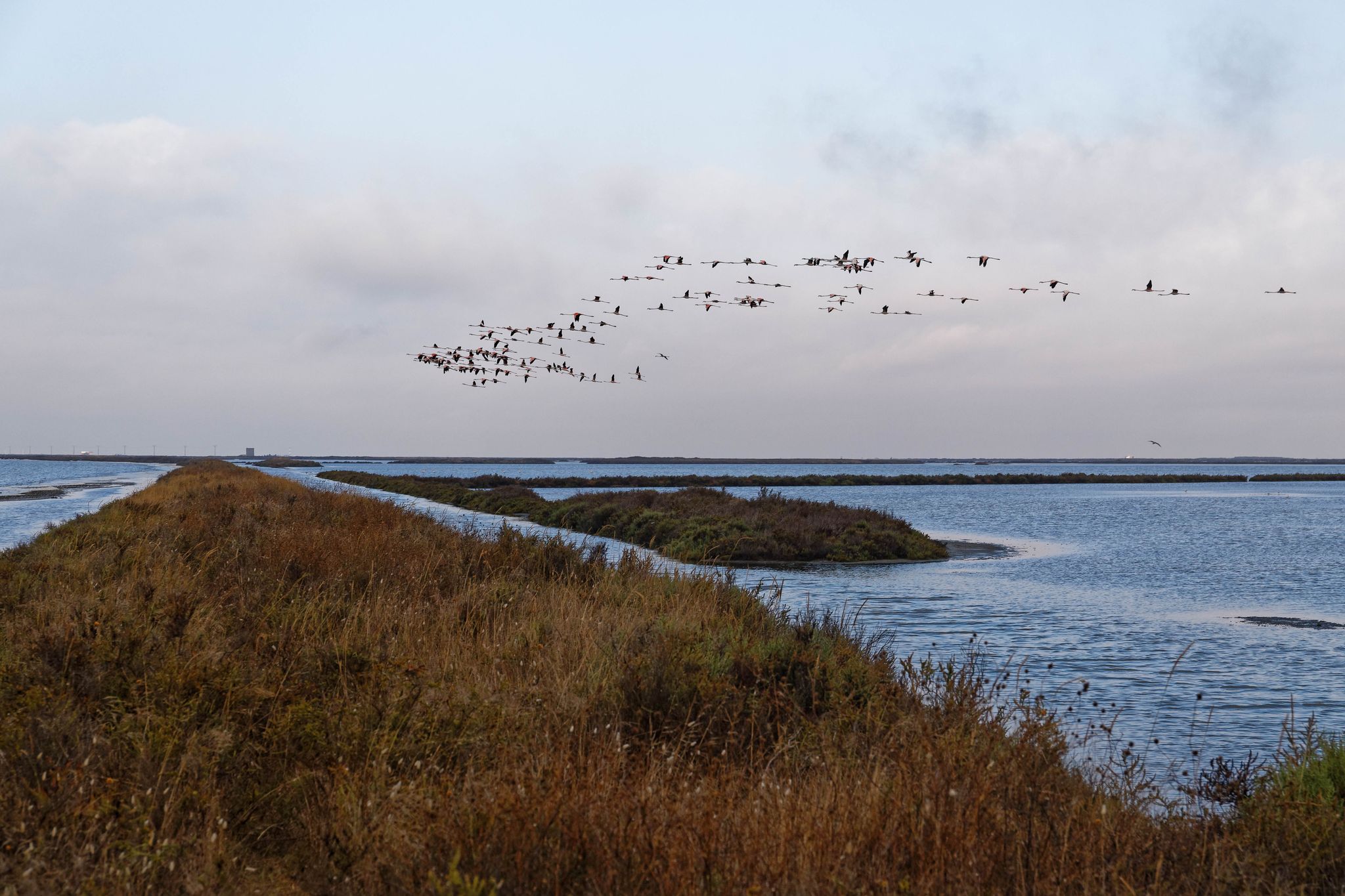
Provence to the Camargue – a journey along the Mediterranean borders
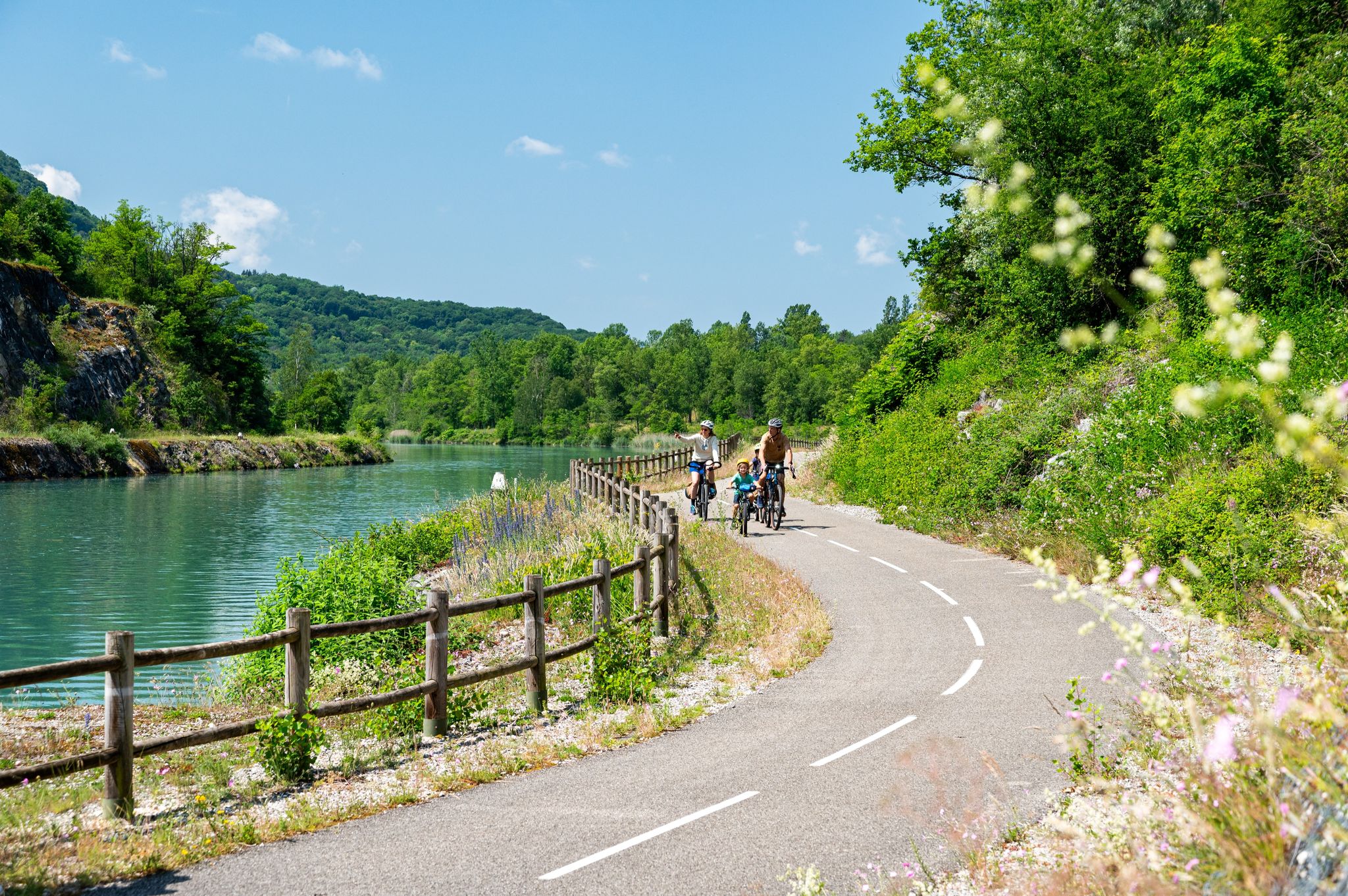
ViaRhôna — ride from the Alps to the Mediterranean
Cycling around Avignon
Other adventures around Avignon


Tips from the Community

Fortunately, it is now a listed building
2
0
Absolutely worth seeing cave village
4
0

Prehistory and caving Adults pay €8 and children aged 7 to 14 pay €6.50. A visit takes about forty minutes.
7
0

It would be nice to live here!
1
0

An unusual site, clinging to the hillside, the troglodyte village of Barry is a vulnerable site, currently closed to the public by municipal decree. To discover it, take the path that goes around it, without entering it!
0
0
In Vaucluse, the sites are more concentrated, more numerous and more diversified, Bollène has two troglodyte hamlets, ancient medieval villages. In the first, at Chabrières, where the habitat is completely ruined by collapses, the development was done by digging the so-called safre of Saint-Restitut, at the foot of the castrum. The second, Barry, inhabited until the 18th century, has dry stone facades protecting a complete layout entirely dug into the rock (kitchen, fireplace, sink stack, vegetable garden for heating food, alcoves, stable, stable, sheepfold, cellar, cistern, etc.)[19]. In the lower Durance valley, in the cliffs of the southern foothills of the Luberon, the sites of Jas de Puyvert and Cabrières-d'Aigues show an ewer and a washhouse. At the heart of the Luberon massif, in the Aigue Brun valley, the Moulin-Clos cliff was built in the 5th century with hermit cells for the Cassianist monks of the Saint-Victor abbey in Marseille and, the fort of Buoux has a part entirely dug into the rock, the bastides of Beaumes and Chantebelle and the hamlet of Aiguiers in Sivergues also have troglodyte structures. In the Calavon valley, three castles in the Apt region present a large part of the troglodyte infrastructure. These are the castles of Milles, Roquefure and Rocher des Druides which, despite its name, is a medieval fort designed to accommodate troops, horsemen and mounts[20].
4
1
The first study on the troglodityque habitat of Provence dates from 1987-1988 under the aegis of the Ministry of Culture and carried out by André-Yves Dautier with the technical assistance of the Luberon regional natural park[14]. This habitat was inventoried in two categories. The first corresponds to the digging in the safres[N 1] of the Miocene of rock shelters, intended for habitat and agricultural use such as the caves of Calès, in Lamanon, occupied from prehistory to the 15th century, of the Baou de Saint -Chamas, built in 1615, from the villages of Barry and Chabrières, to Bollène. The second category is linked to the occupation of natural caves dug by erosion in the Urgonian limestone (karst) and whose facade protection is ensured by dry stone walls. This use, sometimes long-term, was most often due to pastoralism, with shepherds sheltering the flocks there. In Vaucluse, this habitat is mainly found in the valleys of the Monts de Vaucluse and the Luberon.
6
2

Wear good hiking boots and suggest a walking stick to help maintain your balance on some path portions. The trail is steep, but well used and slippery when wet.
0
0
Frequently Asked Questions
What kind of natural caves can I explore near Avignon?
The region offers diverse natural caves. For instance, the Thouzon Caves are a shallow dripstone cave, notable for being the only developed natural cave in Provence. You can walk along the fossilized bed of an ancient underground river. The Grotte de la Salamandre, though a bit further, boasts enormous spaces with spectacular, titanic crystals.
Are there historical cave dwellings or sites near Avignon?
Yes, the area is rich in historical troglodyte sites. The Troglodyte Village of Barry is a significant historical site, continuously inhabited from the Early Stone Age until after the Second World War, with its layout entirely dug into the rock. You can also explore the Troglodyte Dwellings of Font de l'Orme, which are ancient human settlements carved into rock. The Troglodyte Abbey of Saint-Roman offers a unique glimpse into monastic life within a cave setting, featuring an abbey chapel and monks' cells carved into limestone.
Can I see prehistoric art in the caves around Avignon?
While the original Chauvet Cave is not open to the public, you can experience its prehistoric art at the Caverne du Pont d'Arc. This is the world's largest replica of a painted cave, meticulously recreating the 36,000-year-old paintings and engravings amidst stalagmites and stalactites.
Which caves near Avignon are suitable for families with children?
Several caves are family-friendly. The Thouzon Caves are recommended for families, offering a calm and intimate atmosphere. The Grotte de Trabuc is known for its family-friendly approach, featuring an interactive light trail, a child-friendly audio guide, and a free game book. Additionally, the Le Monde Souterrain Museum is also family-friendly.
Are there any wheelchair-accessible caves near Avignon?
The Grotte de la Salamandre offers a unique wheelchair-accessible lookout point, providing a panoramic view into the cave, which is a first in Europe.
How long do cave tours typically last?
Tour durations vary by cave. The guided tour at Thouzon Caves lasts about 45 minutes. A visit to the Le Monde Souterrain Museum takes approximately forty minutes. The guided journey into the Grotte de la Salamandre is about one hour.
What should I wear when visiting caves in the Avignon region?
Caves generally maintain a cool, constant temperature, often around 13-15°C (55-59°F), regardless of the outside weather. It's advisable to wear comfortable walking shoes with good grip, as paths can sometimes be uneven or damp, and bring a light jacket or sweater.
Are there options for public transport to reach caves near Avignon?
While some caves are more easily accessible by car, public transport options exist for certain locations. For specific details on reaching the Caves of Thouzon by public transport from Avignon, it's best to check local transport schedules. You can find more information about the Caves of Thouzon, including access, on the Avignon tourism website: avignon-tourisme.com.
What outdoor activities can I do near these caves?
The region around Avignon offers various outdoor activities. You can find numerous hiking trails, including easy hikes and more challenging routes. For example, there are many hiking routes around Avignon. Road cycling is also popular, with several road cycling routes around Avignon available.
What unique experiences does the Grotte de la Salamandre offer?
Beyond its stunning crystals and guided tour, the Grotte de la Salamandre provides unique adventure options. You can try the 'Grand Rappel,' an adrenaline-pumping 50-meter abseiling experience from the ceiling into the immense cave, or embark on a 'Sports Trail' involving climbing, a rope bridge, ladder ascent, and abseiling into the crystal gallery for the daring.
Where can I find information on opening hours and tickets for caves?
Opening hours and ticket prices vary by cave and season. For the Caves of Thouzon, it's recommended to check their official website or the Avignon tourism site for current information: avignon-tourisme.com. Similarly, for Grotte de Trabuc, you can find details on the Avignon tourism website: avignon-tourisme.com. Always check the specific cave's official website before planning your visit.
Are there any caves that offer a blend of history and scenic views?
The Troglodyte Abbey of Saint-Roman provides a fascinating blend of history and scenic beauty. This ancient cave monastery, carved into limestone, offers vestiges of monastic life and a cemetery with tombs carved into the rock. From its location on the Aiguille Hill, you can enjoy panoramic views over the Rhône, the Alpilles, the Luberon, and Mont Ventoux.
Most popular routes around Avignon
Most popular attractions around Avignon

Get inspired with the komoot mobile app


Didn’t find what you were looking for?
Discover more caves around Avignon region by region:
Explore more
Extend your search for the best caves by checking out these guides of the top ones around Avignon:
