Top 20 Natural Monuments in Landkreis Trier-Saarburg
Natural monuments in Landkreis Trier-Saarburg offer diverse experiences within the Moselle region, characterized by river landscapes, unique geological formations, and serene natural areas. The area features a blend of unspoiled nature and cultural heritage, making it a destination for outdoor exploration. Visitors can find impressive rock formations, waterfalls, and significant river confluences. The region's natural beauty is highlighted by its varied terrain, from steep cliffs to tranquil river sections.
Best natural monuments in Landkreis Trier-Saarburg
- The most popular natural monuments…
Last updated: May 13, 2026
Confluence of the Saar and Moselle
Highlight • River
Translated by Google •
Tip by

Genoveva Cave
Highlight • Cave
Translated by Google •
Tip by

Sign up now to discover places like this
Get recommendations on the best single tracks, peaks, & plenty of other exciting outdoor places.
Sign up for free
Klausen Cave (Hermit's Cave)
Highlight • Cave
Translated by Google •
Tip by

View of the confluence of the Sauer and Moselle at Wasserbillig
Highlight • Viewpoint
Translated by Google •
Tip by

Roman copper mine and quarry Pützlöcher
Highlight • Historical Site
Translated by Google •
Tip by

Dollberg – Highest point in Saarland
Highlight • Summit
The incredible 'silence' of nature and the fairytale character of the immediate surroundings make this summit - which …
Translated by Google •
Tip by

Altfels
Highlight • Natural Monument
Translated by Google •
Tip by

Sirzenich Waterfall
Highlight • Waterfall
Translated by Google •
Tip by
Saarburg Old Town and Leukbach Waterfall
Highlight • Settlement
The Leukbach with the waterfall flows through the old town center.
It is definitely worth stopping at …
Translated by Google •
Tip by

Old arm of the Saar near Kanzem
Highlight • River
Tip by
Sign up for free to discover even more natural monuments in Landkreis Trier-Saarburg.
Sign up for free
Already have an account?
Start today with a free account
Your next adventure awaits.
Login or Signup
Popular around Landkreis Trier-Saarburg
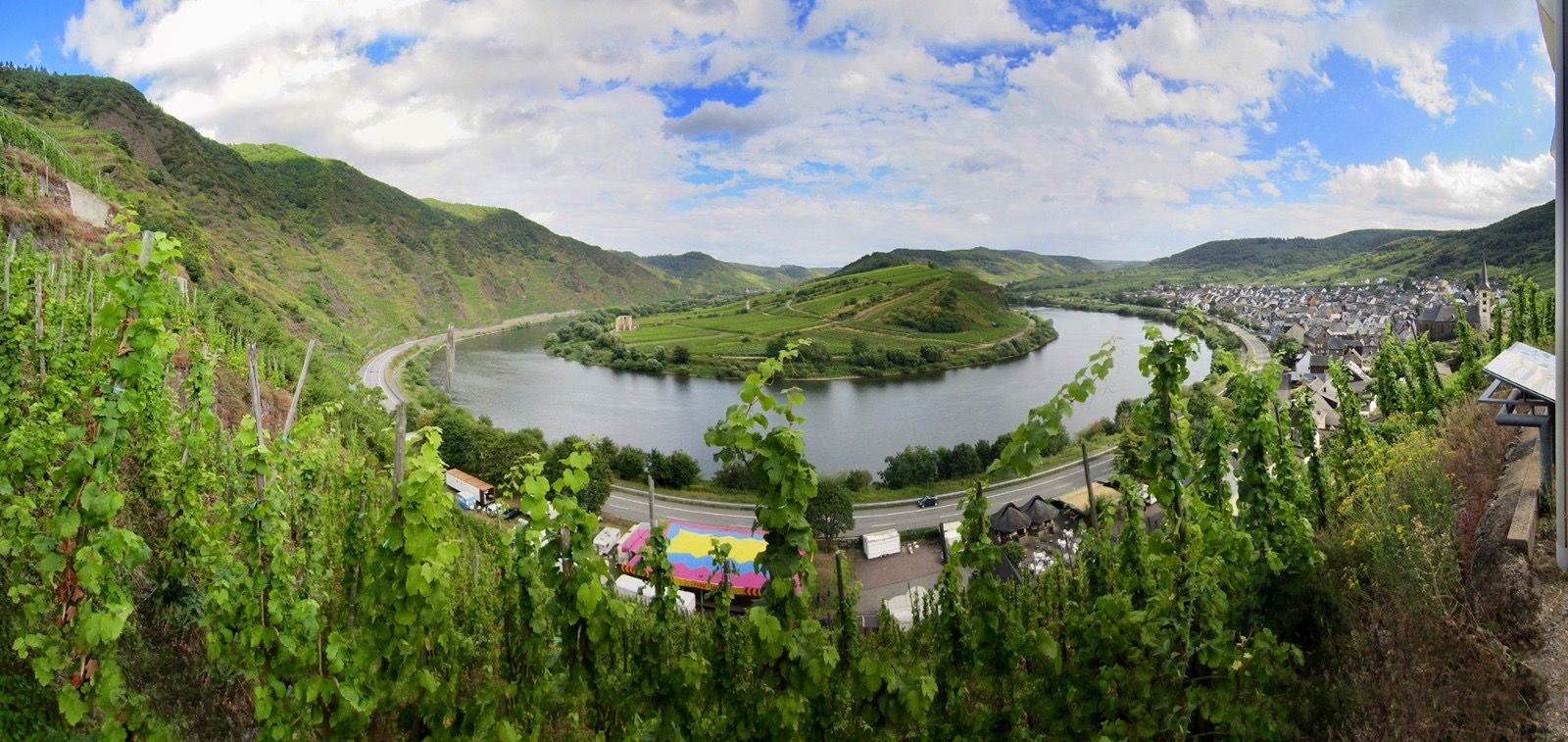
The Moselle cycle path — from the Vosges to the Rhine in 18 stages
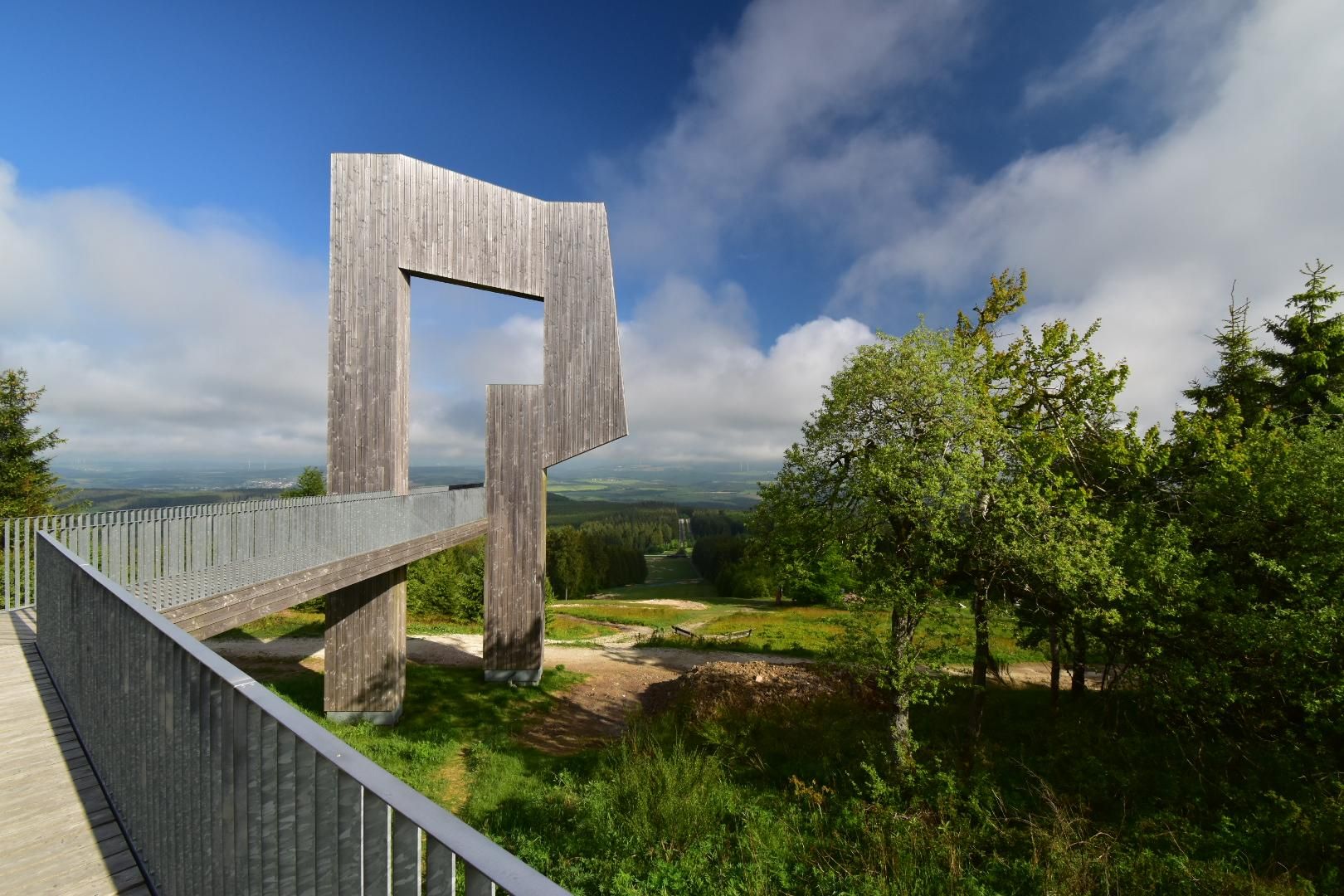
Saar-Hunsrück Climb – Hike in Germany where culture and nature meet
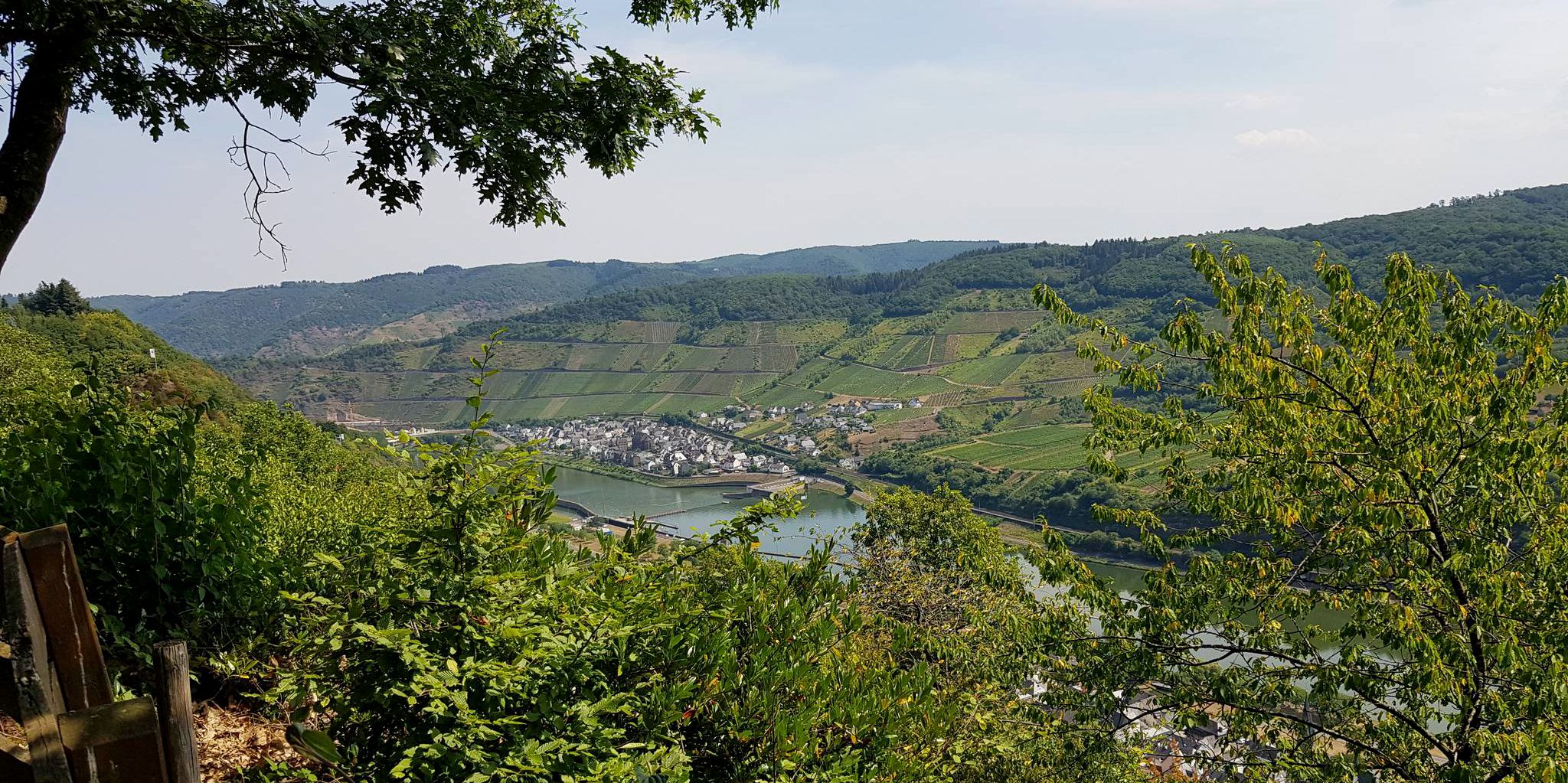
Moselcross — Riding from Trier to Koblenz
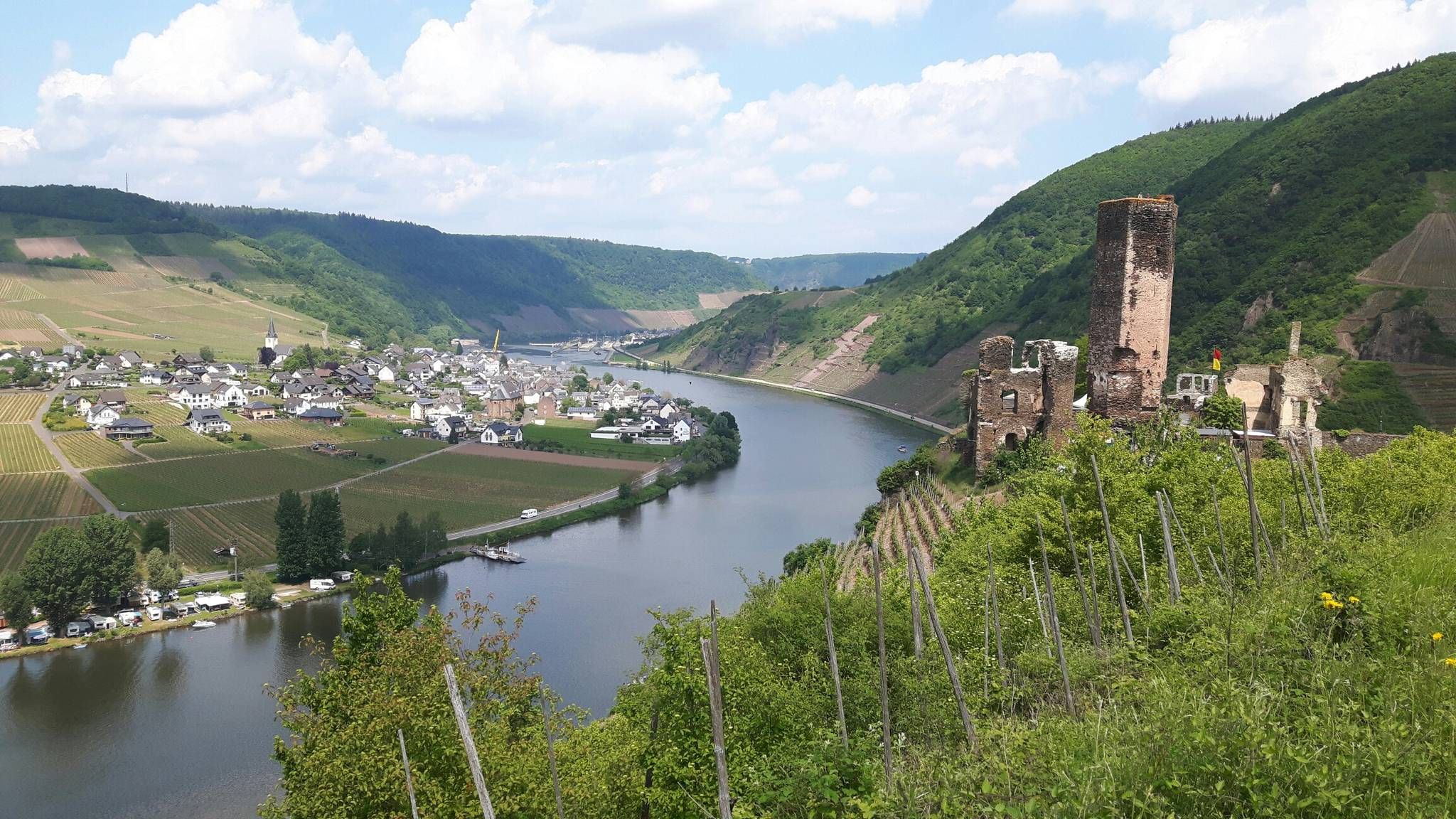
The Moselsteig trail – 24 stages along the sunny Moselle Valley
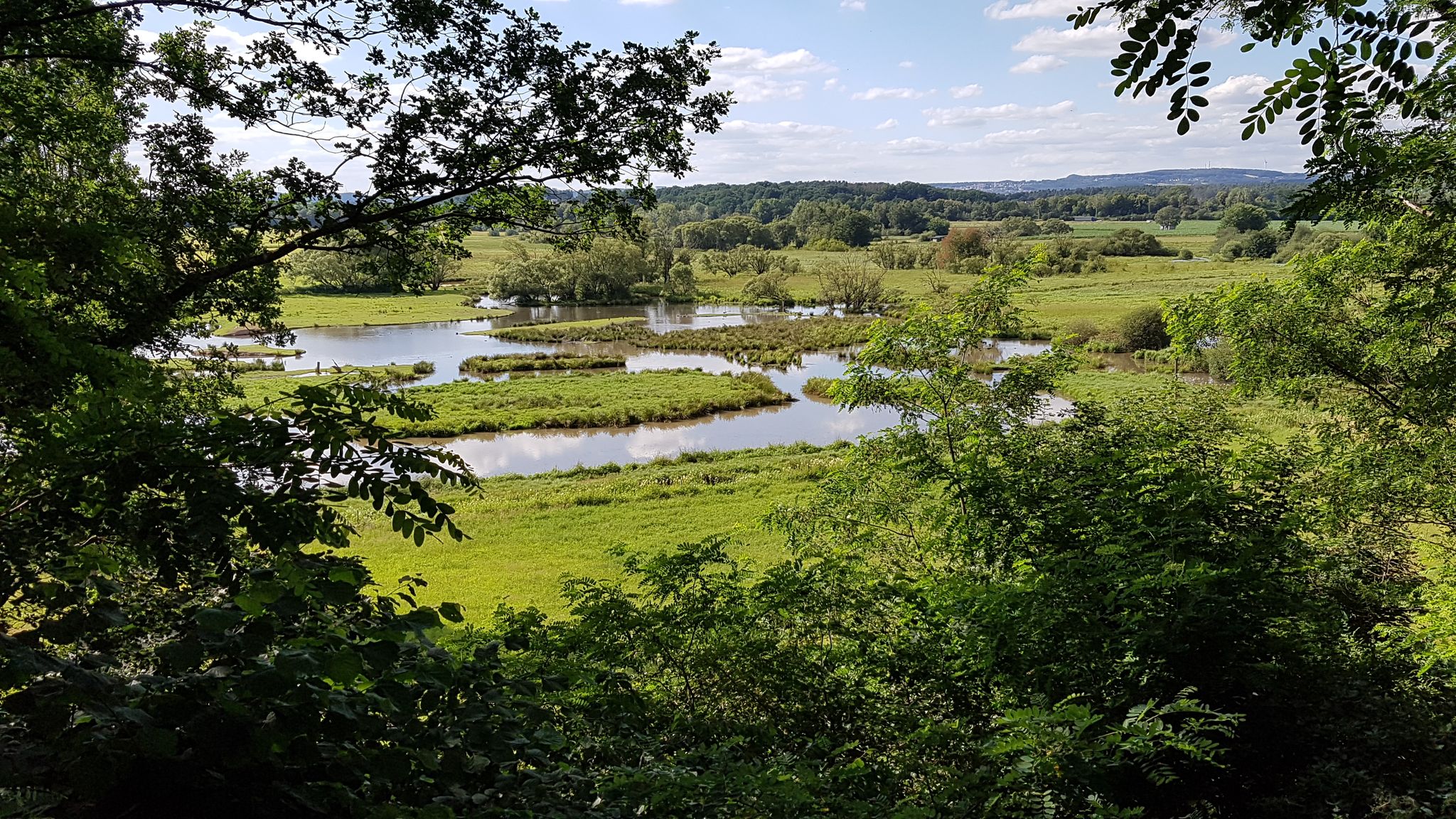
The National Natural Landscapes in Saarland
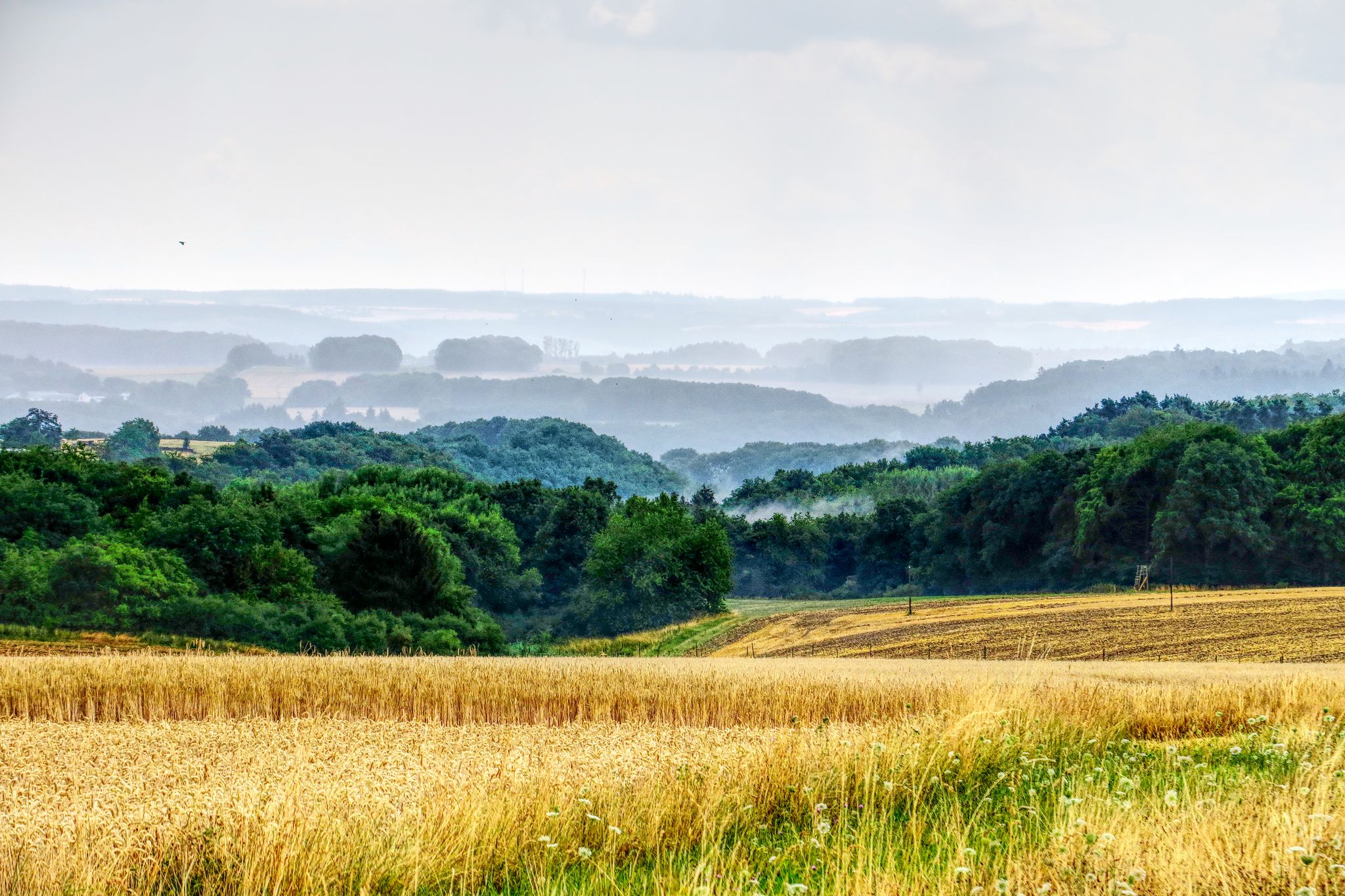
The National Natural Landscapes in Rheinland-Pfalz
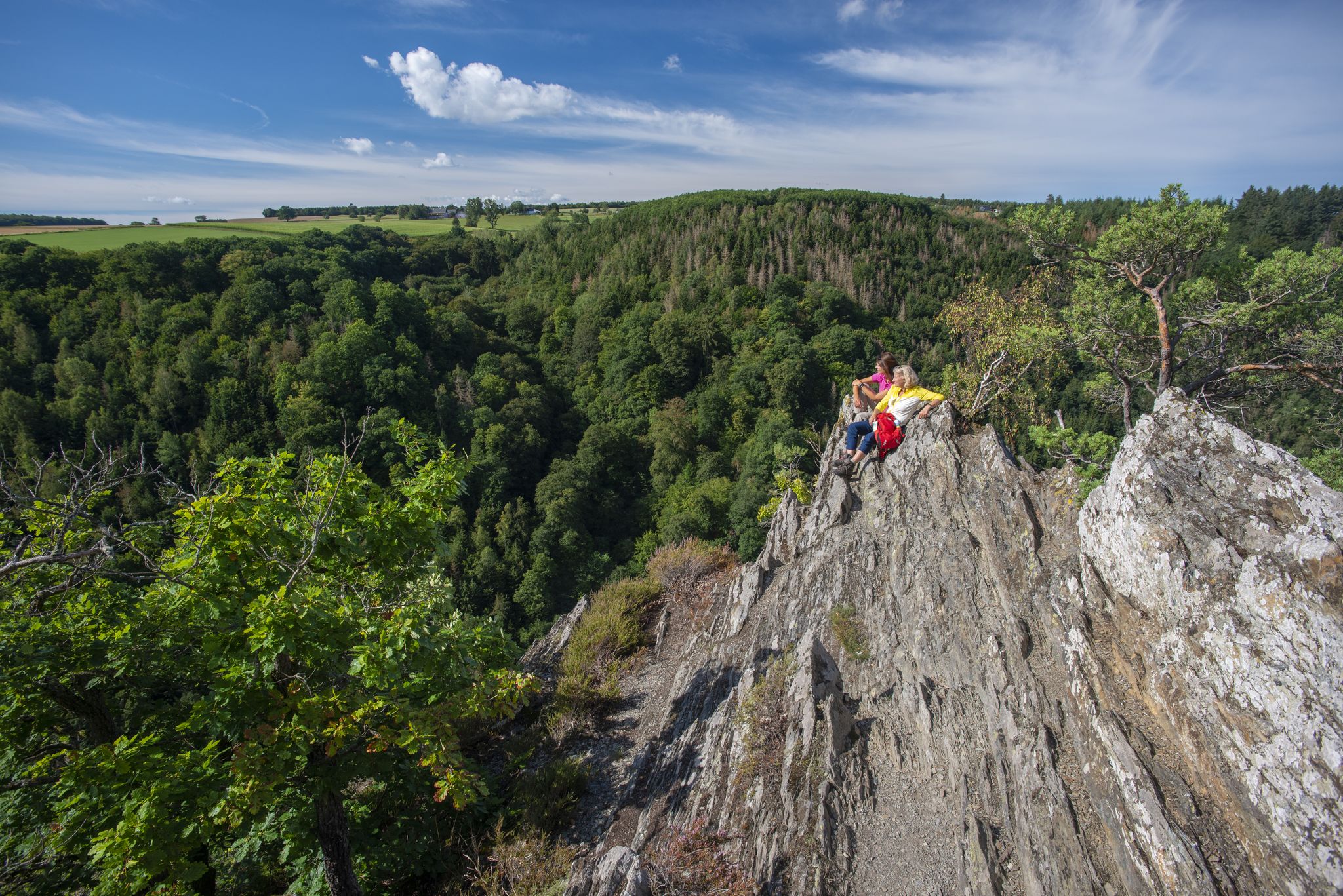
Dream Loops with great views in the Hunsrück
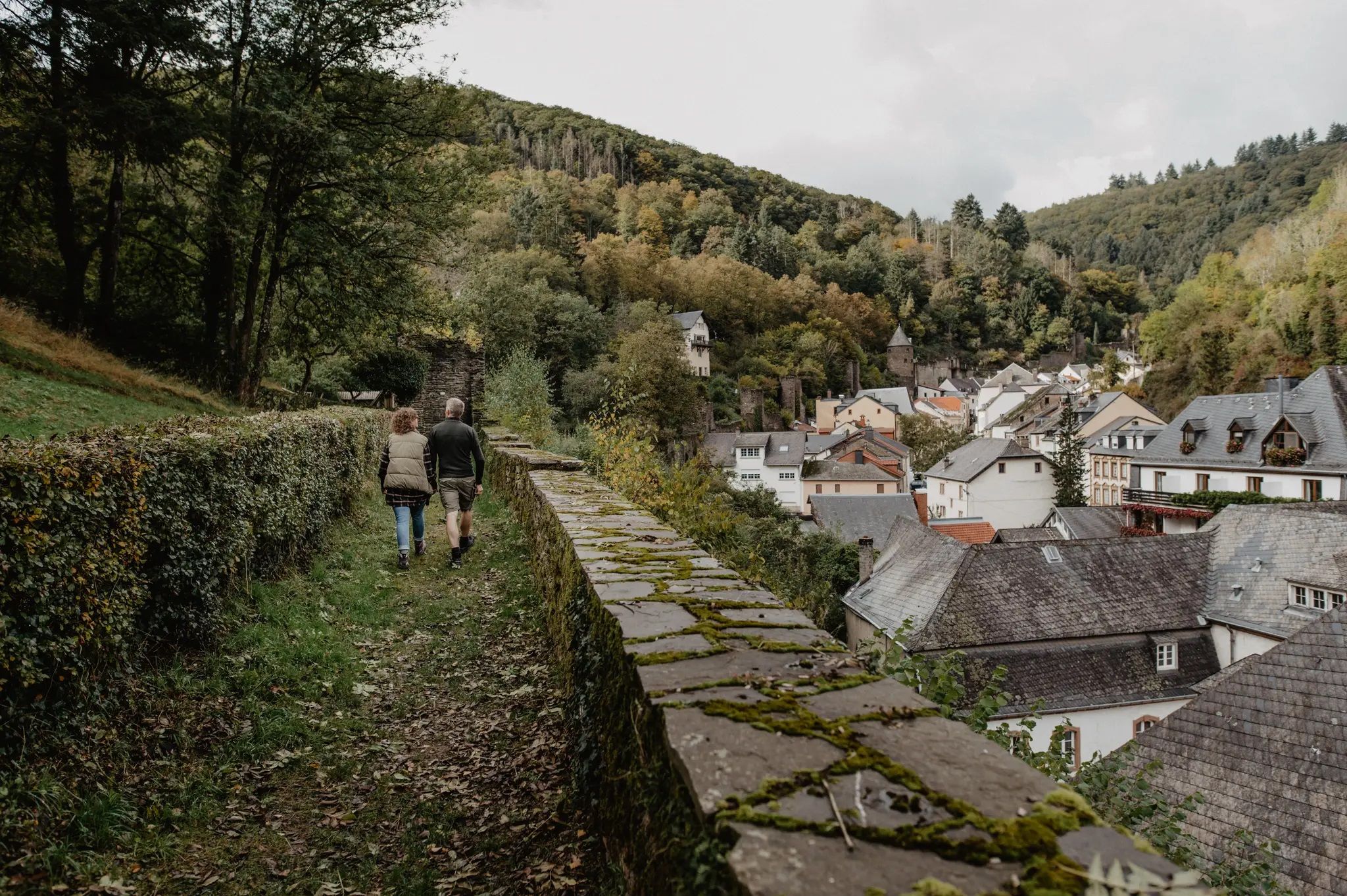
Enjoy the silence – autumn and winter hiking in Luxembourg
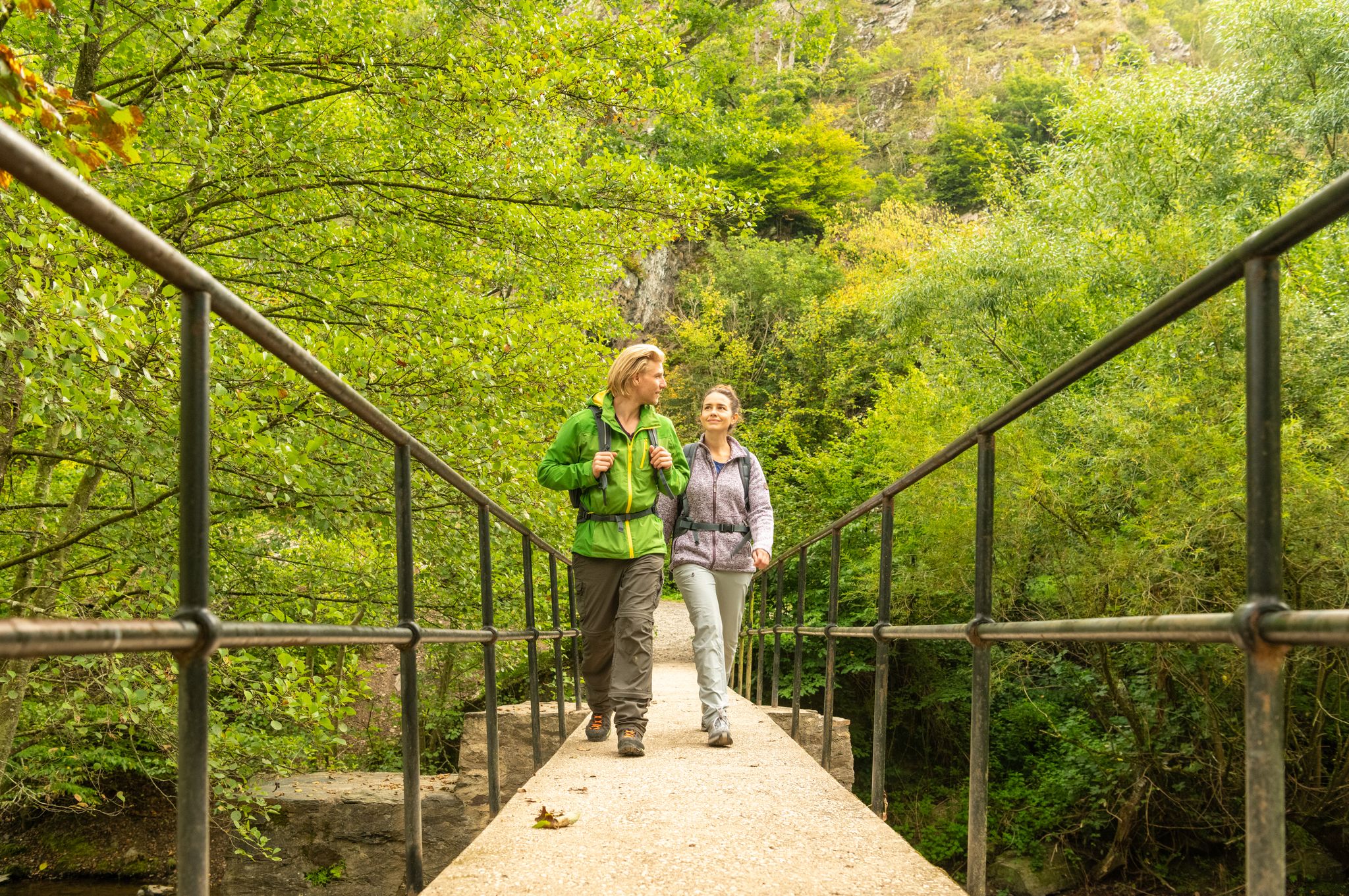
Moselsteig Partner Trails – nature, culture and views
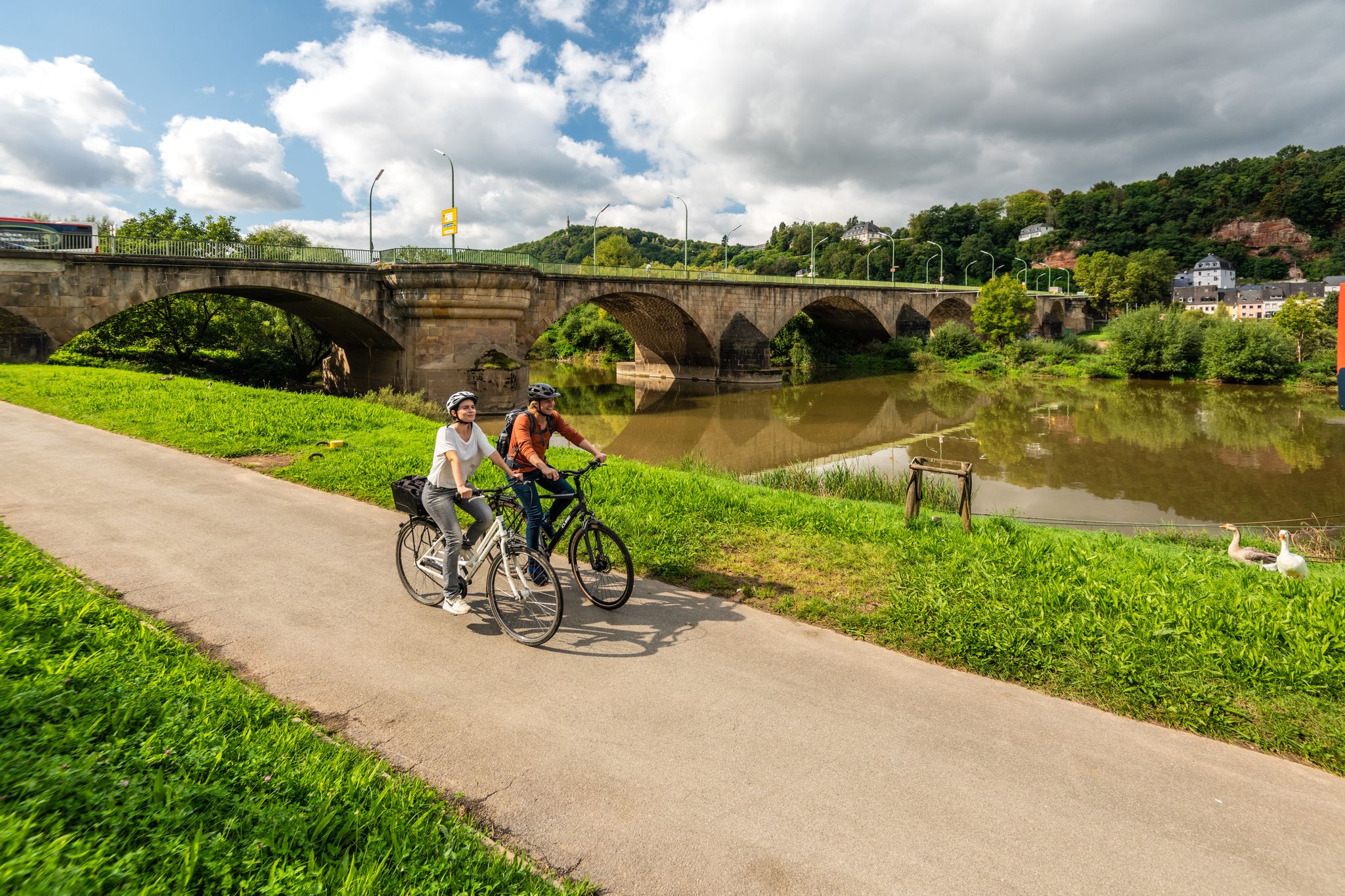
Mosel Cycle Path – in 10 stages from Perl to Koblenz
Other adventures in Landkreis Trier-Saarburg


Tips from the Community

Even today, blocks of stone with Roman numerals and inscriptions can be found in the mine. It is believed that quarrying continued into the 3rd century, as a coin of Emperor Maximinus Thrax was found in the tunnel. Much later, in the 18th century, the search for ore and copper resumed using state-of-the-art blasting techniques, creating new tunnels approximately 114 meters deep. However, the main tunnel collapsed during this process. Source: https://eifelfuehrer.de/touristische-ziele/geschichtliche-zeugnisse/puetzloecher
9
0
The Roman copper mine "Pützlöcher," located between Kordel and Butzweiler, is one of the oldest in Germany and means "waterhole." Here, in the 2nd century, ores such as malachite and azurite were mined at a depth of 20 meters. However, these ores were not found in large deposits, so the Romans later focused on the nearby quarry. The stones from this quarry were used, among other things, for the construction of the Porta Nigra. Source: https://eifelfuehrer.de/touristische-ziele/geschichtliche-zeugnisse/puetzloecher
9
0

Impressive vineyards and a very beautiful course of the Saar.
2
0

The Sauermündung is the place where the river Sauer flows into the Moselle. The Sauer is the largest left tributary of the Moselle and is approximately 170 km long. The river originates in the Belgian Ardennes and forms the border between Germany and Luxembourg for approximately 50 km between Wallendorf and Wasserbillig. In Wasserbillig the Sauer flows into the Moselle. The area around the Sauermündung is a popular destination for cyclists and nature lovers. There are many cycle paths and the area is rich in flora and fauna. There are also many birds to see, including swans and storks.
9
0
"The Sauermündung is the place where the river Sauer flows into the Moselle. The Sauer is the largest left tributary of the Moselle and is approximately 170 km long. The river originates in the Belgian Ardennes and is approximately 50 km long between Wallendorf and Wasserbillig the border between Germany and Luxembourg. In Wasserbillig the Sauer flows into the Moselle. The area around the Sauermündung is a popular destination for cyclists and nature lovers. There are many cycle paths and the area is rich in flora and fauna. There are also many birds to see, including swans and storks."
12
0

The old town of Saarburg with the castle, the church, the mill museum and the waterfall is definitely a magnet for visitors, at least in the summer months. Unfortunately, the old town is usually flooded with tourists on the weekends.
3
0

The Porta Nigra in Trier, the Cologne Cathedral and the Reichstag in Berlin have something in common! The building blocks come from the same area near Butzweiler near Trier. "Pützlöcher" is the popular name for a Roman quarry in which the large blocks for the construction of the Porta Nigra were cut out of the rock. Previously, copper ore was mined here.⚒️
6
1

A great bike path runs along the Sauer. Wasserbillig is quite nice for shopping
13
0
Frequently Asked Questions
What are some of the most popular natural monuments in Landkreis Trier-Saarburg?
Visitors frequently enjoy the unique geological features and scenic views. Among the most popular are Klausen Cave (Hermit's Cave), known for its secluded setting and fascinating faces carved into the rock, and Altfels, a cliff offering wide views after a climb with steps and handrails. The Moselkino Viewpoint is also highly rated for its panoramic vistas of the Moselle valley.
Are there family-friendly natural monuments to visit in the region?
Yes, several natural monuments are suitable for families. The Confluence of the Saar and Moselle near Konz offers wide views, large meadows, and benches along the river, easily accessible via the Saar cycle path. The Saarburg Old Town and Leukbach Waterfall is also a great family destination, where the waterfall cascades directly through the charming town center.
What kind of geological features can I explore in Landkreis Trier-Saarburg?
The region is rich in diverse geological formations. You can explore caves like Genoveva Cave, which provides a natural shelter and interesting insights into earth's development. The Roman copper mine and quarry Pützlöcher offers a glimpse into ancient mining and quarrying activities, with impressive rock formations. Additionally, areas like Nitteler Fels feature impressive limestone and dolomite rock formations.
What outdoor activities can I do near these natural monuments?
Landkreis Trier-Saarburg offers a variety of outdoor activities. You can find numerous hiking trails, such as the Dollbergschleife Dream Loop near the Dollberg – Highest point in Saarland. The region also has extensive MTB trails and gravel biking routes. For more details on routes, you can explore the Hiking in Landkreis Trier-Saarburg, MTB Trails in Landkreis Trier-Saarburg, and Gravel biking in Landkreis Trier-Saarburg guides.
Are there any notable waterfalls in the area?
Yes, the region features several beautiful waterfalls. The Leukbach Waterfall in Saarburg is particularly unique as it flows directly through the town center, creating a picturesque setting. Another scenic spot is the Sirzenich Waterfall, located within a gorge and offering a tranquil natural experience.
Where can I find natural river landscapes in Landkreis Trier-Saarburg?
The region is defined by its river landscapes, especially along the Moselle and Saar rivers. The Confluence of the Saar and Moselle is a significant natural landmark. You can also experience the untouched character of the Old arm of the Saar near Kanzem, which represents one of the last largely natural river sections along the Lower Saar.
What is the best time to visit the natural monuments in Landkreis Trier-Saarburg?
The natural monuments in Landkreis Trier-Saarburg are beautiful year-round. Spring and autumn offer pleasant temperatures for hiking and cycling, with vibrant foliage or blooming flora. Summer is ideal for enjoying the river landscapes and outdoor activities. Even in winter, some sites offer a serene, fairytale-like atmosphere, especially in areas like the Dollberg, known for its incredible silence.
Are there any challenging hikes or climbs among the natural monuments?
For those seeking a challenge, Altfels offers a climb to the top with steps and handrails, providing rewarding views. The Himmelsleiter (Sky Ladder) near Trier, while not a highlight in this guide, is a significant regional feature with 604 steep steps leading into a natural paradise of sandstone cliffs and untamed gorges, suitable for experienced hikers.
What do visitors appreciate most about the natural monuments in this region?
Visitors frequently highlight the stunning panoramic views, the peaceful and secluded nature of many sites, and the unique geological formations. The blend of unspoiled nature with historical elements, such as the faces carved into the rock at Klausen Cave, is also highly appreciated. The region's natural beauty and diverse landscapes provide a sense of wonder and tranquility.
Can I find information about the official list of natural monuments in Landkreis Trier-Saarburg?
For an official overview of protected natural areas, you can refer to resources like the List of Nature Reserves in Landkreis Trier-Saarburg on Wikipedia. This provides a broader context for the region's commitment to preserving its natural heritage, which includes many of the natural monuments highlighted here.
Are there natural monuments that are particularly good for wildlife spotting?
Areas like the Gillenbachtal nature reserve, which includes the Gillenbach Waterfall, are known for their diverse ecosystems, featuring orchid-rich areas and mixed deciduous forests. The Nitteler Fels, with its dry grasslands and dolomite rock formations, is an important habitat for rare and endangered plant and animal species, making these locations excellent for observing local flora and fauna.
Most popular routes in Landkreis Trier-Saarburg
Most popular attractions in Landkreis Trier-Saarburg

Get inspired with the komoot mobile app


Didn’t find what you were looking for?
Find even more amazing natural monuments in Landkreis Trier-Saarburg by checking out the top Highlights region by region:
Explore more
Extend your search for the best caves by checking out these guides of the top ones in Landkreis Trier-Saarburg:
