Top 20 Natural Monuments in Nordsachsen
Best natural monuments in Nordsachsen include diverse landscapes shaped by natural processes and human activity. This district in Saxony, Germany, features extensive forests, former mining areas transformed into lakes, and elevated viewpoints. The region offers opportunities for outdoor activities and nature observation across its varied terrain, including unique geological formations and diverse ecosystems.
Best natural monuments in Nordsachsen
- The most popular natural monuments is Papitzer Ponds, a lake area that consists of former clay pits now serving as valuable…
Last updated: August 19, 2026
Albert Tower on the Collmberg
Highlight • Monument
Translated by Google •
Tip by

Werbeliner See cycle path
Highlight • Cycleway
Translated by Google •
Tip by

Sign up now to discover places like this
Get recommendations on the best single tracks, peaks, & plenty of other exciting outdoor places.
Sign up for free
View of the Werbeliner See
Highlight • Viewpoint
Translated by Google •
Tip by
Lake Neuhauser
Highlight • Lake
Translated by Google •
Tip by

Werbeliner Lake Loop Trail
Highlight • Trail
Translated by Google •
Tip by

Brodauer Zinken at Lake Werbeliner
Highlight • Lake
Translated by Google •
Tip by

Lake Grabschütz
Highlight • Lake
Translated by Google •
Tip by

Lake Werbellin
Highlight • Lake
Translated by Google •
Tip by

Carl Pond (Silver Lake)
Highlight • Lake
Translated by Google •
Tip by

Papitzer Ponds
Highlight • Lake
Translated by Google •
Tip by
Sign up for free to discover even more natural monuments in Nordsachsen.
Sign up for free
Already have an account?
Start today with a free account
Your next adventure awaits.
Login or Signup
Popular around Nordsachsen
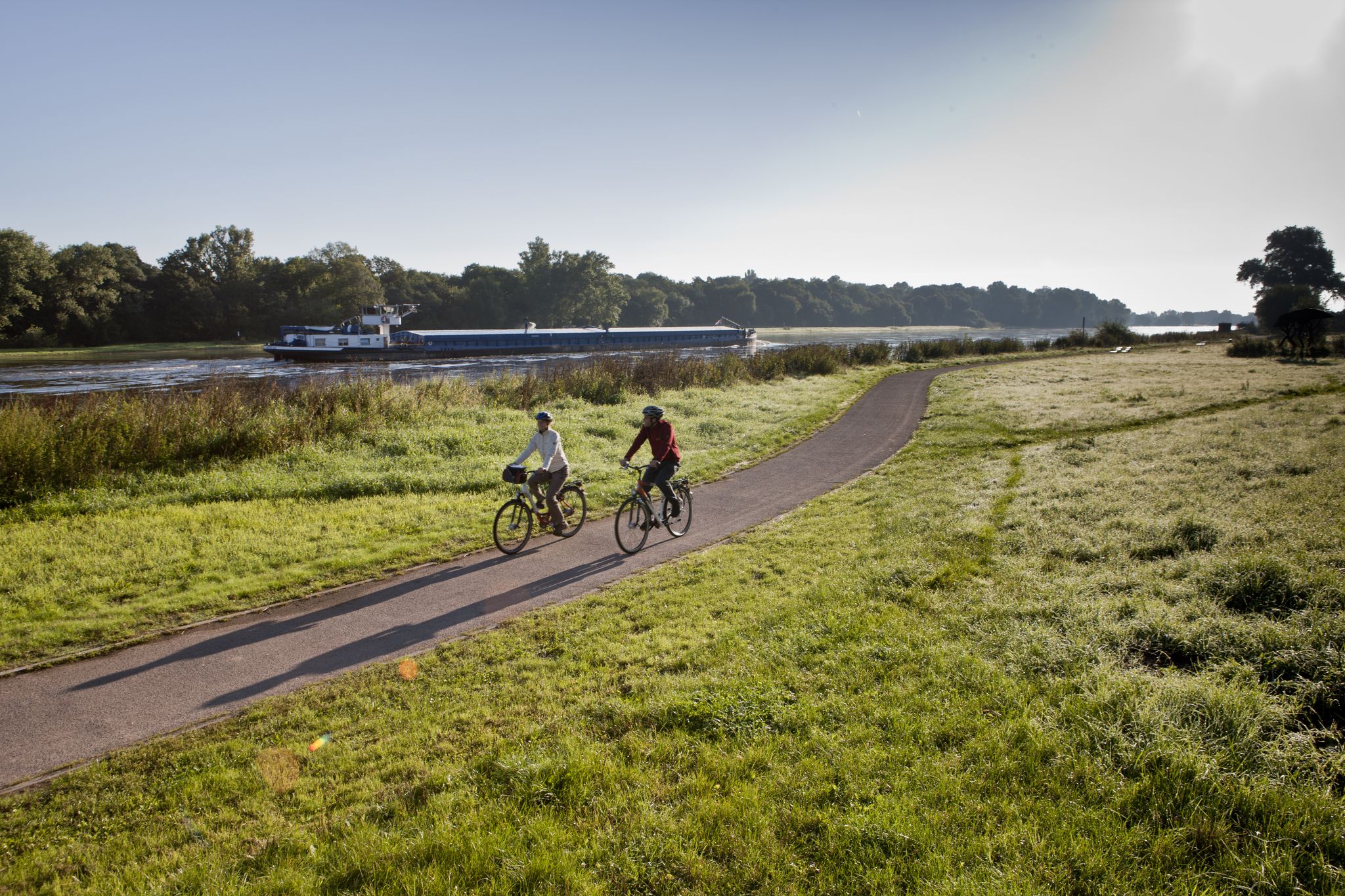
Elbe Cycle Route – Ride through Saxony-Anhalt
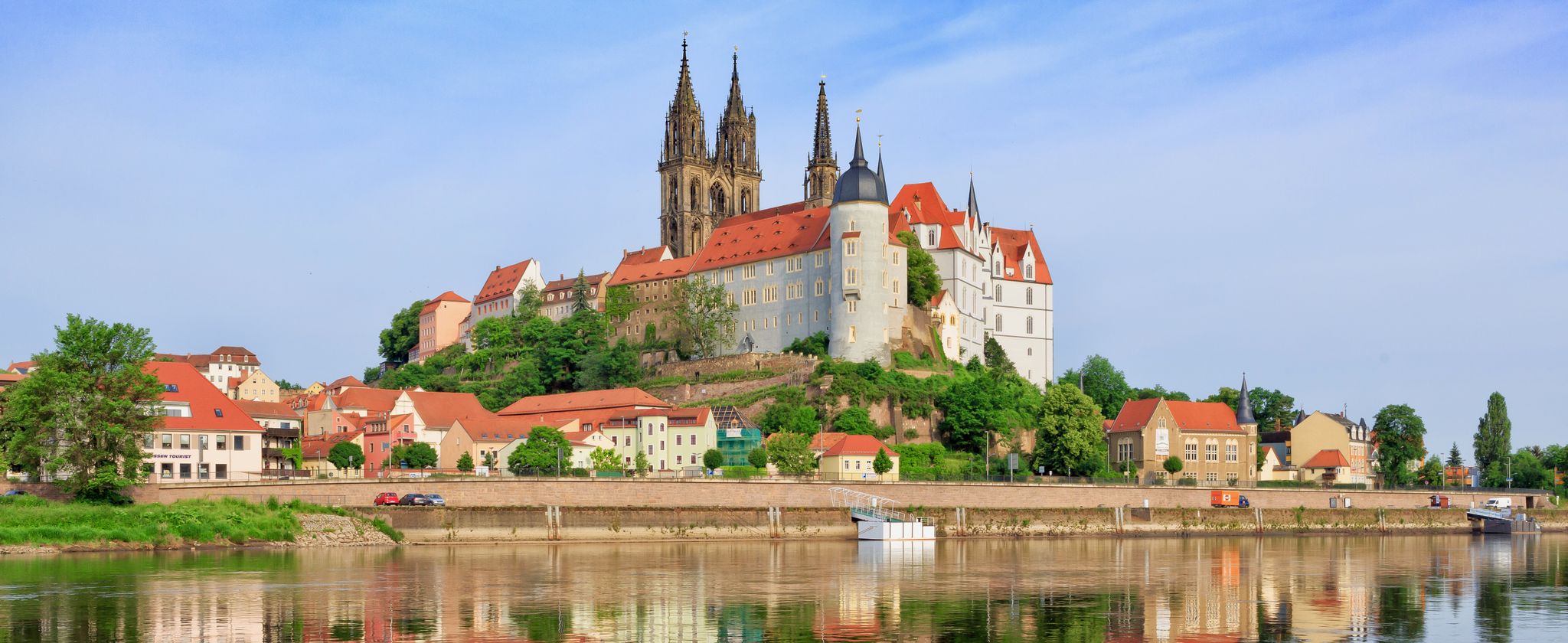
The Elbe Cycle Path — cross-border cycling pleasure
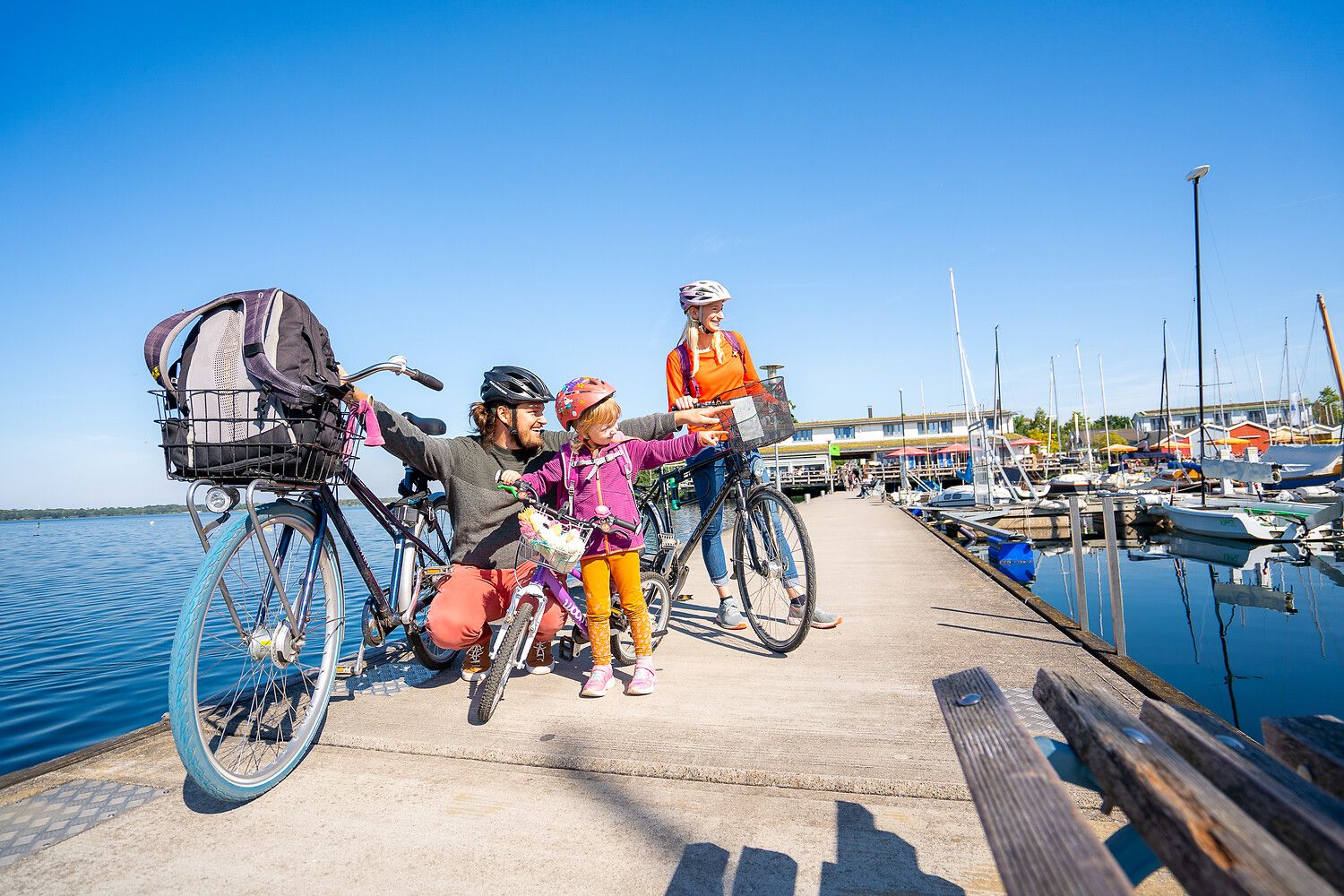
Lake views and fresh air – cycling by the water in the Leipzig region
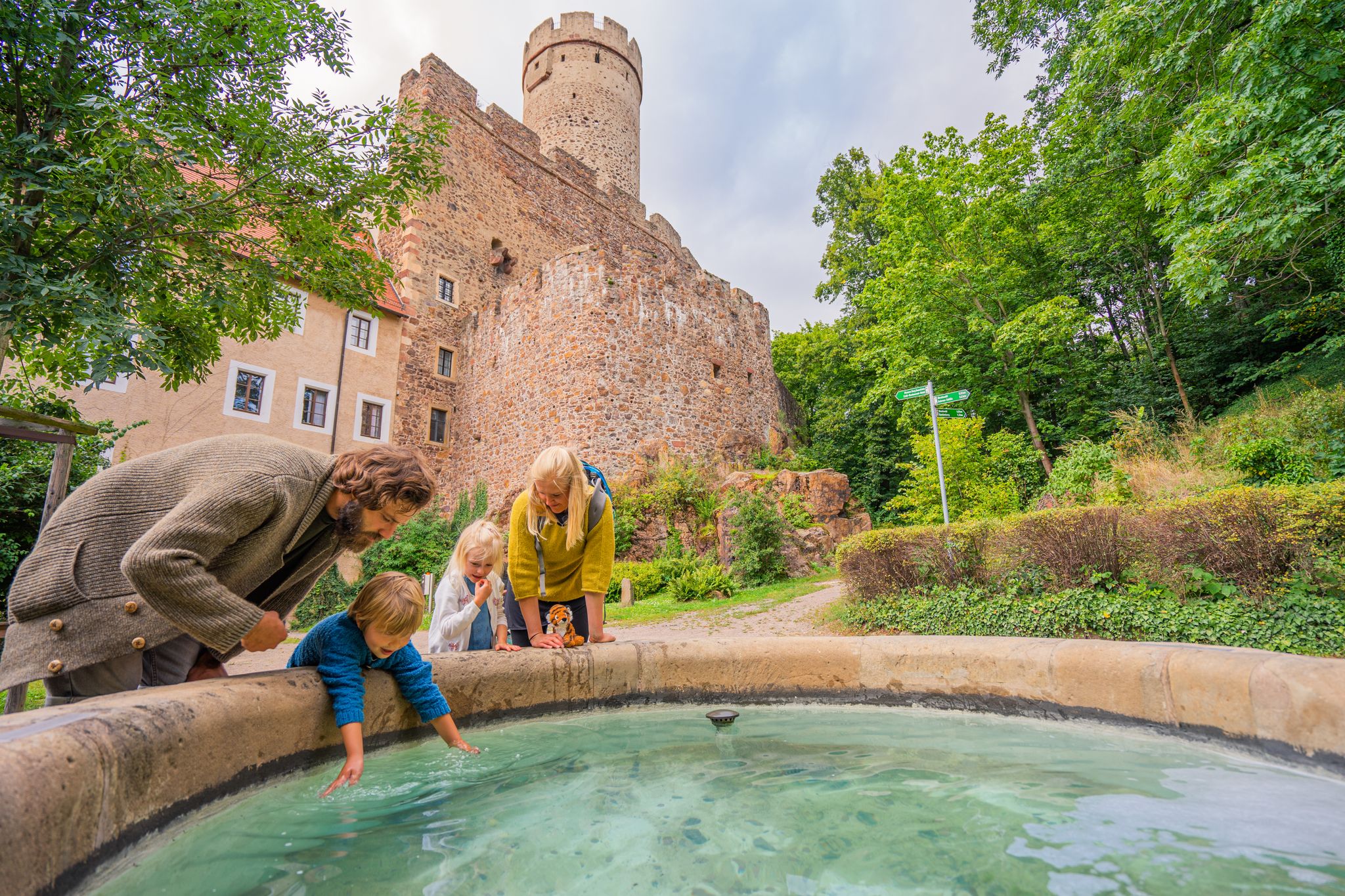
Time for little adventures – family hikes in the Leipzig region
The National Natural Landscapes in Saxony-Anhalt
The National Natural Landscapes in Saxony
Walking and Wellness – spa towns in the Leipzig area
Ride the Elbe Cycle Route through Saxony-Anhalt
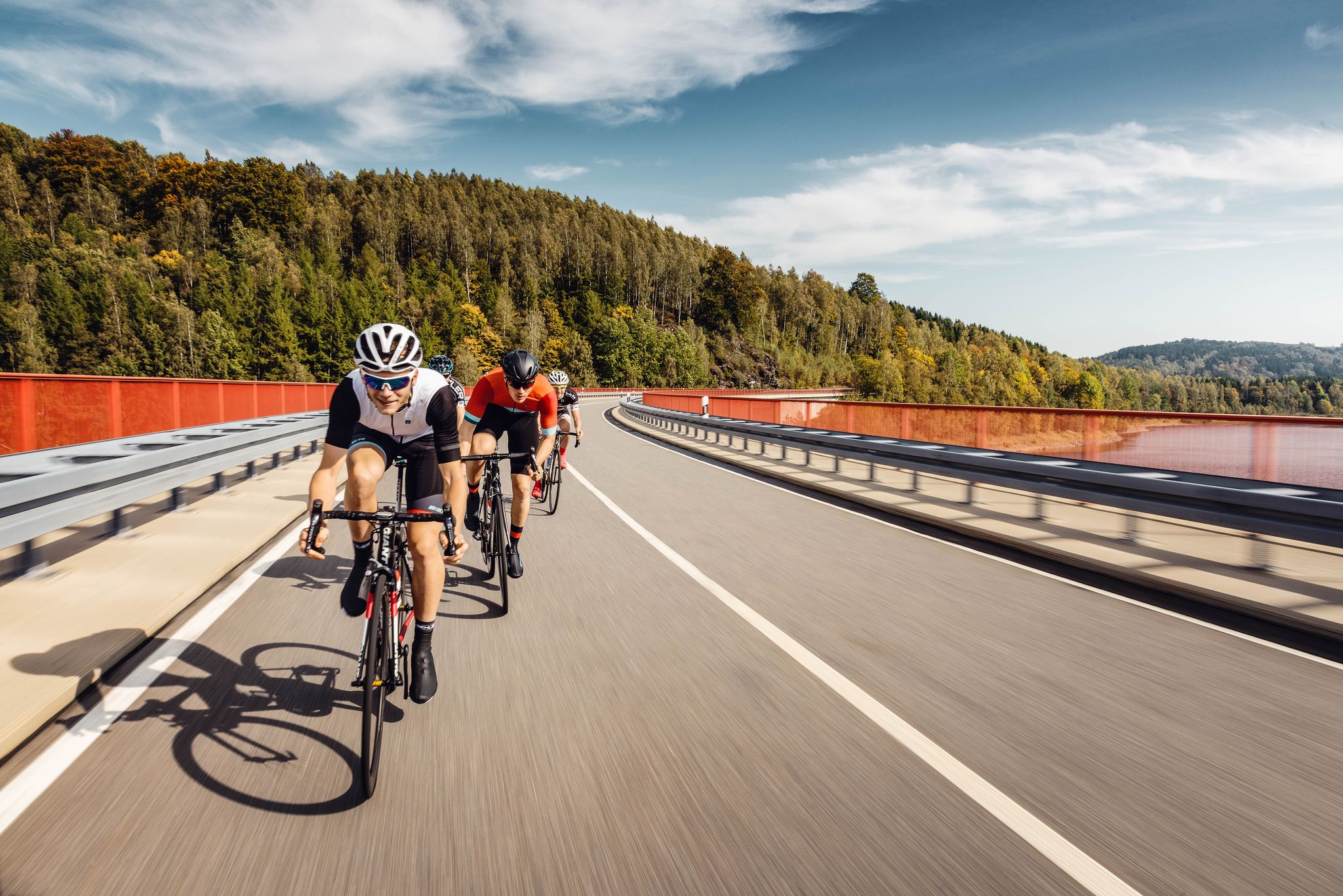
Pure road and gravel riding joy through Saxony
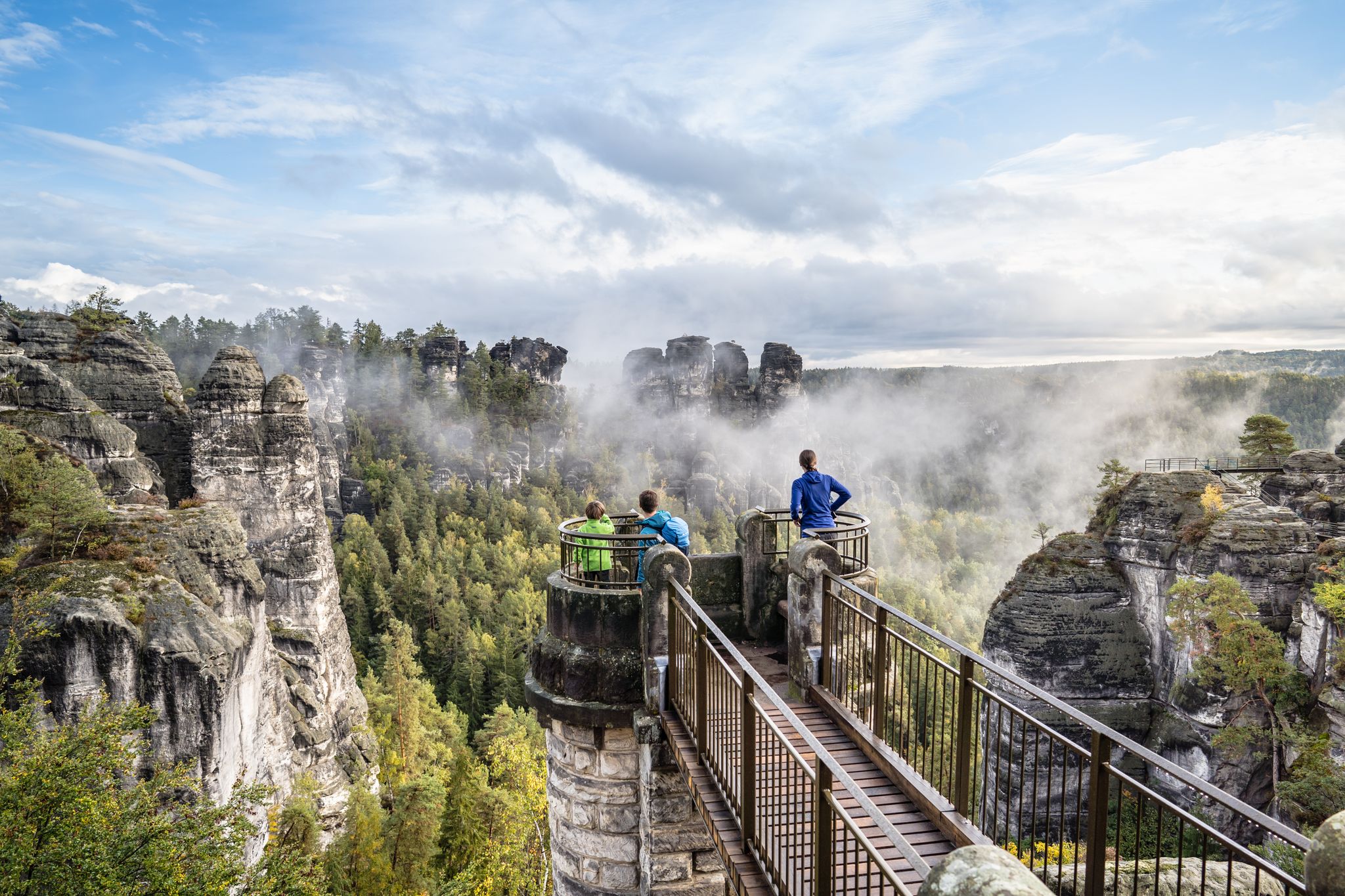
Natural wonders of Saxony – hiking with the wow factor
Other adventures in Nordsachsen


Tips from the Community

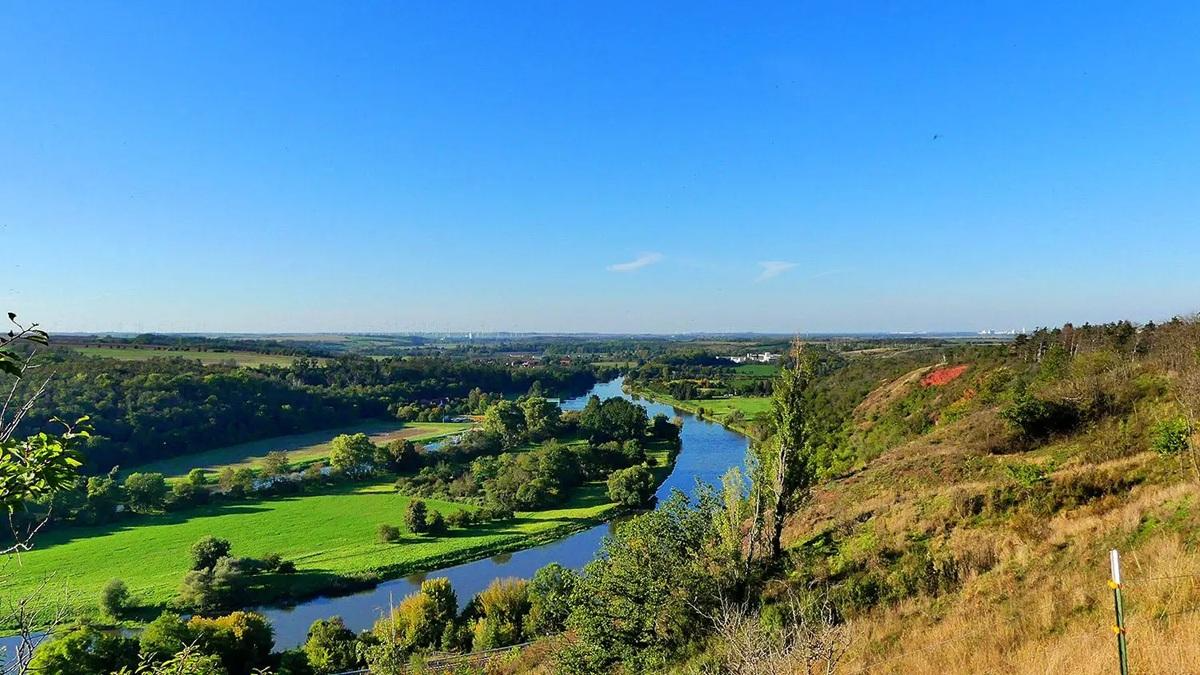
Today, an developed network of cycle paths and hiking trails with viewing platforms and information boards on the formation of the landscape extends along the Neuhäuser See. The 120 km long Kohle-Dampf-Licht cycle path from Lutherstadt Wittenberg to Markkleeberg passes by the lake. Source https://de.wikipedia.org/wiki/Neuh%C3%A4user_See
1
0
In the mid-19th century, the first mining activities began in the southwest of Goitzsche, near the villages of Petersroda and Holzweißig.[3] Following the lignite seam, mining progressed from west to east. Favored by the opening of the current Magdeburg–Leipzig and Trebnitz–Leipzig railway lines, the sales market for lignite expanded to Halle and Leipzig, among other places. The increased demand for electrical energy and fossil fuels in the 19th and 20th centuries led in 1908 to the opening of the Leopold open-cast mine (from 1945 to 1962 Holzweißig–Ost) and in 1958 to the creation of the Holzweißig-West open-cast mine.[3] The Neuhäuser See originated from the former Holzweißig-West lignite open-cast mine. It is named after the Neuhaus estate, which was demolished in 1976 along with the village of Paupitzsch. The Holzweißig-West open-cast mine was operated from 1958 to 1980. Other sources report usage until 1991. The lake was flooded from 1993 to 2005.[1] Overflowing water is channeled via the Goitzsche into the Mulde. Since 1997, the area has been renatured and stable embankments have been created. Source https://de.wikipedia.org/wiki/Neuh%C3%A4user_See
1
0
The Neuhäuser See is located on the northwestern border of the Free State of Saxony with Saxony-Anhalt, at an altitude of about 78 m above sea level. NN. South of the lake is Benndorf, a district of the North Saxon district town of Delitzsch, and to the north is the unified municipality of Bitterfeld-Wolfen in Saxony-Anhalt. It is located in the Central German Lake District, south of the Großer Goitzschesee and the waters Ludwigsee and Paupitzscher See. Quelle https://de.wikipedia.org/wiki/Neuh%C3%A4user_See
1
0
The Neuhäuser See (also Neuhauser See) is an opencast mine residual lake of approximately 155 hectares, which was created by flooding the former Holzweißig-West opencast mine. The lake is located in the Central German Lake District, south of the Goitzsche nature reserve and north of the town of Delitzsch. Source https://de.wikipedia.org/wiki/Neuh%C3%A4user_See
1
0


Papitzer Lachen. These are shallow bodies of water that were once created by clay mining. After clay mining was stopped, there were plans to fill in the lakes to create farmland. But committed conservationists managed to prevent the lakes from being destroyed. They became a valuable habitat, especially for amphibians.
0
0

A landscape can't be much more mystical. The only thing missing was the spooky fog. 🤭
10
0
Frequently Asked Questions
What types of natural monuments can I explore in Nordsachsen?
Nordsachsen offers a diverse range of natural monuments, from expansive forests and heathlands to lakes formed from former mining areas. You can find significant viewpoints like the Albert Tower on Collmberg, serene lake areas such as Papitzer Ponds, and idyllic forest and lake environments like Carl Pond (Silver Lake). The region is characterized by its blend of natural beauty and landscapes transformed by human activity.
Are there natural monuments suitable for families with children?
Yes, many natural monuments in Nordsachsen are family-friendly. For instance, Papitzer Ponds and Papitzer Lachen (Luppeaue Nature Reserve) are noted for being suitable for families, offering opportunities to observe diverse amphibian life. Other family-friendly spots include Brodauer Zinken at Lake Werbeliner, Lake Grabschütz, and Lake Werbellin, which provide accessible natural settings for all ages.
Where can I find extensive forest and heathland areas in Nordsachsen?
The Dübener Heide Nature Park is a prominent natural area in Nordsachsen, known for its large, contiguous mixed forests, moors, and heathland. It's an ideal place for those seeking tranquility and opportunities for hiking and cycling amidst diverse ecosystems. Additionally, the Wermsdorf Forest and Dahlener Heide are impressive landscape conservation areas featuring extensive forests, meadows, ponds, and lakes.
What kind of water activities can I enjoy near Nordsachsen's natural monuments?
The Goitzsche Lake, a significant natural monument formed from a former lignite mine, is a hub for water sports. Visitors can enjoy swimming, sailing, diving, wakeboarding, surfing, rowing, and stand-up paddling. The lake also features the 'Amber Promenade' and is known for its amber deposits. Other lakes like Lake Grabschütz and Lake Werbellin also offer opportunities for enjoying the water.
Are there good hiking and cycling routes around the natural monuments?
Absolutely. The Goitzsche Lake boasts a well-developed network of cycling and hiking trails around its perimeter. The Dübener Heide Nature Park offers numerous routes, including the quality hiking trail 'Heide-Biber-Tour'. For more specific routes, you can explore options like the Grabschützer See nature trail or the Werbeliner See cycle path. The Wermsdorf Forest and Dahlener Heide also provide excellent opportunities for cyclists and hikers.
What historical or cultural sites are integrated with the natural monuments?
The Albert Tower on Collmberg is a notable example, being both a natural monument (summit) and a man-made historical structure offering panoramic views. It served as a key triangulation station for land surveying in Saxony. Additionally, the Collmer Linde is recognized as both a natural and historical site. While not a natural monument itself, the Delitzsch Baroque Palace, with its historic garden, is a significant cultural landmark in the region.
Can I spot wildlife at the natural monuments in Nordsachsen?
Yes, several areas are rich in wildlife. The Papitzer Ponds, located within the Luppeaue nature reserve, are valuable habitats for various animals and plants, including threatened amphibians like the fire-bellied toad and great crested newt. The Goitzsche Wilderness, overseen by the BUND association, allows nature to develop undisturbed, promoting biodiversity. The Dübener Heide Nature Park is also known for its rich flora and fauna.
What do visitors particularly enjoy about the natural monuments in Nordsachsen?
Visitors frequently appreciate the stunning panoramic views from elevated points like the Albert Tower on Collmberg. The serene and idyllic settings of places like Carl Pond (Silver Lake), with its forest and lake environment, are also highly valued. Many enjoy the successful transformation of former industrial areas into thriving natural and recreational landscapes, such as the Goitzsche Lake, which offers a blend of active recreation and natural beauty.
Are there any nature reserves among the natural monuments?
Yes, the Papitzer Ponds are situated within the Luppeaue nature reserve, protecting valuable habitats for various species. The Presseler Heidewald- und Moorgebiet is also a designated nature reserve, safeguarding unique forest and moorland ecosystems. These areas are crucial for biodiversity and offer opportunities for nature observation.
What are some unique features of the Goitzsche Lake area?
The Goitzsche Lake is a remarkable example of landscape transformation from a former lignite open-cast mine. It features a 26-meter water tower (Pegelturm) that floats on the lake, offering panoramic views. The 'Amber Promenade' runs along its shore, and the lake is known as the world's second-largest amber deposit and largest underwater mining area, with nine different types of amber found there. It successfully blends active recreation with ecological rehabilitation.
Can I find easy hiking trails around the natural monuments?
Yes, Nordsachsen offers several easy hiking options. For example, the Grabschützer See nature trail, the Pressel Nature Trail, and the Eilenburg Planet Trail are all categorized as easy hikes, perfect for a relaxed exploration of the natural surroundings.
Are there opportunities for long-distance cycling near the natural monuments?
Yes, the region provides options for longer cycling tours. You can find routes like the View of Neuhauser Lake – Großer Goitzschesee Gauge Tower loop or the Hartenfels Castle – Pretzsch Ferry loop, which offer moderate to challenging distances for touring bicycles. For road cyclists, there are even more extensive routes available, such as the View of Trebsen Castle – Mügeln Market Square loop.
Most popular routes in Nordsachsen
Most popular attractions in Nordsachsen

Get inspired with the komoot mobile app


Didn’t find what you were looking for?
Find even more amazing natural monuments in Nordsachsen by checking out the top Highlights region by region:
Explore more
Extend your search for the best caves by checking out these guides of the top ones in Nordsachsen:
