Top 4 Natural Monuments in Prince Edward Island
Best natural monuments in Prince Edward Island showcase the island's distinctive beauty, characterized by extensive coastlines, unique geological formations, and diverse ecosystems. The island's landscape features iconic red sandstone cliffs and beaches, shaped by natural erosion and iron oxide. These natural features offer opportunities for exploration and appreciation of the island's environment. Prince Edward Island is known for its varied natural attractions, from parabolic dunes to coastal viewpoints.
Best natural monuments in Prince Edward Island
- The most popular natural monuments…
Last updated: September 29, 2026
Greenwich Dunes
Highlight • Natural Monument
Translated by Google •
Tip by

Cavendish Beach
Highlight • Beach
Translated by Google •
Tip by

Sign up now to discover places like this
Get recommendations on the best single tracks, peaks, & plenty of other exciting outdoor places.
Orby Head
Highlight • Viewpoint
Translated by Google •
Tip by
Robinsons Island Beach
Highlight • Beach
Translated by Google •
Tip by
Devil's Punchbowl Nature Reserve
Highlight • Natural Monument
Tip by

Start today with a free account
Your next adventure awaits.
Popular around Prince Edward Island

Long-distance hiking in Canada – between mountains and coast
Eight hikes to explore Canada's stunning Atlantic coast
Experience the natural beauty of Canada's Atlantic coast

The longest footpath in the world – Trans Canada Trail
Red coast, green forests – hiking on Prince Edward Island
Wild and beautiful – discover Atlantic Canada

Mountain biking in Atlantic Canada
Hiking in Prince Edward Island
Cycling in Prince Edward Island
Running Trails in Prince Edward Island
Other adventures in Prince Edward Island


Tips from the Community

Good walking surface, just before you get to end there is a bit of a climb in loose sand and once at top of climb you half to go down to get to beach in loose sand.
0
0

Awesome; what beautiful dunes!
1
0

The Greenwich Dunes are unusually large and mobile parabolic dunes and are among the most spectacular natural features in North America. They are located in an extensive and delicate coastal dune system that supports wetlands and various natural habitats. Numerous rare plant and animal species can be found here.
2
0
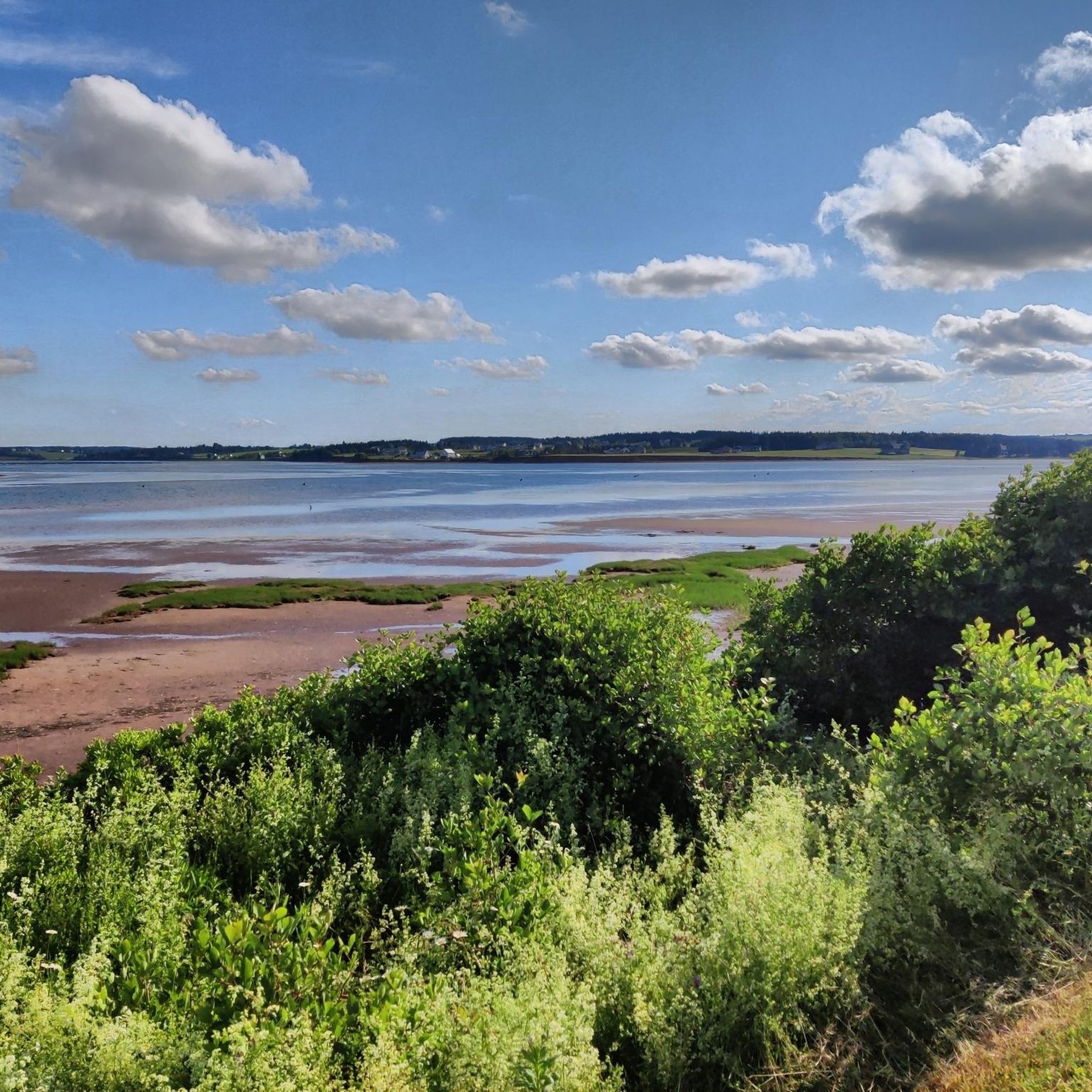
The beach on Robinsons Island has the red color typical for the region. What a beautiful color contrast to the blue sea.
0
0

The size of a parking lot often gives an indication of the popularity of a tourist attraction. Measured by this, Cavendish Beach is something very special. If you are there, you will be able to confirm this. The wooden boardwalk leads you to the coast without getting your feet sandy, where you can let your gaze wander over the expanse of the Gulf of St. Lawrence.
0
0
Orby Head is the name of this lookout point along the coastal path in Prince Edward Island National Park. From here you have a clear view of the partly rugged coastline in both directions.
1
0

Cavendish Beach is one of the most beautiful sandy beaches on Prince Edward Island.
0
0

Frequently Asked Questions
What unique geological features can I explore in Prince Edward Island?
Prince Edward Island is renowned for its distinctive geological features, primarily its iconic red sandstone cliffs and beaches. These get their signature color from high levels of iron that oxidize, essentially 'rusting'. You can witness these vibrant red cliffs at places like Cavendish Beach and Thunder Cove. The island also features unique parabolic dune systems, such as those found at Greenwich Dunes, and the famous 'singing sands' at Basin Head Provincial Park.
Which natural monuments are part of Prince Edward Island National Park?
Prince Edward Island National Park encompasses several significant natural monuments. Key areas include Greenwich Dunes, known for its rare parabolic dune system, and Cavendish Beach, famous for its golden sands and red sandstone cliffs. Within the park, you can also find Orby Head, a viewpoint offering clear views of the rugged coastline, and the Robinsons Island Trail System, known for its wetlands and coastal views.
Where can I find the famous 'singing sands' in Prince Edward Island?
The famous 'singing sands' can be found at Basin Head Provincial Park, located on the eastern end of PEI. This unique phenomenon occurs because the pure white sand has a high silica content, causing it to squeak or 'sing' when walked upon.
Are there hiking trails available at Prince Edward Island's natural monuments?
Yes, many natural monuments in Prince Edward Island offer excellent hiking opportunities. For example, within Prince Edward Island National Park, you can explore trails like the Greenwich Dunes Trail, a 4.8 km round trip, or the Homestead Trail, a 10 km loop. The Confederation Trail, spanning 435 km across the island, also provides a unique way to experience PEI's diverse natural beauty on foot. You can find more hiking options in the guide to easy hikes in Prince Edward Island.
What other outdoor activities can I enjoy near Prince Edward Island's natural monuments?
Beyond hiking, Prince Edward Island's natural monuments offer a variety of outdoor activities. Many beaches, like Cavendish Beach and Basin Head, are ideal for swimming and sunbathing in the warm summer waters. The Confederation Trail and other routes provide fantastic opportunities for cycling and gravel biking. You can explore more cycling options in the guide to cycling in Prince Edward Island or gravel biking in Prince Edward Island. Birdwatching is also popular, especially in areas like the Robinsons Island Trail System.
Are the natural monuments in Prince Edward Island suitable for families?
Absolutely. Many natural monuments in Prince Edward Island are very family-friendly. Places like Greenwich Dunes, Cavendish Beach, and Basin Head Provincial Park offer amenities like supervised swimming, picnic areas, and boardwalks, making them enjoyable for all ages. The easy trails within Prince Edward Island National Park are also suitable for family walks.
When is the best time of year to visit Prince Edward Island's natural monuments?
The best time to visit Prince Edward Island's natural monuments is generally from late spring to early autumn (May to October). During the summer months (July and August), the weather is warm, perfect for beach activities and swimming. Spring and fall offer cooler temperatures, ideal for hiking and exploring the landscapes without the summer crowds, and you can enjoy the changing colors of the foliage in autumn.
Are there dog-friendly natural monuments or trails in Prince Edward Island?
Many natural areas and trails in Prince Edward Island are dog-friendly, though specific rules may vary by location, especially within Prince Edward Island National Park. It's always best to check local signage or park regulations for specific areas. Generally, dogs are welcome on leash on many trails, including sections of the Confederation Trail, allowing you to explore the island's natural beauty with your canine companion.
What should I bring when visiting natural monuments in Prince Edward Island?
When visiting natural monuments in Prince Edward Island, it's advisable to bring comfortable walking shoes, especially if you plan to hike. Sunscreen, a hat, and insect repellent are recommended, particularly during warmer months. If you're heading to the beaches, pack swimwear and a towel. Don't forget water and snacks, and a camera to capture the stunning coastal scenery and unique geological formations.
Is parking available at most natural monuments in PEI?
Yes, parking is generally available at or near most major natural monuments and attractions in Prince Edward Island. Popular spots like Cavendish Beach and Greenwich National Park have designated parking lots, though they can fill up quickly during peak season. Smaller or more remote locations might have limited parking, so it's always good to plan ahead.
Are natural monuments in PEI wheelchair accessible?
Accessibility varies among the natural monuments in PEI. While some areas, particularly within Prince Edward Island National Park, offer accessible facilities and boardwalks (like the one leading to Cavendish Beach), many natural trails and rugged coastal areas may not be fully wheelchair accessible due to uneven terrain, sand, or stairs. It's best to check specific site information for detailed accessibility details.
What is the significance of the red clay soil and beaches in Prince Edward Island?
The red clay soil and beaches are a defining characteristic of Prince Edward Island's landscape. This distinctive color comes from iron oxide in the sand and soil, which essentially 'rusts' over time. This unique geological feature is a testament to the island's formation, with the visible rock being primarily red sandstone and siltstone deposited around 250 million years ago. The Argyle Shore is particularly noted for having some of the reddest beaches on PEI.
Most popular routes in Prince Edward Island
Most popular attractions in Prince Edward Island

Get inspired with the komoot mobile app


Explore more
Extend your search for the best caves by checking out these guides of the top ones in Prince Edward Island:
