Top 20 Natural Monuments in Värmland
Natural monuments in Värmland offer a diverse landscape characterized by rolling hills, deep forests, and numerous lakes and rivers. This central-west Swedish county provides a wealth of natural features shaped by geological processes. Its varied terrain includes expansive nature reserves, significant waterways, and unique geological formations. The region is known for its opportunities to experience undisturbed nature and explore historical sites integrated into the natural environment.
Best natural monuments in Värmland
- The most popular natural monuments is Tilas Stoll Mine…
Last updated: July 9, 2026
Tilas Stoll Mine Tunnel
Highlight • Cave
Source:Display board
Translated by Google •
Tip by

Hovfjället Nature Reserve
Highlight • Forest
Translated by Google •
Tip by

Sign up now to discover places like this
Get recommendations on the best single tracks, peaks, & plenty of other exciting outdoor places.
Sign up for free
Rackstadskogen Nature Reserve
Highlight • Forest
Translated by Google •
Tip by

Old Copper Mines
Highlight • Historical Site
Translated by Google •
Tip by

Segerstad Archipelago Nature Reserve
Highlight • Natural Monument
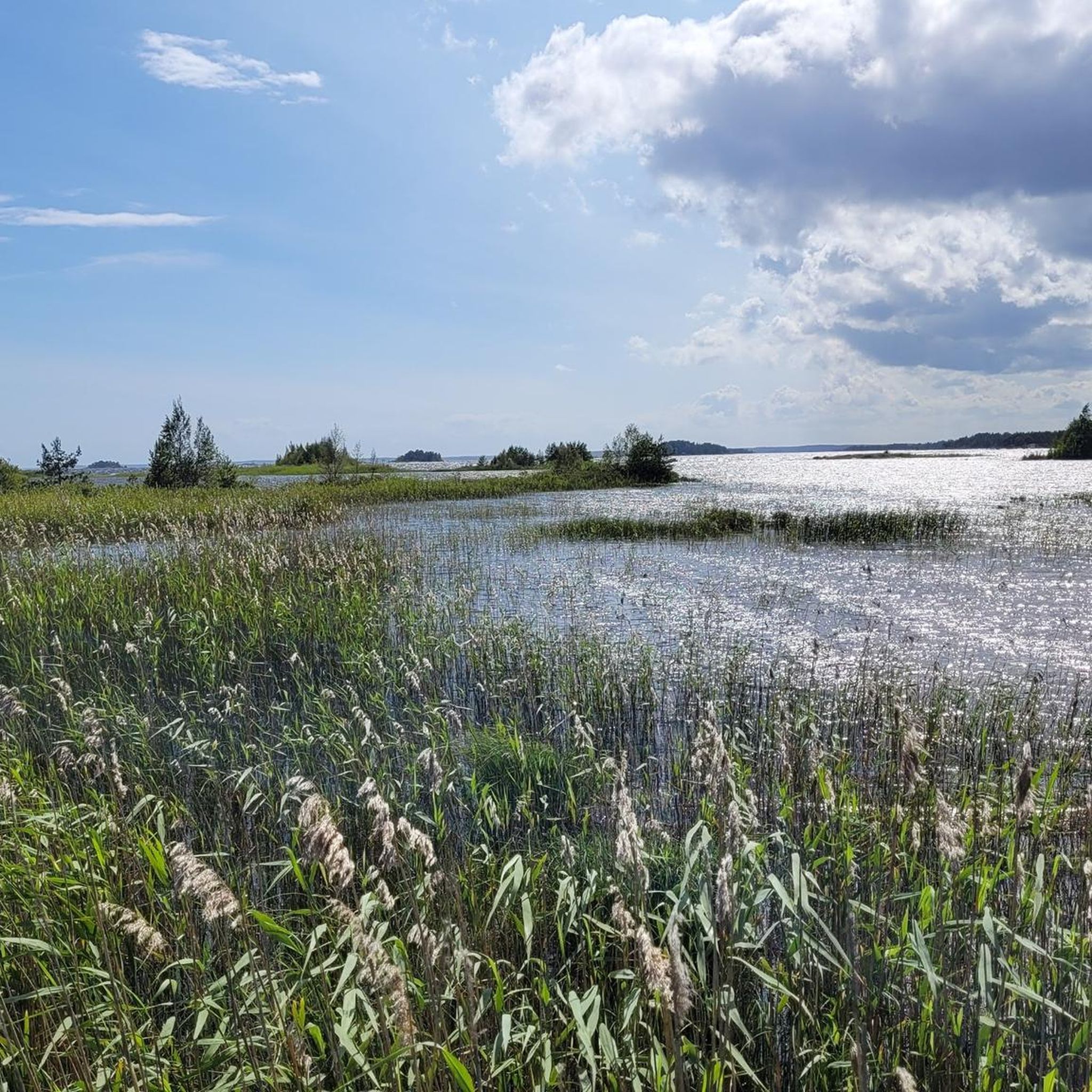
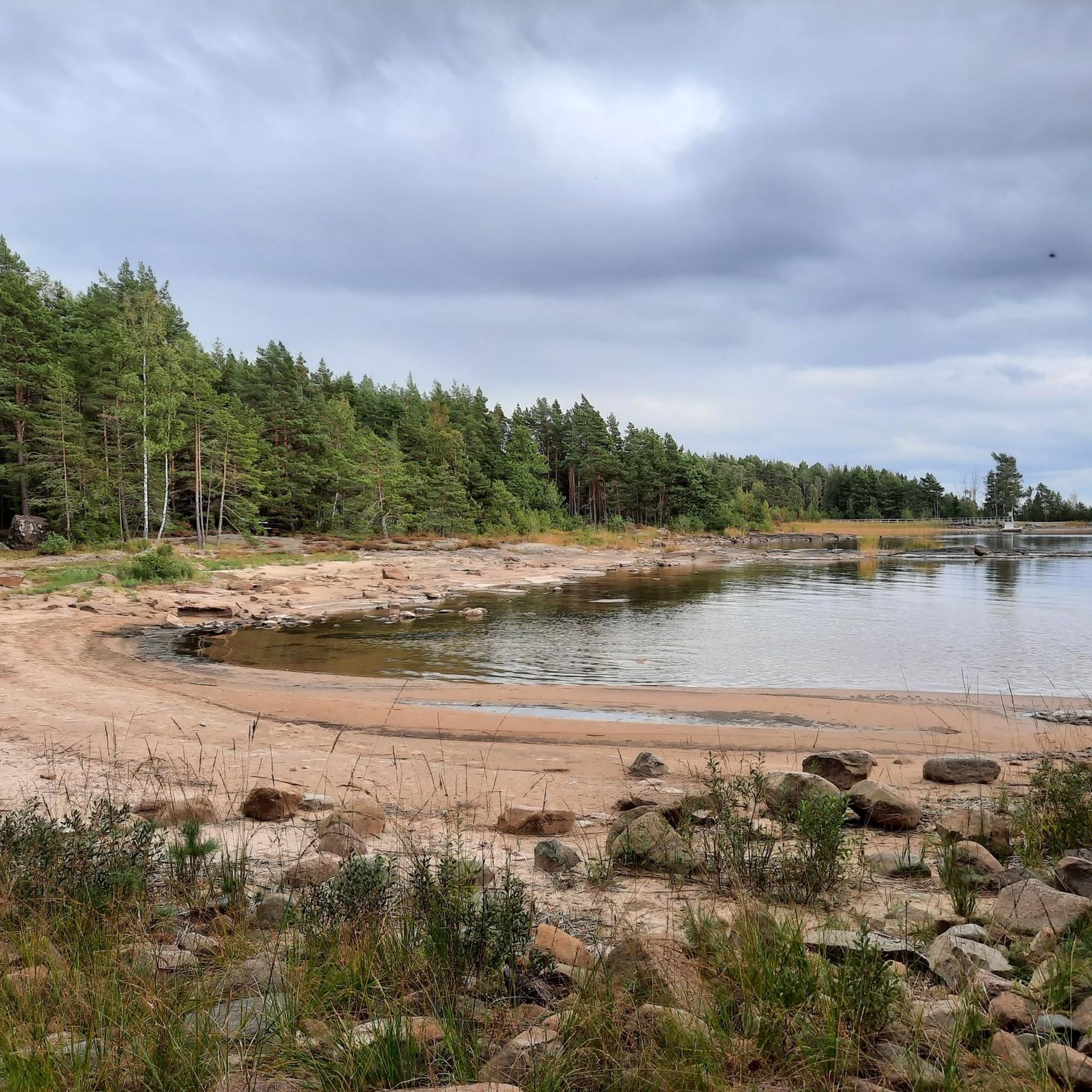
“The reserve is a freshwater archipelago with many different types of environments. There are bare rocky beaches, sandy beaches …
Translated by Google •
Tip by
Brattfallet
Highlight • Waterfall
Translated by Google •
Tip by

Old Stone Bridge Over Halgåden Gorge
Highlight • Bridge
Translated by Google •
Tip by

Natural Staircase and Waterfall Trail
Highlight • Waterfall
Translated by Google •
Tip by

Hammarklätten Hill Fort and View of Glasfjorden
Highlight • Historical Site
Translated by Google •
Tip by

Isgrottan Ice Cave
Highlight • Cave
Translated by Google •
Tip by

Sign up for free to discover even more natural monuments in Värmland.
Sign up for free
Already have an account?
Start today with a free account
Your next adventure awaits.
Login or Signup
Popular around Värmland
European Divide Trail — 7,600 km across the continent
Finnskogleden – Hiking the Beautiful and Historic Forest of the Finns
Uniting borders with a bike – Unionsleden
European D̶I̶V̶I̶D̶E̶ Connect Trail Project – a journey across Europe
Scandinavia to Germany – cycle the Iron and Bronze Age Route
E-biking in Sweden – lonely forests, vast landscapes and insane trails
Crisscross through Sweden 🚴🏼
Hiking in Värmland
Cycling in Värmland
Road Cycling Routes in Värmland
Other adventures in Värmland


Tips from the Community

It's worth following the path for 2 kilometers to Storgruvan ("Great Pit"). The Källargruvan copper mine in the Mangen area was in operation from the 16th century until the early 20th century. The ore contained primarily chalcopyrite, from which only a few percent of copper could be extracted. Mining resulted in large waste dumps, and the shafts are now mostly filled with water. Oxidation led to the formation of striking blue-green shimmering minerals such as malachite and azurite in the mines.
0
0

Infopoint with all important information about sights and hiking routes
1
0

Be careful with the ceiling height. Keep your head down.
1
0

Can be recommended as a hike.
0
0

The ice grotto is at the very end of the path and there is a blue sign there. It must be most impressive in March and April with lots of icicles, but it is still a special place.
0
0
Frequently Asked Questions
What are some of the most significant natural features in Värmland?
Värmland is rich in diverse natural features. You can explore expansive wilderness areas like the Glaskogen Nature Reserve, known for its 80 lakes and extensive trails, or the Hovfjället Nature Reserve, offering panoramic views and varied landscapes. The region is also home to Sweden's longest river, the Klarälven, and part of Lake Vänern, Europe's third-largest lake, which includes the unique Lurö Archipelago. Don't miss the impressive Brattfallet waterfall, with its 17-meter drop.
Are there any historical natural monuments in Värmland?
Yes, Värmland's natural monuments often intertwine with its history. For example, you can visit the Tilas Stoll Mine Tunnel, a 26-meter-long tunnel excavated in 1767 by miners from Sala. The Old Copper Mines also offer a glimpse into the region's industrial past. The Klarälven River, while a natural monument, was historically vital for log driving, and the Munkforsen waterfall played a role in the region's iron processing development.
What unique geological formations or natural phenomena can I see?
Värmland's landscape, shaped by the last ice age, features unique formations. The Glaskogen Nature Reserve boasts distinctive island formations in its lakes. The Klarälven River's meandering course has created numerous oxbow lakes and sandy beaches. You can also explore the Isgrottan Ice Cave, a fascinating natural phenomenon, or witness the power of the Munkforsen, the highest natural waterfall along the Klarälven river.
What do visitors enjoy most about Värmland's natural monuments?
Visitors frequently praise the tranquility and untouched nature of Värmland. Many appreciate the well-marked hiking trails, the panoramic views from places like Hovfjället Nature Reserve, and the opportunities for solitude, especially in areas like Glaskogen. The impressive waterfalls like Brattfallet are also highly rated for their beauty in all seasons.
Are there family-friendly natural monuments in Värmland?
Absolutely! Many natural monuments in Värmland are suitable for families. The Hovfjället Nature Reserve offers well-marked trails and facilities. The Rackstadskogen Nature Reserve and Segerstad Archipelago Nature Reserve are also categorized as family-friendly. The Old Stone Bridge Over Halgåden Gorge is another accessible spot for families to enjoy.
What outdoor activities can I do near Värmland's natural monuments?
Värmland offers a wide range of outdoor activities. You can enjoy hiking on trails like the Fämtleden or Halgå Trail, explore running routes around Karlstad, or tackle mountain biking trails such as the Hökås Loop. The Klarälven River is popular for canoeing, rafting, and sport fishing, while Lake Vänern and the Lurö Archipelago are ideal for boating and kayaking. For more detailed route information, check out the Hiking in Värmland, Running Trails in Värmland, and MTB Trails in Värmland guides.
Are there opportunities for hiking near these natural monuments?
Yes, hiking is a primary activity around Värmland's natural monuments. The Glaskogen Nature Reserve has 300 km of hiking trails, and Hovfjället Nature Reserve features well-marked paths with varying difficulty. You can also find trails leading to waterfalls like Brattfallet and the Natural Staircase and Waterfall Trail. For more options, explore the Hiking in Värmland guide.
Can I go wild swimming near Värmland's natural areas?
Värmland, with its abundance of lakes and rivers, offers many opportunities for wild swimming. The crystal-clear waters of Lake Vänern, especially around the Lurö Archipelago, are often clean enough to drink and perfect for a refreshing dip. The Klarälven River also features sandy beaches ideal for swimming. Always check local regulations and safety conditions before swimming in natural waters.
What is the best time of year to visit Värmland's natural monuments?
The best time to visit depends on your preferred activities. Summer (June-August) is ideal for hiking, swimming, canoeing, and enjoying the lush greenery. Autumn (September-October) offers stunning fall foliage. Winter (December-March) transforms the landscape, making it perfect for cross-country skiing in areas like Hovfjället and Byamossarna, or experiencing the unique atmosphere of frozen waterfalls and ice caves.
Are there natural monuments suitable for winter activities?
Yes, several natural monuments in Värmland are excellent for winter activities. Hovfjället Nature Reserve is a popular destination for both cross-country and alpine skiing. The Byamossarna Nature Reserve, known for its bogs, transforms into a fantastic area for cross-country skiing in winter. You can also experience the unique beauty of frozen waterfalls and the Isgrottan Ice Cave during the colder months.
Where can I spot wildlife in Värmland's natural areas?
Värmland's diverse ecosystems are home to a variety of wildlife. The Glaskogen Nature Reserve is a prime spot for experiencing undisturbed nature, where you might encounter forest animals. The Lurö Archipelago in Lake Vänern is particularly known for its rich birdlife, including ospreys and white-tailed eagles. Birdwatching is also a popular activity in Hovfjället Nature Reserve.
Are there any hidden gem natural monuments in Värmland?
While many natural monuments are well-known, the Lurö Archipelago in Lake Vänern is often considered a 'hidden gem' due to its serene and grand landscapes, offering a sense of discovery. The Byamossarna Nature Reserve, with its old-growth forests and unique bog environment, also provides a distinct wilderness experience away from more crowded spots.
Most popular routes in Värmland
Most popular attractions in Värmland

Get inspired with the komoot mobile app


Didn’t find what you were looking for?
Find even more amazing natural monuments in Värmland by checking out the top Highlights region by region:
Explore more
Extend your search for the best caves by checking out these guides of the top ones in Värmland:
