Top 20 Natural Monuments in Gotland
Best natural monuments in Gotland are largely shaped by the island's unique limestone geology, formed over 400 million years ago. This Swedish island in the Baltic Sea features a landscape sculpted by erosion, wind, and the Ice Age. The natural monuments offer geological insights and diverse scenery, distinguishing Gotland from other Scandinavian regions.
Best natural monuments in Gotland
- The most popular natural monuments is Jungfrun Sea Stack, a natural monument known for having the tallest sea stacks in Gotland.…
Last updated: August 19, 2026
Langhammars Sea Stacks
Highlight • Natural Monument
Translated by Google •
Tip by

The Dog Raukar (Hundrauken)
Highlight • Natural Monument
Translated by Google •
Tip by

Sign up now to discover places like this
Get recommendations on the best single tracks, peaks, & plenty of other exciting outdoor places.
Sign up for free
Hoburgsgubben Rock Formation
Highlight • Natural Monument
Translated by Google •
Tip by

Linné's Cave
Highlight • Cave
Tip by

Närsholmen Lighthouse
Highlight • Monument
Närsholmen has a unique environment and you can experience that you are at completely different latitudes than on Goland. Peaceful and with a rich bird …
Tip by

Högklint Cliffs
Highlight • Natural Monument
Translated by Google •
Tip by
Lickershamn
Highlight • Beach
Translated by Google •
Tip by

Rock Formations in Mullvalds Strandskog
Highlight • Natural Monument
Showing Translation
Tip by

Jungfrun Sea Stack
Highlight • Natural Monument
Translated by Google •
Tip by
The King's Hall
Highlight • Natural Monument
"Rikssalen" or …
Showing Translation
Tip by
Sign up for free to discover even more natural monuments in Gotland.
Sign up for free
Already have an account?
Start today with a free account
Your next adventure awaits.
Login or Signup

Other adventures in Gotland

Tips from the Community

440 million years ago, Gotland lay under the water of a tropical sea, near the equator. What stands today as mighty limestone pillars between old spruces was once a reef. The sea has eroded away the softer surroundings, leaving behind the hard substance, packed with fossils from a bygone marine era. What's special about these Raukar is their location. Not on the beach, but in the middle of the forest. Gotland is still rising out of the sea, and so the formations have moved inland from the shore over the millennia. The light falls through the branches onto the old stones, creating an atmosphere that is hard to describe.
0
0

Superb view of the cliffs. It's bearable here.
1
0


Linné's cave, one of several caves on the northwest side of Torsburgen's inland cliff, measures twelve meters in height and five meters in depth, accessible via a staircase along the cliff wall. The cave's name and the origin of the term "rind hole" for its roof opening remain unclear, despite Linnaeus visiting Torsburgen in 1741. During his visit, Linnaeus observed that the plateau was nearly devoid of forest due to a great fire in 1655, but it's uncertain whether he actually explored the cave named after him.
1
0
A visit is worthwhile followed by a hike 🤙
1
0

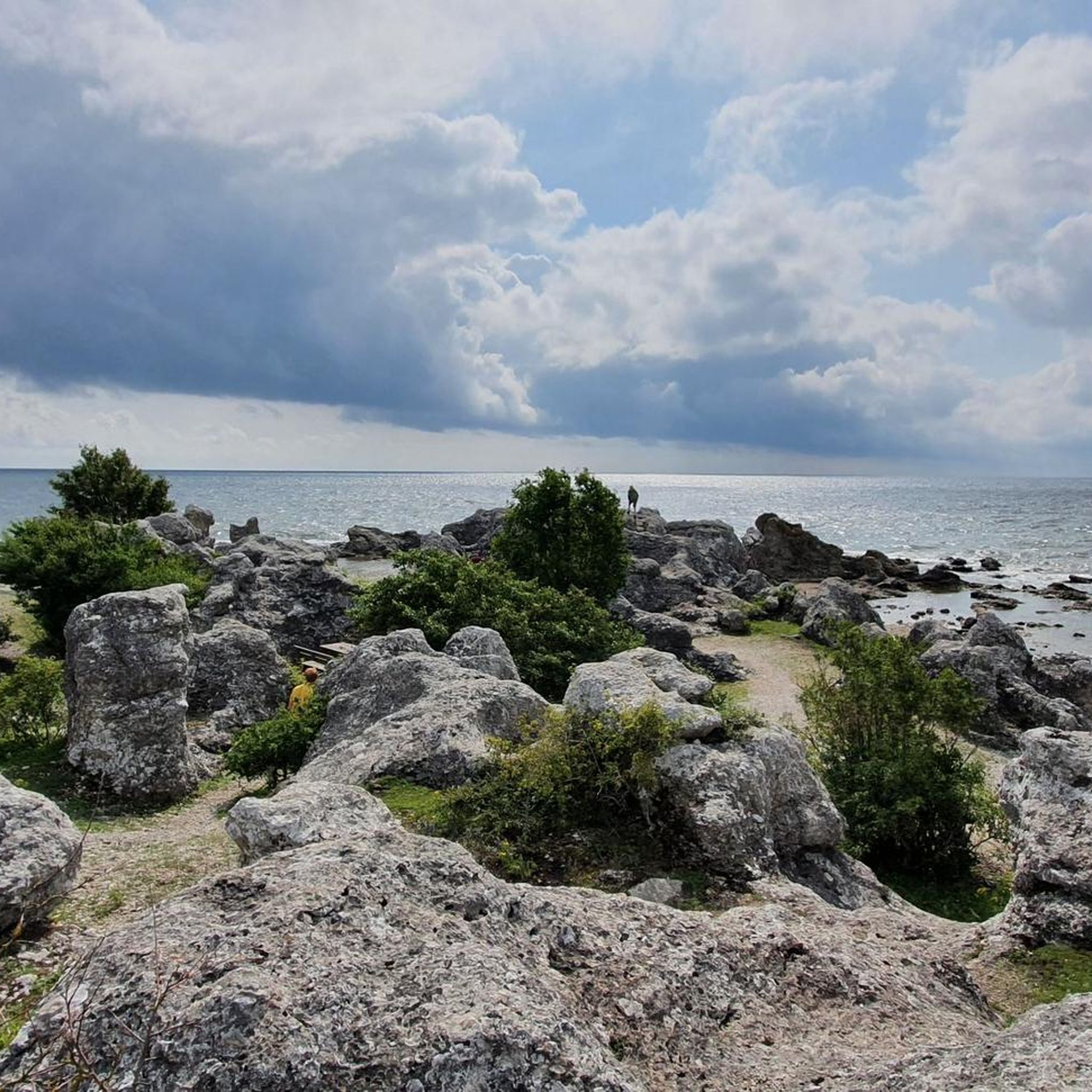
A true natural spectacle can be seen on the islands of Gotland and Fårö. The Raukar - or Raukensteine - delight naturalists and geologists, but also inspire artists such as Ingmar Bergman, who made his home on the Swedish Baltic islands. There is something mystical about the rock formations, which originated in the tropical climate of the Silurian period 400 million years ago. The coral reefs of that time gave rise to a limestone plateau, which gave Gotland a unique landscape and flora. Last but not least, the Raukensteine are impressive evidence of the fact that Gotland's nature is still very different from that of Sweden today. The Raukar were formed by the washing out and erosion of soft rock layers over millions of years. The elements raged particularly along the coastal areas and literally rubbed the stone away. What remained are hard pieces of limestone that form bizarre shapes and figures. In various areas of Gotland, entire "raukar fields" invite you to take a walk through the history of the earth. The raukar, which can be up to ten meters high, are not only found on the border between land and sea - remarkable stone colossi can also be discovered further inland. Because people have always viewed the raukar with imagination and superstition, many of the stone formations have been "baptized". For example, "the dog", "the maiden", "the old man" and "the gate" can be found scattered across the islands. Even the botanist Carl von Linné saw "ghosts and devils" in the stone steles by the sea in the 18th century. https://schwedenstube.de/mystisch-und-bizarr-die-raukar-auf-gotland/
2
0

One of the main destinations on Fårö.
1
2
One of the classic destinations on Fårö: the “Dog” rock formation/rock.
1
0
Frequently Asked Questions
What are the most iconic rauks to visit in Gotland?
Gotland is famous for its rauks, towering limestone pillars sculpted by nature. Among the most iconic are Langhammars Sea Stacks on Fårö, known for its dramatic coastal scenery and around 50 free-standing pillars. Also on Fårö, you can find The Dog Raukar (Hundrauken), a distinctively shaped formation. At the southern tip of Gotland, don't miss the impressive Hoburgsgubben Rock Formation, often said to resemble an old man's face. For the tallest sea stacks, visit Jungfrun Sea Stack on the west coast.
Beyond rauks, what other unique natural monuments can I explore in Gotland?
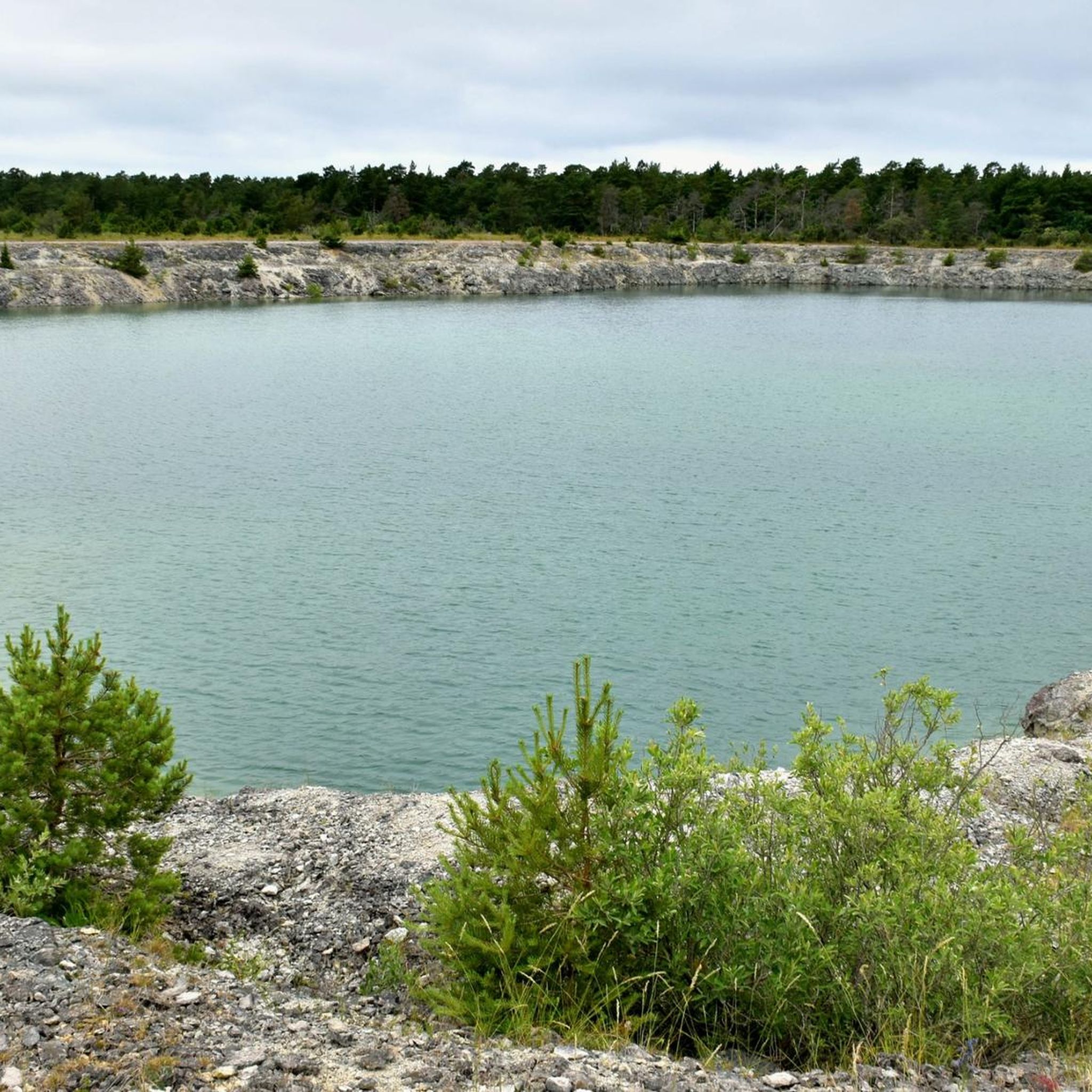
Gotland offers a diverse range of natural wonders beyond its famous rauks. You can explore the fascinating underground world of Lummelunda Cave, one of Sweden's longest cave systems, featuring stalagmites, stalactites, and an underground river. For a unique swimming experience, visit Blå Lagunen (Blue Lagoon), a former limestone quarry with strikingly turquoise water. The Eksta coast nature reserve provides stunning coastal cliffs and pebble beaches, while Högklint Cliffs offer breathtaking views and a cave to explore.
Are there family-friendly natural monuments in Gotland?
Yes, many of Gotland's natural monuments are suitable for families. Exploring the rauk fields like Langhammars Sea Stacks or The Dog Raukar (Hundrauken) can be an exciting adventure for children, who often enjoy spotting figures in the rock formations. Lummelunda Cave offers guided tours that are generally family-friendly, providing a cool and educational experience. Blå Lagunen is a popular spot for family swimming during warmer months. The Jungfrun Sea Stack area is also considered family-friendly.
What is the best time of year to visit Gotland's natural monuments?
The best time to visit Gotland's natural monuments is generally during the late spring, summer, and early autumn (May to September). During these months, the weather is milder, making outdoor exploration more pleasant. Summer (June-August) is ideal for swimming at spots like Blå Lagunen. Spring and autumn offer fewer crowds and beautiful light for photography, especially at the rauks. Some attractions, like Lummelunda Cave, are open year-round, but access to certain areas or boat tours to places like Stora Karlsö might be seasonal.
What outdoor activities can I do near Gotland's natural monuments?
Gotland's natural monuments are excellent starting points for various outdoor activities. You can find numerous MTB trails, running routes, and cycling paths that weave through the island's unique landscapes. For example, there are cycling routes that take you past the Digerhuvud Rauk Field and Langhammars Sea Stacks. Many natural monuments, such as the Eksta coast, are perfect for scenic walks and hiking. Birdwatching is also popular, especially on islands like Stora Karlsö.
Are there any natural monuments in Gotland with historical significance?
Yes, several natural monuments in Gotland hold historical significance. The rauk areas, such as Gamla Hamn on Fårö, often have Viking Age graves on their pebble beaches, connecting the ancient geological formations with human history. Stora Karlsö, an island nature reserve, boasts prehistoric remains dating back to the Stone Age, alongside its impressive cliffs and birdlife. The unique geology of Gotland itself, formed over 400 million years ago, provides a deep historical context to all its natural wonders.
Can I find any hidden natural gems or less crowded spots?
While many of Gotland's natural monuments are popular, you can still find less crowded spots, especially outside peak season. The Eksta coast nature reserve, stretching from Djupvik to Hammarudden, is known for its stunning natural beauty and offers a more tranquil experience compared to some of the more famous rauk fields. Exploring some of the smaller rauk fields or lesser-known caves like Linné's Cave can also lead to a more secluded experience. The Hidden Waterfall Cascade is another less-known spot worth discovering.
What kind of wildlife can I expect to see around Gotland's natural monuments?
Gotland's diverse natural monuments support a variety of wildlife. The rauk fields and coastal areas are home to many seabirds. Stora Karlsö is particularly renowned as a bird sanctuary, hosting thousands of nesting seabirds, including guillemots and razorbills. The island's flower-rich meadows also attract various insects. The nature reserves and forests around monuments like Kungens Sal may offer glimpses of deer, hares, and a rich birdlife. Keep an eye out for seals along the coast, especially in more remote areas.
Are there any natural monuments in Gotland that are particularly good for photography?
Absolutely! Gotland's natural monuments offer incredible photographic opportunities. The rauks at Langhammars Sea Stacks are especially famous for their dramatic shapes and the stunning light at sunrise and sunset. Lergravsporten, a majestic rauk arch you can walk through, is also particularly striking during golden hour. The turquoise waters of Blå Lagunen provide vibrant color contrasts, while the rugged cliffs of Ekstakusten and Högklint Cliffs offer panoramic coastal vistas. Stora Karlsö, with its towering cliffs and abundant birdlife, is a paradise for nature photographers.
What should I wear when visiting Gotland's sea stacks and coastal areas?
When visiting Gotland's sea stacks and coastal areas, it's advisable to dress in layers, as the weather can change quickly, especially near the sea. Comfortable, sturdy walking shoes are essential, as you'll often be walking on pebble beaches or uneven terrain. A windproof and waterproof jacket is recommended, even on sunny days, due to coastal breezes. In summer, bring swimwear if you plan to take a dip, and always have sun protection. During cooler months, warm clothing, including a hat and gloves, is necessary.
What do visitors enjoy most about Gotland's natural monuments?
Visitors to Gotland's natural monuments frequently express awe at the unique geological formations and the dramatic coastal scenery. Many are captivated by the mystical atmosphere of the rauks, often described as a 'true natural spectacle' and 'amazing rock formations.' The opportunity to explore ancient caves, swim in the strikingly blue waters of Blå Lagunen, and witness the rich birdlife on islands like Stora Karlsö are also highly praised. The blend of natural beauty, geological history, and peaceful escape makes for a memorable experience.
Are there any natural monuments in Gotland that are wheelchair accessible?
While many of Gotland's natural monuments involve uneven terrain like pebble beaches or cave paths, some areas offer better accessibility. For example, the main visitor areas and paths around Lummelunda Cave are generally accessible for wheelchairs. Some viewpoints along the coast, such as certain sections near Högklint Cliffs, may also offer accessible viewing platforms. It's always recommended to check specific site information or contact local tourist information for the most up-to-date accessibility details before your visit.
Most popular routes in Gotland
Most popular attractions in Gotland

Get inspired with the komoot mobile app


Explore more
Extend your search for the best caves by checking out these guides of the top ones in Gotland:
