Top 6 Natural Monuments in Sibiu
Best natural monuments in Sibiu are found across diverse landscapes, from dense forests to alpine peaks and glacial lakes. Sibiu County in Romania features a rich array of protected areas, including the Făgăraș Mountains and Cindrel Natural Park. These areas offer varied terrain, providing opportunities for outdoor activities and observation of natural features. The region's natural attractions are characterized by mountains, lakes, and unique rock formations.
Best natural monuments in Sibiu
- The most popular natural monuments is Bâlea Lake,…
Last updated: August 19, 2026
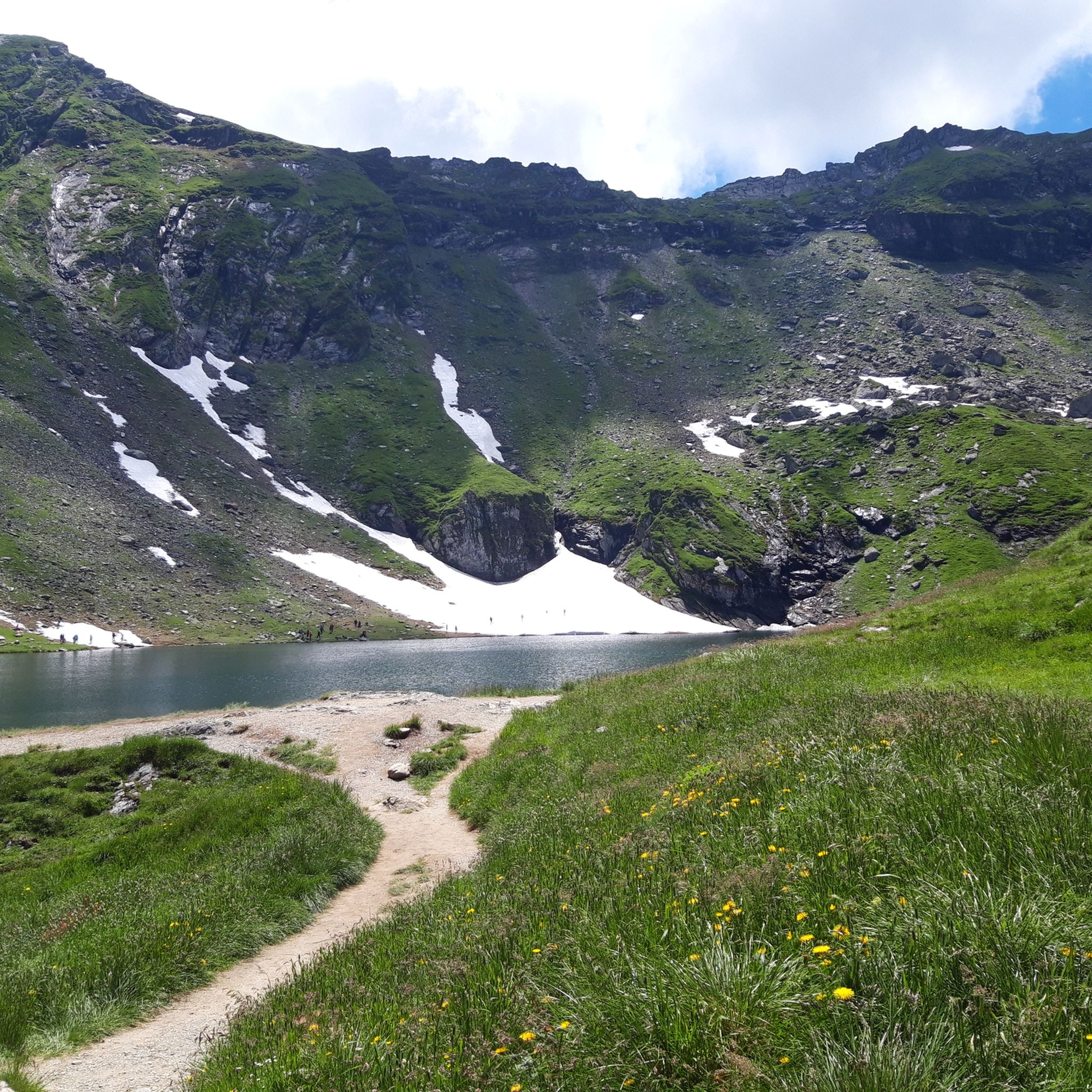
Bâlea Lake
Highlight • Lake
Translated by Google •
Tip by

Transfăgărășan North Side
Highlight • Mountain Pass
Translated by Google •
Tip by

Sign up now to discover places like this
Get recommendations on the best single tracks, peaks, & plenty of other exciting outdoor places.
Sign up for free
Balea Waterfall
Highlight • Waterfall
Translated by Google •
Tip by

Vânatoarea lui Buteanu Peak (2,507 m)
Highlight • Summit
Translated by Google •
Tip by

Bâlea Waterfall
Highlight • Waterfall
Translated by Google •
Tip by

Rock Formation with Mountain View
Highlight • Natural Monument
Translated by Google •
Tip by

Rock Formations with Panoramic View of the Făgăraș Mountains
Highlight • Natural Monument
Translated by Google •
Tip by

Avrig Lake
Highlight • Lake
Translated by Google •
Tip by

Start today with a free account
Your next adventure awaits.
Login or Signup
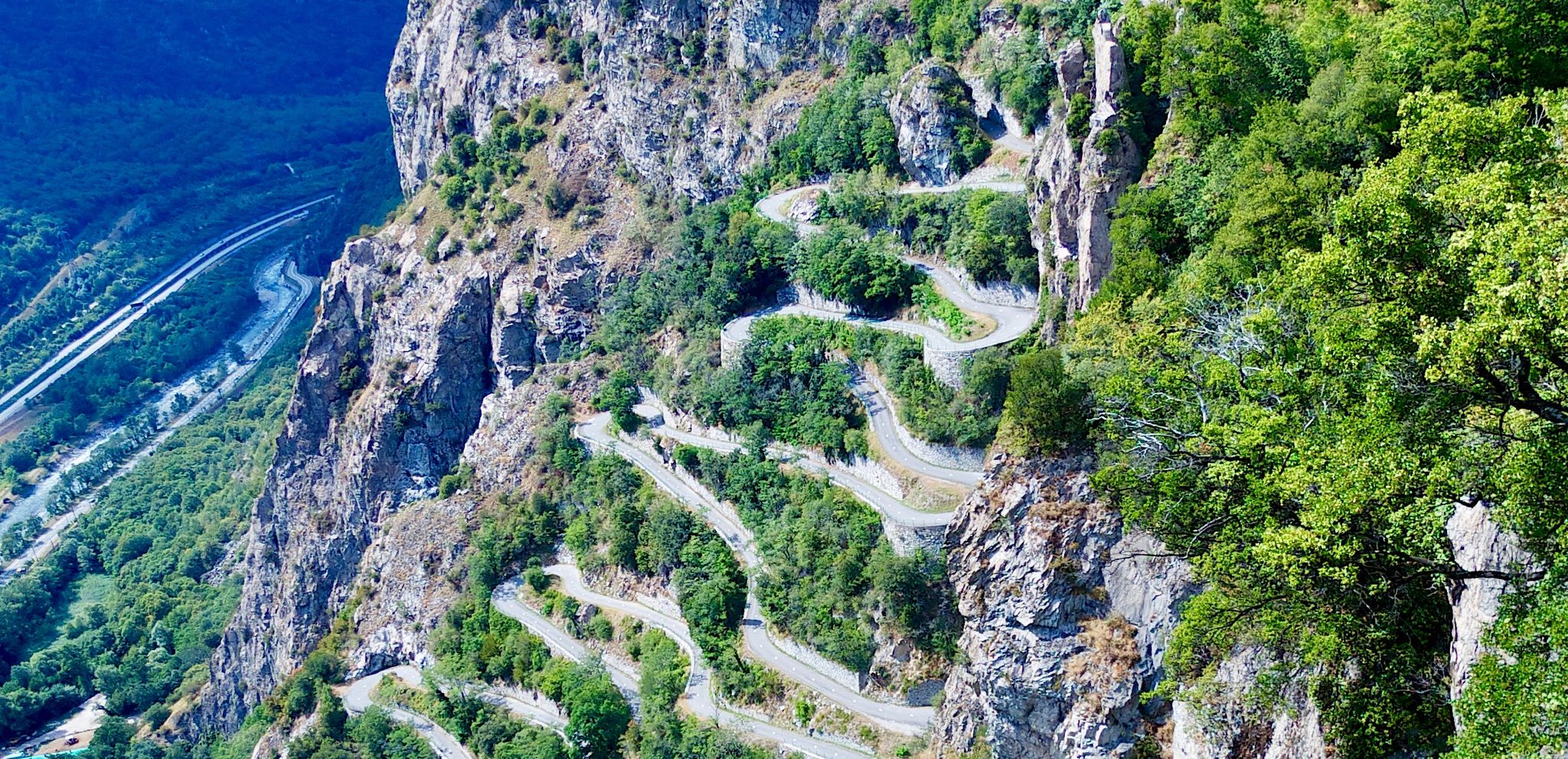
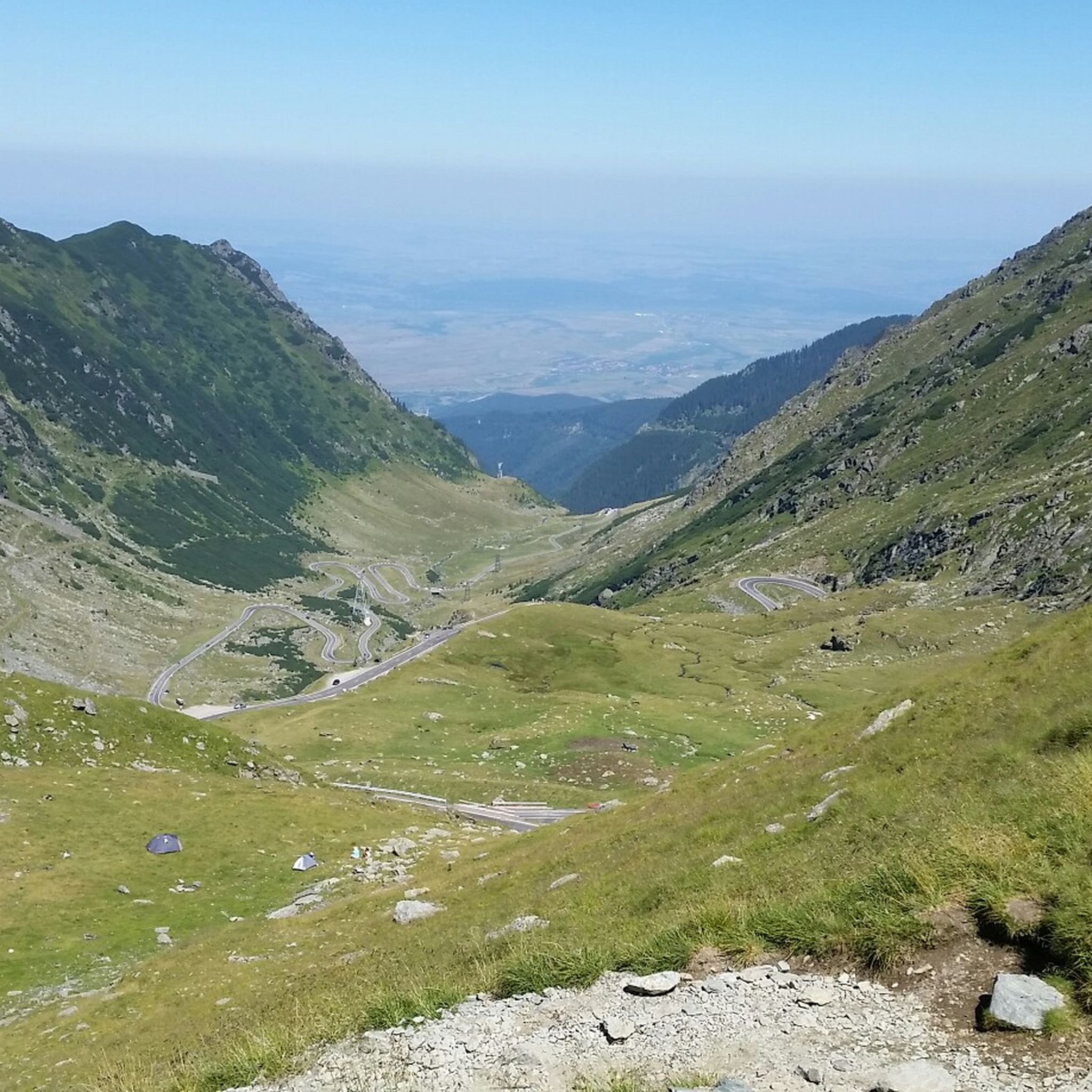
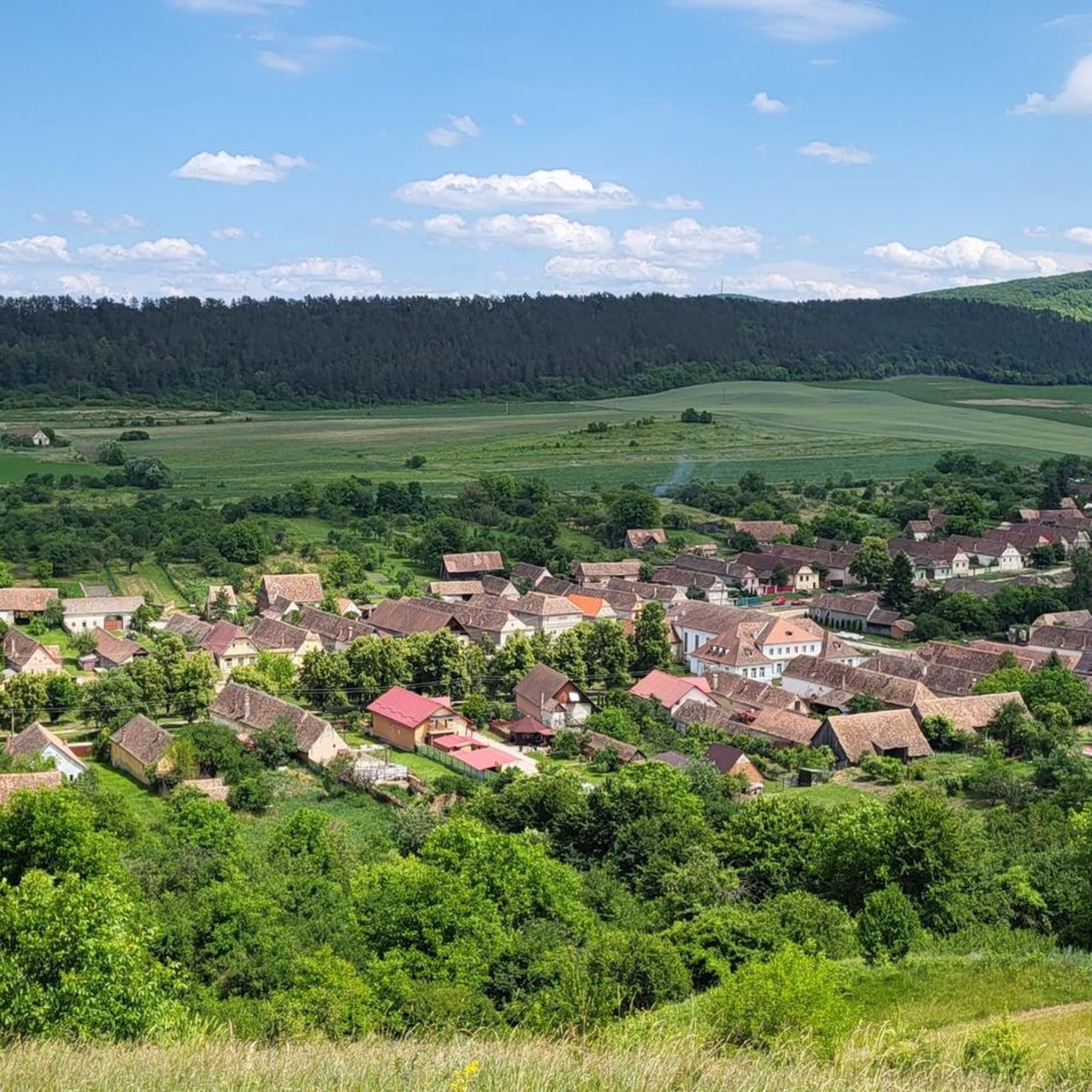

Other adventures in Sibiu

Tips from the Community

If possible, definitely avoid the weekend as the traffic from car tourists is IMMENSE!!! (Traffic jam for several kilometers).
0
0

Highest mountain peak for a small tour when crossing the Transfagarasan
0
0

About halfway between Cabana Suru and Cabana Negoiu, at an elevation of 2011 meters, lies Lacul Avrig (German: Flecksee), a picturesque glacial lake. Those who don't mind the cold can even swim in it.
0
0


Bâlea Lac is an amazing lake to visit. Just by the most famous road in Romania, Transfăgăråșan. Stop by at a restaurant here with a view towards the lake if you feel hungry. Awesome landscape and road to the lake.
2
1

Staying overnight in this hostel is recommended due to its prime location. The rooms are clean and simply furnished. The food from the grill is good, breakfast is very regional, simple and good.
1
0
My hike required surefootedness and a good level of fitness. Alpine equipment or experience in alpine climbing were not necessary.
2
1

The Transfăgărășan Highway (Romanian: Drumul Transfăgărășan or simply Transfăgărășan) is a 2,042-meter-high mountain pass in Romania. The road connects the Argeș Valley in Great Wallachia with the Olt Valley in Transylvania, crossing the Făgăraș Mountains - a mountain range in the Transylvanian Alps. The Transfăgărășan Highway is part of the 151-kilometer (149.82 km[1]) long, south-north-running national road (Drum național) DN 7C. Description of the north side downwards: From Lake Bâlea, the road winds in many serpentines in the Bâlea Nature Reserve (Valea Bâlii)[5] down to Transylvania.[6] At an altitude of about 1600 m is the rock breakthrough "Poarta Întâlnirii" (Gate of Encounter), the place where the northern and southern construction teams met in 1974. A little further down at about 1200 m is a second rock breakthrough, called "Poarta Geniștilor" (Gate of Pioneers). The Transfagarasan Highway continues past the Bâlea Waterfall (Cascada Bâlea) to the town of Cârțișoara in Sibiu County and after another four kilometers the highway ends at the junction with the DN 1 national road - part of the European route 68. One third of the route runs on the north side of the Fagaras Mountains and was also the slightly more difficult section of the route for its construction. Because low-hanging clouds occasionally obstruct visibility here in the Bâlea Valley, the Transfagarasan Highway is also known as the road in the clouds. Officially, construction of the road is said to have begun on March 10, 1970. On the orders of the then head of state, Nicolae Ceaușescu, the highway was intended to serve a tourist purpose as well as a military purpose, caused by the tense relationship with the Soviet Union after the events of the Prague Spring. The road connection over the high mountains was intended to enable rapid troop movements. After four and a half years of construction, the road was opened on September 20, 1974. Miners, construction workers and construction engineers were involved in the construction, the majority of whom were soldiers from Regiments 1 from Râmnicu Vâlcea and 52 from Alba Iulia. The construction of the road claimed many lives. Officially, 40 fatalities are reported;[3] contemporary witnesses, however, mention 400 deaths at the Vidraru Dam,[7] and others speak of 400 deaths at the Bâlea Tunnel.[8] A more precise number of fatalities during the construction of the road is therefore unknown.
3
0
Frequently Asked Questions
What kind of natural landscapes can I explore in Sibiu County?
Sibiu County offers a diverse range of natural landscapes, from dense forests and serene lakes to alpine peaks and unique rock formations. You can find protected areas like the Dumbrava Sibiului Natural Park with its woodlands and artificial lakes, or the rugged terrain of the Făgăraș Mountains and Cindrel Natural Park, featuring glacial lakes and high summits.
Are there any notable lakes or waterfalls among Sibiu's natural monuments?
Yes, Sibiu is home to several beautiful lakes and waterfalls. The most prominent is Bâlea Lake, a stunning glacial lake in the Făgăraș Mountains, often visited via the Transfăgărășan Highway. You can also find Avrig Lake, and within Cindrel Natural Park, there are 12 lakes, including 'Small Iezeru' and 'Big Iezeru'. The Bâlea Waterfall is another significant natural attraction in the Făgăraș area.
Where can I find impressive rock formations in Sibiu?
You can discover distinct rock formations in several areas. For example, the Rock Formation with Mountain View offers a scenic vista of the valley and surrounding hills. Another spot is the Rock Formations with Panoramic View of the Făgăraș Mountains, which provides a wonderful view of the Făgăraș range and even has a fire pit for overnight stays.
What are the best places for hiking and mountain activities near Sibiu's natural monuments?
The Făgăraș Mountains and Cindrel Natural Park are excellent for hiking. The Făgăraș alpine region, particularly around Vânatoarea lui Buteanu Peak (2,507 m), offers challenging trails and panoramic views. Cindrel Natural Park is considered a 'hiker's dream' with trails leading to hidden waterfalls. For more detailed routes, you can explore guides like Hiking in Sibiu or Mountain Hikes in Sibiu.
Are there any family-friendly natural monuments or parks in Sibiu?
Yes, for a more relaxed family outing, Dumbrava Sibiului Natural Park is an excellent choice. It's a protected area with dense woodlands, artificial lakes, and is a favored promenade spot. The presence of the ASTRA National Museum Complex within the park adds a cultural dimension. Within Sibiu city, Sub Arini Park is also ideal for families, offering wide paths, playgrounds, and green spaces for relaxation.
What is the best time of year to visit the natural monuments in Sibiu?
The best time to visit largely depends on the type of experience you seek. For hiking in the alpine regions like the Făgăraș Mountains, late spring to early autumn (June to September) is ideal when trails are clear of snow. The Transfăgărășan Highway, which accesses many high-altitude monuments, is typically open from late June/early July to late October. For forest parks like Dumbrava Sibiului, spring and autumn offer pleasant temperatures and beautiful foliage, while winter (December to March) is suitable for skiing and snowboarding in areas like Păltiniș.
Can I observe wildlife in Sibiu's natural monuments?
Yes, many of Sibiu's natural areas are rich in biodiversity. Dumbrava Sibiului Natural Park is home to roe deer, foxes, wild boars, squirrels, and various bird species like sparrows, jays, and woodpeckers. The larger natural parks, such as Cindrel Natural Park and the Făgăraș Mountains, also host diverse fauna, including larger mammals, though sightings can be rare and require patience.
What are the options for mountain biking near Sibiu's natural monuments?
Sibiu offers various mountain biking opportunities, ranging from moderate to difficult trails. You can find routes that explore the surrounding areas, including those near the Făgăraș Mountains. For specific routes and difficulty levels, you can consult the MTB Trails in Sibiu guide, which lists several options.
Are there any natural monuments that are easily accessible by car?
The Transfăgărășan Highway itself is a natural monument and offers breathtaking views, making it highly accessible by car during its operational season. It leads directly to attractions like Bâlea Lake and provides access to various viewpoints in the Făgăraș Mountains. For a more urban natural escape, Sub Arini Park is located within Sibiu city and is easily reachable.
What makes Cindrel Natural Park a unique natural monument in Sibiu?
Cindrel Natural Park, situated in the Parang Mountains, is notable for its spectacular landforms, including the Lotru and Cindrel massifs, and its 12 glacial lakes. It is also home to the Iezerele Cindrelului Nature Reserve, which is the only reserve in Sibiu with European standard markings, terminals, piers, signs, and maps, highlighting its significant geological, faunal, and floral values.
Are there any mountain resorts or specific areas known for winter sports near Sibiu's natural monuments?
Yes, Păltiniș, located in the Cindrel Mountains southwest of Sibiu, is Romania's oldest and highest mountain resort. Established in 1884, it's a popular destination for skiing and snowboarding during the winter months, typically from December to March. It also serves as a starting point for various hiking trails during warmer seasons.
What do visitors enjoy most about the natural monuments in Sibiu?
Visitors frequently praise the stunning panoramic views, especially from high points like Vânatoarea lui Buteanu Peak (2,507 m), which offers an all-round view of the Făgăraș mountain range. The deep blue waters of Bâlea Lake are also a highlight, and the overall tranquility and rich biodiversity of areas like Dumbrava Sibiului Natural Park are highly appreciated for relaxation and nature observation.
Most popular attractions in Sibiu

Get inspired with the komoot mobile app


Explore more
Extend your search for the best caves by checking out these guides of the top ones in Sibiu:
