Top 20 Natural Monuments in Lubusz Voivodeship
Best natural monuments in Lubusz Voivodeship include a range of protected areas and unique geological formations. The region, located in western Poland, features expansive national and landscape parks, as well as individual ancient trees. These sites contribute to the area's natural heritage, offering diverse landscapes for exploration. The Lubusz Voivodeship is characterized by its river valleys, forests, and post-mining landscapes.
Best natural monuments in Lubusz Voivodeship
- The most popular natural monuments is Afryka Lake Observation Tower (Babina Mine), Łuk Mużakowa…
Last updated: July 10, 2026
Border on the Neisse at the Bad Muskau weir island
Highlight • Historical Site
Translated by Google •
Tip by

Prince Pückler Park, Bad Muskau
Highlight • Natural Monument
Translated by Google •
Tip by

Sign up now to discover places like this
Get recommendations on the best single tracks, peaks, & plenty of other exciting outdoor places.
Sign up for free
Muskau Park (Prince Pückler Park, Bad Muskau)
Highlight • Natural Monument
Translated by Google •
Tip by

Afryka Lake Observation Tower (Babina Mine), Łuk Mużakowa Landscape Park
Highlight • Viewpoint
Translated by Google •
Tip by

Neisse Bend
Highlight • River
Translated by Google •
Tip by

Settlement caused by underground mining operations
Highlight • Lake
Translated by Google •
Tip by
Muskauer Park at Eichsee
Highlight • Bridge
Translated by Google •
Tip by
Source of Acid Mine Drainage
Highlight • Natural Monument
Translated by Google •
Tip by
Schwarze Grube Nature Reserve
Highlight • Forest
Translated by Google •
Tip by
Hermann Oak
Highlight • Natural Monument
Translated by Google •
Tip by
Sign up for free to discover even more natural monuments in Lubusz Voivodeship.
Sign up for free
Already have an account?
Start today with a free account
Your next adventure awaits.
Login or Signup
Popular around Lubusz Voivodeship
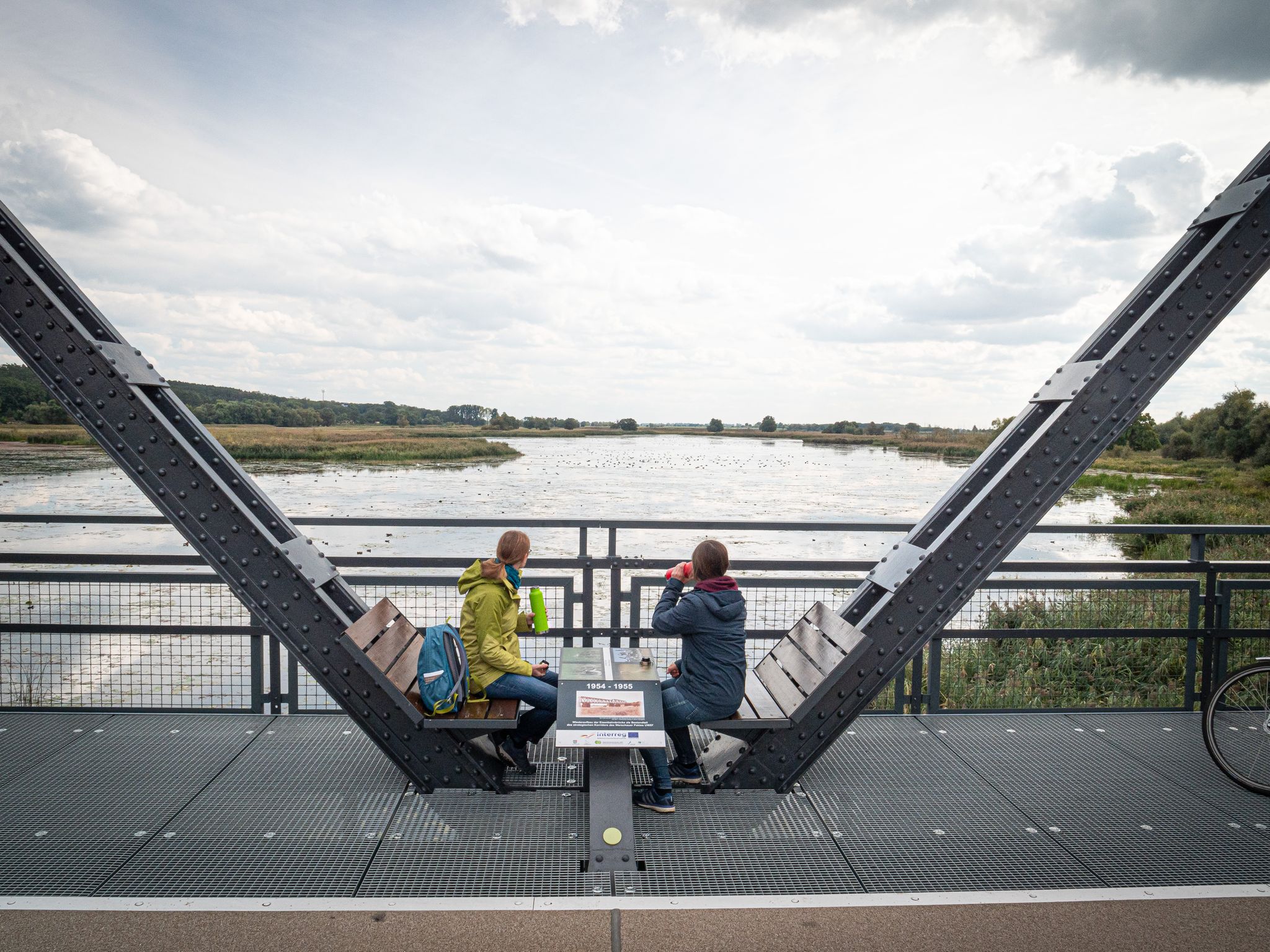
Travelling without boundaries – German-Polish cycling trips
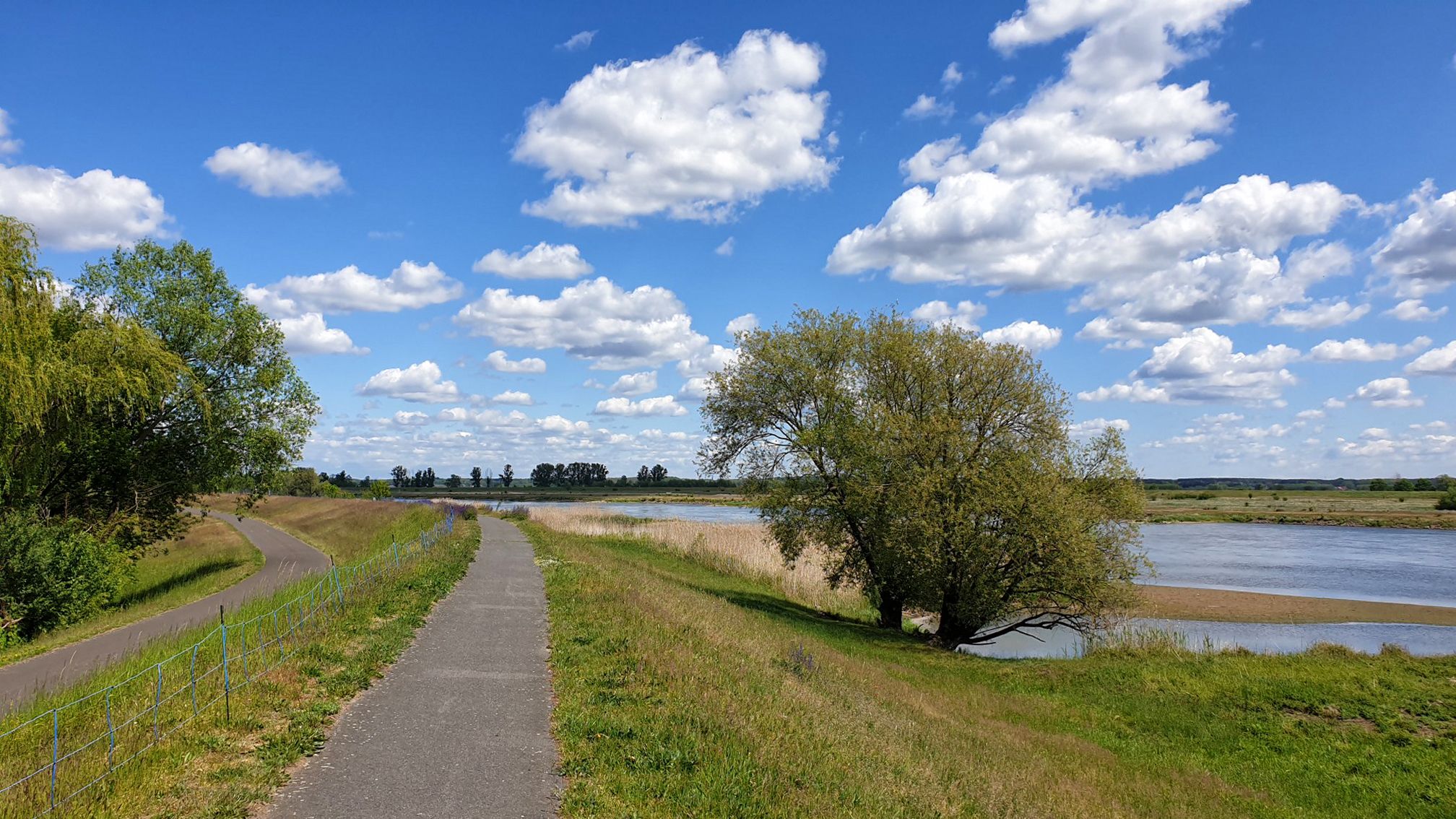
D-Route 12: Oder-Neiße Cycle Route
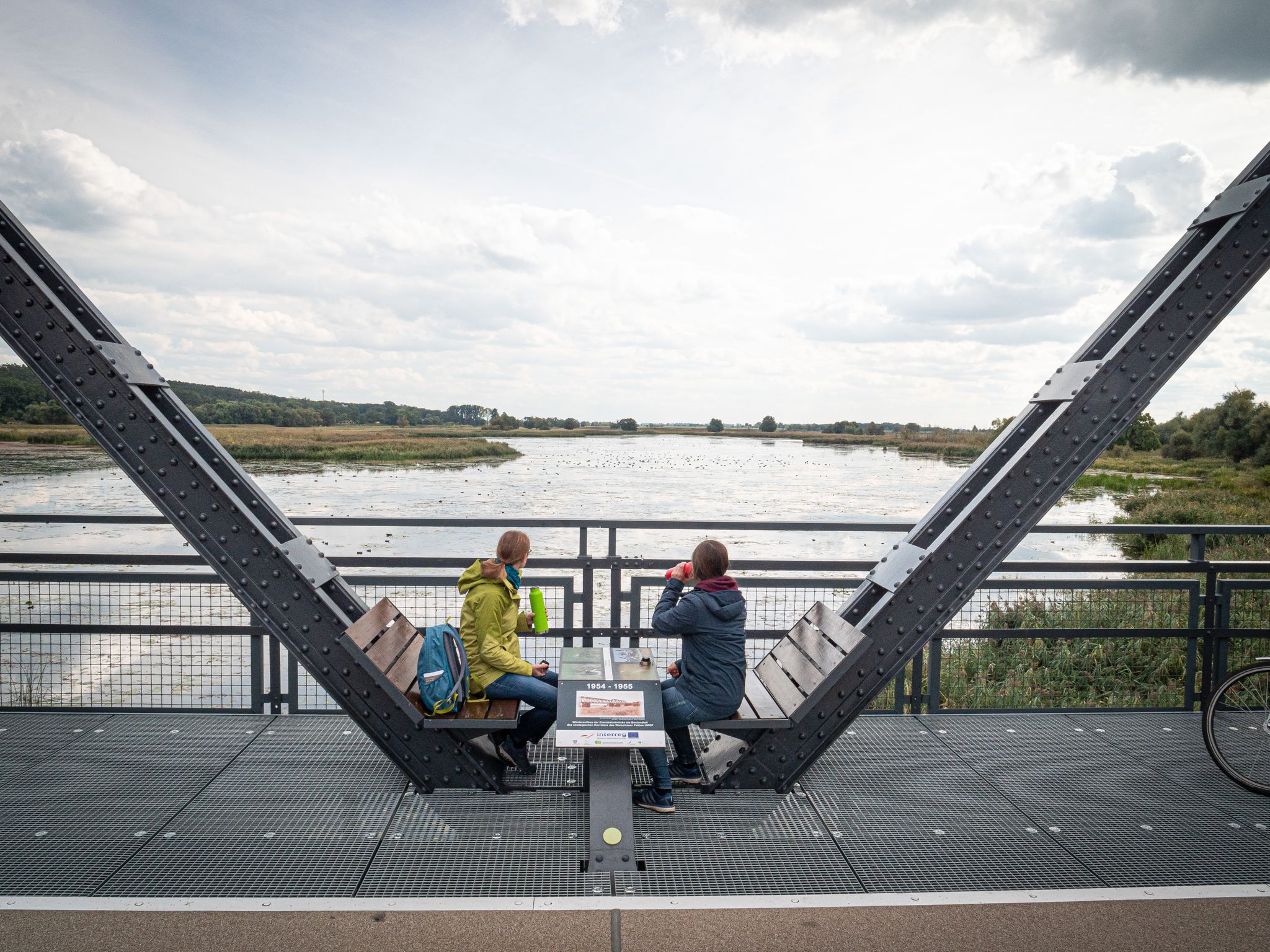
Grenzenlos unterwegs - Deutsch-Polnische Wander Ausflüge
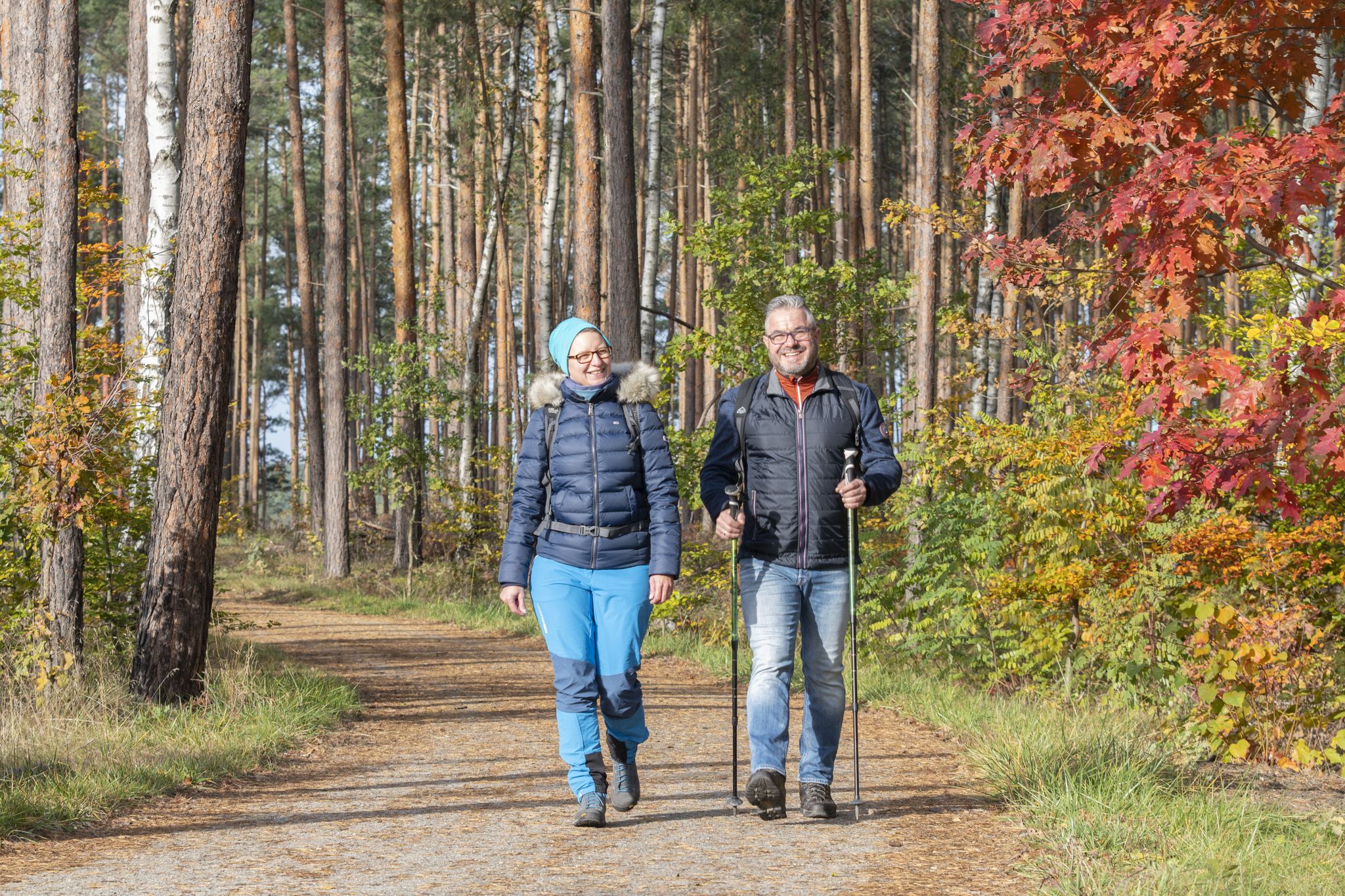
Wandertouren im Lausitzer Seenland

Oder-Neiße-Radweg - Radfahren im Seenland Oder-Spree
Hiking in Lubusz Voivodeship
Cycling in Lubusz Voivodeship
MTB Trails in Lubusz Voivodeship
Road Cycling Routes in Lubusz Voivodeship
Running Trails in Lubusz Voivodeship
Other adventures in Lubusz Voivodeship


Tips from the Community


Worth seeing is definitely the area
0
0

It's just incredibly beautiful here 😊.
0
0

One of the most beautiful places in this area.
0
0

On the northeastern edge of the Gornika meadow plateau in the Polish part of the park, whose center is marked by the Hermann Oak and the Odin Oaks, once stood two other impressive ancient oaks, one of which has survived to this day. Originally, they accompanied the path between Gornika and Kiebitzwiese, a narrow valley with a small stream. While the term Gornika comes from the Wendish language and indicates an elevation, the meadow valley was named after the bird, which was once widespread in Europe. Its eggs were once considered a delicacy and were also highly sought after by Pückler: there is evidence that in April 1841, the prince sent "a dozen of their eggs" to his friend, the writer Heinrich Laube (1806–1884), who liked to stay in the hunting lodge near Weißwasser to write his works. And the table books kept in Branitz from 1854 onwards also prove that lapwing eggs were an integral part of the princely kitchen, where they were frequently used as an appetizer, especially in April and May. The damp lapwing meadow likely once served as a breeding ground for these beautiful, pigeon-sized birds, which are now on the global Red List of endangered bird species. https://muskauer-park.de/
1
0

The Prince Pückler Park in Bad Muskau was included in the Blue Book published in 2001. On July 2, 2004, the Prince Pückler Park in Bad Muskau was added to the UNESCO World Heritage List. The original park encompassed the town of Muskau and several villages. The current site still includes the New Palace, also rebuilt by Prince Pückler, whose extensive facade reconstruction was completed in 2011; the Renaissance Old Palace, the historic Tropical House with cacti, the Cavalier House, the Bathing and Mountain Park, the Palace Park, and the Moorish-style Orangery. Petzold's species-rich and Europe-famous tree nursery, the Arboretum Muscaviense, however, has disappeared. In 2011, the rebuilt English Bridge was inaugurated as another crossing over the Neisse River.
5
0

Observation tower on Lake Africa with a completely stunning view of not only the lake but also the entire area - green and blue (especially in summer) - a total blast!
1
0
Frequently Asked Questions
What are the most notable natural monuments in Lubusz Voivodeship?
The Lubusz Voivodeship is home to diverse natural monuments. Highlights include the UNESCO World Heritage Site of Muskau Park, known for its landscape gardening and the unique geological formations of the Muskau Bend Geopark, which features the Afryka Lake Observation Tower. Other significant areas are Drawa National Park, Ujście Warty National Park, and the Sława-Sochew Lake Nature Reserve.
Are there family-friendly natural monuments in Lubusz Voivodeship?
Yes, many natural monuments in Lubusz Voivodeship are suitable for families. Muskau Park, with its expansive landscapes and historical elements, is a great option. The Settlement caused by underground mining operations, featuring a sunken forest, offers an intriguing and accessible experience. The Afryka Lake Observation Tower also provides an engaging activity for all ages.
What kind of unique geological features can I explore?
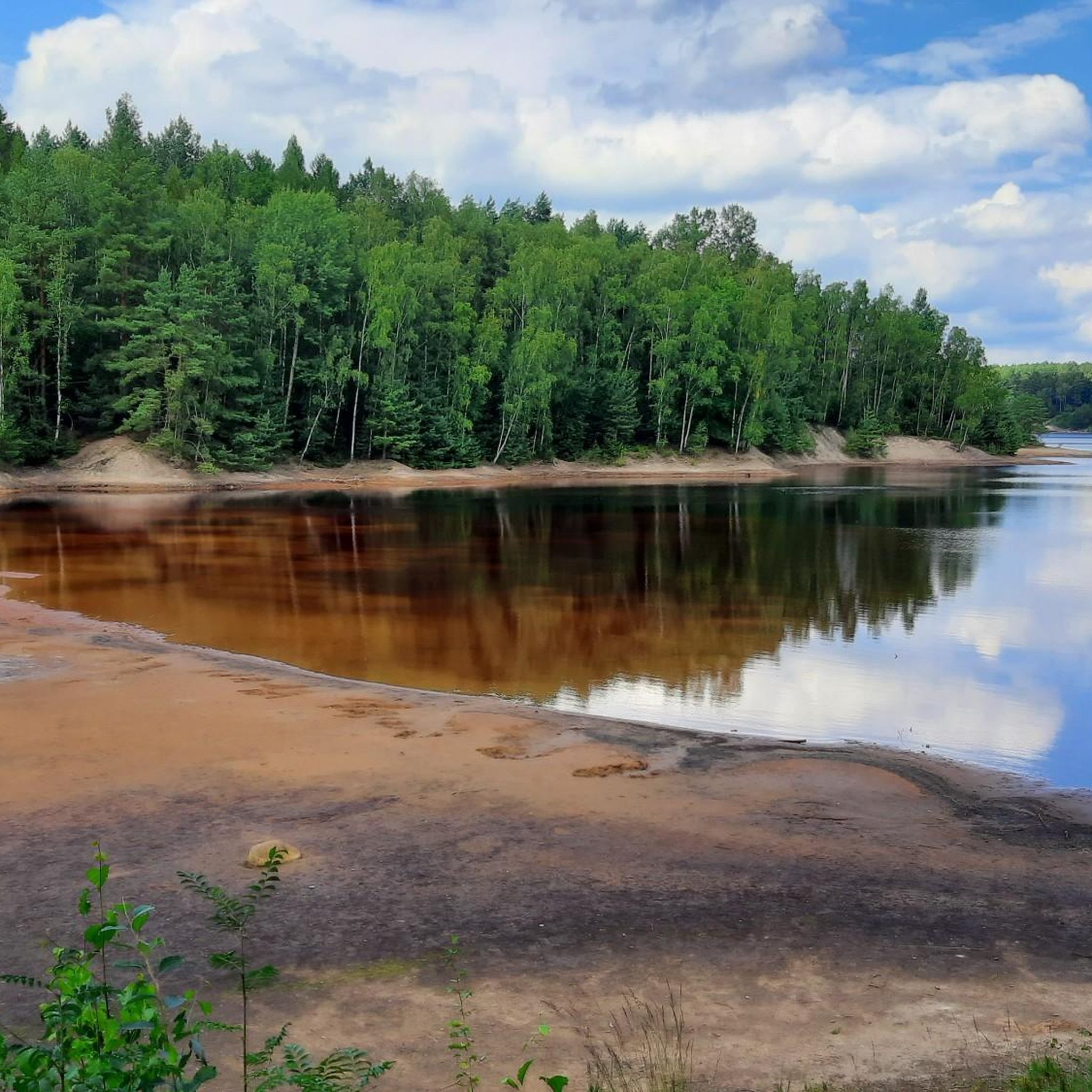
The region is particularly rich in geological wonders, especially within the Muskau Bend Geopark. Here, you can find over 100 former lignite mine reservoirs with distinct water colors. The Afryka Lake Observation Tower offers views of one such lake, shaped like the continent of Africa. Another fascinating site is the Settlement caused by underground mining operations, where a sunken forest stands in water-filled depressions resulting from past mining activities. You can also observe the Source of Acid Mine Drainage, showcasing unique mineral formations.
What outdoor activities can I do near these natural monuments?
The natural monuments in Lubusz Voivodeship offer a variety of outdoor activities. Drawa National Park is excellent for canoeing, hiking, and wildlife photography. The Sława-Sochew Lake Nature Reserve is ideal for kayaking, paddleboarding, and cycling around Sława Lake. For cycling, you can explore routes like the Neisse Cycle Path. Find more options in the Cycling in Lubusz Voivodeship guide. For running, there are trails around Jezioro Postomsko, detailed in the Running Trails in Lubusz Voivodeship guide.
Where can I go for birdwatching in Lubusz Voivodeship?
Ujście Warty National Park (Warta Mouth National Park) is a prime destination for birdwatching. As one of Poland's best-preserved flood zones and a vast wetland, its shallow waters and extensive reed beds attract a wide variety of bird species. The Sława-Sochew Lake Nature Reserve also offers opportunities for birdwatching tours around Sława Lake.
Are there any historical or cultural sites integrated with the natural monuments?
Yes, Muskau Park, a UNESCO World Heritage Site, is a masterpiece of landscape gardening with historical significance. It features a New Palace, an Old Palace, and a historic Tropical House. The Border on the Neisse at the Bad Muskau weir island is another historical site within the park. Additionally, Bledzewski Landscape Park includes the historic Bledzewski Palace, blending nature with cultural heritage.
What are some notable ancient trees in the region?
Lubusz Voivodeship protects numerous individual ancient trees as natural monuments. These include impressive pedunculate oaks like 'Fryderyk' (628 cm circumference) and 'Witold' (641 cm circumference) in Sądów, Cybinka. You can also find the 'Hermann Oak' in Park Krajobrazowy Łuk Mużakowa, and a Scots pine named 'Emilia' in Urad, Cybinka.
What is the best time of year to visit the natural monuments in Lubusz Voivodeship?
Spring and autumn are generally ideal for visiting. In spring, the parks and reserves burst with new life and lush greenery, while autumn offers vibrant foliage and pleasant temperatures for hiking and cycling. Summer is also popular, especially for water activities on lakes like Sława, but can be busier. Winter provides a different, serene experience, particularly for those interested in snow-covered landscapes, though some facilities might have reduced hours.
Are there any natural monuments that are less crowded or considered 'hidden gems'?
While popular sites like Muskau Park attract many visitors, exploring areas like the Schwarze Grube Nature Reserve or the less-traveled trails within Bledzewski Landscape Park can offer a more secluded experience. The individual ancient trees scattered across the Słubice district, such as the Douglas firs 'Gaja' and 'Tea' in Nowy Świat, also provide quiet natural encounters away from larger crowds.
Are there options for easy hiking or walking trails?
Yes, many areas offer easy walking trails. Muskau Park has well-maintained paths suitable for leisurely strolls. The geotourism path around the former Babina Mine, including the route to the Afryka Lake Observation Tower, is generally accessible. Eko Park Witnica also features unspoiled forests and serene lakes with trails suitable for hiking and cycling.
Can I bring my dog to the natural monuments?
Policies regarding dogs vary by specific location within the Lubusz Voivodeship's natural monuments. National parks often have restrictions, requiring dogs to be on a leash and sometimes limiting access to certain areas to protect wildlife. It's advisable to check the specific regulations for each park or reserve you plan to visit, such as Drawa National Park or Ujście Warty National Park, before your trip.
Is public transport available to reach these natural monuments?
While some larger towns near the natural monuments may have bus or train connections, direct public transport to the more remote natural monuments can be limited. For places like Muskau Park, you might find connections to nearby towns, but reaching specific points of interest within the park or other reserves often requires a car or cycling. Planning your route in advance and checking local transport schedules is recommended.
Most popular routes in Lubusz Voivodeship
Most popular attractions in Lubusz Voivodeship

Get inspired with the komoot mobile app


Didn’t find what you were looking for?
Find even more amazing natural monuments in Lubusz Voivodeship by checking out the top Highlights region by region:
Explore more
Extend your search for the best caves by checking out these guides of the top ones in Lubusz Voivodeship:
