Top 20 Natural Monuments in Ruija region
Best natural monuments in Ruija region, synonymous with Finnmark in Norway, offer a diverse range of Arctic landscapes and unique geological features. This northernmost part of Norway is characterized by dramatic coastal alpine terrain, vast plateaus, and unique taiga forests. The region's natural monuments showcase its rich geological history, from ancient rock formations to Europe's northernmost glaciers. It provides opportunities to experience remote wilderness, observe Arctic wildlife, and explore areas with significant cultural heritage.
Best natural monuments in Ruija region
…Last updated: July 10, 2026
North Cape Globe (Nordkapp Globe)
Highlight • Monument
Translated by Google •
Tip by

Kirkeporten Rock Arch
Highlight • Natural Monument
Translated by Google •
Tip by

Sign up now to discover places like this
Get recommendations on the best single tracks, peaks, & plenty of other exciting outdoor places.
Sign up for free
Children of the Earth Monument (Barn av Jorden)
Highlight • Monument
Translated by Google •
Tip by

Knivskjellodden
Highlight • Viewpoint
Translated by Google •
Tip by

North Cape
Highlight • Monument
Here you need good windproof clothing when the weather is not good. But …
Translated by Google •
Tip by

Oscar II Obelisk at the North Cape
Highlight • Monument
Translated by Google •
Tip by
Trollholmsund Rock Formations
Highlight • Natural Monument
Translated by Google •
Tip by

Struve Geodetic Arc Monument (Hammerfest)
Highlight • Monument
Translated by Google •
Tip by

Alta Rock Art – UNESCO World Heritage Site
Highlight • Historical Site
Translated by Google •
Tip by
Nordkapp
Highlight • Natural Monument
Translated by Google •
Tip by

Sign up for free to discover even more natural monuments in Ruija region.
Sign up for free
Already have an account?
Start today with a free account
Your next adventure awaits.
Login or Signup
Popular around Ruija region
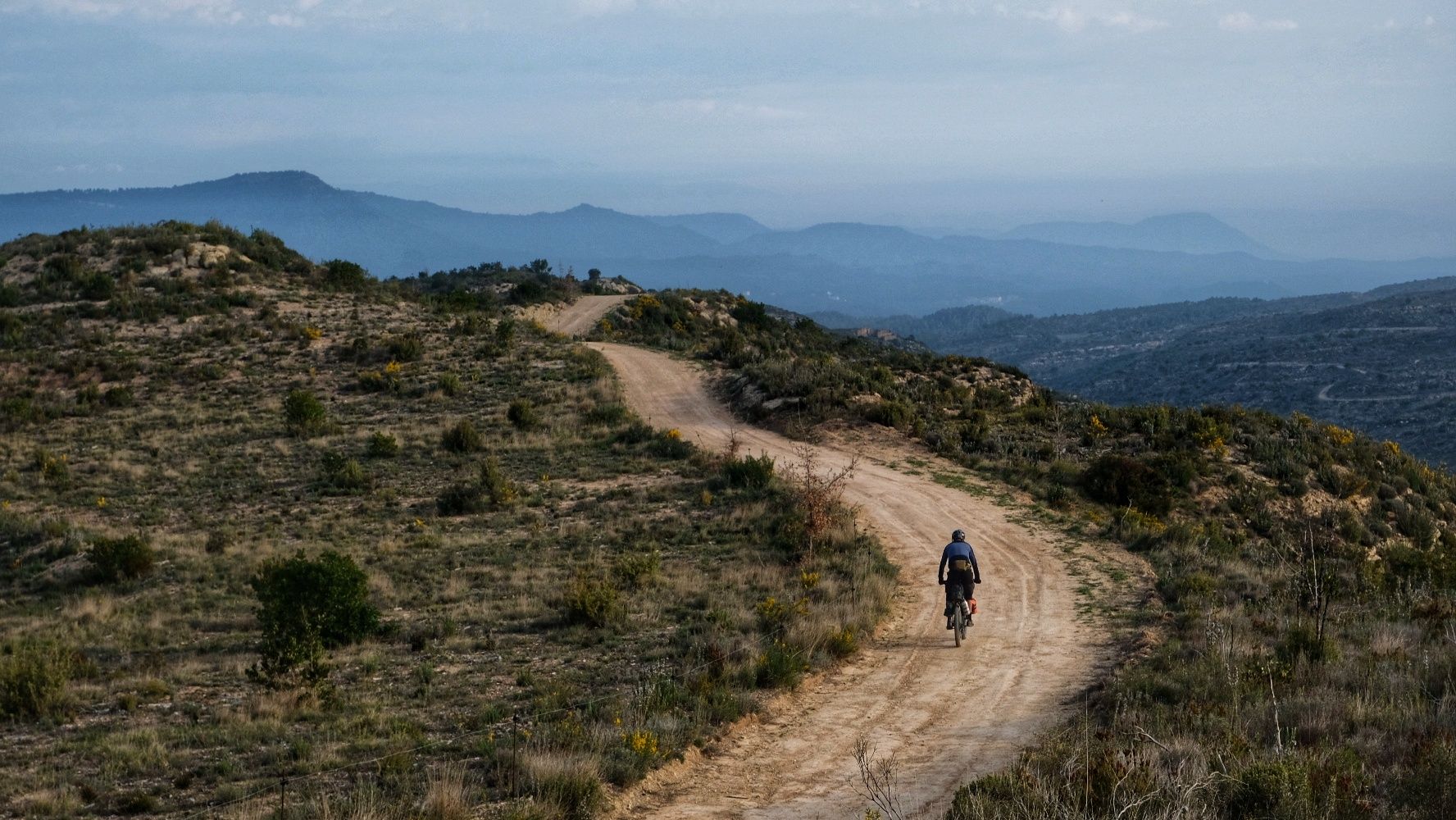
European Divide Trail — 7,600 km across the continent
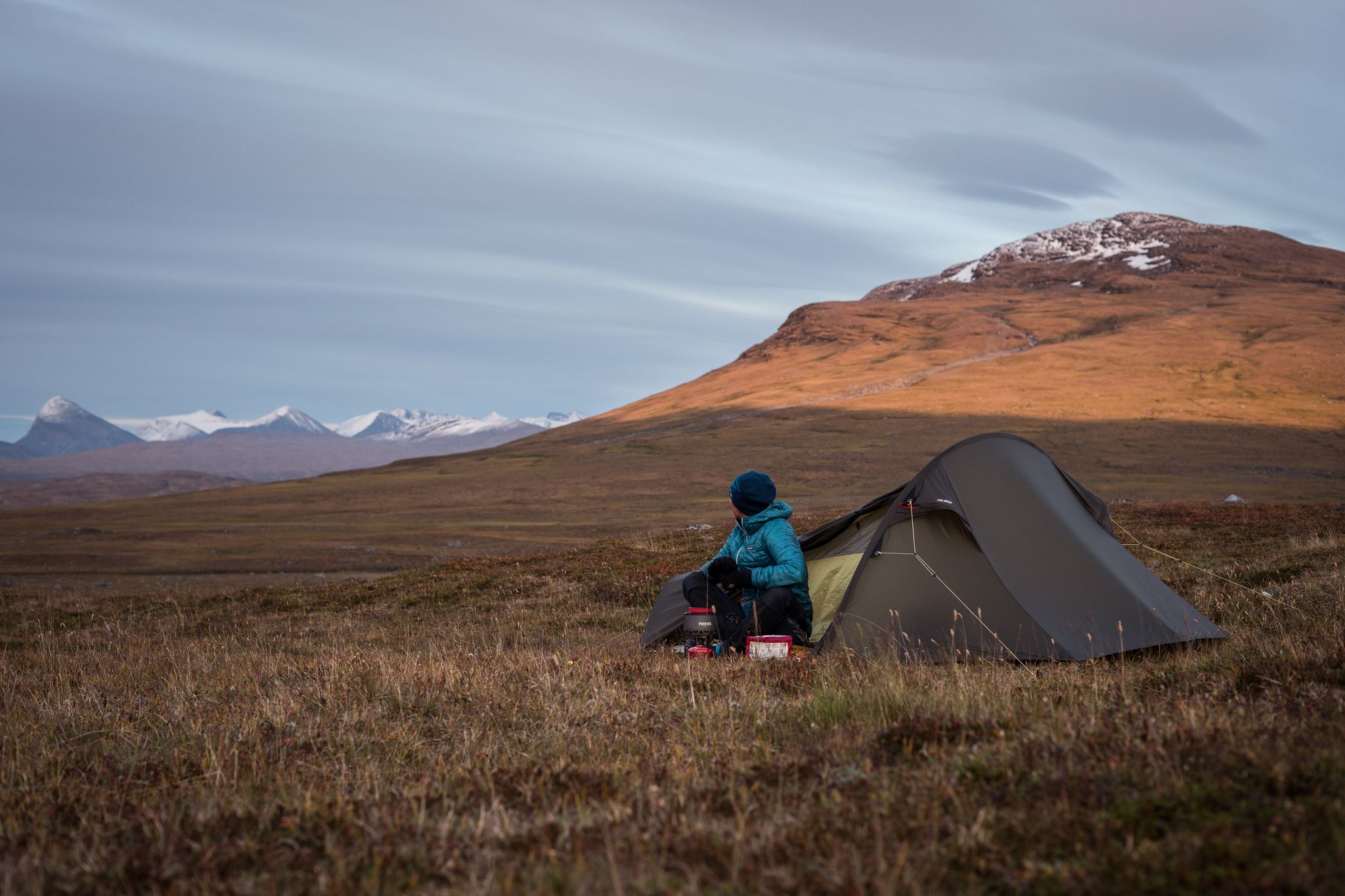
The Nordkalottleden — At the edges of the polar circle
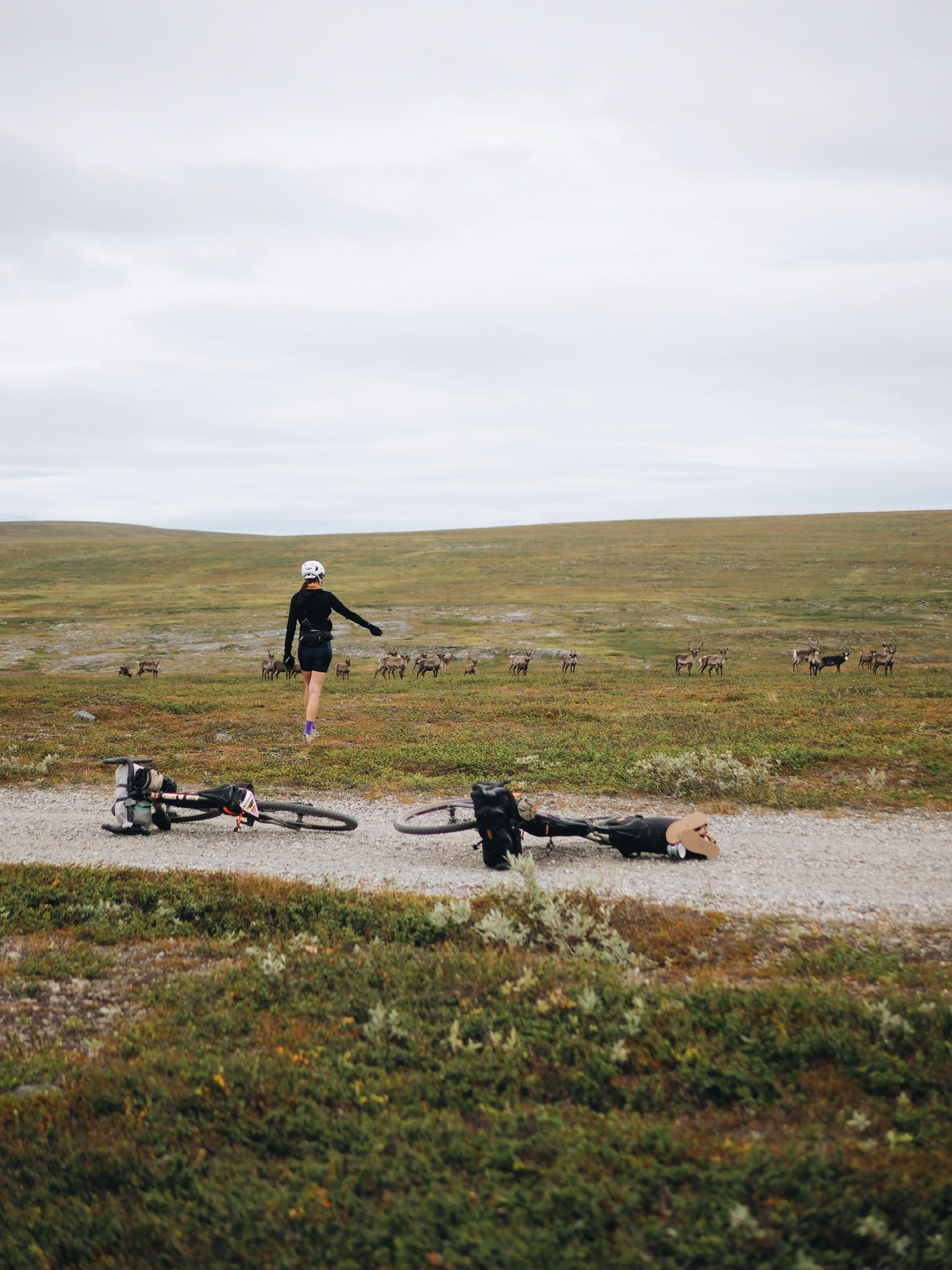
Arctic Post Road
Naples to North Cape — Two friends, one purpose and many scoops of ice-cream
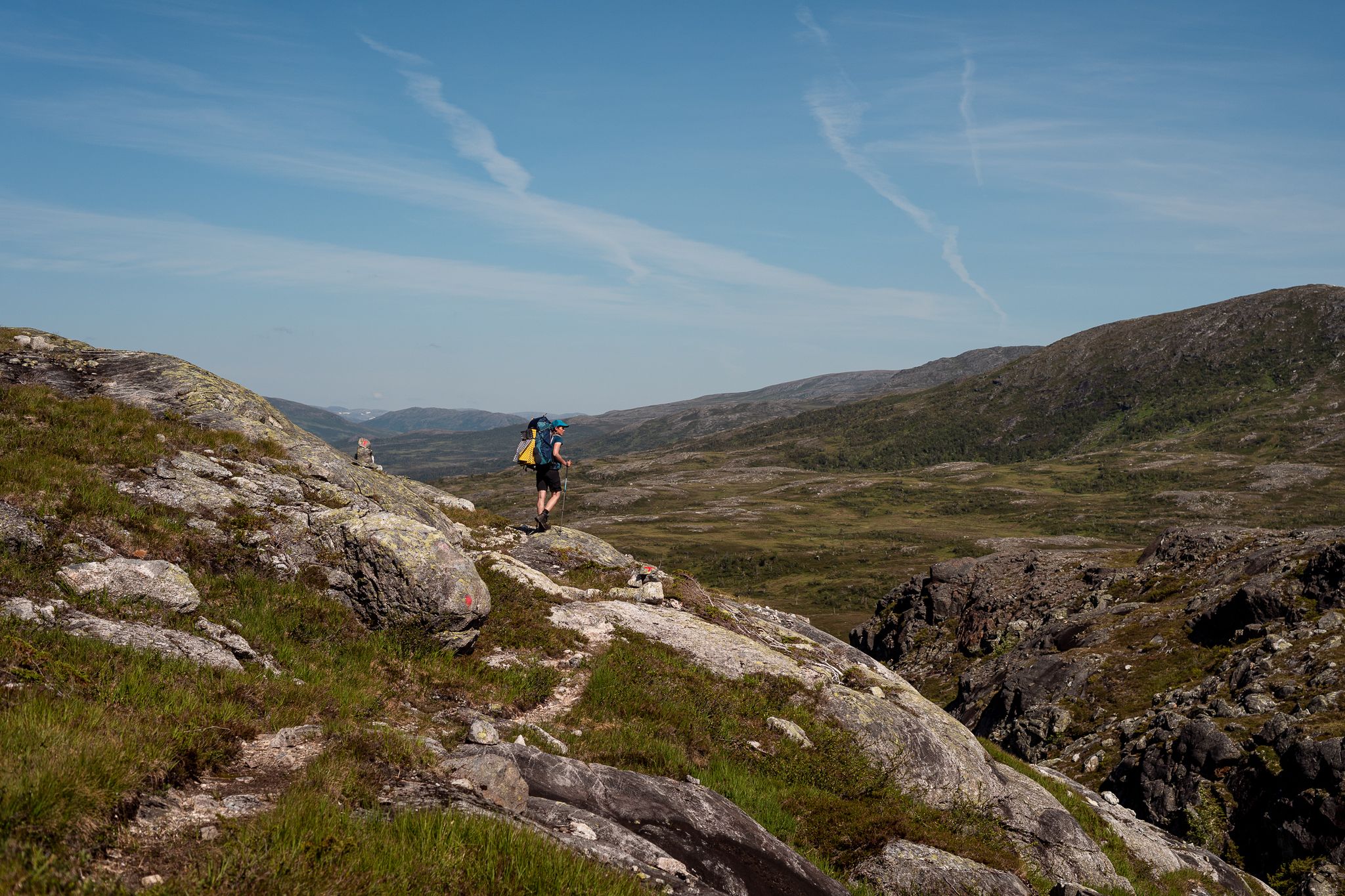
Norge på Langs – The length of spectacular Norway on foot
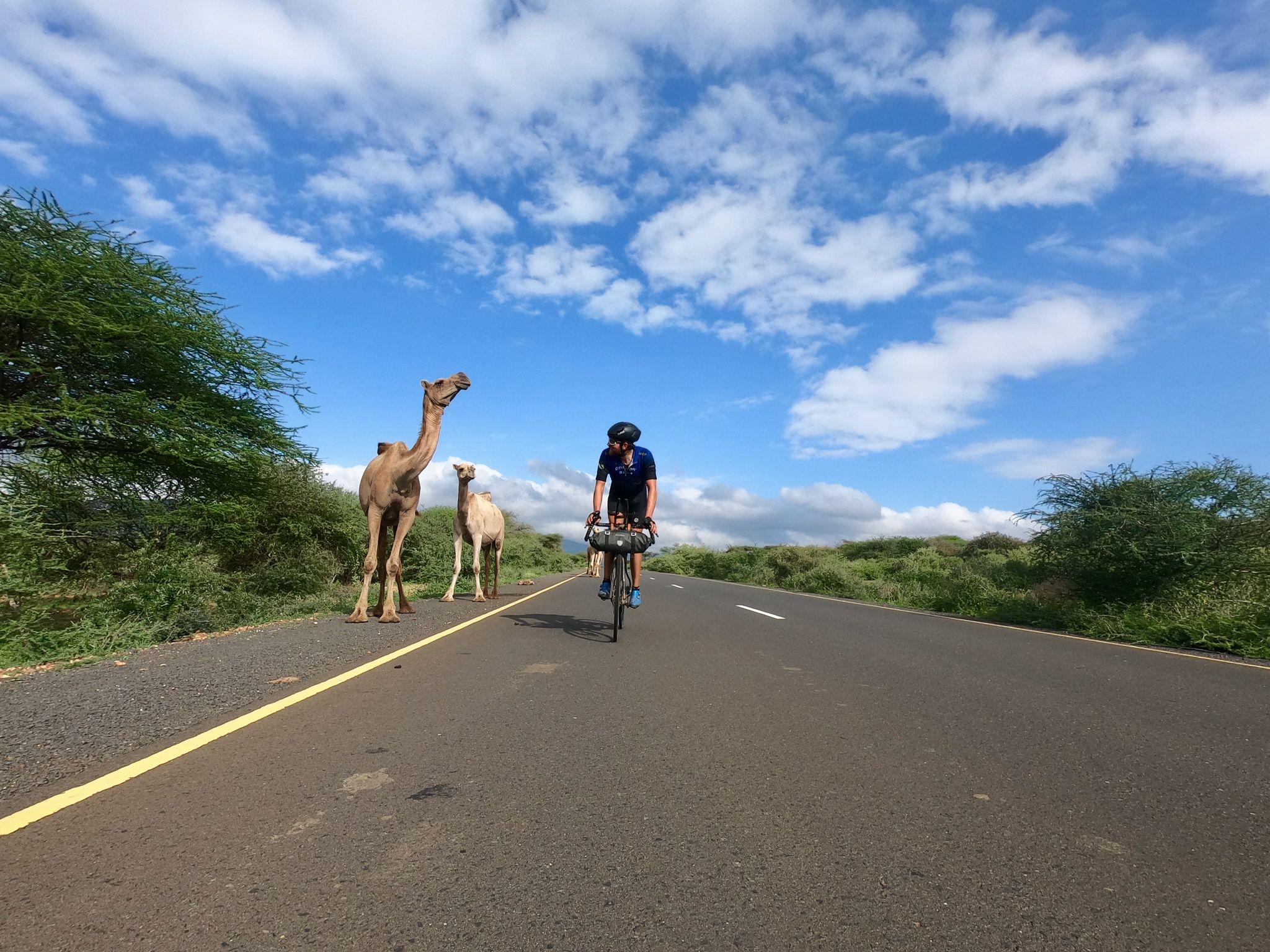
Cape to Cape Challenge – 18,000km in 73 days
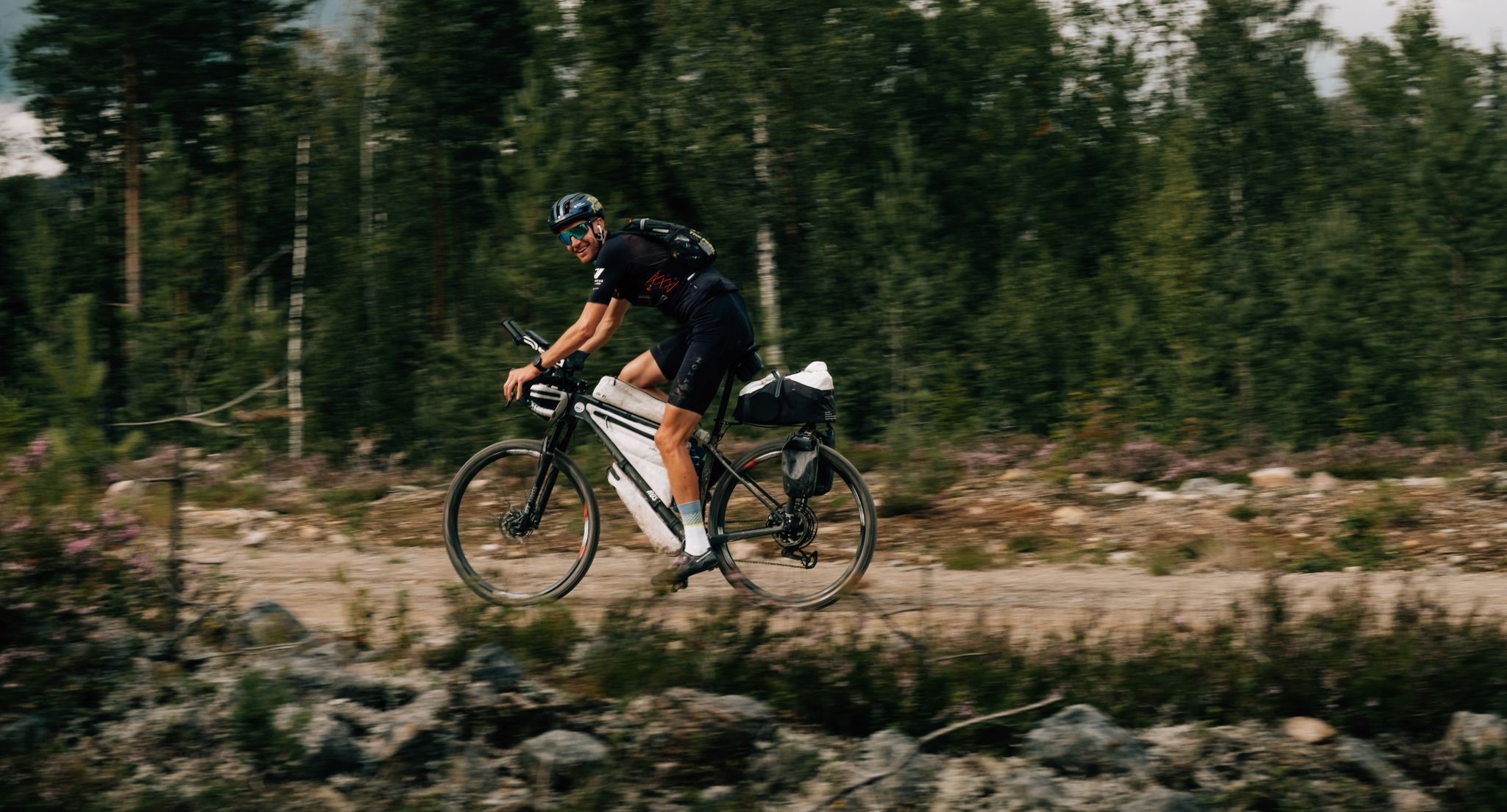
European D̶I̶V̶I̶D̶E̶ Connect Trail Project – a journey across Europe
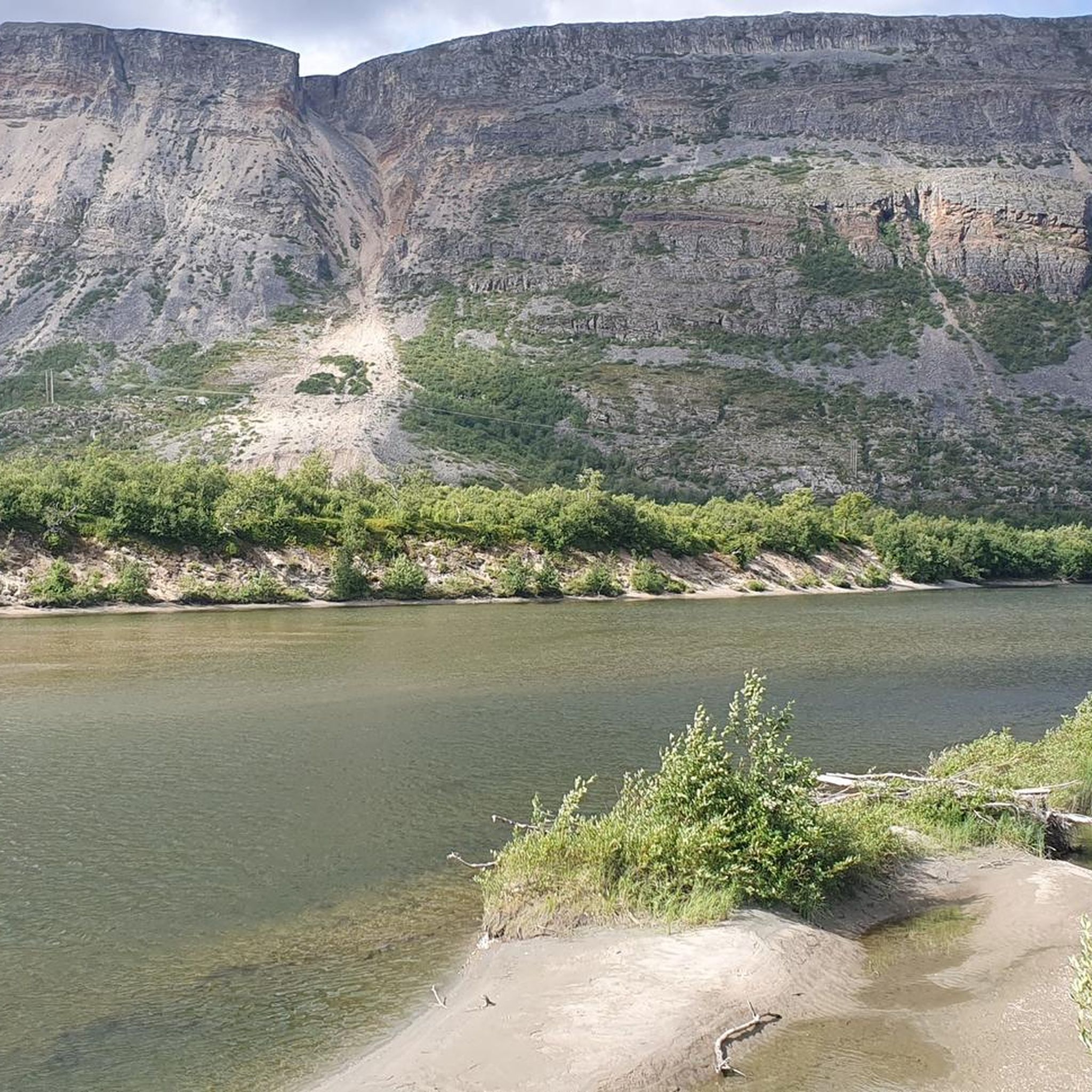
Hiking in Ruija region
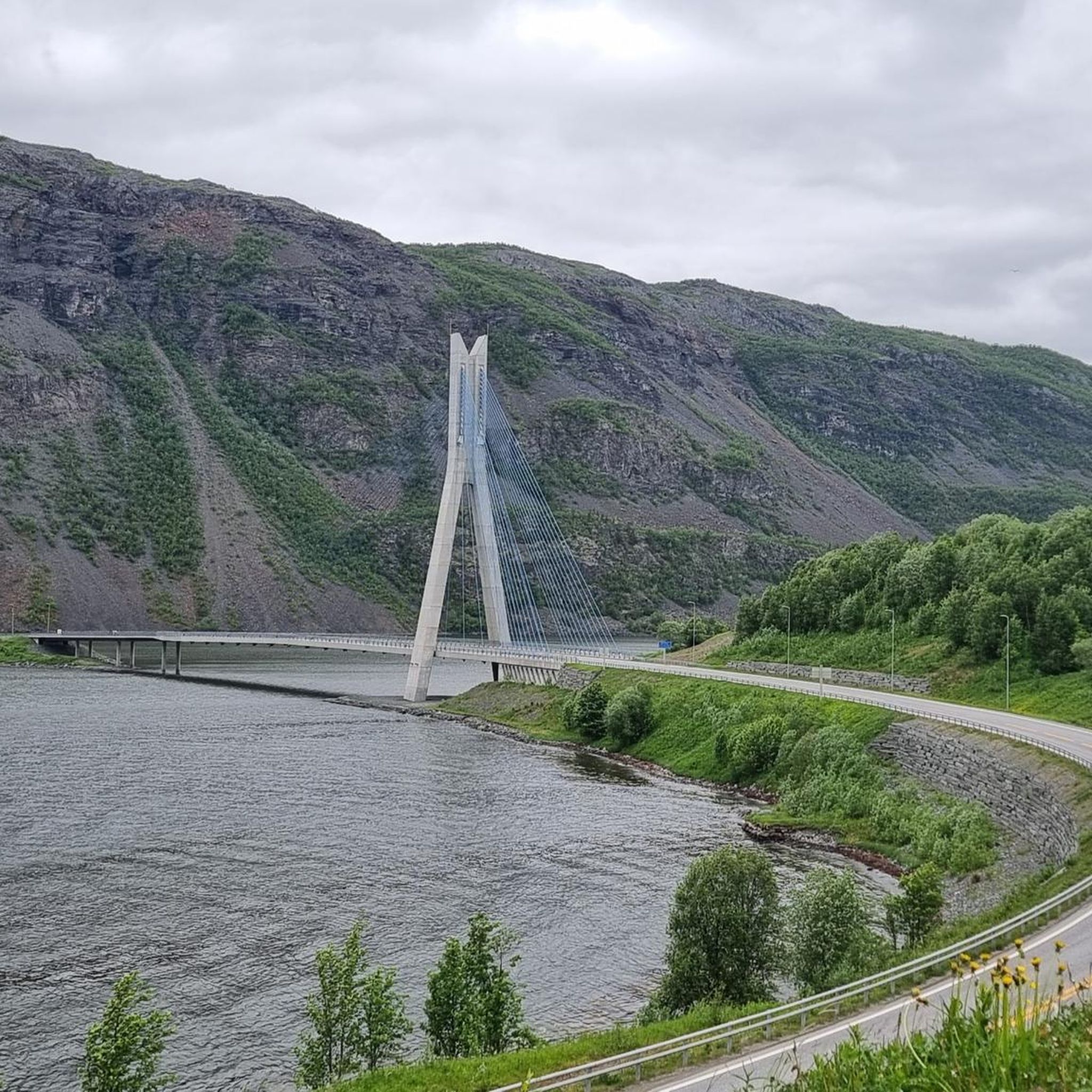
Cycling in Ruija region
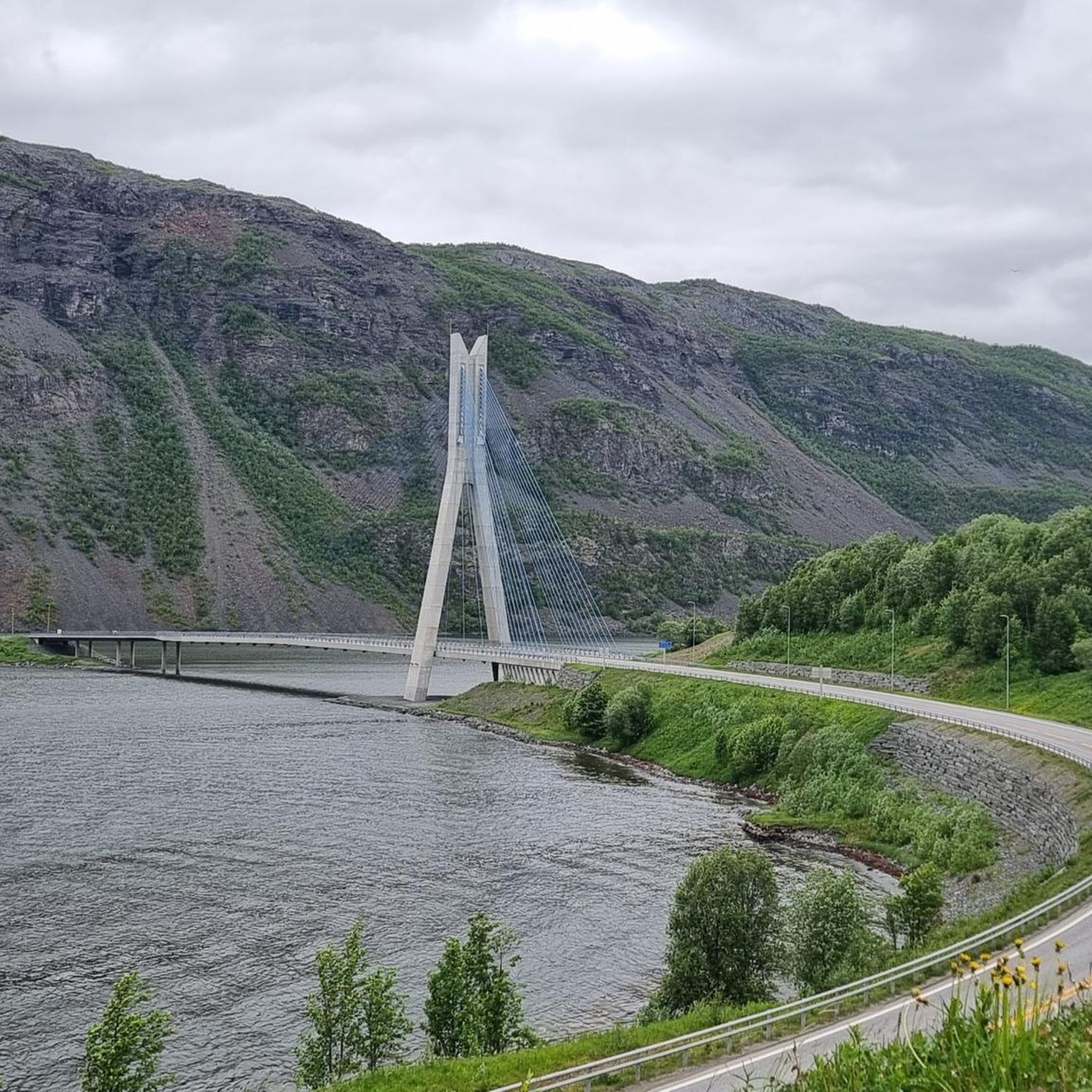
Road Cycling Routes in Ruija region
Other adventures in Ruija region


Tips from the Community

Beautiful short hike to the destination. Very impressive to look at. You can walk through the gate.
0
0

The Struve Geodetic Arc was the first technical-scientific object to be inscribed on the UNESCO World Heritage List. The arc was determined using angle measurements from a chain of triangles (triangulation) extending from Hammerfest in the north to the Black Sea in the south. Four of these measuring points are located in Finnmark. The meridian column marks the northernmost measuring point at Fuglenes in Hammerfest.
1
0


The best time to visit Norway's North Cape is during the summer months of May to September. After the cold winter months, temperatures climb to as high as 13°C. At the same time, over 20 hours of sunshine invite you to explore and discover this unique region.
1
0
The "Globus," erected in 1978, is the symbol of the global meeting place at the North Cape. Here, people from all over the world meet and share the experience of the North Cape's grandeur and beauty—the experience of being on the roof of Europe. Today, the North Cape Hall is anchored in the 308-meter-high cliff, providing protection from the forces of nature on the last frontier to the Arctic Ocean. The North Cape Hall is open year-round and serves as a service center for visitors to the North Cape. The hall offers a variety of facilities. The super videographer shows "The Four Seasons at the North Cape." In the underground tunnel, you will find exhibitions about the long history of the North Cape as a tourist destination. St. John's Chapel is the northernmost ecumenical chapel in the world and, combined with the "North Cape Suite," is a popular venue for wedding arrangements. An interesting souvenir and gift shop offers a wide selection. The Compass Restaurant offers excellent food and a fantastic view of the Arctic Ocean. With 250 seats, the restaurant has ample capacity for events and banquets. It has 350 seats and can be used for various events, such as conferences and concerts. Kaffehuset (the Coffee House) is a cozy spot for a good cup of coffee and fresh waffles.
1
0


The Struve Arc/Meridian Arc as a UNESCO World Heritage Site Since July 15, 2005, the entire Struve Arc/Meridian Arc has been a UNESCO World Heritage Site. Thirty-four representative measuring points were selected, including all participating countries. The northernmost measuring point, of course, is the one in Fuglenes/Hammerfest. With the inclusion of the Struve Arc in the UNESCO World Heritage List, this listing also marked the first time a scientific project has been carried out. [Source: https://weites.land/die-struve-saeule-meridian-monument-in-hammerfest-geschichte-des-meridian-bogen/ ]
1
0
Frequently Asked Questions
What are some of the most popular natural monuments in the Ruija region?
The Ruija region, synonymous with Finnmark, offers several highly appreciated natural monuments. Among the most popular are Kirkeporten Rock Arch, an extraordinary rock formation with a unique opening, and the iconic North Cape Globe, offering breathtaking views. Visitors also frequently enjoy the Trollholmsund Rock Formations, which are steeped in local Sami legend.
Are there family-friendly natural monuments in the Ruija region?
Yes, several natural monuments in the Ruija region are suitable for families. The Kirkeporten Rock Arch and Trollholmsund Rock Formations offer relatively easy walks to unique geological sites. The North Cape Globe area, including the visitor center and the Children of the Earth Monument, is also family-friendly, providing accessible views and facilities.
What kind of wildlife can I expect to see at the natural monuments in Ruija?
The Ruija region is rich in Arctic wildlife. In Seiland National Park, you might spot reindeer, sea eagles, and possibly the elusive Arctic fox. Øvre Pasvik National Park is known for its stable brown bear population, moose, and various eastern bird species. Varangerhalvøya National Park is a paradise for birdwatchers, hosting many breeding species, including endangered ones, and large herds of semi-domesticated reindeer.
What is the best time to visit the natural monuments in Ruija region?
The best time to visit depends on your interests. For experiencing the Midnight Sun and milder weather, summer (June-August) is ideal, especially at locations like the North Cape. For witnessing the Northern Lights and enjoying winter activities, the darker months (October-March) are best. Øvre Pasvik National Park is particularly noted as an International Dark Sky Place for exceptional stargazing and Northern Lights viewing during the sunless period.
Are there hiking trails near the natural monuments in Ruija region?
Yes, the Ruija region offers numerous hiking opportunities near its natural monuments. For example, you can embark on the challenging hike to Knivskjelodden, which is technically the northernmost point of mainland Europe. There are also easier trails like the one to Trollholmsund Rock Formations. You can find more details and routes in the Hiking in Ruija region guide.
What unique geological features can be found in Ruija's natural monuments?
The Ruija region boasts a diverse range of geological features. Seiland National Park is home to Europe's northernmost glaciers, Seilandsjøkelen and Nordmannsjøkelen, and unique zirconium crystals. Varangerhalvøya National Park features distinctive dislocated and stratified sedimentary rock formations, sand dune systems, and raised beaches. The Kirkeporten Rock Arch is a prime example of eroded stratified rock, showcasing the region's geological history.
Are there any historical or cultural sites associated with the natural monuments?
Yes, the natural landscapes of Ruija are often intertwined with history and culture. Seiland National Park shows evidence of ancient Sami grazing huts. Varangerhalvøya National Park contains cultural heritage sites, including ancient hunting grounds and relics from the Stone Age. The Trollholmsund Rock Formations are linked to an old Sami legend of petrified trolls. Additionally, the Alta Rock Art is a UNESCO World Heritage Site, offering insights into prehistoric life.
What outdoor activities are available near the natural monuments in Ruija region?
Beyond hiking, the Ruija region offers various outdoor activities. You can explore mountain biking trails, such as those detailed in the MTB Trails in Ruija region guide. Kayaking and alpinism are popular in Seiland National Park, while Øvre Pasvik National Park is excellent for skiing and canoeing. Many areas also offer great fishing opportunities, particularly in the rivers of Varangerhalvøya National Park.
What makes the North Cape a significant natural monument?
The North Cape, a dramatic 307-meter-high cliff, is iconic for being considered the northernmost point of continental Europe accessible by car. It offers expansive tundra landscapes and breathtaking panoramic views over the Barents Sea. It's a symbolic destination, providing a sense of being at the 'end of the world,' especially when experiencing the Midnight Sun.
Can I find easy hikes suitable for beginners near the natural monuments?
Absolutely. For beginners or those seeking less strenuous options, there are several easy hikes. The path to Trollholmsund Rock Formations is a nice little hike. The Kirkeporten Rock Arch also involves a relatively short walk. For more options, consult the Easy hikes in Ruija region guide, which includes routes like Orvvosfossen and Nordkapptrappa Trail.
What is unique about Øvre Pasvik National Park compared to other natural monuments in Ruija?
Øvre Pasvik National Park stands out with its Siberian-like taiga landscape, featuring Norway's largest virgin pine forest. It's a largely flat terrain with numerous shallow lakes and bogs, forming part of the Pasvik–Inari Trilateral Park bordering Finland and Russia. Its unique ecosystem supports a stable brown bear population and various eastern species of plants and birds found nowhere else in Norway. It's also Norway's first certified International Dark Sky Place.
What should I wear when visiting natural monuments in the Ruija region?
Due to the Arctic climate, it's crucial to dress in layers, regardless of the season. Even in summer, weather can change rapidly. Always bring windproof and waterproof outer layers. Sturdy hiking boots are essential for most trails. In colder months, thermal base layers, warm mid-layers, and insulated outerwear, along with hats, gloves, and scarves, are necessary to protect against the cold and wind.
Most popular routes in Ruija region
Most popular attractions in Ruija region

Get inspired with the komoot mobile app


Didn’t find what you were looking for?
Find even more amazing natural monuments in Ruija region by checking out the top Highlights region by region:
Explore more
Extend your search for the best caves by checking out these guides of the top ones in Ruija region:
