Top 20 Natural Monuments in Grevenmacher Canton
Natural monuments in Grevenmacher Canton feature a diverse landscape, from dramatic rock formations to tranquil river valleys and nature reserves. This region in Luxembourg is characterized by its unique geological features, including the sandstone formations of the Mullerthal region, often referred to as "Luxembourg's Little Switzerland." The canton is also defined by the Moselle and Sûre river valleys, offering scenic riverside trails and expansive vineyards. It provides varied terrain for outdoor exploration, showcasing a rich natural environment.
Best natural monuments…
Last updated: May 13, 2026
Schlammbachtal
Highlight (Segment) • Gorge
Translated by Google •
Tip by

Michelslay Rock Formation
Highlight • Natural Monument
Translated by Google •
Tip by

Sign up now to discover places like this
Get recommendations on the best single tracks, peaks, & plenty of other exciting outdoor places.
Sign up for free
Palmberg Cliffs
Highlight • Natural Monument
The path is a bit slippery at this point! So watch out!
Translated by Google •
Tip by

Donatus Chapel at Wormer Koeppchen
Highlight • Religious Site
Approach via the best asphalted farm roads or on foot via stairs through grapevines.
Translated by Google •
Tip by

Vineyard Dry Stone Wall Steps
Highlight • Structure
Translated by Google •
Tip by
Donverbach Gorge Forest
Highlight (Segment) • Gorge
Translated by Google •
Tip by

Stifter Rock
Highlight • Natural Monument
The pastor and poet Joseph Duhr from Niederdonven admired and revered the Austrian poet Adalbert Stifter (1805-1868). In 1928 he and his friend Mathias Thiry carved the …
Translated by Google •
Tip by

Confluence of the Sauer and Moselle rivers
Highlight • River
Translated by Google •
Tip by

Eduard Wolff Memorial
Highlight • Monument
Tip by

Sign up for free to discover even more natural monuments in Grevenmacher Canton.
Sign up for free
Already have an account?
Start today with a free account
Your next adventure awaits.
Login or Signup
Popular around Grevenmacher Canton
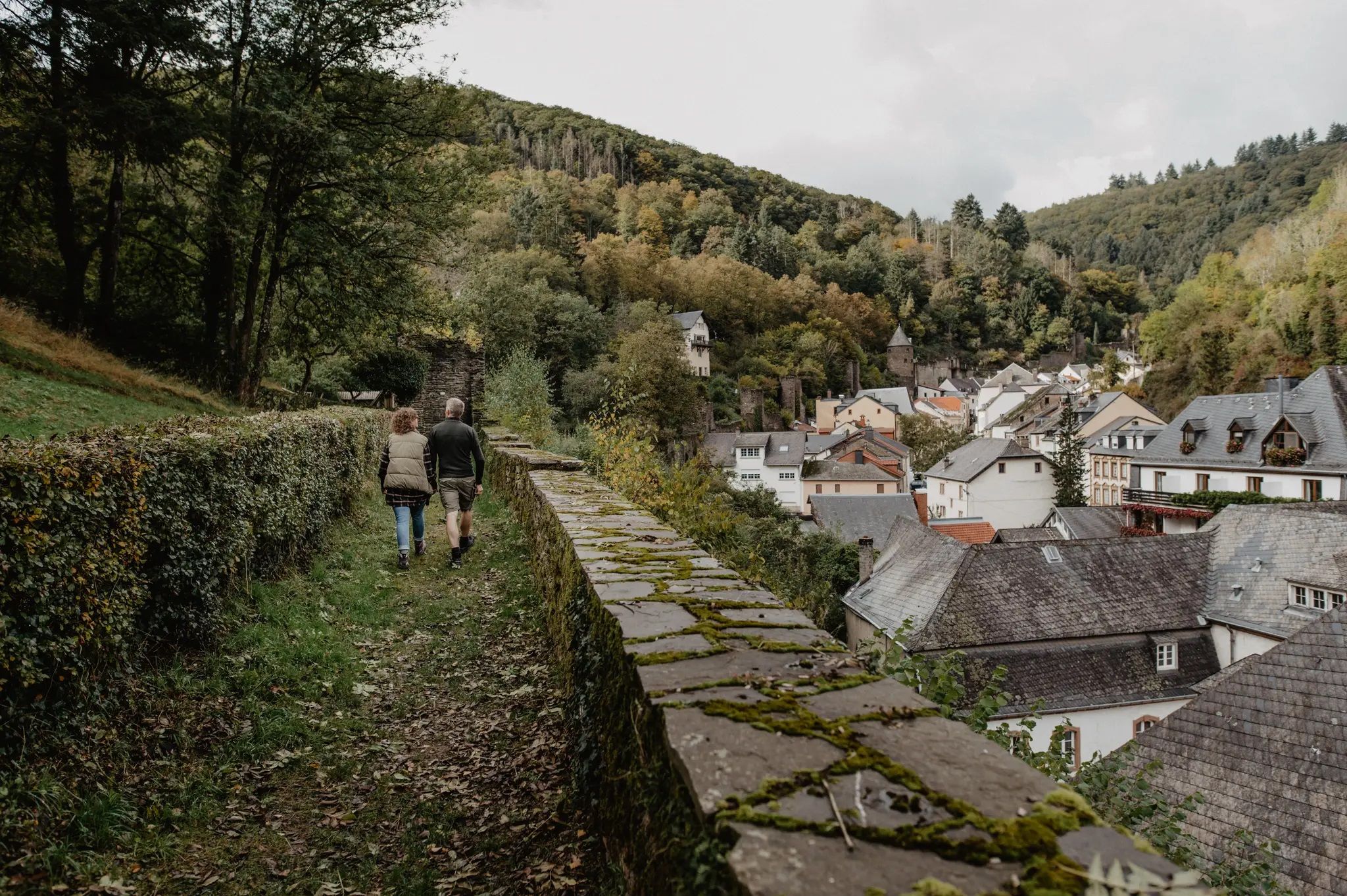
Enjoy the silence – autumn and winter hiking in Luxembourg
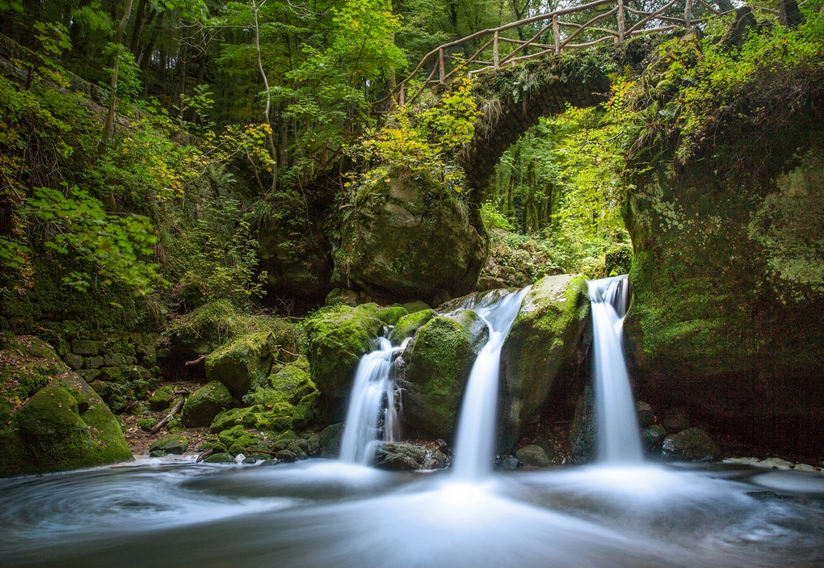
Mullerthal Trail - The most beautiful routes across Luxembourg's Little Switzerland
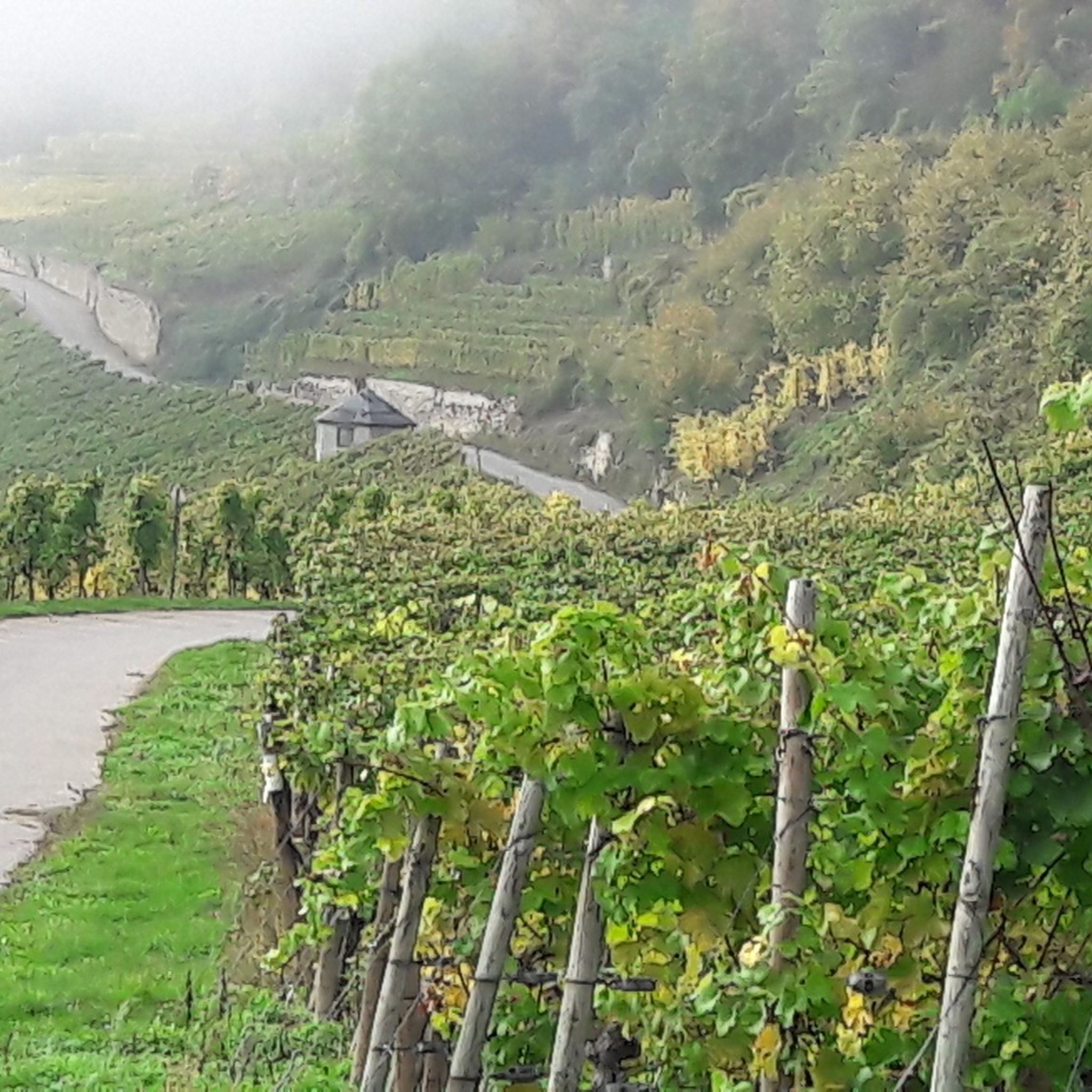
Hiking in Grevenmacher Canton
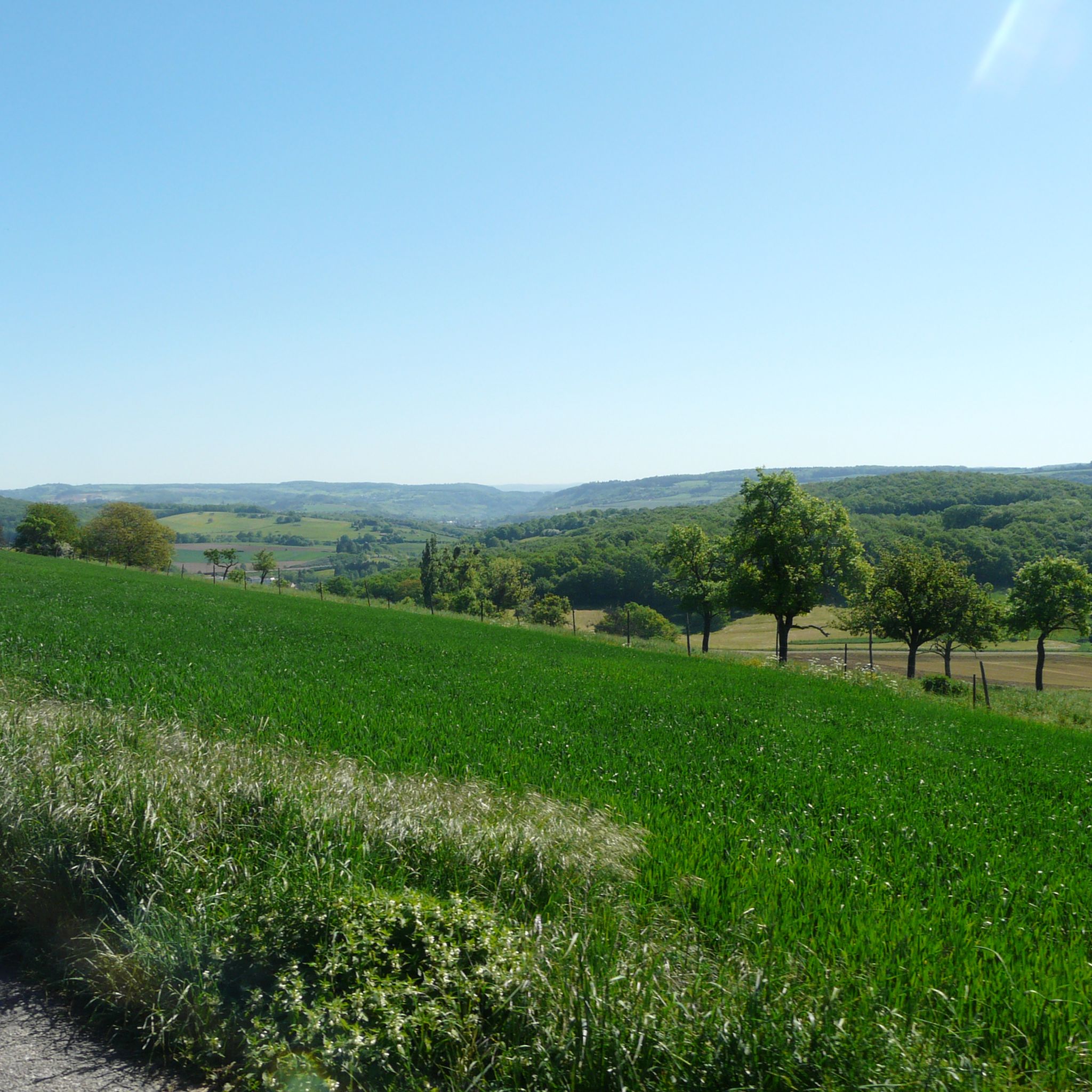
Cycling in Grevenmacher Canton
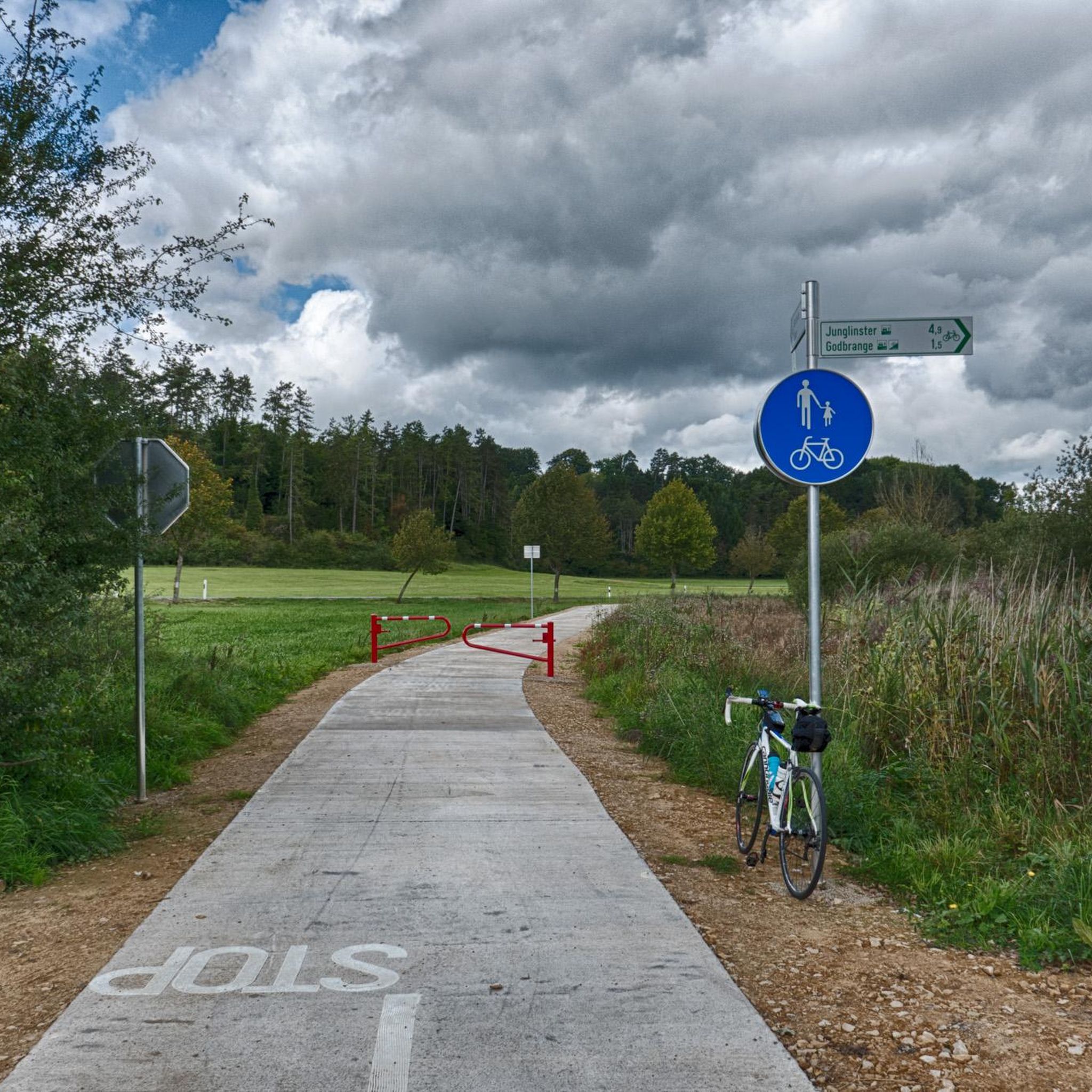
Road Cycling Routes in Grevenmacher Canton
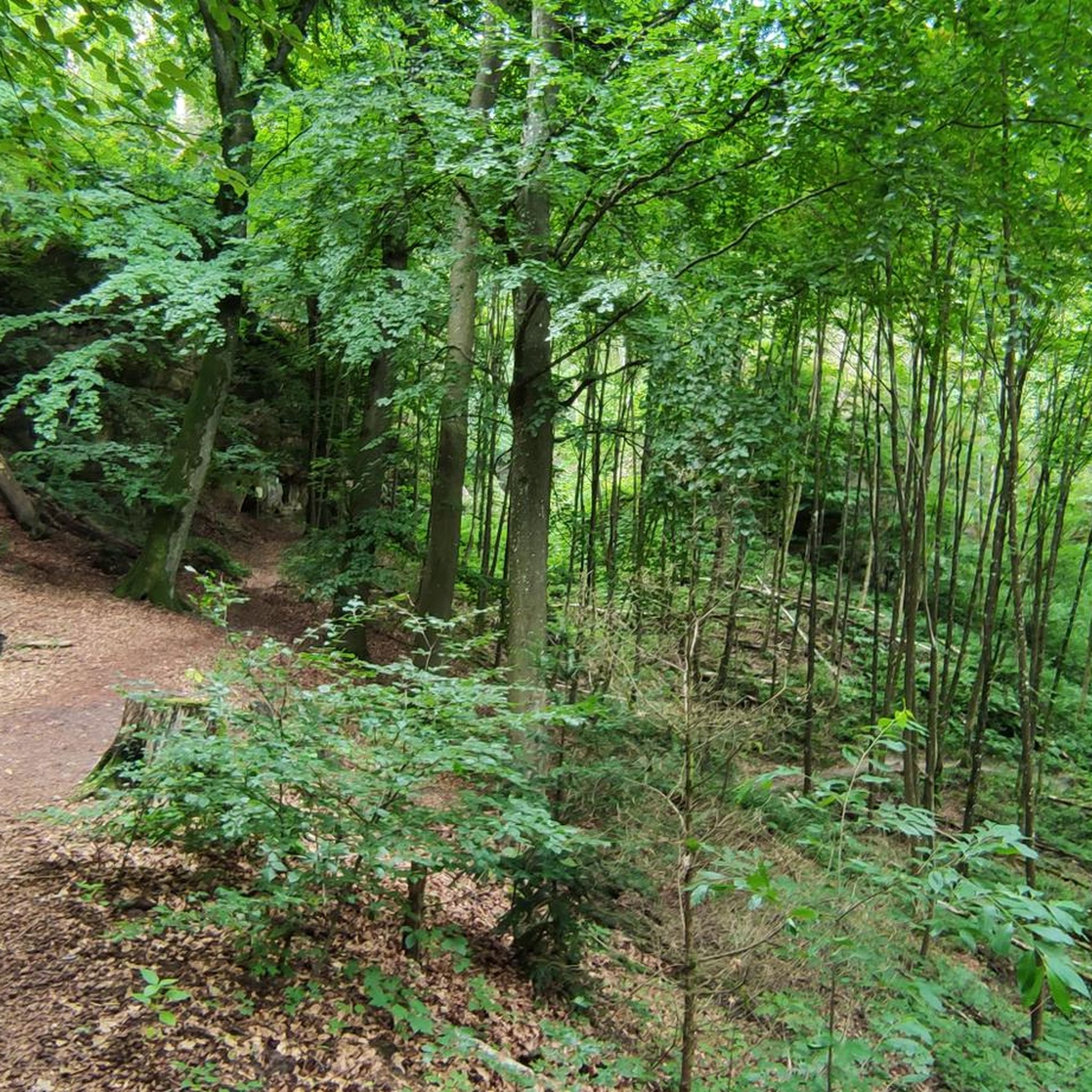
MTB Trails in Grevenmacher Canton
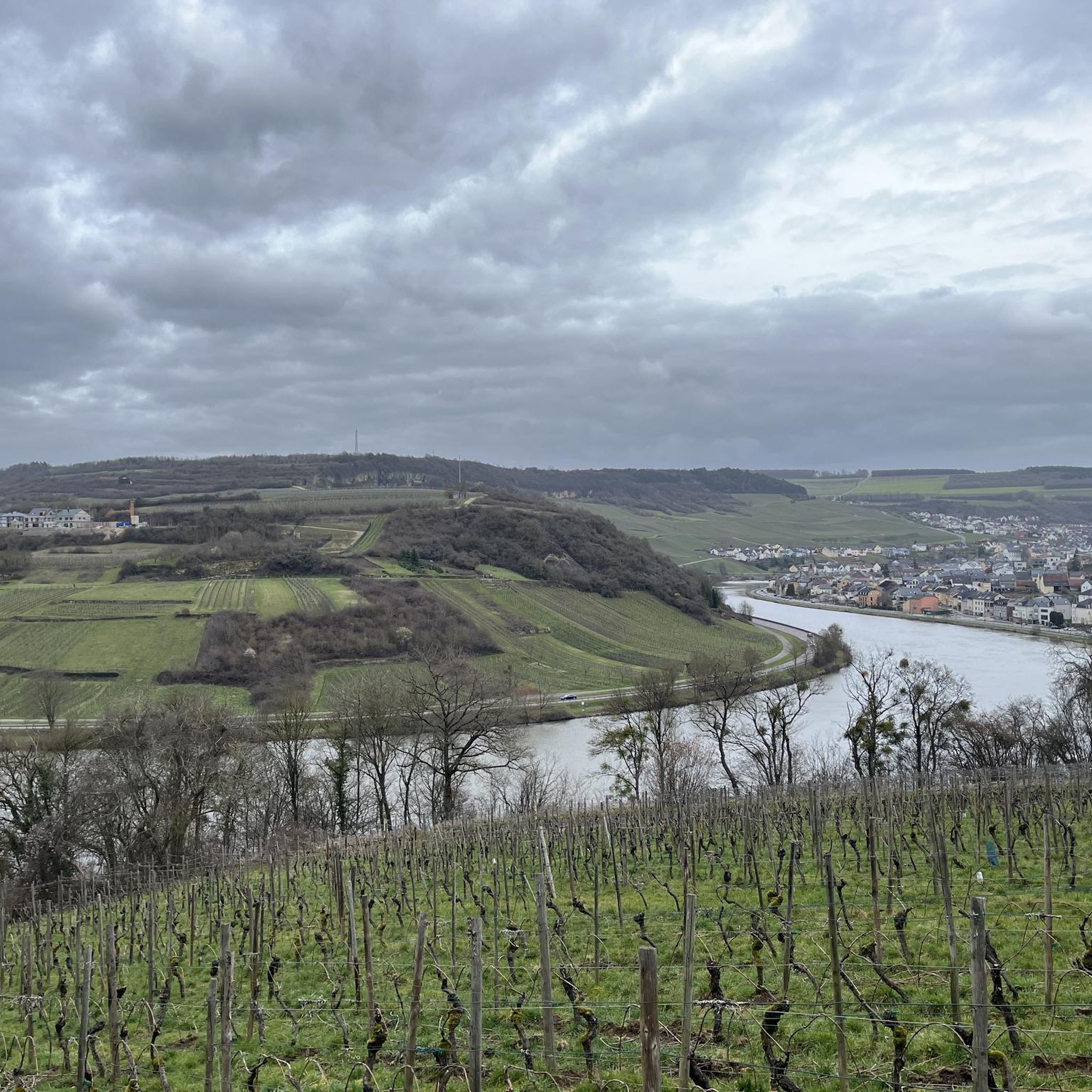
Running Trails in Grevenmacher Canton

Mountain Hikes in Grevenmacher Canton

Gravel biking in Grevenmacher Canton


Tips from the Community

The chapel on the Koeppchen hill was built on the initiative of Abbot Henri Werner (1859–1934), parish priest of Wormeldange between 1911 and 1929. It was financed by donations collected through a public appeal to the local population, who also participated in the construction. Construction of the chapel, dedicated to Saint Donatus, began in 1925 and was completed in 1927. The relief above the altar, carved by the Wormeldange artist Ernest Würth (1901–1976), depicts Saint Donatus. The memorial to the dead in the chapel was inaugurated in 1966 in the presence of Prime Minister Pierre Werner. The memorial was created by the sculptor Josy Jungblut (1911–1979) from Remich.
0
0


A remarkable chapel with a beautiful view
0
0

Scholars disagree about the purpose of the mighty rock called Groësteen (Grauenstein) located on the hill between Manternach and Grevenmacher. The prevailing opinion, however, is that it is a dolmen of which only the upper plate has been preserved. It is also said that it served as a sacrificial stone for the Celts. The Roman road Reims - Trier, today hidden under a layer of earth, runs right in front of it. Many legends surround the Grauenstein. One of them tells that the construction of the cathedral had begun in Trier. However, someone had told the devil that it would be a large house of joy. Then the devil wanted to help and brought a large stone. On the hill between the Syr and Moselle valleys, he meets a hiker who tells him that the building will become a place of worship. Then the devil got angry and threw the stone where it still stands today. Then he danced around it in anger; his footprints are still visible today. There was a legend that there was a treasure under the Grauenstein. The French veterans believed it and blew up the mighty stone, but found nothing. Today the sections are held together by a metal band. From here, in good weather, you have a magnificent view over the Syr and Moselle valleys to Trier. A dolmen (Celtic/Breton for stone table) is a structure made of large, mostly uncut stone blocks, which usually served as a burial place. One or more cover plates rest on support stones (ortostats). Dolmens originate from the megalithic culture (around 3,500-2,000 BC)
0
0

1, 2, 3, 4... It's about Donwerbach. :-)
0
0

A nice place for a rest before heading to Luxembourg.
0
0

Beautiful place. Ideal for a rest
1
0
Here the Sûre flows into the Moselle
1
0
Frequently Asked Questions
What are the most distinctive natural features to explore in Grevenmacher Canton?
The Grevenmacher Canton is renowned for its diverse natural features. You can explore the unique sandstone rock formations and narrow gorges of the Mullerthal region, often called 'Luxembourg's Little Switzerland'. Key examples include the dramatic Schlammbachtal gorge, which leads through the Manternacher Fiels nature reserve, and the impressive Michelslay Rock Formation, which appears to hang in the air. The region also features tranquil river valleys like the Moselle and Sûre, characterized by expansive vineyards and scenic riverside trails.
Are there family-friendly natural monuments or activities in Grevenmacher Canton?
Yes, several natural monuments and areas are suitable for families. The Confluence of the Sauer and Moselle rivers is a great spot for families to observe the meeting of these two significant rivers. The Sûre Valley offers scenic riverside trails perfect for picnics and leisurely walks. Additionally, the Haff Réimech Nature Reserve provides a tranquil setting for wildlife observation, particularly birdwatching, which can be an engaging activity for children.
What kind of outdoor activities can I do near the natural monuments in Grevenmacher Canton?
The region offers a wide range of outdoor activities. You can enjoy extensive hiking on trails like the Mullerthal Trail, which guides you through unique rock formations and forests. The Sûre River is excellent for water-based activities such as kayaking. For those interested in more structured routes, you can find various mountain hikes, running trails, and MTB trails throughout the canton, catering to different difficulty levels.
Where can I find unique viewpoints and scenic outlooks in the Grevenmacher Canton?
The Grevenmacher Canton offers numerous scenic viewpoints. The Donatus Chapel at Wormer Koeppchen provides a wonderful panoramic view of the Moselle valley and Wormeldingen. The Moselle Valley itself has many viewpoints offering breathtaking panoramas of the river and surrounding vineyards. The Kelsbaach Valley also provides excellent views, especially of the Moselle river from its higher points.
What is the best time of year to visit the natural monuments in Grevenmacher Canton?
The Grevenmacher Canton is beautiful year-round, but spring and autumn are particularly popular. Spring brings blooming wildflowers and lush greenery, while autumn showcases vibrant foliage across the forests and vineyards. Summer is ideal for water activities and enjoying the longer daylight hours. Even winter offers a unique charm, though some trails might have specific conditions to consider.
Are there any historical or cultural sites associated with the natural monuments?
Yes, several natural monuments have historical or cultural significance. The Donatus Chapel at Wormer Koeppchen, for instance, is a historical religious building nestled within the vineyards. The Kelsbaach Valley offers insights into the history of viticulture in Grevenmacher, with trails that pass through areas of historical wine cultivation. The region's extensive vineyards, particularly in the Moselle Valley, are also deeply intertwined with its cultural heritage.
What do visitors enjoy most about the natural monuments in Grevenmacher Canton?
Visitors frequently praise the diverse and stunning landscapes, from the dramatic rock formations to the tranquil river valleys. Many appreciate the well-maintained hiking trails, such as those in the Manternacher Fiels nature reserve, which offer a chance to see rare plants in cool, shady forests. The impressive power of formations like the Michelslay Rock Formation and the picturesque beauty of the Confluence of the Sauer and Moselle rivers are also highly regarded.
Can I find less crowded natural monuments for a more peaceful experience?
While popular areas like parts of the Mullerthal Trail can attract many visitors, you can often find quieter spots. Exploring the Kelsbaach Valley on its circular hiking trails offers a rich natural environment and insights into viticulture away from the main tourist hubs. The Haff Réimech Nature Reserve, known for birdwatching, also provides a tranquil escape amidst picturesque lakes and vineyards.
What are the options for public transport to access natural monuments in Grevenmacher Canton?
Public transport options are available to reach various parts of the Grevenmacher Canton. For detailed information on routes and schedules to specific natural monuments or trailheads, it's recommended to check local public transport websites. For example, the Mullerthal region has several access points that can be reached by bus, and towns along the Moselle and Sûre rivers are generally well-connected.
Are there specific trails that highlight the unique geological features of the region?
Absolutely. The Mullerthal Trail is specifically designed to showcase the region's unique geological formations, including sandstone rocks, narrow ravines, and caves. Within the Manternacher Fiels nature reserve, the trail through Schlammbachtal is particularly impressive, featuring the Michelslay Rock Formation and a passage through a narrow stream valley. The 100 Steps on the Manternacher Fiels Trail also offers a direct experience of the rugged terrain.
What kind of wildlife can I expect to see in the natural monuments of Grevenmacher Canton?
The Grevenmacher Canton is rich in biodiversity. The Haff Réimech Nature Reserve is particularly known for its thriving population of rare birds, making it an excellent spot for birdwatching. The dense forests and unique biotopes of the Mullerthal region also support a variety of plant and animal life. The ravine forests, such as the Donverbach Gorge Forest, are home to a rich fauna and flora, including many rare species typical of canyon environments.
Are there any specific regulations or permits needed for hiking or visiting certain natural monuments?
Generally, most natural monuments and hiking trails in Grevenmacher Canton are freely accessible. However, some protected areas, like nature reserves, may have specific rules regarding staying on marked paths, waste disposal, or dog leash requirements to protect the delicate ecosystems. It's always advisable to check local signage or official tourism websites like visitluxembourg.com for any specific regulations or permits, especially for larger groups or organized events.
Most popular routes in Grevenmacher Canton
Most popular attractions in Grevenmacher Canton

Get inspired with the komoot mobile app


Explore more
Extend your search for the best caves by checking out these guides of the top ones in Grevenmacher Canton:
