Top 20 Natural Monuments in Vilnius County
Natural monuments in Vilnius County showcase diverse landscapes, from ancient forests and serene lakes to unique geological formations. These sites provide opportunities for recreation and offer significant natural value. The region features a variety of natural features, including high outcrops, deep sinkholes, and expansive lake systems. Visitors can explore these natural attractions to connect with Lithuania's unique environment.
Best natural monuments in Vilnius County
- The most popular natural monuments is Three Crosses Monument, a man_made_monument that offers great views…
Last updated: September 2, 2026
St. Casimir's Church
Highlight • Religious Site
St. Kasimir is especially known for …
Translated by Google •
Tip by

Three Crosses Monument
Highlight • Monument
Tip by

Sign up now to discover places like this
Get recommendations on the best single tracks, peaks, & plenty of other exciting outdoor places.
Sign up for free
Lake Akmena
Highlight • Lake
Translated by Google •
Tip by

Strėva Sinkhole
Highlight • Natural Monument
Translated by Google •
Tip by
Pinyklos Mythical Spring
Highlight • Natural Monument
Translated by Google •
Tip by
Naujoji Vilnia Burial Mounds and Ancient Carved Stones
Highlight • Historical Site
Translated by Google •
Tip by
Velnio Duobė (Devil's Pit)
Highlight • Natural Monument
Translated by Google •
Tip by
Hill of Angels
Highlight • Monument
Tip by
Ausiutiškiai Conglomerate
Highlight • Natural Monument
Translated by Google •
Tip by
Tuskulėnai Peace Park Memorial Complex
Highlight • Monument
Translated by Google •
Tip by
Sign up for free to discover even more natural monuments in Vilnius County.
Sign up for free
Already have an account?
Start today with a free account
Your next adventure awaits.
Login or Signup

Tips from the Community

The Baroque church was completed in 1615. The dome, featuring the crown of the Grand Duke of Lithuania, is very impressive.
2
0


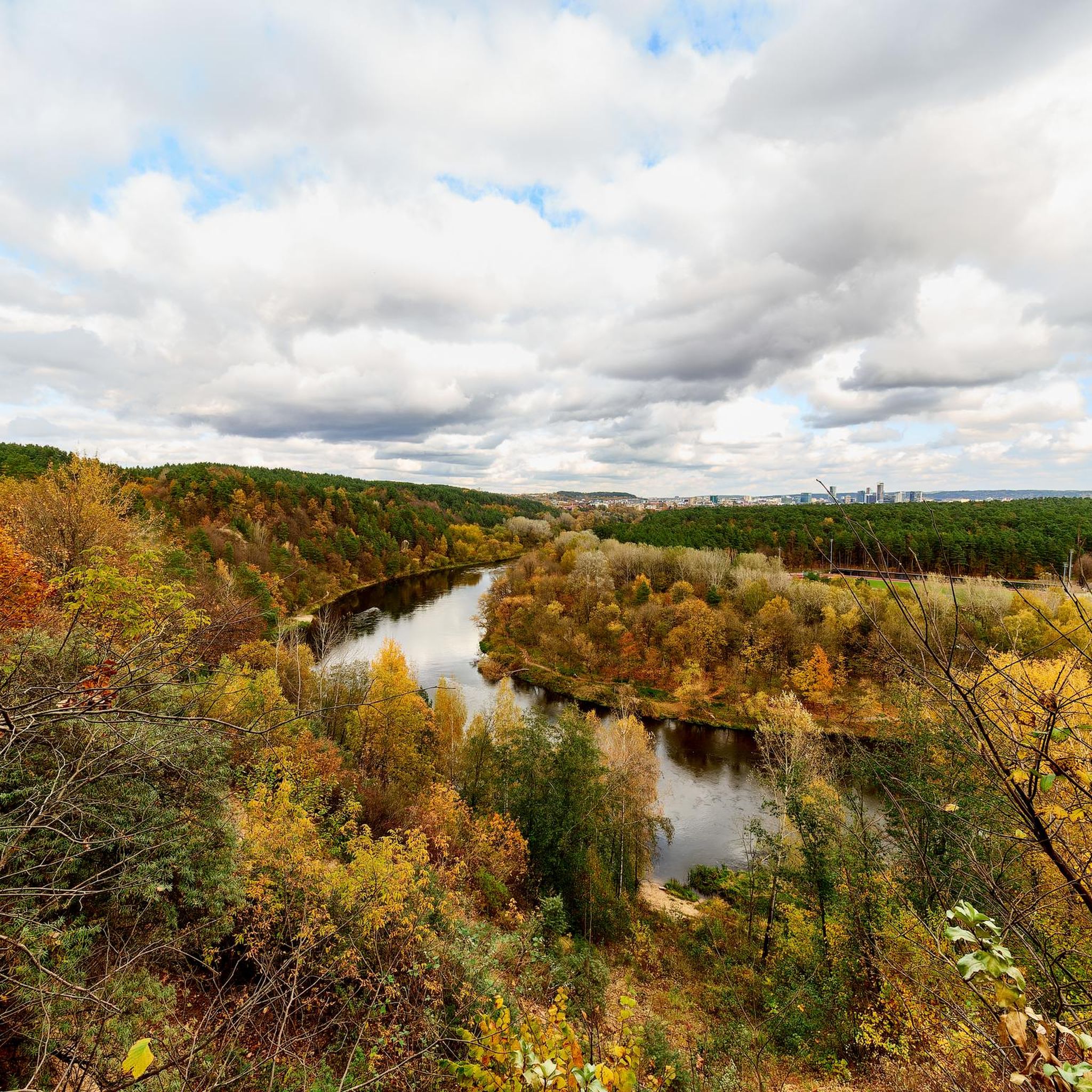
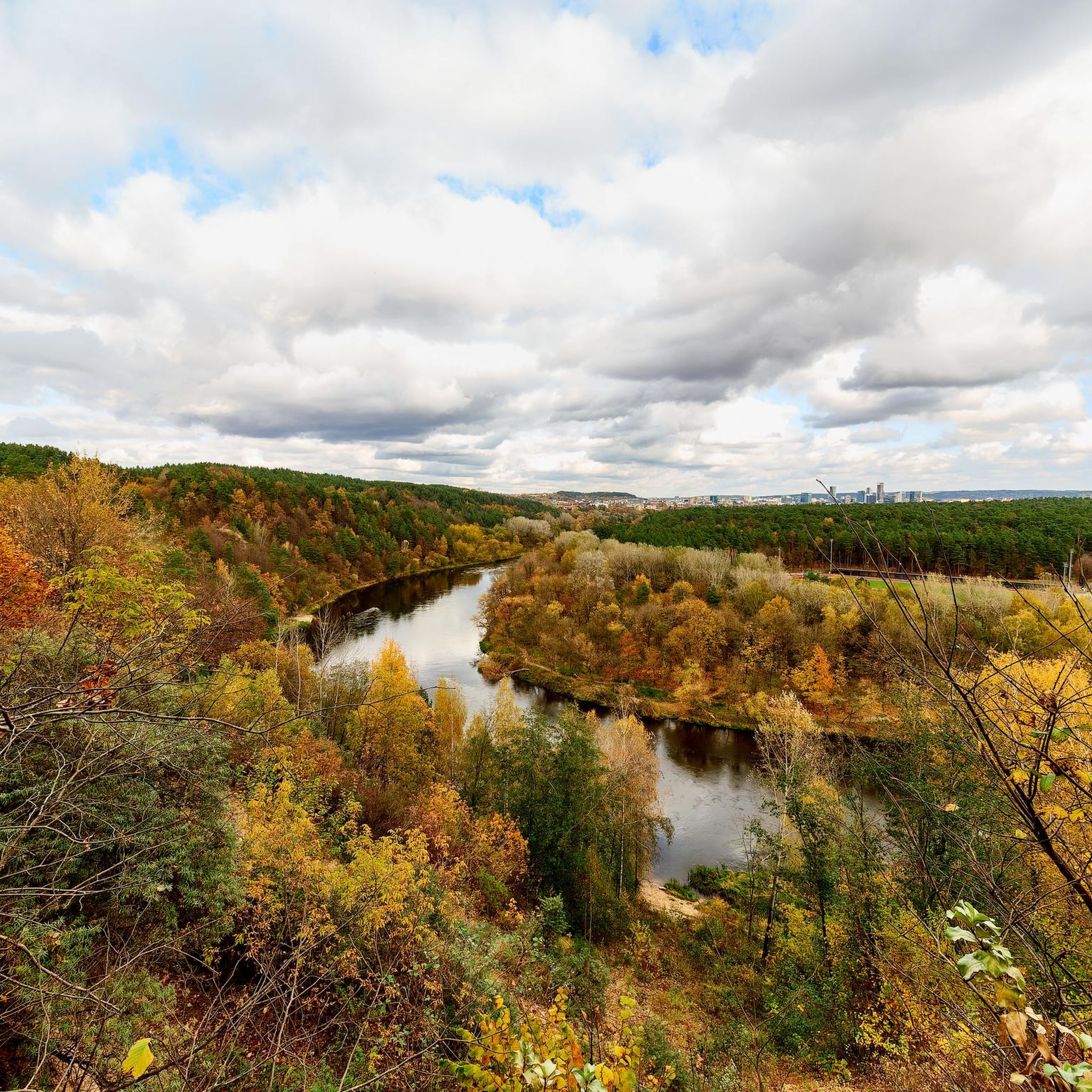
The view from here is just as amazing as that from Gediminas Tower. Not quite as crowded!
0
1

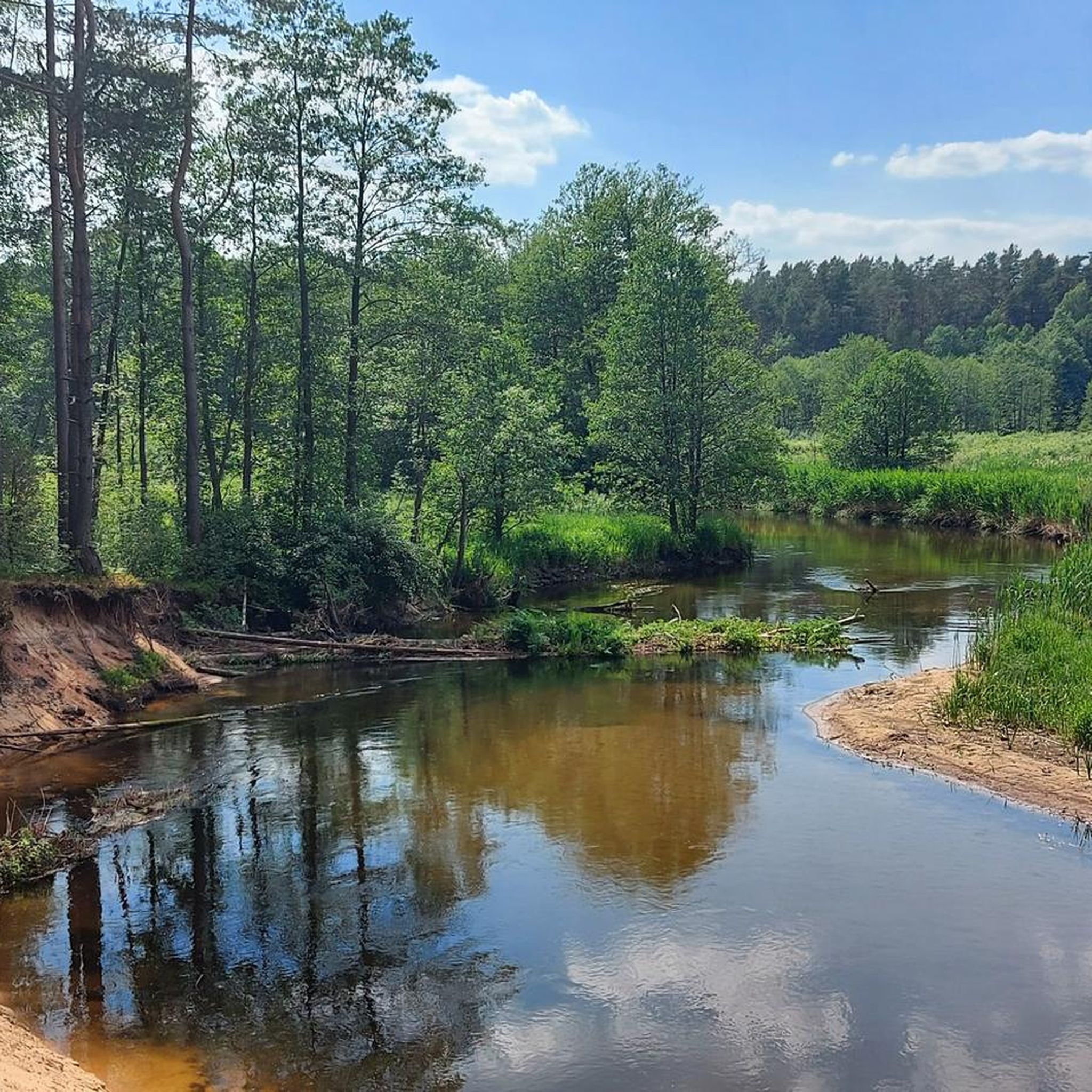
Hidden in a forest gorge, this spring has long been known to the residents of the surrounding villages. The spring's water, known for its clear and clean properties, was traditionally valued for its healing powers. It was used to treat sore eyes and girls washed their faces with it to preserve the beauty of youth. In addition, the spring water was used by village magicians for their rituals in the past.
0
0
The hill, known for its collection of wooden angels carved in the local style, offers a fascinating insight into Lithuanian folk art. Each sculpture is unique and embodies the deep cultural and spiritual meaning that angels have in Lithuanian culture. An interesting aspect of Engelsberg is its geographical shape, which from a bird's eye view resembles an angel with wings. The lakes of Galvė, Totoriškės and Luka form the body and feet of the angel, while the lakes of Skaistis and Akmena represent the outstretched wings and the hill itself is the head of the angel. This natural formation gives the place an almost mystical aura. In addition to its artistic and natural beauty, Engelsberg is also a popular location for wedding ceremonies.
0
0
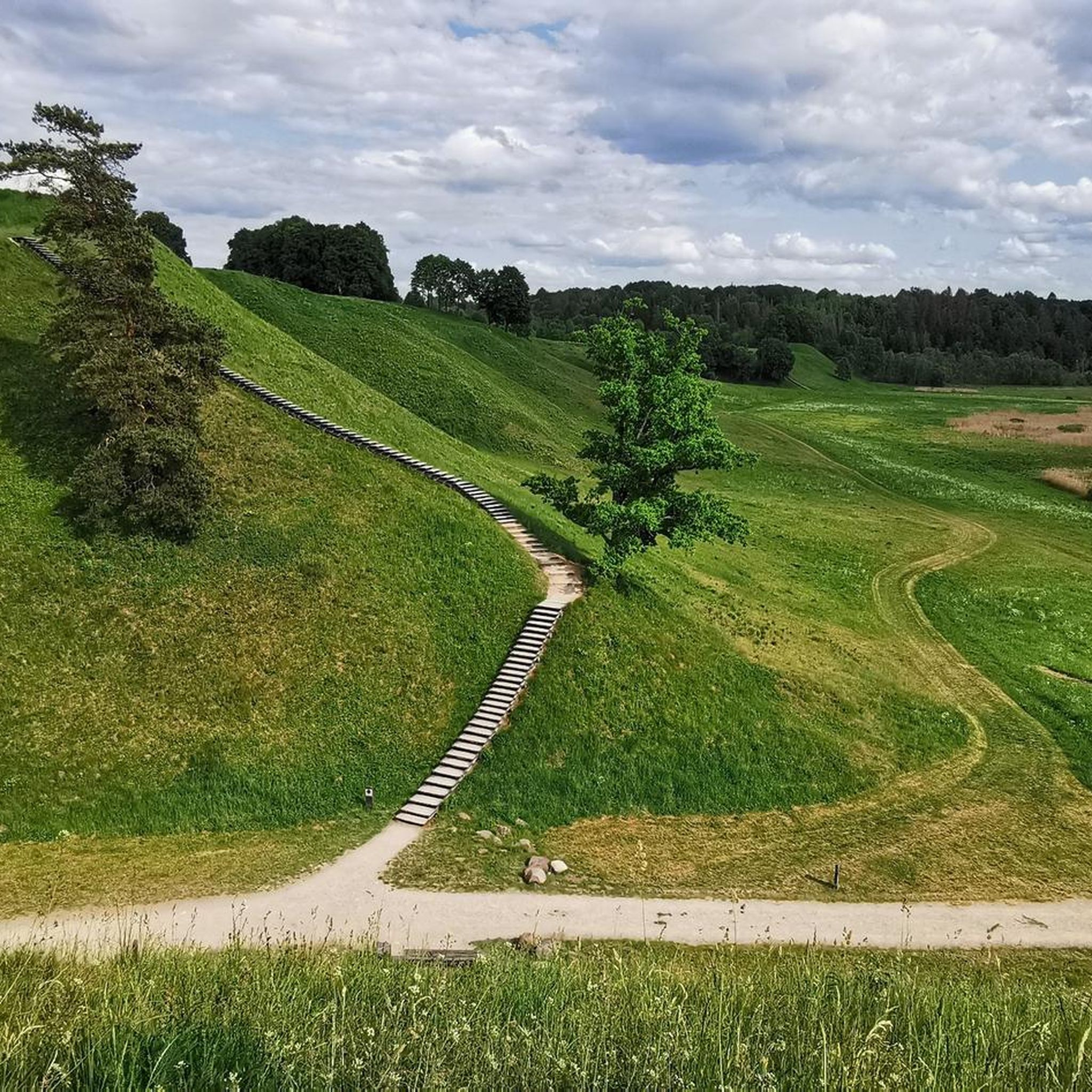
This staircase, which leads to a hill, is not only a practical element, but also an architectural highlight that enriches the path to viewing the Velnio duobė. As I climbed the stairs, I felt like I was penetrating the mysteries of the earth. With every step I took, I was offered a new perspective on the impressive geological formation. The staircase, artfully integrated into the natural landscape, almost looked like a portal into another world. Once at the top, the view of the Velnio duobė was breathtaking. The pit itself, with a diameter of 60 to 65 meters and a depth of 30 to 40 meters, is an impressive natural phenomenon. The sight of the deep hole covered with a layer of peat was a moment of wonder and admiration for the forces of nature. The stairs allowed me to view the pit from different perspectives and fully appreciate its size and depth. It added a physical and symbolic dimension to the experience, as if I were traveling through time and the mysteries of the earth.
0
0
My bike ride to Lake Akmena was on a sunny day in May. The lake, known for its beautiful beach, stretches for 3.2 km in a west-east direction and has a maximum width of 1.3 km. Its banks are lined with high, steep north and southeast banks, densely covered with pine trees from the Rėkalnio forest, while the southwest bank area is flatter and characterized by moors. The landscape was simply breathtaking. It was interesting to learn that Lake Akmena was connected to Lake Galvė via a strait until 1870. After the construction of a canal between Lakes Skaistis and Balčiai, the water level of both lakes fell and the strait disappeared. In spring, water from Lake Akmena flows through a dug ditch into Lake Galvė, which was fascinating for me as a nature lover. The beach at Lake Akmena was particularly appealing. With volleyball courts, a sauna, food and cocktails, it offered everything you need for a relaxing day at the lake. The changing rooms provided additional comfort. The region around the lake is known not only for its natural beauty, but also for its small villages such as Akmenos, Kunigaikštinės and Varatniškių, as well as several rural tourism establishments. The range of recreational activities in the area, including a water park in the summer, made my visit all the more appealing. Lake Akmena is a true paradise for cyclists and nature lovers. The combination of picturesque scenery, historical significance and a variety of recreational opportunities makes it an ideal destination for a day trip or a longer stay. A visit here is a must for anyone who appreciates Lithuania's natural beauty and the opportunity to relax surrounded by nature.
0
0
Frequently Asked Questions
What unique geological formations can I explore in Vilnius County?
Vilnius County is rich in unique geological features. You can visit the Strėva Sinkhole, a 20-meter deep pit of thermokarst origin, or the Ausiutiškiai Conglomerate, a rare rock type formed by cemented gravel. The Pūčkoriai Outcrop in Pavilniai Regional Park is also notable as Lithuania's highest outcrop, offering spectacular views.
Are there family-friendly natural monuments in Vilnius County?
Yes, several natural monuments are suitable for families. Lake Akmena is known for its beach, perfect for relaxation and swimming. The Pinyklos Mythical Spring is nestled in a forest ravine and is considered family-friendly. Additionally, the Pūčkoriai Educational Trail in Pavilniai Regional Park offers a 6 km walking path through forests and meadows, suitable for families.
Which natural monuments offer the best panoramic views in Vilnius County?
For stunning panoramic views, consider visiting the Pūčkoriai Outcrop in Pavilniai Regional Park, which provides vistas of erosional hills and Vilnius. The Rokantiškių viewpoint within the same park, at 230 meters above sea level, also offers a striking panorama. Another option is Aukštojas Hill (or Juozapinė Hill) in the Medininkai Highlands, which has a wooden observation tower for expansive views.
Do any natural monuments in Vilnius County have historical significance?
Yes, some natural sites are intertwined with history. The Naujoji Vilnia Burial Mounds and Ancient Carved Stones are historical sites with natural elements. The Strėva Sinkhole is also associated with ancient Lithuanian legends about devils. The Vilnius Mammoth Site on Smėlio Street is where fragments of a mammoth skeleton were discovered, adding a prehistoric dimension.
What kind of outdoor activities can I do near the natural monuments in Vilnius County?
Vilnius County offers a variety of outdoor activities. You can enjoy easy hikes on trails like the Varnikai Cognitive Walking Way in Trakai Historical National Park or the Dūkšta Walking Trail in Neris Regional Park. For more extensive cycling, explore the Gravel biking routes in Vilnius County or Road Cycling Routes in Vilnius County. There are also many easy hikes in Vilnius County, including those around lakes and forests.
Are there easy walking trails available at natural monuments in Vilnius County?
Absolutely. The Pūčkoriai Educational Trail is a 6 km walking path in Pavilniai Regional Park. The Varnikai Cognitive Walking Way in Trakai Historical National Park and the Dūkšta Walking Trail in Neris Regional Park also offer accessible routes. Many natural monuments, like the Strėva Sinkhole, have educational walking trails around them for easy exploration.
What is the best time of year to visit the natural monuments in Vilnius County?
The natural monuments in Vilnius County can be enjoyed throughout the year. Spring and summer are ideal for hiking, swimming in lakes like Lake Akmena, and enjoying lush greenery. Autumn offers spectacular views with trees changing colors, especially from viewpoints like the Pūčkoriai Outcrop. Winter provides opportunities for different activities on snow-covered trails, though some paths might be less accessible.
Can I bring my dog to natural monuments in Vilnius County?
Many natural areas in Vilnius County are dog-friendly, especially regional and national parks with designated trails. It's generally advisable to keep dogs on a leash and clean up after them. Always check specific park regulations or signage at the entrance to ensure pets are permitted in certain areas.
Are there any hidden natural gems in Vilnius County worth discovering?
Beyond the well-known sites, consider exploring the Bartkuškio Kopa (Sand Dune), an unexpected sandy landscape within a forest, offering a unique scenic experience. The Pinyklos Mythical Spring, hidden in a forest ravine, is another tranquil spot known for its clear waters and local legends.
How can I reach the natural monuments in Vilnius County by public transport?
While some natural monuments closer to Vilnius, especially within Pavilniai Regional Park, might be accessible by city buses, many others require a car or a combination of public transport and walking. For more remote locations like Labanoras Regional Park or Aukštaitija National Park, intercity buses might get you to nearby towns, but further travel to specific sites would likely need local transport or a longer walk. Planning ahead with local transport schedules is recommended.
Are there cafes or accommodation options near the natural monuments?
Options for cafes and accommodation vary greatly depending on the specific natural monument. Sites closer to Vilnius or within popular regional parks like Pavilniai may have nearby cafes or guesthouses. Larger parks like Labanoras Regional Park, known for its many lakes, offer camping sites, guesthouses, and sometimes small cafes in nearby villages. For more remote locations, it's best to plan for amenities in advance or bring your own provisions.
Are there any large lake systems or forests to explore?
Yes, Vilnius County and its surroundings boast impressive natural landscapes. Labanoras Regional Park, less than two hours from Vilnius, is the largest regional park in Lithuania and features over 70 lakes, including the notable Lakajai Lakes, alongside extensive forests. Aukštaitija National Park, a bit further out, is also renowned for its primeval woods and 126 lakes, offering vast areas for exploration.
Most popular routes in Vilnius County
Most popular attractions in Vilnius County

Get inspired with the komoot mobile app


Explore more
Extend your search for the best caves by checking out these guides of the top ones in Vilnius County:
