Top 20 Natural Monuments in Northern France
Best natural monuments in Northern France encompass a diverse range of landscapes, from dramatic coastlines and expansive wetlands to ancient forests and unique geological formations. This region features significant natural areas, including chalk cliffs, estuaries, and extensive dune systems. These sites offer varied terrain for outdoor activities and provide opportunities to observe local flora and fauna. The natural features in Northern France are characterized by their ecological importance and geological history.
Best natural monuments in Northern France
- The most popular…
Last updated: May 13, 2026
Cape Blanc-Nez
Highlight • Viewpoint
Translated by Google •
Tip by

Dunes of the Slack
Highlight (Segment) • Natural Monument
Translated by Google •
Tip by

Sign up now to discover places like this
Get recommendations on the best single tracks, peaks, & plenty of other exciting outdoor places.
Sign up for free
Cran d'Escalles
Highlight • Beach
Translated by Google •
Tip by
Dune Dewulf Nature Reserve
Highlight • Natural Monument
Translated by Google •
Tip by
Ault Chalk Cliffs
Highlight • Natural Monument
Translated by Google •
Tip by
Cap Gris-Nez Lighthouse
Highlight • Monument
Translated by Google •
Tip by

Dover Patrol Monument, Cap Blanc-Nez
Highlight • Monument
Translated by Google •
Tip by
Cape Hornu
Highlight • Beach
The name Cap Hornu comes from the Picard word “hornu”, which means “horned” …
Tip by
La Cise Cliff
Highlight • Natural Monument
Translated by Google •
Tip by

Bois de Cise
Highlight • Forest
Translated by Google •
Tip by

Sign up for free to discover even more natural monuments in Northern France.
Sign up for free
Already have an account?
Start today with a free account
Your next adventure awaits.
Login or Signup
Popular around Northern France
The Ardennes Trail (GR 14) – From Paris to the Belgian border
EuroVelo 3 – A cycling pilgrimage from Norway to France
From Amsterdam to London - along the North Sea and across the water
At the pace of the Westhoek - Streek-GR Heuvelland
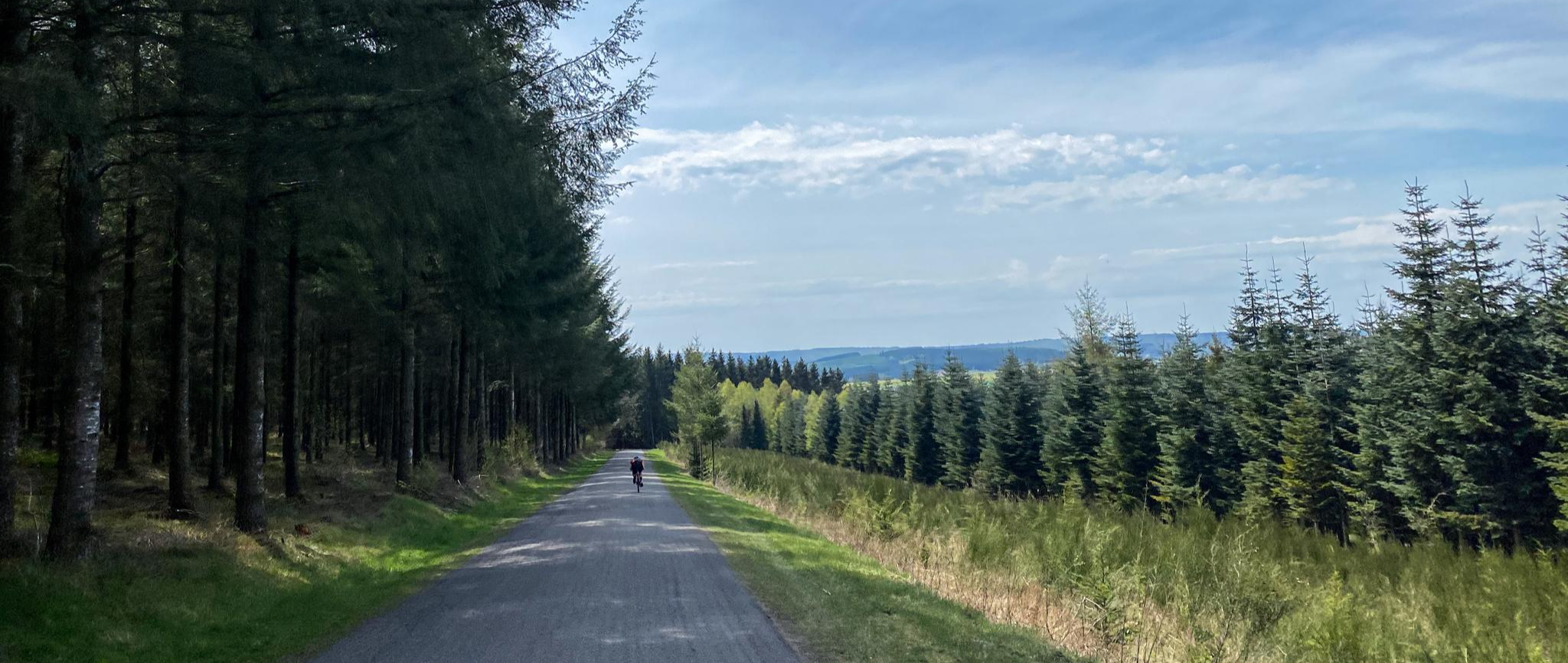
From Picardie to the Ardennes — Crossing Wallonia by Bike
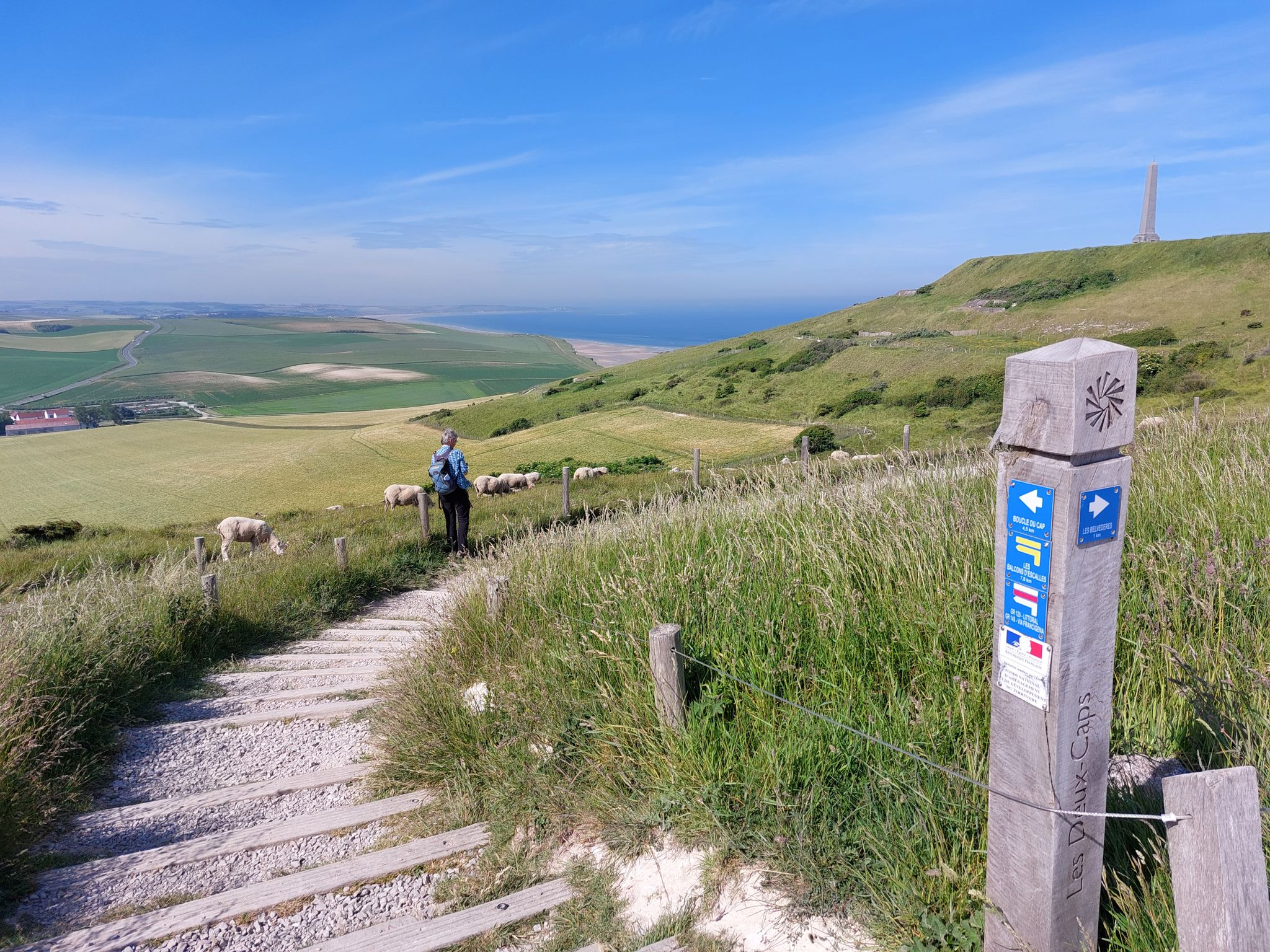
Via Francigena in the Pas-de-Calais – GR 145
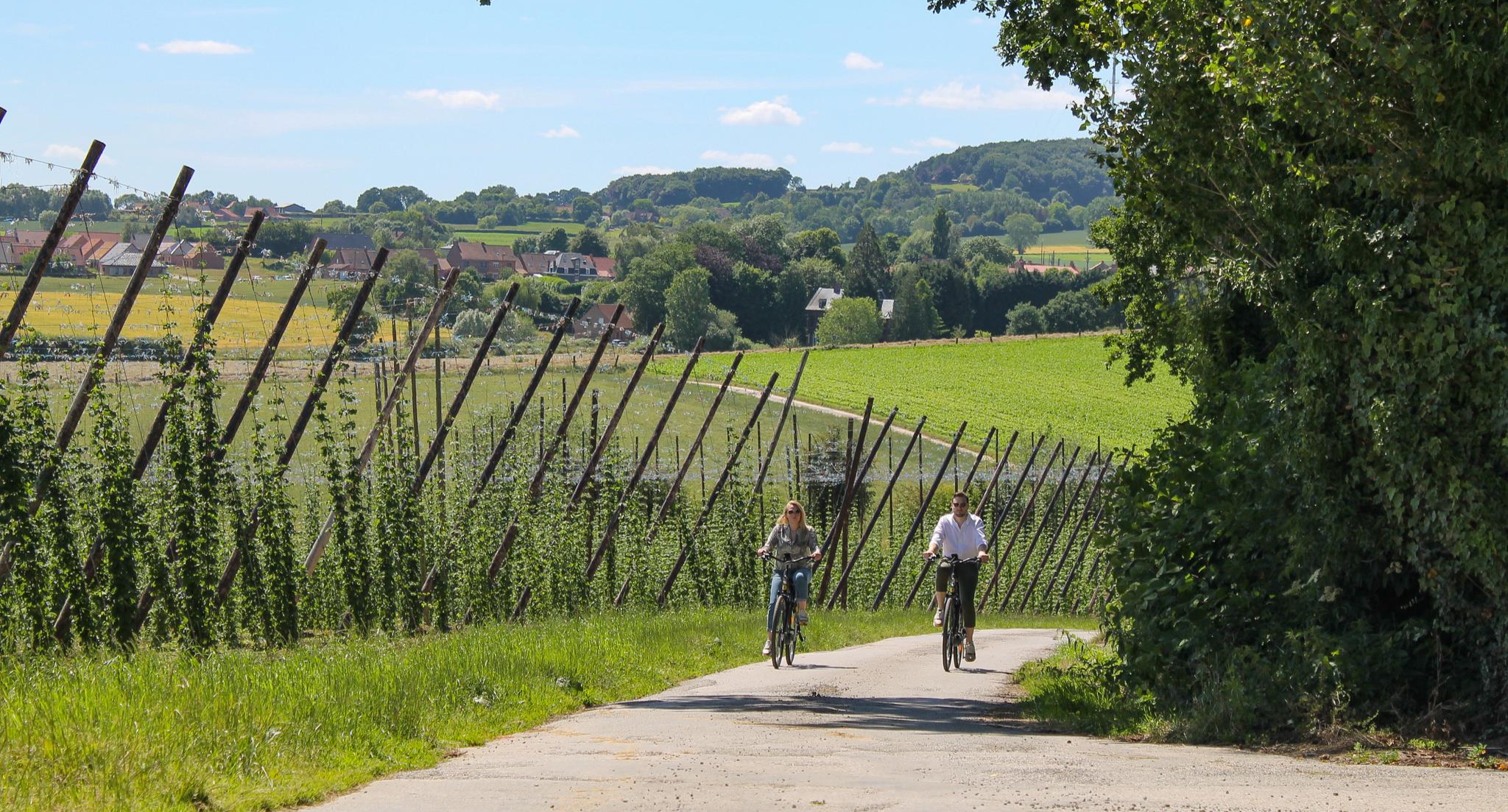
Flanders, Land of Cycling – Hills, Cobblestones and Estaminets
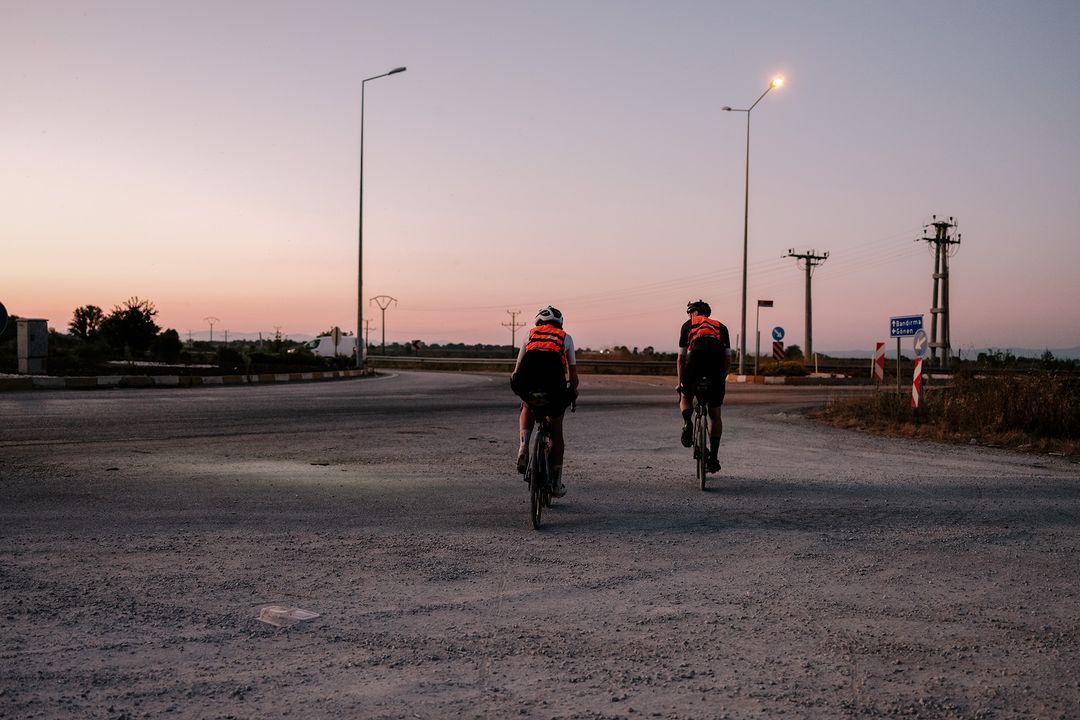
Transcontinental Race No10: crossing Europe from France to Turkey
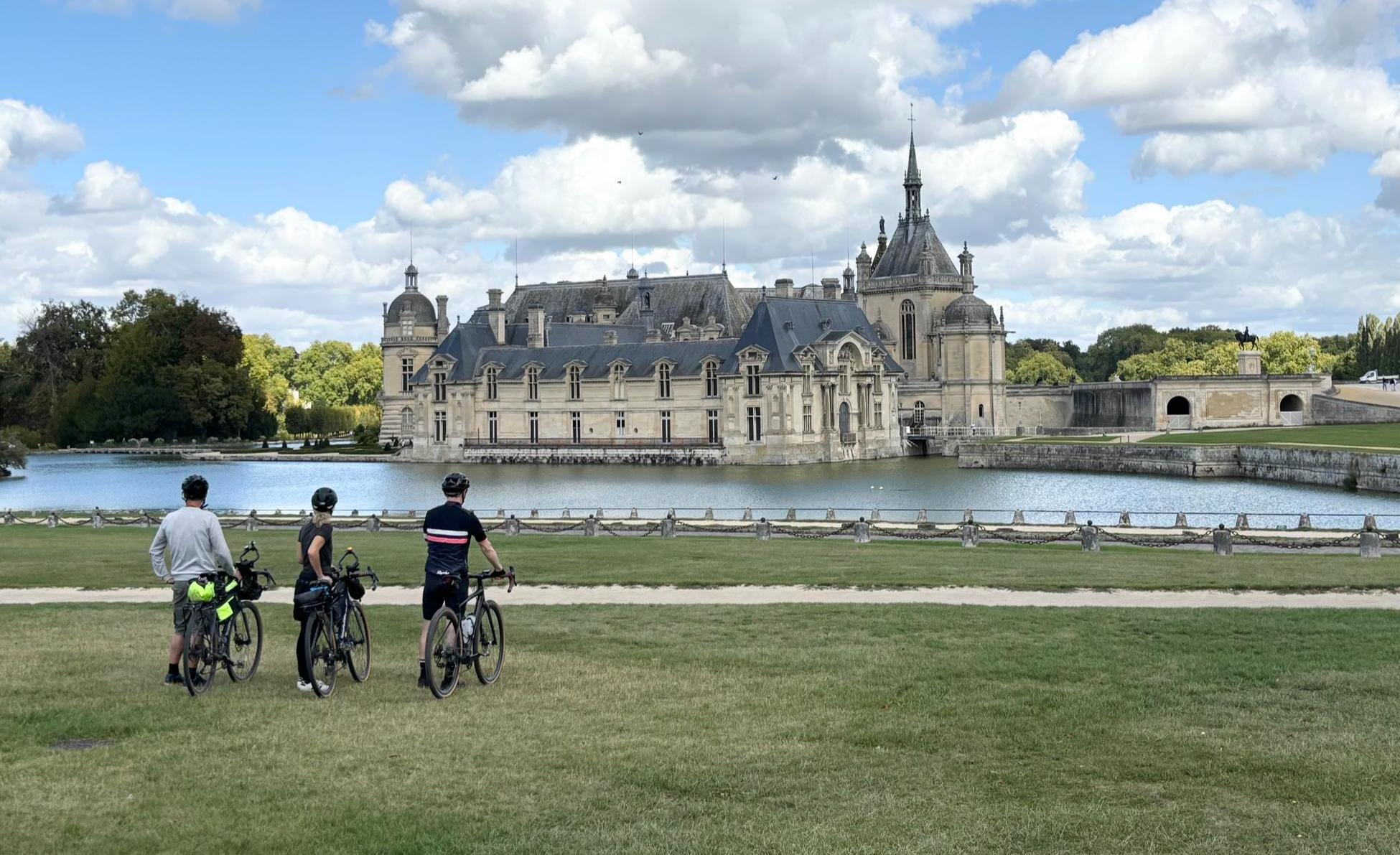
Tour de l'Oise gravel – station to station adventures within an hour of Paris
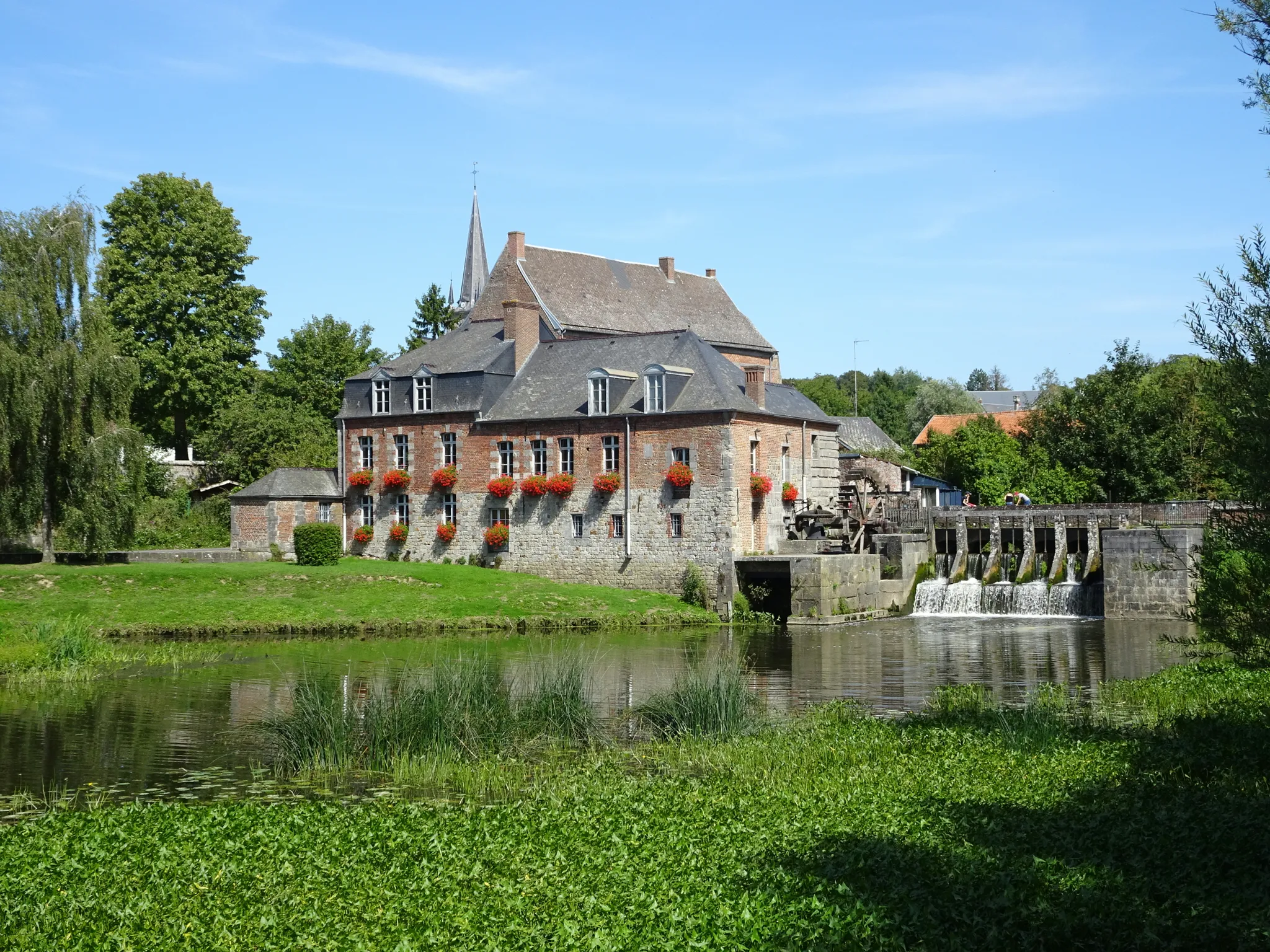
Countryside, cuisine and heritage – 4 bike Tours in the Avesnois
Other adventures in Northern France


Tips from the Community

Unfortunately, the bike path here is no longer paved. Still, the scenery is beautiful.
0
0

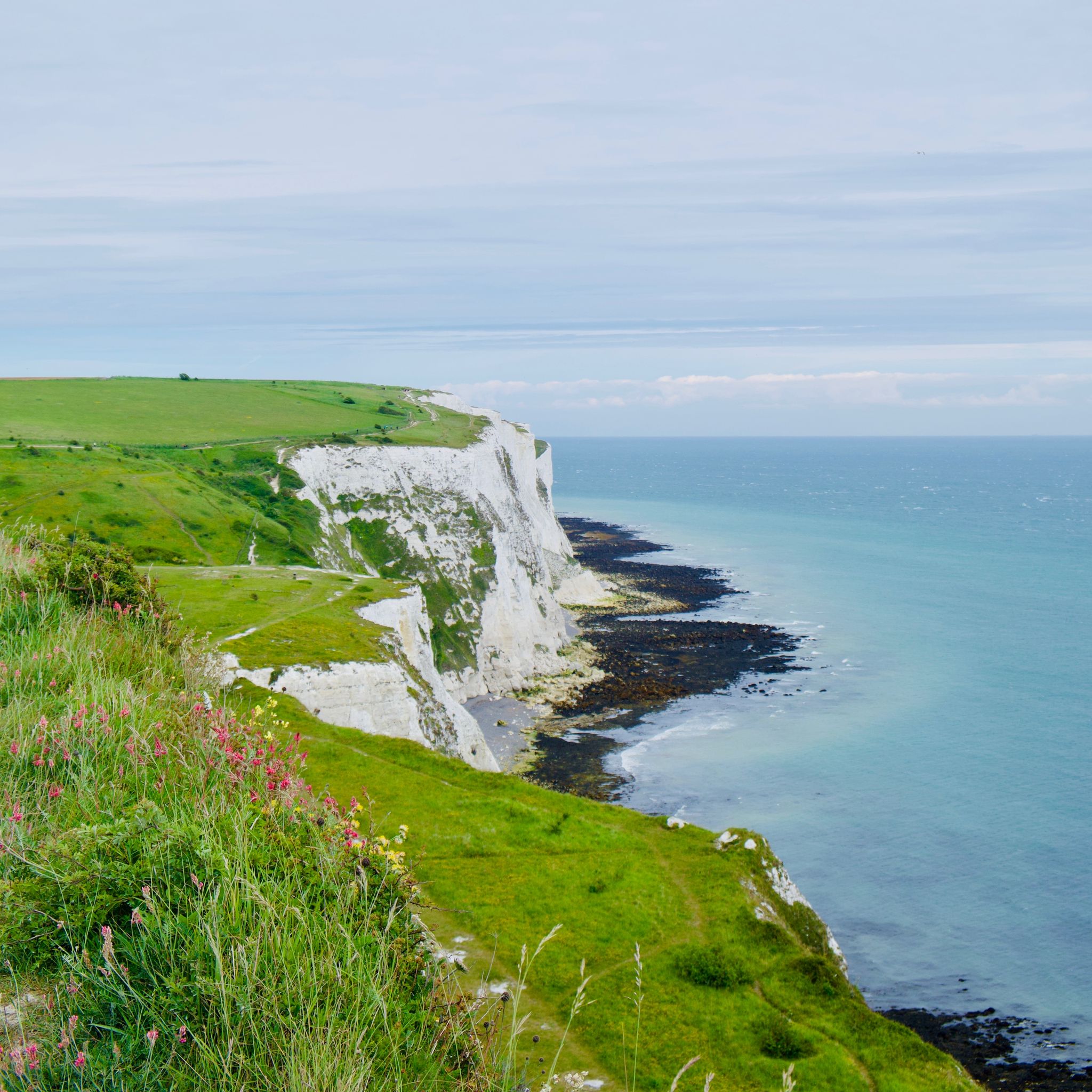
The cliffs are made of chalk and are impressive to look at.
3
0


the rocks of the Gris-Nez are being loosened by rain and sea.
0
0

A green setting in the heart of the cliffs, classified as a picturesque area since 1959. The Bois de Cise is an exceptional natural area, a small natural forest, originally wild and abandoned, which became a famous seaside resort during the Belle Époque under the leadership of a visionary who stopped at nothing. This coastal forest was originally a wild forest and a hunting ground in the Middle Ages. At the end of the 19th century, the Bois de Cise was sold off in lots on the initiative of a property developer and became a famous seaside resort of the Belle Époque. Today, it is a charming holiday and walking area that is best explored on foot via the narrow paths and wooden steps that crisscross the area. Very beautiful villas bear witness to the prosperous years before the First World War. Don't forget to go to the panorama, like Victor Hugo in his time, a fantastic viewpoint from which you can see the mouth of the Bay of Somme.
0
0
The cliffs around the beach of Ault are composed of chalk from the Upper Cretaceous, more precisely from the Turonian and Coniacian (around 83 million years ago to 90 million years ago). They are strewn with flint nodules which highlight the subhorizontal stratification planes (the formation of flint has already been discussed in Discovery of the geology of the cliffs of Étretat, presentation of an excursion from the beach of Tilleul (Antifer) to the Porte d'Amont (Étretat Nord)). The relative proportion of chalk and flint is around 90-95% chalk to 5-10% flint. Flint horizons are stratigraphic markers. On the cliffs of Ault, the regular flint band called Seven Sisters is recognizable and characterizes the boundary between the Middle Coniacian and the Upper Coniacian (around 87 million years ago). The boundary between the lower and middle Coniacian is marked by the Shoreham 2 marl level, which is more difficult to identify. These lithostratigraphic markings allow in particular the correlation of distant deposits, such as between the Normandy and Picardy coasts, or between the French and English coasts.
2
0
The cliffs around the beach of Ault are composed of chalk from the Upper Cretaceous, more precisely from the Turonian and Coniacian (around 83 million years ago to 90 million years ago). They are strewn with flint nodules which highlight the subhorizontal stratification planes (the formation of flint has already been discussed in Discovery of the geology of the cliffs of Étretat, presentation of an excursion from the beach of Tilleul (Antifer) to the Porte d'Amont (Étretat Nord)). The relative proportion of chalk and flint is around 90-95% chalk to 5-10% flint. Flint horizons are stratigraphic markers. On the cliffs of Ault, the regular flint band called Seven Sisters is recognizable and characterizes the boundary between the Middle Coniacian and the Upper Coniacian (around 87 million years ago). The boundary between the lower and middle Coniacian is marked by the Shoreham 2 marl level, which is more difficult to identify. These lithostratigraphic markings allow in particular the correlation of distant deposits, such as between the Normandy and Picardy coasts, or between the French and English coasts.
3
0
Frequently Asked Questions
What are some of the most popular natural monuments to visit in Northern France?
Northern France offers a variety of stunning natural monuments. Among the most popular are Cape Blanc-Nez, known for its dramatic chalk and marl cliffs overlooking the English Channel, and the Dunes of the Slack, a varied dune area within the Parc naturel régional des Caps et marais d'Opale. Visitors also highly appreciate La Cise Cliff, a white chalk cliff offering scenic views over the Bay of Somme.
Are there family-friendly natural monuments in Northern France?
Yes, many natural monuments in Northern France are suitable for families. The Dunes of the Slack and the Dune Dewulf Nature Reserve both offer accessible walking routes through diverse landscapes. The Baie de Somme is also a fantastic family destination, where you can observe seal colonies and migratory birds, often with guided walks suitable for all ages.
What kind of wildlife can I expect to see at the natural monuments in Northern France?
Northern France is rich in biodiversity. At Cape Blanc-Nez, the calcareous cliffs provide nesting sites for numerous bird species like jackdaws, fulmars, and gulls. The Baie de Somme is famous for its significant seal colony and is a crucial stopover for migrating birds. The Parc du Marquenterre, within the Baie de Somme, offers exceptional birdwatching opportunities for species such as whistling ducks, crested lapwings, and herons. The Cotentin and Bessin Marshes Regional Nature Park is also a haven for migratory birds and diverse plant and animal species.
What outdoor activities can I do near the natural monuments in Northern France?
The natural monuments in Northern France are ideal for various outdoor activities. You can find numerous hiking trails, especially along the Opal Coast at sites like Cape Blanc-Nez and the Dunes of the Slack. For cycling enthusiasts, there are many road cycling routes, including loops in the Parc naturel régional des Caps et marais d'Opale. You can explore these and other routes in the Road Cycling Routes in Northern France guide. Hiking opportunities are also abundant, with options ranging from easy to challenging, as detailed in the Waterfall hikes in Northern France guide.
What are the main natural parks in Northern France?
Northern France is home to several significant regional natural parks. In Hauts-de-France, you'll find Parc naturel régional des Caps et marais d'Opale, Scarpe-Escaut, Oise-Pays de France, and Avesnois. Normandy features the Cotentin and Bessin Marshes, Boucles de la Seine Normande, Perche, and Normandie-Maine Regional Natural Parks. These parks preserve diverse landscapes, from coastal dunes and marshes to ancient forests and rolling hills, offering extensive trail networks for various activities.
What are the best times to visit the natural monuments in Northern France?
The best time to visit depends on your interests. Spring and autumn are ideal for birdwatching, especially in areas like the Baie de Somme and Parc du Marquenterre, due to migratory patterns. Summer offers pleasant weather for coastal walks and beach activities along the Côte d'Opale and at sites like Cape Hornu. The regional natural parks and forests are beautiful year-round, with vibrant foliage in autumn and lush greenery in spring and summer. Winter can offer dramatic, rugged coastal scenery, particularly at the cliffs.
Are there any dramatic cliff formations besides Cap Blanc-Nez?
Yes, Northern France is renowned for its dramatic chalk cliffs. Besides Cape Blanc-Nez, you can explore the stunning Ault Chalk Cliffs, which are part of the Normandy Alabaster Coast and offer impressive views over the Bay of Somme. The iconic Cliffs of Étretat in Normandy, with their natural arches, also provide a spectacular coastal landscape that has inspired many artists.
What unique natural features can I find in the wetlands of Northern France?
Northern France features unique wetland environments. The Baie de Somme is a vast estuary known for its expansive sand and mudflats, and salt marshes. The Audomarois Marshes, a UNESCO-listed biosphere, are a distinctive maze of canals, floating gardens, and islands, where nature and traditional market gardening coexist. The Cotentin and Bessin Marshes Regional Nature Park transforms into 'white marshes' in winter due to flooding, creating a unique habitat for wildlife.
What do visitors enjoy most about the natural monuments in Northern France?
Visitors frequently highlight the breathtaking panoramas, especially from viewpoints like Cape Blanc-Nez, where on clear days you can see the English coast. The diverse landscapes, from rugged cliffs to tranquil dunes and expansive wetlands, are also highly appreciated. Many enjoy the opportunities for peaceful walks, wildlife observation, and experiencing the preserved natural environments that offer a chance to reconnect with nature.
Are there any historical sites or landmarks near the natural monuments?
Yes, several natural monuments are close to or incorporate historical elements. Near Cape Blanc-Nez, you can find the Dover Patrol Monument, and remnants from World War II are still visible. The Cap Gris-Nez Lighthouse is another notable landmark. While Mont Saint-Michel itself is a historical monument, its surrounding bay is a significant natural area offering iconic views. Many regional natural parks also feature charming villages and traditional architecture, reflecting the long-standing relationship between humans and nature in the region.
Can I explore the ancient forests of Northern France?
Absolutely. Northern France boasts vast forest areas perfect for exploration. The Oise-Pays de France Regional Natural Park includes the majestic forests of Halatte, Chantilly, and Ermenonville. Normandy also features extensive state forests such as the Forêt Domaniale de Cerisy and the Forêt de Compiègne. These forests offer lush green spaces with extensive trail networks for peaceful walks, cycling, and enjoying the clean forest air.
Most popular routes in Northern France
Most popular attractions in Northern France

Get inspired with the komoot mobile app


Didn’t find what you were looking for?
Find even more amazing natural monuments in Northern France by checking out the top Highlights region by region:
Explore more
Extend your search for the best caves by checking out these guides of the top ones in Northern France:
