Top 13 Natural Monuments in Sisak-Moslavina
Best natural monuments in Sisak-Moslavina encompass a landscape shaped by the Sava River, featuring extensive floodplains, wetlands, and forests. Key areas include Lonjsko Polje Nature Park and Crna Mlaka Ornithological Reserve, both recognized for their significant biodiversity. The region's natural environment supports diverse ecosystems and avian life, with traditional land use practices contributing to its unique character. These natural sites offer opportunities to observe wildlife and explore varied terrains.
Best natural monuments in Sisak-Moslavina
- The most popular natural monuments is…
Last updated: May 13, 2026
Grave of King Petar Svačić
Highlight • Historical Site
The …
Translated by Google •
Tip by

Monument to the Uprising of the People of Banija and Kordun
Highlight • Monument
Translated by Google •
Tip by

Sign up now to discover places like this
Get recommendations on the best single tracks, peaks, & plenty of other exciting outdoor places.
Sign up for free
Observation tower
Highlight • Viewpoint
Translated by Google •
Tip by

Meadows of Lonjsko Polje
Highlight • Natural
Translated by Google •
Tip by

Unbelievable
Highlight • Monument
Tip by
Tekija Spring
Highlight • Natural Monument
Translated by Google •
Tip by

Nature reserve
Highlight • Natural
Translated by Google •
Tip by
Turopolje Pig in Lonjsko Polje Nature Park
Highlight • Natural Monument
Translated by Google •
Tip by

Water reservoir
Highlight • Lake
Translated by Google •
Tip by
Natural forest
Highlight • Forest
Translated by Google •
Tip by
Sign up for free to discover even more natural monuments in Sisak-Moslavina.
Sign up for free
Already have an account?
Start today with a free account
Your next adventure awaits.
Login or Signup
Tips from the Community

In spring the black stork returns to the swamp forests and you can admire it from this tower. The black stork breeds in Eastern Europe and is more tied to swamp forests. It is more of a fish eater than its white cousin.
4
0
Hugely impressive sculpture in the middle of the landscape, commemorating the destruction of 80,000 lives in the Second World War.
6
0
To enjoy from all peace and well hidden. Especially in spring you can enjoy many water birds here. Also the shy white stork can be observed from this hidden position around the forests.
5
0
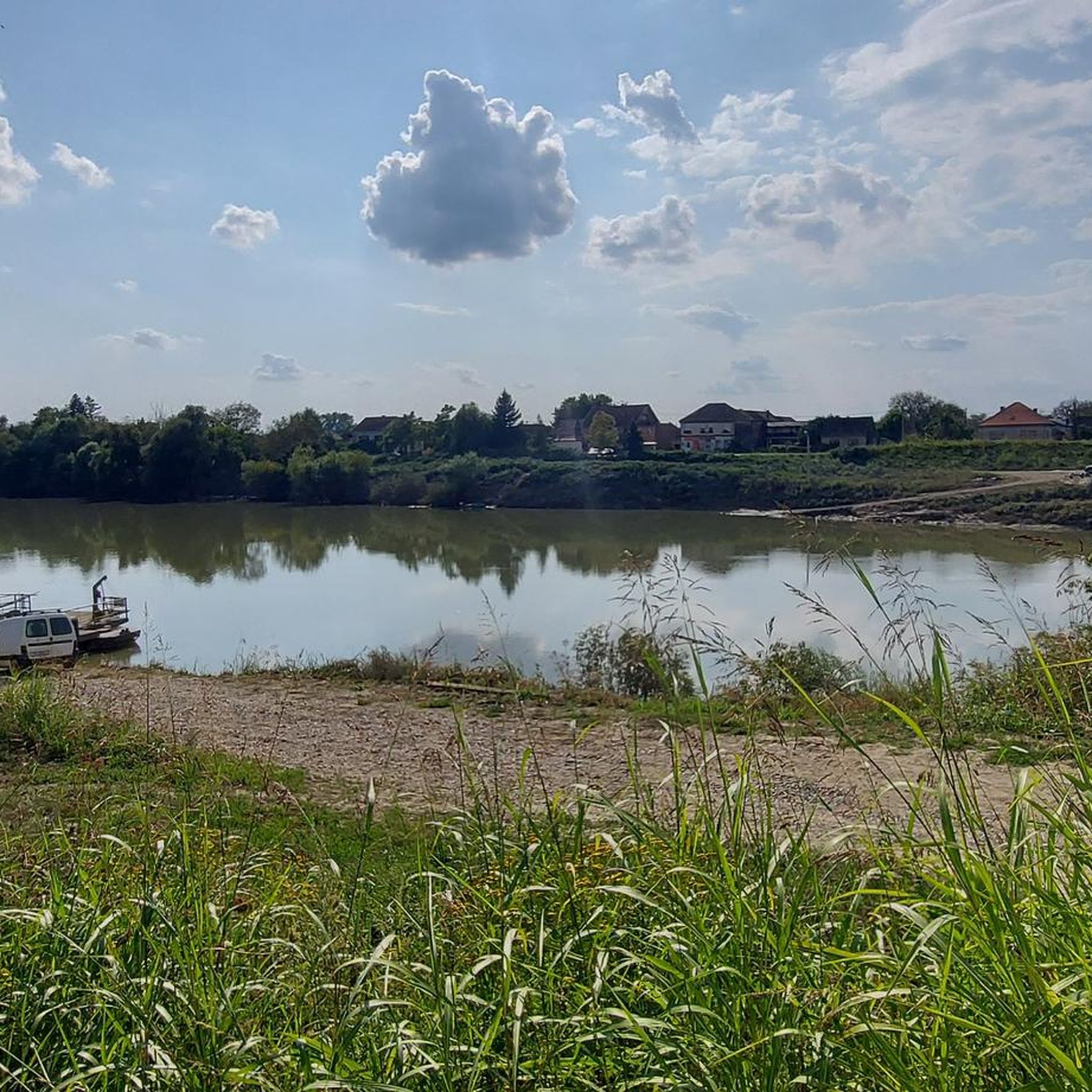
The area forms a large water reservoir, this lake almost fills up at low tide and at high tide the water reaches the dike with the road.
6
0
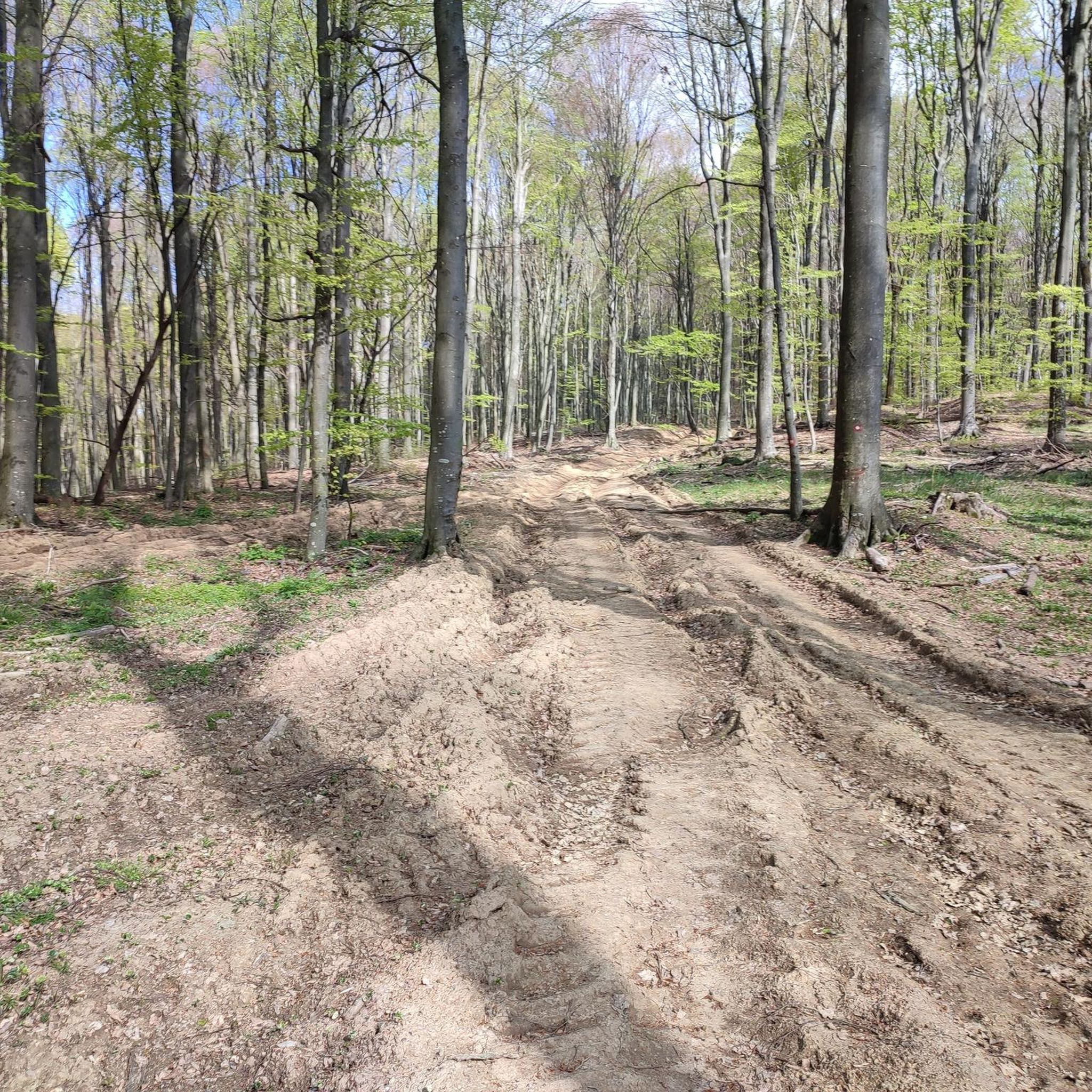
Not only are there many wild boars in this natural forest, the rare black stork also lives here.
7
0

is not the only source in Kostajnica, but one of historical importance
1
0

The Kostajnički region abounds with sources of drinking water, and one of the most famous sources is certainly Tekija. This stone water source was restored by the French during their four-year rule. On the stone wall is carved the saying "Drink brother, by God's grace you have been given a drink!". That inscription is still visible today on the stone wall of this water source. The legend of Tekija says that whoever drinks water from Tekija always returns to Kostajnica. That is why we definitely recommend that you drink water at this fountain, which is located in the very center of the city between the parish church of St. Anthony of Padua and the remains of the church of St. Nicholas.
3
0
Frequently Asked Questions
What are the most notable natural monuments in Sisak-Moslavina County?
Sisak-Moslavina County is renowned for its significant natural monuments, primarily the Lonjsko Polje Nature Park, one of Europe's largest and best-preserved natural floodplains. Another key site is the Crna Mlaka Ornithological Reserve, recognized for its exceptional bird species. The Sava River also plays a fundamental role in shaping the region's diverse natural environment.
Are there family-friendly natural monuments to visit in the region?
Yes, several natural monuments in Sisak-Moslavina are suitable for families. For instance, the Observation tower offers a great spot for birdwatching, and the Meadows of Lonjsko Polje provide vast open spaces to explore. Other family-friendly spots include the Tekija Spring, a Nature reserve, and a Water reservoir, all offering gentle natural experiences.
What kind of wildlife can I expect to see in Sisak-Moslavina's natural areas?
The region is a haven for wildlife, especially birds. Lonjsko Polje Nature Park is home to over two-thirds of Croatia's bird population and is famous for Čigoč, the first European Stork Village. The Crna Mlaka Ornithological Reserve is a crucial staging point for migratory birds, with over 200 species documented, including thousands of endangered ferruginous ducks. You might also encounter indigenous breeds of cattle, horses, and pigs roaming freely in Lonjsko Polje, such as the Turopolje Pig.
What is the best time to visit the natural monuments in Sisak-Moslavina?
The best time to visit largely depends on your interests. Spring and autumn are ideal for birdwatching, especially in Lonjsko Polje and Crna Mlaka, as migratory birds are abundant. Spring also brings lush greenery and the return of black storks to swamp forests. Summer offers pleasant weather for hiking and cycling, while the annual flooding of the Sava River in late autumn and winter creates unique wetland landscapes, though some areas might be less accessible.
Are there hiking trails near the natural monuments?
Yes, there are various hiking opportunities in Sisak-Moslavina. You can find trails suitable for different skill levels. For example, the Hiking in Sisak-Moslavina guide lists routes like the easy Matija Filjak Mountain Lodge loop from Cepeliš or more moderate options such as the Trail Through Crkveni Jarak – Mikleuška Lake loop from Mikleuška.
Can I go cycling or mountain biking near these natural monuments?
Absolutely. The region offers excellent routes for both cycling and mountain biking. The MTB Trails in Sisak-Moslavina guide features routes like the moderate View of Moslavačka Gora loop from Kutina or the challenging Grave of King Petar Svačić – Petrova Gora Monument loop from Topusko. These trails often pass through or near the natural landscapes.
What historical sites are considered natural monuments in Sisak-Moslavina?
The region blends natural beauty with historical significance. The Grave of King Petar Svačić is a historical site within a forest, marking where the last Croatian king fell in battle. Additionally, the Monument to the Uprising of the People of Banija and Kordun and the sculpture known as Unbelievable are man-made monuments set within the natural landscape, commemorating significant historical events.
What makes Lonjsko Polje Nature Park unique?
Lonjsko Polje Nature Park is unique as one of Europe's largest and best-preserved natural floodplains. Its dynamic ecosystem is shaped by the annual flooding of the Sava River, supporting exceptional biodiversity, including extensive lowland floodplain forests of pedunculate oak and field ash. It's also known for its traditional grazing practices where indigenous breeds roam freely, showcasing a rare human-nature coexistence.
What is the significance of the Crna Mlaka Ornithological Reserve?
The Crna Mlaka Ornithological Reserve is a special reserve of exceptional European and global value, particularly for wetland birds. Despite being a working carp fish farm, it successfully sustains remarkable biodiversity, serving as a crucial staging point for thousands of migratory and wintering birds. It is integrated into the Natura 2000 ecological network and recognized as a Ramsar site of international importance.
What role does the Sava River play in the region's natural environment?
The Sava River is central to Sisak-Moslavina's natural environment. As one of Europe's longest rivers, its annual flood cycles are fundamental to the ecological processes within areas like Lonjsko Polje, enriching the land and supporting diverse ecosystems. Its free-flowing sections and extensive floodplains provide a vital natural flood prevention system and act as a habitat for numerous bird and fish species.
What do visitors enjoy most about the natural monuments in Sisak-Moslavina?
Visitors often appreciate the vastness and untouched beauty of the landscapes, such as the impressive Meadows of Lonjsko Polje. Many are captivated by the rich birdlife, especially from hidden spots like the Observation tower. The blend of natural scenery with historical monuments, like the monumental structures on Petrova gora, also leaves a strong impression, despite some being in a state of disrepair.
Most popular routes in Sisak-Moslavina
Most popular attractions in Sisak-Moslavina

Get inspired with the komoot mobile app


Didn’t find what you were looking for?
Find even more amazing natural monuments in Sisak-Moslavina by checking out the top Highlights region by region:
Explore more
Extend your search for the best caves by checking out these guides of the top ones in Sisak-Moslavina:
