Top 6 Natural Monuments in Lovech Region
Best natural monuments in Lovech Region are characterized by diverse landscapes, including karst formations, waterfalls, and expansive national parks. This Bulgarian province offers a variety of natural attractions, from impressive caves to scenic mountain trails. The region's geography provides opportunities for exploring unique geological features and protected areas. These natural monuments in Lovech Province Bulgaria offer a range of experiences for outdoor enthusiasts.
Best natural monuments in Lovech Region
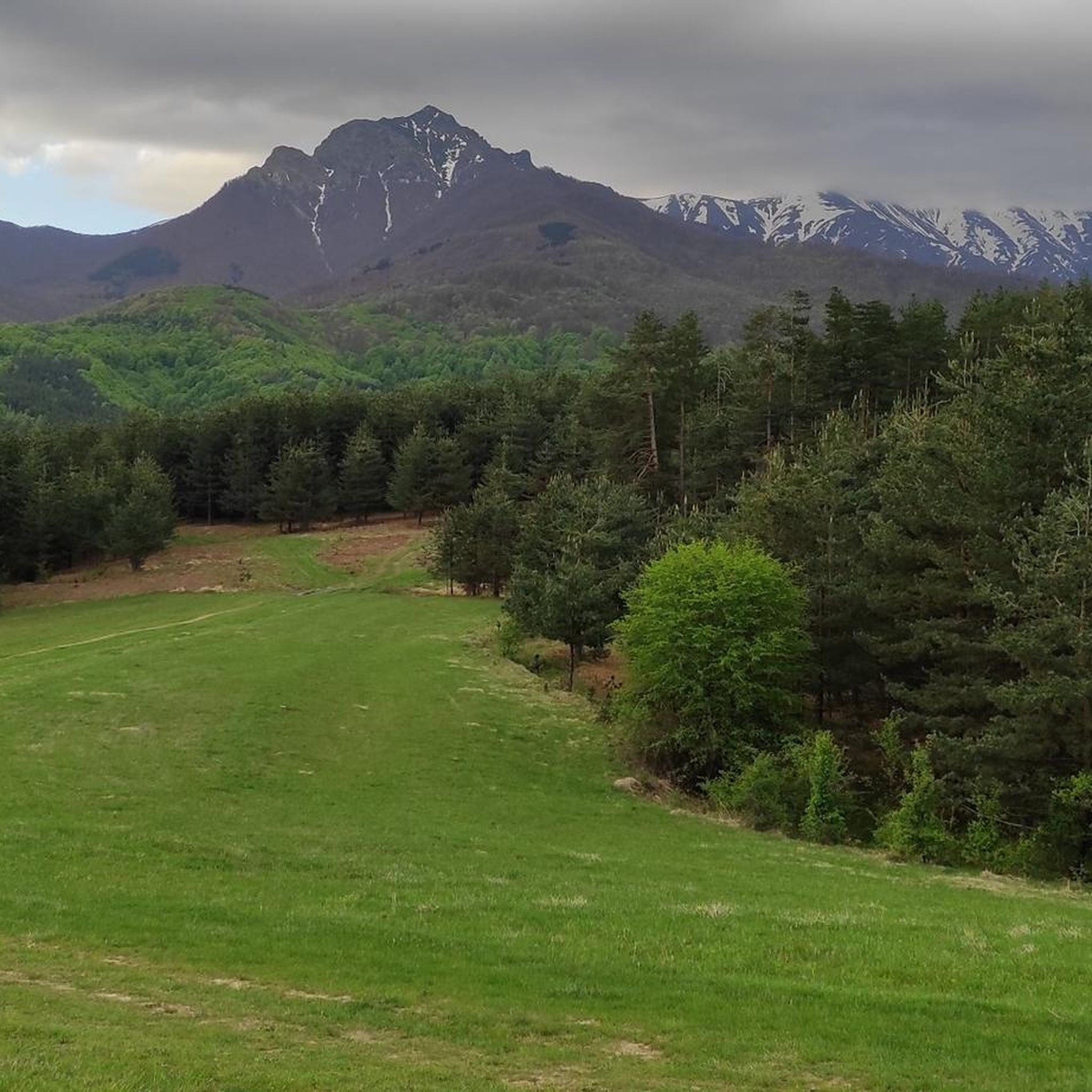
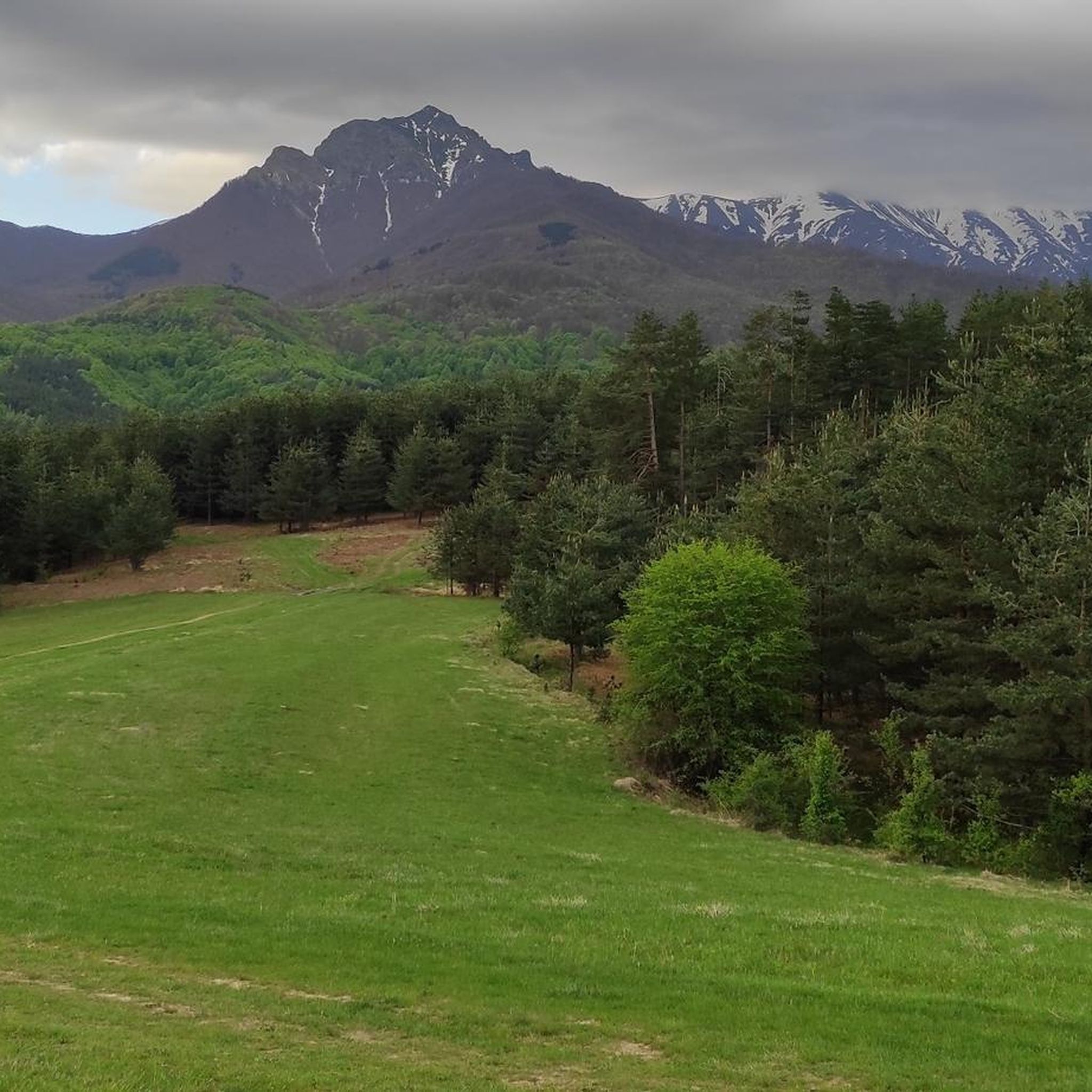
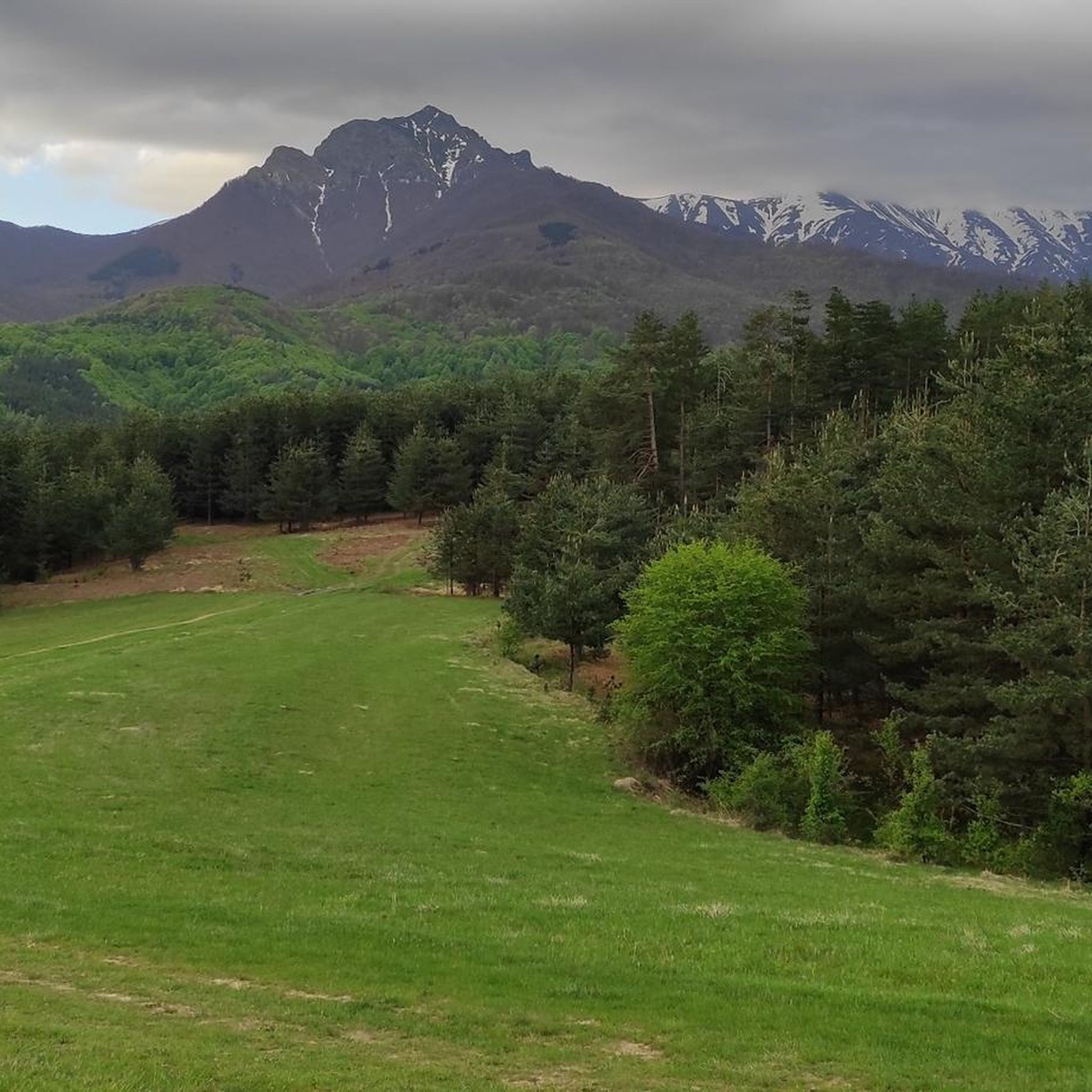
- The most popular natural monuments is Ridge Trail in Central Balkan National Park, a trail that offers stunning views of both southern and northern Bulgaria. This trail is perfect for day trips and allows visitors to walk along the ridge.
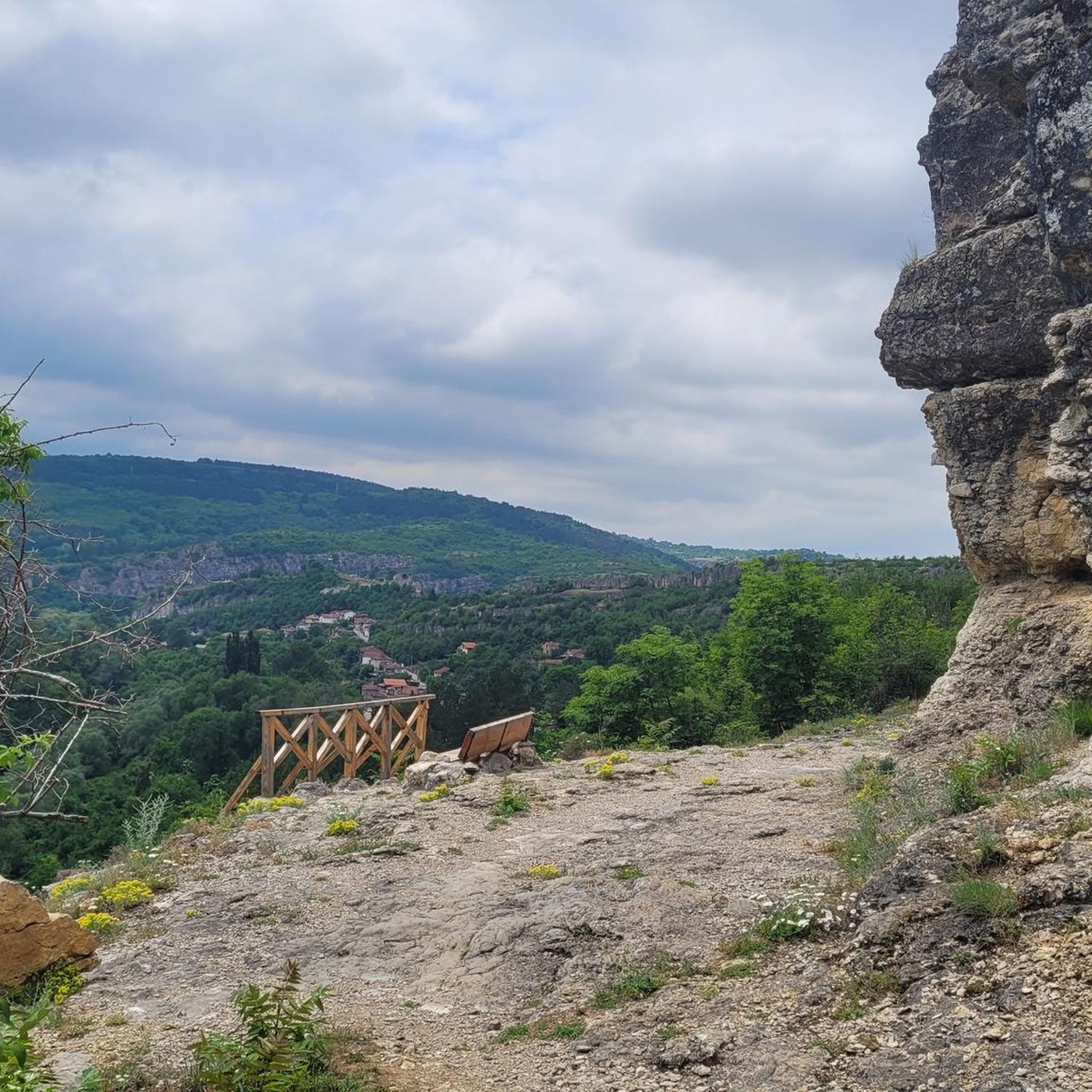
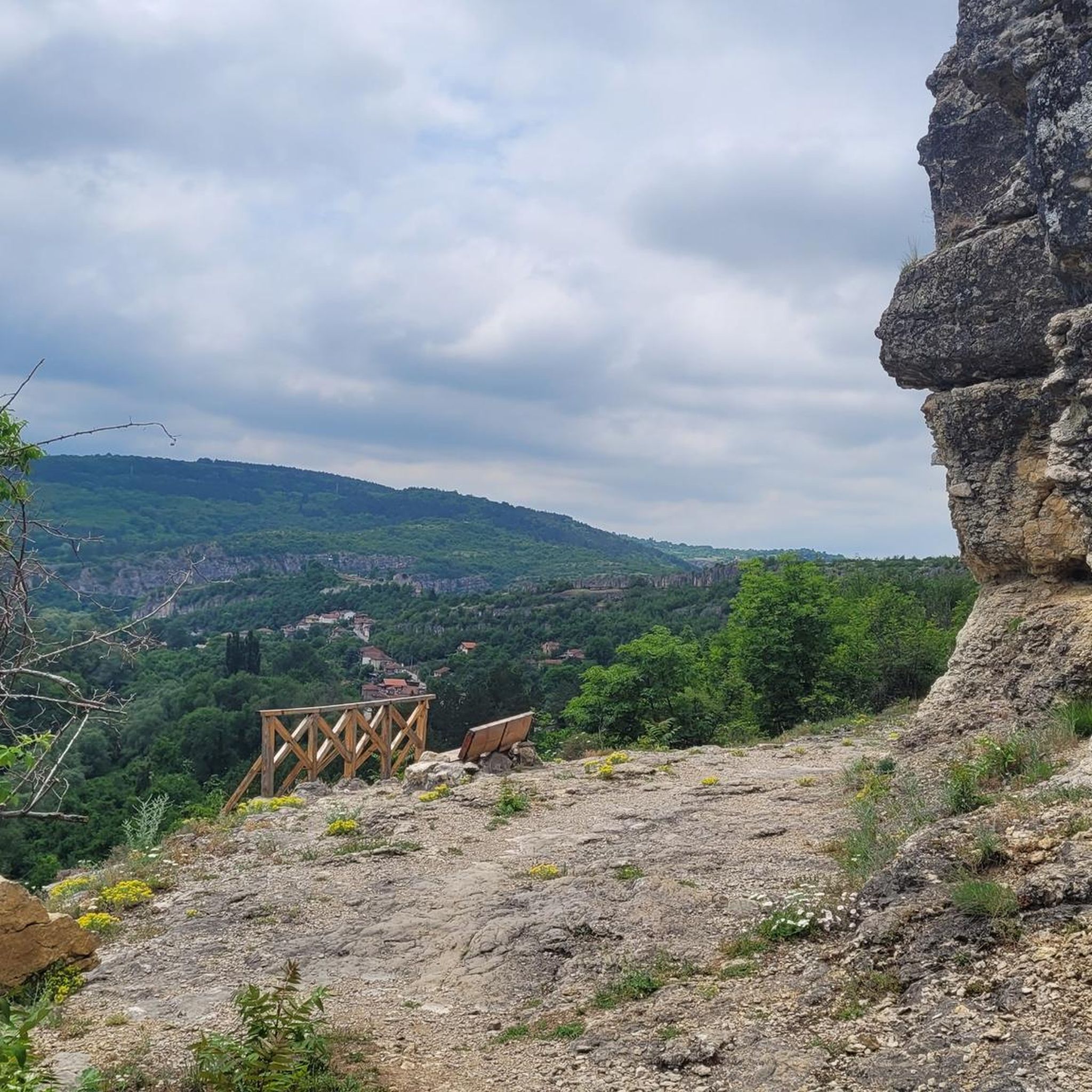
- Another must-see spot is View of Northern Djendem Reserve, a viewpoint offering impressive vistas of the rocks. This location provides a beautiful perspective of the reserve, making it a notable part of any tour.
- Visitors also love Skoka Waterfall, a waterfall easily reachable from Teteven. This natural monument is known for its accessibility and the beautiful, diverse forest surrounding it.
- Lovech Region is known for its caves, waterfalls, and national park trails. The variety of natural monuments to see and explore includes geological formations, scenic viewpoints, and protected areas.
- The natural monuments in Lovech Region are appreciated by the komoot community, with 7 highlights upvoted and 55 photos shared by visitors.
Last updated: July 23, 2026
Devetashka Cave
Highlight (Segment) • Cave
The cave system can still be visited, either with guided tours or on your own. In both cases, however, consideration should be given to the animals – which also means that tourists should stay on the designated paths and refrain from making noise.
geo.de/reisen/22302-rtkl-devetaki-hoehle-ein-maechtiges-hoehlensystem-im-herzen-des-balkans
Translated by Google •
Tip by

Ridge Trail in Central Balkan National Park
Highlight (Segment) • Trail
Translated by Google •
Tip by

Sign up now to discover places like this
Get recommendations on the best single tracks, peaks, & plenty of other exciting outdoor places.
Sign up for free
Skoka Waterfall
Highlight • Waterfall
Tip by

View of Northern Djendem Reserve
Highlight • Viewpoint
Tip by

Petrahiliya Peak
Highlight • Summit
Translated by Google •
Tip by

The Bloody Well (Georgi Benkovski's place of death)
Highlight • Historical Site
Translated by Google •
Tip by
Start today with a free account
Your next adventure awaits.
Login or Signup
Tips from the Community

An easy trail through beautiful, diverse forest. There is no water in dry summers.
0
0

Petrahiliya is an impressive mountain above Teteven. It can be reached directly from Teteven. There are marked trails here, although as of August 2025, they are not listed in Komoot. The ascent is steep, and the paths are partially blocked by fallen trees. Alternatively, the summit can also be reached from behind via the Haidushka Mogila peak.
0
0

Devetashka CAVE (Maarata) Devetaki Village, Lovech District Length - 2442 m Coordinates: E 24* 53 23.2" N 43* 14 052* 24'53 12.6 N 43 14 033 A cave located 1.5 km northwest of Devetaki Village, on the right bank of the Ossam River and on the northern slope of the Devetaki Plateau, formed from Aptian-Urgonian limestone. The entrance is semi-elliptical, measuring 30 x 35 m. The gallery expands into a colossal chamber (25,000 m²) with a ceiling height of up to 58 m. The chamber consists of seven holes called "okna," the largest of which (Kilka) measures 73 x 48 m. The chamber volume is At 643,000 m³, it is the largest cave chamber in Bulgaria and the Balkan Peninsula. A stream flows through the cave, forming deep pools and huge tufas. First explored in 1921 by G. Katzarov, who discovered artifacts between 1925 and 1928, it was explored several times by Pavel Petrov. He sailed down the cave river in wooden boats and made hydrogeological observations while investigating the cave. In 1950 and 1952, archaeologists V. Mikov and N. Djambazov excavated the entrance hall and discovered cultural layers from many periods – Middle and Late Paleolithic and Neolithic, the Iron and Bronze Ages, and the Roman period.
1
0
MAN AND THE CAVE The Evetashka Cave is a unique natural and cultural phenomenon. It is located near the town of Lovech and the village of Devetaki, on the right bank of the Osam River. Good living conditions have attracted human attention since ancient times. The first archaeological excavations in the cave began in 1927. Archaeological studies show that the cave was inhabited since the Middle Paleolithic (70,000 BC). Cultural layers (0.30 m to 5.5 m thick) indicate that it was also inhabited during subsequent historical periods: the Neolithic, Eneolithic, Bronze and Iron Ages, Provincial Roman Culture, and the Middle Ages. In 1927, the first Neolithic grave in Bulgarian lands was discovered here. There is an interesting fragment of a clay bowl decorated with a white swastika dating from the Early Neolithic period (beginning of the 6th millennium BC). During the Neolithic/Copper Age (5th millennium BC), the settlement in the cave occupied the largest area. A child burial and two ceramic cups were found in the dry corridor of the cave. Finds from the Bronze Age (11th-11th millennium BC) include a bronze sickle and a stone pot. The Thracians introduced the new culture during this period. In one of the settlements, an earth handle from a Rhodes amphora dating from 175-172 BC was found. Materials found from the Roman period (1st-3rd centuries) include a marble votive tablet depicting Artemis/Diana and a portion of the stump of Hercules, indicating that a sanctuary dedicated to these deities most likely existed here. In the 12th to 14th centuries, the cave was used as a refuge. Discovered settlements and artifacts (made of stone, flint, bone, wood, clay, and metal) attest to the high material and spiritual culture of the people who inhabited the cave for centuries. The Devetashka Cave is a cultural monument and a protected natural site of national and international importance.
2
0
The waterfall is always worth a trip. It is easy to reach from Teteven. From the car park it is only a short walk through the forest. It can get crowded on weekends.
1
0
Here you can gather strength before a hike or relax after a hike. Opposite there is also a snack bar with grilled food at fair prices.
1
0

The Devetaki Cave is one of the most spectacular cave systems in the world. It's not dark, damp, cold, or perhaps a little spooky here. This is thanks to the seven huge ceiling openings: On clear days, dazzling sunlight shines through, illuminating the expansive main cave and parts of the side passages. Between them, monumental stone arches span the paths laid out for visitors – a popular photo opportunity for tourists. Archaeological finds prove that the Devetaki Cave, located 70 kilometers northeast of Gabrovo, was already inhabited in the Paleolithic period. Although no people live here today, there is a large colony of bats – accordingly, the dark cave area is off-limits to visitors. But the Devetaki Cave not only has qualities as a bat hotel, but also as a film set: Jason Statham, Sylvester Stallone, Chuck Norris, and other muscle-bound action heroes fought their way through the cave entrance, which was then released under the title Expendables 2. When Bulgarian conservationists visited the cave after filming, they counted only around 8,500 animals instead of over 30,000. Boyan Petrov of the Natural History Museum told the media at the time that they had never counted fewer than 10,000 specimens in previous years. The cave system can still be visited, either with guided tours or on your own. In both cases, however, consideration should be given to the animals – which also means that tourists should stay on the designated paths and refrain from making noise. https://www.geo.de/reisen/22302-rtkl-devetaki-hoehle-ein-maechtiges-hoehlensystem-im-herzen-des-balkans
5
0
Beautiful. On one side southern Bulgaria, on the other side northern Bulgaria and you sometimes walk right along the ridge. Also perfect for day trips from the Troyan Pass (Beklemeto) to the Kozya Stena hut and back.
1
0
Frequently Asked Questions
What are some of the most impressive natural monuments to visit in Lovech Region?
The Lovech Region is home to several spectacular natural monuments. Among the most notable are the Devetashka Cave, known for its massive chambers and natural light openings, and the vibrant Krushuna Waterfalls, famous for their travertine cascades and emerald pools. Another must-see is Prohodna Cave, often called 'The Eyes of God' due to its unique ceiling formations. The Ridge Trail in Central Balkan National Park also offers stunning panoramic views.
Are there family-friendly natural monuments in Lovech Region?
Yes, several natural monuments are suitable for families. The Skoka Waterfall is easily accessible from Teteven with a short walk through a beautiful forest. The Krushuna Waterfalls also feature an eco-trail with bridges and stairs, making it enjoyable for various ages. Additionally, The Bloody Well (Georgi Benkovski's place of death) is listed as family-friendly and offers a mix of history and nature.
What unique geological features can I explore in Lovech Region?
The region is rich in diverse geological formations. You can explore impressive karst caves like Devetashka Cave with its 'windows' to the sky, and Saeva Dupka Cave, known for its intricate stalactites and stalagmites. Prohodna Cave features a dramatic rock bridge and the iconic 'Eyes of God' openings. The Krushuna Waterfalls showcase Bulgaria's largest travertine cascade, forming numerous terraces and natural pools.
What is the best time of year to visit the natural monuments in Lovech Region?
Generally, spring (April-May) and autumn (September-October) offer pleasant weather for exploring, with lush greenery in spring and vibrant colors in autumn. Summer (June-August) is also popular, though some parts of Devetashka Cave may be closed during June and July to protect bat breeding colonies. Winter can be beautiful, especially with snow, but some trails might be challenging due to ice or snow.
Can I see wildlife at the natural monuments in Lovech Region?
Yes, wildlife observation is a significant aspect of visiting these natural sites. Devetashka Cave is a crucial hibernation spot for over 35,000 bats of 15 different species. The Central Balkan National Park is a haven for biodiversity, home to brown bears, gray wolves, chamois, and golden eagles, offering excellent opportunities for wildlife spotting.
Are there any historical or archaeological aspects to the natural monuments?
Absolutely. Devetashka Cave has significant archaeological findings, indicating continuous human occupation dating back to the Middle Paleolithic era (around 70,000 BC). Saeva Dupka Cave also carries historical intrigue with legends of two brothers who hid there during Ottoman rule. Additionally, The Bloody Well marks the place of death of Georgi Benkovski, a prominent figure in Bulgarian history.
What outdoor activities can I do near the natural monuments in Lovech Region?
The Lovech Region offers a variety of outdoor activities. You can find numerous hiking trails, from easy walks near waterfalls to challenging routes in the Central Balkan National Park. For mountain biking enthusiasts, there are dedicated MTB trails in Lovech Region. Prohodna Cave is also a popular spot for rock climbing and bungee jumping. Explore more options in the Hiking in Lovech Region guide.
Are there hiking opportunities around the natural monuments?
Yes, hiking is a popular activity. The Ridge Trail in Central Balkan National Park offers stunning views and is perfect for day trips. You can also find easy trails around the Krushuna Waterfalls and Skoka Waterfall. For more options, check out the Easy hikes in Lovech Region guide.
Which natural monuments are known for waterfalls?
The Lovech Region boasts beautiful waterfalls. The Krushuna Waterfalls are the largest travertine cascade in Bulgaria, famous for their vibrant colors and numerous pools. Another notable waterfall is Skoka Waterfall, easily accessible from Teteven and surrounded by a diverse forest. The Central Balkan National Park also features cascading waterfalls, including Raysko Praskalo, the tallest in the Balkans.
Where can I find impressive viewpoints of the region's nature?
For breathtaking vistas, visit the View of Northern Djendem Reserve, which offers impressive perspectives of the rock formations. The Ridge Trail in Central Balkan National Park provides panoramic views of both southern and northern Bulgaria. Additionally, Petrahiliya Peak and the View of Central Balkan Mountains are excellent spots for scenic overlooks.
Are there any caves with unique formations or acoustics?
Yes, the region's caves are known for their distinct features. Saeva Dupka Cave, often called 'the underground pearl,' is celebrated for its rich diversity of stalactites, stalagmites, and columns across five main halls, and its remarkable acoustics make it suitable for musical performances. Devetashka Cave also features majestic natural domes and rivulets, creating a unique internal landscape.
What do visitors enjoy the most about Lovech Region's natural monuments?
Visitors frequently praise the stunning natural beauty and the sense of wonder these sites evoke. The natural light flooding Devetashka Cave, the vibrant colors of Krushuna Waterfalls, and the awe-inspiring 'Eyes of God' at Prohodna Cave are often highlighted. Many appreciate the well-maintained trails and the opportunity to connect with pristine nature, as well as the historical and ecological significance of the sites.
Most popular routes in Lovech Region
Most popular attractions in Lovech Region

Get inspired with the komoot mobile app


Didn’t find what you were looking for?
Find even more amazing natural monuments in Lovech Region by checking out the top Highlights region by region:
Explore more
Extend your search for the best caves by checking out these guides of the top ones in Lovech Region:
