Top 20 Natural Monuments in New South Wales
Best natural monuments in New South Wales showcase diverse geological formations, ancient landscapes, and significant cultural sites. The region features vast sandstone plateaus, deep gorges, and extensive coastlines shaped by natural forces. These areas preserve evidence of ancient human history and unique ecosystems. New South Wales offers a range of natural features for exploration.
Best natural monuments in New South Wales
- The most popular natural monuments is Grand Canyon Track, a trail that winds through lush rainforest, past waterfalls, fern-lined creeks, and rugged rock ledges. This 6-kilometre loop offers both canyon scenery and panoramic views.
- Another must-see spot is Echo Point Lookout – View of the Three Sisters, a viewpoint offering views of the iconic Three Sisters rock formation. The three sandstone peaks are named Meehni, Weemala, and Gunnedoo.
- Visitors also love Wentworth Falls, a waterfall with multiple cascades. The descent to the falls involves numerous stairs, providing access to the base of the waterfall.
- New South Wales is known for its volcanic landscapes, coastal formations, and ancient forests. Visitors can explore a variety of natural monuments, including dramatic cliffs, extensive cave systems, and unique rock formations.
- The natural monuments in New South Wales are appreciated by the komoot community, with 60 upvotes and 40 photos shared across the highlights.
Last updated: July 10, 2026
Mount Kosciuszko Summit lookout
Highlight • Summit
Tip by

Echo Point Lookout
Highlight • Viewpoint
Translated by Google •
Tip by

Sign up now to discover places like this
Get recommendations on the best single tracks, peaks, & plenty of other exciting outdoor places.
Sign up for free
Tamarama Beach
Highlight • Beach
Translated by Google •
Tip by

Bondi Beach
Highlight • Beach
Tip by

Katoomba Falls
Highlight • Waterfall
Tip by

Royal Botanic Garden Sydney
Highlight • Natural
A walk through the garden is a good option for all nature lovers and city visitors. You will be impressed by the diversity of plants and flowers that are native here. The Domain pond, surrounded by a beautiful fountain, is also particularly worth seeing.
Showing Translation
Tip by

Giant Stairway
Highlight (Segment) • Trail
Tip by

Grand Canyon Track
Highlight (Segment) • Trail
Tip by
Wentworth Falls
Highlight • Waterfall
Tip by

Katoomba Cascades
Highlight • Waterfall
Tip by
Sign up for free to discover even more natural monuments in New South Wales.
Sign up for free
Already have an account?
Start today with a free account
Your next adventure awaits.
Login or Signup

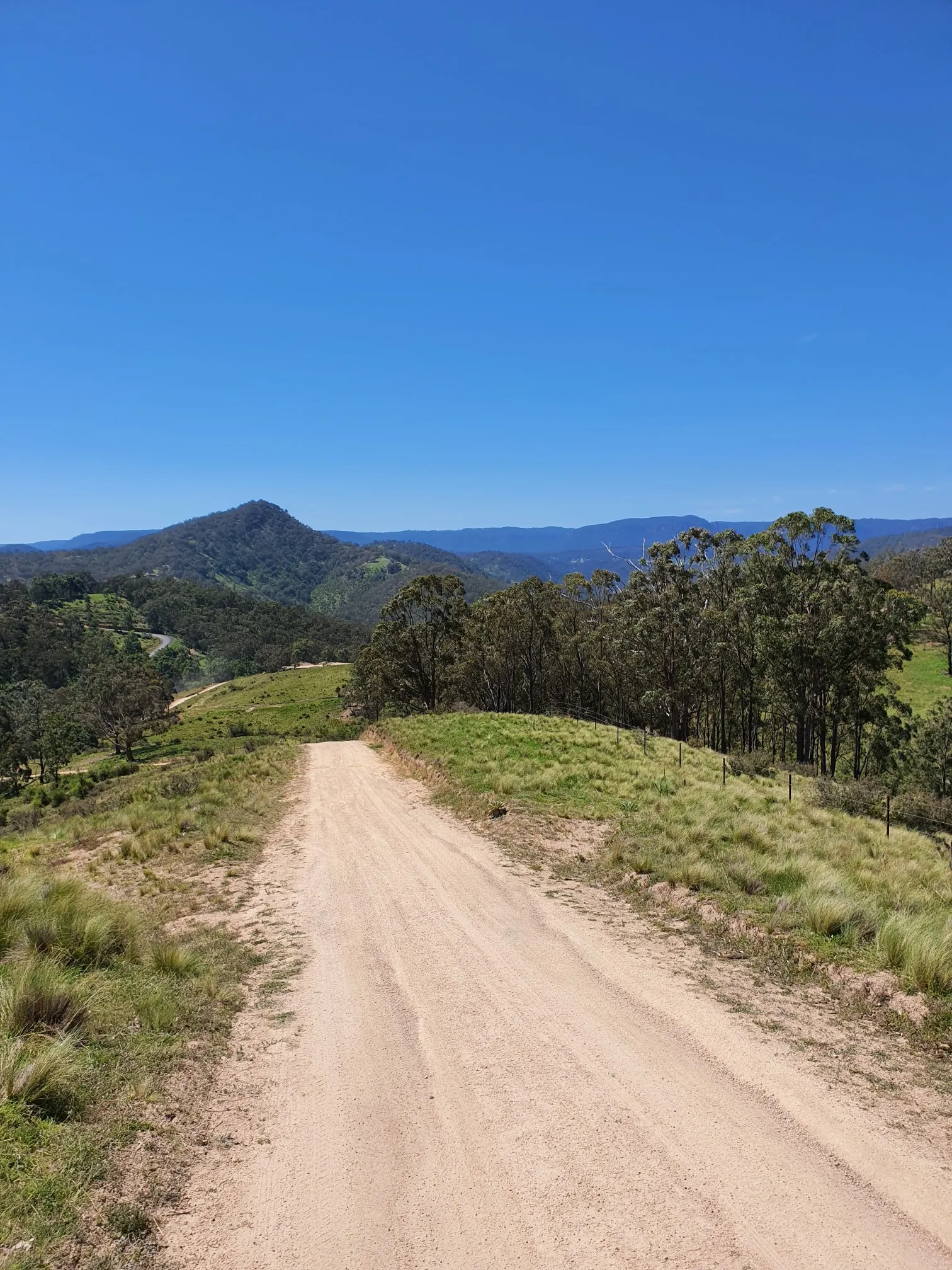
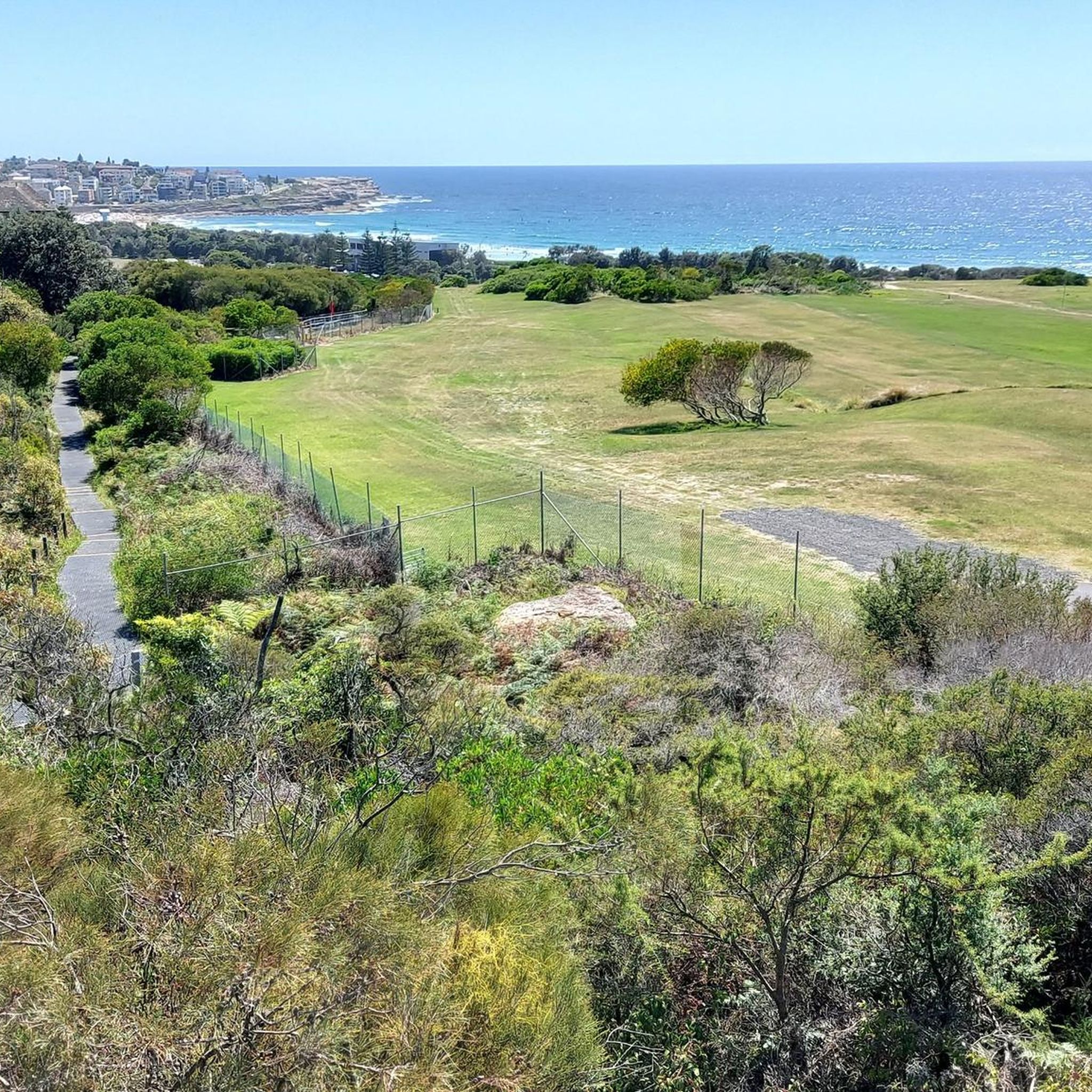
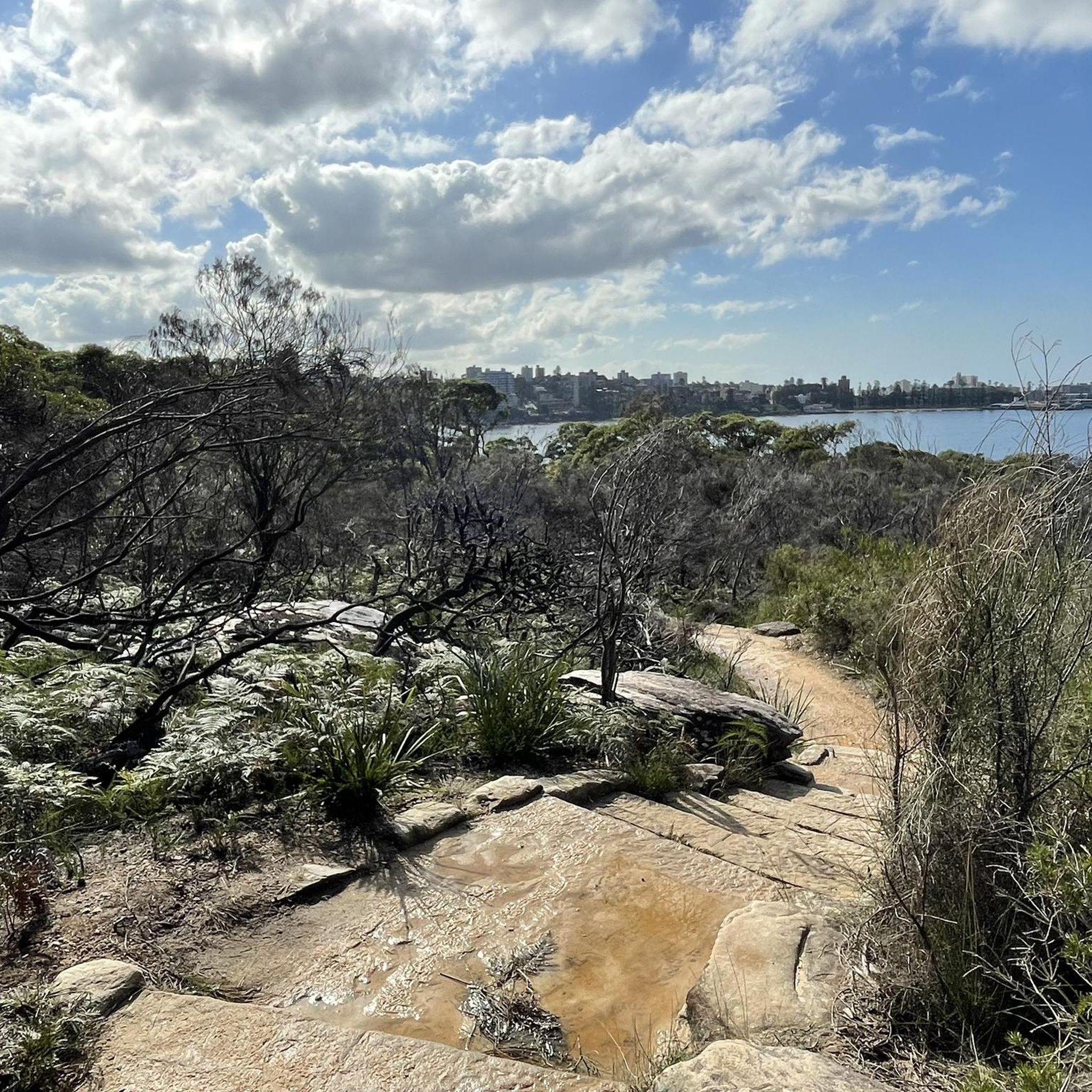


Tips from the Community

Katoomba Cascades is a picturesque series of small cascades on the Kedumba River, where the water tumbles over wide sandstone shelves before continuing downstream to Katoomba Falls. There are boardwalks, bridges, benches and viewing platforms that surround the cascades for a close-up view of the flowing water within the lush gully of ferns and rainforest vegetation. It’s one of the few places where you can experience the river up close before it drops into the Jamison Valley.
0
0

The Giant Stairway is a famous, challenging and exhilarating staircase, totalling almost 1000 steps, from the edge of the Blue Mountains National Park cliffside down toward the valley below. The views are hard to beat, and the stairs are carved into the sandstone cliffs, which do become quite slippery after rain. Remember, you must go down before you come up!
1
0
Katoomba Falls is a fantastic multi-tiered waterfall that cascades over sandstone cliffs into the Jamison Valley, and is one of the Blue Mountains’ most recognisable waterfall locations. The falls are surrounded by rugged escarpments, and from here, there are beautiful expansive views across the eucalyptus-covered ridges that stretch through the valley. The combination of plunging water, towering cliffs, and wide valley scenery makes it especially impressive if you're lucky enough to be here after it rains.
0
0

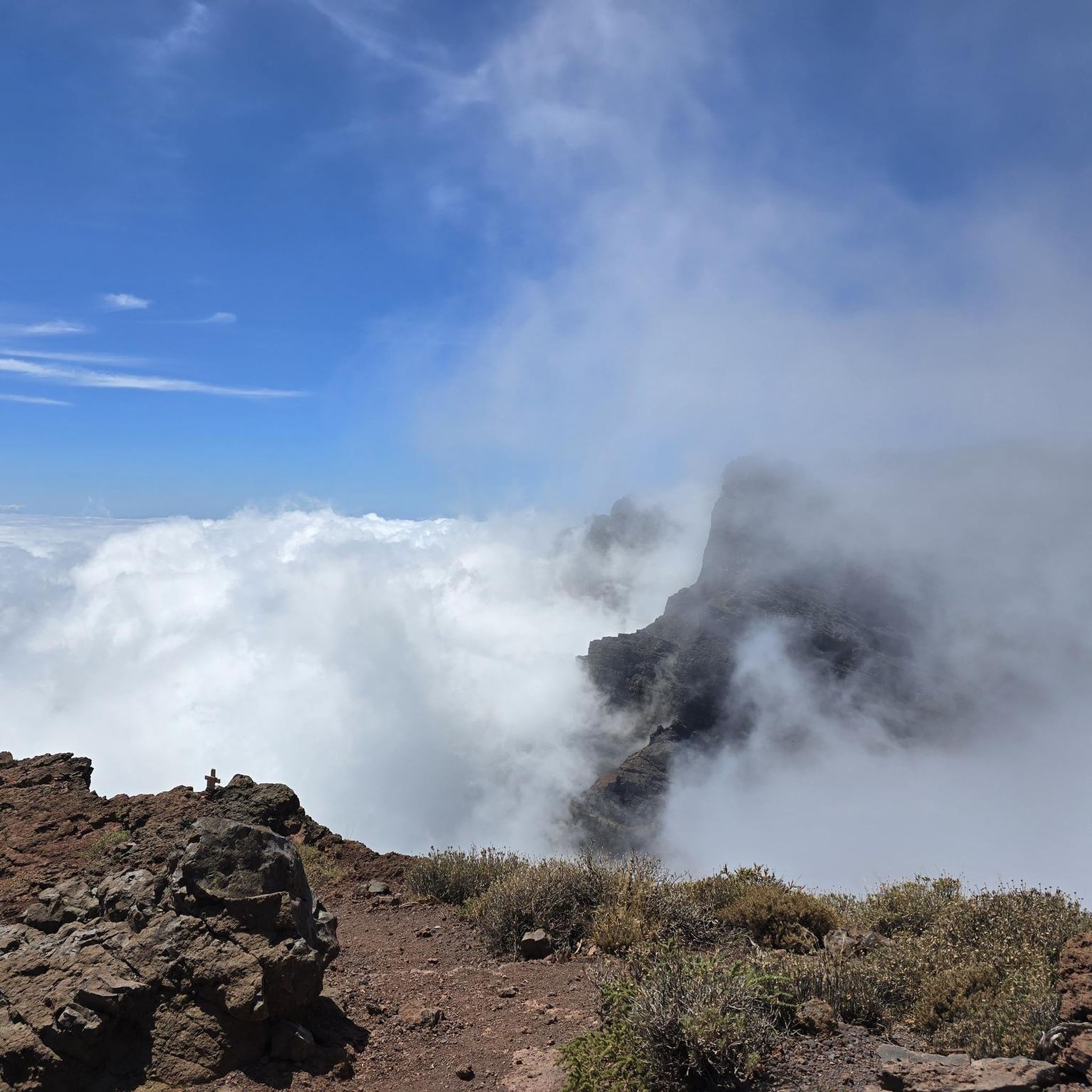
Mount Kosciuszko Summit Lookout marks the highest point in Australia at 2,228 metres, with wide, open views across the Snowy Mountains. The final stretch from Rawson Pass follows a gradual, exposed path across alpine terrain, where weather can shift quickly. From the top, you’re surrounded by rolling peaks, high plains, and distant ridgelines in every direction. There’s little shelter here, so expect wind even on clear days and allow time to take in the scale of the landscape before heading back down.
0
0
Grand Canyon Track is a 6-kilometre loop walk that winds through lush rainforest, past waterfalls you can walk behind, fern‑lined creeks, rugged rock ledges, and impressive sandstone overhangs, offering both up-close canyon scenery and panoramic views from the rim. Rated as a Grade 3 (moderate) walk, it typically takes about 3 to 4 hours to complete. The beautiful scenery, steep staircases and several creek crossings make it one of the region's most iconic, and rewarding hikes in the Blue Mountains.
0
0


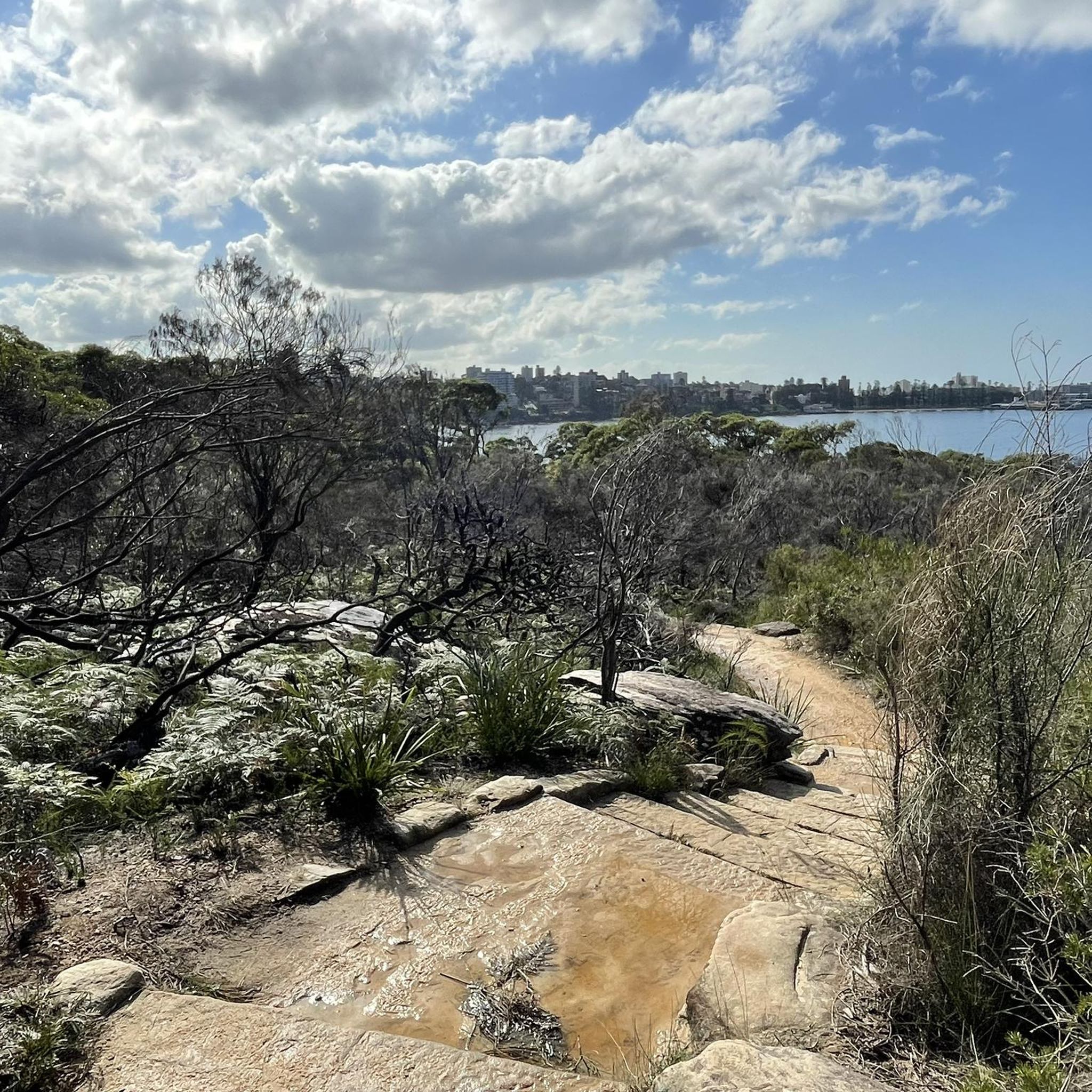
Even in summer it remains pleasant thanks to the many trees with their shade, a beautiful play of light.
0
0

Frequently Asked Questions
What are some of the most popular natural monuments in New South Wales?
New South Wales offers a diverse range of popular natural monuments. Among them, the Grand Canyon Track is highly appreciated for its lush rainforest, waterfalls, and rugged rock ledges. Visitors also frequently seek out Echo Point Lookout – View of the Three Sisters in the Blue Mountains, offering iconic views. Another favorite is Wentworth Falls, known for its multiple cascades and challenging descent.
Are there family-friendly natural monuments to visit in New South Wales?
Yes, several natural monuments in New South Wales are suitable for families. Echo Point Lookout – View of the Three Sisters is easily accessible and offers stunning views. Bondi Beach and Tamarama Beach provide coastal experiences, though Tamarama is known for strong currents. The Royal Botanic Garden Sydney is another family-friendly option with beautiful landscapes and facilities.
What kind of unique geological features can I expect to see among New South Wales' natural monuments?
New South Wales boasts an incredible array of geological wonders. You can explore the vast sandstone plateaus and dramatic escarpments of the Blue Mountains, home to the iconic Three Sisters. The ancient volcanic landscape of Warrumbungle National Park offers rugged formations and is Australia's first Dark Sky Park. Mungo National Park features the unique 'Walls of China,' eroded sand and clay dunes, while Horse Head Rock near Bermagui is a distinctive, ancient rock formation resembling a horse's head. The Kiama Blowhole showcases the power of ocean erosion.
Do any natural monuments in New South Wales have significant cultural or historical importance?
Absolutely. Many natural monuments in New South Wales hold deep cultural and historical significance, particularly for Aboriginal people. The Three Sisters in the Blue Mountains are a geological marvel and a significant cultural site for the Gundungurra and Darug people, linked to Aboriginal legend. Mungo National Park, part of the Willandra Lakes Region UNESCO World Heritage site, is crucial for understanding early human history in Australia, being the discovery site of Mungo Man and Mungo Lady. Wollumbin (Mount Warning) is a sacred place for the Bundjalung Nation.
When is the best time to visit the natural monuments in New South Wales?
The best time to visit depends on the specific monument and your preferred activities. Generally, spring (September to November) and autumn (March to May) offer pleasant temperatures for hiking and exploring. Coastal areas like Kiama Blowhole and the beaches are popular in summer (December to February), while the Blue Mountains can be enjoyed year-round, with cooler temperatures in winter. For stargazing at Warrumbungle National Park, clear, moonless nights are ideal.
What outdoor activities can I do near the natural monuments in New South Wales?
Near the natural monuments, you can find a wide range of outdoor activities. For hiking, there are numerous options, including easy walks like the Bondi Beach to Bronte Beach via Coastal Walk, or more challenging waterfall hikes such as the Overcliff-Undercliff Track loop. Mountain biking enthusiasts can explore trails like the Summit of Mount Stromlo loop. Lord Howe Island offers hiking, bird watching, snorkeling, and scuba diving.
Which natural monuments offer stunning viewpoints in New South Wales?
New South Wales is rich in natural monuments with breathtaking viewpoints. Echo Point Lookout – View of the Three Sisters provides iconic vistas of the Blue Mountains. Evans Lookout offers sweeping views across the Grose Valley. For those seeking a challenge, the Mount Kosciuszko Summit lookout provides panoramic views from Australia's highest peak. Wollumbin (Mount Warning) also offers spectacular 360-degree views of the surrounding caldera and coastline from various lookouts.
Are there any less crowded natural monuments in New South Wales for a more tranquil experience?
For a more tranquil experience away from the busiest spots, consider exploring parts of Wollemi National Park, which is one of NSW's largest national parks and offers extensive wilderness. Mungo National Park, while significant, provides a profound journey into Australia's past in a unique arid landscape that can feel very remote. Lord Howe Island strictly limits visitor numbers, ensuring an intimate experience with nature, though access requires planning.
Can I experience unique natural phenomena at New South Wales' natural monuments?
Yes, New South Wales offers several unique natural phenomena. At Wollemi National Park, you can visit the Glow Worm Tunnel, where thousands of bioluminescent glow worms create a magical light show. Warrumbungle National Park is Australia's first Dark Sky Park, providing exceptional opportunities for stargazing and viewing the Milky Way. The Kiama Blowhole offers a dramatic and unpredictable display of seawater forced high into the air, especially during strong swells.
What are the difficulty levels for walks and trails at New South Wales' natural monuments?
The difficulty levels for walks and trails vary significantly across New South Wales' natural monuments. You can find easy, family-friendly strolls, such as those around Royal Botanic Garden Sydney. Intermediate trails like the Grand Canyon Track in the Blue Mountains involve steep staircases and creek crossings. For challenging experiences, the descent to Wentworth Falls involves numerous stairs, and the summit of Mount Kosciuszko is a challenging but rewarding hike.
Are any natural monuments in New South Wales wheelchair accessible?
Yes, some natural monuments and their facilities in New South Wales offer wheelchair accessibility. The Royal Botanic Garden Sydney is noted for its accessibility. Additionally, Clovelly Beach is listed as wheelchair accessible, providing an opportunity to enjoy the coastal environment.
What do visitors enjoy most about the natural monuments in New South Wales?
Visitors consistently praise the stunning natural beauty and diverse experiences offered by New South Wales' natural monuments. Many enjoy the dramatic views from lookouts like Echo Point, especially the iconic Three Sisters. The immersive experience of hiking through lush rainforests and past waterfalls on trails like the Grand Canyon Track is also a highlight. The sheer power of nature at Wentworth Falls and the unique geological formations across the region leave a lasting impression.
Most popular routes in New South Wales
Most popular attractions in New South Wales

Get inspired with the komoot mobile app


Explore more
Extend your search for the best caves by checking out these guides of the top ones in New South Wales:
