Top 20 Natural Monuments in Kukës
Best natural monuments in Kukës are found within a region characterized by impressive mountain ranges, deep valleys, and pristine water bodies. The area is dominated by the Dinaric Alps, offering diverse ecosystems and geological features. This landscape provides opportunities for exploring rugged terrain and significant natural sites. The region's natural monuments showcase a variety of formations, from high peaks to glacial lakes and canyons.
Best natural monuments in Kukës
- The most popular natural monuments is Peaks of the Balkans border…
Last updated: October 13, 2026
Valbona Valley National Park
Highlight • Natural Monument
Tip by

Zla Kolata (2,534 m)
Highlight • Summit
Translated by Google •
Tip by

Sign up now to discover places like this
Get recommendations on the best single tracks, peaks, & plenty of other exciting outdoor places.
Maja e Jezercës Summit
Highlight • Summit
Translated by Google •
Tip by

Albania–Montenegro Border Pass (Lumi Gashit)
Highlight • Mountain Pass
Translated by Google •
Tip by

Peaks of the Balkans Trail in Valbona Valley National Park
Highlight • Trail
Translated by Google •
Tip by

Ice cave
Highlight • Cave
Translated by Google •
Tip by

Montenegro Border in Prokletije National Park
Highlight • Mountain Pass
Tip by

Peaks of the Balkans border crossing: Albania–Montenegro
Highlight • Mountain Pass
Translated by Google •
Tip by

Spring by the Simoni Bar
Highlight • Natural Monument
Translated by Google •
Tip by

Water source in Valbona Valley National Park
Highlight • Rest Area
Translated by Google •
Tip by
Sign up for free to discover even more natural monuments in Kukës.
Already have an account?
Start today with a free account
Your next adventure awaits.
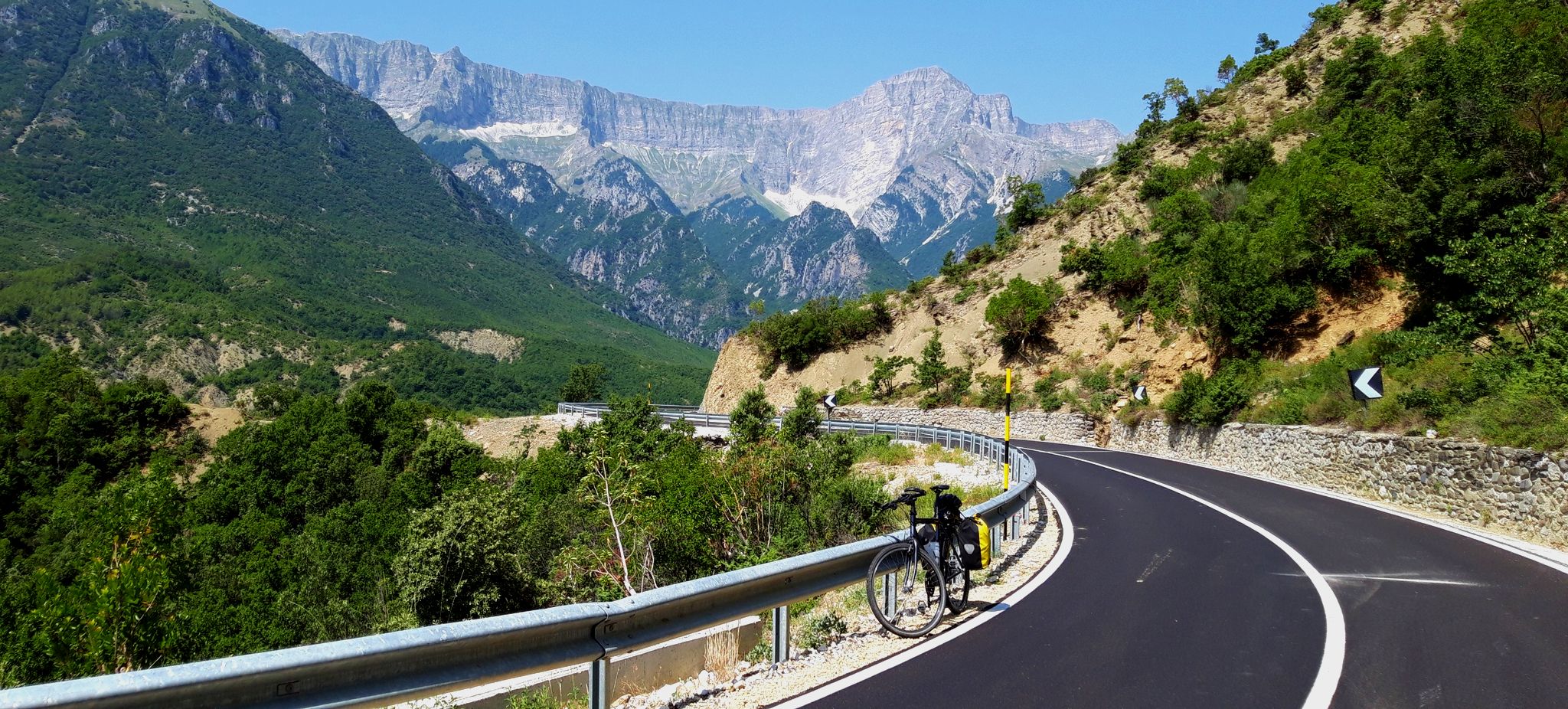
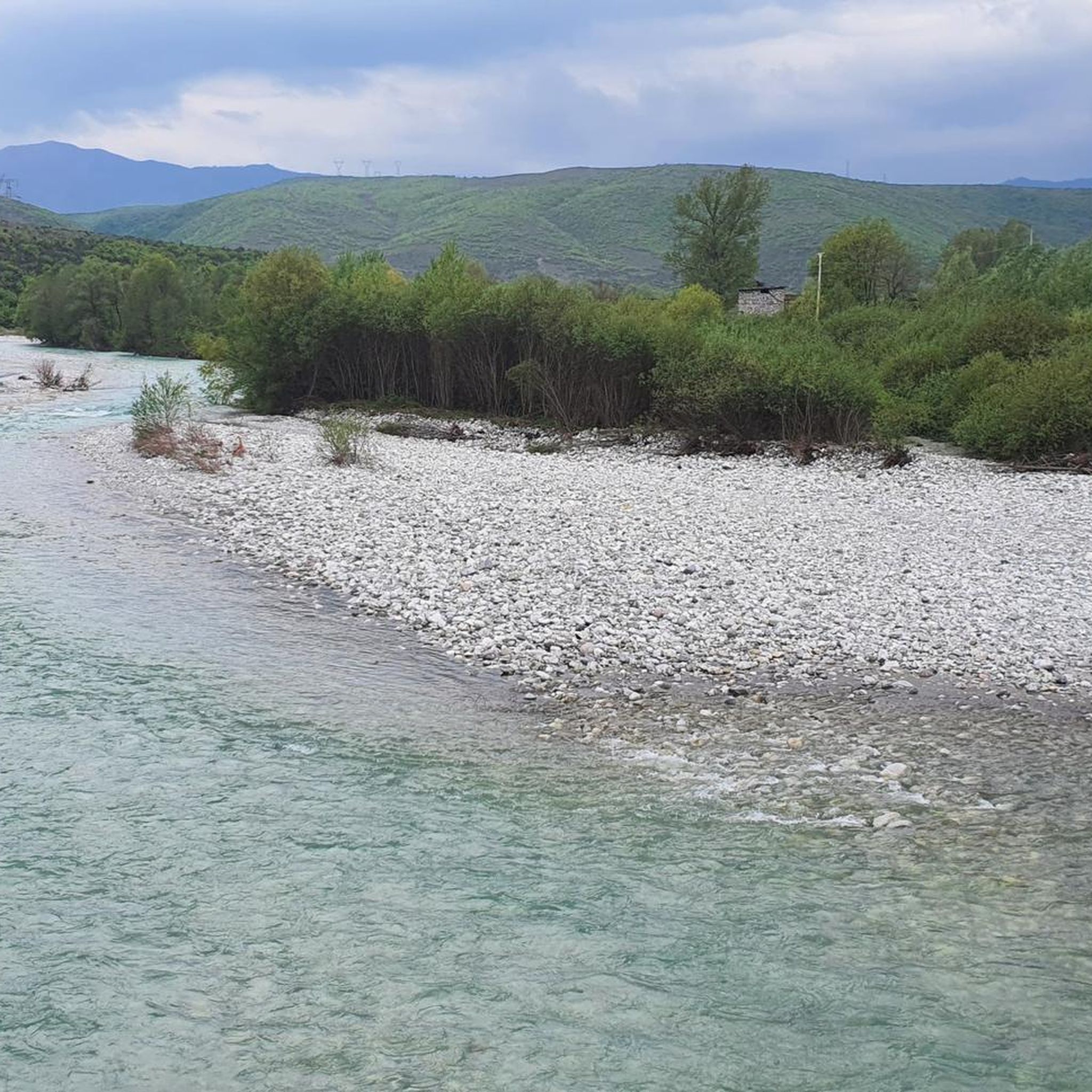

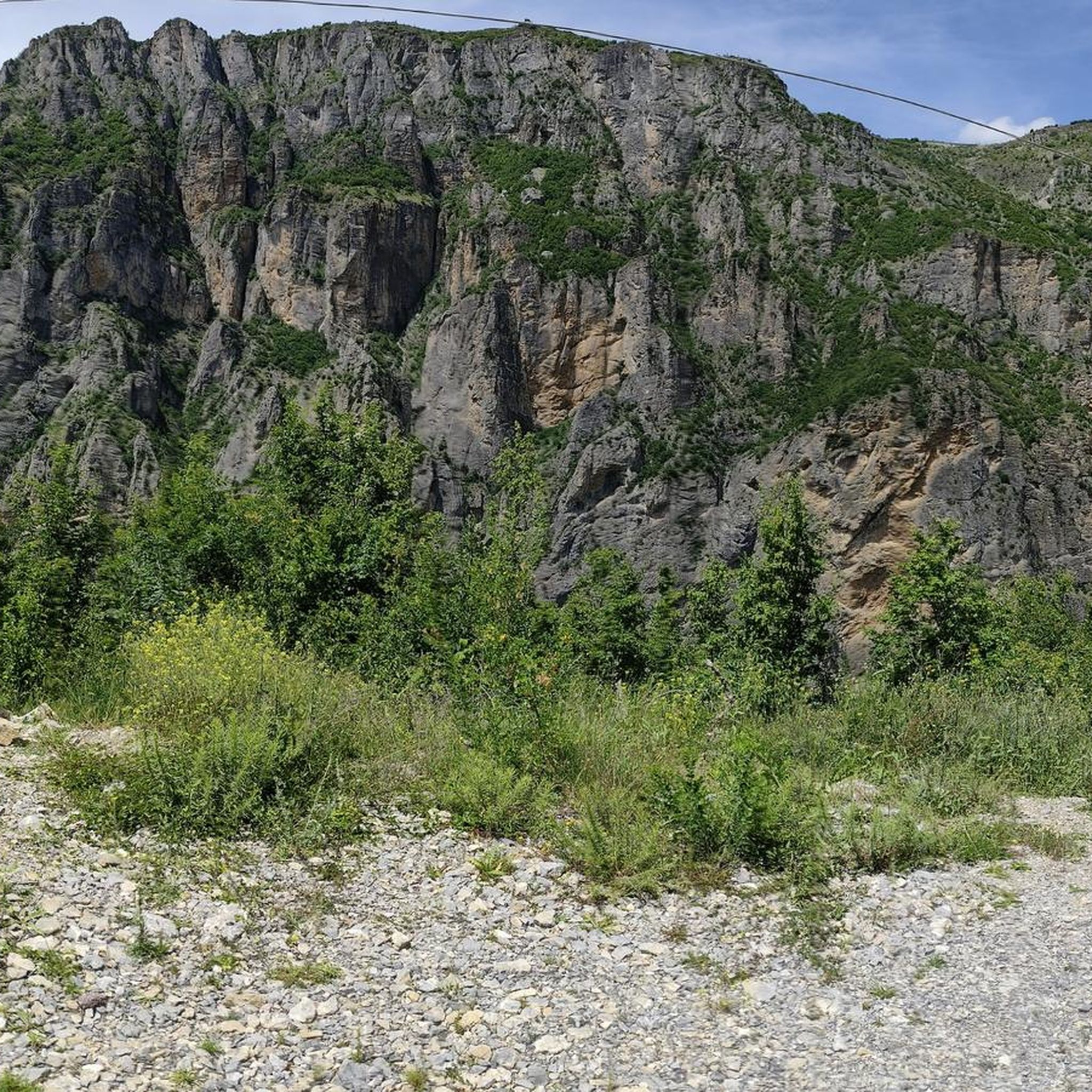
Other adventures in Kukës

Tips from the Community

Here you will find many great opportunities for hiking 🥾
0
0

Jezerca (Albanian: Maja e Jezercës; Serbian: Језерски Врх Jezerski Vrh), at 2,694 m above sea level, is considered the highest mountain entirely located in Albania and the highest peak in the Northern Albanian Alps. Not an easy climb. The trail is fairly well marked (red and white), including cairns. It winds its way through the valley to the foot of Jezerca (also over small snowfields), and then climbs mostly in and alongside a gully (with a snowfield). It winds skillfully over several steps in the limestone, also over small scree fields. Hands and feet are often needed for climbing, and poles are also helpful. The ascent is approximately 600 m.
1
0

The highest peak in Montenegro. When you're there, you can really enjoy the view and the nature. In my case, there weren't many people on the way and it was quiet. I don't find the route strenuous. Only the last hour requires a bit of climbing and walking on steep rocks. In wet weather, there are places that could be slippery and dangerous.
7
0

Here the Peaks of the Balkans briefly crosses the border from Albania to Montenegro before going straight back to Albania
1
0
Of course you can also fill up your water here, but it is much more convenient to do so a few meters earlier directly at the hut after the climb from Cerem
1
0

The warm-up walk follows a crystal-clear stream through ancient beech forests sprinkled with the sweetest wild strawberries. On the way, the brave take a swim break at the ice-cold river or at a secluded pond. The rugged peaks towering high above you make you want to hike into the highlands tomorrow. Tonight we enjoy a delicious, hearty dinner.
2
0

Sweaty ascent from Doberdol. From here it's more relaxed - if there isn't still a lot of snow on the mountain flanks in spring. The view in all directions is awesome!
0
0

There was still some snow on May 20th 2023 but it was safe enough to come here
1
0
Frequently Asked Questions
What natural features define the Kukës region's monuments?
The Kukës region is characterized by impressive mountain ranges, deep valleys, and pristine water bodies. You'll find diverse ecosystems, from pine and white spruce forests to deep gorges and rock faces. Notable features include glacial lakes like Lake Grama, dramatic canyons such as the "Shkallë e Keqe" Canyon, and significant karst formations within areas like Valbona Valley National Park.
What kind of wildlife can be found in the natural monuments of Kukës?
The natural monuments in Kukës are havens for diverse wildlife. In Korab-Koritnik Nature Park and Valbona Valley National Park, you might encounter large mammals like brown bears, grey wolves, and the rare Balkan lynx. The parks are also home to various bird species, including golden eagles and peregrine falcons.
Are there challenging trails for experienced hikers in Kukës?
Yes, the Kukës region offers several challenging trails. For instance, the ascent to Zla Kolata (2,534 m) is considered challenging. The Valbona Pass trailhead to Theth is another demanding route, as is the Peaks of the Balkans border crossing: Albania–Montenegro, which offers expansive views after a strenuous climb.
What hiking opportunities are available near Kukës' natural monuments?
The region is a paradise for hikers. You can explore trails within Valbona Valley National Park, including sections of the famous Valbona-Theth route. For more specific hiking options, consider guides like Hiking in Kukës, which features routes like the 'View of the Valbona Valley' loop. There are also Waterfall hikes in Kukës, such as the 'Grunas Waterfall – Theth Canyon loop'.
Are there family-friendly natural monuments in Kukës?
While many natural monuments involve hiking, some offer more accessible experiences. The Spring by the Simoni Bar is noted as family-friendly. Valbona Valley National Park also has areas suitable for families, with opportunities to enjoy clear rivers and lush forests. When planning, look for trails marked as 'intermediate' or 'easy' for family outings.
What is the best time to visit the natural monuments in Kukës?
The best time to visit the natural monuments in Kukës is generally from late spring to early autumn (May to October). During these months, the weather is milder, trails are more accessible, and the landscapes are vibrant. Winter can be challenging due to snow, especially in higher mountain areas like Korab-Koritnik Nature Park and Valbona Valley National Park, though it offers a unique, serene beauty for experienced winter adventurers.
Are there places to get food or supplies near the natural monuments?
Yes, particularly in more visited areas. For example, within Valbona Valley National Park, you'll find several possibilities to strengthen yourself, including minimarkets and restaurants. Some highlights, like the Spring by the Simoni Bar, also offer amenities nearby.
What are some of the highest peaks or most prominent mountains in the Kukës region?
The Kukës region is home to impressive peaks. Mount Korab, at 2,764 meters, is the highest peak in both Albania and North Macedonia, located within Korab-Koritnik Nature Park. Other prominent mountains include Koritnik Mountain (2,393 meters) and Gjallica Mountain (approximately 2,489 meters), which offers stunning panoramic views of the city of Kukës.
Can I find water sources along trails in the natural monuments?
Yes, natural water sources are available in many areas. For instance, there is a designated Water source in Valbona Valley National Park. Exploring cold water springs is also a feature of Korab-Koritnik Nature Park. However, it's always advisable to carry sufficient water and purify any natural sources before drinking.
What other outdoor activities can I do besides hiking near Kukës' natural monuments?
Beyond hiking, the Kukës region offers opportunities for mountain biking. You can find various MTB trails, such as those listed in the MTB Trails in Kukës guide, including routes like 'Trail to Blue Eye – Thethi Church loop'. Lake Fierza also provides opportunities for boat tours and scenic exploration.
Are there any unique geological formations to explore in Kukës?
Absolutely. The "Shkallë e Keqe" (Bad Stairs) Canyon near Bicaj is a unique natural monument, boasting an impressive depth of 1,000 meters and a width of just 3 meters. The Shishtavec area also features the "Morning Stone," a massive rock and sandstone formation. Additionally, Valbona Valley National Park showcases significant karst features due to its limestone and dolomite rocks.
What do visitors enjoy most about the natural monuments in Kukës?
Visitors frequently praise the stunning alpine landscapes, untouched wilderness, and the sense of solitude. The panoramic views from high points like Gjallica Mountain and the Albania–Montenegro Border Pass (Lumi Gashit) are highly appreciated. The crystal-clear rivers and lush forests of Valbona Valley National Park also leave a lasting impression, offering a true escape into nature.
Most popular attractions in Kukës

Get inspired with the komoot mobile app


Didn’t find what you were looking for?
Find even more amazing natural monuments in Kukës by checking out the top Highlights region by region:
Explore more
Extend your search for the best caves by checking out these guides of the top ones in Kukës:
