Top 20 Natural Monuments in Lancashire
Best natural monuments in Lancashire showcase a diverse array of ecological and geological wonders across its varied landscapes. This county in northwest England features expansive moorland, ancient woodlands, and significant geological formations. The region's natural heritage includes dramatic fells, tranquil valleys, and important wildlife habitats, offering a range of outdoor experiences and notable landmarks.
Best natural monuments in Lancashire
- The most popular natural monuments is Nicky Nook Summit, a summit and viewpoint that offers panoramic views of the surrounding…
Last updated: August 20, 2026
Pendle Hill summit trig point
Highlight • Summit
Tip by

Clougha Pike
Highlight • Summit
Tip by

Sign up now to discover places like this
Get recommendations on the best single tracks, peaks, & plenty of other exciting outdoor places.
Sign up for free
Confluence of the Rivers Calder and Ribble
Highlight • Natural Monument
Tip by

The Singing Ringing Tree
Highlight • Monument
Tip by

Nicky Nook Summit
Highlight • Viewpoint
Tip by

Birkacre Weir
Highlight • Natural Monument
Tip by
Noon Hill Bronze Age burial cairn
Highlight • Natural Monument
Tip by

Thithaven Lake (Italian Lake)
Highlight • Viewpoint
Tip by

Hawes Water
Highlight • Lake
Tip by

Warton Crag Road Climb
Highlight • Natural Monument
It's managed by the Wildlife Trust due to the important habitat for …
Tip by
Sign up for free to discover even more natural monuments in Lancashire.
Sign up for free
Already have an account?
Start today with a free account
Your next adventure awaits.
Login or Signup
Popular around Lancashire

Supporting the National Three Peaks FKT in true Green Runners’ Style
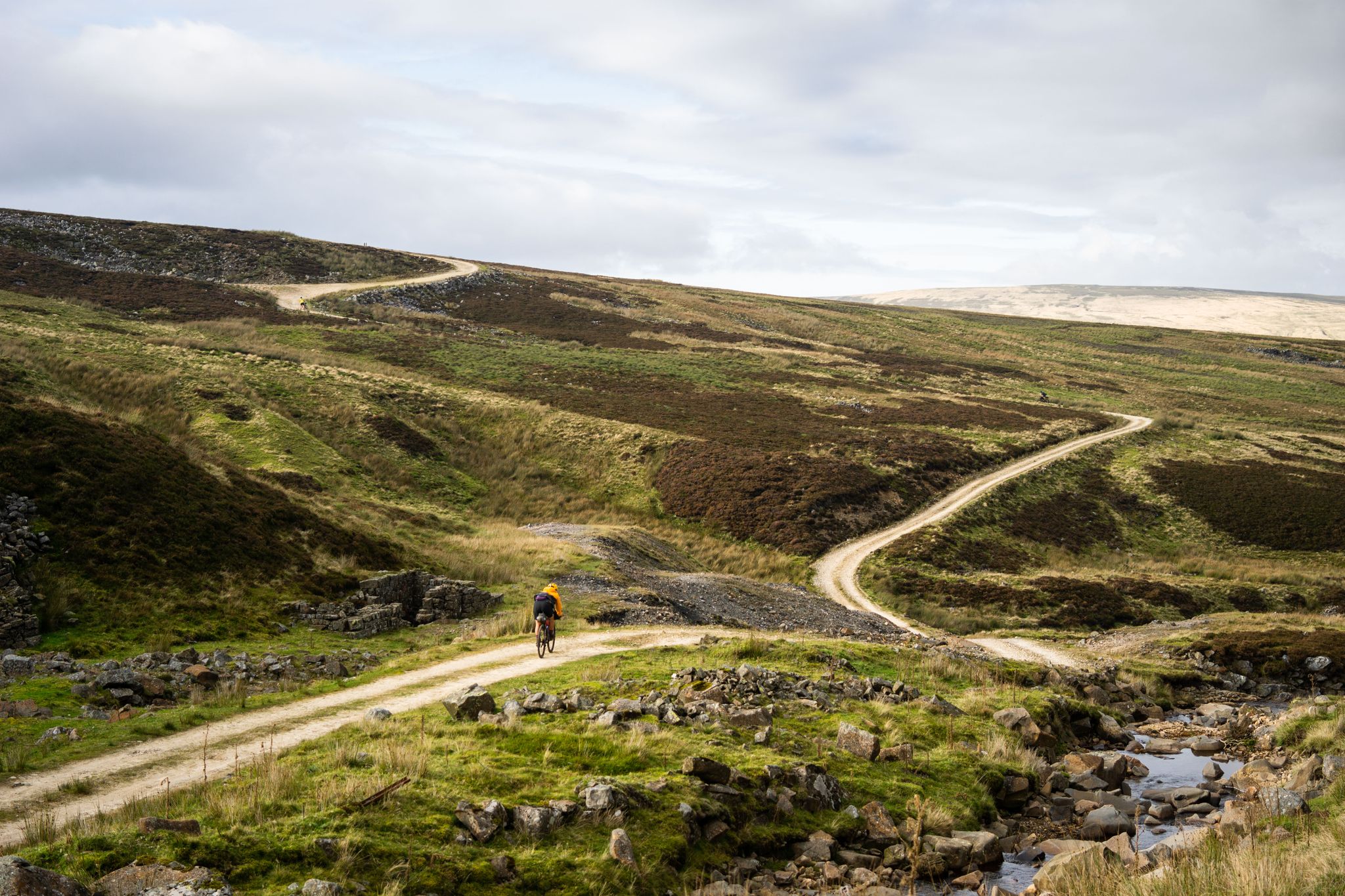
Second City Divide — Rough Stuff Of The North
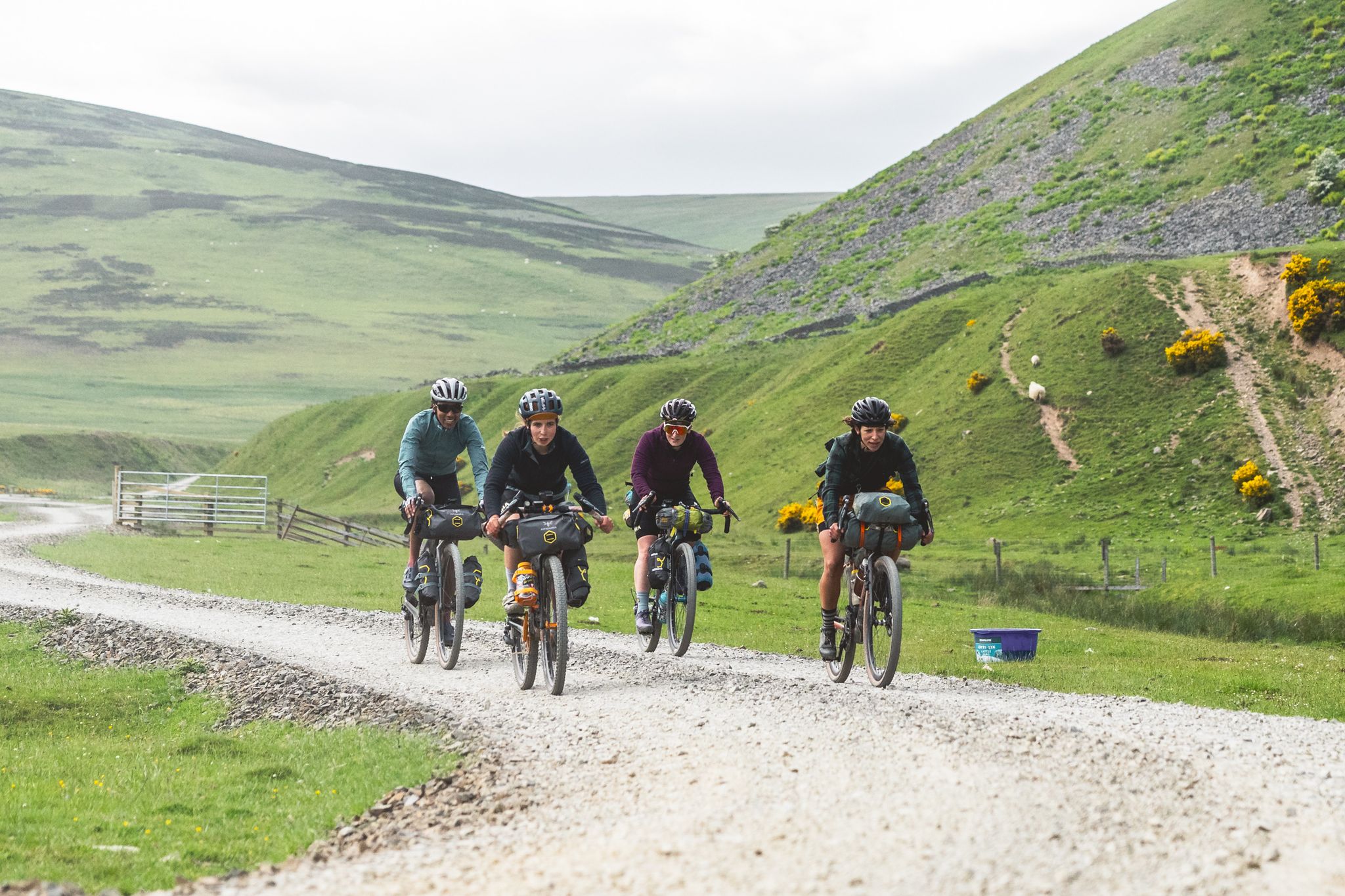
The Pennine Rally — Bikepacking Edinburgh to Manchester
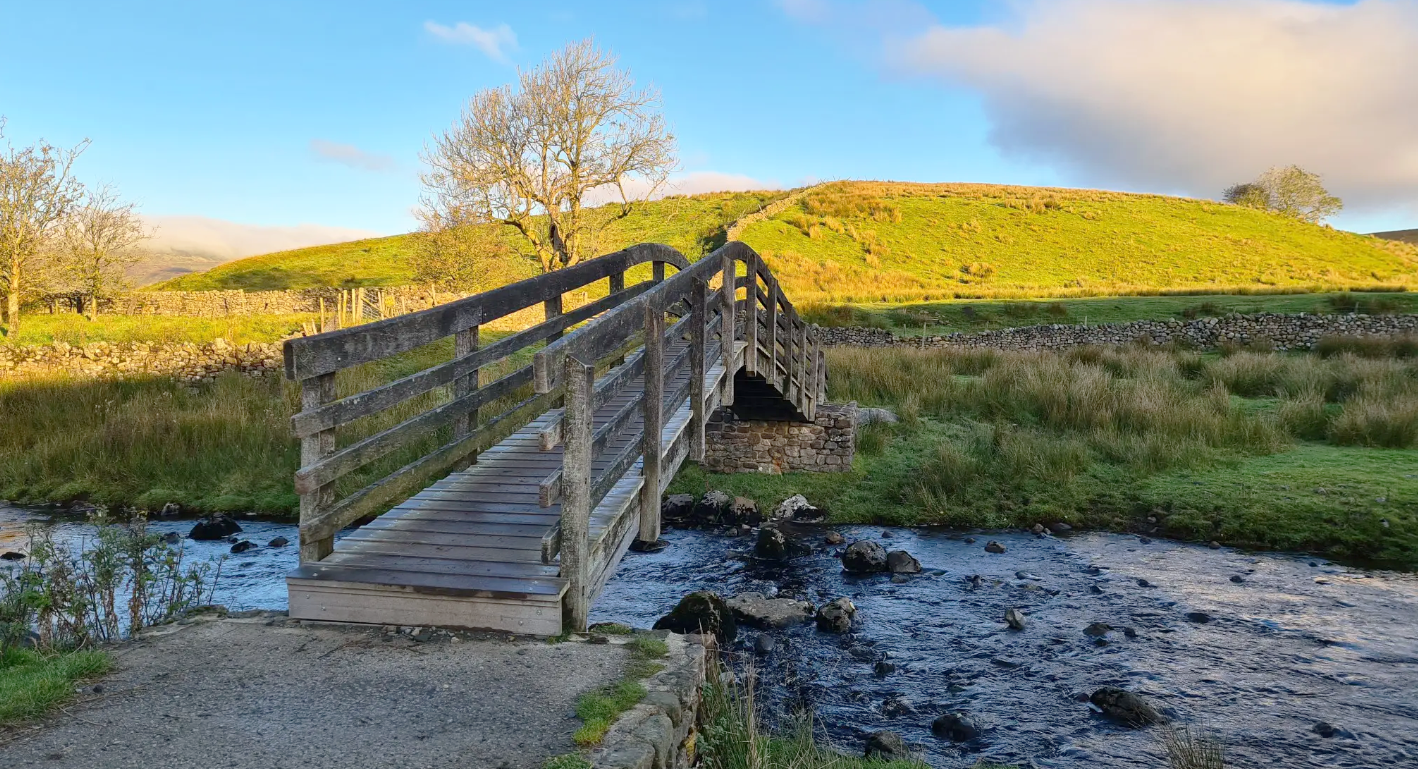
Ribble Way — A remarkable river ramble into the heart of the Dales
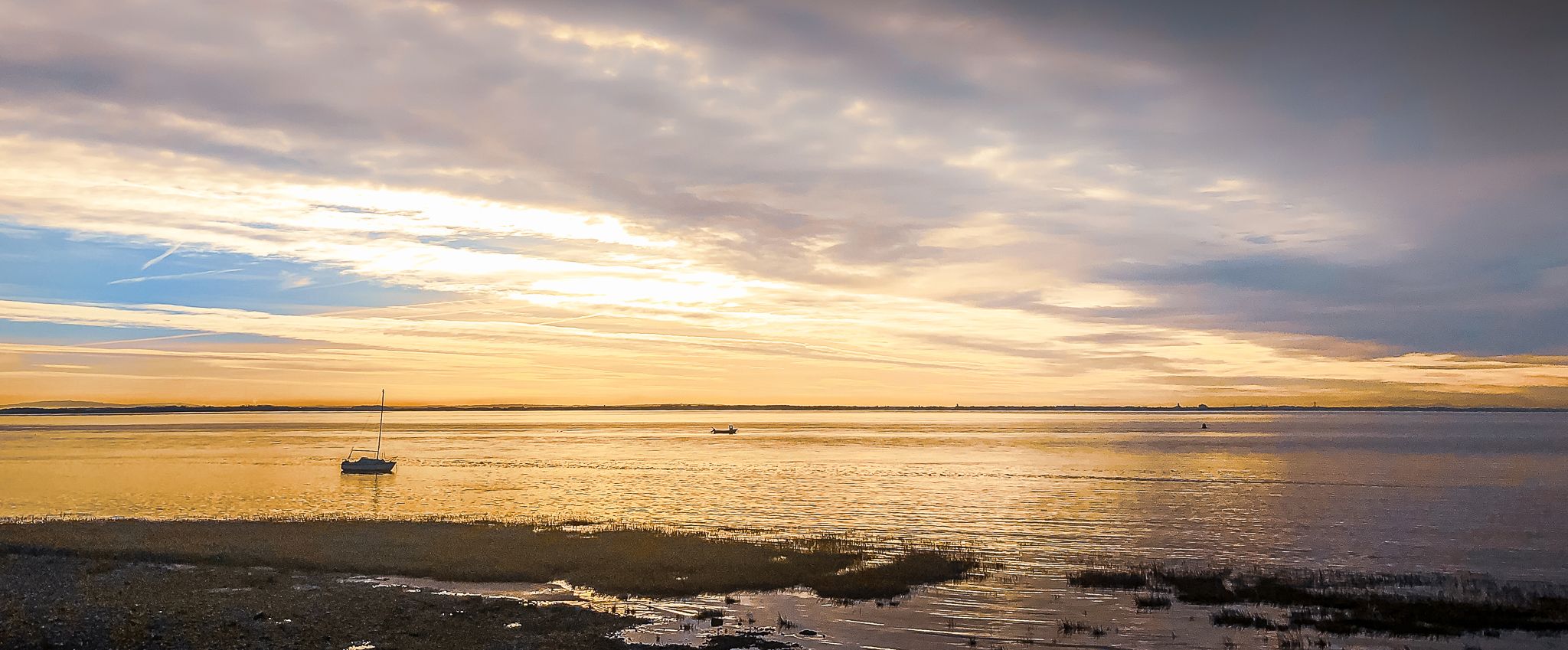
Lancashire Coastal Way — Hike amidst scenic gold and wildlife treasures
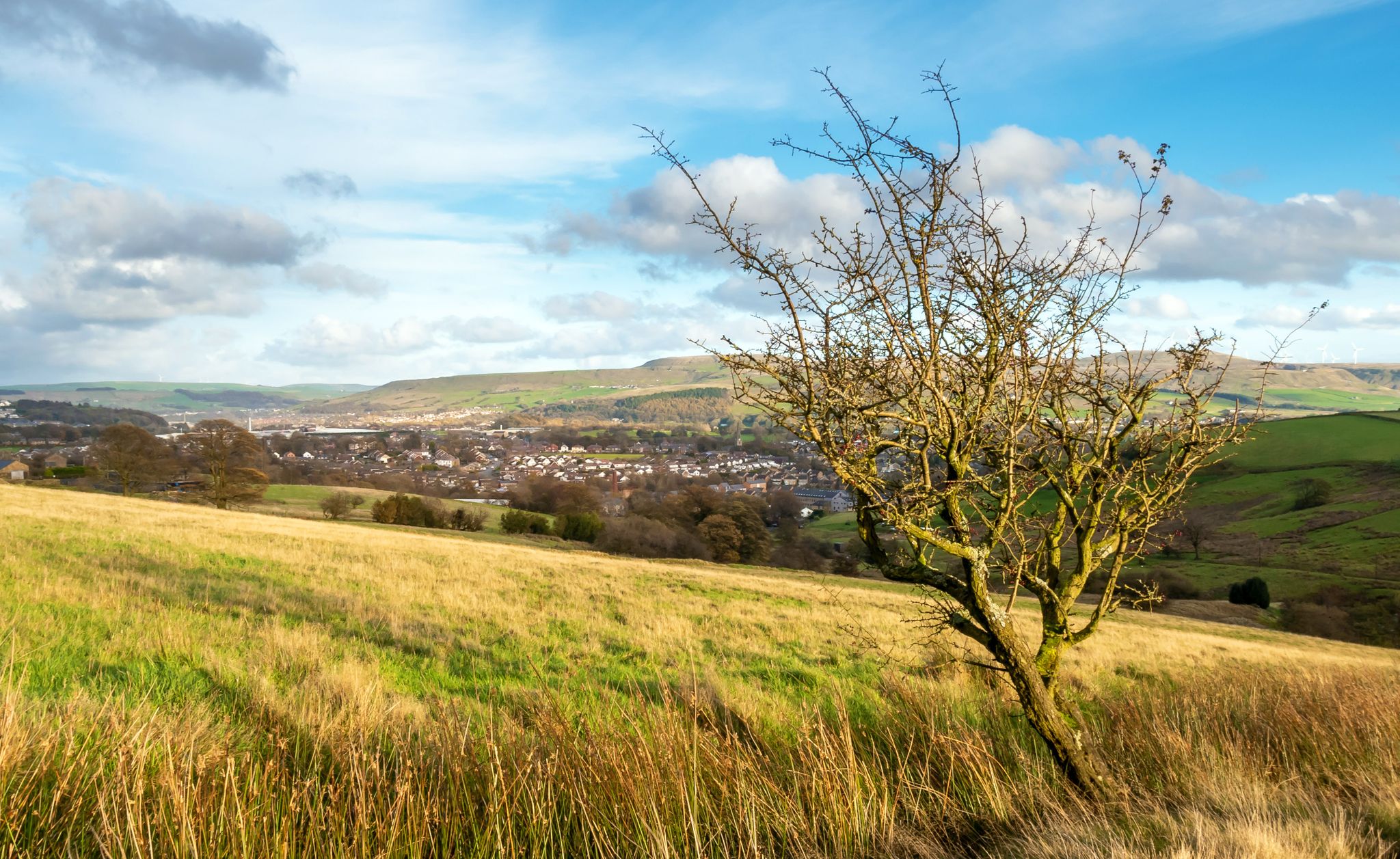
Hiking the Rossendale Way — An accessible adventure on magnificent moorland
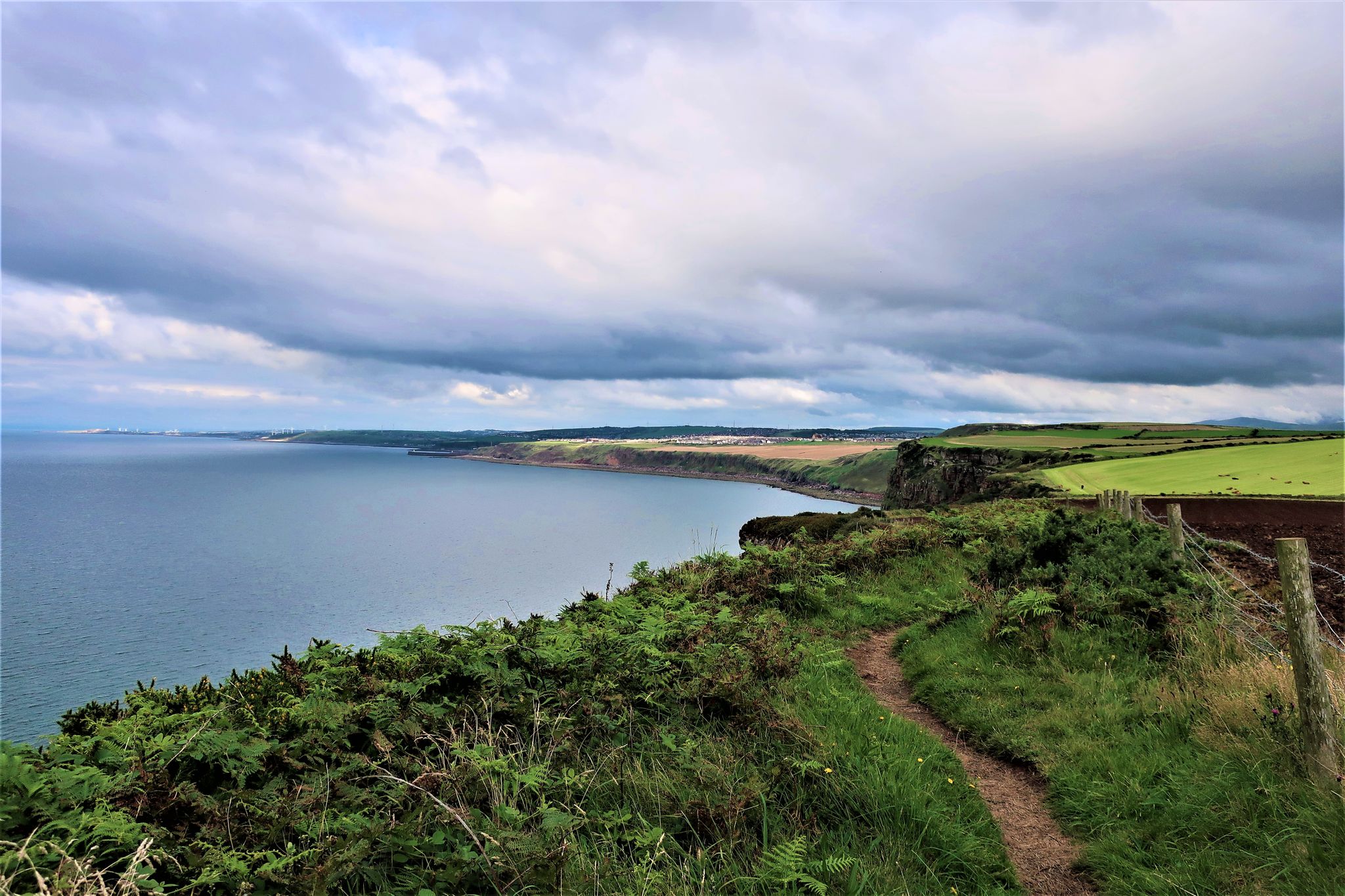
The Cumbria Coastal Way — Hike vibrant estuaries and historic coastline
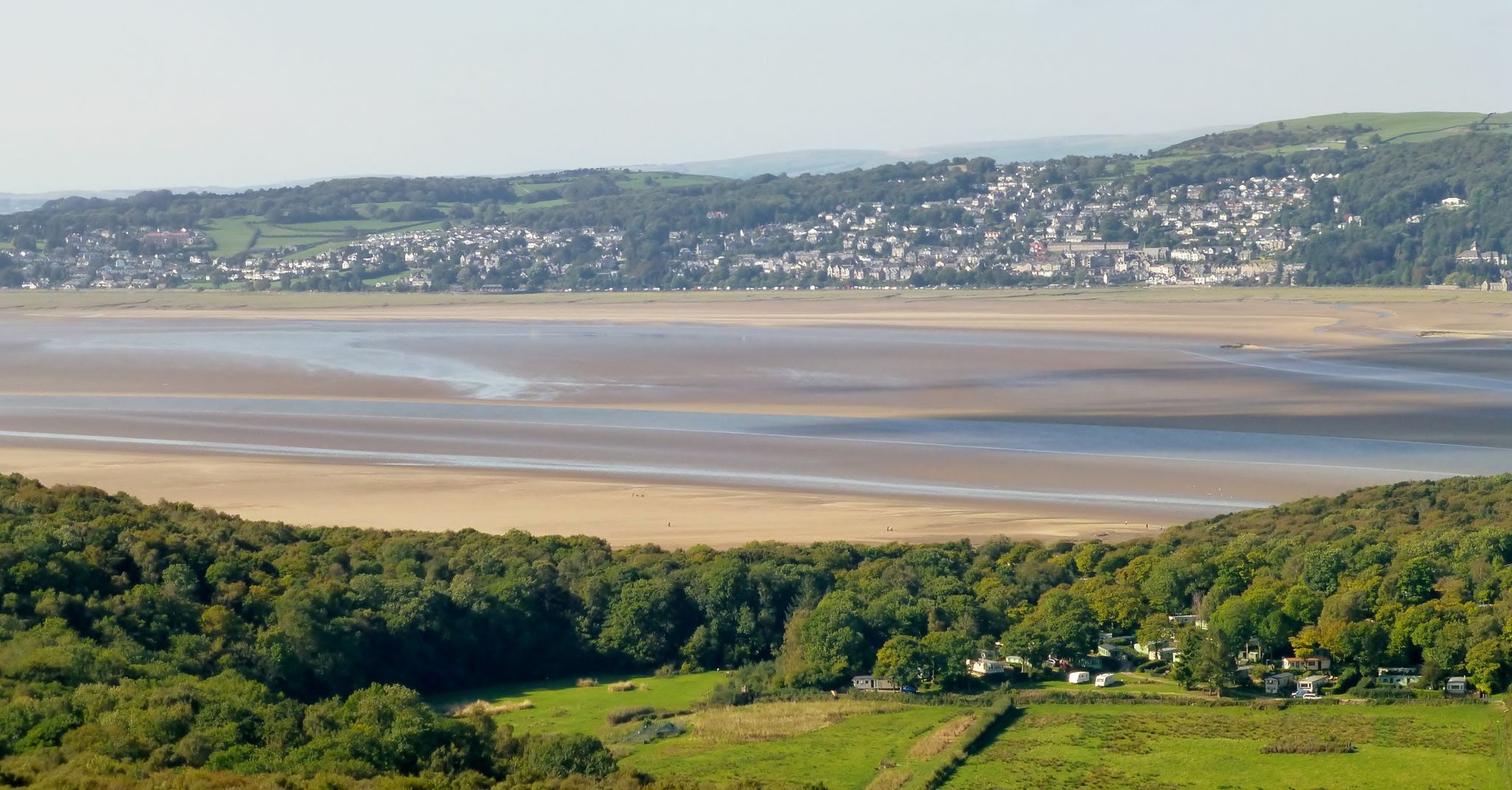
Bay Cycle Way – The perfect ride for first-time adventurers
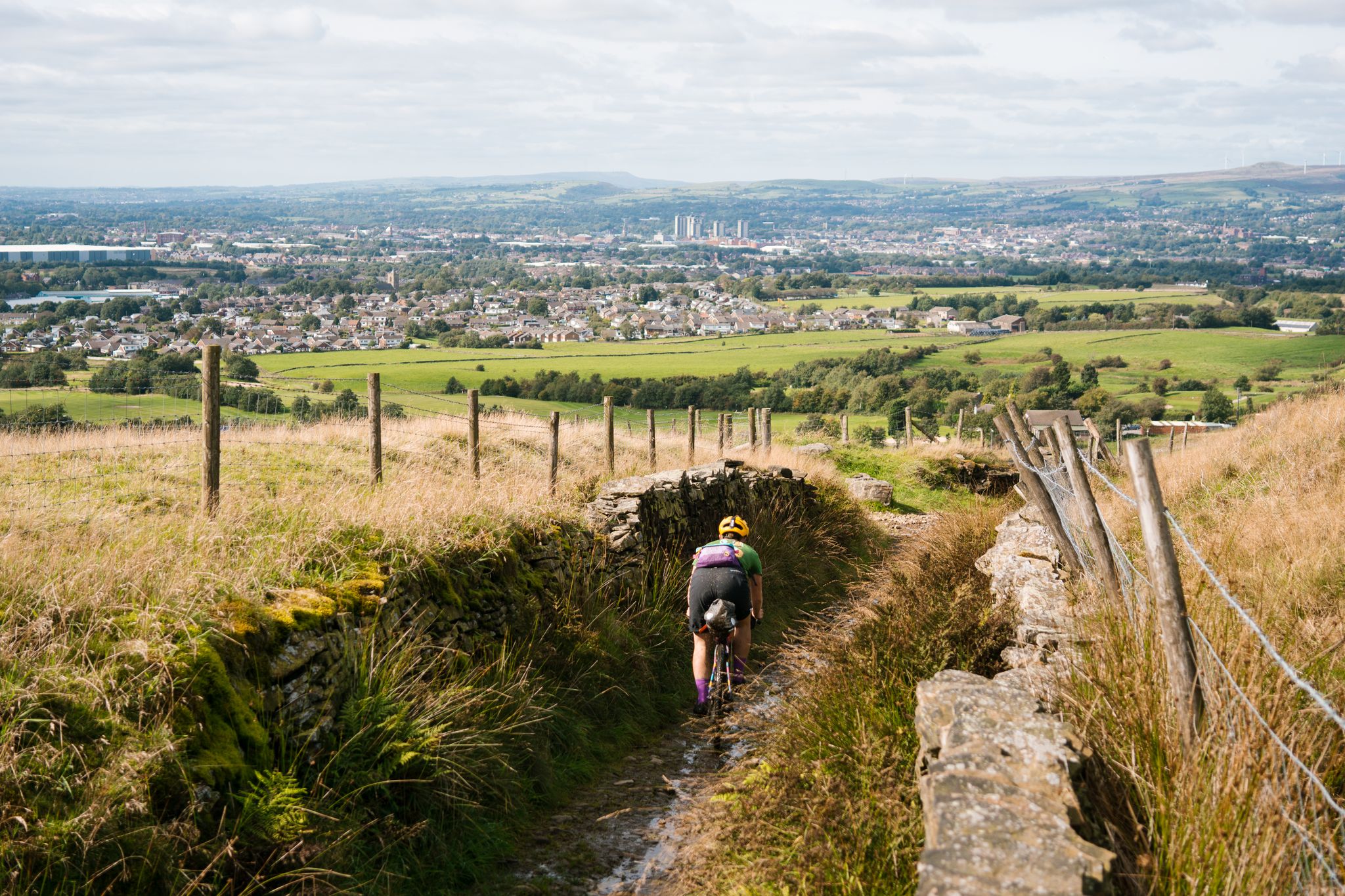
The Pennine Bridleway — Climbing the 'backbone of England'
Lancashire Cycleway loop – From the countryside to the coast
Other adventures in Lancashire


Tips from the Community


Apparently fish jump up the weir but despite living here over 15yr I've yet to see this
0
0

stunning views, very quiet and peaceful walk. would recommend good shoes especially for the downhill spell.
0
0

any age can do this walk, was a really nice most flat, very enjoyable and had lunch in pub at end great day in all
0
0

Many sacred and secular monuments that hikers pass on their journeys are of a venerable age. Often they were erected generations ago, some even centuries ago. Here, however, we encounter a very modern sound sculpture from this century. Although from a distance, one initially only gets a visual impression of the prominently located installation, the acoustic effect becomes apparent upon approach. The wind transforms the assembled steel pipes into a sound installation.
0
0

Don't forget that it's always windy on top.
1
0


An amazing area even when covered in snow
0
0
Frequently Asked Questions
What are some of the most popular natural monuments in Lancashire?
Visitors frequently enjoy the panoramic views from Nicky Nook Summit, which offers vistas across the Forest of Bowland, the Lake District, and Morecambe Bay. Another highly rated spot is Clougha Pike, a summit with a trig point at 413 meters, providing views out to sea, over Lancaster, and towards the Lake District.
Are there family-friendly natural monuments in Lancashire?
Yes, several natural monuments are suitable for families. The Confluence of the Rivers Calder and Ribble is a great spot, offering a chance to see where two major rivers meet. Additionally, Hawes Water provides a pleasant lake environment for family outings.
What kind of outdoor activities can I do near Lancashire's natural monuments?
Lancashire's natural monuments are surrounded by opportunities for various outdoor activities. You can find numerous trails for running, hiking, and mountain biking. For instance, explore the Running Trails in Lancashire, or embark on a longer adventure with the Hiking in Lancashire guide. Mountain biking enthusiasts can check out the MTB Trails in Lancashire.
What unique natural landmarks can I find in Lancashire?
Beyond the well-known hills, Lancashire features unique natural landmarks like Noon Hill Bronze Age burial cairn, which combines natural elevation with historical significance. Another interesting spot is Thithaven Lake (Italian Lake), offering a scenic viewpoint and historical context.
What is the best time to visit natural monuments in Lancashire?
The best time to visit Lancashire's natural monuments generally depends on your preferred activity. Spring and summer offer pleasant weather for walking and enjoying the vibrant flora, while autumn brings stunning foliage. Winter can be beautiful for crisp walks, but some higher or more exposed areas like Pendle Hill might require appropriate gear due to colder conditions.
Are there any natural monuments with historical significance in Lancashire?
Yes, Lancashire's natural landscape is often intertwined with history. Pendle Hill, for example, is not only a prominent geological feature but is also famously associated with the 17th-century witch trials. Its gritstone summit offers panoramic views across the Forest of Bowland and the Ribble Valley.
Where can I observe wildlife near natural monuments in Lancashire?
Many natural monuments in Lancashire are excellent for wildlife observation. The Forest of Bowland is home to significant wildlife, including rare birds. Arnside and Silverdale AONB is ideal for nature enthusiasts, particularly for birdwatching at Leighton Moss. The Ribble Estuary, feeding into Morecambe Bay, is an internationally important site for overwintering birds, and you might spot Goosanders near the Confluence of the Rivers Calder and Ribble in winter months.
What are some less crowded natural monuments or hidden gems in Lancashire?
While popular spots attract many, areas like Warton Crag offer a beautiful place for exploration, particularly for those interested in geology, botany, and entomology, given its unique limestone habitats and diverse insect life. The Warton Crag Road Climb provides a specific route to experience this area.
What kind of geological features can be explored in Lancashire?
Lancashire boasts diverse geological features. Pendle Hill's geology is linked to the Carboniferous period with its gritstone summit. Warton Crag is known for its towering limestone cliffs. Further north, Leck Fell, part of the Three Counties System, is a limestone moorland harboring extensive cave systems, making it a prime location for cavers and those interested in karst landscapes.
Are there any natural monuments that are also man-made structures?
Yes, some sites blend natural and man-made elements. The Singing Ringing Tree is a unique wind-powered sound sculpture resembling a tree, set within the natural landscape overlooking Burnley. Another example is Birkacre Weir, which is a man-made structure within a natural river setting, offering a scenic spot.
Most popular routes in Lancashire
Most popular attractions in Lancashire

Get inspired with the komoot mobile app


Didn’t find what you were looking for?
Find even more amazing natural monuments in Lancashire by checking out the top Highlights region by region:
Explore more
Extend your search for the best caves by checking out these guides of the top ones in Lancashire:
