Top 20 Natural Monuments in the Shetland Islands
Best natural monuments in the Shetland Islands feature a dramatic and diverse natural landscape. This remote archipelago in northern Scotland is known for its geological formations, abundant wildlife, and unique ecosystems. The region offers a wealth of impressive natural monuments, making it a destination for nature enthusiasts. These sites provide insight into the Earth's geological history and support significant seabird colonies.
Best natural monuments in the Shetland Islands
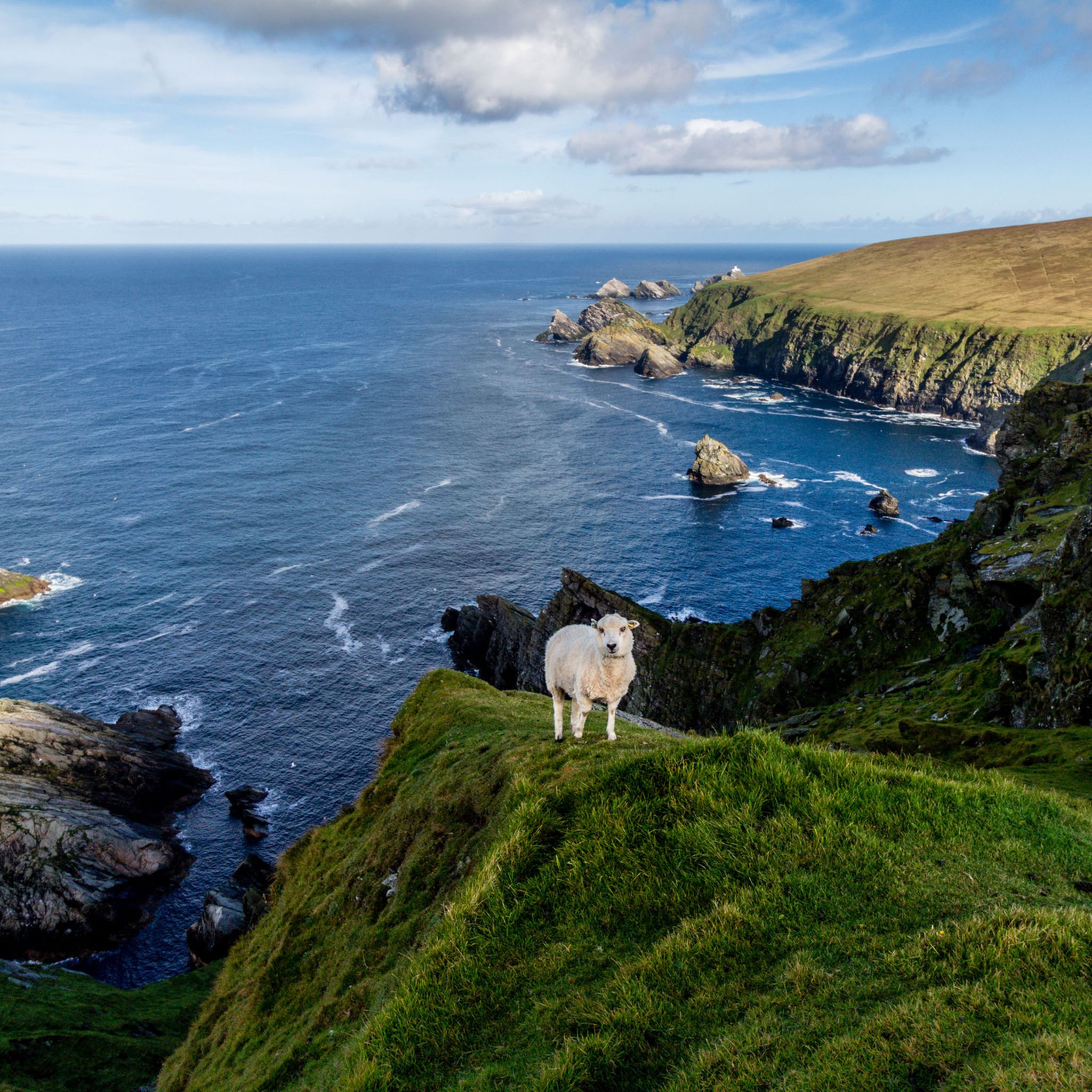
- The most popular natural monuments is View of Hermaness Cliffs and Sea Stacks, a viewpoint that offers dramatic clifftop scenery. This National Nature Reserve is a bird paradise with over 100,000 seabirds, including gannets and puffins, nesting on the wild sea cliffs.
- Another must-see spot is Calder's Geo, a gorge in the Esha Ness cliffs. A cave within this geo is believed to house the largest natural cave chamber in the UK, accessible by watercraft during calm seas.
- Visitors also love Muckle Flugga Lighthouse and Sea Stacks, a natural monument featuring sea stacks, sea arches, and a small island. This area is dotted with puffin burrows and fulmar nests, offering epic scenery and abundant nesting birds.
- Shetland Islands is known for its sea cliffs, sea stacks, and unique geological formations. Visitors can explore a variety of natural monuments, from dramatic coastal features to significant seabird breeding grounds.
- The natural monuments in the Shetland Islands are appreciated by the komoot community, with 27 upvotes and 21 photos shared by users.
Last updated: July 10, 2026
Sumburgh Head Lighthouse
Highlight • Viewpoint
Translated by Google •
Tip by

Esha Ness Lighthouse
Highlight • Viewpoint
Tip by

Sign up now to discover places like this
Get recommendations on the best single tracks, peaks, & plenty of other exciting outdoor places.
Sign up for free
Holes of Scraada
Highlight • Natural Monument
This narrow opening approximately 100 metres from end to end, descends to a beach to which the sea flows, through a tunnel in the cliff.
Tip by

View of Hermaness Cliffs and Sea Stacks
Highlight • Viewpoint
Tip by

Loch of Tingwall and Law Ting Holm
Highlight • Lake
The Law Ting Holm is a promontory at the north end of the loch, it used to be an island accessible by causeway, but the water level was lowered in the 1850's which connected it to the mainland. This was the site of Shetlands earliest parliament.
Tip by

Calder's Geo
Highlight • Gorge
Tip by
Muckle Flugga Lighthouse and Sea Stacks
Highlight • Natural Monument
Tip by
Mousa Nature Reserve Entrance
Highlight • Trail
Translated by Google •
Tip by

The Drongs Sea Stacks
Highlight • Viewpoint
Tip by
Mavis Grind Isthmus
Highlight • Natural Monument
Tip by

Sign up for free to discover even more natural monuments in the Shetland Islands.
Sign up for free
Already have an account?
Start today with a free account
Your next adventure awaits.
Login or Signup


Tips from the Community

The view of the cliffs from here is simply beautiful.
0
0

Visit the lighthouse museum. Includes an early radar station and explains its pivotal role in WW2.
0
0
Plus a small cafe open some days. Thursday to Monday 10-1700 in 2025. Amazing views and fascinating museum
0
0

Located right next to the lighthouse to the north
0
0
Here you can clearly see the power of the sea
0
0
A must on a Shetland tour, great views with beautiful lake with Viking remains along the coast
0
0
Nice museum - the Gulf Stream is explained here
0
0
Worth it - the rocks of the north and the birds
0
0
Frequently Asked Questions
What kind of natural features can I expect to see in the Shetland Islands?
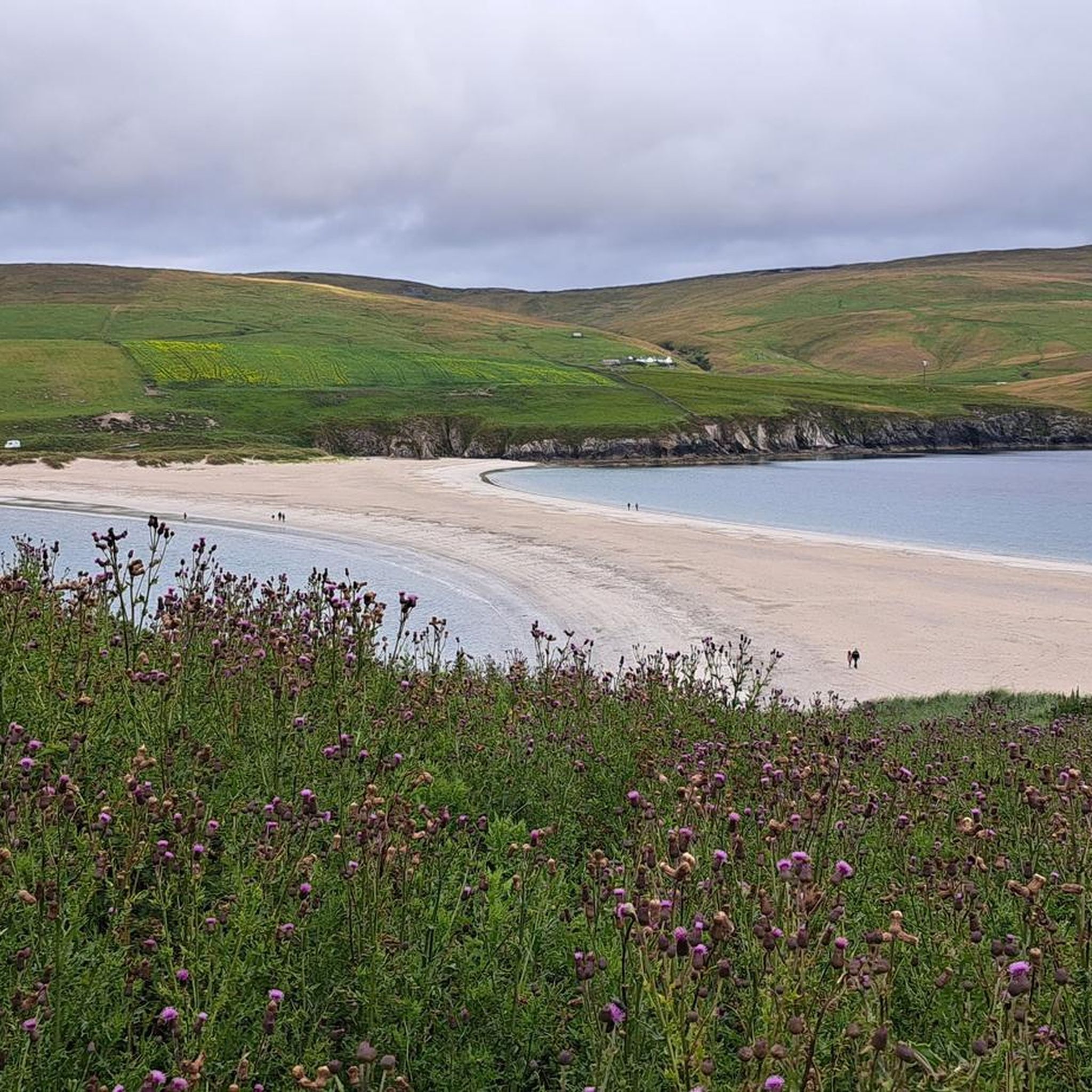
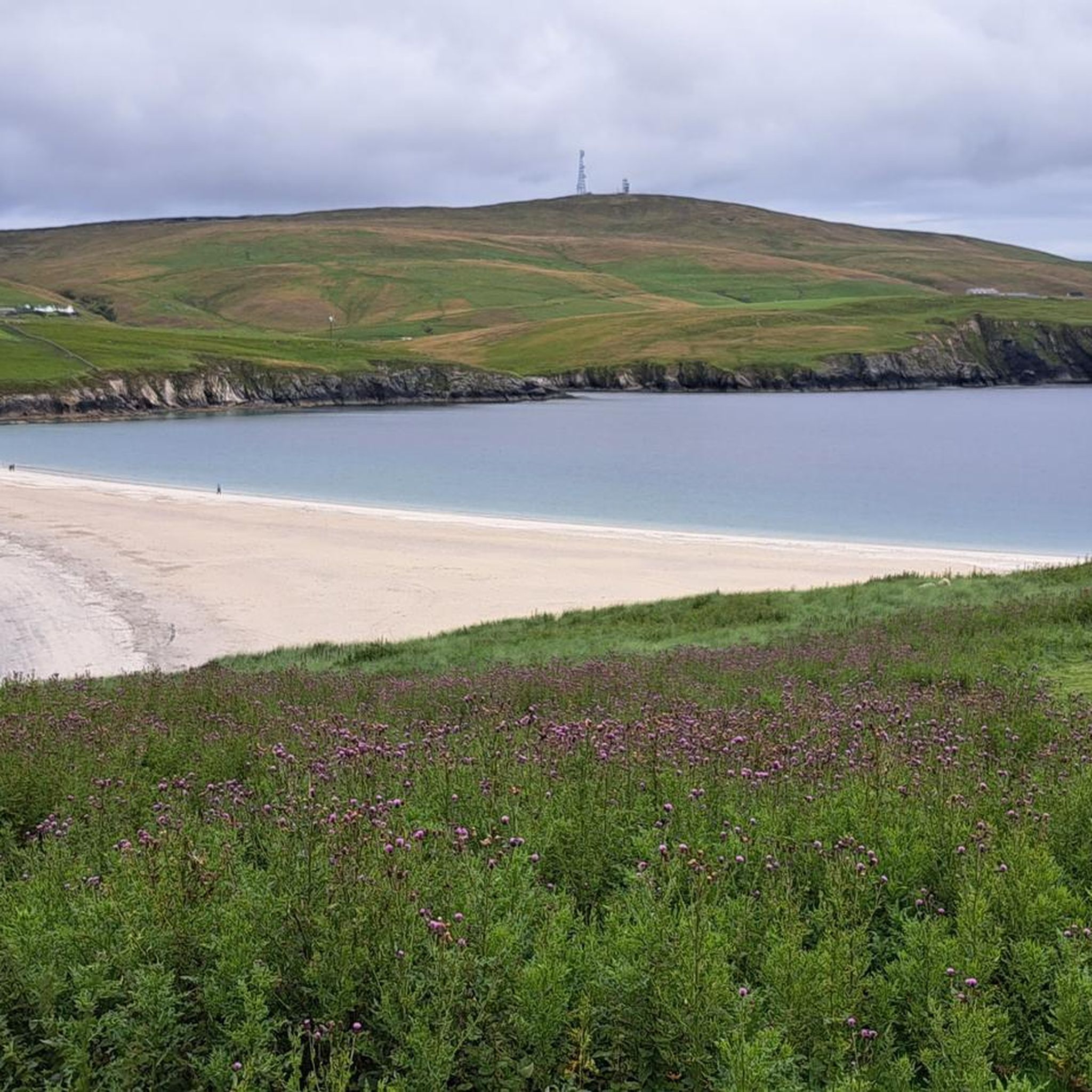
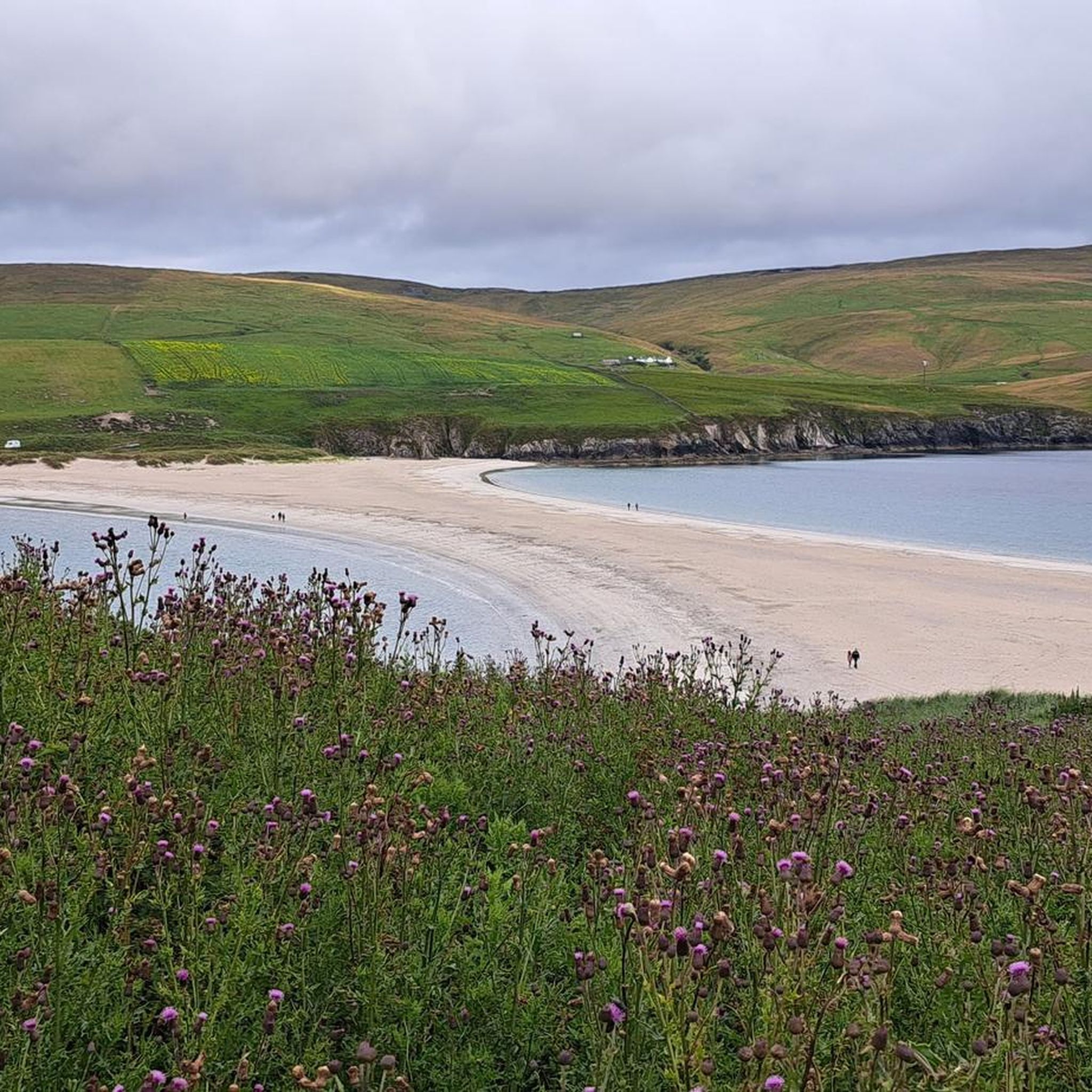
The Shetland Islands are renowned for their dramatic coastal features, including towering sea cliffs, impressive sea stacks, and unique geological formations. You'll find volcanic geology at places like the Eshaness Cliffs, and fascinating formations such as the Holes of Scraada, where a narrow opening descends to a beach through a cliff tunnel. The region also boasts the UK's largest active tombolo at St Ninian's Isle, connecting the island to the mainland with a curving sand and shell beach.
Where can I observe abundant seabird colonies in the Shetland Islands?
The Shetland Islands are a paradise for seabird enthusiasts. View of Hermaness Cliffs and Sea Stacks, part of the Hermaness National Nature Reserve, is home to over 100,000 seabirds, including gannets and puffins. Similarly, Sumburgh Head is a prominent headland where you can get close to puffins and other nesting seabirds, especially at the Puffin Colony at Sumburgh Head. The uninhabited island of Noss, a National Nature Reserve, also hosts tens of thousands of gannets, guillemots, and fulmars.
Are there any family-friendly natural attractions in the Shetland Islands?
Yes, several natural monuments are suitable for families. The Sumburgh Head Lighthouse area offers dramatic views and opportunities to see puffins, which is often a hit with children. The Loch of Tingwall and Law Ting Holm provides a more tranquil setting with historical significance. Additionally, the Mavis Grind Isthmus is an easily accessible natural monument where you can see the sea on both sides of a narrow strip of land.
What is the best time of year to visit the natural monuments in the Shetland Islands?
The best time to visit is generally during the spring and summer months, from May to August. This period offers milder weather, longer daylight hours, and the best opportunities for wildlife spotting, especially seabirds like puffins, which are present for nesting. The dramatic coastal scenery is also more accessible and enjoyable during these months.
What outdoor activities can I do near the natural monuments?
The Shetland Islands offer a variety of outdoor activities. You can explore numerous walking and hiking trails, often leading to stunning viewpoints. For cycling enthusiasts, there are many routes available, including challenging ones like the 'North Sea Cycle Route: Shetland Mainland Loop'. You can find more information on cycling routes in the Cycling in the Shetland Islands guide or specific road cycling routes in the Road Cycling Routes in the Shetland Islands guide. Running trails are also popular, with options like the 'Lerwick and Clickimin Loch loop' detailed in the Running Trails in the Shetland Islands guide.
Are there any notable lighthouses associated with natural monuments?
Yes, lighthouses often mark prominent natural features in the Shetland Islands. The Esha Ness Lighthouse stands proudly on high sea cliffs, offering fine views of the dramatic coastline. Further north, the Muckle Flugga Lighthouse and Sea Stacks is an iconic landmark surrounded by sea stacks and arches, providing epic scenery and abundant nesting birds.
What kind of terrain and elevation can I expect on trails around Shetland's natural monuments?
The terrain around Shetland's natural monuments is often rugged and varied. Coastal paths can involve clifftop walks with significant drops, while inland areas like Ronas Hill, the highest point in Shetland, feature peatland and heather moorland. Expect exposed conditions, especially near the coast, and be prepared for uneven surfaces. Some trails, like those around Calder's Geo, can be challenging.
What do visitors enjoy most about the natural monuments in the Shetland Islands?
Visitors consistently praise the dramatic clifftop scenery and the abundance of seabirds. The sounds and sights of places like Hermaness, with thousands of gannets gliding past and puffins waddling from their burrows, create a truly immersive experience. The raw power of the sea, evident in the geological formations, also leaves a lasting impression. Many appreciate the remote and wild feel of the islands, offering a unique connection to nature.
Is it possible to find cafes or accommodation near the natural monuments?
While many natural monuments are in remote locations, some do have facilities nearby. For instance, the former lighthouse keeper's cottage at Esha Ness Lighthouse is now available as holiday accommodation. Sumburgh Head also features a cafe. For broader options, you'll find more cafes, pubs, and accommodation in the larger settlements like Lerwick or near more accessible natural sites. It's advisable to check specific locations in advance, especially in more isolated areas.
Are there any natural monuments that showcase ancient geological history?
Absolutely. The Eshaness Cliffs, for example, offer a breathtaking display of volcanic geology and provide unique insight into the Earth's geological history, with some of Britain's oldest rocks visible. Ronas Hill, the highest point in Shetland, is characterized by igneous intrusive rock, showcasing a different aspect of the islands' ancient geological past.
What should I wear when hiking around the cliffs and natural monuments?
Given the often exposed and unpredictable weather in the Shetland Islands, it's crucial to dress in layers. Waterproof and windproof outer layers are essential, even in summer. Sturdy, waterproof hiking boots with good grip are highly recommended for the rugged and sometimes slippery terrain. A hat, gloves, and warm base layers are also advisable, as conditions can change rapidly.
Most popular routes in the Shetland Islands
Most popular attractions in the Shetland Islands

Get inspired with the komoot mobile app


Didn’t find what you were looking for?
Find even more amazing natural monuments in the Shetland Islands by checking out the top Highlights region by region:
Explore more
Extend your search for the best caves by checking out these guides of the top ones in the Shetland Islands:
