Top 5 Natural Monuments around Caerphilly
Best natural monuments around Caerphilly include a variety of landscapes, from prominent hills to ancient woodlands and grasslands. Caerphilly County Borough in South Wales features diverse natural beauty, offering opportunities for outdoor recreation. These sites are valued for their ecological importance and historical ties. The region provides numerous hiking trails near Caerphilly with natural features to explore.
Best natural monuments around Caerphilly
- The most popular natural monuments is Twmbarlwm Hill and Iron Age hillfort, a historical site that is…
Last updated: August 20, 2026
Twmbarlwm Hill and Iron Age hillfort
Highlight • Historical Site
Tip by

Mynydd Machen Summit
Highlight • Viewpoint
Tip by
Sign up now to discover places like this
Get recommendations on the best single tracks, peaks, & plenty of other exciting outdoor places.
Sign up for free
Trig point at Mynydd Twyn-glas summit
Highlight • Natural Monument
Tip by

Wern Ddu Clay Pit Nature Reserve
Highlight • Historical Site
Tip by

Parc Cwm Darran Waterfall
Highlight • Natural Monument
Tip by

St. Tudor's Mound
Highlight • Natural Monument
Tip by

View from Mynydd y Grug
Highlight • Viewpoint
Tip by

Machen Mountain Summit
Highlight • Summit
Tip by
Start today with a free account
Your next adventure awaits.
Login or Signup
Popular around Caerphilly
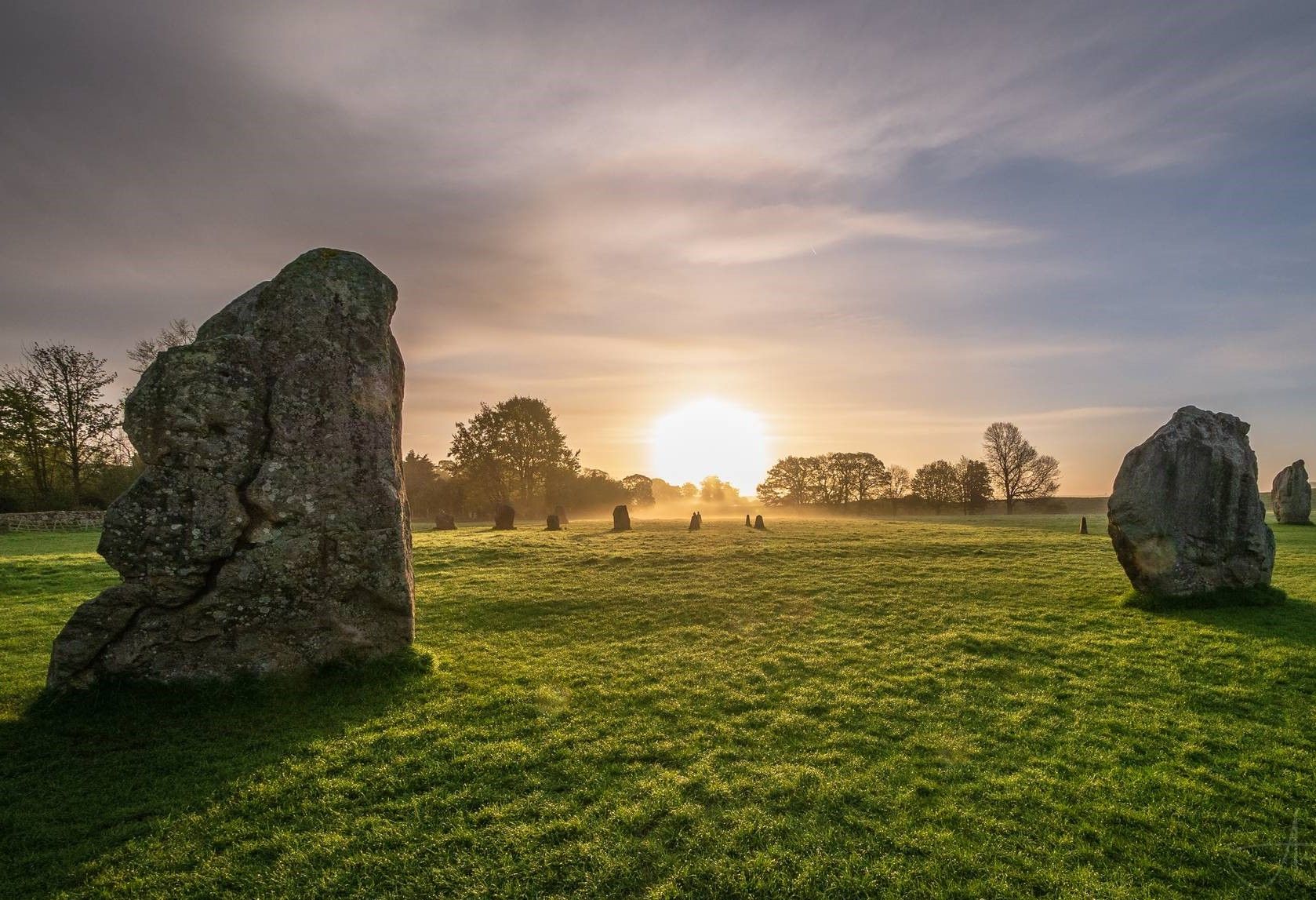
Celtic Way — An epic pilgrimage through prehistory and wild beauty
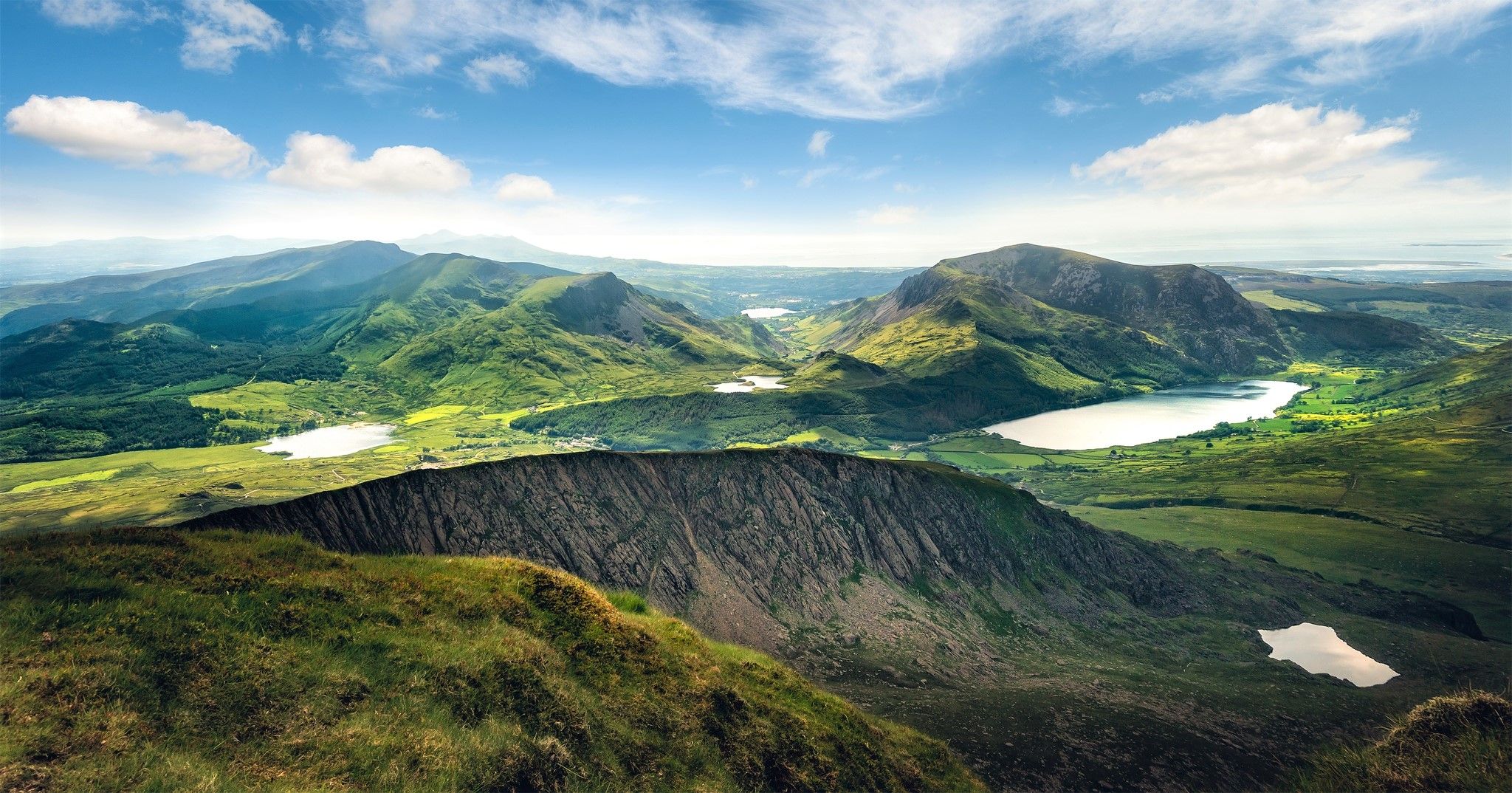
Cambrian Way — Hike the highest, wildest and most beautiful trail in Wales
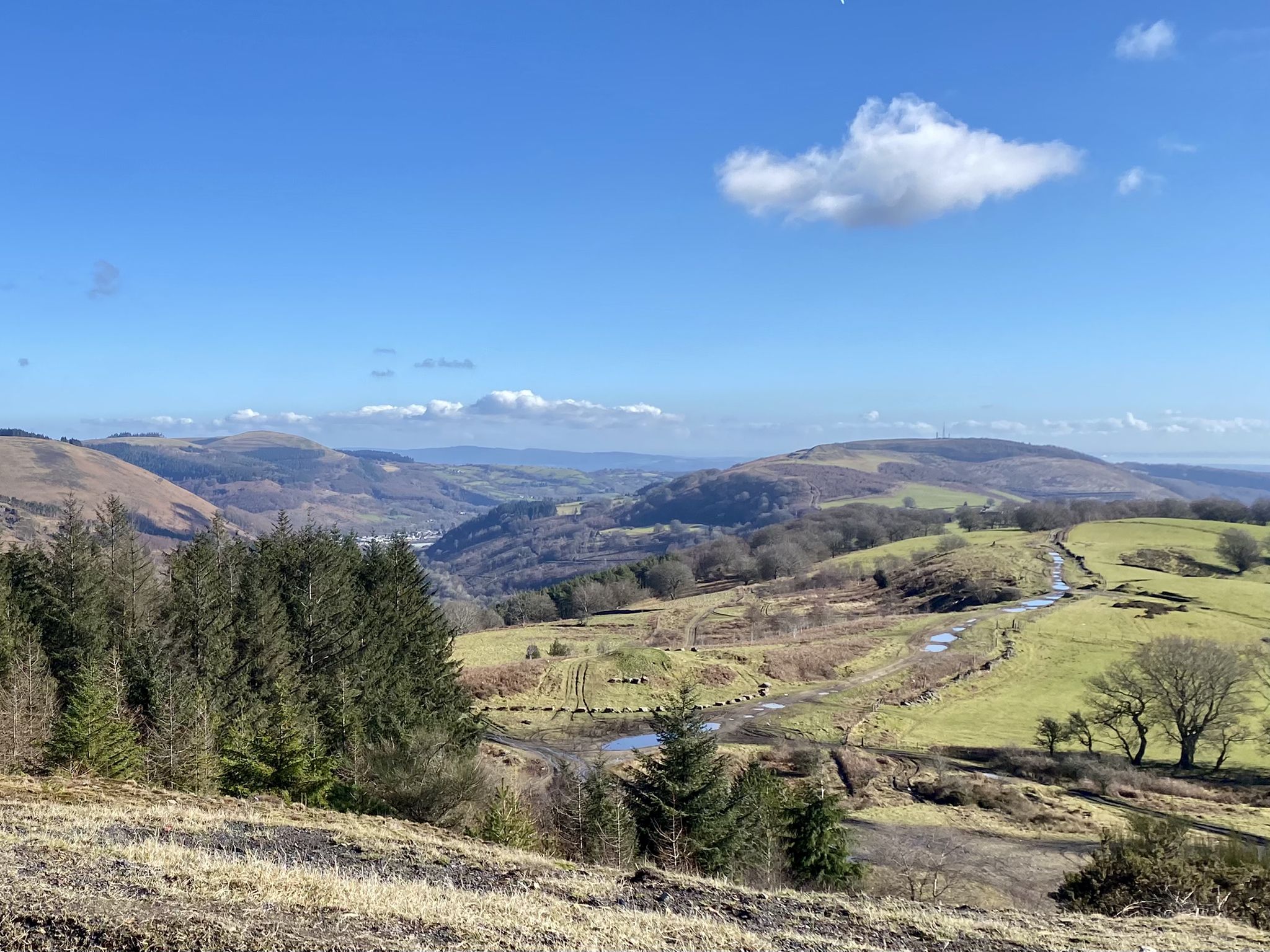
Hilltops, castles and viewpoints — Rhymney Valley Ridgeway Walk
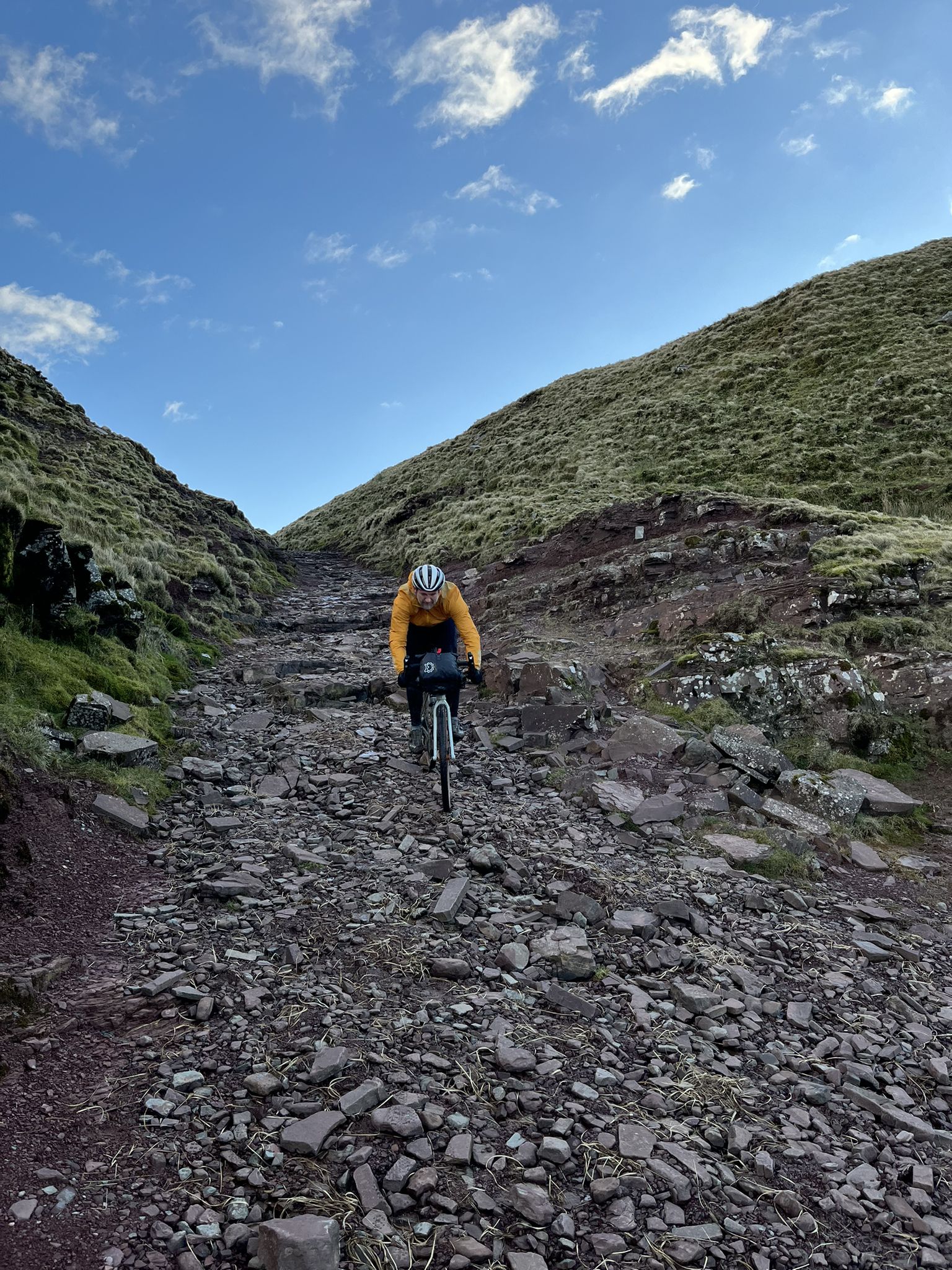
A techy two-dayer over the Brecon Beacons Gap trail
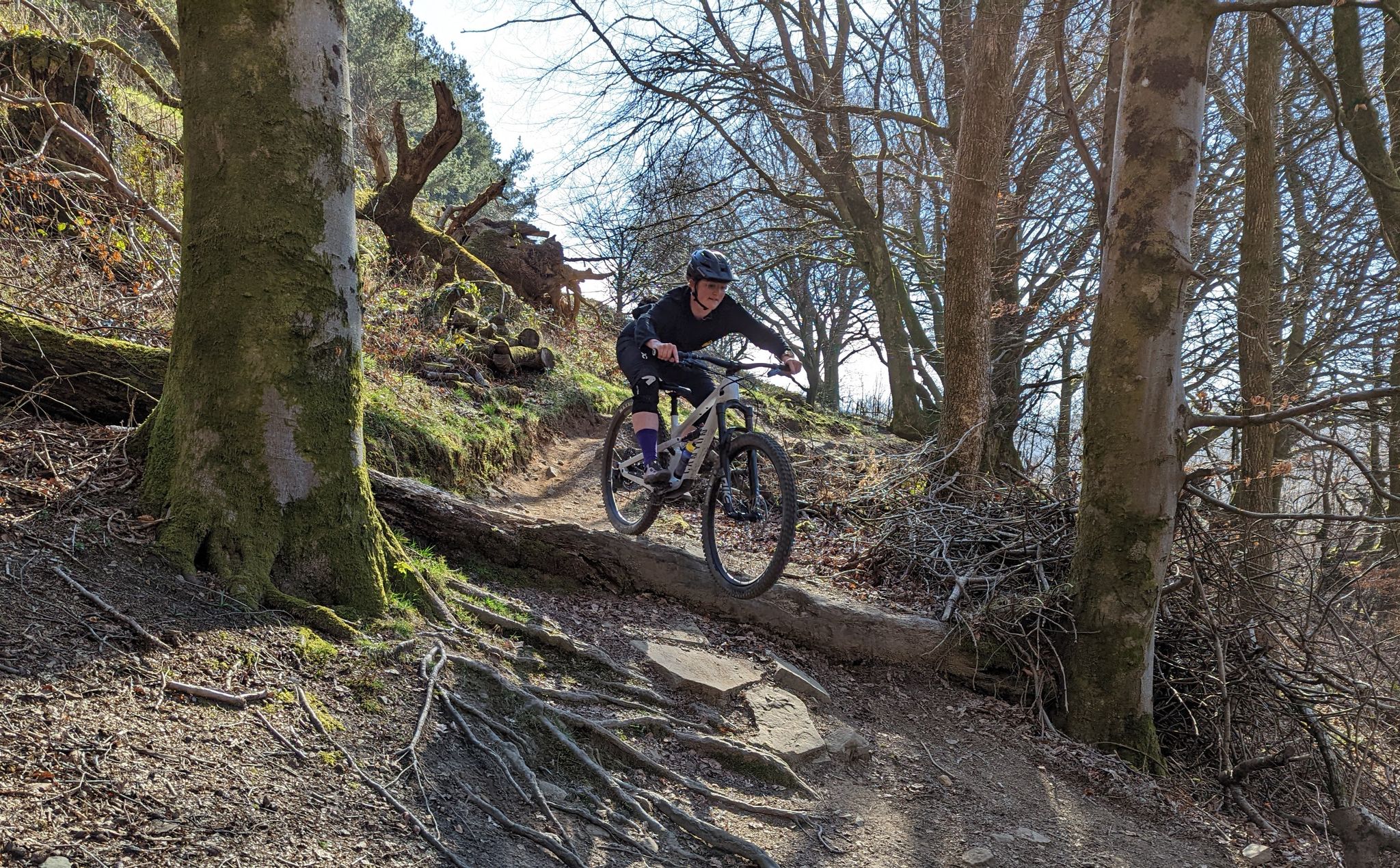
Cwmcarn Trail Centre — divine singletrack in the valleys of South Wales
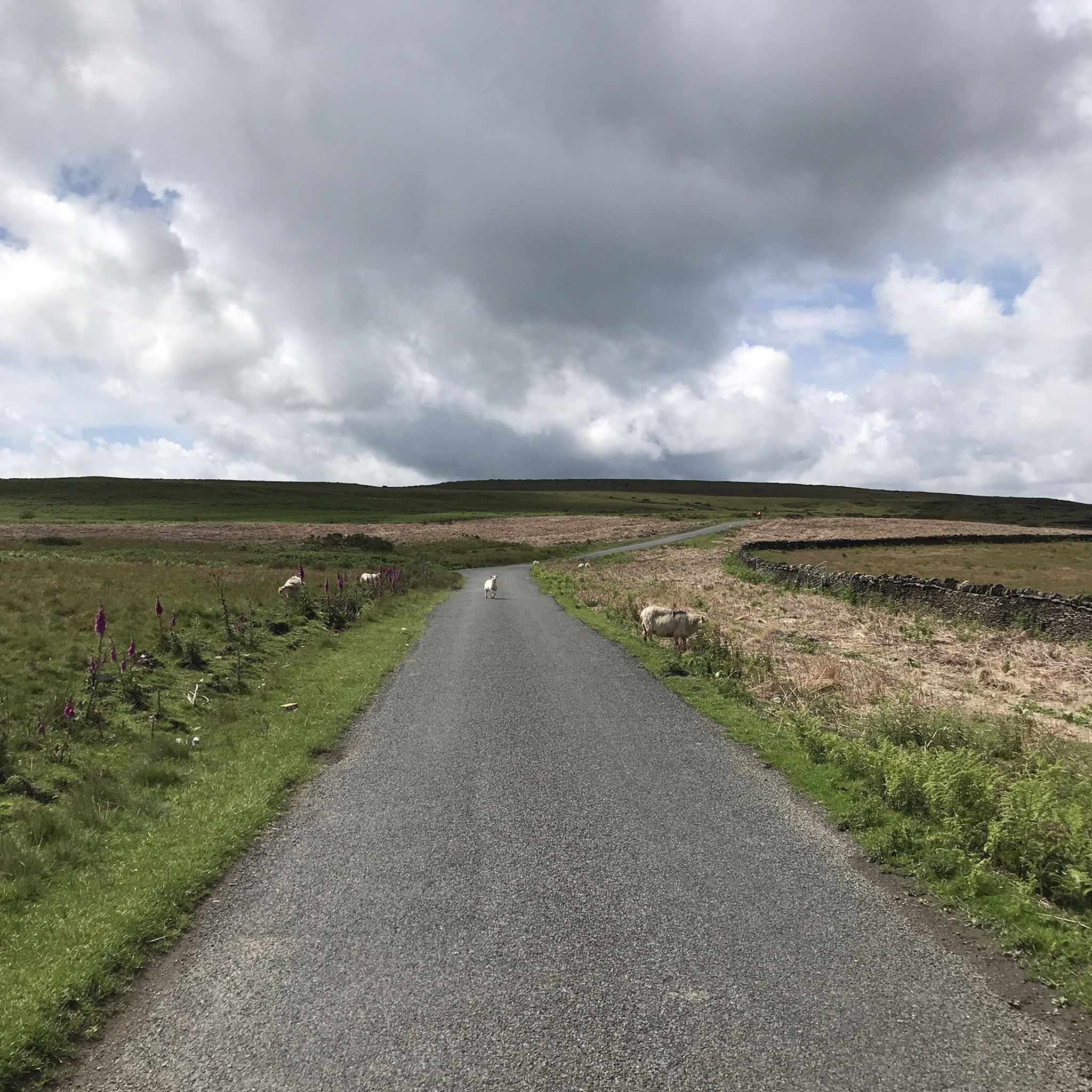
Road Cycling Routes around Caerphilly
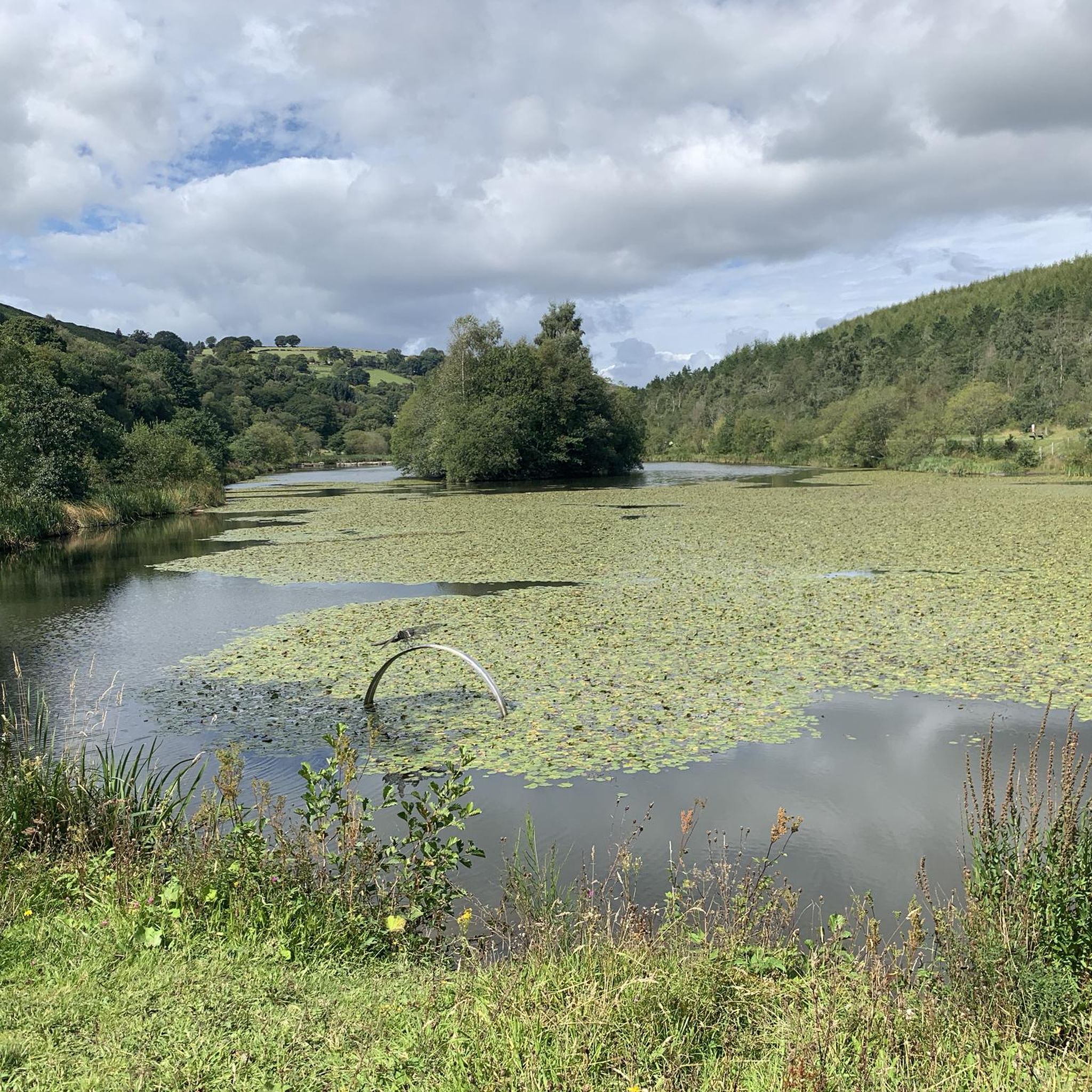
MTB Trails around Caerphilly
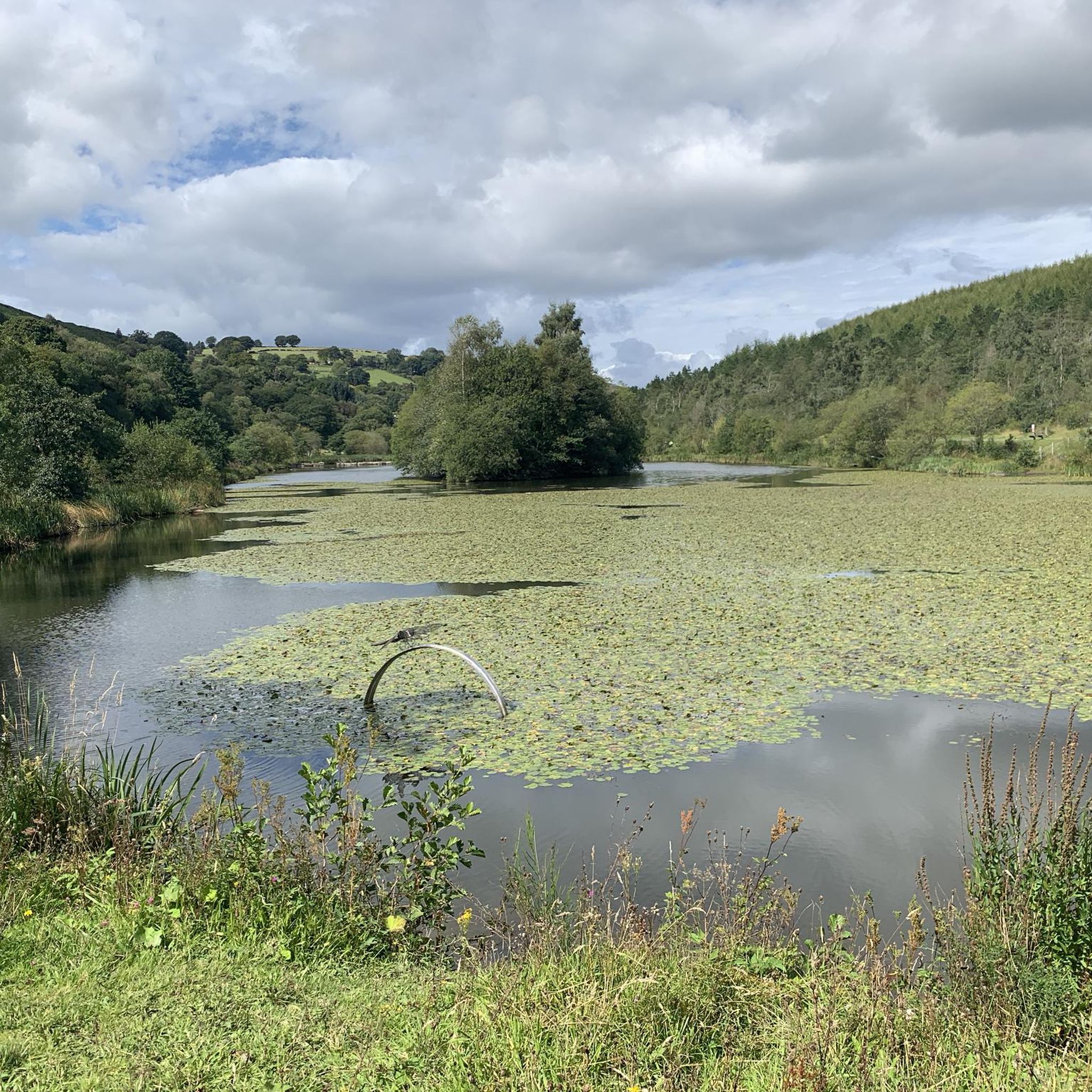
Hiking around Caerphilly
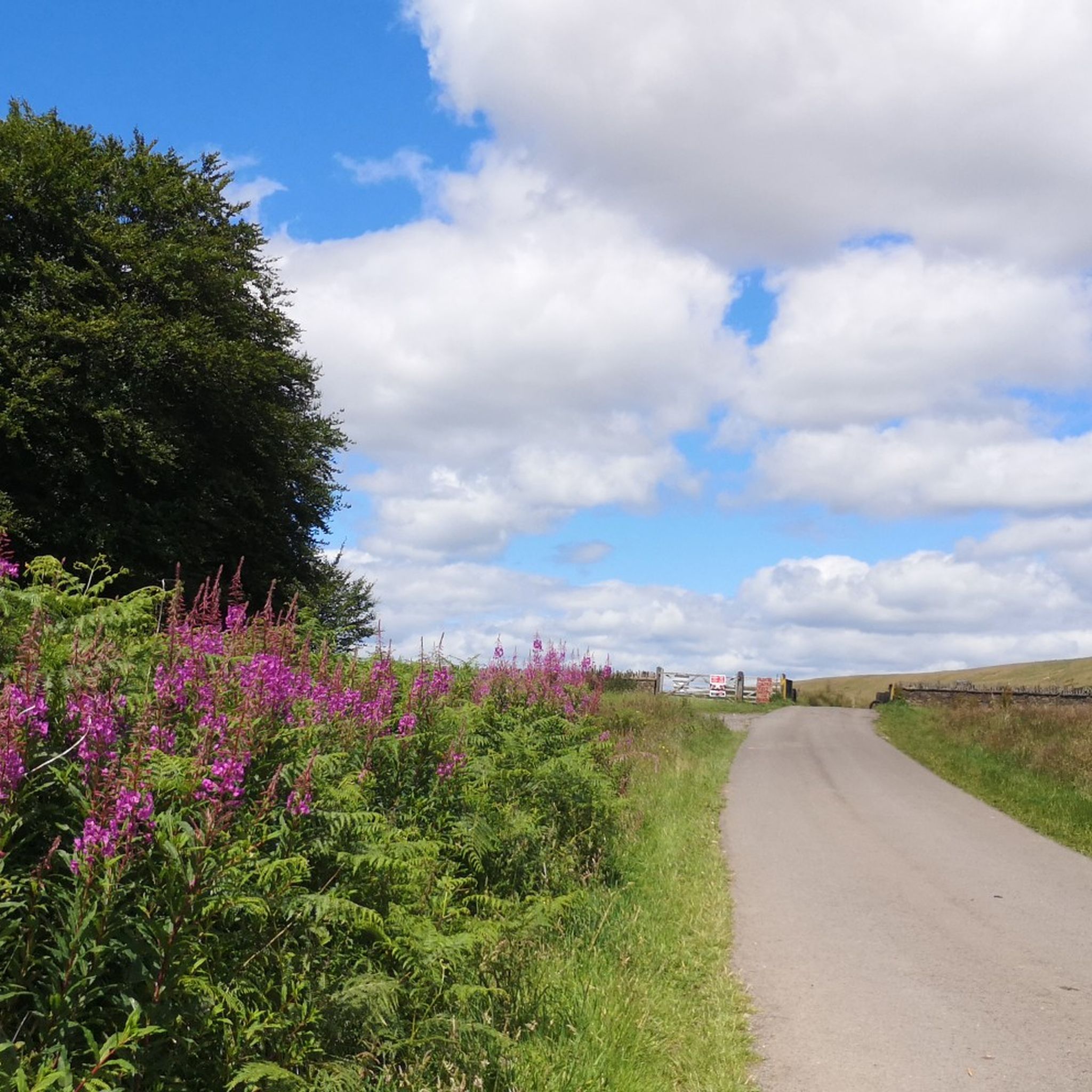
Cycling around Caerphilly
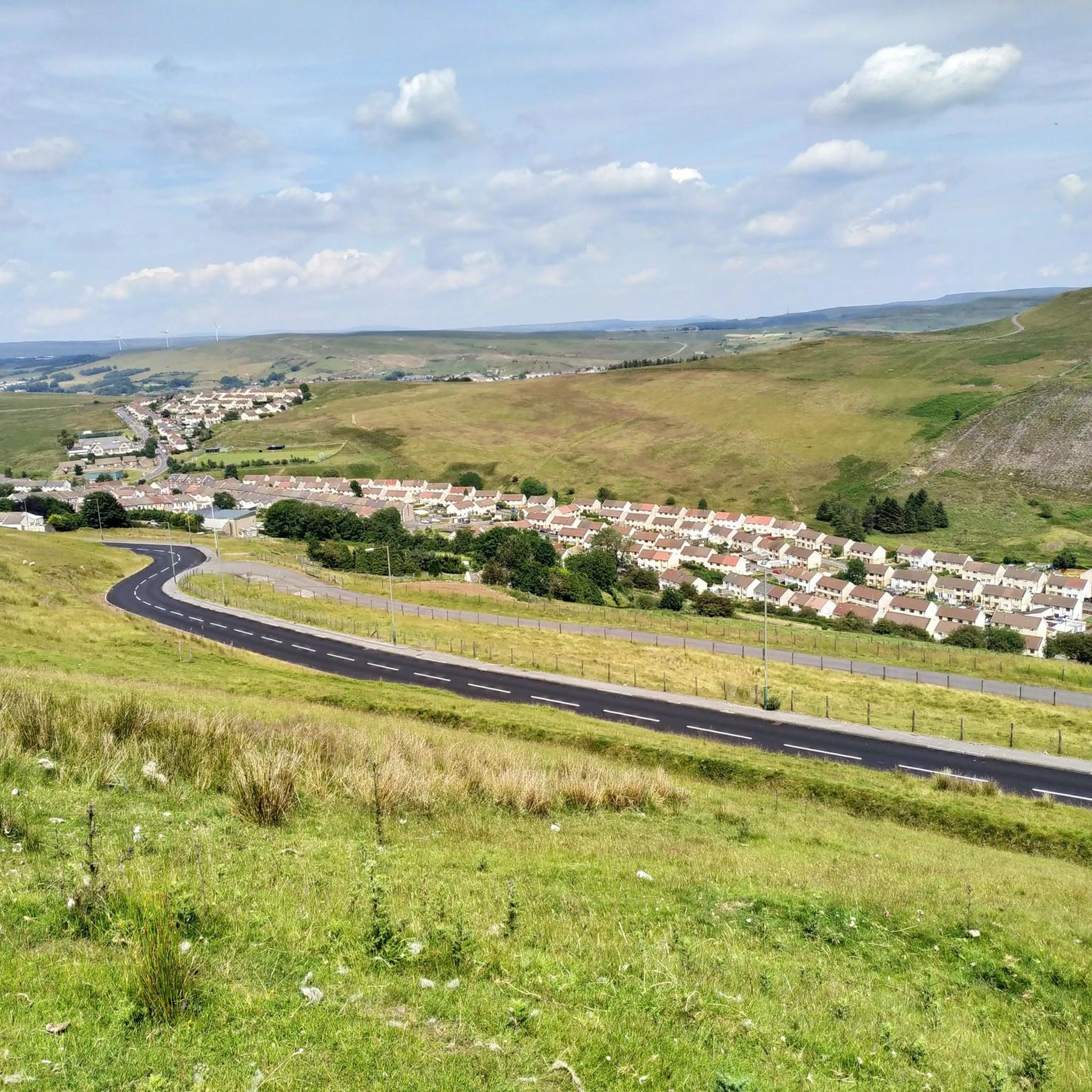
Running Trails around Caerphilly
Other adventures around Caerphilly


Tips from the Community

Nice ascent from Crosskeys, but watch out for very overgrown pathways on the Machen side. Great views from the top!
1
0

Twmbarlwm is a prominent hill and archaeological site located near the town of Cwmcarn in South Wales. It is part of the Caerphilly County Borough and is known for both its natural beauty and historical significance. Here are some key points about Twmbarlwm: Key Features: Hillfort: Twmbarlwm is home to the remains of an ancient hillfort, dating back to the Iron Age. The fortifications, which include earthworks and ramparts, suggest it was a significant settlement during that period. Celtic Connections: The name "Twmbarlwm" is thought to derive from Welsh, with "Twm" being a diminutive of "Tudur" and "barlwm" referring to a mound or hill. The site is associated with Celtic history and mythology. Natural Beauty: The hill offers stunning views of the surrounding landscape, including the nearby valleys and mountains. It is a popular destination for walkers, hikers, and outdoor enthusiasts. Archaeological Significance: Twmbarlwm has been the subject of various archaeological studies, which have revealed insights into ancient settlement patterns, defensive strategies, and daily life in prehistoric Wales. Access: The hill is accessible via footpaths, making it a popular spot for local residents and visitors. There are several trails that lead to the summit, offering a rewarding hike. Cultural Heritage: The site is connected to local folklore and legends, contributing to its cultural significance in the region. Visiting: If you plan to visit Twmbarlwm, it’s a good idea to check local resources or hiking guides for specific trails and information about the area. The site is a great way to experience the natural beauty and historical richness of South Wales.
1
0

A small summit above Risca. Known locally as the "Twmp" (the hump), the pimple or the nipple, due to the shape of the mound on the summit.
1
0

Wern Ddu is an SSSI, the quarry workings being around 150 years old and leaving exposed geology that is a little bit older (estimated 300 million years previous).
1
0

There's an old mining tip at the top of Mynydd y Grug which somewhat adds to the atmosphere here. Around you, you can see mining history embedded into the hillside but raise the eyes a little and on a clear day the views are exceptional. It's an interesting mixture of human incursion and natural terrain.
1
0


Easy to miss, the waterfall is off the main tarmac road approach to the south side of the lake. It can dry up completely in Summer.
1
0

Cracking local walk, gain height for amazing views and walk over to twmbarlwm
0
0
Frequently Asked Questions
What are some of the most prominent natural monuments to visit around Caerphilly?
Caerphilly County Borough offers a range of impressive natural monuments. Among them, Twmbarlwm Hill and Iron Age hillfort stands out as a historical site and a 419-meter-high hill offering rich beauty, history, and folklore, with views of the Severn Estuary. Another notable spot is Mynydd Machen Summit, providing glorious views over Newport, Cardiff, and the Severn Estuary.
Are there natural monuments in Caerphilly that are good for wildlife observation?
Yes, several natural monuments in Caerphilly are excellent for wildlife. The Aberbargoed Grasslands National Nature Reserve is a Site of Special Scientific Interest (SSSI) known for its species-rich grasslands, supporting an important maternity roost for greater horseshoe bats and a strong population of the marsh fritillary butterfly. Parc Cwm Darren, a former colliery, has been reclaimed by nature and now features grasslands, woodlands, and lakes, including the Cwmllydrew Meadows Local Nature Reserve, making it a haven for various species.
Which natural monuments offer the best panoramic views in the Caerphilly area?
For expansive views, Twmbarlwm Hill, at 419 meters, provides stunning vistas of the Severn Estuary. Mynydd Machen Summit also offers glorious views over Newport, Cardiff, and the Bristol Channel. Additionally, Caerphilly Mountain, though not a 'mountain' in the grandest sense, provides magnificent panoramic views across Cardiff, Caerphilly, and on clear days, even to Flat Holm and Steep Holm Islands.
Are there any natural monuments with historical significance in Caerphilly?
Absolutely. Twmbarlwm Hill and Iron Age hillfort is a prime example, featuring the remains of an ancient Iron Age hillfort at its summit, adding a layer of historical intrigue to its natural appeal. Another site with historical ties is Wern Ddu Clay Pit Nature Reserve, an SSSI where quarry workings around 150 years old expose geology estimated to be 300 million years old.
What kind of walking and hiking trails can I find near Caerphilly's natural monuments?
The region offers diverse walking and hiking experiences. You can find trails that lead to summits like Trig point at Mynydd Twyn-glas summit, a 472-meter-high mountain with a rolling plateau and conifer-cloaked slopes. For more specific routes, explore the Waterfall hikes around Caerphilly guide, or discover various Running Trails around Caerphilly that often pass through natural features.
Are there family-friendly natural monuments or parks in Caerphilly?
Yes, Parc Cwm Darren is a great option for families, offering grasslands, woodlands, and lakes, with easy paths for exploration. Parc Cefn Onn is another excellent choice, a Grade II listed historic country park with woodland gardens, streams, and ponds, providing a tranquil setting for all ages to enjoy nature.
What are some examples of natural reclamation sites in Caerphilly?
Caerphilly has impressive examples of nature reclaiming industrial land. Parc Cwm Darren, once an industrial colliery, has been successfully transformed into a rich wildlife landscape. Similarly, Llanbradach Quarry, an abandoned quarry, has naturally regenerated into a thriving wildlife haven and is now designated as a Site of Special Scientific Interest (SSSI), showcasing nature's resilience.
Can I find any waterfalls among the natural monuments in Caerphilly?
Yes, you can visit the Parc Cwm Darran Waterfall. This natural feature is located within Parc Cwm Darren, which offers a beautiful setting of grasslands, woodlands, and lakes, making it a pleasant spot for a walk to see the waterfall.
What is the best time of year to visit the natural monuments around Caerphilly?
The natural monuments in Caerphilly can be enjoyed year-round, each season offering a different charm. Spring brings vibrant displays of rhododendrons, azaleas, and camellias, especially in places like Parc Cefn Onn. Summer is ideal for longer hikes and enjoying the lush greenery. Autumn offers beautiful foliage, and even winter walks can be rewarding, with crisp air and clear views from summits like Twmbarlwm.
Are there opportunities for cycling near the natural monuments in Caerphilly?
Yes, the Caerphilly region provides various cycling opportunities. You can find routes that traverse diverse landscapes, including those near natural monuments. For detailed cycling routes, refer to the Cycling around Caerphilly guide, which includes options ranging from moderate to difficult, often incorporating scenic natural areas.
What do visitors particularly enjoy about the natural monuments in Caerphilly?
Visitors frequently praise the stunning landscapes, diverse ecosystems, and the opportunity to engage with both the natural and historical aspects of the region. Many appreciate the extensive views from summits like Twmbarlwm Hill and the peaceful environment of places like Parc Cefn Onn. The blend of natural beauty with historical sites and reclaimed industrial areas offers a unique and rewarding experience.
Are there any natural monuments in Caerphilly known for unique geological features?
Yes, Wern Ddu Clay Pit Nature Reserve is particularly notable for its geological significance. It is an SSSI where the quarry workings, dating back around 150 years, have exposed geological formations estimated to be 300 million years old, offering a fascinating glimpse into the Earth's ancient past.
Most popular routes around Caerphilly
Most popular attractions around Caerphilly

Get inspired with the komoot mobile app


Explore more
Extend your search for the best caves by checking out these guides of the top ones around Caerphilly:
