Top 20 Natural Monuments in Badajoz
Best natural monuments in Badajoz are found within the Extremadura region of Spain, characterized by diverse landscapes ranging from karstic cave systems to ancient mining sites. The province offers a blend of geological formations, unique microclimates, and significant ecological areas. These natural sites provide insights into both geological processes and the interaction between human history and natural reclamation. The region's natural beauty is complemented by its historical significance, making it a destination for exploring both natural wonders and cultural heritage.
…Last updated: April 28, 2026
Dolmen de Magacela
Highlight • Historical Site
Translated by Google •
Tip by

Cornalvo Reservoir
Highlight • Lake
Translated by Google •
Tip by
Sign up now to discover places like this
Get recommendations on the best single tracks, peaks, & plenty of other exciting outdoor places.
Sign up for free
Confluence of the Caya and Guadiana Rivers
Highlight • River
Translated by Google •
Tip by
Sierra de Alor Viewpoint
Highlight • Viewpoint
Translated by Google •
Tip by

Garcia de Sola Reservoir
Highlight • Lake
Translated by Google •
Tip by
Bonales Oriental Summit
Highlight • Summit
Translated by Google •
Tip by
Park of the Seven Chairs
Highlight • Natural Monument
Translated by Google •
Tip by
Rock Paintings of La Calderita
Highlight • Historical Site
Translated by Google •
Tip by
Sierra Bienvenida Summit Monument
Highlight • Summit
Translated by Google •
Tip by
Cerro Masatrigo
Highlight • Summit
Translated by Google •
Tip by
Sign up for free to discover even more natural monuments in Badajoz.
Sign up for free
Already have an account?
Start today with a free account
Your next adventure awaits.
Login or Signup
Popular around Badajoz
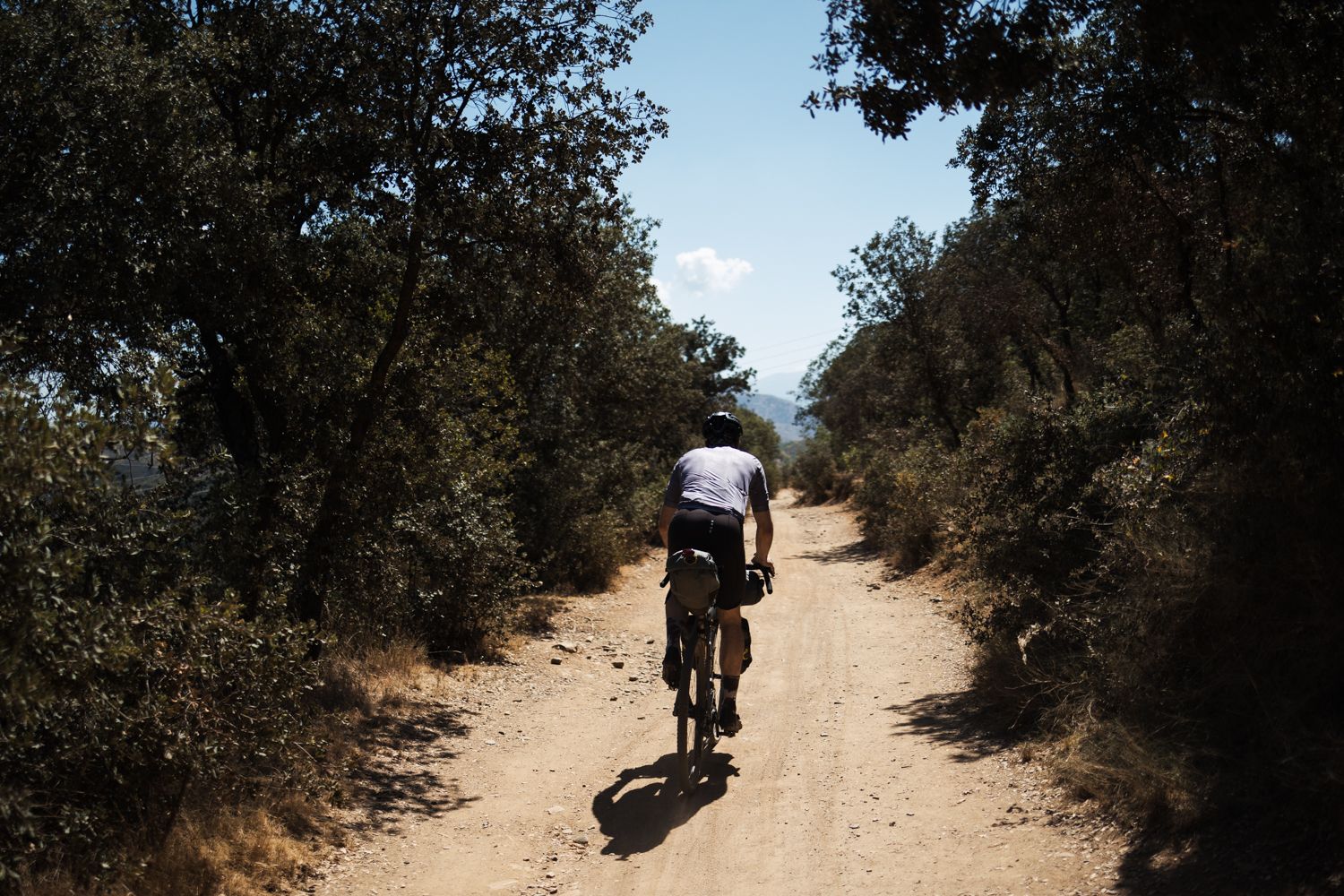
Mozarabic Way to Santiago – Gravel between two worlds

Around the World in 80 Days
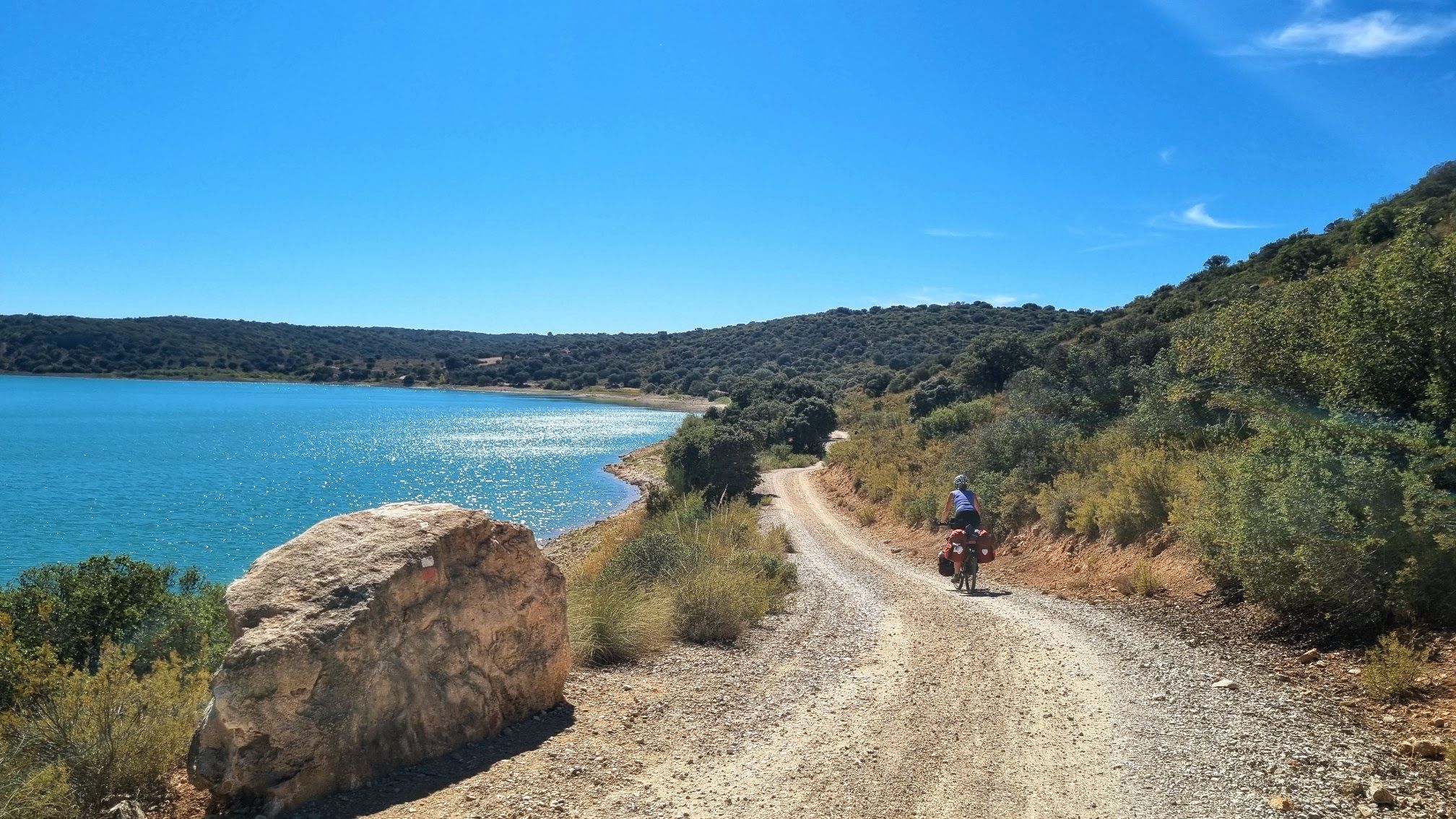
Pedalea junto al gran río — Camino Natural del Guadiana
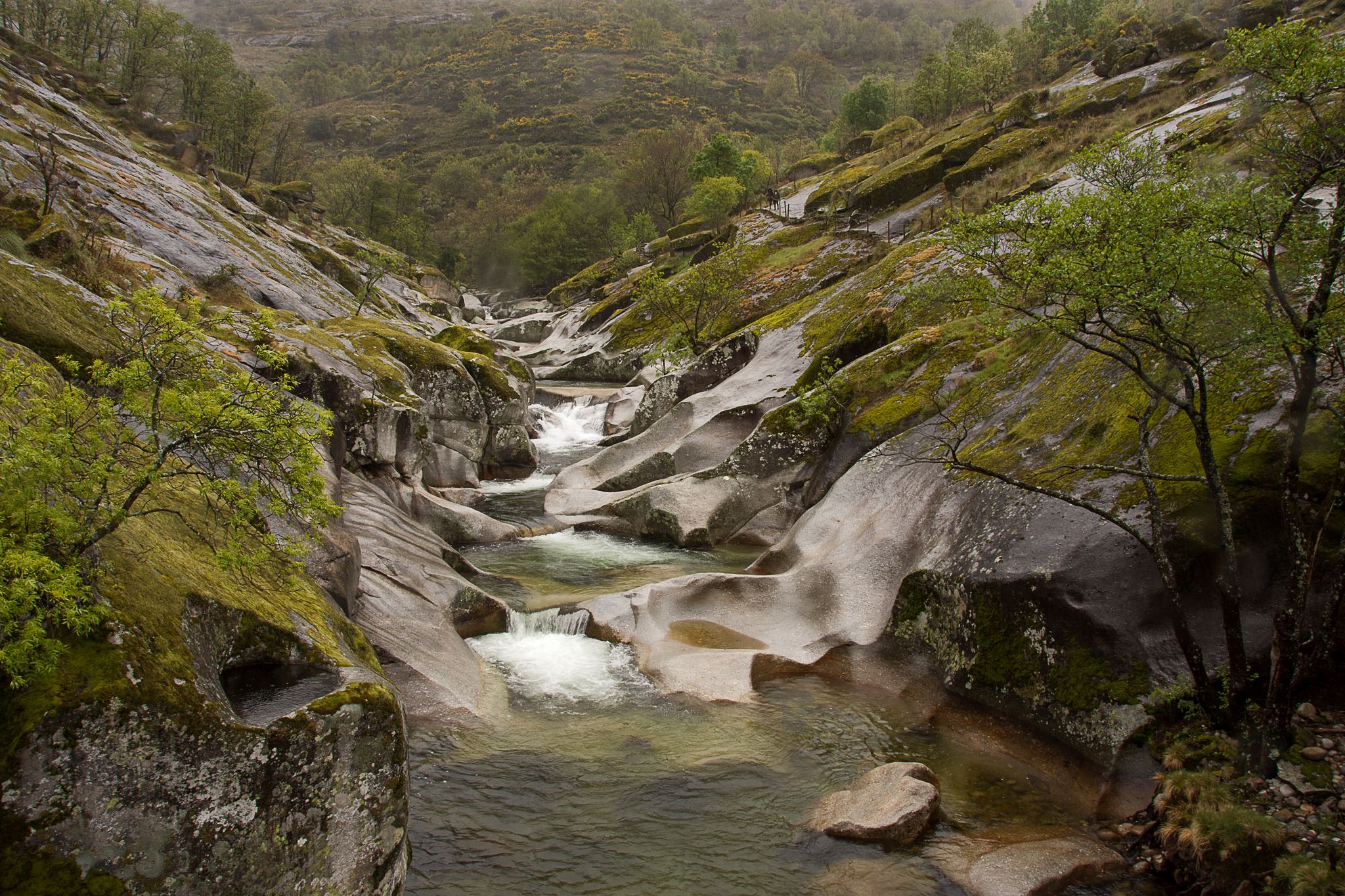
Six routes to discover Extremadura on foot
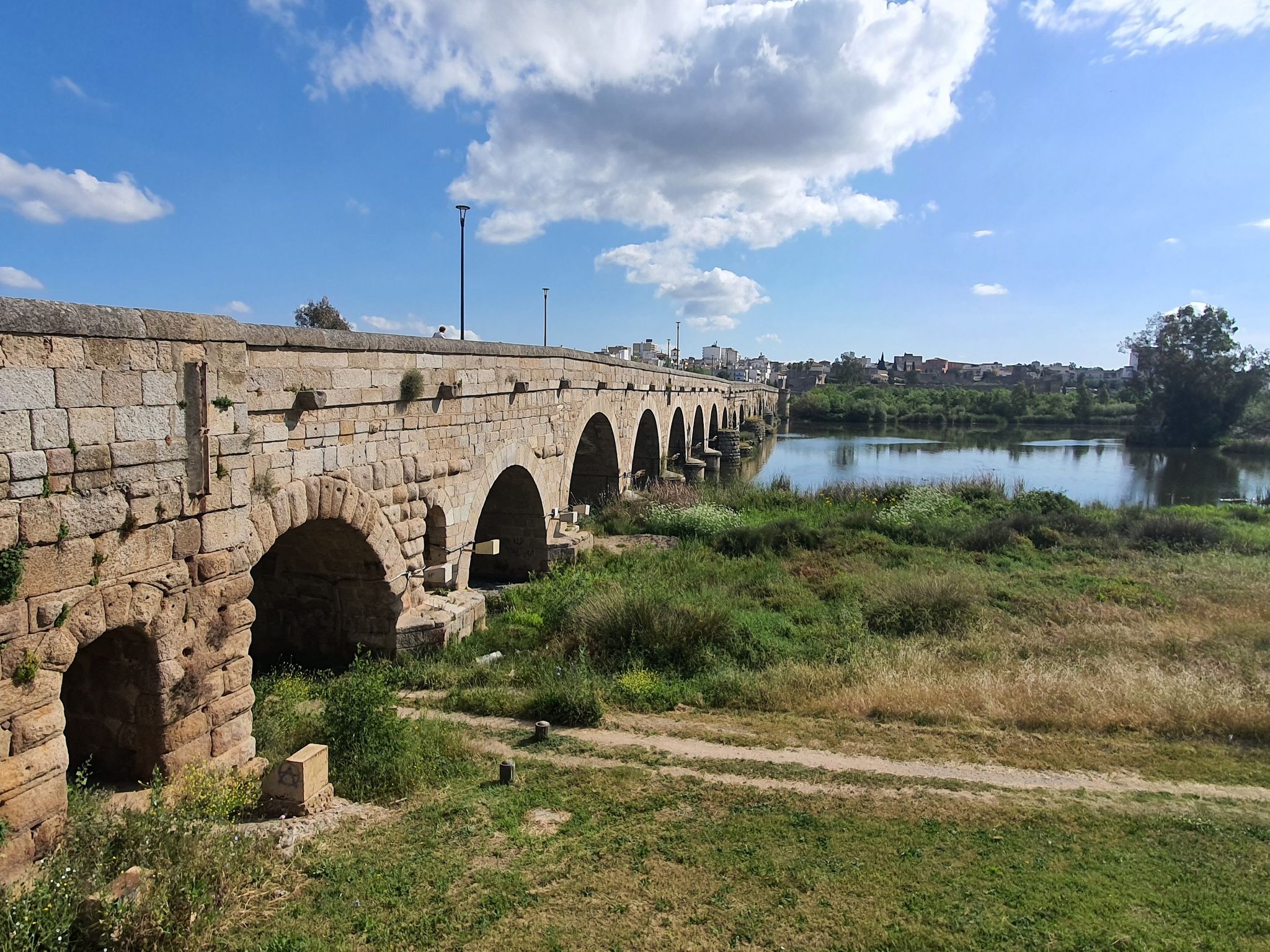
Gijón to Sevilla in Spain – Vía de la Plata (GR 100)
The magic of an endless river – Spain's Guadiana Natural Trail (GR 114)
Let’s head south – cycle in Andalusia with me and my dog
A romantic journey in the footsteps of the Romans – Via de la Plata
Explore Spain’s monuments and landscapes – cycle the Via de la Plata
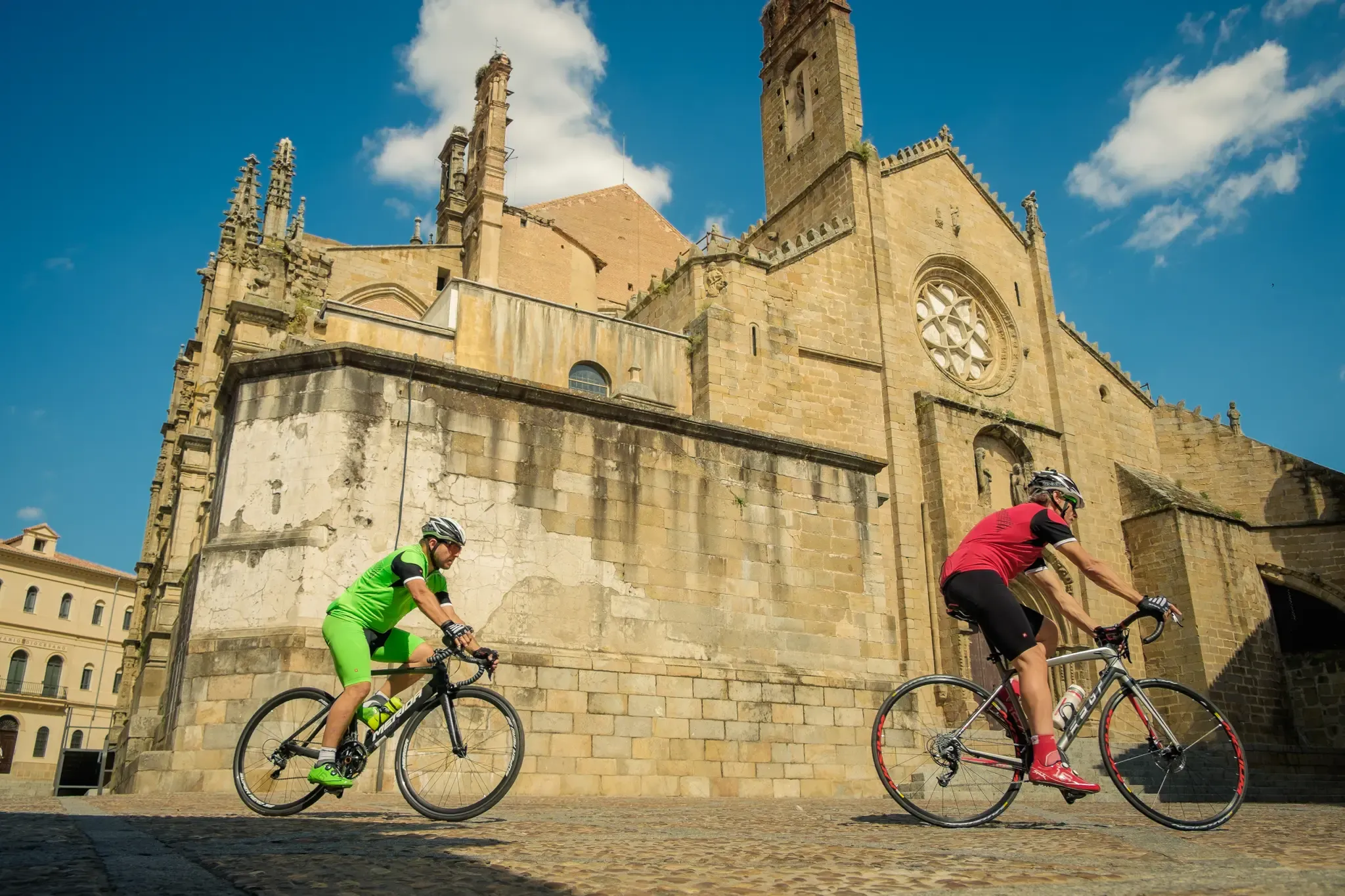
Vía de la Plata – from Seville to Gijón by bike
Other adventures in Badajoz


Tips from the Community

Located at an altitude of approximately 580–611 meters, it offers panoramic views of meadows, olive groves, farmhouses, and the Táliga Valley. It includes huts near the viewpoint and a geodetic vertex marking the highest point. Ideal time to visit: spring (March to May), to enjoy the blooming flowers and mild weather.
2
0
The García de Sola Reservoir, also known as Puerto Peña, is located on the Guadiana River, in the La Siberia Extremeña region (Badajoz). It was built in 1962 as part of the Badajoz Plan and has a capacity of 554 hm³. It is an emblematic site for its natural, scenic, and recreational value.
5
0

This spectacular reservoir was built during the 1960s. The reflection of the sunsets in the water and the surrounding landscape make it a must-see if you're exploring the Guadiana Nature Trail.
0
1
The Parque de las Siete Sillas is a beautiful green space located in Mérida, Extremadura. This park is known for its namesake monument and its natural surroundings, ideal for walking and enjoying outdoor activities. The park is located near the Lusitania Bridge and the Jesús Delgado Valhondo Public Library. It is easily accessible both on foot and by car.
5
0
The Mirador de la Sierra de Alor is a spectacular place to enjoy panoramic views of the Llanos de Olivenza region. The route to the viewpoint is ideal for hiking and offers several points of interest, such as old bandit huts and the characteristic flora of the area, including the Rose of Alexandria. From the viewpoint, you can admire impressive views of the mountains and the surrounding area, making it a popular destination for nature and photography lovers.😊
9
0
Cerro Masatrigo is a hill located in the municipality of Esparragosa de Lares. This hill is known for its almost perfect conical shape, which has earned it the nickname "the magic mountain" It rises 501 meters above sea level and 161 meters above the surrounding terrain. After the construction of the La Serena Dam, Cerro Masatrigo became a peninsula surrounded by the waters of the reservoir.
7
0
The Torreta de Bienvenida, located on Cerro del Monigote, is a popular destination for hiking lovers in the Extremadura region. This hill offers hiking routes of intermediate difficulty, ideal for enjoying nature and panoramic views.
3
0
Bonales Oriental is one of the most outstanding peaks of the Sierra de Tentudía, located in Calera de León. It is an ideal route for hiking lovers looking to enjoy nature and spectacular views.
6
0
Frequently Asked Questions
What are the most significant natural monuments in Badajoz province?
Badajoz province is home to several significant natural monuments. The most prominent are the Caves of Fuentes de León, known for their extensive karstic system and unique speleothems, and the Jayona Mine, an old iron ore mine transformed into a geo-ecological site with a distinct microclimate. Other notable areas include the Cornalvo Reservoir within the Cornalvo Natural Park, and the Dolmen de Magacela, a prehistoric monument.
Are there any natural monuments in Badajoz that offer unique geological formations?
Yes, the Caves of Fuentes de León are a prime example. This intricate cave system showcases a wide array of speleothems, including stalactites, stalagmites, lava flows, and argonite spicules, formed over millions of years by water altering limestone rocks. The Cueva del Agua, in particular, features an impressive underground lake and ancient rock carvings.
Can I visit historical sites that are also natural monuments in Badajoz?
Absolutely. The Jayona Mine near Fuente del Arco is a fascinating example, active since Roman times until the 1920s. It offers a blend of human history and natural reclamation, allowing visitors to explore ancient mining operations while observing a unique ecosystem. Another significant historical site is the Dolmen de Magacela, a well-preserved prehistoric building dating back to the Chalcolithic period.
Are there family-friendly natural monuments in Badajoz?
Many natural monuments in Badajoz are suitable for families. For instance, the Cornalvo Reservoir and the Confluence of the Caya and Guadiana Rivers are both listed as family-friendly. The Jayona Mine also offers guided tours that can be engaging for all ages, providing insights into history and nature.
What kind of wildlife can be observed at the natural monuments?
The natural monuments in Badajoz are rich in biodiversity. The Caves of Fuentes de León are a designated Place of Community Importance (SCI) due to their significant bat populations, including endangered species. The Jayona Mine also provides shelter for various small animals, majestic birds, and a colony of bats. Areas like the Sierra de Alor Viewpoint are known for their ecological value and diverse flora, such as orchids and the Rose of Alexandria.
What outdoor activities can I do near the natural monuments in Badajoz?
The region around Badajoz's natural monuments offers various outdoor activities. You can find numerous running trails, road cycling routes, and easy hikes. For example, there are running trails like the 'Guadiana Natural Trail' and road cycling routes such as the 'Vegas Bajas del Guadiana Loop'. Easy hikes include the 'Cornalvo Reservoir Loop'. You can explore more options on the Running Trails in Badajoz, Road Cycling Routes in Badajoz, and Easy hikes in Badajoz guide pages.
Are there any natural monuments with impressive viewpoints in Badajoz?
Yes, several natural monuments offer spectacular views. The Sierra de Alor Viewpoint provides panoramic vistas of the Llanos de Olivenza region. Other highlights like the Bonales Oriental Summit and Cerro Masatrigo are also known for their scenic outlooks, perfect for nature and photography enthusiasts.
Do I need to book in advance to visit the Caves of Fuentes de León or the Jayona Mine?
Yes, for both the Caves of Fuentes de León and the Jayona Mine, guided tours are highly recommended and usually require prior booking. This ensures a structured and informative visit, especially given the ecological and historical significance of these sites.
What is the best time to visit the natural monuments in Badajoz?
While specific recommendations vary, generally, spring and autumn offer pleasant temperatures for exploring the natural monuments. These seasons avoid the intense summer heat and provide lush landscapes. For the Caves of Fuentes de León and Jayona Mine, guided tours operate year-round, but checking specific opening hours and booking in advance is always advisable.
Are there any natural monuments in Badajoz that feature water bodies?
Yes, the region has several natural monuments centered around water. The Cornalvo Reservoir, located within the Cornalvo Natural Park, is a significant water area. The Confluence of the Caya and Guadiana Rivers offers a calm spot to observe two rivers meeting. Additionally, the Cueva del Agua within the Caves of Fuentes de León features a large underground lake.
What makes the Jayona Mine a unique natural monument?
The Jayona Mine is unique because its closure in 1921 led to the development of a distinct microclimate within the typical Mediterranean landscape of the Sierra de la Jayona. This microclimate fosters vegetation characteristic of wetlands, such as ferns and mosses, creating a striking contrast to the drier flora outside. It's a remarkable example of nature reclaiming an industrial site.
Can I find ancient rock art or engravings at any natural monuments in Badajoz?
Yes, the Cueva del Agua, part of the Caves of Fuentes de León, is particularly renowned for its impressive rock carvings. Additionally, the Rock Paintings of La Calderita are another historical site within the natural monuments category, offering insights into ancient human presence in the region.
Most popular routes in Badajoz
Most popular attractions in Badajoz

Get inspired with the komoot mobile app


Didn’t find what you were looking for?
Find even more amazing natural monuments in Badajoz by checking out the top Highlights region by region:
Explore more
Extend your search for the best caves by checking out these guides of the top ones in Badajoz:
