Top 20 Natural Monuments in Teruel
Best natural monuments in Teruel include a diverse range of geological formations and protected natural spaces. This province in Aragon, Spain, features unique landscapes shaped by natural processes. Visitors can explore sites with significant geological, paleontological, and ecological value, offering varied outdoor experiences.
Best natural monuments in Teruel
- The most popular natural monuments is Cabrerizo Viewpoint, a viewpoint that offers panoramic views. It is surrounded by rodeno pines and provides views of reddish rock formations.
- Another must-see spot is…
Last updated: July 10, 2026
The Clays of Teruel
Highlight • Canyon
Tip by

El Parrizal Gorge
Highlight • Gorge
Translated by Google •
Tip by

Sign up now to discover places like this
Get recommendations on the best single tracks, peaks, & plenty of other exciting outdoor places.
Sign up for free
Peñas Royas Viewpoint
Highlight • Viewpoint
Translated by Google •
Tip by

Barranco Mingo Marco
Highlight • Gorge
Showing Translation
Tip by

Moricacho of the Gorge
Highlight • Natural Monument
Translated by Google •
Tip by

Laguna de Bezas
Highlight • Lake
It is located …
Translated by Google •
Tip by

Arquillo de San Blas Reservoir
Highlight • Lake
Translated by Google •
Tip by
Parrissal Walkways
Highlight (Segment) • Gorge
It has a route of …
Translated by Google •
Tip by

Source of the River Tagus
Highlight • River
Translated by Google •
Tip by
San Pedro Mill Waterfall
Highlight • Waterfall
Translated by Google •
Tip by

Sign up for free to discover even more natural monuments in Teruel.
Sign up for free
Already have an account?
Start today with a free account
Your next adventure awaits.
Login or Signup
Popular around Teruel
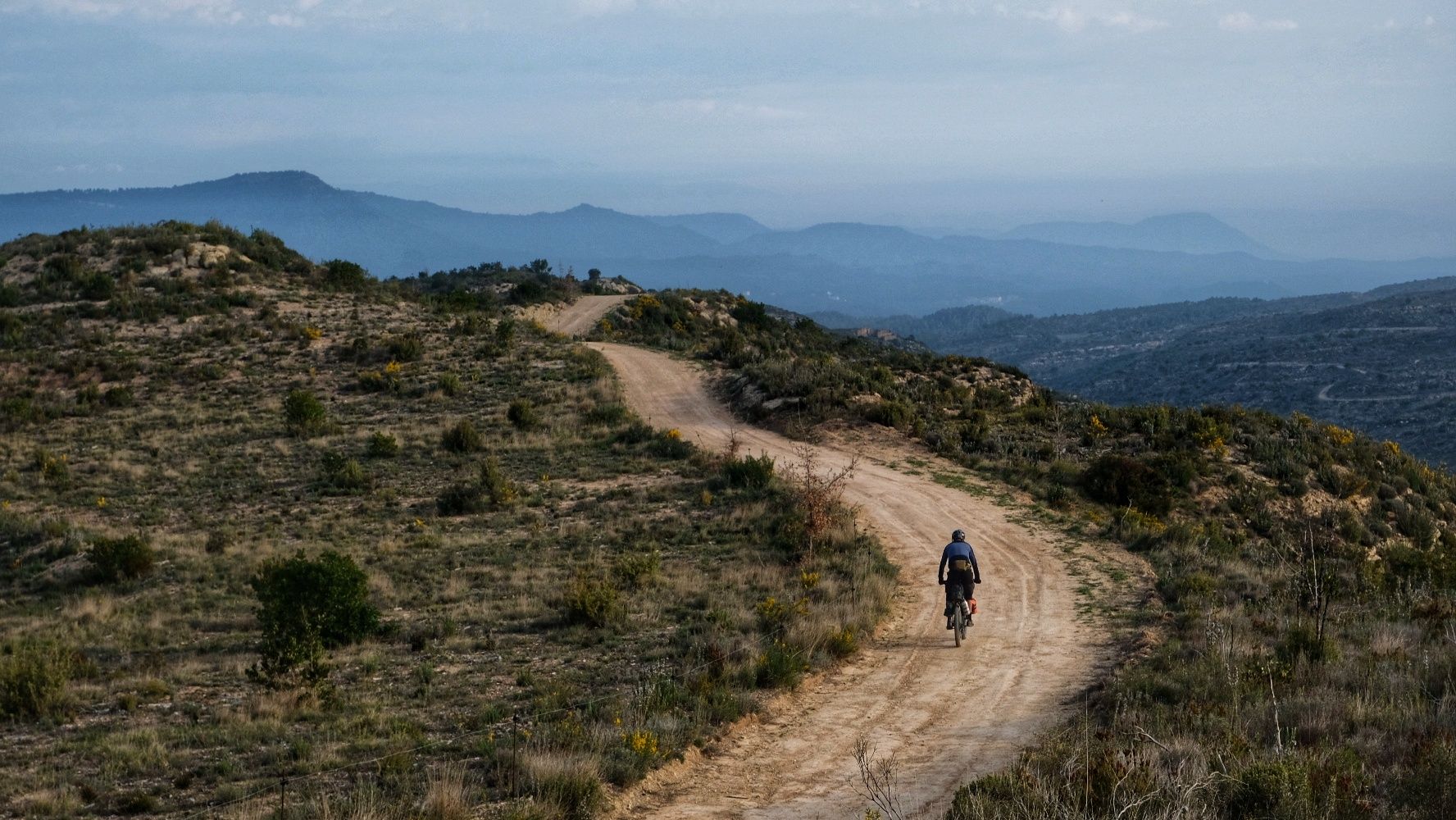
European Divide Trail — 7,600 km across the continent
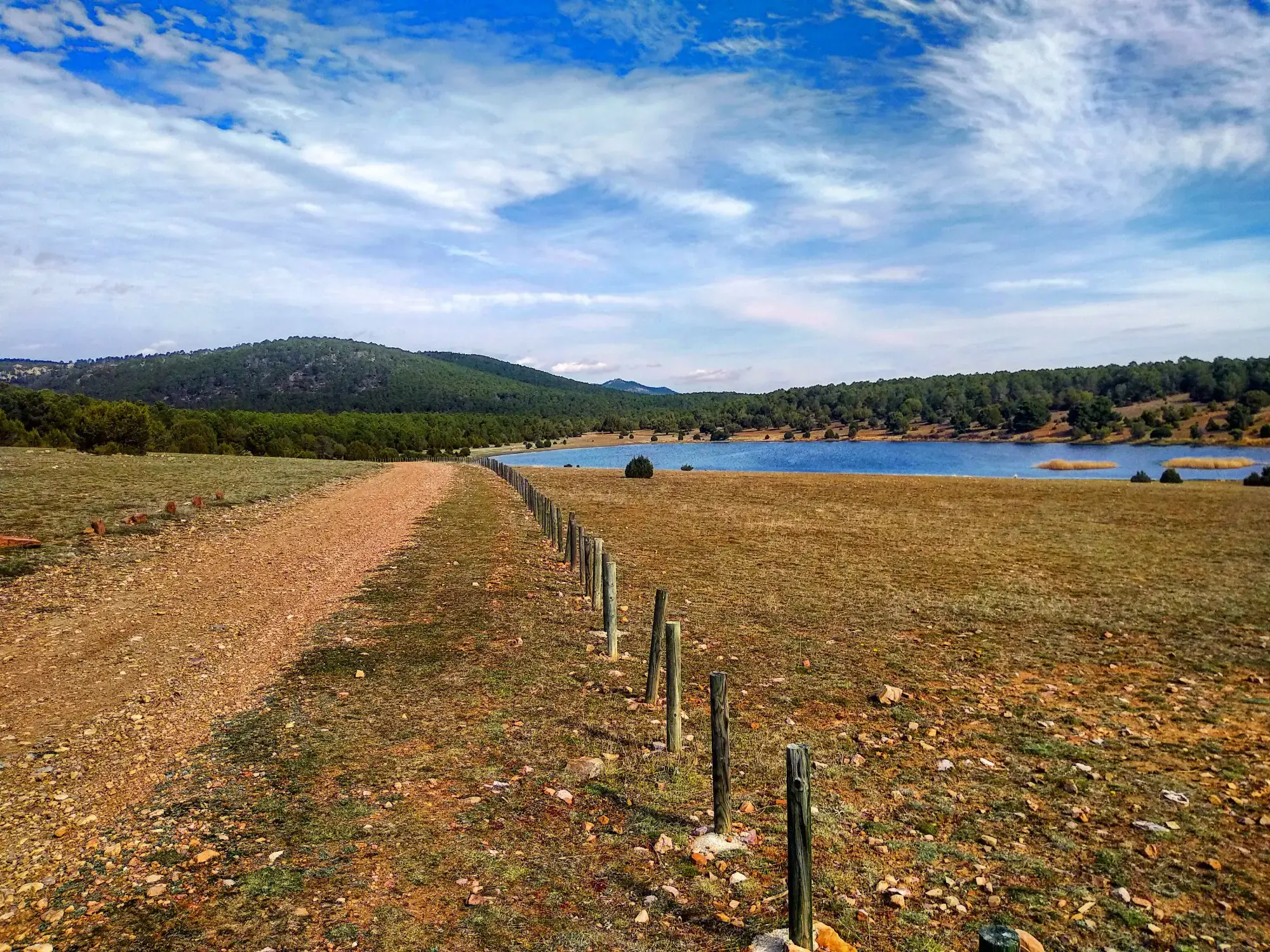
Sendero Español GR 10 — De este a oeste
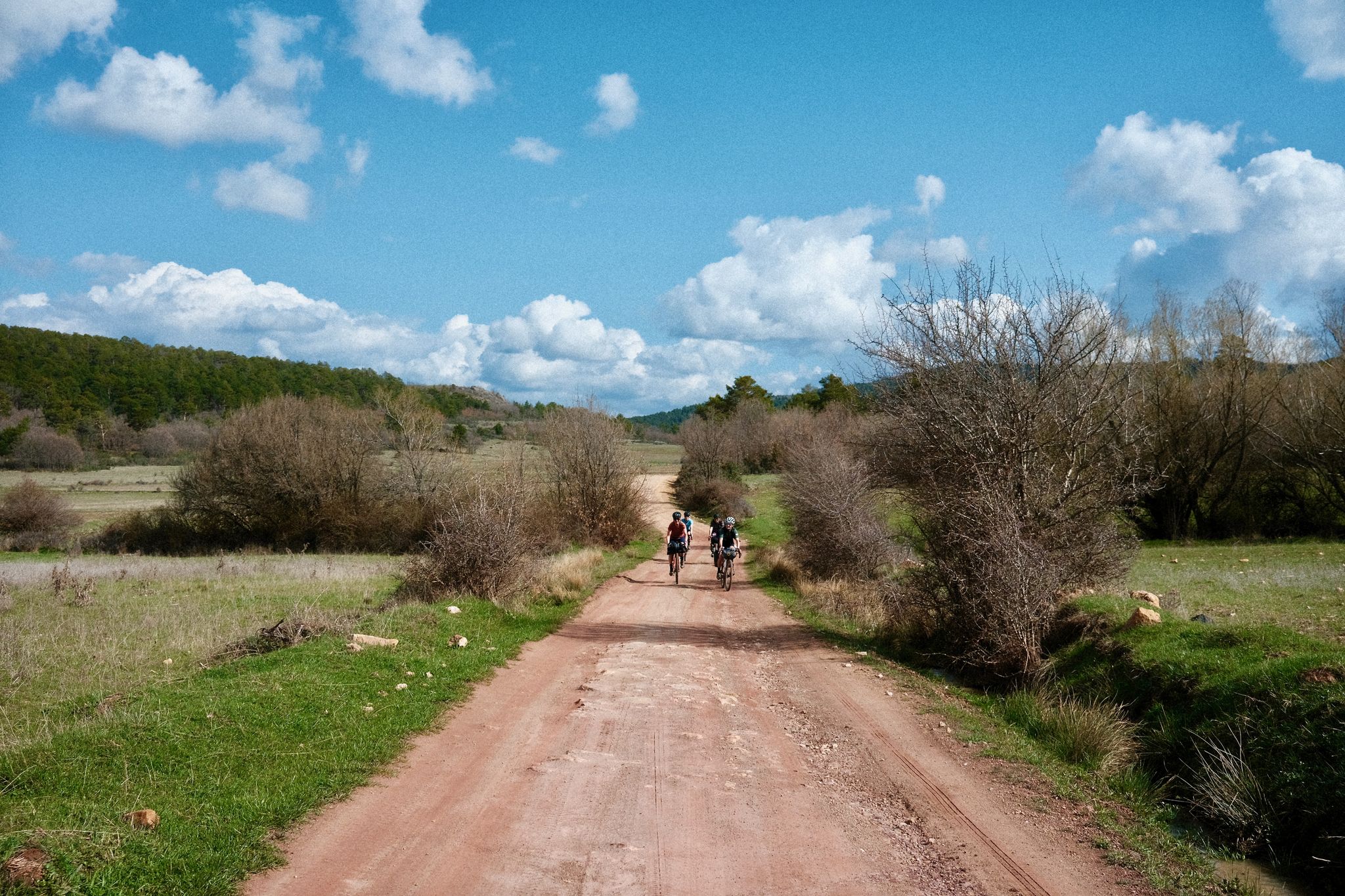
Women's Montañas Vacías 2022 — bikepack in rural Spain
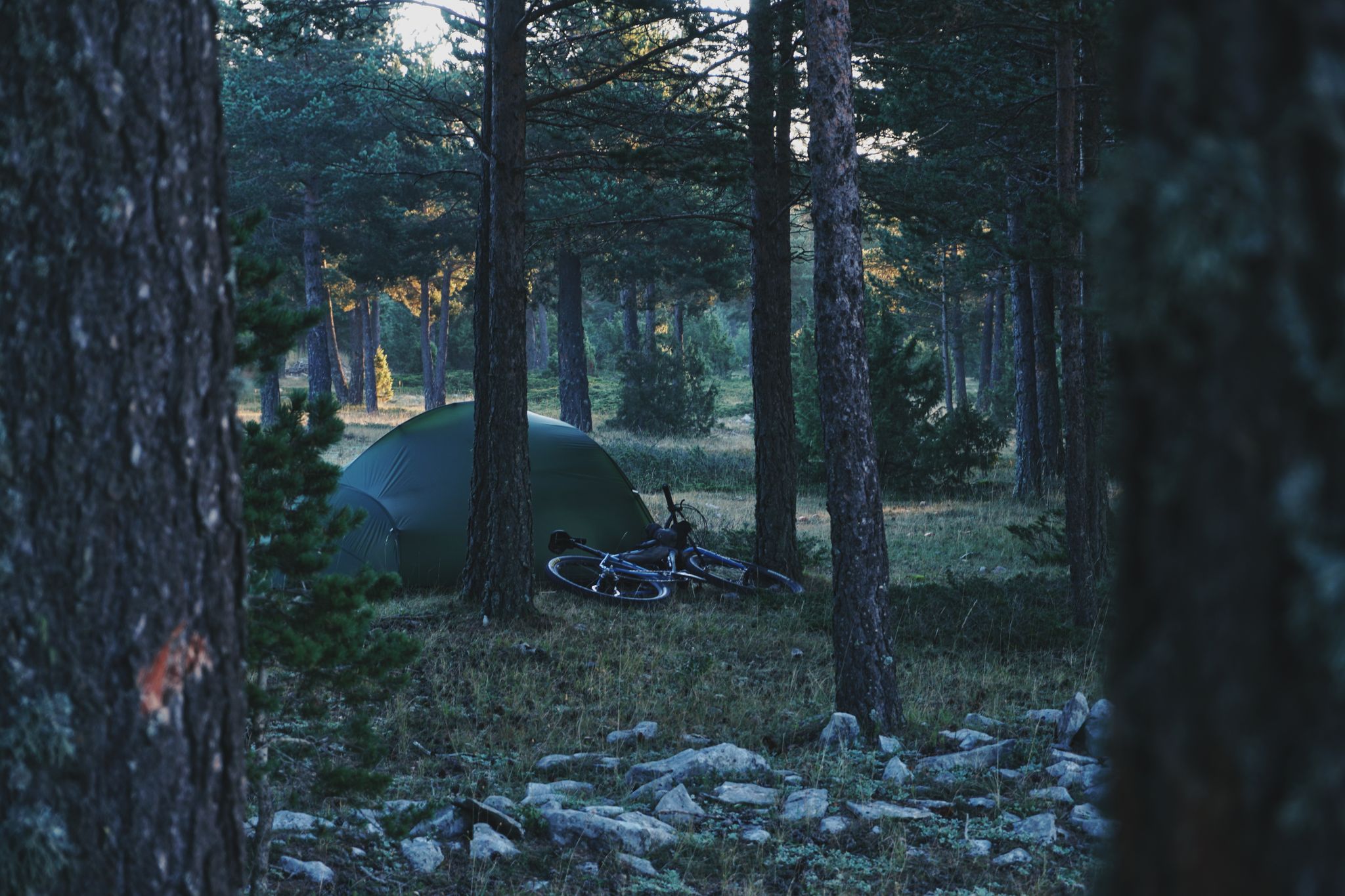
MontañasVacías official — bikepacking across the Spanish Lapland
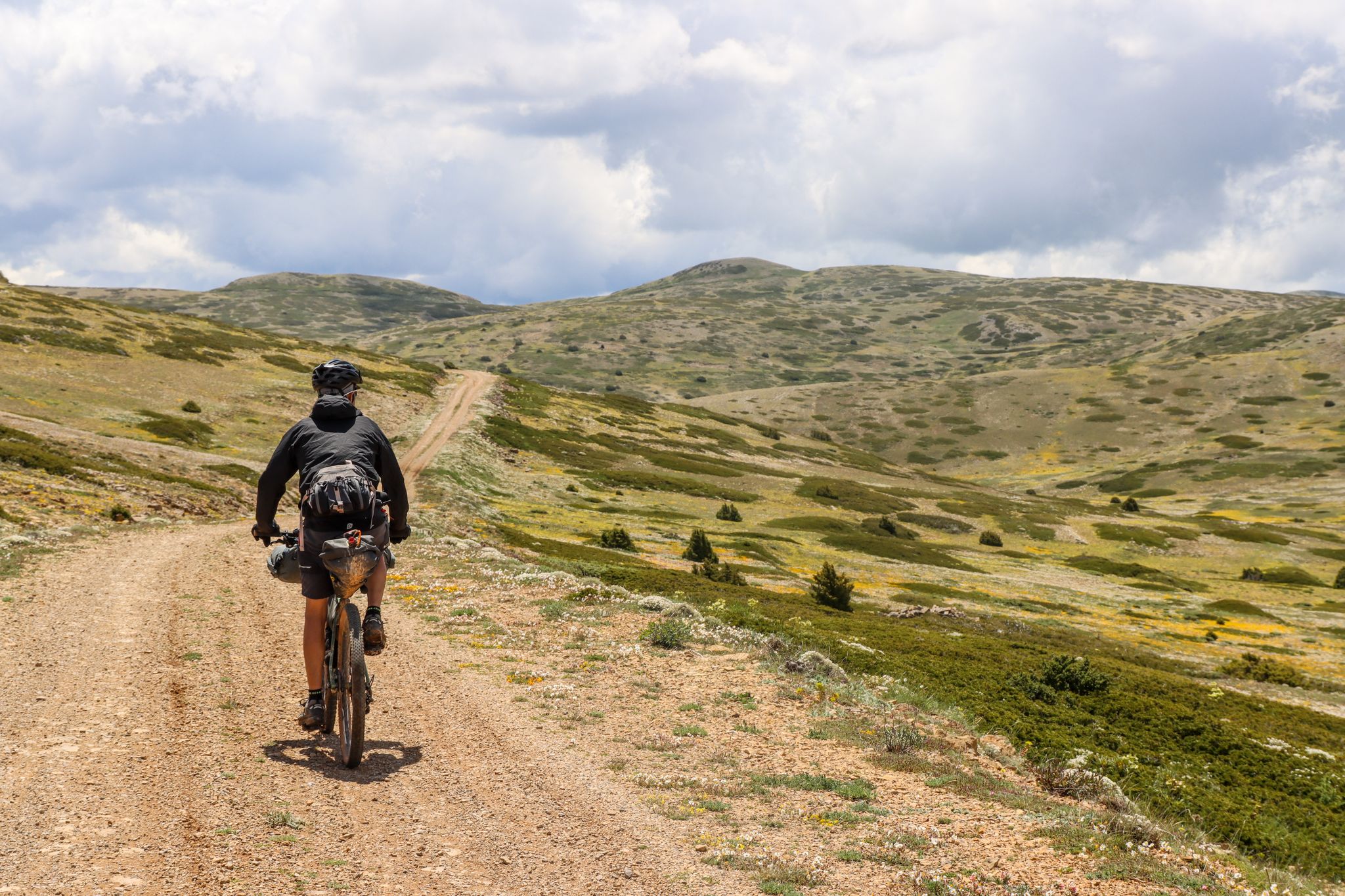
Montañas Vacías — bikepacking the wild and remote 'Empty Mountains'
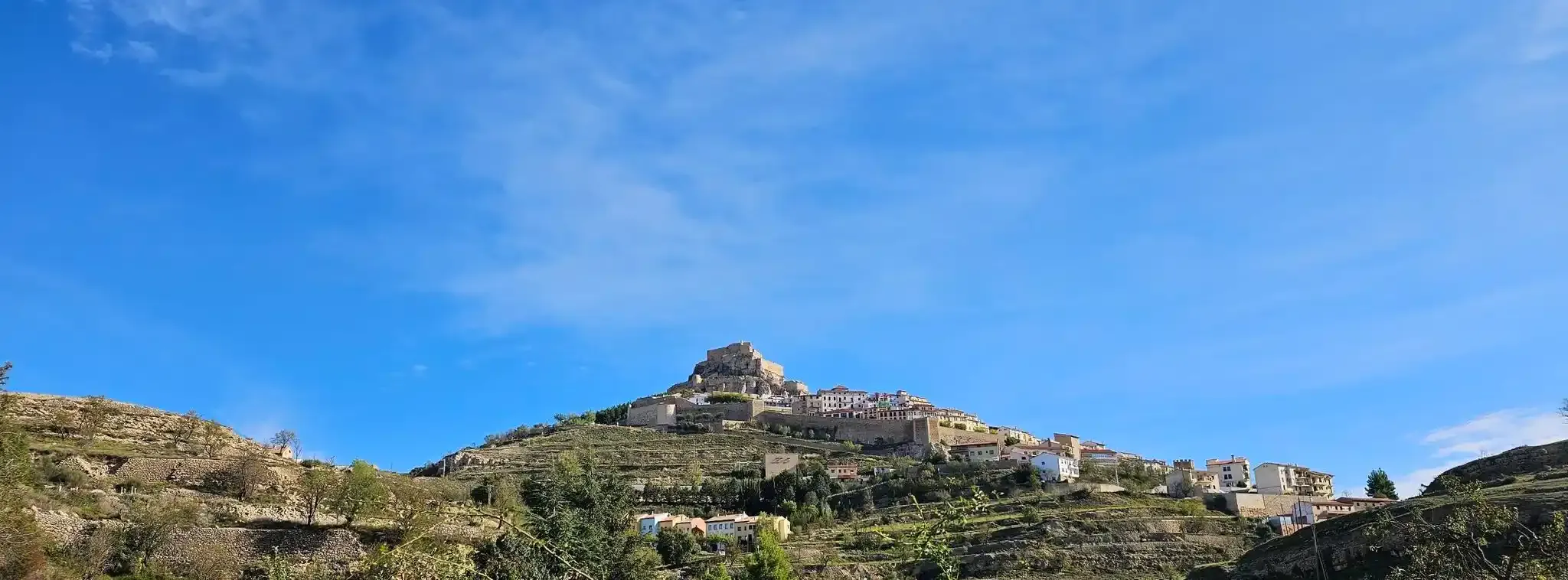
Between castles and walls - Ring of Morella
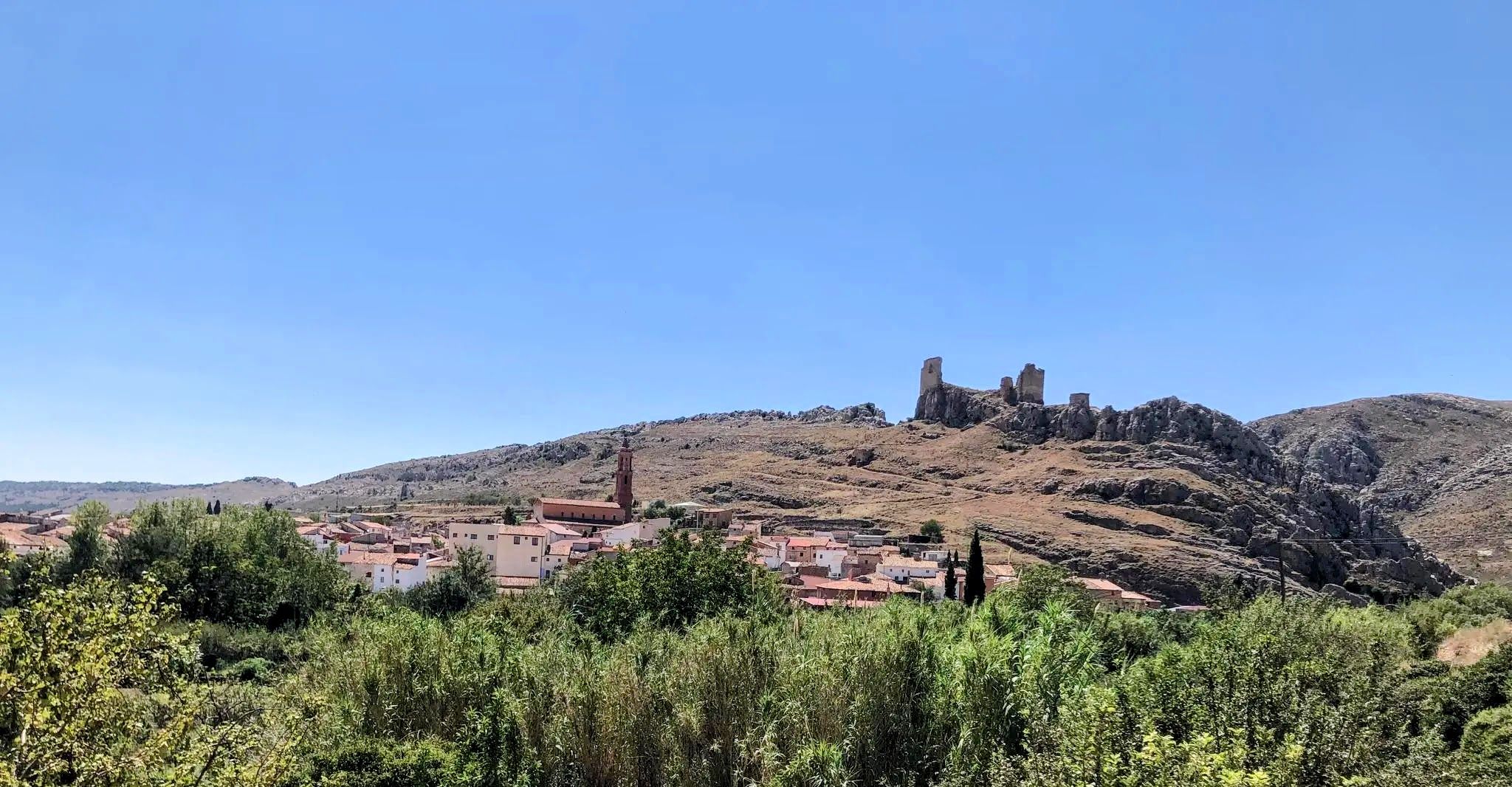
In the footsteps of El Cid - Ring of Montalbán
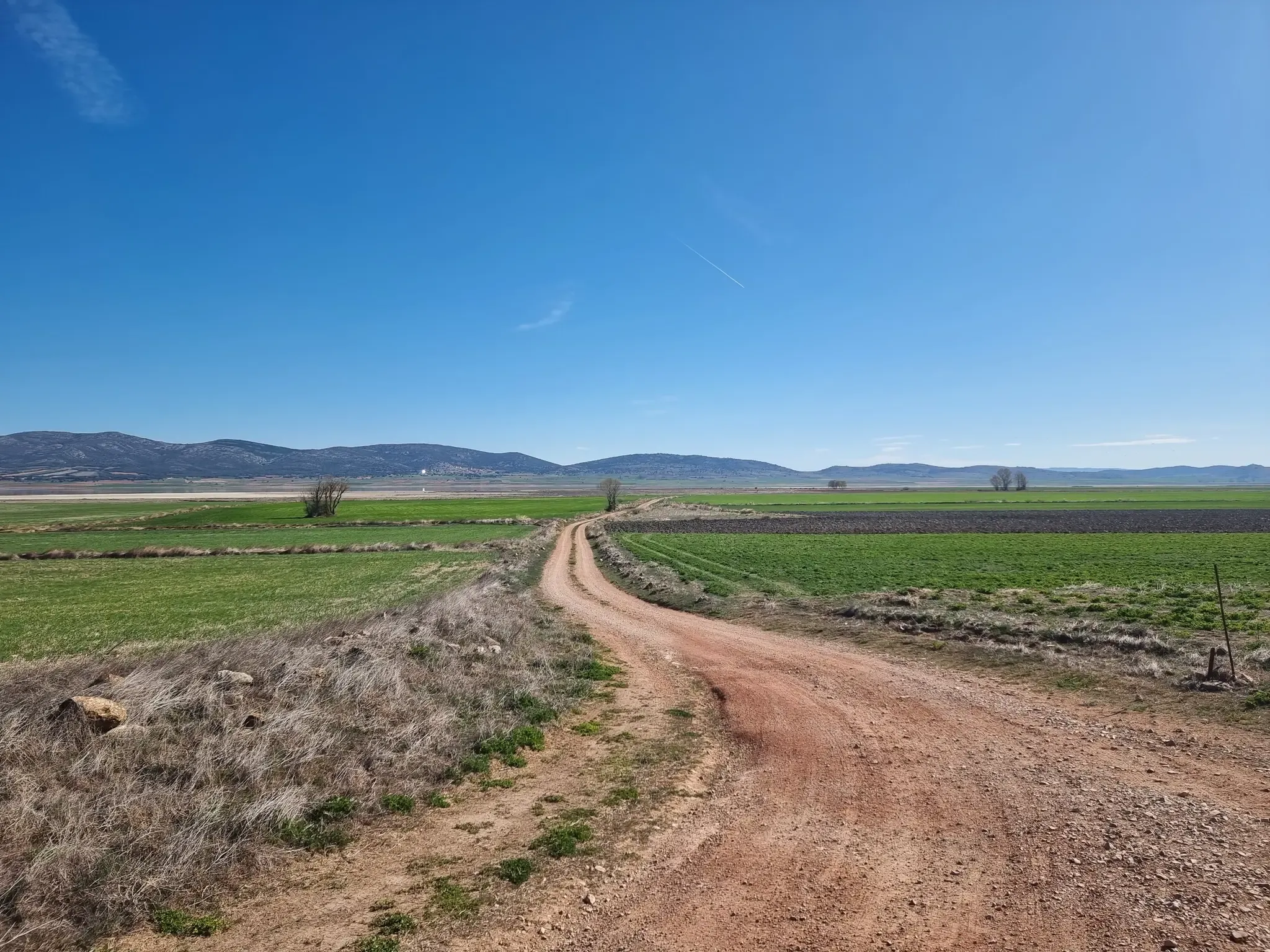
The paradise of the cranes - Gallocanta Ring
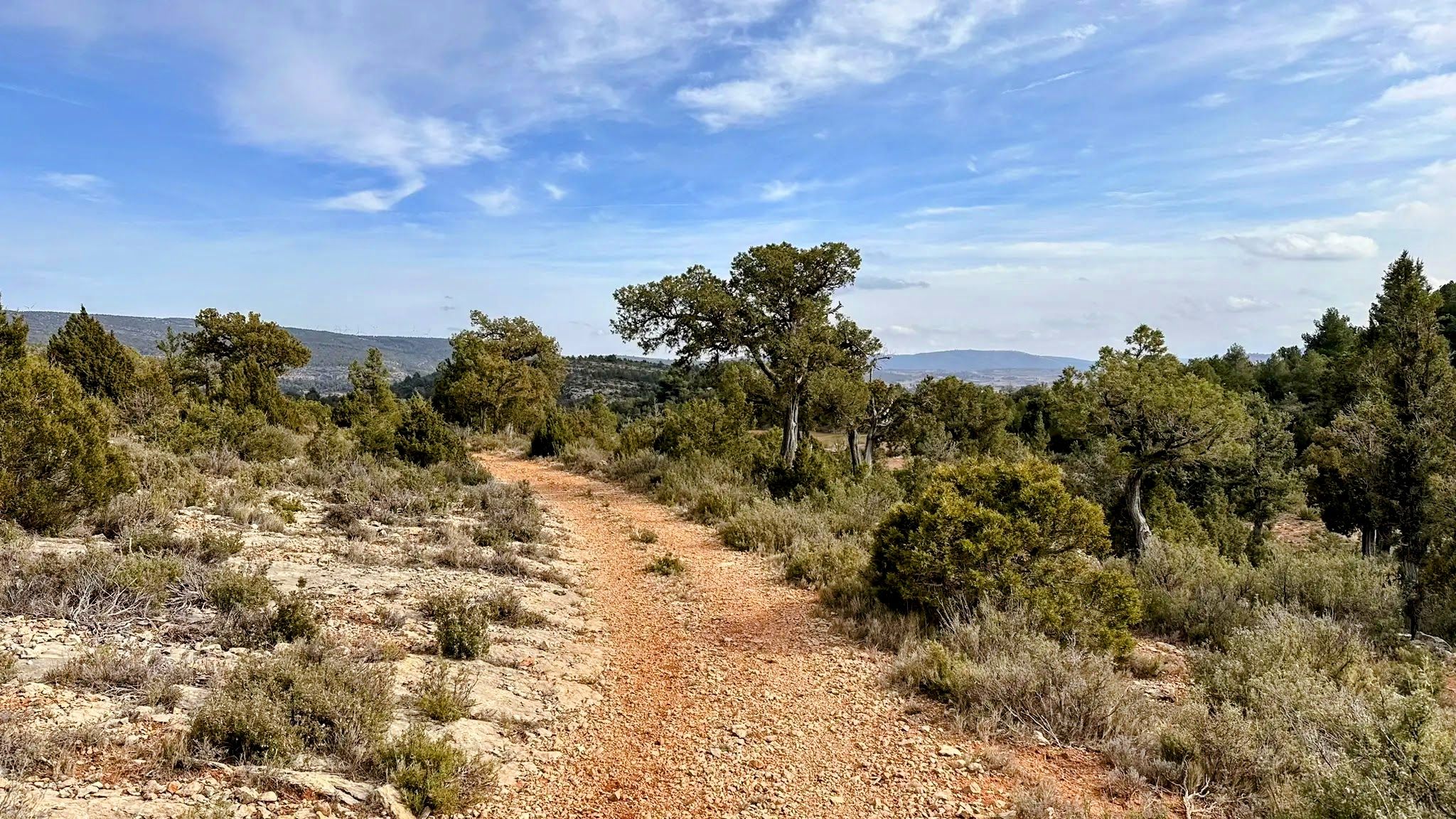
Between junipers and ravines - The Livestock Routes of the Serranía del Turia (GR 37)
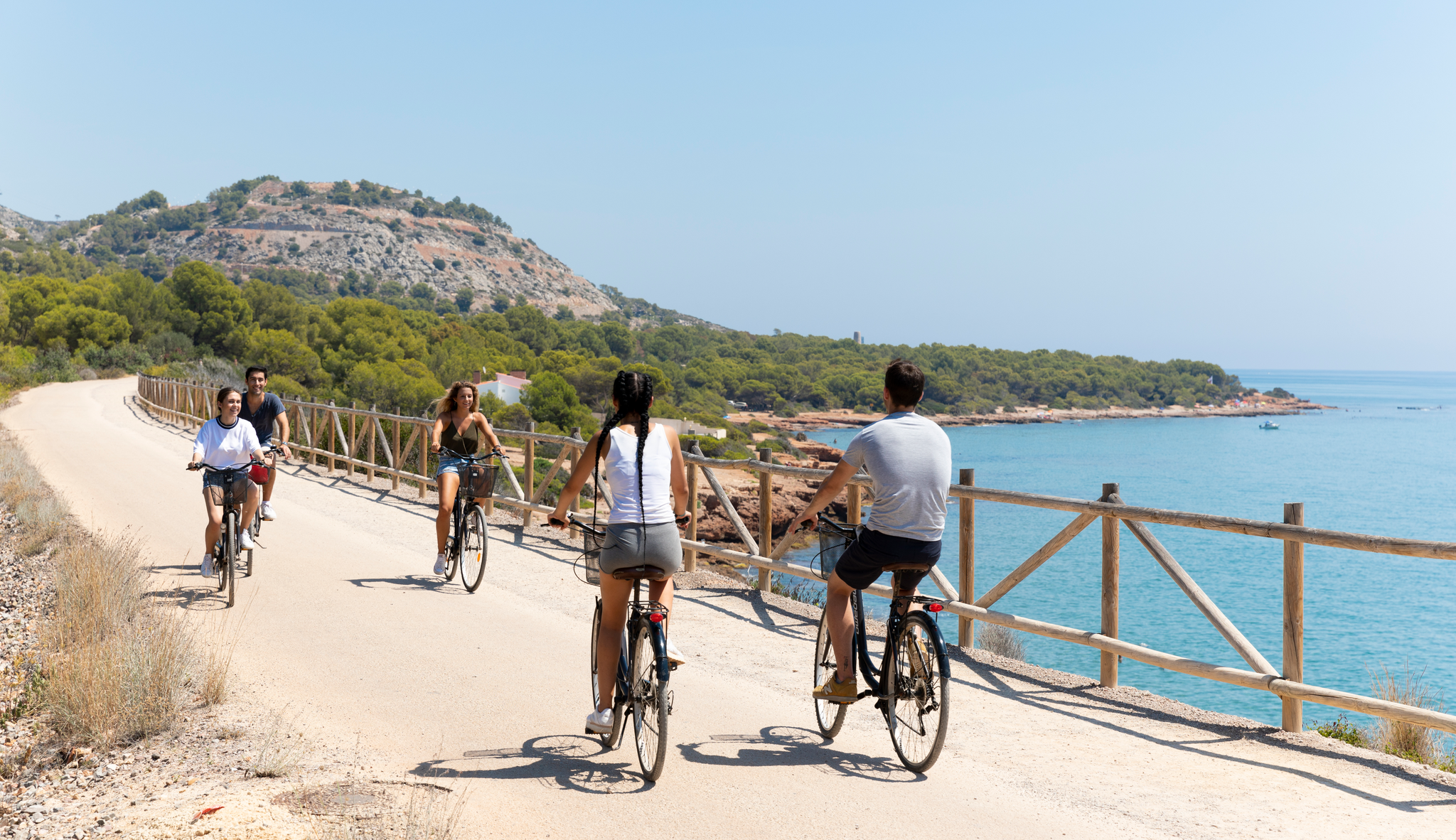
Costa del Azahar and the interior of Castellón by its greenways
Other adventures in Teruel


Tips from the Community

The hiking trails are not perfectly maintained, sometimes there are protruding pins, missing beams, or anchoring in the rocks is loose. If you take photos and look around, you might get dizzy.
11
0
This seven-to-nine-kilometer hike takes you past suspension bridges and waterfalls, with cliffs overlooking the road as you walk along a charming watercourse.
11
0

A beautiful and not demanding route, perhaps too crowded.
0
0

Simply grandiose - you dive into another world. This landscape was created by erosion. Discovered by chance. Simply magically attractive, to explore the landscape to the last corner. Sturdy footwear if you move off the wide path and be careful not to step too far on the edge, material could break away.
0
0

The gravel road that runs along the edge of the Teruel Red Canyon is a true scenic highlight; gravel riding is a real joy in such a landscape. Of course, you shouldn't resist taking a few photos ;-) And don't miss the beautiful mushroom-shaped rock formation in the middle of the canyon!
2
0
A small puddle that is under nature protection ;-)
0
0

The official source of water is located at Fuente de García, in the Montes Universales, within the municipality of Frías de Albarracín (Teruel). It is located at an altitude of approximately 1,590 meters, surrounded by pine forests and high mountain meadows. Access is very easy and well signposted. Take the A-1704 highway, which connects Frías de Albarracín with Huélamo (Cuenca). From the highway, a paved detour of approximately 2 km takes you directly to the recreational area and the monument. There is free parking next to the monument.
10
0
Access is very easy and well signposted. Take the A-1704 highway, which connects Frías de Albarracín with Huélamo (Cuenca). From the highway, a paved detour of approximately 2 km takes you directly to the recreational area and the monument. There is free parking next to the monument.
5
0
Frequently Asked Questions
What are some unique geological features to explore in Teruel's natural monuments?
Teruel offers a variety of striking geological formations. You can visit the Clays of Teruel, a canyon often compared to the Colorado Canyon for its appearance. Another impressive site is the Órganos de Montoro, featuring dramatic calcareous spires resembling cathedral organ pipes, sculpted by natural erosion. The Grutas de Cristal in Molinos are also a must-see, with extensive subterranean galleries adorned with spectacular stalactites and stalagmites.
Are there natural monuments in Teruel that are suitable for families with children?
Yes, several natural monuments in Teruel are family-friendly. The Laguna de Bezas is a great option, offering a peaceful lake environment within the Pinares de Rodeno. The Arquillo de San Blas Reservoir is also popular for recreational activities like picnicking, and the Herrería Waterfall provides an accessible natural spectacle. The Grutas de Cristal in Molinos offer guided tours, which can be an engaging experience for families.
Which natural monuments in Teruel have historical or archaeological significance?
The Grutas de Cristal in Molinos are not only geologically significant but also hold paleontological and archaeological value, with findings of ancient mammal fossils and remains of the 'Hombre de Molinos.' Additionally, the Pinares de Rodeno, near Albarracín, is home to numerous examples of Levantine rock art, which are part of UNESCO's Natural Heritage, depicting prehistoric daily life scenes.
What kind of wildlife can I expect to see at Teruel's natural monuments?
Teruel's natural monuments are rich in biodiversity. At the Puente de la Fonseca, you might spot crabs and otters in the Guadalope River, along with Bonelli's eagles, Spanish ibex, and griffon vultures in the surrounding areas. The Nacimiento del Río Pitarque is known for its trout and otters. The Laguna de Gallocanta is a vital stopover for migratory birds, especially cranes, making it an ornithological paradise. Many areas, like the Órganos de Montoro, are also home to rupicolous birds and Spanish ibex.
What are some popular hiking trails near Teruel's natural monuments?
There are many hiking opportunities. You can explore the Route of Parrissal through the walkways of the Natural Path of Matarraña Algars, or the Ravine of La Hoz from Calomarde. The Embalse del Arquillo de San Blas can be reached via the Camino Natural del Guadalaviar, an entertaining path with hanging walkways. For a scenic river walk, consider the Nacimiento del Río Pitarque Trail. Find more hiking options in the Hiking in Teruel guide.
Are there any natural monuments in Teruel known for their impressive viewpoints?
Absolutely. The Cabrerizo Viewpoint is highly popular, offering panoramic views of the reddish rock formations and rodeno pines. The Clays of Teruel also provide stunning vistas of the canyon. For those seeking a challenge, the Penyagalera Summit (1,035 m) offers expansive views of the landscape.
What is the best time of year to visit the natural monuments in Teruel?
The best time to visit Teruel's natural monuments generally depends on your preferred activities. Spring and autumn offer pleasant temperatures for hiking and exploring, with lush vegetation or vibrant fall colors. Summer can be warm, but is ideal for water-related activities or visiting sites like the Arquillo de San Blas Reservoir. For birdwatching, particularly cranes, the Laguna de Gallocanta is best visited in late autumn and winter.
Can I find any waterfalls among the natural monuments in Teruel?
Yes, Teruel features several beautiful waterfalls. The Herrería Waterfall is a notable natural monument. Another impressive site is the Nacimiento del Río Pitarque, where water emerges from an aquifer, creating a striking waterfall, especially after heavy rainfall. You can also visit the San Pedro Mill Waterfall.
What cycling opportunities are available near Teruel's natural monuments?
Cyclists can enjoy various routes in the region. The Vía Verde Val del Zafán offers a long-distance cycling experience, and there are routes like the Old trains circular from Teruel, which utilizes the old railway network. The Ojos Negros Greenway is another popular option. For more details on routes and their difficulty, check the Cycling in Teruel guide.
Are there any natural bridges or unique river formations to see?
Yes, the Puente de la Fonseca near Ladruñán is a remarkable fluvio-karstic formation, a natural tufa arch carved by the Guadalope River. This natural bridge creates a distinctive tunnel and is surrounded by exceptional landscapes and rich biodiversity.
What do visitors particularly enjoy about the natural monuments in Teruel?
Visitors frequently praise the incredible power and beauty of nature evident in sites like the Clays of Teruel. The panoramic views from spots like the Cabrerizo Viewpoint, surrounded by rodeno pines and reddish rock formations, are also highly appreciated. Many enjoy the tranquility and fresh air found at places like the Laguna de Bezas, and the unique geological formations across the region.
Are there any natural monuments that involve caves or underground exploration?
The Grutas de Cristal (Crystal Caves) in Molinos are a prime example, offering an extensive network of subterranean galleries with spectacular formations. Additionally, the Shelter of the Archer of the Enclosed Ravines is a historical site located within a cave, combining natural beauty with archaeological interest.
Most popular routes in Teruel
Most popular attractions in Teruel

Get inspired with the komoot mobile app


Didn’t find what you were looking for?
Find even more amazing natural monuments in Teruel by checking out the top Highlights region by region:
Explore more
Extend your search for the best caves by checking out these guides of the top ones in Teruel:
