Top 20 Natural Monuments in Madrid
Natural monuments in Madrid, Spain, feature diverse landscapes and geological formations within protected areas. The region's natural environment includes high mountain ranges, glacial cirques, granite outcrops, and ancient forests. These sites showcase Madrid's ecological richness and offer opportunities for outdoor exploration. The Community of Madrid contains several official "Monumento Natural" designations.
Best natural monuments in Madrid
- The most popular natural monuments is Peñalara Glacial Cirque, a natural monument that features glacial reliefs between peaks like Peñalara (2,428 m) and Dos Hermanas (2,284 m). This area is notable for its granite steps, walls, and niches where lagoons and wetlands form.
- Another must-see spot is Seven Peaks, a summit and mountainous formation in the Sierra de Guadarrama. This granite ridge is one of the striking reliefs of the Sierra de Guadarrama, located on the border between Madrid and Segovia.
- Visitors also love La Teja Spring and the Hermitage of San Isidro, a natural monument with a spring and historical hermitage. This location offers a place for rest and water replenishment.
- Madrid is known for its diverse natural monuments, including high mountain summits, glacial formations, and unique geological sites. Visitors can explore a variety of landscapes, from granite ridges to ancient forests and waterfalls.
- The natural monuments in Madrid are appreciated by the komoot community, with more than 450 upvotes and over 60 photos shared by users.
Last updated: August 20, 2026
Casa de Campo Lake
Highlight • Lake
The lake has several jetties for recreational and sports activities and has hosted several world-class triathlon events. Around it there is a rosary of restaurants with their very popular terraces among the people of Madrid.
Translated by Google •
Tip by

La Teja Spring and the Hermitage of San Isidro
Highlight • Religious Site
Translated by Google •
Tip by

Sign up now to discover places like this
Get recommendations on the best single tracks, peaks, & plenty of other exciting outdoor places.
Sign up for free
Hervidero Waterfall
Highlight • Waterfall
Be careful when going down the narrow stairs that have no railings. The ascent is a bit poorly indicated, you have to look a little.
Translated by Google •
Tip by

Seat of Philip II
Highlight • Viewpoint
Some experts assure that these granite seats, for the king and two companions, are the remains of a thousand-year-old Celtiberian altar. From here you can perceive that the Monastery has the shape of an inverted grill, in homage to San Lorenzo, who was martyred in one of them back in the year 258, since it is located on a small hill from which the Guadarrama Valley and the Sierra de Navacerrada.
Translated by Google •
Tip by

Peñalara Glacial Cirque
Highlight • Natural Monument
Translated by Google •
Tip by

Mount Abantos
Highlight • Summit
Translated by Google •
Tip by
Seven Peaks
Highlight (Segment) • Summit
Translated by Google •
Tip by
Peñalara Peak
Highlight • Summit
Translated by Google •
Tip by
Cervantes Monument, Plaza de España
Highlight • Monument
The square has a fountain with a pond and gardens. It is flanked by two emblematic buildings in the city: the Torre de Madrid and the Edificio España, which make up one of the most interesting architectural complexes in the capital.
Translated by Google •
Tip by
Valdeliganar Viewpoint
Highlight • Viewpoint
Translated by Google •
Tip by

Sign up for free to discover even more natural monuments in Madrid.
Sign up for free
Already have an account?
Start today with a free account
Your next adventure awaits.
Login or Signup
Popular around Madrid
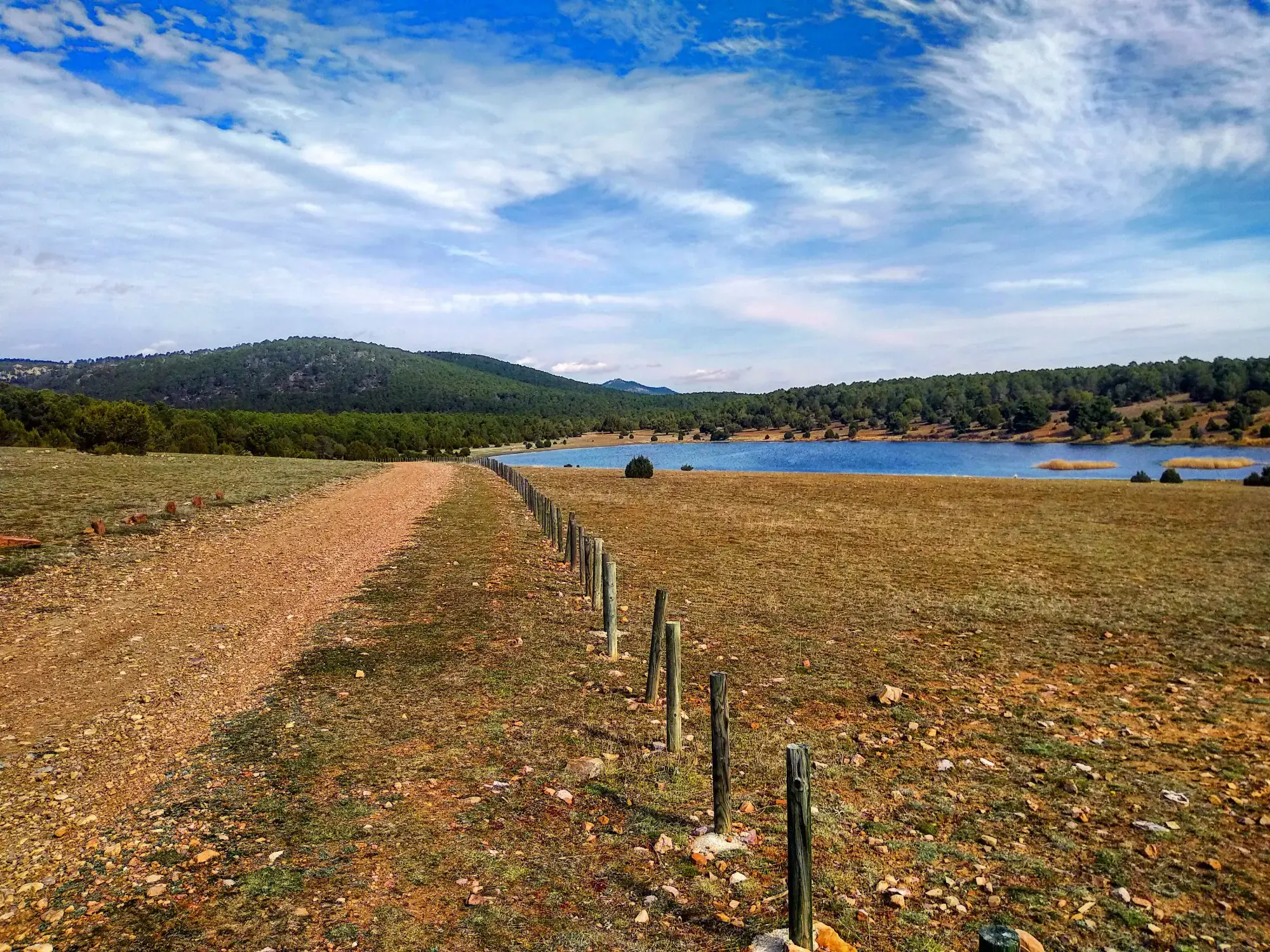
Sendero Español GR 10 — De este a oeste
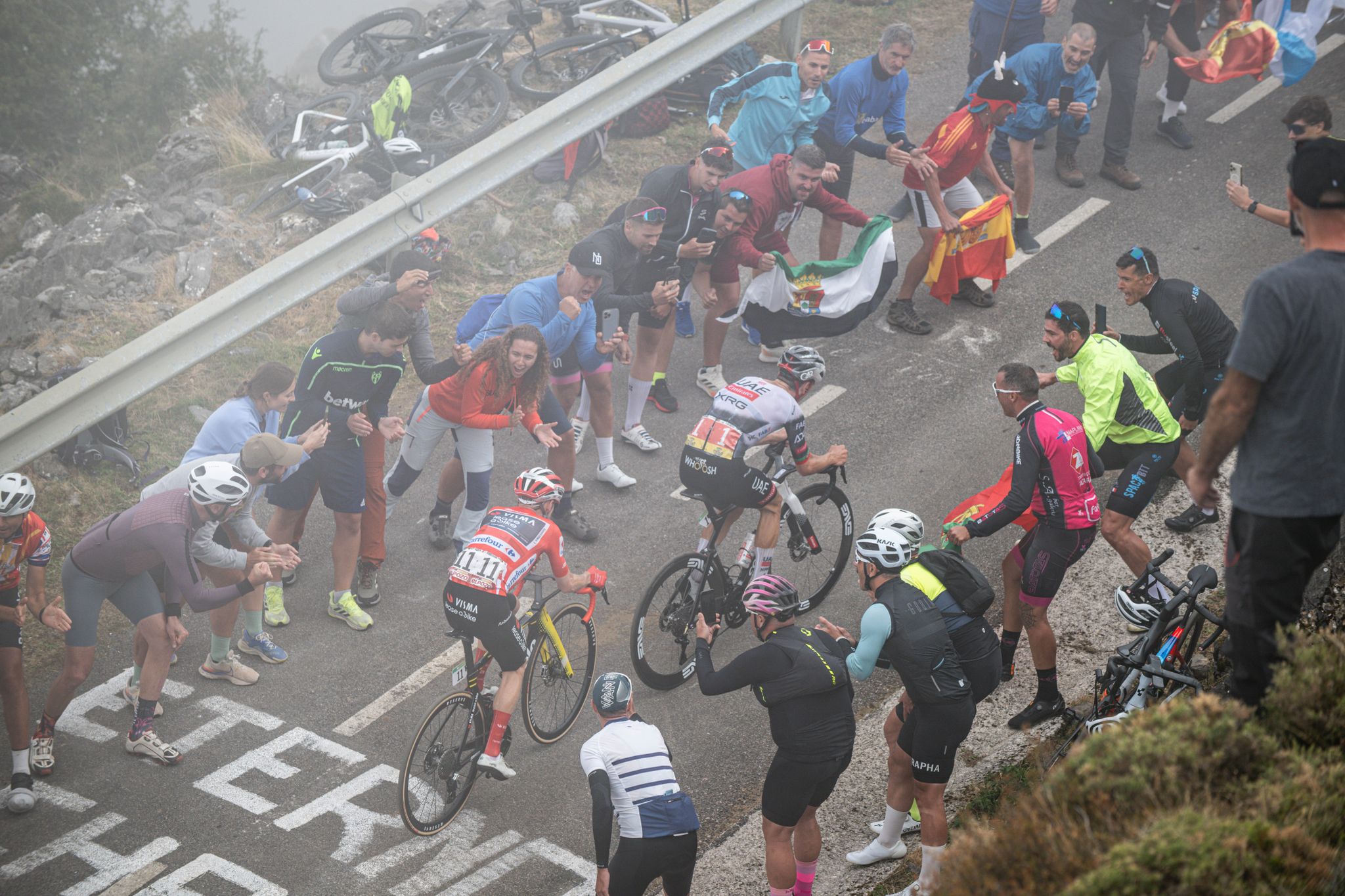
Mythical Passes and Sections of La Vuelta
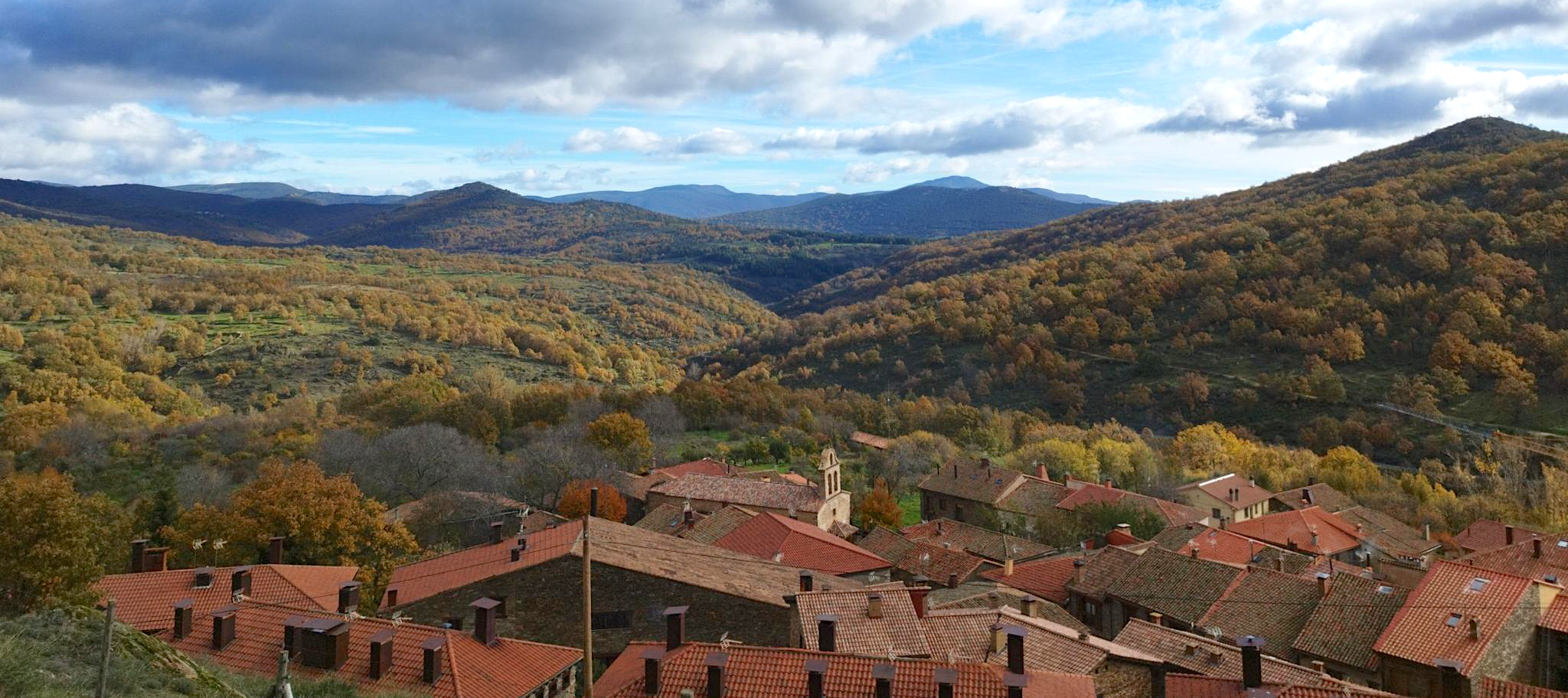
Sierra del Rincón, Biosphere Reserve — On Foot along the GR 303
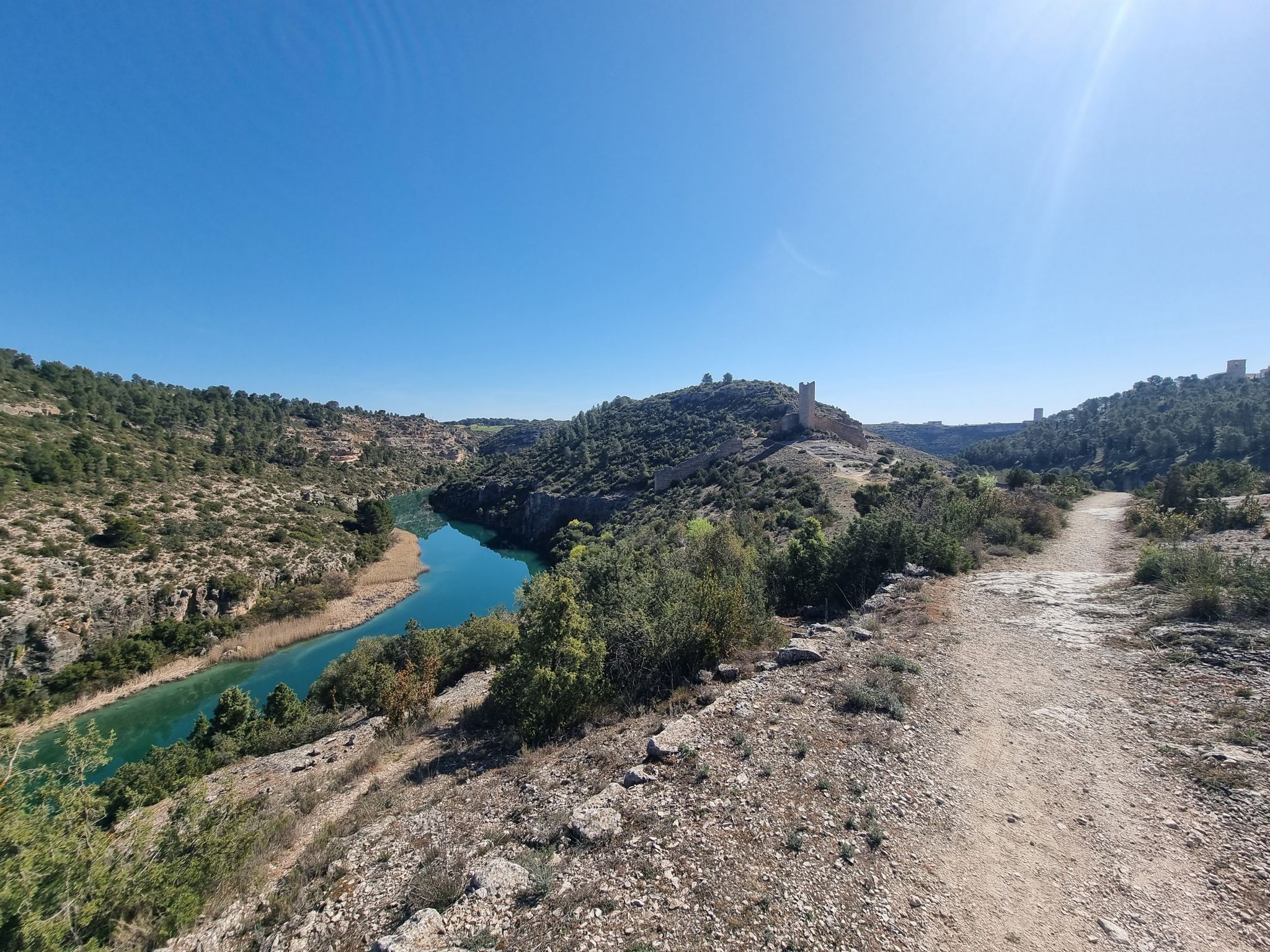
A gravel bike adventure between Madrid and Valencia
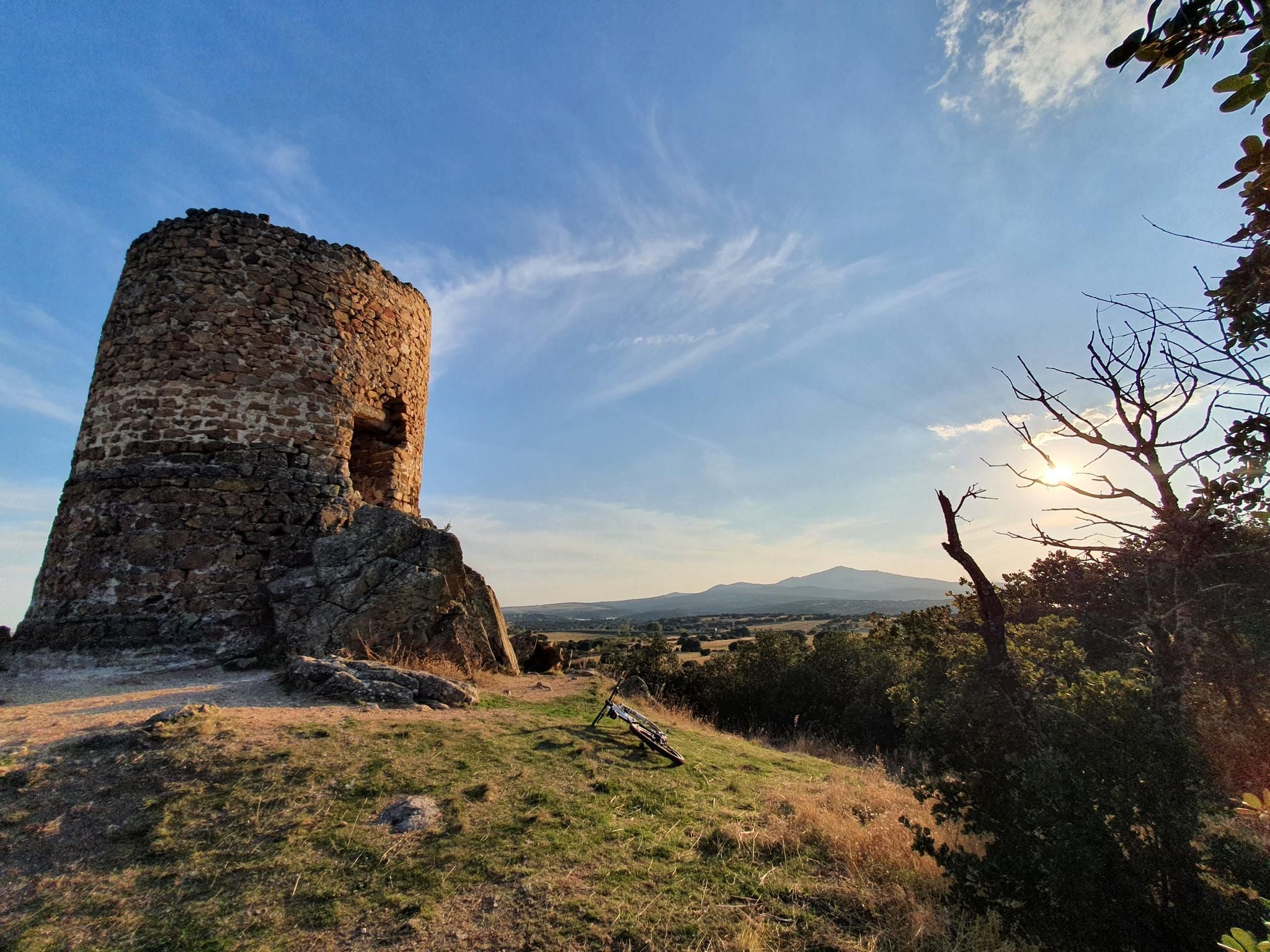
Along the paths of Marca Media — Route of the watchtowers of Madrid
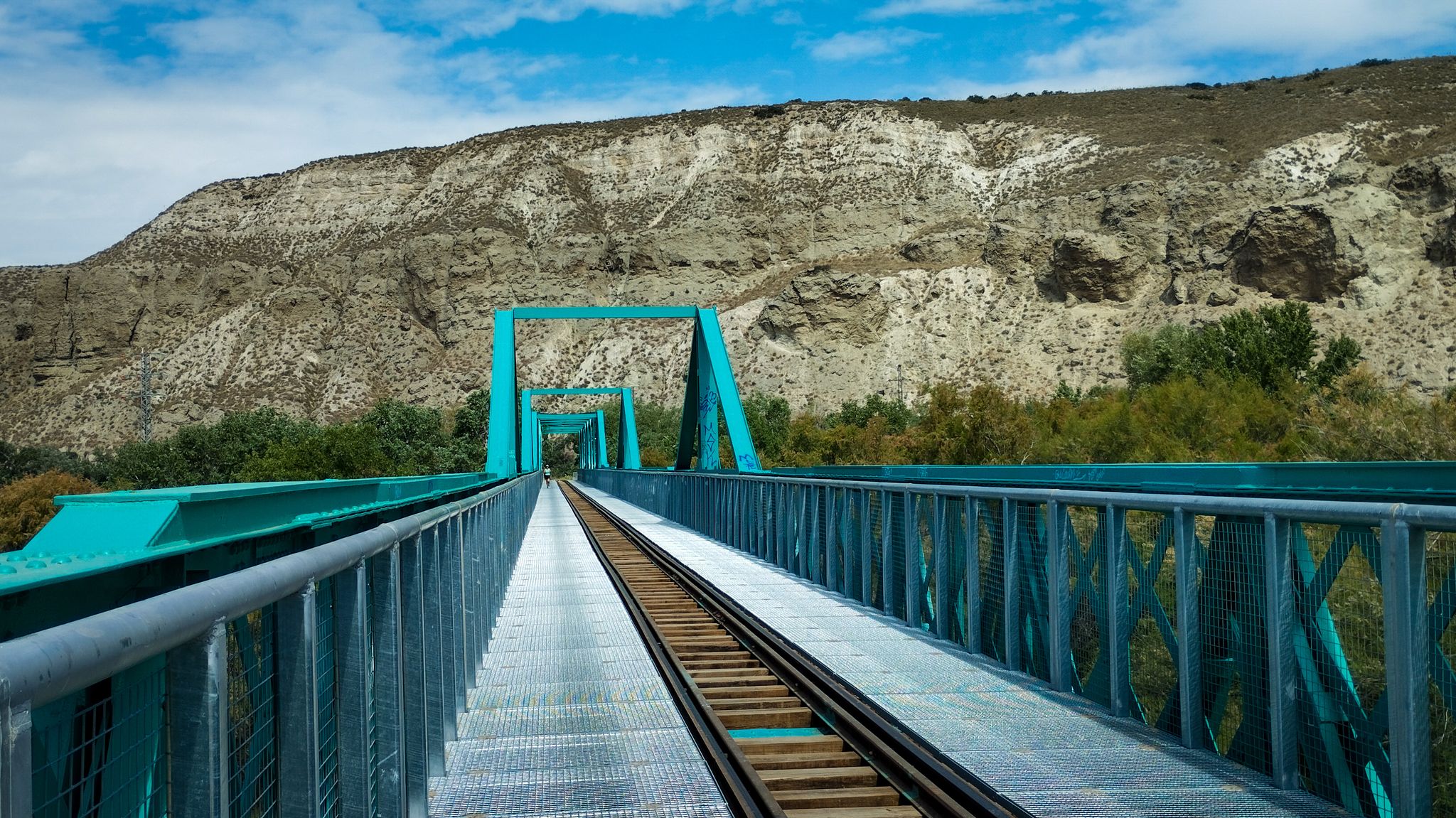
A family ride through Las Vegas de Madrid in Spain – Tajuña Greenway
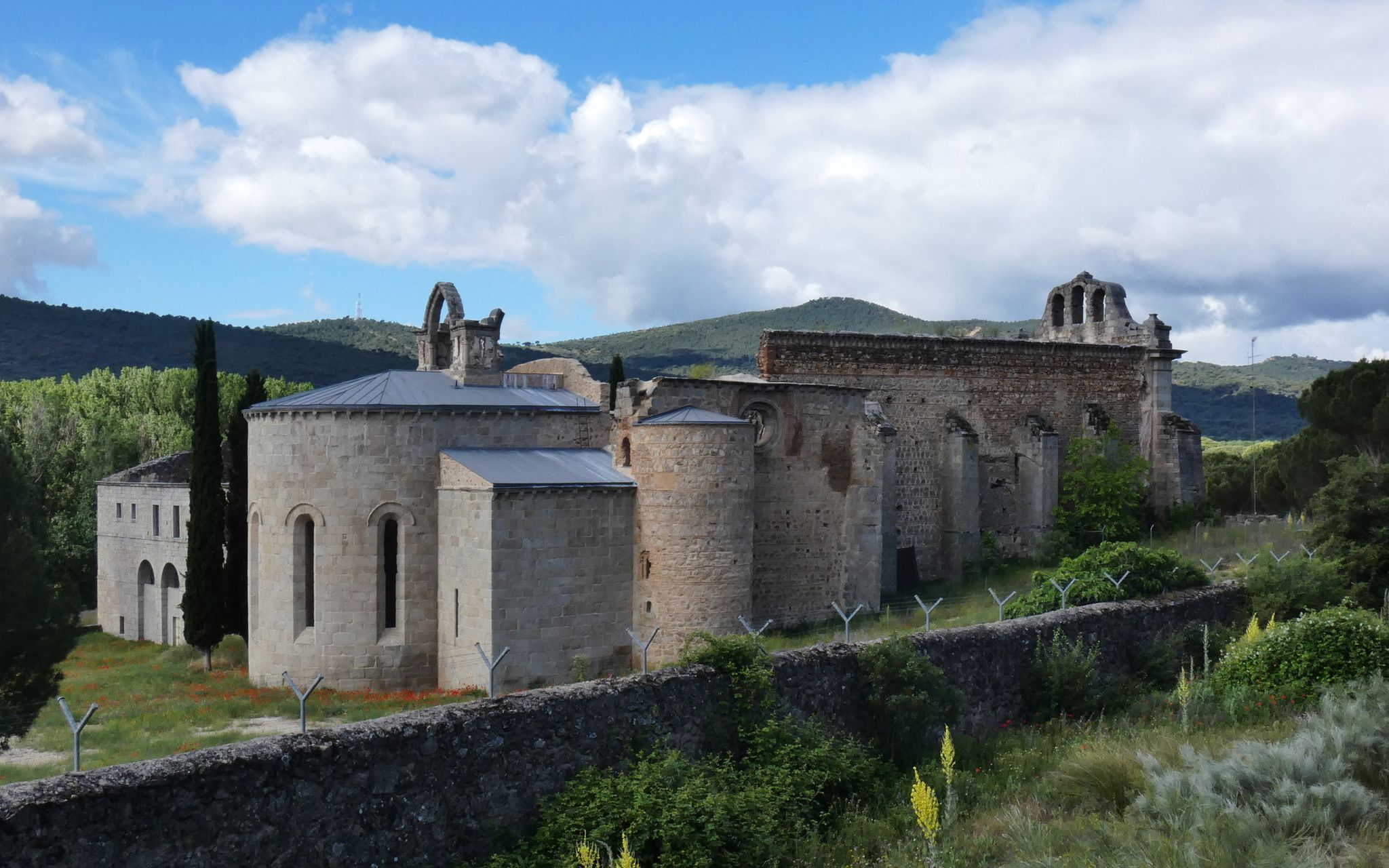
Madrid’s mediaeval castles and hidden gems by gravel bike
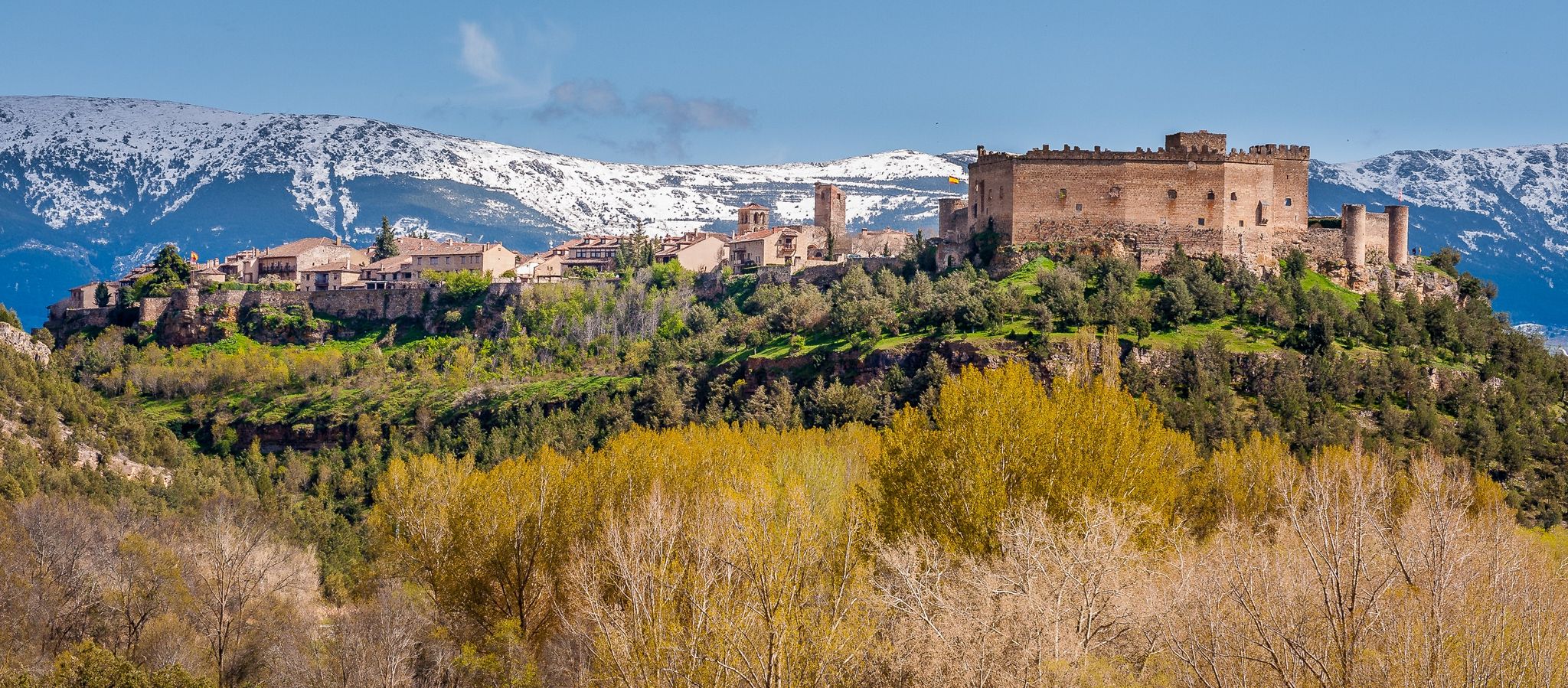
Nature, history and tradition – Segovia Trail (GR 88)
Hidden treasures in the river – hike along Spain’s Guadarrama River
The treasures of Guadarrama – on foot along the GR 10 in Madrid
Other adventures in Madrid


Tips from the Community

The Hervidero Waterfall is a double waterfall on the Guadalix River, nestled in a rocky canyon and surrounded by riverside vegetation. It can be reached via a flat and easy 7 km (round trip) route starting from San Agustín del Guadalix, ideal for family hikes.
4
0

They say (I don't know how true this is) that Philip II used to watch the progress of the construction of the colossal monastery from this very spot during his hunting trips, which he was very fond of. Whether true or not, it makes for a beautiful viewpoint, especially in autumn.
1
0
The Chair of Philip II is a famous granite viewpoint in San Lorenzo de El Escorial, near Madrid. Legend has it that King Philip II used it to view the construction of the Monastery of El Escorial. However, experts believe it was actually an ancient Celtic altar, possibly used for rituals. Today, it's a popular hiking spot with stunning views of the monastery and its surroundings.
3
0

The truth is that seeing a glacier so close to Madrid is amazing.
0
0

The Chair of Philip II is a group of platforms and seats carved in granite. According to tradition, Philip II used this site as an observatory during the construction of the Monastery of El Escorial. However, some theories suggest that it could be an ancient Vetton altar. This site offers spectacular views of the Monastery of El Escorial and its surroundings, including the La Herrería forest. The route to reach the Chair of Philip II is quite accessible and can be done in approximately one hour from the San Lorenzo de El Escorial Tourist Office.
1
0
The Chair of Philip II is a group of platforms and seats carved in granite. According to tradition, Philip II used this site as an observatory during the construction of the Monastery of El Escorial. However, some theories suggest that it could be an ancient Vetton altar. This site offers spectacular views of the Monastery of El Escorial and its surroundings, including the La Herrería forest. The route to reach the Chair of Philip II is quite accessible and can be done in approximately one hour from the San Lorenzo de El Escorial Tourist Office.
1
0

Nice piece on the friday night skate
0
0
A walk around the lake, with views of Madrid, to escape from the city for a while
3
0
Frequently Asked Questions
What are some of the most notable natural monuments in Madrid?
Madrid boasts several impressive natural monuments. Among them, the Peñalara Glacial Cirque stands out with its glacial reliefs and high-mountain lagoons. Seven Peaks offers a striking granite ridge in the Sierra de Guadarrama, popular for its challenging terrain. Another unique site is La Pedriza, known for its vast boulder fields and distinctive granite formations like El Yelmo. The Hayedo de Montejo de la Sierra, a UNESCO-listed beech forest, is also a significant natural monument.
Are there natural monuments in Madrid suitable for families?
Yes, several natural monuments in Madrid are family-friendly. The Casa de Campo Lake is an excellent option, offering recreational activities and restaurants. La Teja Spring and the Hermitage of San Isidro provides a pleasant spot for rest and water replenishment. Additionally, the Great Pond of El Retiro, while urban, is a popular family destination with boat rides and historical monuments.
What kind of outdoor activities can I do near Madrid's natural monuments?
The natural monuments in Madrid offer a wide range of outdoor activities. You can enjoy extensive hiking trails, from moderate to difficult, especially around areas like Peñalara and La Pedriza. Mountain biking is popular in regions like La Pedriza, and running routes are available in various parks and natural areas. Rock climbing is also a major draw in La Pedriza, which features nearly a thousand climbing routes.
When is the best time of year to visit the natural monuments in Madrid?
The best time to visit depends on the specific monument and your preferred activity. For vibrant autumn colors, the Hayedo de Montejo de la Sierra is spectacular. Spring offers lush greenery and pleasant temperatures for hiking. Summer is ideal for higher altitude areas like Peñalara, though it can be warm. Winter provides opportunities for cross-country skiing in Peñalara, but be prepared for ice and snow on trails.
Can I find historical or cultural sites within Madrid's natural monuments?
Yes, some natural monuments in Madrid incorporate historical or cultural elements. For instance, La Teja Spring and the Hermitage of San Isidro combines a natural spring with a historical hermitage. The Seat of Philip II is a viewpoint with historical significance. Even the Great Pond of El Retiro, while an urban park, has a rich history dating back to the 17th century and features the Crystal Palace.
What unique geological features can I expect to see?
Madrid's natural monuments showcase diverse geological formations. In the Parque Natural de la Cumbre, Circo y Lagunas de Peñalara, you'll find unique glacial landscapes, including cirques, moraines, and high-mountain lagoons. La Pedriza is renowned for its extensive granitic outcrops and massive boulder fields, shaped by erosion into distinctive forms. The Chorrera de los Litueros features a spectacular waterfall cascading over granite rocks, creating a 'horse tail' effect.
Are there natural monuments in Madrid that are dog-friendly?
While specific dog policies can vary by protected area, many natural spaces in Madrid allow dogs, often on a leash. It's always advisable to check the specific regulations for each natural monument before visiting, especially for sensitive ecosystems like the Hayedo de Montejo de la Sierra, which requires guided access. Generally, open hiking trails in areas like La Pedriza or parts of the Sierra de Guadarrama are more accommodating for dogs.
How can I access Madrid's natural monuments by public transport or car?
Many natural monuments are accessible by car, often with designated parking areas, though some may require permits or have limited capacity, especially during peak seasons. For example, Peñalara is typically accessed from Puerto de Cotos. La Pedriza is easily reached from Manzanares el Real. Public transport options exist for some areas; for instance, the Seven Peaks area can be reached via metro to Cercedilla. It's recommended to research specific transport options for your chosen destination.
What wildlife might I encounter in Madrid's natural monuments?
The natural monuments in Madrid are home to a variety of wildlife. In the high-mountain ecosystems of Peñalara, you might spot species like the black vulture, imperial eagle, and various amphibians. La Pedriza is known for its birds of prey, including a significant breeding colony of griffon vultures. The Hayedo de Montejo de la Sierra hosts roe deer, wild boars, badgers, otters, and numerous bird species. Keep an eye out for diverse flora and fauna throughout these protected areas.
Are there any challenging natural monuments for experienced hikers or climbers?
Absolutely. For experienced hikers, the trails around Peñalara Glacial Cirque and La Maliciosa Summit offer challenging routes with significant elevation changes. La Pedriza is a world-renowned destination for rock climbing, featuring nearly a thousand routes of varying difficulty, making it ideal for climbers seeking a challenge. The granite ridge of Seven Peaks also presents a rugged and challenging traverse.
What do visitors particularly enjoy about the natural monuments in Madrid?
Visitors to Madrid's natural monuments highly appreciate the diverse landscapes, from high mountain ranges to unique geological formations and ancient forests. The opportunity for outdoor activities like hiking, climbing, and enjoying panoramic views is a major draw. Many also value the tranquility and the chance to connect with nature close to the city. The komoot community has shared over 60 photos and given more than 450 upvotes, highlighting the beauty and appeal of these sites.
Are there any waterfalls among Madrid's natural monuments?
Yes, the Chorrera de los Litueros, located near Somosierra, is the highest waterfall in the Community of Madrid. It features a spectacular 30 to 40-meter drop, especially impressive after rainfall or during the spring thaw. A straightforward hiking route from Puerto de Somosierra leads to this striking natural spectacle, making it an accessible and rewarding excursion.
Most popular routes in Madrid
Most popular attractions in Madrid

Get inspired with the komoot mobile app


Didn’t find what you were looking for?
Find even more amazing natural monuments in Madrid by checking out the top Highlights region by region:
Explore more
Extend your search for the best caves by checking out these guides of the top ones in Madrid:
