Top 20 Natural Monuments in Catania
Natural monuments in Catania are primarily shaped by the volcanic activity of Mount Etna and the proximity to the Ionian Sea. This region, located on Sicily's eastern coast, features diverse landscapes and geological wonders. These sites offer a range of environments, from volcanic deserts to coastal escarpments. The area is a significant international research center for volcanology and geology.
Best natural monuments in Catania
- The most popular natural monument is Summit Craters of Mount Etna, a volcano that is…
Last updated: September 29, 2026
Summit Craters of Mount Etna
Highlight • Volcano
Translated by Google •
Tip by

Piccolo Rifugio (Etna South)
Highlight • Volcano
The jeep tour oh up is highly recommended.
Attention: If it is …
Translated by Google •
Tip by

Sign up now to discover places like this
Get recommendations on the best single tracks, peaks, & plenty of other exciting outdoor places.
Silvestri Inferior Craters
Highlight • Volcano
Not quite the …
Translated by Google •
Tip by

Laghetto Crater
Highlight • Volcano
Translated by Google •
Tip by

Barbagallo Craters
Highlight (Segment) • Volcano
Whenever you visit, keep in mind that even in the summer months, winter can be cold up here.
Translated by Google •
Tip by
Serracozzo Cave
Highlight • Cave
Translated by Google •
Tip by
Monti Sartorius
Highlight • Volcano
Translated by Google •
Tip by

Fountain at Villa Bellini
Highlight • Monument
Translated by Google •
Tip by

Etna Crater
Highlight (Segment) • Volcano
Translated by Google •
Tip by

View of the Cyclops Islands (Faraglioni of Aci Trezza)
Highlight • Natural Monument
Translated by Google •
Tip by

Sign up for free to discover even more natural monuments in Catania.
Already have an account?
Start today with a free account
Your next adventure awaits.
Popular around Catania
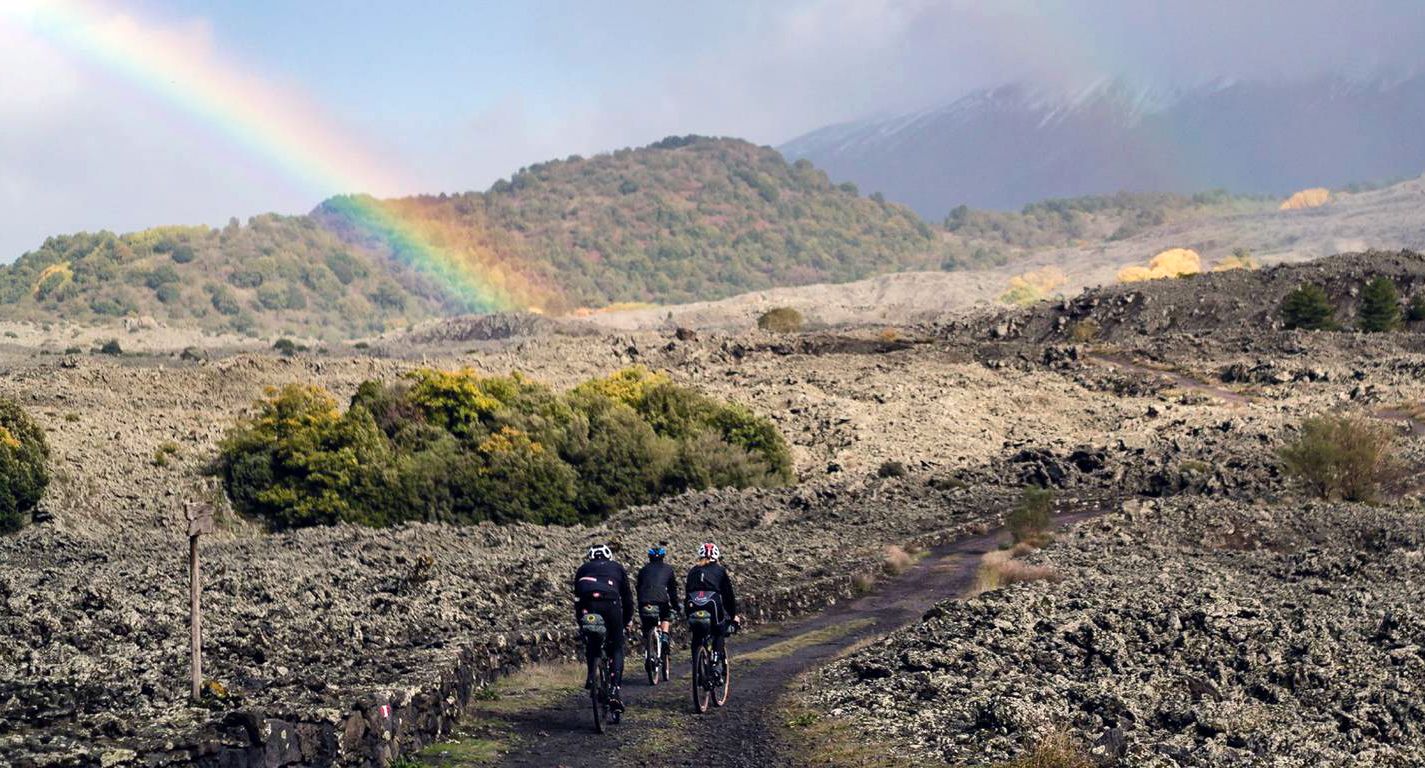
Dancing on the volcano — a three-day bikepacking adventure around Mt. Etna
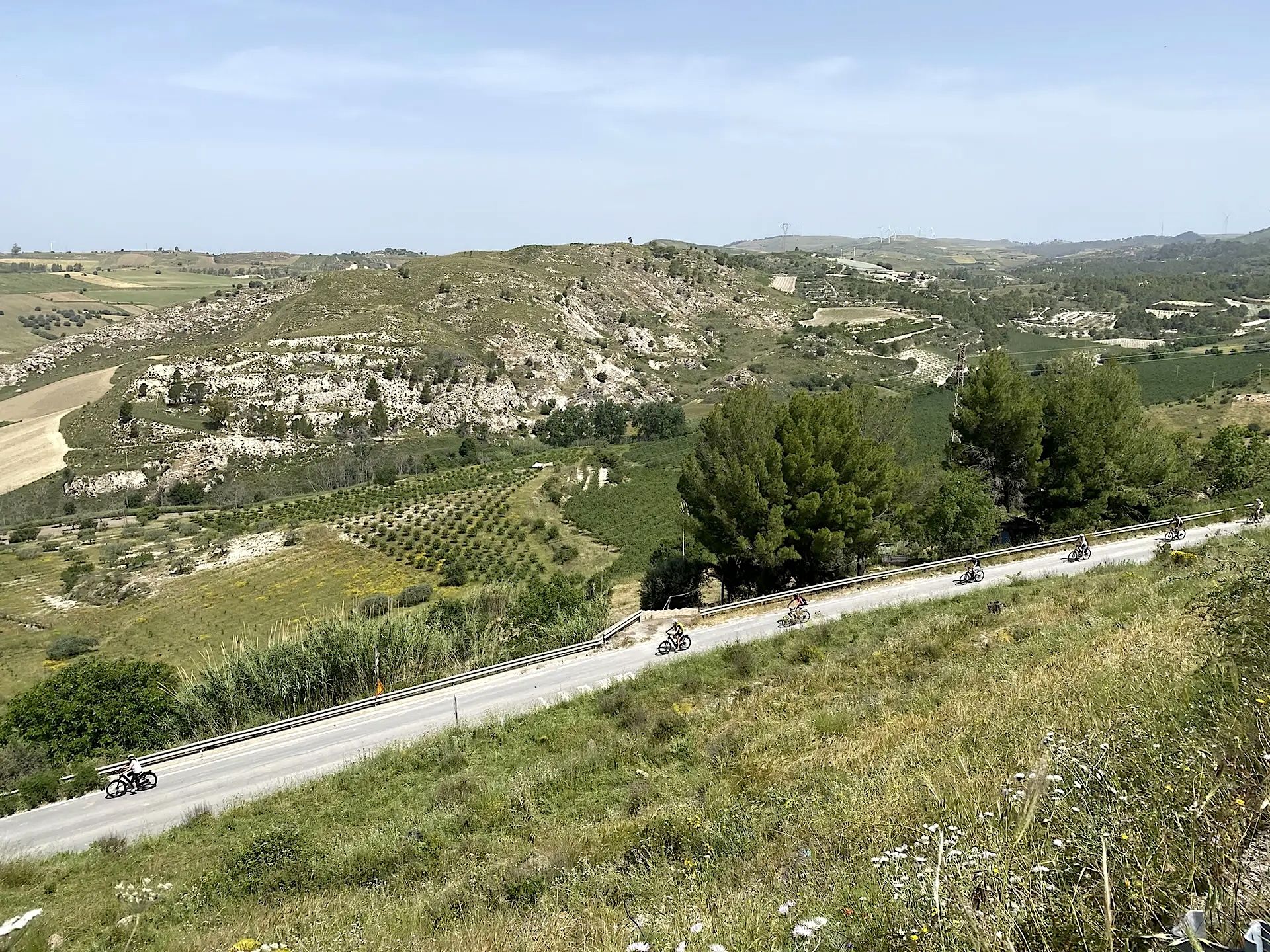
Discovering Sicily in the saddle – unforgettable itineraries
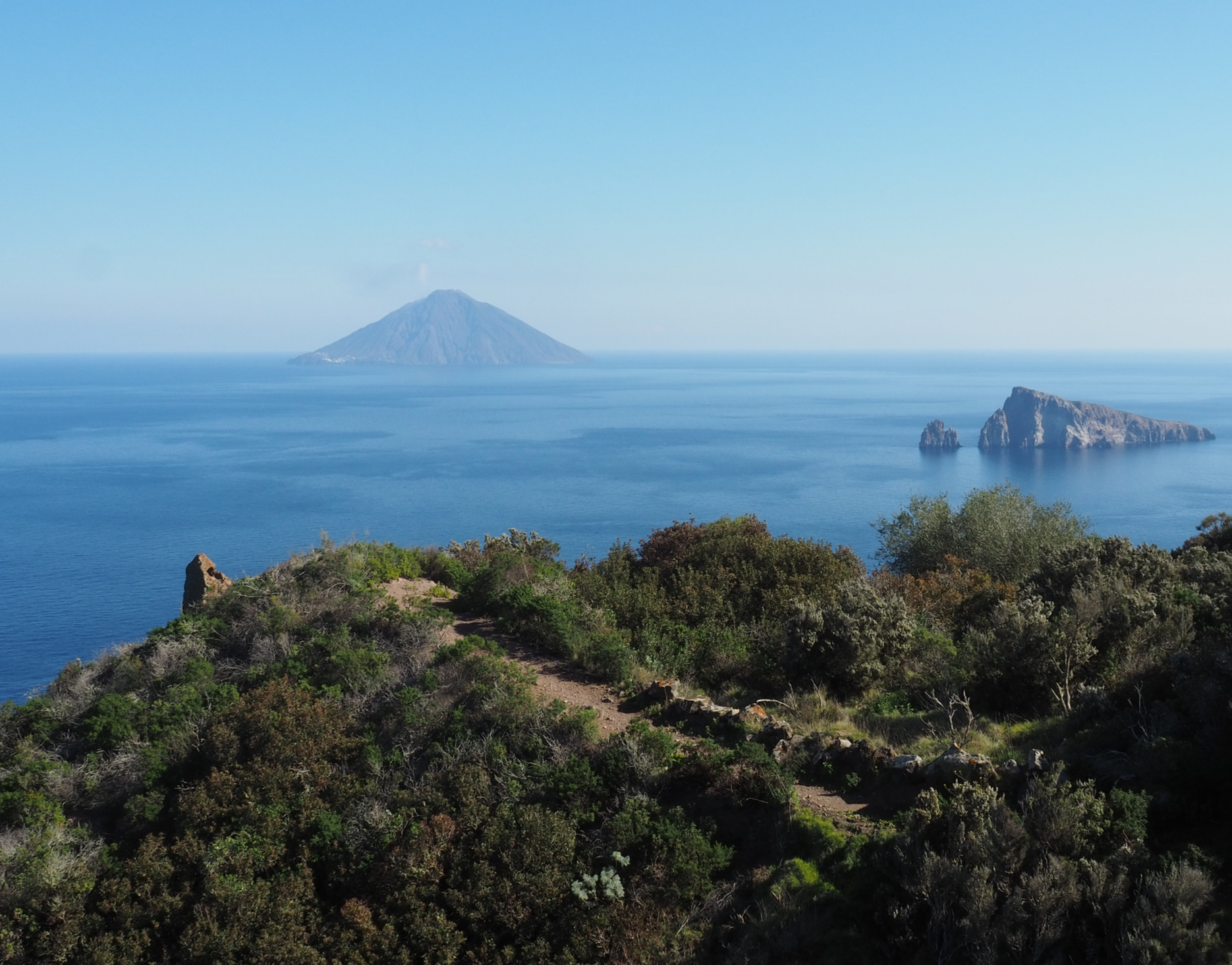
In the land of volcanoes – exploring between lava and nature in Sicily
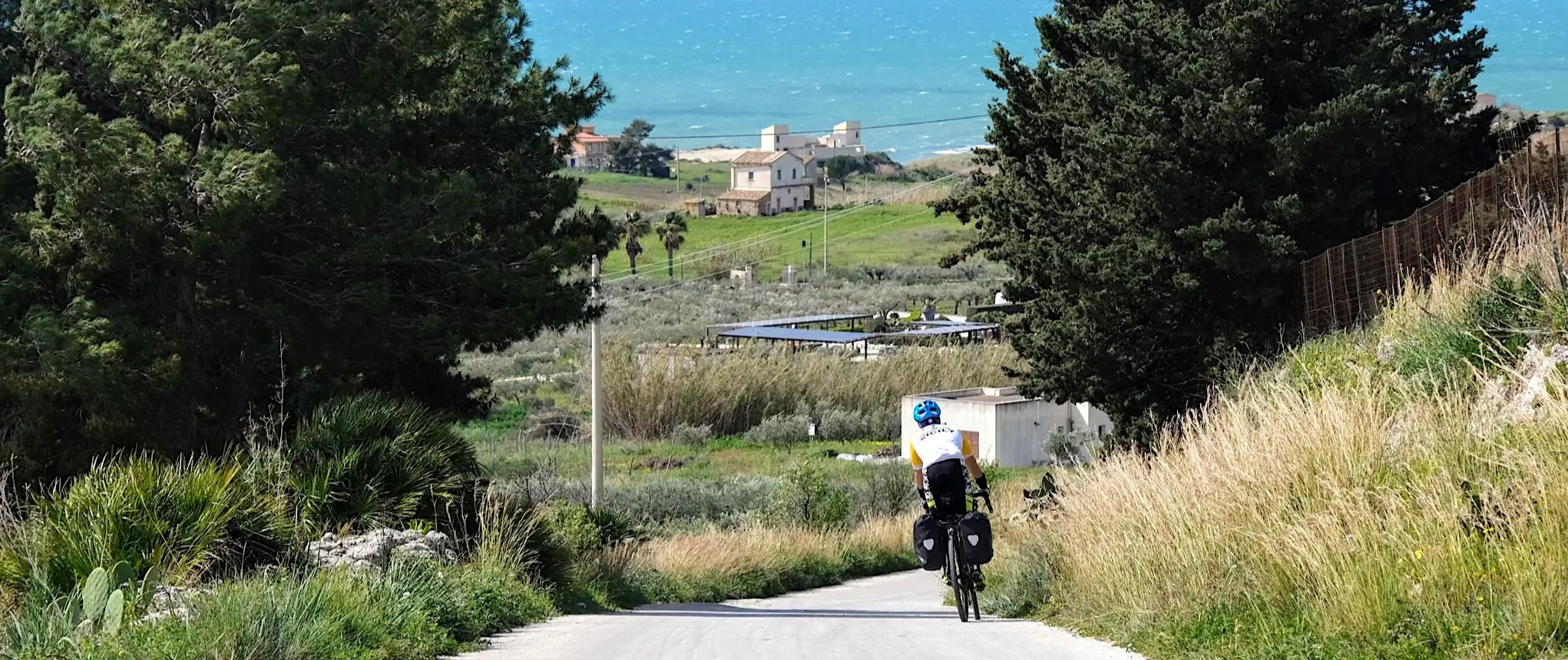
The complete tour of Sicily by road bike
Etna and Madonie mountain bike parks – the Wild Heart of Sicily
Volcanoes, forests and sea – Parchi della Sicilia cycling route by MTB
On the trails of Etna – day hikes to discover the volcano
Sun and history – Magna Graecia Cycle Route through Sicily
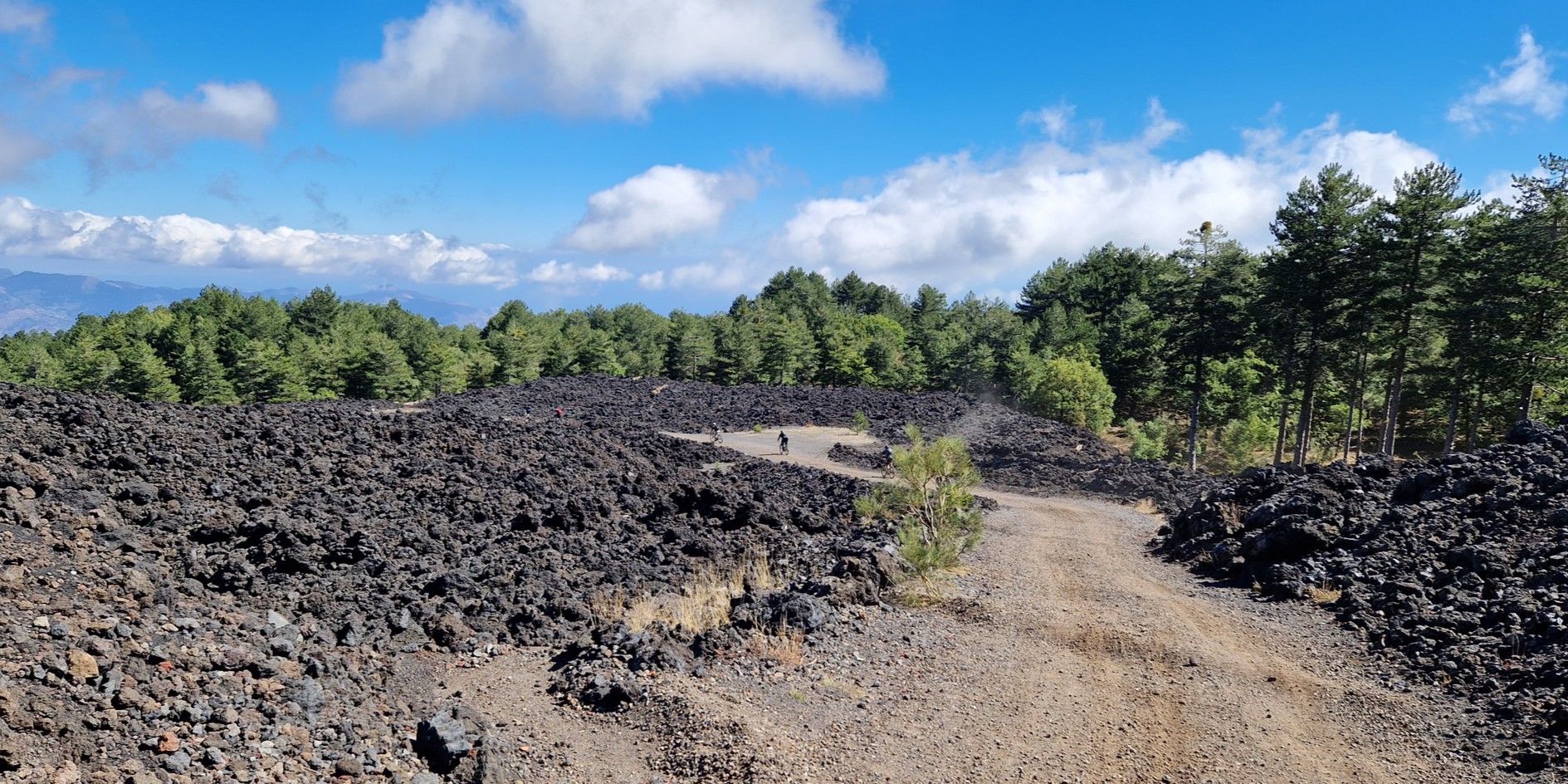
Among the lava fields of Europe's highest volcano – Mount Etna by MTB
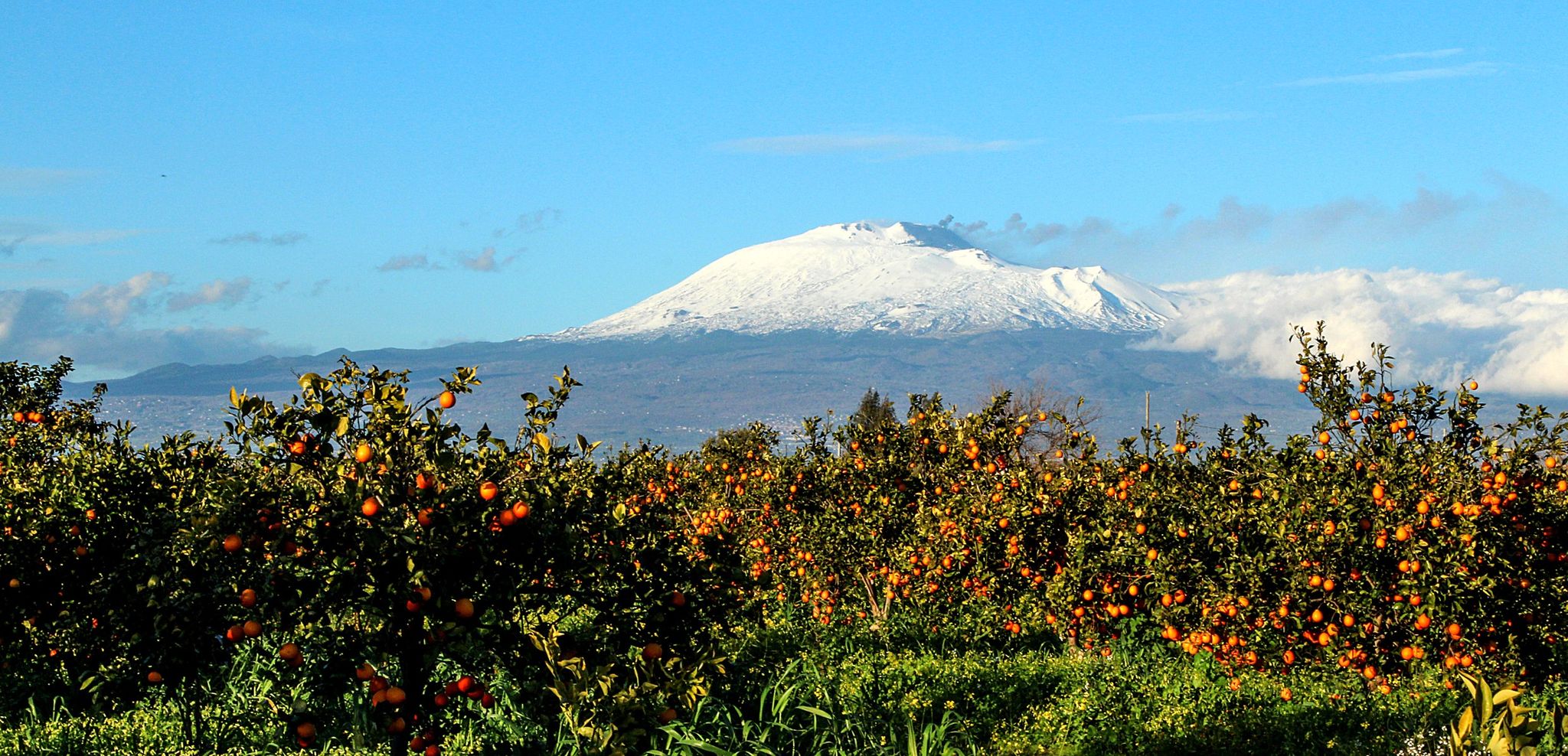
Eastern Sicily by bike – on the Baroque route
Other adventures in Catania


Tips from the Community

Sensational scenery and a sensational view. A must-see.
4
0

A beautiful and dreamy city with a great history. I'd happily return anytime. Five ***** for that.
2
0

One of the most beautiful lava tunnels on the north side of Mount Etna is the Serracozzo Grotto (surely often visited, but not signposted). A lava tunnel is not a cave, but rather one formed during an eruption, when a crust forms on the surface of the slowly flowing lava in flatter terrain. This "tunnel" is easy to enter (assuming there's no threat of a thunderstorm (flooding!) or ice and snow making entry dangerous). Don't forget your flashlight; two cave-ins in the ceiling provide sufficient light until halfway through the tunnel, after which it becomes very shallow and pitch-dark in places. It's worth exploring!
0
0

Beautifully landscaped city park that invites you to take a walk and linger.
2
0

**The Lungomare dei Ciclopi: A Cycling Tour between Myth and Nature** If you have decided to extend your stay in the Etna area, an unmissable day trip is the one along the Lungomare dei Ciclopi. This route, which is part of the permanent cycling itinerary *Sicily Divide* from Trapani to Catania, is the last stop to take before concluding the trip. The beauty of the landscape and the charm of the legend will accompany you on a unique experience. The Lungomare dei Ciclopi, which extends from Acitrezza to Catania, takes its name from the famous mythological legend of Ulysses and the Cyclops Polyphemus. It is said that, during his return home, Ulysses landed on these shores where he met the giant Cyclops, monsters with a single eye in the center of their foreheads. After capturing Ulysses and his companions, Polyphemus was blinded thanks to the deception of the Greek hero, who managed to escape with his men. The rocks that emerge from the sea, known as the "Faraglioni", are considered by myths to be the homes of the Cyclops, who threw rocks into the sea to hinder the hero's escape. Cycling along the Lungomare dei Ciclopi is an experience that combines nature, history and legend. The route offers spectacular views of the crystalline sea and Mount Etna, the highest volcano in Europe. The coastal road allows you to admire the breathtaking landscape, with small seaside villages where you can stop for a break and enjoy typical dishes such as fresh fish and Sicilian granitas. This excursion is also an opportunity to discover the Cyclops natural park, a protected area that is home to a rich biodiversity. The coast, with its Mediterranean vegetation, is ideal for those who love nature and want to immerse themselves in an uncontaminated environment. If you have decided to stay several days in the area, the Lungomare dei Ciclopi is a perfect base for other cycling explorations. Continuing your journey, you will find yourself pedaling through a territory rich in history, traditions and landscapes that will remain etched in your memory. Completing the *Sicily Divide* along the Lungomare dei Ciclopi is much more than a sporting feat: it is a dive into mythology and nature, which will leave you with an indelible memory of Sicily.
0
0

What is crazy is that the ground is still warm to hot 23 years after the eruption in 2001.
1
0

This cave was formed from a lava flow that cooled and solidified on the outside, but continued to flow inside, leaving a hollow space behind. The Grotta Serracozzo is particularly impressive because it has collapsed in two places, allowing daylight to enter.
0
0

Frequently Asked Questions
What unique geological formations can I explore in Catania's natural monuments?
Catania's natural monuments are rich in geological wonders, primarily shaped by volcanic activity. You can explore the diverse lava fields, craters, and ash deposits of Mount Etna, including the Silvestri Inferior Craters and Laghetto Crater. Further afield, the Alcantara Gorges feature unique columnar basalt formations carved by the river, and the Cyclops' Sea Stacks off Aci Trezza are iconic volcanic rocks formed during ancient underwater eruptions.
Are there family-friendly natural monuments to visit in Catania?
Yes, several natural monuments in Catania are suitable for families. The Silvestri Inferior Craters on Mount Etna are easily accessible from a large parking lot, offering a gentle introduction to the volcanic landscape. The View of the Cyclops Islands in Aci Trezza also provides a family-friendly experience with its scenic views and opportunities for boat trips.
What kind of flora and fauna can I expect to see at Catania's natural monuments?
The region's diverse landscapes support unique ecosystems. On Mount Etna, you'll find everything from lush forests on its lower slopes to volcanic deserts and specialized flora adapted to the harsh conditions. The La Timpa Nature Reserve boasts rich Mediterranean vegetation, including arborescent euphorbia and lentisk, and is a refuge for various bird species like seagulls, cormorants, and birds of prey. Lachea Island also features colorful Mediterranean flora.
What are the best outdoor activities to do near Catania's natural monuments?
The area around Catania's natural monuments offers a variety of outdoor activities. You can enjoy hiking on easy trails around Monti Sartorius or more challenging routes to the Summit Craters of Mount Etna. The La Timpa Nature Reserve is ideal for hiking along winding paths to rocky beaches. For cycling enthusiasts, there are numerous cycling routes, including challenging climbs on Etna and scenic rides along the coast.
What is the best time of year to visit the natural monuments in Catania?
The best time to visit Catania's natural monuments generally depends on the specific site and your preferred activities. Spring (April-May) and autumn (September-October) offer pleasant temperatures for hiking on Mount Etna and exploring coastal reserves like La Timpa. Summer can be very hot, especially at lower altitudes, but offers refreshing swims in places like the Alcantara Gorges. Winter brings snow to Etna's higher elevations, offering a unique landscape but requiring appropriate gear and potentially limiting access.
Are there any natural monuments near Catania that are suitable for beginner hikers?
Yes, there are options for beginner hikers. The Silvestri Inferior Craters on Mount Etna are easily accessible and offer short, manageable walks. The Monti Sartorius area also features a network of beautiful hiking trails, many of which are easy to walk and suitable for a relaxed pace, offering great views towards the sea and Taormina.
What should I wear when visiting natural monuments in Catania, especially Mount Etna?
When visiting Mount Etna, it's crucial to dress in layers, as temperatures can change rapidly, even in summer. Sturdy hiking boots are essential due to sharp lava stones and uneven terrain. A windproof jacket, hat, and gloves are recommended, especially at higher altitudes. For coastal areas like La Timpa or the Cyclops' Sea Stacks, comfortable walking shoes and sun protection are advisable.
Can I bring my dog to the natural monuments in Catania?
Regulations for dogs vary by specific natural monument. While some areas might permit dogs on leash, others, particularly protected nature reserves or sensitive volcanic areas, may have restrictions. It's always best to check specific rules for each location, such as the Mount Etna Park or La Timpa Nature Reserve, before planning your visit with a dog.
What do visitors enjoy most about the natural monuments in Catania?
Visitors frequently express awe at the raw power and majesty of nature, particularly on Mount Etna. The breathtaking views, unique geological formations, and the thrilling experience of exploring an active volcano are often highlighted. The stunning coastal views from places like La Timpa and the mythological charm of the Cyclops' Sea Stacks also leave a lasting impression. Many appreciate the diverse landscapes, from lush forests to lunar-like terrains.
Are there any lava caves to explore near Catania?
Yes, you can explore lava caves near Catania. The Serracozzo Cave is a notable example on Mount Etna. Additionally, the La Timpa Nature Reserve features a lava flow cave, offering another opportunity to witness these unique geological formations up close.
How can I reach the natural monuments in Catania using public transport?
While some natural monuments, particularly those on Mount Etna, have limited public transport options (e.g., buses to Rifugio Sapienza), many are best accessed by car. For coastal areas like Aci Trezza (for the Cyclops' Sea Stacks) or Acireale (for La Timpa), local buses might be available from Catania. However, for flexibility and to reach more remote sites like the Alcantara Gorges, renting a car is often recommended.
Are there any natural monuments with historical or mythological significance in the Catania area?
Absolutely. The Cyclops' Sea Stacks off Aci Trezza are steeped in mythology, believed to be boulders thrown by the Cyclops Polyphemus at Ulysses. Mount Etna itself has a rich history, being Europe's most active stratovolcano and a UNESCO World Heritage Site since 2013, with its constant activity making it a significant international research center for volcanology and geology.
Most popular routes in Catania
Most popular attractions in Catania

Get inspired with the komoot mobile app


Didn’t find what you were looking for?
Find even more amazing natural monuments in Catania by checking out the top Highlights region by region:
Explore more
Extend your search for the best caves by checking out these guides of the top ones in Catania:
