Top 20 Natural Monuments in Brindisi
Best natural monuments in Brindisi include diverse landscapes across Italy's Puglia region, offering a range of ecological value. The area features significant natural areas such as coastal wetlands, marine reserves, and ancient woodlands. These sites provide opportunities to explore varied environments, from sandy dunes to protected marine habitats. Brindisi's natural monuments showcase the region's unique blend of terrestrial and aquatic ecosystems.
Best natural monuments in Brindisi
- The most popular natural monuments is Rock Church Sanctuary of San Biagio, a…
Last updated: June 26, 2026
Rock Church Sanctuary of San Biagio
Highlight • Religious Site
Translated by Google •
Tip by

Montalbano Dolmen
Highlight • Monument
The Montalbano di Fasano area …
Translated by Google •
Tip by

Sign up now to discover places like this
Get recommendations on the best single tracks, peaks, & plenty of other exciting outdoor places.
Sign up for free
Bosco di Cerano Regional Nature Reserve
Highlight • Forest
Translated by Google •
Tip by

Torre Guaceto Tower
Highlight • Monument
Translated by Google •
Tip by

Santa Maria di Agnano Archaeological Park
Highlight • Historical Site
Translated by Google •
Tip by

Torre Guaceto Nature Reserve
Highlight • Natural Monument
Translated by Google •
Tip by
Centuries-old oaks
Highlight • Natural Monument
In the Italian peninsula it survives only …
Translated by Google •
Tip by

The Gardens of Pomona
Highlight • Natural
Translated by Google •
Tip by
Coastal Dunes Wetland
Highlight • Natural
Translated by Google •
Tip by

Regional Natural Park of the Coastal Dunes from Torre Canne to Torre San Leonardo
Highlight • Natural Monument
Translated by Google •
Tip by
Sign up for free to discover even more natural monuments in Brindisi.
Sign up for free
Already have an account?
Start today with a free account
Your next adventure awaits.
Login or Signup
Popular around Brindisi
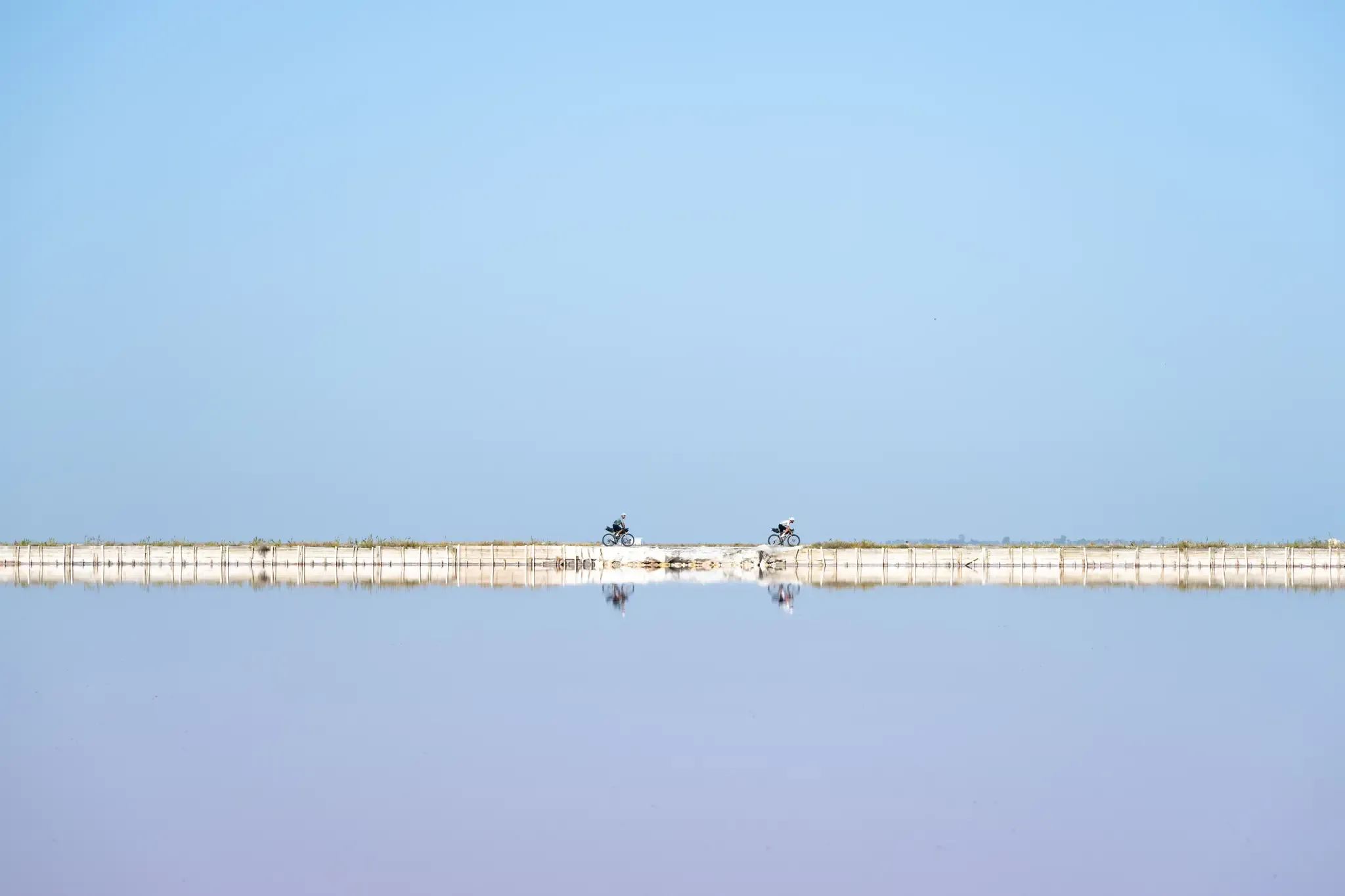
Trieste to Santa Maria di Leuca – the Adriatic Cycle Route
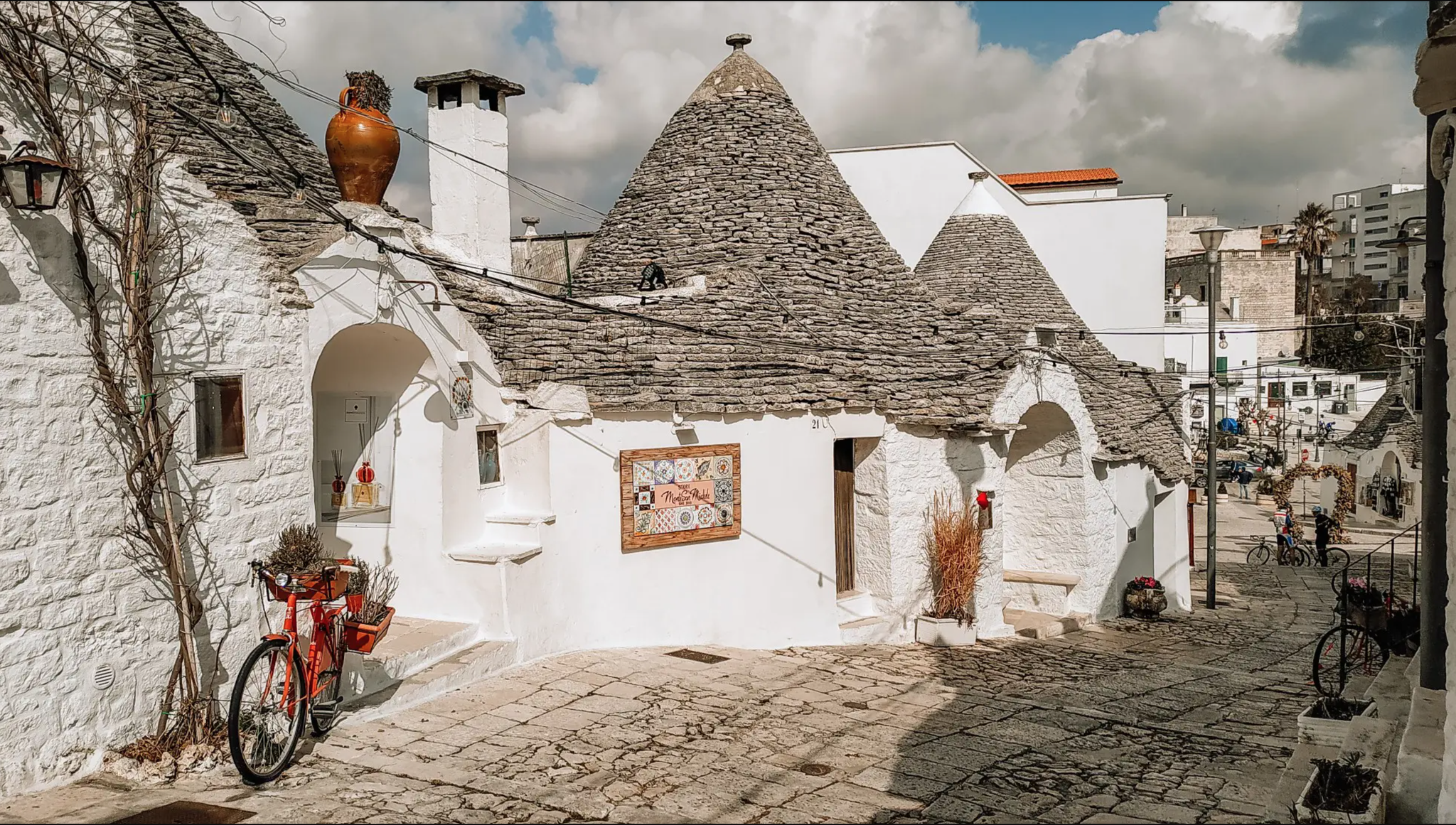
Cycle through the painted blue – a journey of discovery in Puglia
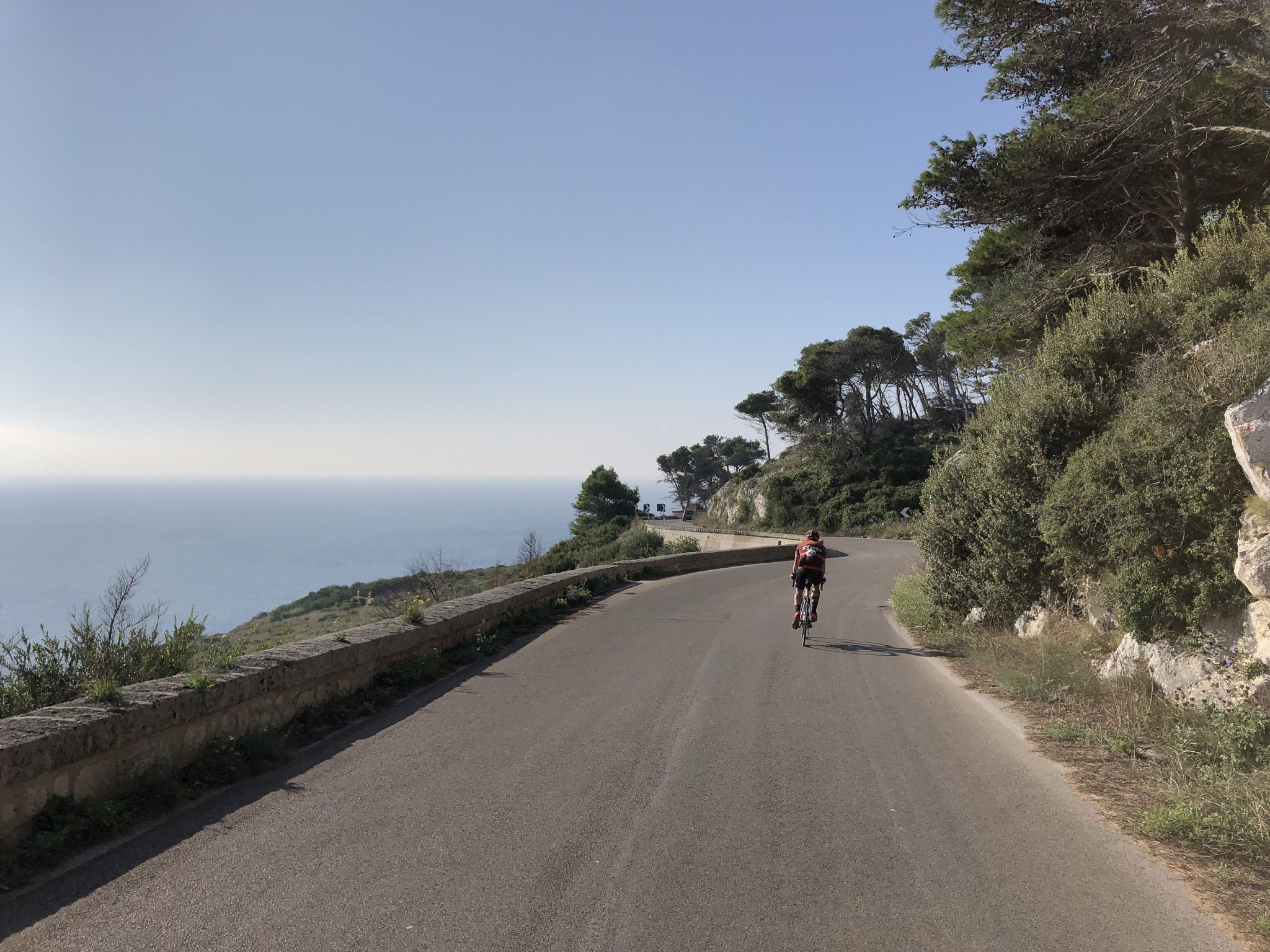
Italy’s Puglia from Bari to Santa Maria di Leuca — all the way south
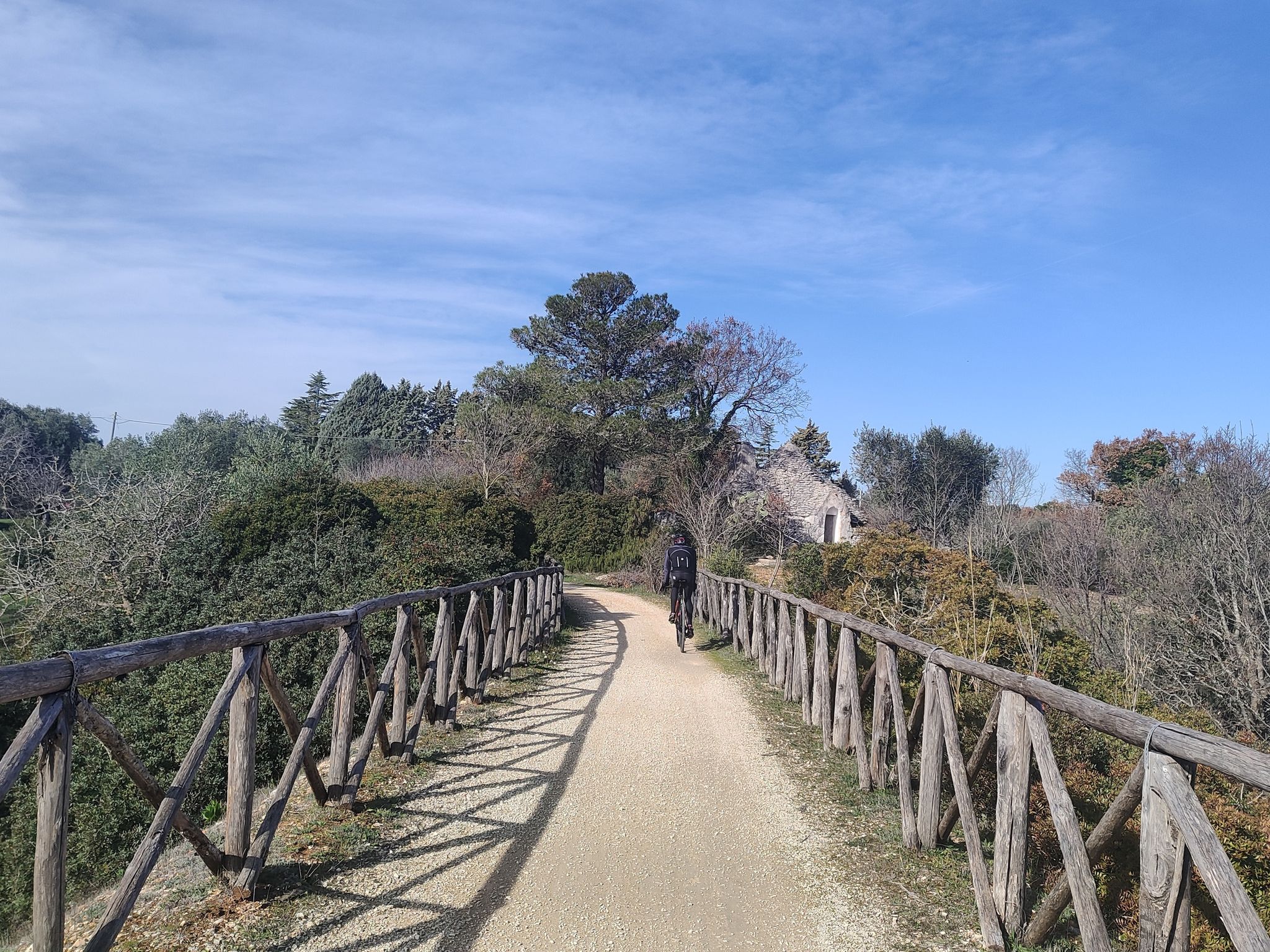
Ciclovia Anello d'oro di Puglia - Viaggio nella Puglia profonda
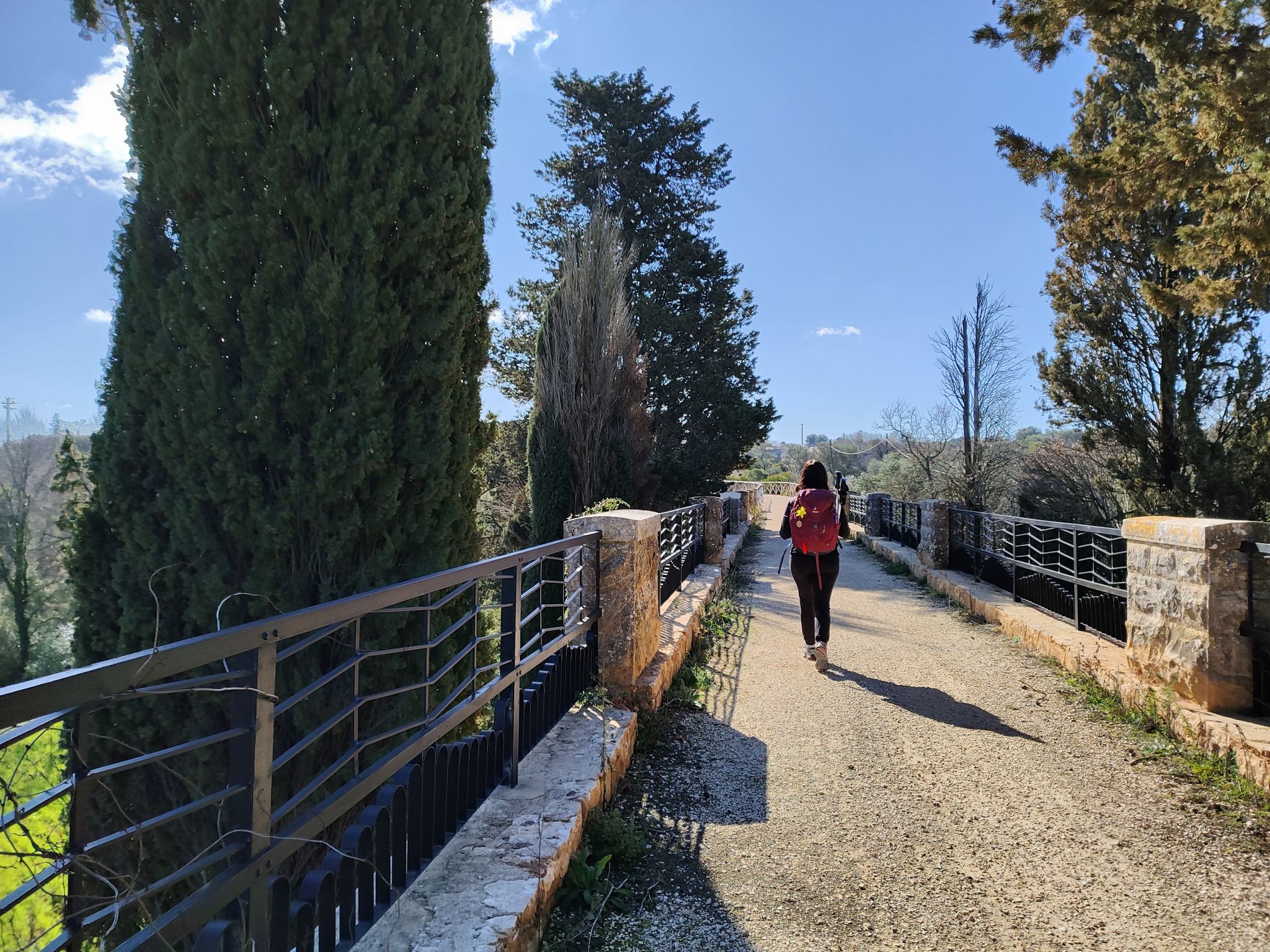
Anello d'oro di Puglia - Trekking nella Puglia profonda
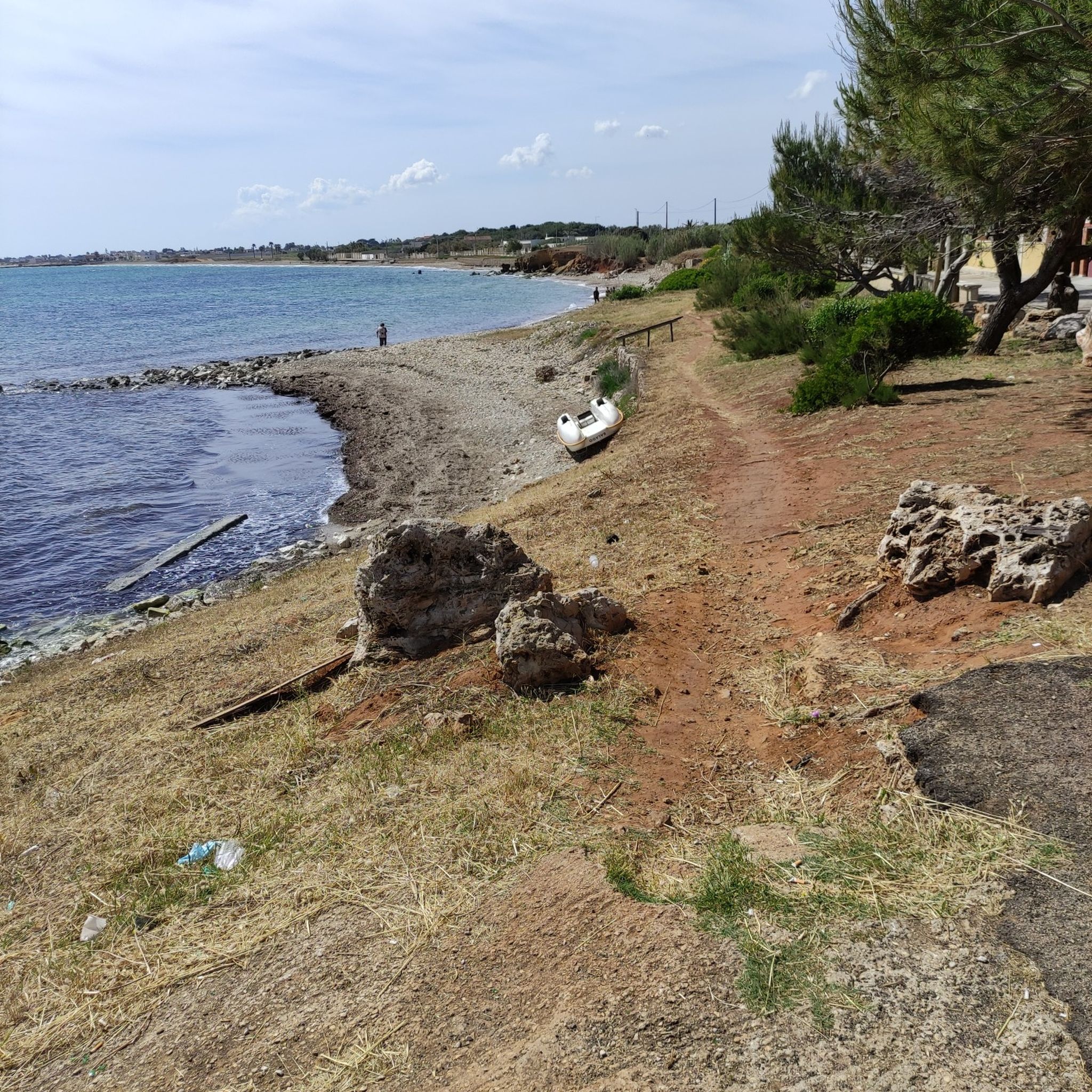
Hiking in Brindisi
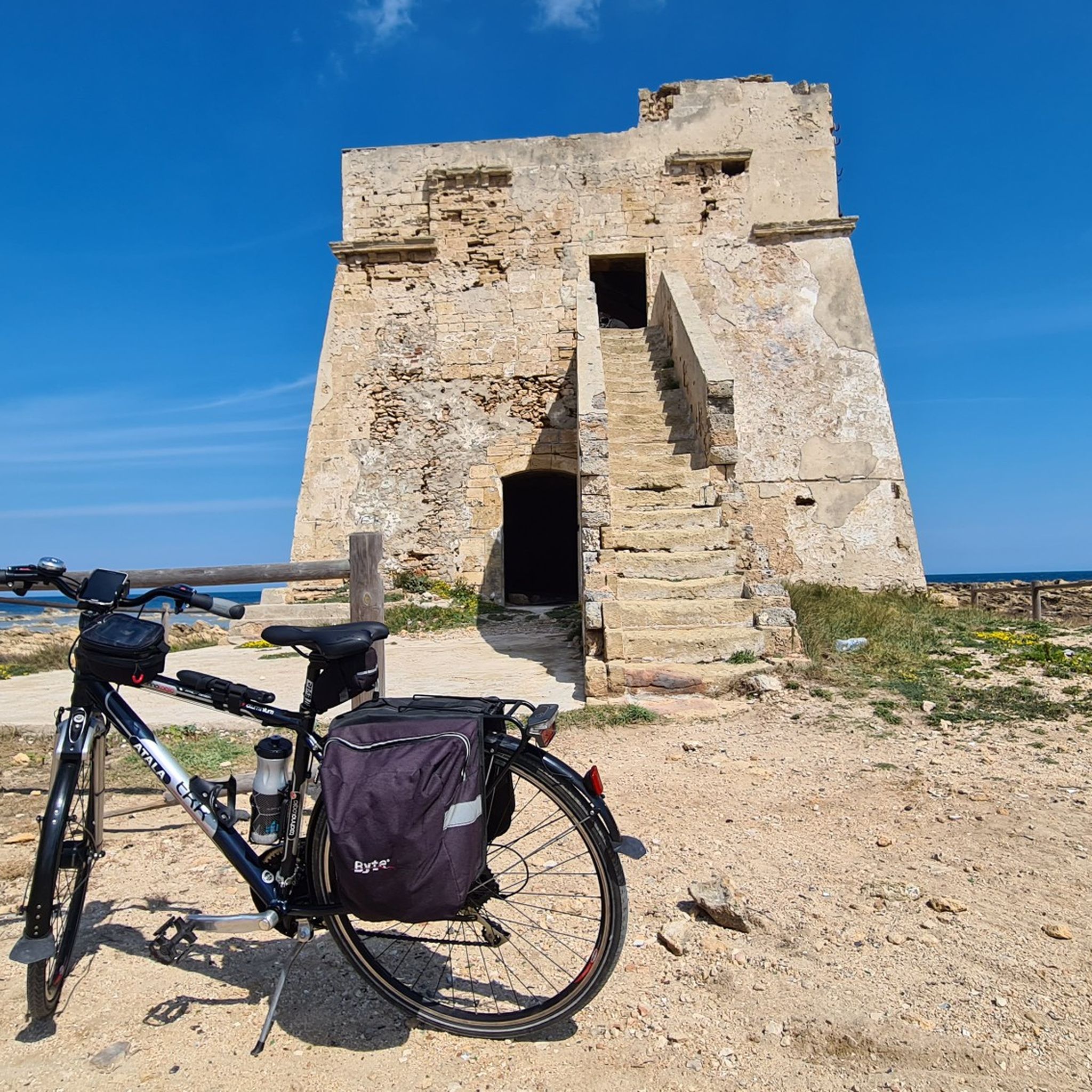
Cycling in Brindisi
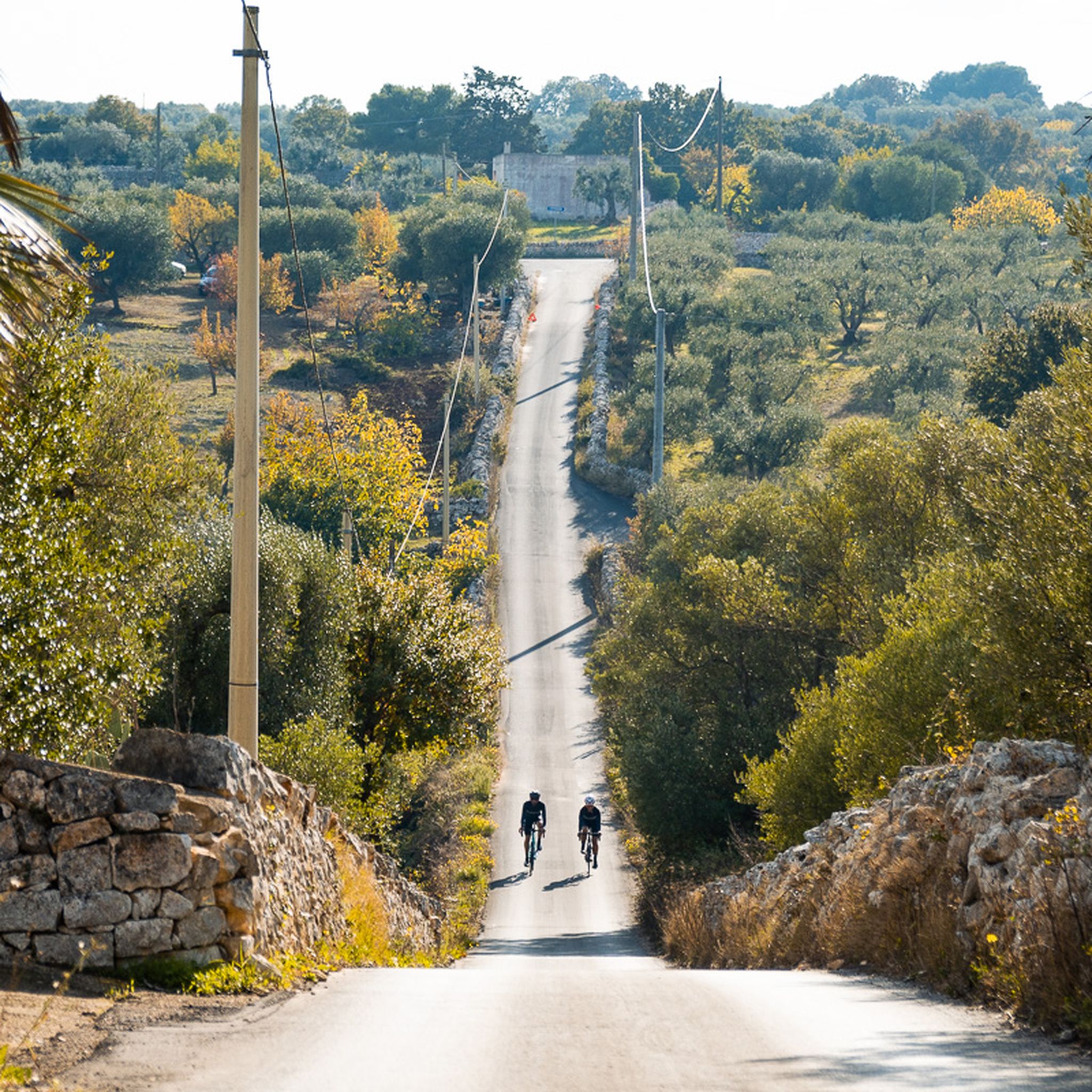
Road Cycling Routes in Brindisi
Running Trails in Brindisi
MTB Trails in Brindisi
Other adventures in Brindisi


Tips from the Community

The "Donna di Ostuni" is the 28,000-year-old skeleton of a Paleolithic woman, approximately 20 years old, found in the Santa Maria di Agnano cave near Ostuni. The "world's oldest human mother" died in late pregnancy, her fetus in the 8th or 9th month. The skeleton is on display at the Museum of Preclassic Civilizations of the Southern Murgia (Museo di Civiltà Preclassiche della Murgia Meridionale) in Ostuni.
0
0

The Cerano forest (or "Tramazzone") has a large number of tree species, the reserve occupies only a portion of it, in the coastal part where there is a notable presence of Mediterranean scrub and holm oak woods. MTB routes both technical and tourist! To explore.
0
0

The 12th century church of San Biagio in Rialbo opens onto a natural cave. It is best to reach it from the Strada dei Colli rather than from the valley if you are a beginner MTB rider.
1
0

Update March 15, 2025: This nature reserve is not worth a visit because of the extremely polluted environment by litter. During the entire walk there is both waste washed up by the sea and dumped on site. Very sad to see…
2
1

The origins of the fragno are to be found in the Balkans. It is widespread in northern Greece, southern former Yugoslavia and Macedonia. In the Italian peninsula it survives only here in the south-eastern karst plateau of the Murge, where not very large oases bear witness to a much more luxuriant past, when the fragneto certainly covered the entire Apulian Murgia. The fragno (Quercus trojana Webb) is an oak whose specimens can reach a height of 15/20 meters, with a cylindrical trunk that branches only at three to five meters of height and is covered with a bark that is initially smooth and then very fissured and wrinkled.
0
0

The natural oasis Torre Guaceto stands for beautiful sea and lots of nature. The landmark is this Aragonese tower Torre Guaceto
0
0

The Sanctuary of San Biagio in Ostuni is located in one of the most beautiful natural contexts in the province of Brindisi. Whether you reach the church from the top of the hill or go up the hill from the plain, the route is immersed in lush nature and characterized by stone artefacts which, due to their form and functions, bear witness to settlements from various eras. On February 3, however, the day on which the Saint is celebrated, the pilgrims' route is usually the easiest for everyone. Arriving from the panoramic Strada dei Colli you will find a sign with the indication. The path to reach the site is equally beautiful because it immerses you in the typical Murgia nature, rich in pastures and Mediterranean scrub shrubs. Before going down to the church, here comes the boundless view of the Piana degli Ulivi centenaries, in the area occupied by the Parco delle Dune Costiere. From here, if the sky is clear, the Adriatic Sea appears an intense turquoise. At this point a narrow descent p
2
0

The Cerano forest nature reserve covers approximately 126 hectares. It is home to many small mammals such as badgers, foxes and rodents and there are over 60 species of birds including the warbler, goldfinch, chaffinch, blackcap and nightingale. Many paths start from here to explore both on foot and by bike.
2
0
Frequently Asked Questions
What types of natural landscapes can I explore in Brindisi?
Brindisi offers a diverse range of natural landscapes, including extensive coastal wetlands, protected marine areas, ancient woodlands, and sandy dunes. You can find everything from the crystal-clear waters and dunes of the Torre Guaceto State Nature Reserve to the serene oak and pine forests of the Bosco di Cerano, and the unique wetland ecosystems of the Saline di Punta della Contessa Natural Park.
Where can I observe wildlife and birds in Brindisi's natural monuments?
The Saline di Punta della Contessa Natural Park is a significant biodiversity hotspot, especially for birdwatching. It's an important site for nesting and migratory aquatic birds, including pink flamingos, swans, and herons. The Torre Guaceto State Nature Reserve also hosts diverse marine life and protected species, making it ideal for wildlife spotting both on land and underwater.
Are there historical sites integrated within Brindisi's natural monuments?
Yes, several natural monuments in Brindisi feature significant historical elements. For example, the Rock Church Sanctuary of San Biagio is a 12th-century rock church nestled in a rocky ridge. The Torre Guaceto Tower, a 16th-century Aragonese watchtower, stands within the marine reserve. You can also visit the Montalbano Dolmen, a megalithic structure from the early Bronze Age.
What activities can I do at the Torre Guaceto Nature Reserve?
The Torre Guaceto Nature Reserve is perfect for nature lovers and eco-tourists. You can enjoy hiking and cycling along well-marked trails, explore the rich underwater world through snorkeling and diving in its crystal-clear waters, or simply relax on its sandy beaches. The reserve also offers insights into environmental education and conservation efforts.
Are there family-friendly natural monuments in Brindisi?
Many of Brindisi's natural monuments are suitable for families. The Torre Guaceto State Nature Reserve and the Coastal Dune Park of Ostuni offer easy walks and beach access. The Gardens of Pomona and areas with Centuries-old oaks provide pleasant, accessible environments for all ages.
What kind of trails are available near Brindisi's natural monuments?
You'll find a variety of trails for different activities. For cycling, consider routes like the 'Torre Guaceto Tower – White Road to Torre Guaceto loop' for gravel biking, or the 'Adriatic Cycle Route: Brindisi - Punta Penne Loop' for MTB. Running enthusiasts can explore the 'Torre Guaceto Reserve Loop'. Many natural areas, such as the Regional Natural Park of the Coastal Dunes, also offer opportunities for walking and hiking. You can find more details on routes in the Gravel biking in Brindisi, MTB Trails in Brindisi, and Running Trails in Brindisi guides.
What is the best time of year to visit Brindisi's natural monuments?
The best time to visit often depends on your interests. For birdwatching, especially at the Saline di Punta della Contessa, certain migratory seasons will offer the most spectacular views. Generally, spring and autumn provide pleasant temperatures for outdoor activities like hiking and cycling. Summer is ideal for enjoying the beaches and marine activities at places like Torre Guaceto, though it can be busier.
Can I find ancient olive groves among the natural monuments?
Yes, the Coastal Dune Park of Ostuni, though not directly in Brindisi, is easily accessible and features a plain of ancient olive trees with twisted trunks. The Regional Natural Park of the Coastal Dunes from Torre Canne to Torre San Leonardo also combines centuries-old olive groves with other natural contexts.
What is unique about the Saline di Punta della Contessa Natural Park?
The Saline di Punta della Contessa Natural Park is unique for its history as a former salt deposit and its current role as a vital coastal wetland. It's a crucial stopover for migratory birds, offering exceptional birdwatching opportunities, particularly for pink flamingos. Despite its proximity to industrial areas, it maintains significant ornithological and landscape interest.
Are there any natural monuments that offer a peaceful forest experience?
For a serene forest experience, the Bosco di Cerano (Regional Nature Reserve Bosco di Cerano) is an excellent choice. Located between Brindisi and San Pietro Vernotico, this reserve spans approximately one thousand hectares and is characterized by a tranquil setting with a prevalence of oaks and pines, perfect for connecting with nature. You can also find peaceful forest areas like Bosco Preti.
What do visitors enjoy most about the natural monuments in Brindisi?
Visitors frequently praise the natural beauty and tranquility of the area. They particularly enjoy the 'beautiful naturalistic oasis' of Torre Guaceto with its 'wonderful sea' and 'protected species'. The historical integration, such as the 'hidden jewel' of the Rock Church Sanctuary of San Biagio, also receives high acclaim for its atmospheric setting and scenic paths.
Most popular routes in Brindisi
Most popular attractions in Brindisi

Get inspired with the komoot mobile app


Didn’t find what you were looking for?
Find even more amazing natural monuments in Brindisi by checking out the top Highlights region by region:
Explore more
Extend your search for the best caves by checking out these guides of the top ones in Brindisi:
