Top 15 Natural Monuments in Barletta-Andria-Trani
Natural monuments in Barletta-Andria-Trani showcase a landscape characterized by striking karst formations, diverse ecosystems, and significant archaeological sites. This region in Puglia, Italy, offers a blend of geological features, biological diversity, and historical intrigue. Visitors can explore ancient sinkholes, caves, and vast salt pans that highlight the area's unique natural heritage.
Best natural monuments in Barletta-Andria-Trani
- The most popular natural monuments is The Ripalta Caves, a cave that features various natural caves, some accessible only from the sea. This…
Last updated: May 14, 2026
Dolmen of La Chianca
Highlight • Historical Site
Translated by Google •
Tip by

Archaeological Park of Canne della Battaglia
Highlight • Historical Site
Translated by Google •
Tip by

Sign up now to discover places like this
Get recommendations on the best single tracks, peaks, & plenty of other exciting outdoor places.
Sign up for free
Bauxite Mines of Spinazzola
Highlight • Natural Monument
Translated by Google •
Tip by

Dolmen Frisari
Highlight • Historical Site
It can be …
Translated by Google •
Tip by
Grotta del Finestrino
Highlight • Cave
Translated by Google •
Tip by

The Ripalta Caves
Highlight • Cave
Translated by Google •
Tip by

Bauxite Quarry
Highlight • Structure
Translated by Google •
Tip by
Margherita di Savoia
Highlight • Settlement
Translated by Google •
Tip by

Saline di Margherita di Savoia
Highlight • Natural Monument
Translated by Google •
Tip by

Trailhead in Parco Nazionale dell'Alta Murgia
Highlight • Trail
Translated by Google •
Tip by

Sign up for free to discover even more natural monuments in Barletta-Andria-Trani.
Sign up for free
Already have an account?
Start today with a free account
Your next adventure awaits.
Login or Signup
Popular around Barletta-Andria-Trani
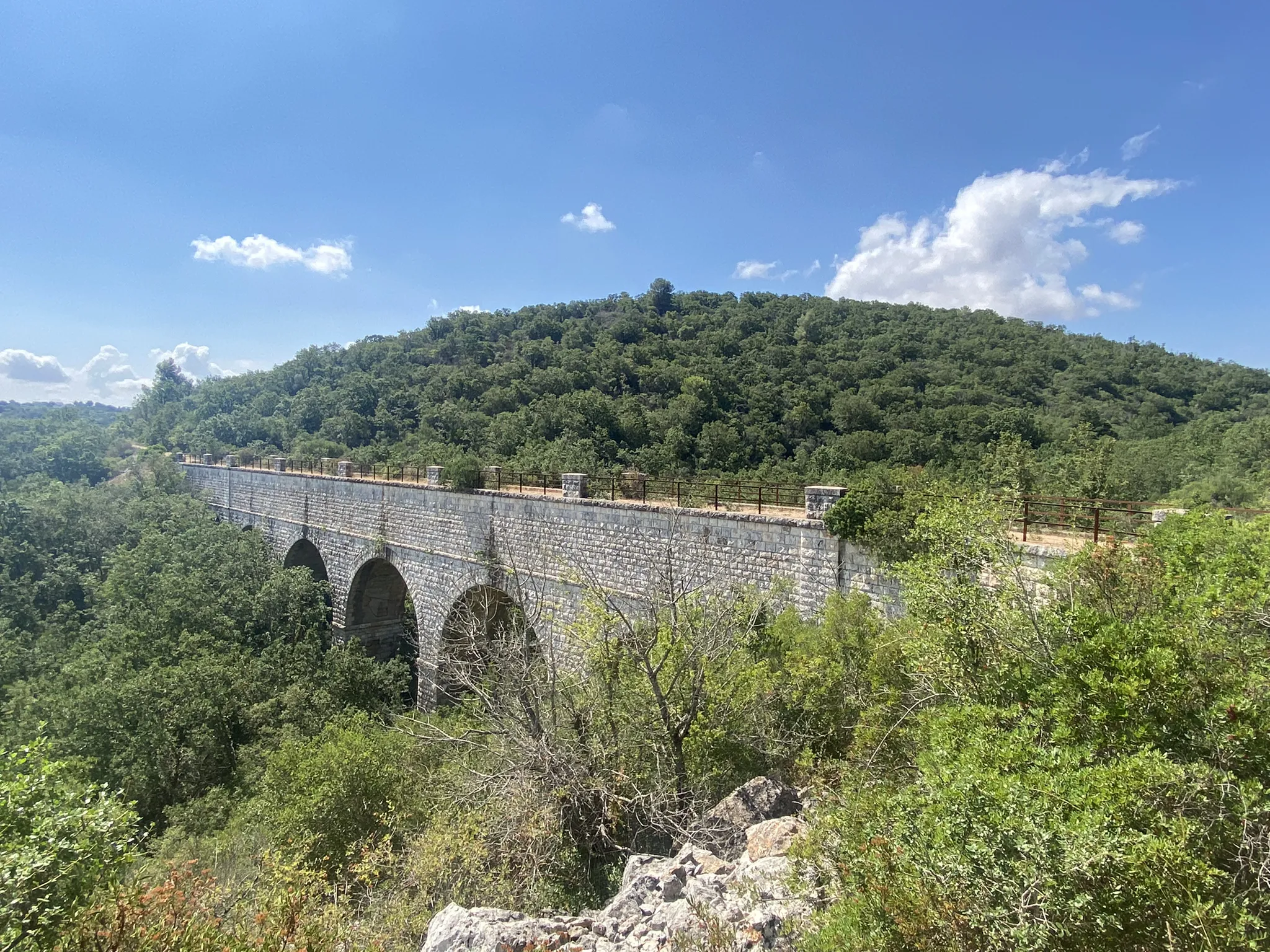
Caposele to Santa Maria di Leuca – Apulian Aqueduct Cycle Route
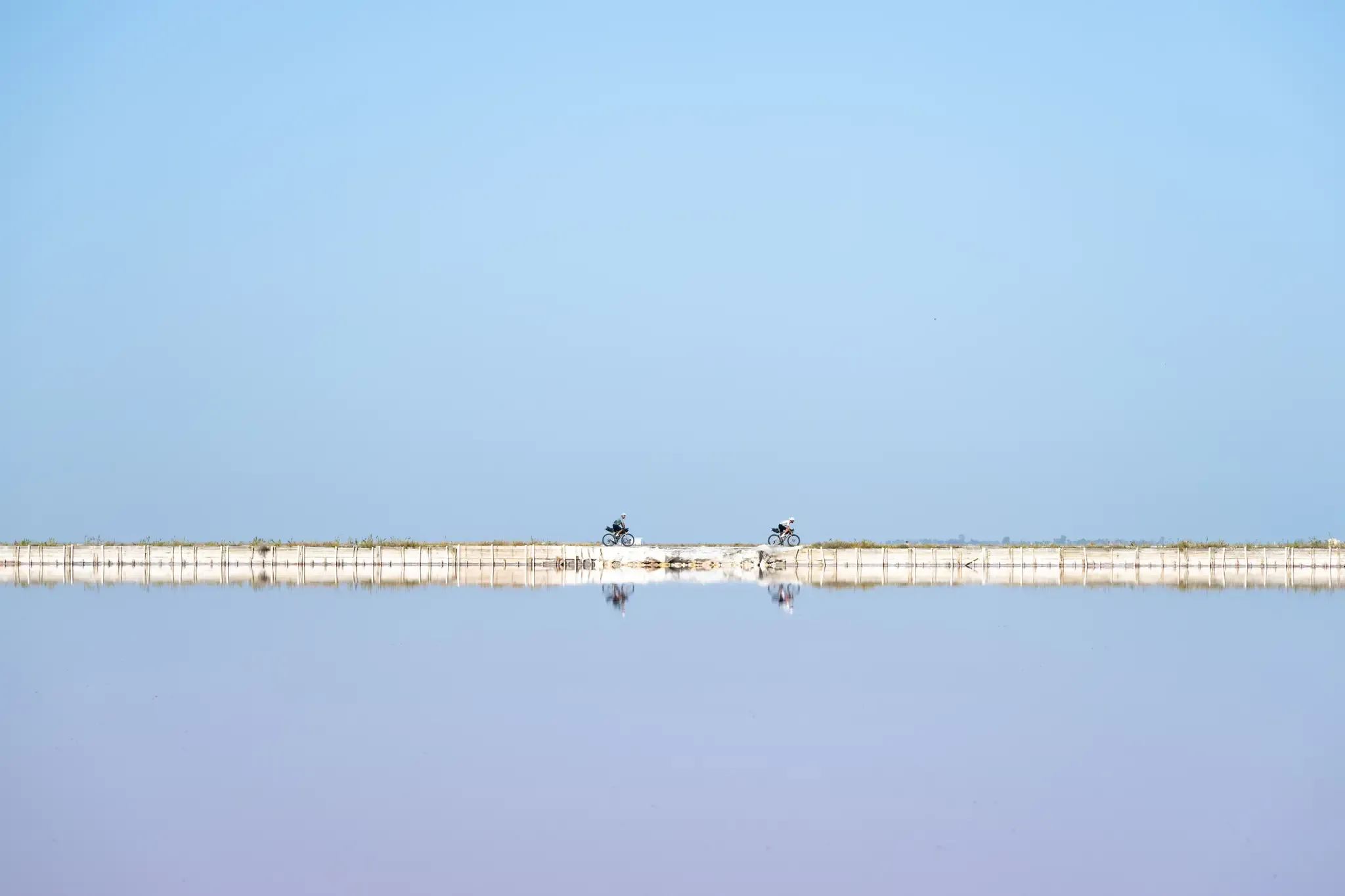
Trieste to Santa Maria di Leuca – the Adriatic Cycle Route
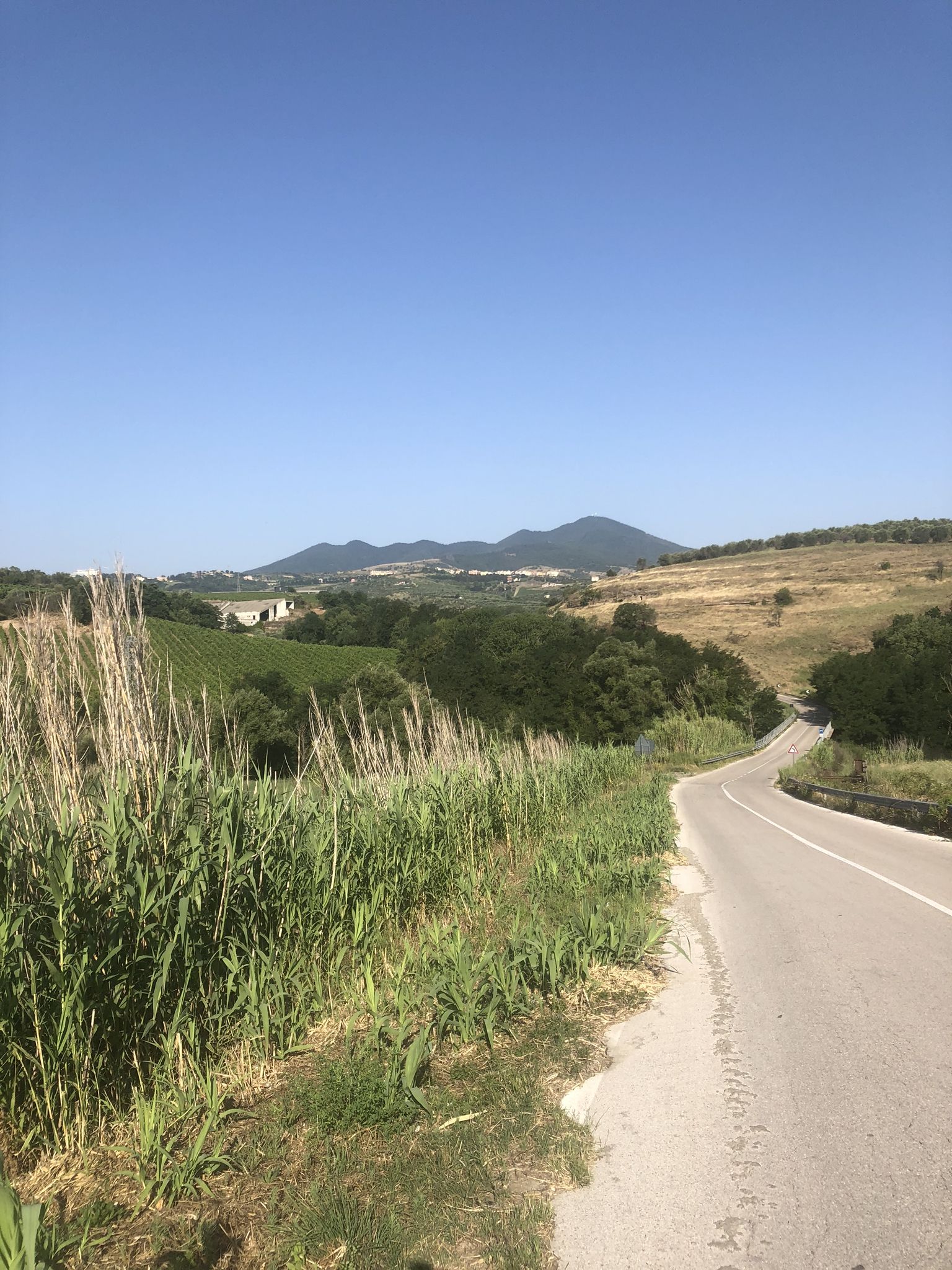
Pedalling in Italy’s far south – Ciclovia dei Borbone
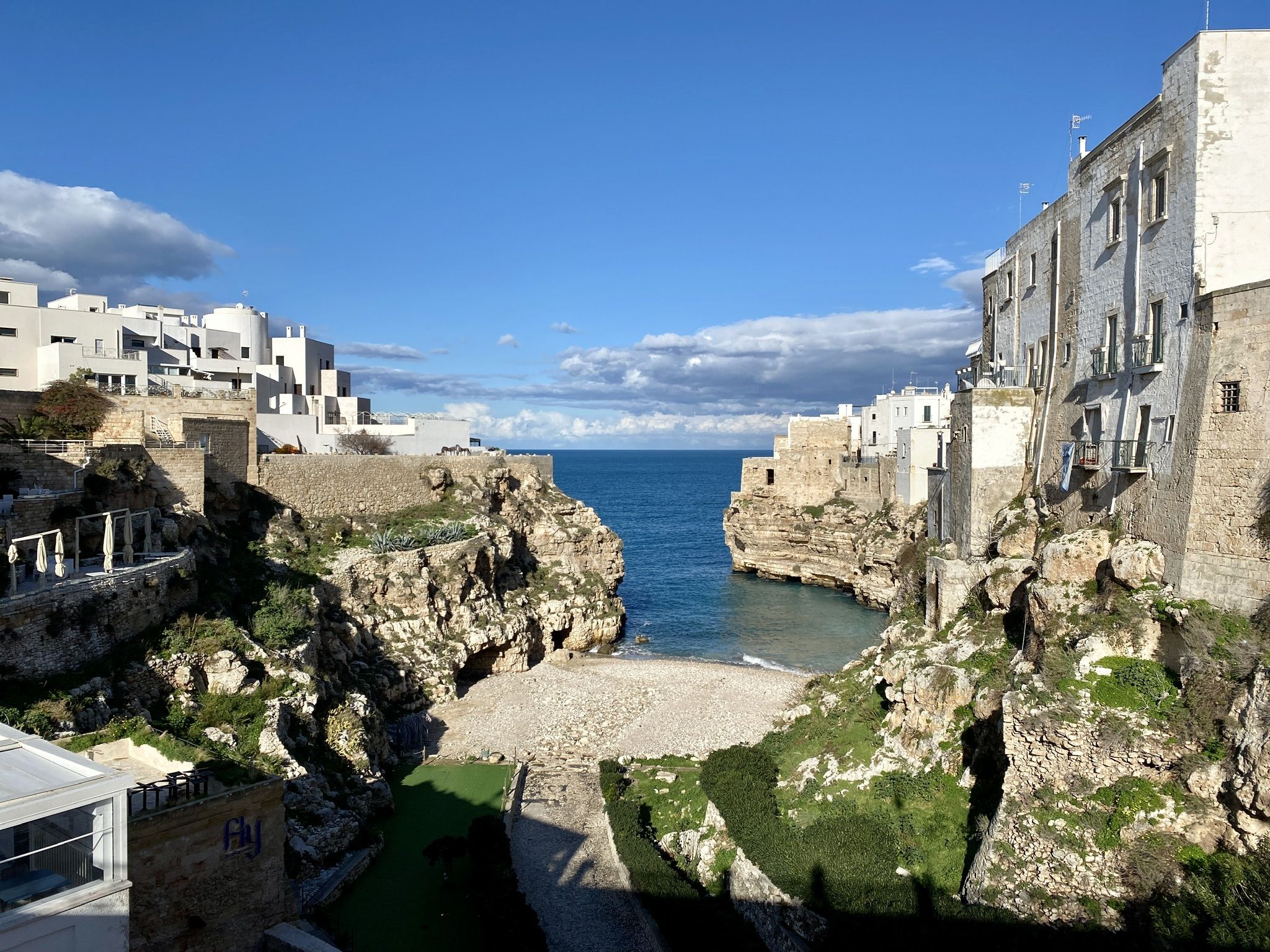
Sea, culture, taste and nature — Italy’s Puglia by bike
Running Trails in Barletta-Andria-Trani
Hiking in Barletta-Andria-Trani
Cycling in Barletta-Andria-Trani
Road Cycling Routes in Barletta-Andria-Trani
MTB Trails in Barletta-Andria-Trani

Gravel biking in Barletta-Andria-Trani
Other adventures in Barletta-Andria-Trani


Tips from the Community

The site of Canne della Battaglia is mainly remembered for the decisive battle of 216 BC, fought between the Romans and Carthaginians during the Second Punic War. The hilly reliefs overlooking the Ofanto valley have been inhabited since the Neolithic period and continuously until the 3rd century BC, most likely in conjunction with the epic clash that disrupted the settlement patterns of the entire area. In Roman times, it is recalled in the sources as the emporium of Canusium, in whose shadow it lived until the latter's abandonment in the second half of the 9th century. From this moment, Canne began its most important historical phase, linked to the stabilization of Byzantine power in Puglia. Thanks to its strategic position, the Cannese village, likely built on a pre-existing Roman structure and known today as the 'Cittadella', was re-occupied from the late antique period and consolidated in the following centuries, around two main centers, the basilicas and the castle, also thanks to the establishment of a diocese, led, in the early 12th century, by Ruggero, the current patron saint of Barletta. The antiquarium annexed to the archaeological park was created in the late 1950s for the valorization and conservation of artifacts from excavations conducted in the area, starting from the Ventennio, a period of frenetic exaltation of Roman grandeur. Today's exhibition favors the narration of events related to the Second Punic War and the great battle that represented a trauma for the surrounding territory and for the indomitable Roman army. However, according to the current state of research, no archaeological documentation referring to the clash of 216 BC has yet been found, nor can the reconstruction of the landscape on these hills, as described by historical sources, particularly Livy and Polybius, be considered plausible. Rather, the site of Canne, in addition to being located in an area of great landscape and natural value, constitutes, to this day, one of the most interesting examples of abandoned medieval settlements in Italy.
0
0

Cave with an opening through which you can see outside (window)
0
0

216 BC. Museum, ruins of the old city built on the site of the Carthaginian camp. Entrance to the museum is 6 euros. You can lock your bike nearby.
0
0

Huge salt fields, SP unfortunately without cycle path.
0
0
Impressive megalithic structure from the Middle Bronze Age (16th and 15th century BC), explored at the beginning of the 20th century, in the area surrounding the homonymous Frisari farmhouse. Unfortunately, the monument, which is very reminiscent of the more famous Dolmen della Chianca, is not in a good state of conservation.
0
0
Impressive archaeological site, great history. Unfortunately I didn't read it carefully, unfortunately closed today.
3
0

The Antiquarium, located at the foot of the fortified citadel and the Archaeological Park, with the remains of the ancient Daunian settlement and the structures from the Roman, early Christian and medieval eras, today offer visitors a complex and fascinating itinerary.
1
0
We are located between the cities of Canosa and Barletta, the site is located on a hill overlooking the right bank of the Ofanto river.
1
0
Frequently Asked Questions
What unique geological formations can I explore in Barletta-Andria-Trani?
The region is characterized by striking karst landscapes. You can explore impressive sinkholes like the Pulo di Altamura, a vast depression over 700 meters in diameter with ancient cave dwellings, and the Pulo di Molfetta, another large karstic depression with Neolithic sites. The area also features numerous caves, including The Ripalta Caves, known for their natural pebble beach formation, and the delicate Grotta del Finestrino with its Neolithic deposit.
Where can I observe diverse wildlife and ecosystems in the region?
The Salina di Margherita di Savoia, Europe's largest salt pans, is a crucial habitat for numerous bird species, making it a popular spot for birdwatching. The Pulo di Altamura also supports diverse flora and fauna, including nesting common ravens. Additionally, the Lama Balice Regional Natural Park, though extending beyond the strict provincial boundaries, offers rich Mediterranean vegetation and various animal species like foxes and owls.
Are there any significant archaeological or historical natural monuments to visit?
Yes, the region is rich in historical and archaeological sites. The Pulo di Altamura contains ancient cave dwellings and evidence of human presence for over 5,000 years. While the Grotta di Lamalunga itself is restricted, the nearby Altamura Man Museum offers an immersive experience about the remarkably preserved Neanderthal skeleton found there. The Grotta del Finestrino includes a Neolithic deposit, and the Dolmen Frisari and Dolmen della Chianca are important megalithic structures.
What outdoor activities can I do near these natural monuments?
The diverse landscape of Barletta-Andria-Trani offers various outdoor activities. You can find numerous hiking trails, including easy walks around Castel del Monte or more moderate routes to the Grotta di San Michele. For cyclists, there are road cycling routes that take you through scenic areas like the Saline di Margherita di Savoia, and MTB trails for more adventurous rides.
Are there family-friendly natural monuments in Barletta-Andria-Trani?
Yes, several sites are suitable for families. The town of Margherita di Savoia, known for its salt pans, is listed as family-friendly. While the Grotta di Lamalunga is not directly accessible, the Altamura Man Museum provides an engaging and educational experience for all ages with replicas and multimedia displays. Exploring the panoramic views around the Pulo di Altamura can also be an interesting outing for families.
What is the best time of year to visit the natural monuments in Barletta-Andria-Trani?
The best time to visit is typically during the spring (April to June) and autumn (September to October). During these seasons, the weather is mild and pleasant, ideal for exploring outdoor sites like sinkholes, caves, and salt pans. Summers can be very hot, especially in July and August, which might make extensive outdoor exploration less comfortable.
What do visitors enjoy most about the natural monuments in Barletta-Andria-Trani?
Visitors are often enchanted by the unique geological features and the sense of history. For instance, The Ripalta Caves are described as a 'magical place' where one can be 'enchanted every time.' The Bauxite Quarry is noted for its otherworldly appearance, with visitors feeling 'it seems to be on another planet.' The vastness of the Saline di Margherita di Savoia also leaves a strong impression.
Can I find viewpoints to appreciate the natural landscapes?
Yes, many natural monuments offer excellent viewpoints. The Pulo di Altamura provides panoramic views from its hilltop octagonal stone crown. The Ripalta Caves also offer scenic views of the coastline and the unique pebble beaches. Additionally, the Bauxite Mines of Spinazzola are noted as a viewpoint.
Are there any industrial archaeology sites among the natural monuments?
Yes, the Bauxite Quarry was active from 1950 until 1978 and is one of the most important mineral deposits in the Italian peninsula. The Pulo di Molfetta also features an example of industrial archaeology with nitrate-rich caves that housed a significant nitriera (saltpeter factory) during the Kingdom of Naples and the Bourbons.
How long should I plan to explore these natural monuments?
The time needed varies by site. Smaller sites like the Grotta del Finestrino or the Dolmens might take an hour or two. Larger areas like the Pulo di Altamura or the Saline di Margherita di Savoia could easily fill half a day, especially if you opt for guided tours or birdwatching. For a comprehensive experience, consider dedicating a full day to exploring a cluster of nearby monuments or a larger natural park like Lama Balice.
Are there any natural monuments that are less known but worth discovering?
While popular sites draw crowds, the region has hidden gems. The Bauxite Mines of Spinazzola offer a unique, almost otherworldly landscape that is less frequented than some other sites. Exploring the varied wildlife within the Pulo di Molfetta, with its historical significance, can also be a compelling discovery for those interested in archaeology and natural history.
What kind of vegetation and flora can I expect to see?
The region showcases diverse Mediterranean vegetation. The Pulo di Altamura, for instance, has a unique microclimate supporting various plant species uncommon on the Murge plateau, including oak woods. The Lama Balice Regional Natural Park features rich Mediterranean vegetation, including carob trees, holm oaks, hawthorns, wild asparagus, and aromatic herbs, along with olive groves.
Most popular routes in Barletta-Andria-Trani
Most popular attractions in Barletta-Andria-Trani

Get inspired with the komoot mobile app


Didn’t find what you were looking for?
Find even more amazing natural monuments in Barletta-Andria-Trani by checking out the top Highlights region by region:
Explore more
Extend your search for the best caves by checking out these guides of the top ones in Barletta-Andria-Trani:
