Top 3 Natural Monuments in Somogy
Best natural monuments in Somogy County offer diverse natural attractions across its landscape. The region features extensive forests, significant wildlife habitats, and recreational lakes. These sites provide opportunities for nature observation and outdoor activities.
Best natural monuments in Somogy
- The most popular natural monuments is Picture Tree, a natural monument and forest. This site features an enchanted forest clearing.
- Another must-see spot is Xantus János Sphere Lookout, a viewpoint located at an altitude of 165 meters. Its spherical structure, 15 meters in diameter, offers expansive views, particularly at sunrise and sunset.
- Visitors also love Bújó-lik Tunnel, a cave and historical site. This continuously shortening tunnel in Landor Mountain is known as the “Passing Hole” and has origins based on local oral tradition.
- Somogy is known for its viewpoints, forests, and unique geological features. The region offers a variety of natural monuments to see and explore, from historical tunnels to panoramic lookouts.
- The natural monuments in Somogy are appreciated by the komoot community, with 10 upvotes and 15 photos shared across the highlights.
Last updated: October 13, 2026
Xantus János Sphere Lookout
Highlight (Segment) • Viewpoint
At the top of the volcanic Castle Hill, at an altitude of 165 meters, perhaps the best-known symbol and attraction of the town of Balatonboglár is the Spherical Lookout. The "Hungarian Atomium" pavilion of domestic tourism, originally inspired by the famous symbol of the 1958 Brussels World's Fair, was originally presented at the Budapest International Fair as a symbol of the Hungarian aluminum industry, based on the plans of engineer István Kádár. Its spherical structure, 15 meters in diameter, consisted of 240 (only two kinds) triangular plates. At the end of the seventies, deprived of its cover, thanks to Kálmán Szabó, chairman of the council, he moved to Balatonboglár and was renamed the Xantus János Gömbkilátó.
balatonboglar.hu/turizmus/goembkilato
Translated by Google •
Tip by

Bújó-lik Tunnel
Highlight • Cave
The Passing Hole is a continuously shortening tunnel located in Landor Mountain. In historical records, after the 1920s, mentioned as Lyukas Hill, (hill with a hole), but this title is certainly not given by locals because they never used these words in daily speech. (they used "lik, likas" (hole) forms instead) The word "hill" was also not used, even the smallest hill was called "mountain".
Those who have already visited the Passing Hole and walked up the narrow path between the loess walls could understand why it was important to carve down from the height of the mountain.
In the 1950s, the story was told by 90-year-old Stvan Kasa as he heard it in his childhood about its origins.
As the story goes, there was a Reformed Church pastor's vineyard on the other side of the mountain, so it was his idea to provide easy access to his vineyard by digging a tunnel. One year there was a good grape harvest, so he placed a large barrel of wine on both sides of the mountain so that whoever dug the tunnel could drink wine. So the Passing Hole Fort has completed, the day is of course the altitude is still slowly decreasing. At one point it was so high that even a horse-drawn cart could drive through. For today, of course, it's uploaded so it's easy to touch the ceiling. There is a bend in the middle which proves the two-sided digging.
The storyteller named Andras Csicsvay-Vasas, as the origin of the idea, so the digging took place some time between 1800 and
1832, when he was the pastor Sagvar.
Translated by Google •
Tip by

Sign up now to discover places like this
Get recommendations on the best single tracks, peaks, & plenty of other exciting outdoor places.
Picture Tree
Highlight • Natural Monument
Translated by Google •
Tip by

View from the Kis-Balaton Observation Tower
Highlight • Viewpoint
Translated by Google •
Tip by

Ancient Linden Tree in Cemetery
Highlight • Natural Monument
A 777-year-old linden tree is not mentioned in the provided search results. However, there are several linden trees described as very old, including one estimated to be over 800 years old and another in Schmorsdorf of unknown but potentially ancient age. The Tanzlinde in Effeltrich is also a very old linden tree, though its age is not specified.
Translated by Google •
Tip by

Cinege Spring
Highlight • Natural Monument
Showing Translation
Tip by

Start today with a free account
Your next adventure awaits.

Other adventures in Somogy

Tips from the Community

A wonder of loess and Outer Somogy, which already existed in the 1800s. They started digging from two directions, which is why it has a bend.
0
0
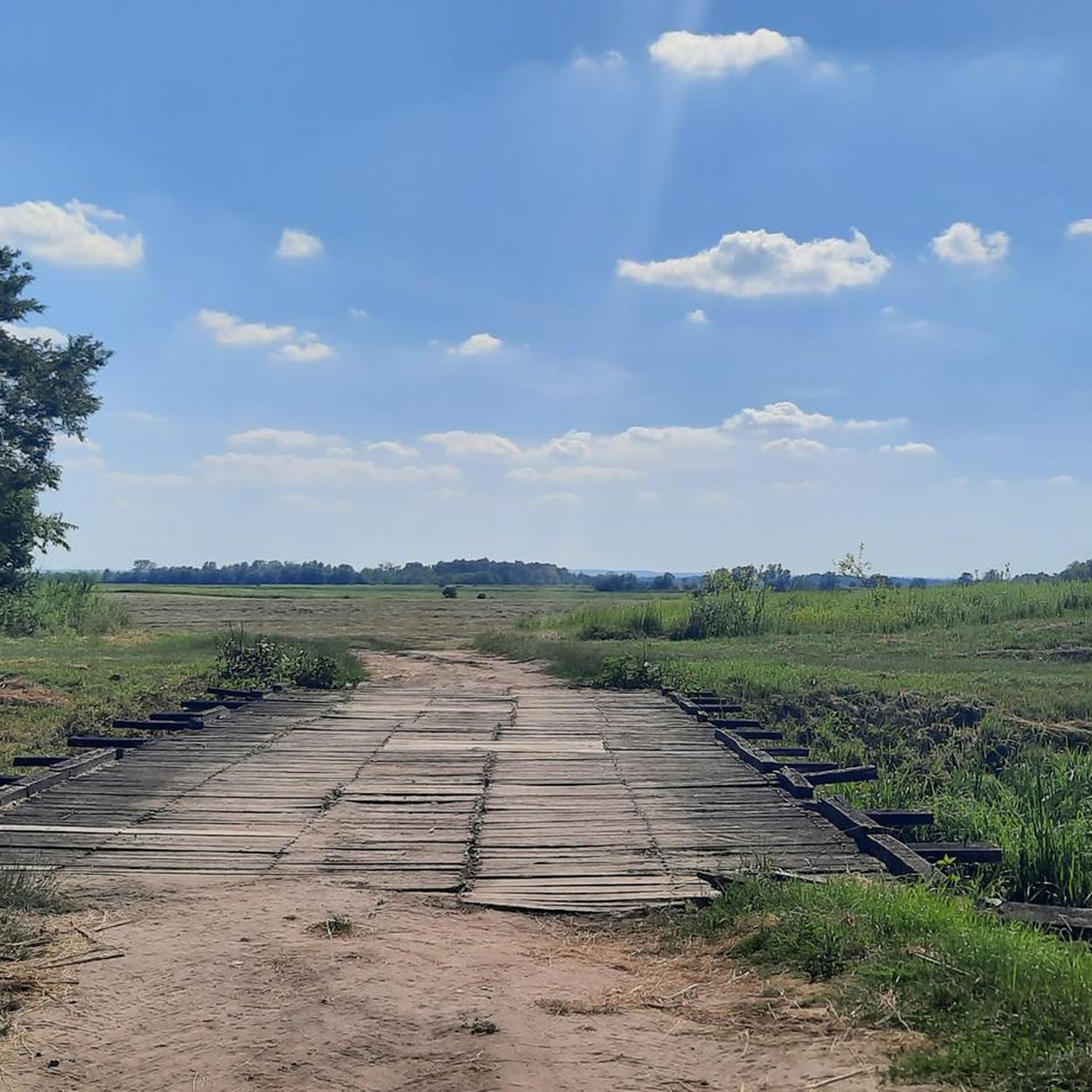
Seasonal spring and resting place with a small wooden bridge. When we were there, unfortunately, there was no water coming from it. Nicely built resting place, close to Cinege-puszta. The bridge is over the Cinege stream, with a green trail marking. The spring is marked with a red circle.
0
0

The Sphere is modeled after the Atomium in Brussels, and you have a great view from up here.
0
0

A 777-year-old linden tree is not mentioned in the provided search results. However, there are several linden trees described as very old, including one estimated to be over 800 years old, and another in Schmorsdorf with an unknown but potentially ancient age. The Tanzlinde in Effeltrich is also a very old linden tree, though its age is not specified. A 777-year-old linden tree is not mentioned in the provided search results. However, there are several linden trees described as very old, including one estimated to be over 800 years old and another in Schmorsdorf of unknown but potentially ancient age. The Tanzlinde in Effeltrich is also a very old linden tree, though its age is not specified.
0
0

L the whole loop is amazing, hidden beauty, tiring but ok with plenty snacks, some of the trail is a bit rough, otjer parts very well preserved, the tunnel is at the start of the loop
0
0


In rainy weather or afterwards, the road leading to the site is impassable and muddy.
0
0

The so-called “Passing Hole” is one of the attractions of Ságvár. Its origins are not mentioned in written historical records before 1864, and its history is based primarily on local oral tradition. The Passing Hole is a continuously shortening tunnel located in Landor Mountain. In historical records, after the 1920s, mentioned as Lyukas Hill, (hill with a hole), but this title is certainly not given by locals because they never used these words in daily speech. (they used "lik, likas" (hole) forms instead) The word "hill" was also not used, even the smallest hill was called "mountain". Those who have already visited the Passing Hole and walked up the narrow path between the loess walls could understand why it was important to carve down from the height of the mountain. In the 1950s, the story was told by 90-year-old Stvan Kasa as he heard it in his childhood about its origins. As the story goes, there was a Reformed Church pastor's vineyard on the other side of the mountain, so it was his idea to provide easy access to his vineyard by digging a tunnel. One year there was a good grape harvest, so he placed a large barrel of wine on both sides of the mountain so that whoever dug the tunnel could drink wine. So the Passing Hole Fort has completed, the day is of course the altitude is still slowly decreasing. At one point it was so high that even a horse-drawn cart could drive through. For today, of course, it's uploaded so it's easy to touch the ceiling. There is a bend in the middle which proves the two-sided digging. The storyteller named Andras Csicsvay-Vasas, as the origin of the idea, so the digging took place some time between 1800 and 1832, when he was the pastor Sagvar.
0
0
Frequently Asked Questions
What unique natural features can I explore in Somogy beyond the main highlights?
Beyond the well-known spots, Somogy offers diverse natural features. You can experience the Picture Tree, an enchanted forest clearing, or discover the unique geological formation of the Bújó-lik Tunnel, a continuously shortening tunnel with a rich local history. The region is also home to extensive forests and significant wildlife habitats.
Are there family-friendly natural monuments in Somogy?
Yes, several natural monuments in Somogy are suitable for families. The Picture Tree is considered family-friendly, offering an easy-to-access forest clearing. Additionally, the View from the Kis-Balaton Observation Tower provides a great all-round view that can be enjoyed by all ages. The Kaszó's Canopy Walk, with its interactive forest experience, and the István Fekete Visitor Centre at Lake Deseda are also excellent family options.
What kind of outdoor activities can I do near natural monuments in Somogy?
Somogy offers a variety of outdoor activities. You can find numerous hiking trails, road cycling routes, and mountain biking opportunities. For instance, there are many easy hikes available, such as the Tihany Hermit Caves loop or the Aranyház Geyser Cone loop. You can explore more options for easy hikes in Somogy, road cycling routes in Somogy, and MTB trails in Somogy.
When is the best time of year to visit the natural monuments in Somogy?
The best time to visit depends on your interests. Spring and summer are ideal for water sports at Lake Deseda and enjoying the lush greenery. Autumn is particularly special in the Boronka Nature Reserve, where you can observe deer during their rutting season and enjoy the changing foliage. Winter offers opportunities for ice skating on Lake Deseda when frozen.
Are there any historical or cultural sites integrated with the natural monuments?
Yes, some natural monuments in Somogy have historical significance. The Bújó-lik Tunnel is a cave and historical site with origins based on local oral tradition, dating back to the early 19th century. Additionally, the Ancient Linden Tree in Cemetery is a natural monument with historical ties.
What are some lesser-known natural attractions or 'hidden gems' in Somogy?
Beyond the popular spots, consider visiting the Kaszó's Canopy Walk, located in the 'green heart of Somogy County,' offering an interactive forest experience from above. The Petesmalom Otter Park is another unique sandy area with 14 lakes, serving as a crucial habitat for protected species like the Eurasian otter. The Boronka Nature Reserve also offers a forest train for exploring hidden lakes and observing wildlife.
Are there any natural monuments in Somogy that offer panoramic views?
Absolutely. The Xantus János Sphere Lookout is a prominent viewpoint at an altitude of 165 meters, offering expansive views, especially at sunrise and sunset. Another excellent spot for vistas is the View from the Kis-Balaton Observation Tower, which provides a great all-round view, particularly towards Kis-Balaton.
What wildlife can I expect to see at Somogy's natural monuments?
Somogy is rich in wildlife. At the Petesmalom Otter Park, you can observe the Eurasian otter, a once endangered species. The Boronka Nature Reserve is known for its deer, especially in autumn during the rutting season. The region's vast forests and diverse habitats support a variety of animal species, making it a great destination for nature observation.
Can I find natural monuments with water features or lakes in Somogy?
Yes, Somogy features several natural monuments with significant water elements. Lake Deseda, near Kaposvár, is Hungary's longest artificial lake, popular for water sports and relaxation. The Petesmalom Otter Park is characterized by its 14 smaller and larger lakes, providing a vital habitat for otters and other aquatic species. The Boronka Nature Reserve also features hidden lakes accessible via its forest train.
What do visitors particularly enjoy about the natural monuments in Somogy?
Visitors appreciate the diverse natural beauty and unique experiences. The Xantus János Sphere Lookout is loved for its wonderful panorama, especially at sunrise and sunset. The Bújó-lik Tunnel is noted for its 'hidden beauty' and the unique experience of walking through a historical passage. The region's extensive forests and opportunities for nature observation are also highly valued.
Are there any natural monuments in Somogy that are particularly unique or unusual?
Somogy boasts several unique natural monuments. The Xantus János Sphere Lookout, with its distinctive spherical structure, is often called the 'Hungarian Atomium.' The Bújó-lik Tunnel is unusual for its continuously shortening nature and local oral traditions. Kaszó's Canopy Walk offers a rare chance to experience forest life from above, while the Petesmalom Otter Park provides a unique insight into otter conservation.
What should I wear when visiting natural monuments in Somogy, especially in autumn or winter?
For autumn visits, especially in areas like the Boronka Nature Reserve, layers are recommended due to fluctuating temperatures. Sturdy, waterproof hiking boots are advisable, as some paths, like the road to the Picture Tree, can become muddy after rain. In winter, warm, insulated clothing, hats, gloves, and waterproof footwear are essential, especially if you plan to be outdoors for extended periods or engage in activities like ice skating.
Most popular routes in Somogy
Most popular attractions in Somogy

Get inspired with the komoot mobile app


Didn’t find what you were looking for?
Find even more amazing natural monuments in Somogy by checking out the top Highlights region by region:
Explore more
Extend your search for the best caves by checking out these guides of the top ones in Somogy:
