Top 20 Natural Monuments in Lasithi
Natural monuments in Lasithi, located in eastern Crete, encompass a diverse landscape of gorges, caves, and unique plateaus. This region is characterized by its dramatic geological formations, rich biodiversity, and significant historical sites. Visitors can explore a variety of natural features, from challenging canyons to serene forests and ancient mythological locations. The area offers numerous opportunities to experience Crete's natural heritage.
Best natural monuments in Lasithi
- The most popular natural monuments is Richtis Waterfall, a waterfall located within a…
Last updated: August 20, 2026
Kritsa Gorge
Highlight (Segment) • Gorge
Translated by Google •
Tip by

Richtis Waterfall
Highlight • Waterfall
Translated by Google •
Tip by

Sign up now to discover places like this
Get recommendations on the best single tracks, peaks, & plenty of other exciting outdoor places.
Sign up for free
Milona Waterfall
Highlight • Waterfall
Translated by Google •
Tip by

Lake Voulismeni
Highlight • Lake
The eastern side is very touristy with many restaurants.
Up from the cliff you have a nice view over …
Translated by Google •
Tip by
Ancient Olive Tree of Kavousi
Highlight • Natural Monument
Impressive trunk girth 😳 and an incredible age.
Translated by Google •
Tip by

Rope-Assisted Rocky Passage
Highlight • Trail
Translated by Google •
Tip by
Dikteon Cave (Cave of Zeus)
Highlight • Cave
Translated by Google •
Tip by
Perivolakia Gorge
Highlight (Segment) • Gorge
with sometimes dangerously steep climbs on the mountain hiking boots are absolutely advisable. In the lower part, it is …
Translated by Google •
Tip by

Path to Psychro Cave
Highlight • Trail
Translated by Google •
Tip by

Neraidokolympos Boulder in Havgas Gorge
Highlight • Gorge
1 H. 10min, you can go there and back if you're a goat.
Translated by Google •
Tip by

Sign up for free to discover even more natural monuments in Lasithi.
Sign up for free
Already have an account?
Start today with a free account
Your next adventure awaits.
Login or Signup
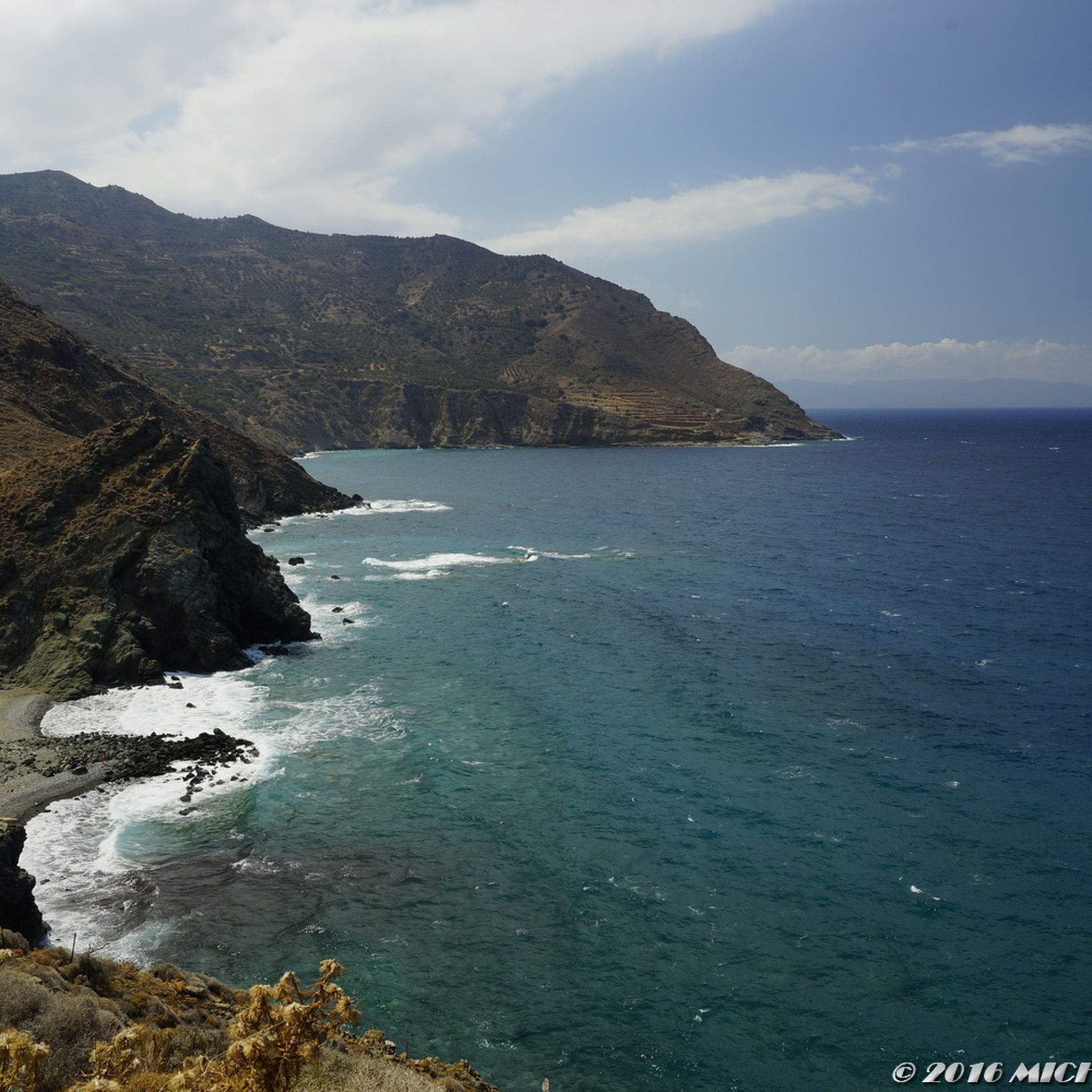
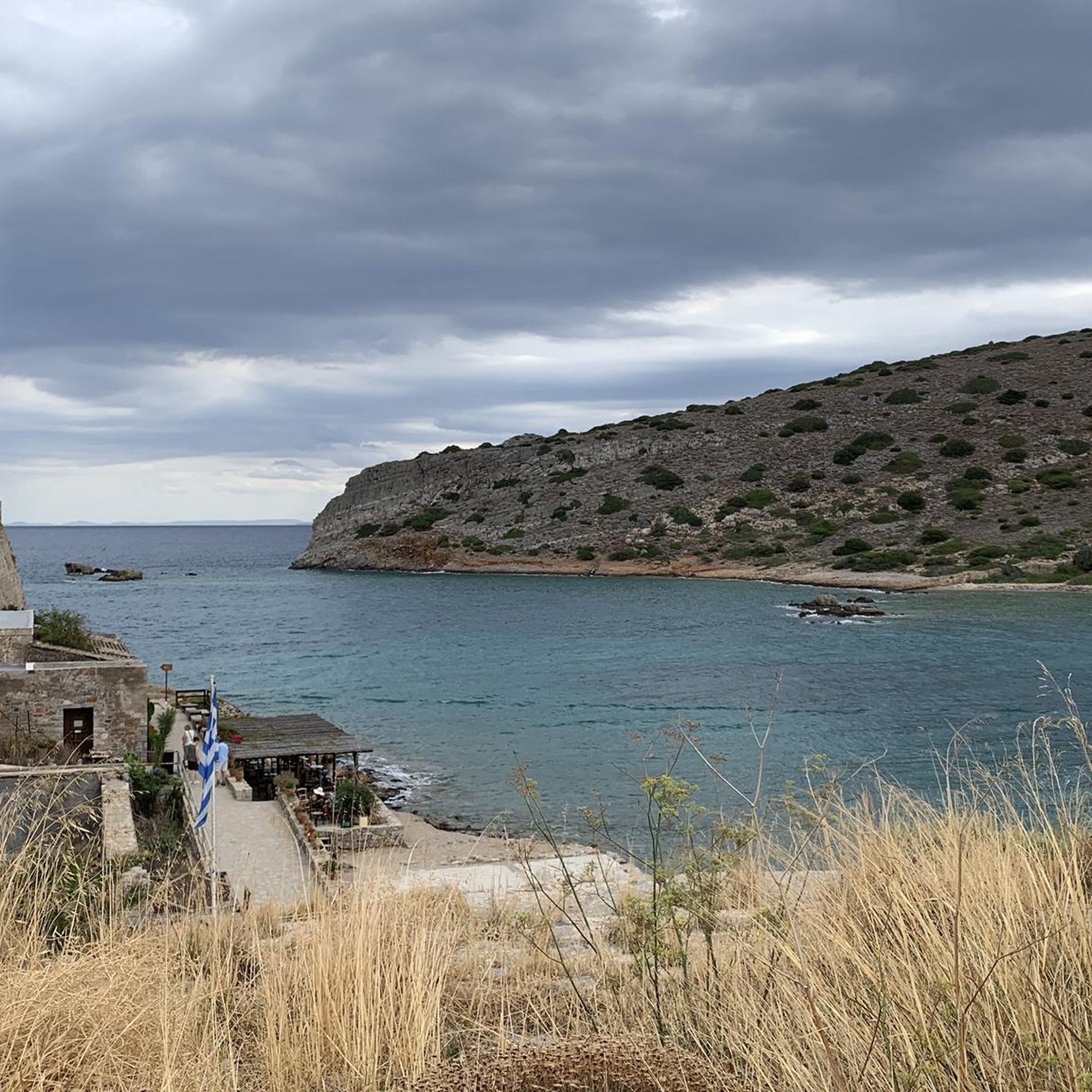
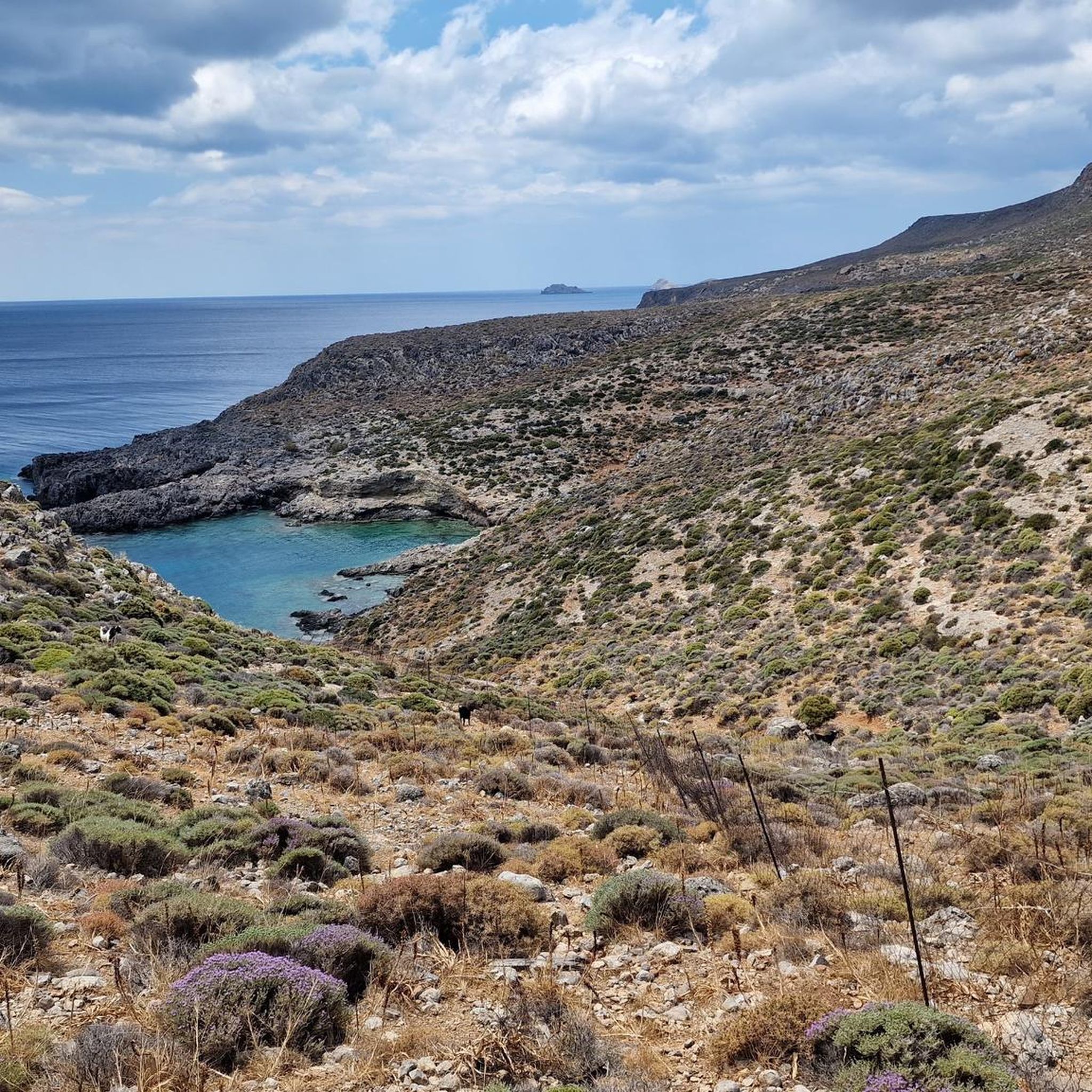
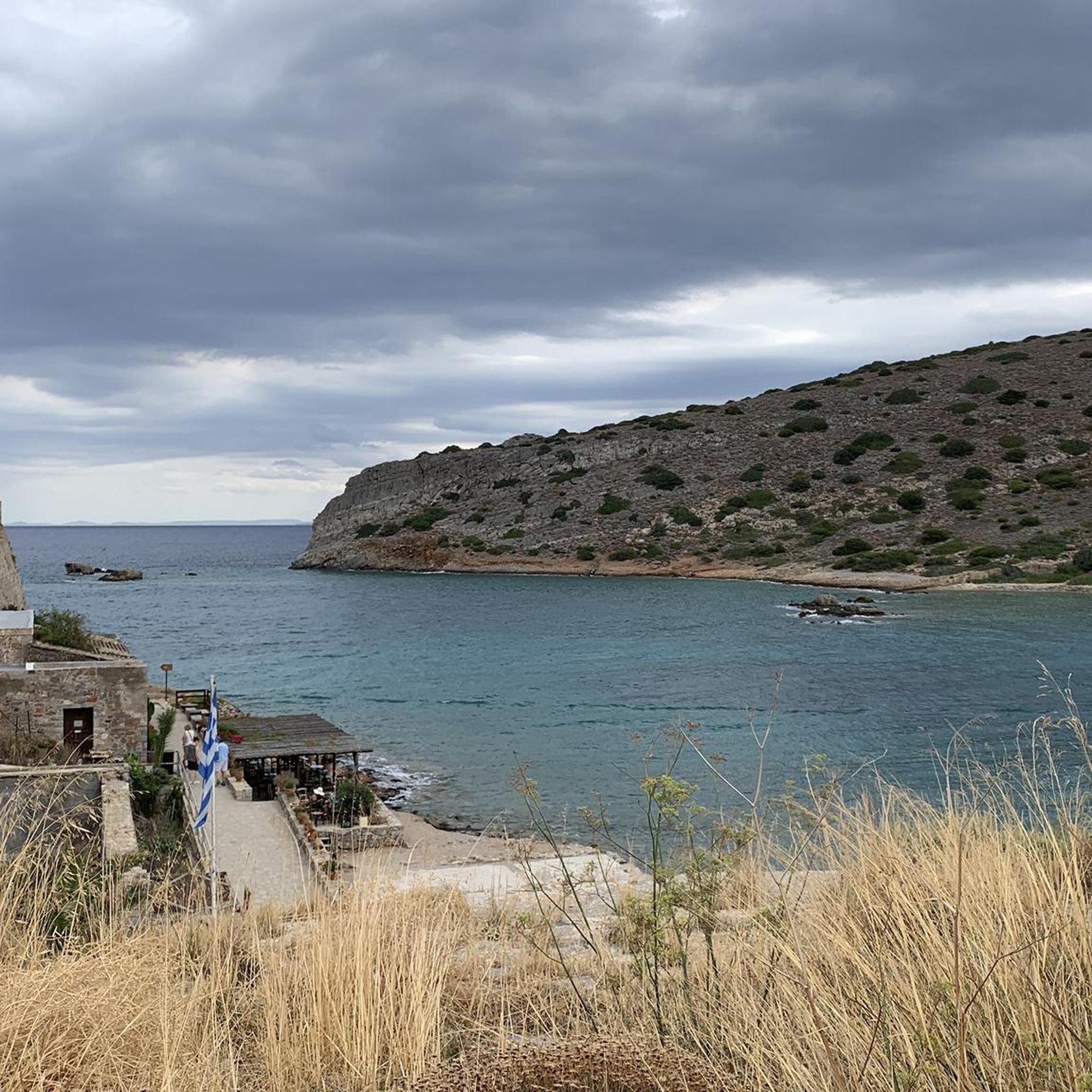
Tips from the Community

It was our first hike 😄 but we were immediately disappointed, the cave is closed on Tuesdays and today was Tuesday! 😔 Furthermore, it costs 15 Euros entrance/person . Very touristy, 4 scoops of ice cream = 10 Euros, a sporty price!!
0
0

Be careful! If the soles were wet, the boots may slip.
0
0

We only found waterways at the end of the tour (May 2025), so we were able to make good progress. However, at the end, you have to climb a few sections...
0
1

A lovely stop on a hike – the tree is located just above Kavousi and can be reached in about 20-30 minutes, depending on the route and walking pace. Impressive trunk girth 😳 and an incredible age.
8
1

A small challenge but still easy to master.
0
0

The path to the waterfall is really varied, there is no other way to put it. For those who are physically fit enough and ideally wear sturdy shoes, this section with the rope is a real highlight.
3
0

Directly opposite is a small restaurant - perfect for a quick rest.
2
0

The Milona Gorge is a gorge, situated near the village of Agios Ioannis, in the municipally of Ierapetra in Crete. There is a 10- to 15-minute drive from the town of Ierapetra to the gorge. It has a large waterfall at the end of the walking path. The walking path is only a 20-minute walk from the road, and it is quite easy to follow. At the end of the path, you will find the 40-metre height fall of Milona. The best season to cross the path is in spring, since the waterfall will have plenty water, while in summer, although nice as well it can be much drier. https://en.wikipedia.org/wiki/Milona_Gorge
3
0
Frequently Asked Questions
What are some of the most impressive gorges to explore in Lasithi?
Lasithi is renowned for its diverse gorges. For a challenging adventure, consider Sarakina Gorge, known for its narrow, dramatic rock formations and rock pools that require some climbing. For a more moderate hike culminating in a waterfall and beach, the Richtis Gorge is an excellent choice. Another impressive option is Perivolakia Gorge, which offers magnificent views and demanding sections, requiring sure-footedness and hiking boots.
Are there any natural monuments with historical or mythological significance in Lasithi?
Yes, Lasithi is rich in sites with historical and mythological importance. The Diktean Cave (Cave of Zeus) is a prominent example, believed to be the mythological birthplace of Zeus and an ancient Minoan site of worship. Another significant site is the Zakros Gorge, also known as the 'Gorge of the Dead,' which served as a Minoan burial ground. Additionally, the Ancient Olive Tree of Kavousi stands as a living historical monument.
Which natural monuments in Lasithi are suitable for families?
For families, the Lake Voulismeni offers a pleasant, accessible experience. The Richtis Gorge, with its moderate trail and the Richtis Waterfall, can also be family-friendly, especially if you focus on the easier sections. The Lasithi Plateau itself provides a tranquil escape with picturesque landscapes and charming villages, suitable for leisurely exploration.
What kind of wildlife can be observed in Lasithi's natural monuments?
Lasithi's natural monuments are home to diverse wildlife. The Richtis Gorge is noted for its rich vegetation and animal life, including butterflies, small reptiles, and birds. The Diktean Cave hosts various species of birds, insects, and Mediterranean bats. The Selakano Pine Forest is a haven for bird watchers, and the Oreino Gorge is known for its vibrant butterflies.
Are there challenging hiking opportunities within Lasithi's natural monuments?
Absolutely. Ha Gorge is considered one of Europe's most challenging gorges, ideal for experienced mountaineers due to its steep, almost vertical slopes. Perivolakia Gorge also features dangerously steep climbs and bottlenecks, requiring absolute sure-footedness. The Sarakina Gorge involves challenging climbing over rocks and navigating through water, making it an adventurous trek.
What are some unique natural features beyond gorges and caves in Lasithi?
Beyond its numerous gorges and caves, Lasithi offers several unique natural features. The Lasithi Plateau is famous for its traditional white-sailed windmills and picturesque landscapes. The Selakano Pine Forest is one of Crete's densest and most pristine pine forests. The Vai Palm Forest hosts the largest natural Juniperus macrocarpa forest in Europe, and its beach is known for over 6,000 palm trees. You can also visit Lake Voulismeni, a scenic lake in Agios Nikolaos.
Can I find easy hiking trails among the natural monuments in Lasithi?
Yes, there are easier options available. The Havgas Gorge offers a relatively easy 4-kilometer hiking path, suitable even for beginners, leading to the stunning Neraidokolympos Lake. Pefki Gorge also provides a leisurely hike through lush vegetation and gentle rock formations. The Richtis Gorge trail is considered easy to moderate, especially if you focus on the path to the waterfall.
What should I bring when visiting natural monuments in Lasithi?
When visiting Lasithi's natural monuments, it's advisable to bring plenty of water, especially for longer hikes. Sturdy hiking boots are essential for gorges like Perivolakia and Sarakina. Water shoes can be beneficial for navigating through water in some gorges. For challenging routes, hiking poles can be helpful. Always check specific requirements for each site, as some, like the Diktean Cave, may be closed for restoration.
Are there opportunities for cycling near the natural monuments in Lasithi?
Yes, Lasithi offers various cycling opportunities. You can find numerous routes for road cycling and general cycling that explore the region's diverse landscapes, often passing near natural monuments. For detailed routes and guides, you can explore options like Cycling in Lasithi or Road Cycling Routes in Lasithi on komoot.
What is the best time of year to visit the natural monuments in Lasithi?
The best time to visit Lasithi's natural monuments is generally during the spring (April to June) and autumn (September to October) when the weather is milder and the landscapes are lush. Summer can be very hot, making challenging hikes more demanding, though waterfalls like Richtis Waterfall offer a refreshing experience. Winter hiking is possible, but some routes might be affected by rain or colder temperatures, especially in higher altitudes.
Are there any natural monuments in Lasithi that offer a unique swimming experience?
Yes, the Richtis Waterfall features a small pool suitable for swimming, providing a refreshing break during or after your hike through the gorge. Additionally, the Chochlakies Gorge leads down to the secluded Karoumes beach, offering a scenic hike to a hidden paradise where you can swim in the Cretan Sea.
What do visitors enjoy most about the natural monuments in Lasithi?
Visitors frequently praise the dramatic landscapes and the sense of adventure. For instance, the Sarakina Gorge is loved for its unique experience of climbing over rocks and through water. The Richtis Waterfall is appreciated as a cozy spot with a swimming pool and rest area. Many find the hikes impressive and rewarding, despite their challenging nature, often highlighting the stunning views and wild nature.
Most popular routes in Lasithi
Most popular attractions in Lasithi

Get inspired with the komoot mobile app


Explore more
Extend your search for the best caves by checking out these guides of the top ones in Lasithi:
