Top 8 Natural Monuments in Meuse
Natural monuments in Meuse, France, are characterized by serene lakes, meandering rivers, and protected natural areas. The department offers diverse landscapes, including the Côtes de Meuse and the plain of Woëvre, dotted with ponds and forests. These sites provide opportunities for recreation, wildlife observation, and appreciation of varied ecosystems. The region's natural features often intertwine with its historical significance, offering unique exploration experiences.
Best natural monuments in Meuse
- The most popular natural monuments is Trench of Thirst and Ailly Wood…
Last updated: June 26, 2026
The Lion of Souville
Highlight • Natural Monument
Translated by Google •
Tip by

Trench of Thirst and Ailly Wood
Highlight • Historical Site
Translated by Google •
Tip by

Sign up now to discover places like this
Get recommendations on the best single tracks, peaks, & plenty of other exciting outdoor places.
Sign up for free
Lachaussée Regional Nature Reserve
Highlight • Natural
Translated by Google •
Tip by

Lachaussée Pond
Highlight • Lake
Translated by Google •
Tip by
Forest Path With Bomb Craters and Trenches
Highlight • Historical Site
Translated by Google •
Tip by

Gibet Caves
Highlight • Cave
Translated by Google •
Tip by

The ponds of the Queen's forest
Highlight • Forest
Translated by Google •
Tip by
Neuf-étang des Mandres
Highlight • Lake
Translated by Google •
Tip by
Fontaine des Carmes
Highlight • Historical Site
Translated by Google •
Tip by

Monument to the Engineers of the Éparges Ridge
Highlight • Monument
Translated by Google •
Tip by
Start today with a free account
Your next adventure awaits.
Login or Signup
Popular around Meuse
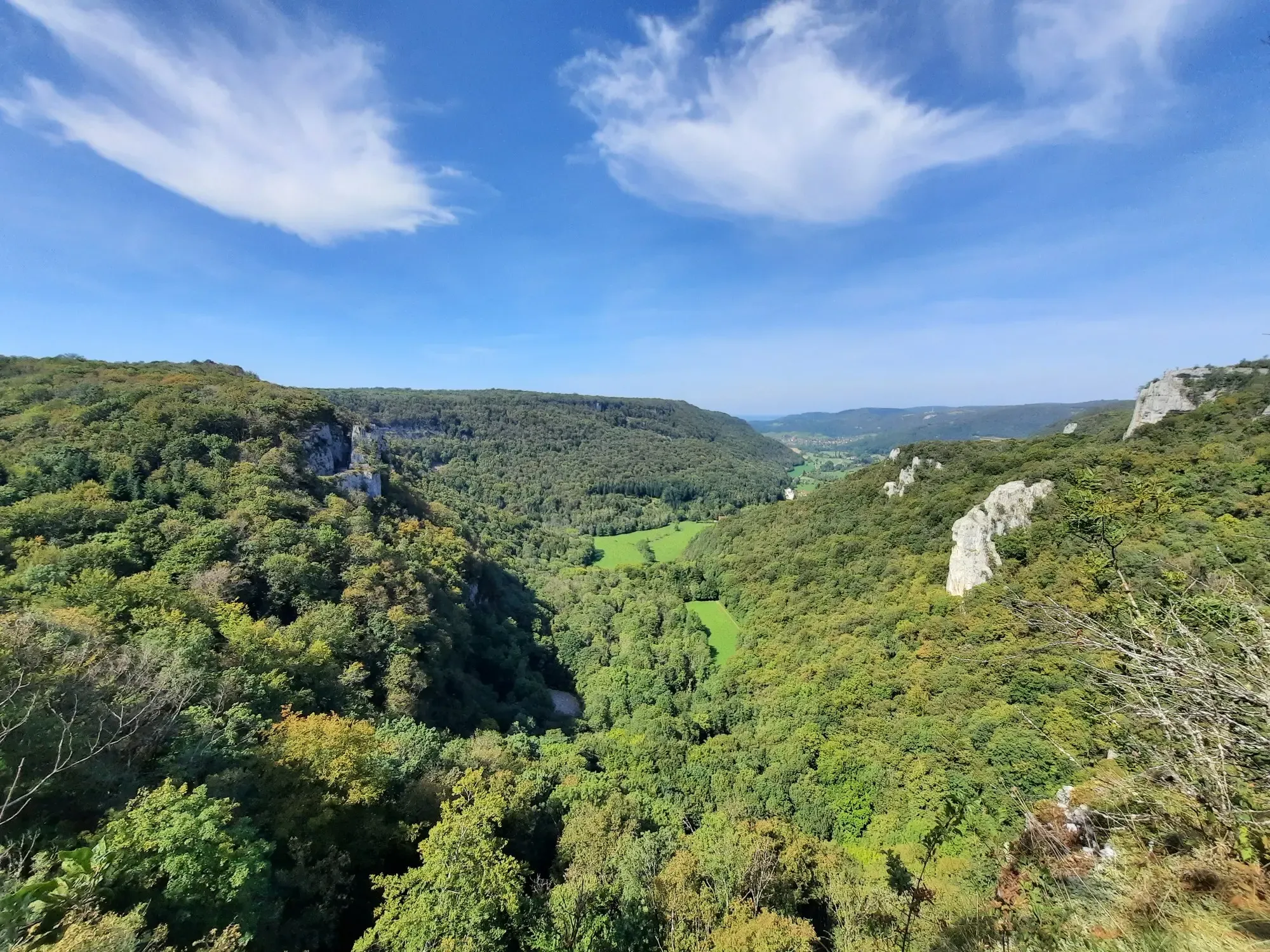
The Ardennes Trail (GR 14) – From Paris to the Belgian border
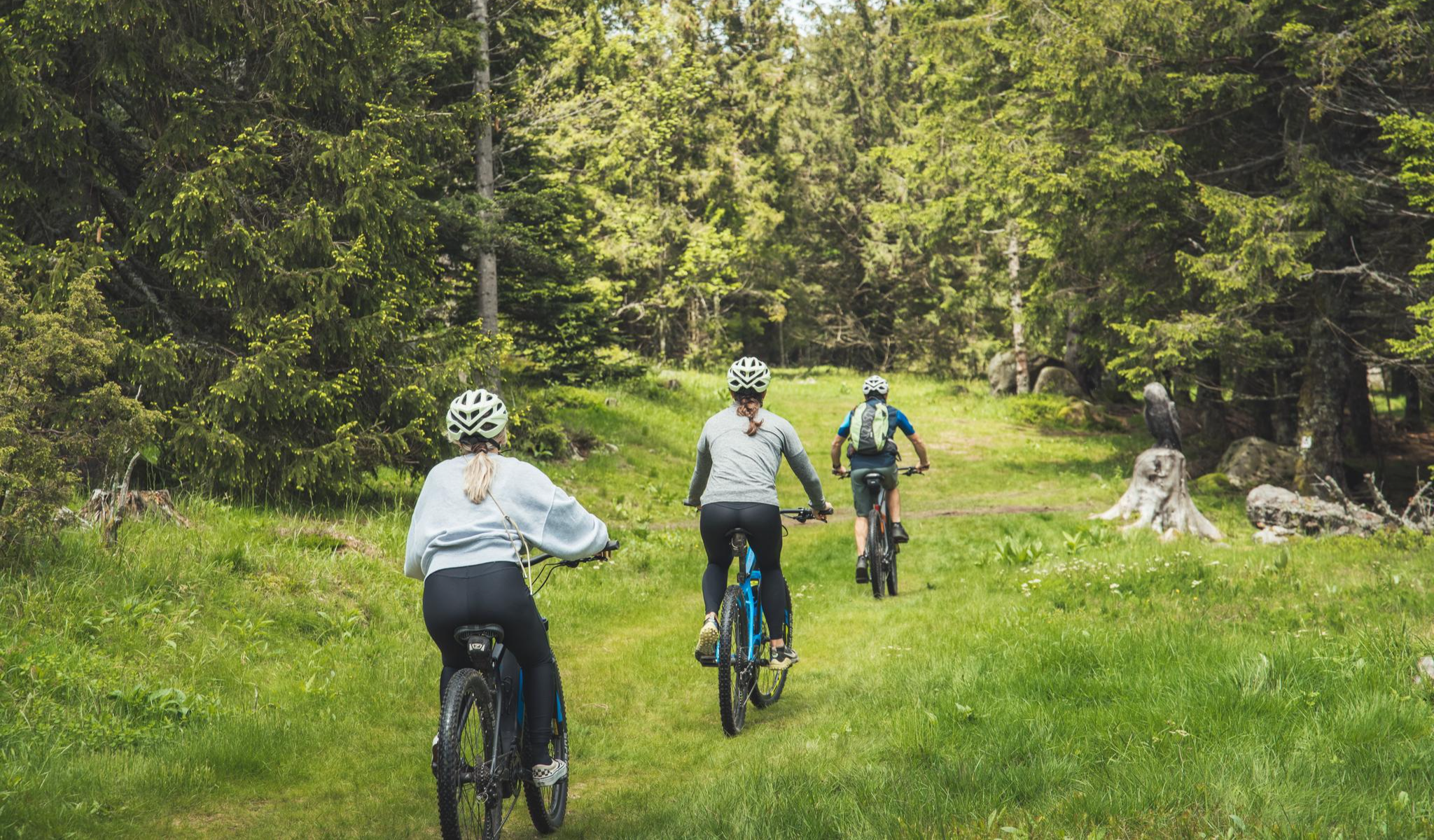
MTB and gravel in the Grand Est – the joy of the low mountains
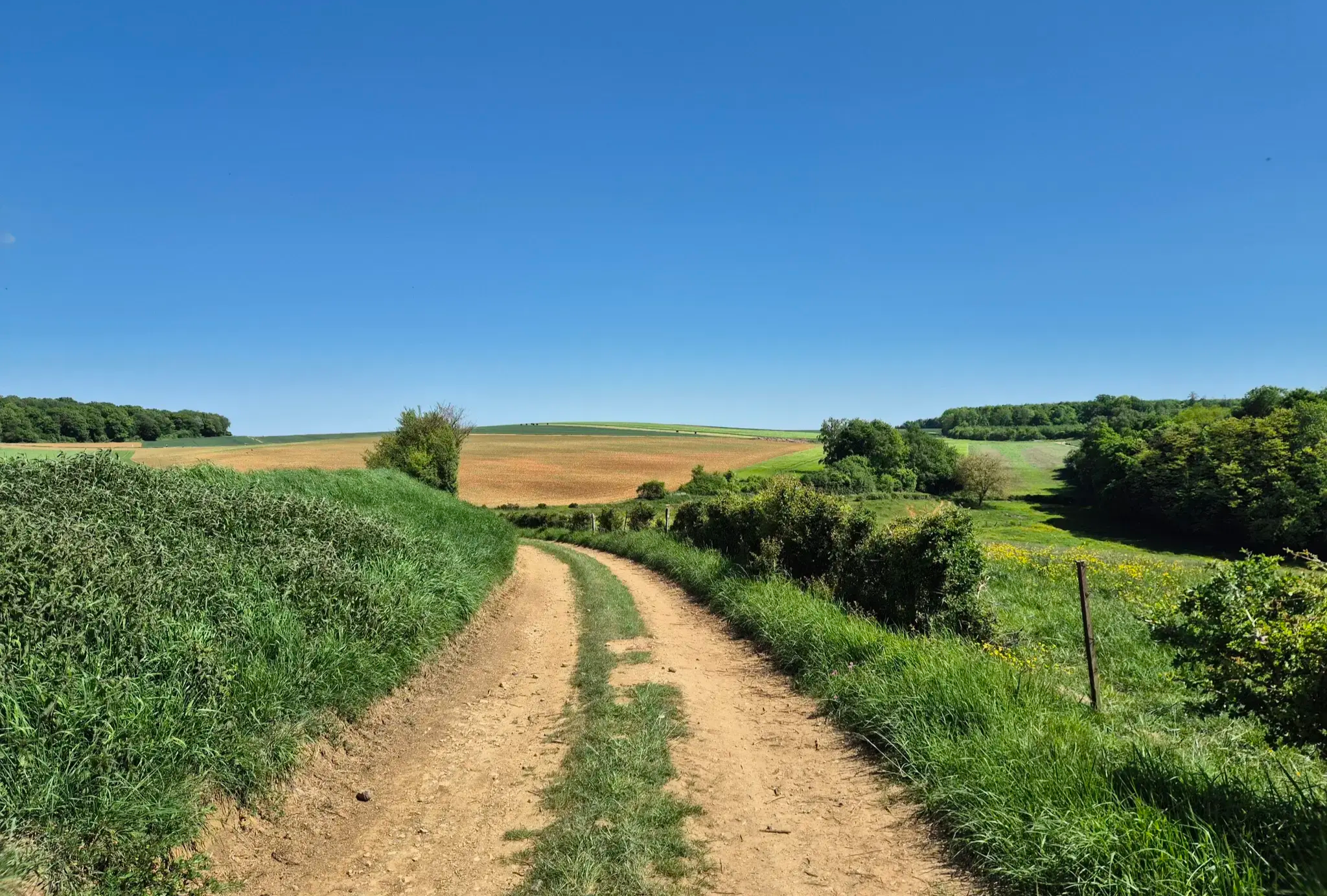
Une randonnée aux airs de Provence — La Transgaumaise
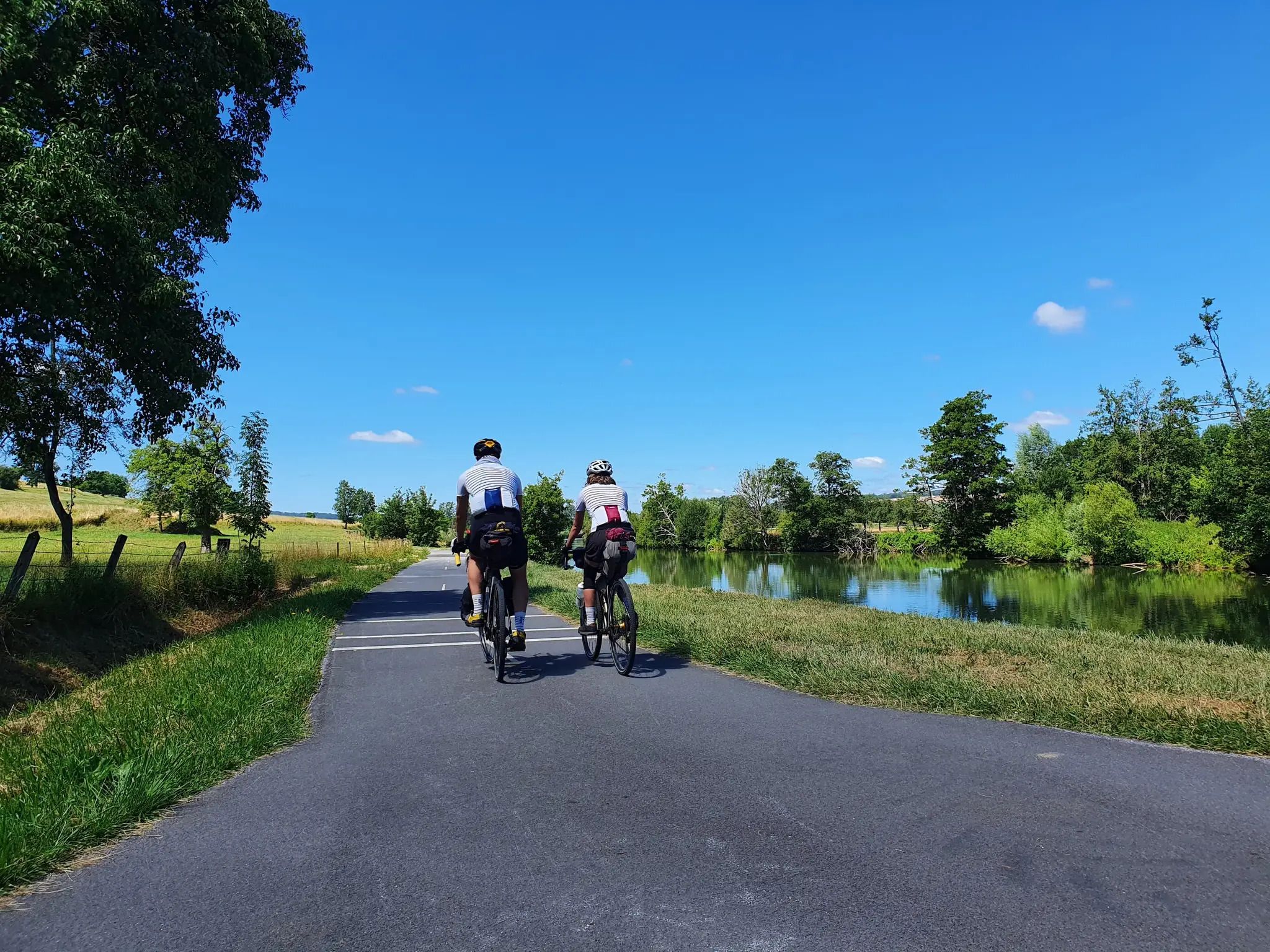
A river, three countries, countless experiences – Meuse Cycle Route
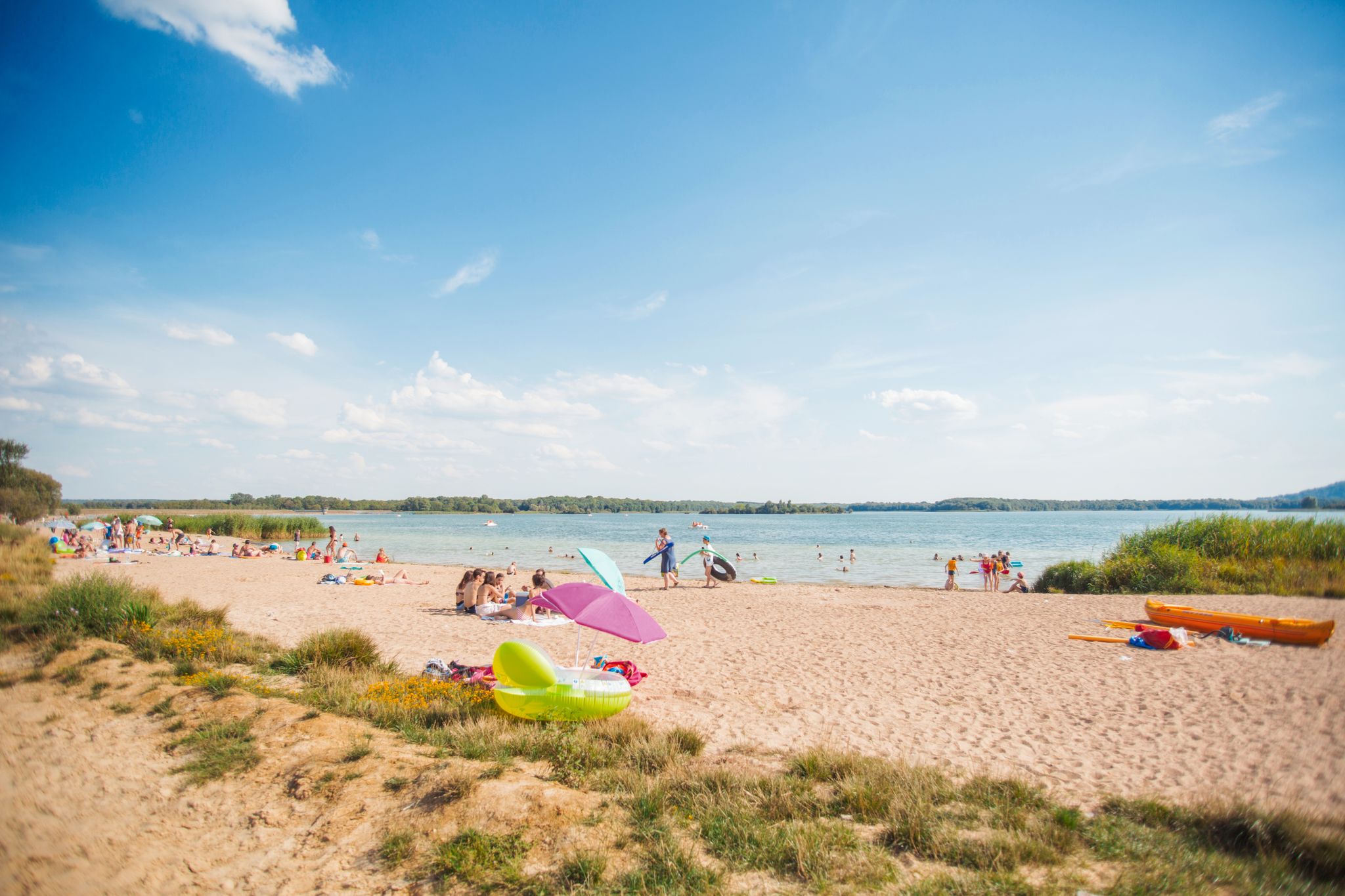
Walking in fresh air or alongside water in the Grand Est
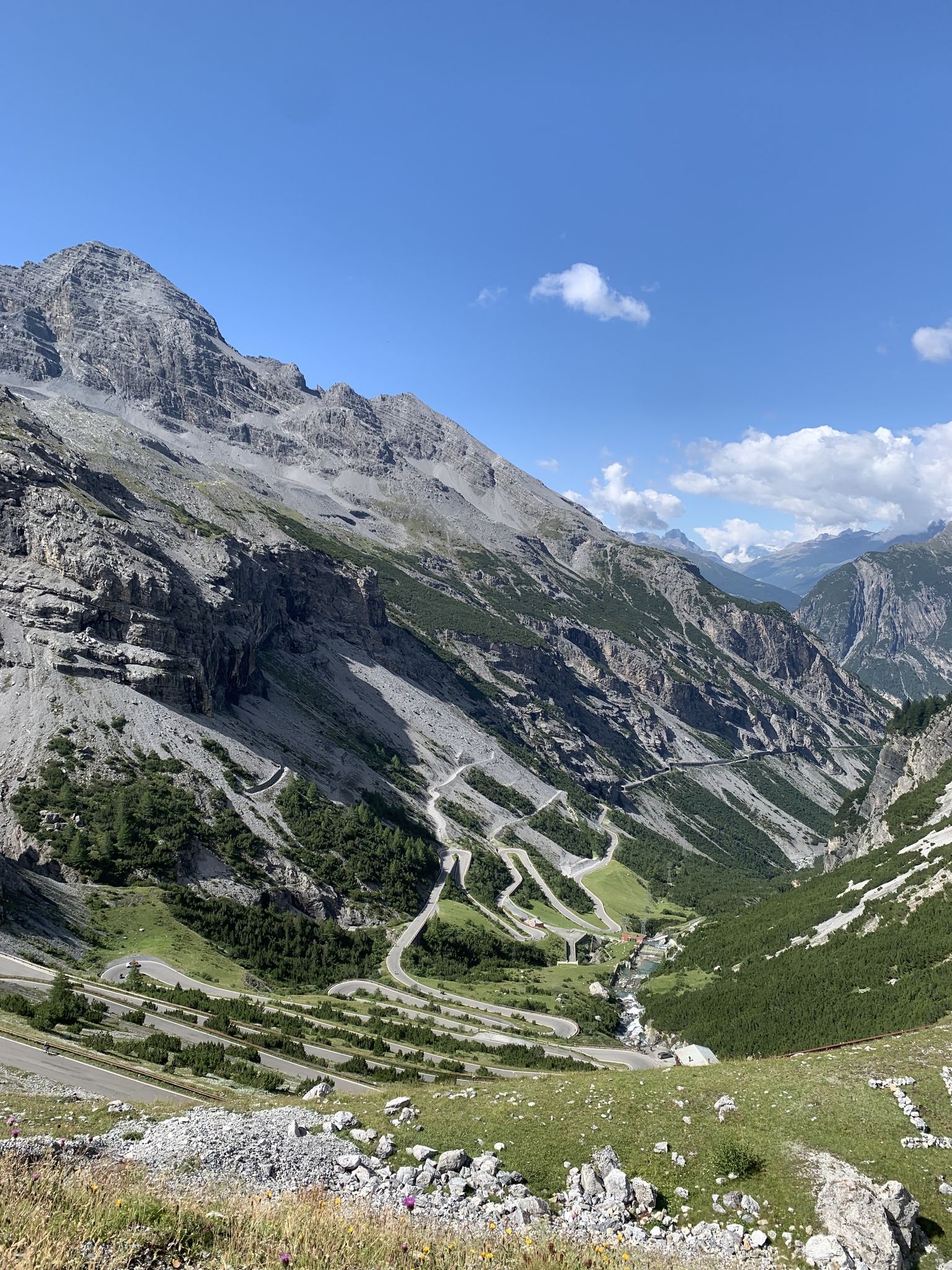
Transcontinental Race No9 2023
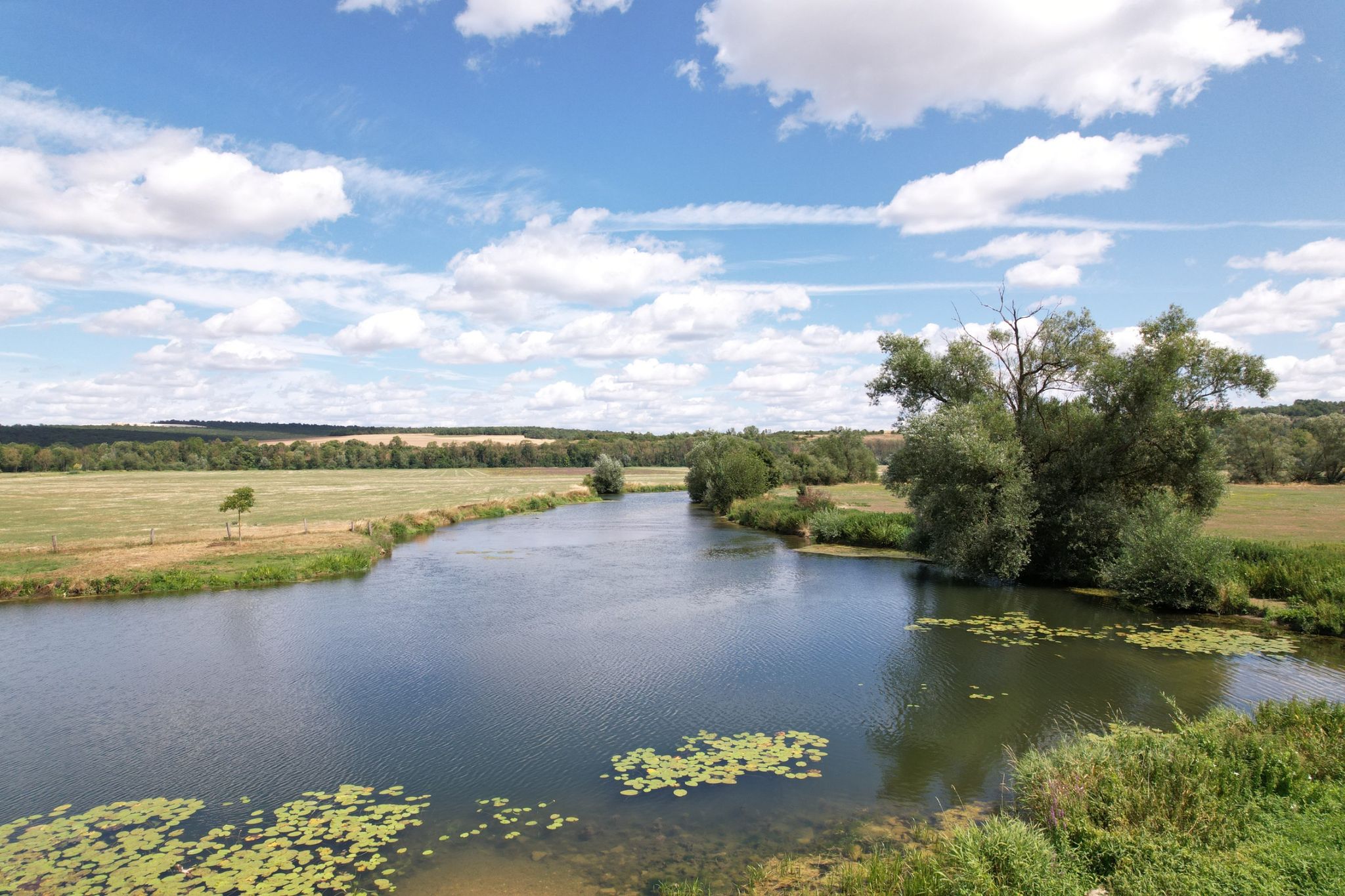
Along the Meuse River – an adventure on EuroVelo 19
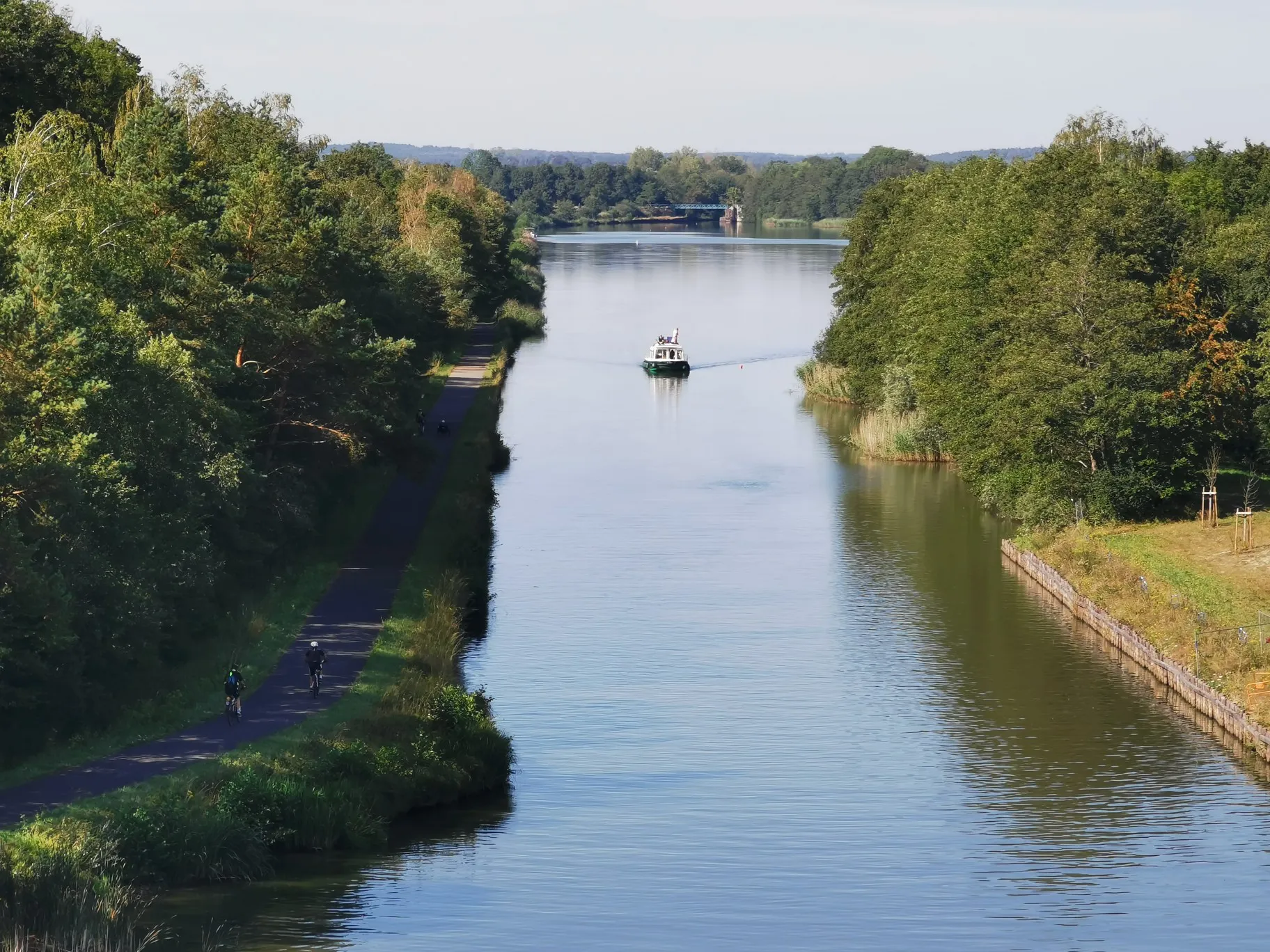
A river getaway – along the Marne-Rhine Canal
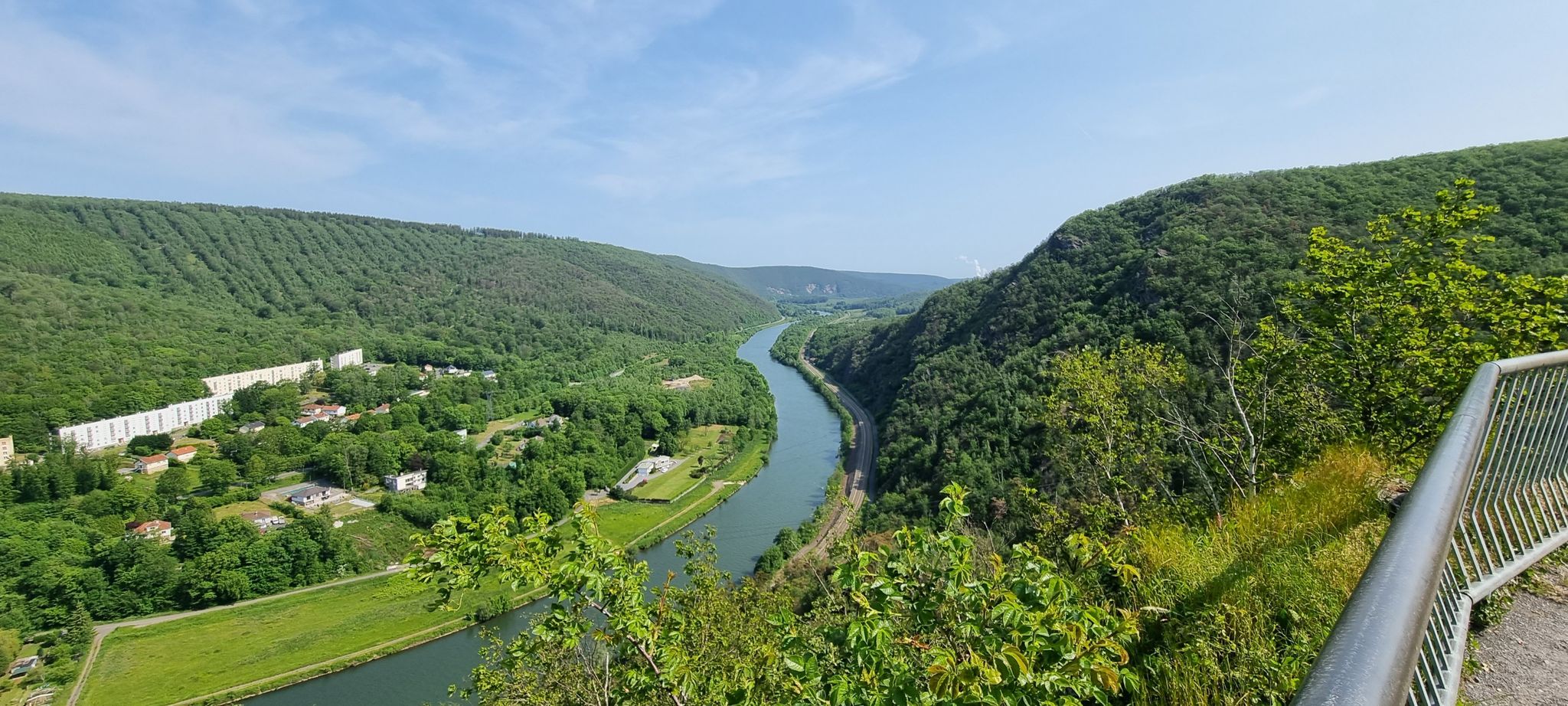
In the footsteps of the First World War — EuroVelo 19
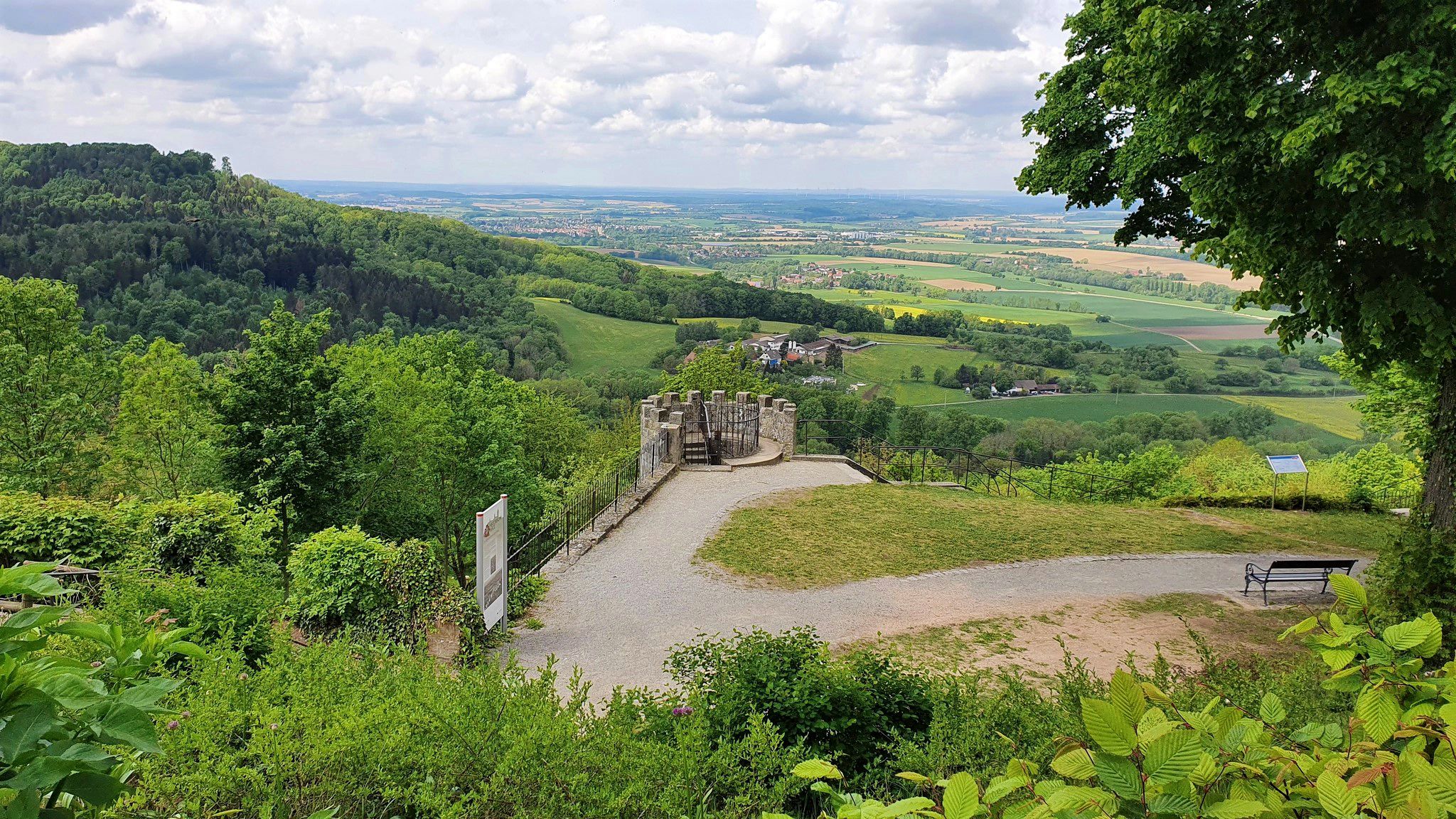
A cycling adventure from Paris to Prague – Pan-European Cycle Route
Other adventures in Meuse


Tips from the Community

Very beautiful place in the forest. Numerous gravel paths ranging from smooth white paths to rougher trails.
0
0

Very long front lines of trenches; today, the forest has grown back on the other side. During the war, not a single tree remained. It was very impressive how many kilometers of trenches there were in the forest, with shell holes every few meters.
2
0

A very beautiful and interesting monument.
2
0

In 1967, this granite monument was erected in honour of the sappers of the French army who played a key role in the mine warfare around Les Éparges. The seven columns symbolise the specialisations of the Génie: from sapeurs-mineurs to aérostiers. The monument commemorates their courage and technical ingenuity during one of the toughest fronts of WWI.
6
0
The Lion of Souville Symbol of resistance at the gates of Verdun; This impressive monument, unveiled on 1 October 1922, stands on the site of the former Sainte-Fine chapel and commemorates the fallen of the 130th French Infantry Division. Designed by animal sculptor and veteran René Paris, the statue depicts a dying Bavarian lion – a powerful allegory for the defeat of the German troops and the heroic French defence during the Battle of Verdun. On 23 June 1916, the German attacks reached their peak at Fort de Souville, the last obstacle to the fall of Verdun. Thanks to the courage of a small French garrison led by Lieutenant Dupuy, the fort remained in French hands. The lion marks the extreme point of the German advance – the “last gate” to Verdun remained closed.
8
1

On this route you literally walk on historical tracks. Narrow paths meander past many bomb craters. It is a landscape marked by the horrors of war.
8
0
Ten months Battle of Verdun On 21 February 1916, the Germans launched an attack north of Verdun. The heavy fighting of 1916 around this French town on the upper reaches of the Meuse was the longest battle of the war. It lasted a full ten months, from February to December. The Battle of Verdun began with the largest artillery bombardment the world had seen up to that point. The ten months of fighting around Verdun cost an enormous number of casualties: some three-quarters of a million, of whom perhaps 300,000 were dead. This makes Verdun the most deadly battle of the Great War, together with the (possibly even bloodier) Battle of the Somme, which took place around the same time. The infamous Battle of Passchendaele or Third Battle of Ypres (1917) came in a distant third with 150,000 dead... About 160,000 were French. This is the largest death toll for a single country during a single battle of the war. It is striking that 4/5 of the dead were victims of artillery bombardments (for the entire war, this ratio is more like 2/3). Due to an enormous concentration of guns, the attacking troops had to fear artillery fire much more than man-to-man fighting.
7
1
Discover a historic monument that marks the extreme advance and defeat of the German troops during the Battle of Verdun. This site commemorates the key moments of 1916: the occupation of Fort Douaumont on 25 February and Fort Vaux on 7 June, followed by the German attempt to break through the French defence line and reach Verdun. On 12 July, German troops launched an attack on Fort Souville, the last bastion of the fortified line around the city, but were driven back by a brave French garrison. This monument was unveiled on 1 October 1922 and pays tribute to the 130th Infantry Division. Created by the animal sculptor René Paris (1881-1970), a member of this unit, it evokes the heroic resistance to the enemy attacks of 23 June 1916. It symbolises the defeat of the German troops and pays tribute to the courage of the French soldiers. Come and discover this place steeped in history and emotion, a moving testimony to the courage and sacrifice of the defenders of Verdun. Source: Information panel on site Tourisme Verdun
5
1
Frequently Asked Questions
What types of natural monuments can I explore in Meuse?
Meuse offers a diverse range of natural monuments, from serene lakes and protected wetlands to historical forests marked by past events. You can explore sites like Lachaussée Pond, a protected nature reserve, or historical natural areas such as the Trench of Thirst and Ailly Wood, which combines natural beauty with significant historical context.
Are there family-friendly natural monuments in Meuse?
Yes, several natural monuments in Meuse are suitable for families. The Lion of Souville is a family-friendly historical natural monument. The Lachaussée Regional Nature Reserve and The ponds of the Queen's forest are also great for families, offering opportunities to observe wildlife and enjoy nature.
What outdoor activities can I do near the natural monuments in Meuse?
The natural monuments in Meuse are excellent starting points for various outdoor activities. You can find numerous running trails, including loops around Lac de Madine and Lachaussée Pond. Cycling enthusiasts can enjoy routes like the 'Le Lac de Madine' loop or the 'Meuse Cycle Route: Verdun Loop'. For mountain biking, there are trails around Lac de Madine and other forested areas. You can find more details on these activities in the Running Trails in Meuse, Cycling in Meuse, and MTB Trails in Meuse guides.
Which natural monuments have historical significance in Meuse?
Many natural monuments in Meuse are deeply intertwined with history, particularly related to World War I. The Trench of Thirst and Ailly Wood is a poignant site with regimental monuments and trenches. The Lion of Souville commemorates the Battle of Verdun, marking the extreme point of the German advance. You can also explore the Forest Path With Bomb Craters and Trenches for a direct experience of the war-marked landscape.
Where can I observe wildlife in Meuse's natural areas?
For wildlife observation, the Lachaussée Pond and the larger Lachaussée Regional Nature Reserve are excellent choices. These protected wetland habitats are home to diverse birds, amphibians, insects, and plants. The Lorraine Regional Natural Park, which encompasses many of these areas, is also part of a migratory bird flow, offering rich biodiversity.
What are the best natural viewpoints in Meuse?
While specific viewpoints are not always highlighted as distinct monuments, many natural areas offer scenic vistas. The Côtes de Meuse, within the Lorraine Regional Natural Park, feature picturesque promontories like Hattonchâtel. The 12 km path around Lachaussée Pond also provides beautiful views of the water, reed beds, and surrounding forest.
Are there any caves or unique geological features to visit?
Yes, Meuse features the Gibet Caves, offering a unique geological experience. The region's landscape, particularly the Côtes de Meuse, is characterized by limestone grasslands and wooded valleys, contributing to its distinct natural character.
What is the best time of year to visit the natural monuments in Meuse?
The best time to visit the natural monuments in Meuse generally depends on your preferred activities. Spring and autumn offer pleasant temperatures for hiking and cycling, with vibrant foliage or blooming flora. Summer is ideal for water activities at Lac de Madine. Some paths, like those around Lachaussée Pond, can be very muddy or even flooded in winter, so consider seasonal conditions when planning your trip.
Can I bring my dog to the natural monuments in Meuse?
Many natural areas and trails in Meuse are dog-friendly, especially those in forests and along lakeshores. However, it's always recommended to keep dogs on a leash, particularly in protected nature reserves like Lachaussée Regional Nature Reserve, to protect local wildlife and ensure a pleasant experience for all visitors.
Are there any natural monuments that are less known but worth visiting?
Beyond the more popular sites, you might enjoy exploring Neuf-étang des Mandres, a tranquil lake and forest area, or Fontaine des Carmes, a historical site nestled within a forest. These offer a quieter experience of Meuse's natural beauty.
What makes Lac de Madine a significant natural monument in Meuse?
Lac de Madine is a large artificial lake, spanning nearly 10 km², and is a significant natural monument. It's part of the Natura 2000 network due to its ecological importance, featuring two islands, 250 hectares of forest, and 42 km of shoreline. It's a hub for outdoor activities like swimming, sailing, cycling, and walking, and is particularly popular with families.
What is the Lorraine Regional Natural Park and what does it offer?
The Lorraine Regional Natural Park is an extensive protected area covering nearly 205 hectares within the Grand Est region. It encompasses diverse landscapes, including the valleys of the Moselle and Meuse, the Côtes de Meuse, and the plain of Woëvre with its numerous ponds and forests. The park is ideal for hiking, biking, and canoeing, offering immersion in unspoiled nature and rich biodiversity. You can find more information about the park on tourisme-bassindepontamousson.fr.
Most popular routes in Meuse
Most popular attractions in Meuse

Get inspired with the komoot mobile app


Explore more
Extend your search for the best caves by checking out these guides of the top ones in Meuse:
