Top 20 Natural Monuments in Pas-de-Calais
Best natural monuments in Pas-de-Calais showcase a diverse landscape, ranging from dramatic coastlines to serene wetlands. This department in northern France features significant natural areas like the Grand Site des Deux-Caps, the Marais Audomarois, and the Plaine Maritime Picarde. These sites offer varied ecosystems, geological features, and opportunities for outdoor exploration. The region's natural monuments provide insights into its unique biodiversity and historical significance.
Best natural monuments in Pas-de-Calais
- The most popular natural monuments is Cape Blanc-Nez, a viewpoint…
Last updated: July 10, 2026
Cape Blanc-Nez
Highlight • Viewpoint
Translated by Google •
Tip by

Petit Blanc-Nez (Little Blanc-Nez)
Highlight • Viewpoint
Translated by Google •
Tip by

Sign up now to discover places like this
Get recommendations on the best single tracks, peaks, & plenty of other exciting outdoor places.
Sign up for free
Dunes of the Slack
Highlight (Segment) • Natural Monument
Translated by Google •
Tip by

Cran d'Escalles
Highlight • Beach
Translated by Google •
Tip by
Cap Gris-Nez Lighthouse
Highlight • Monument
Translated by Google •
Tip by

Dover Patrol Monument, Cap Blanc-Nez
Highlight • Monument
Translated by Google •
Tip by
Authie Bay
Highlight • Natural
Translated by Google •
Tip by

Condette Marsh Nature Reserve
Highlight (Segment) • Natural Monument
Tip by

Cape Gris-Nez
Highlight • Historical Site
Translated by Google •
Tip by
Vimy Ridge Shell Craters
Highlight (Segment) • Historical Site
This is one of the most famous battles for Canadians during the First World War.
Vimy Ridge was a strategic position fortified …
Translated by Google •
Tip by

Sign up for free to discover even more natural monuments in Pas-de-Calais.
Sign up for free
Already have an account?
Start today with a free account
Your next adventure awaits.
Login or Signup
Popular around Pas-de-Calais
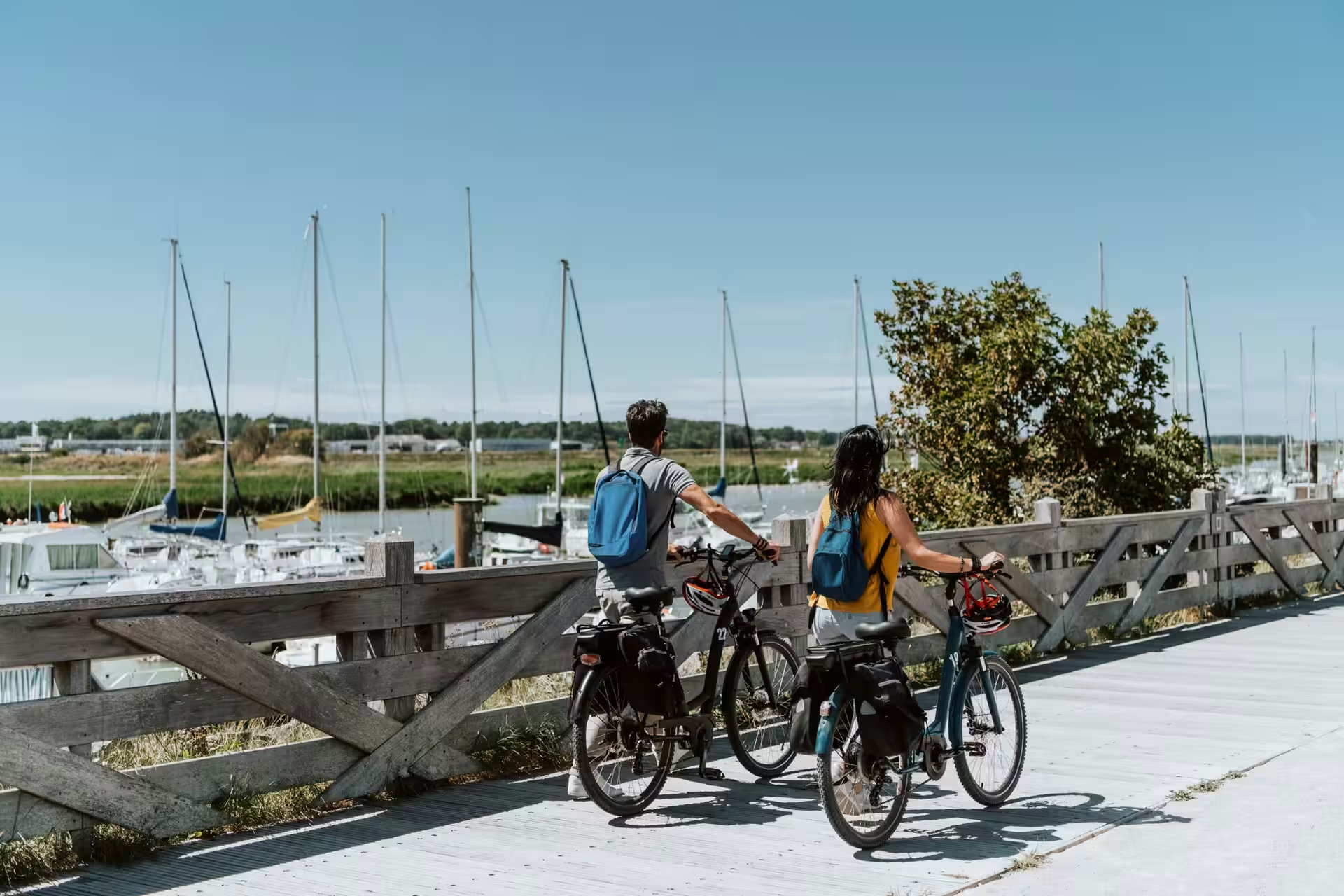
Routes in Hauts-de-France for cycling enthusiasts
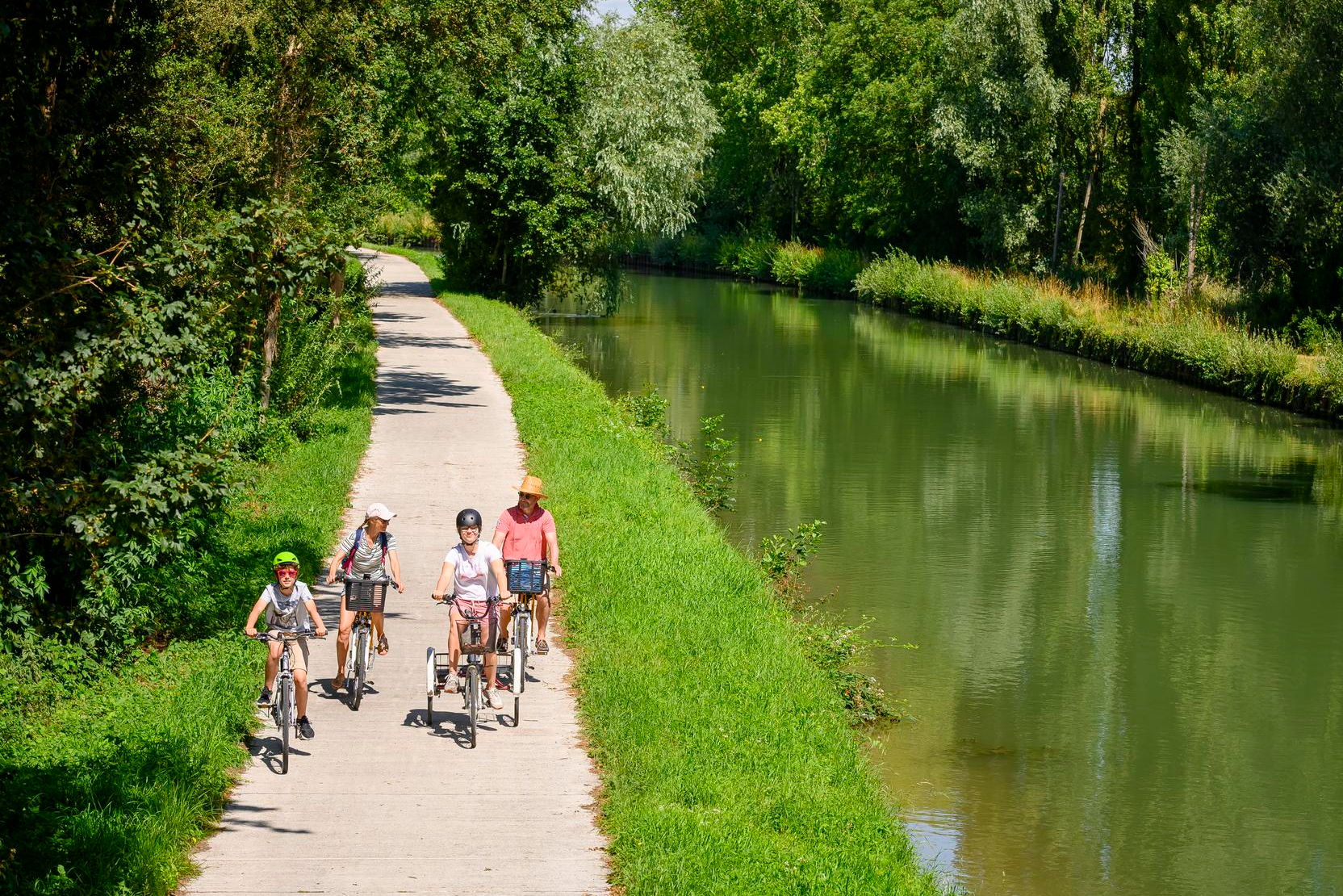
Cycling routes in Hauts-de-France for beginners and families
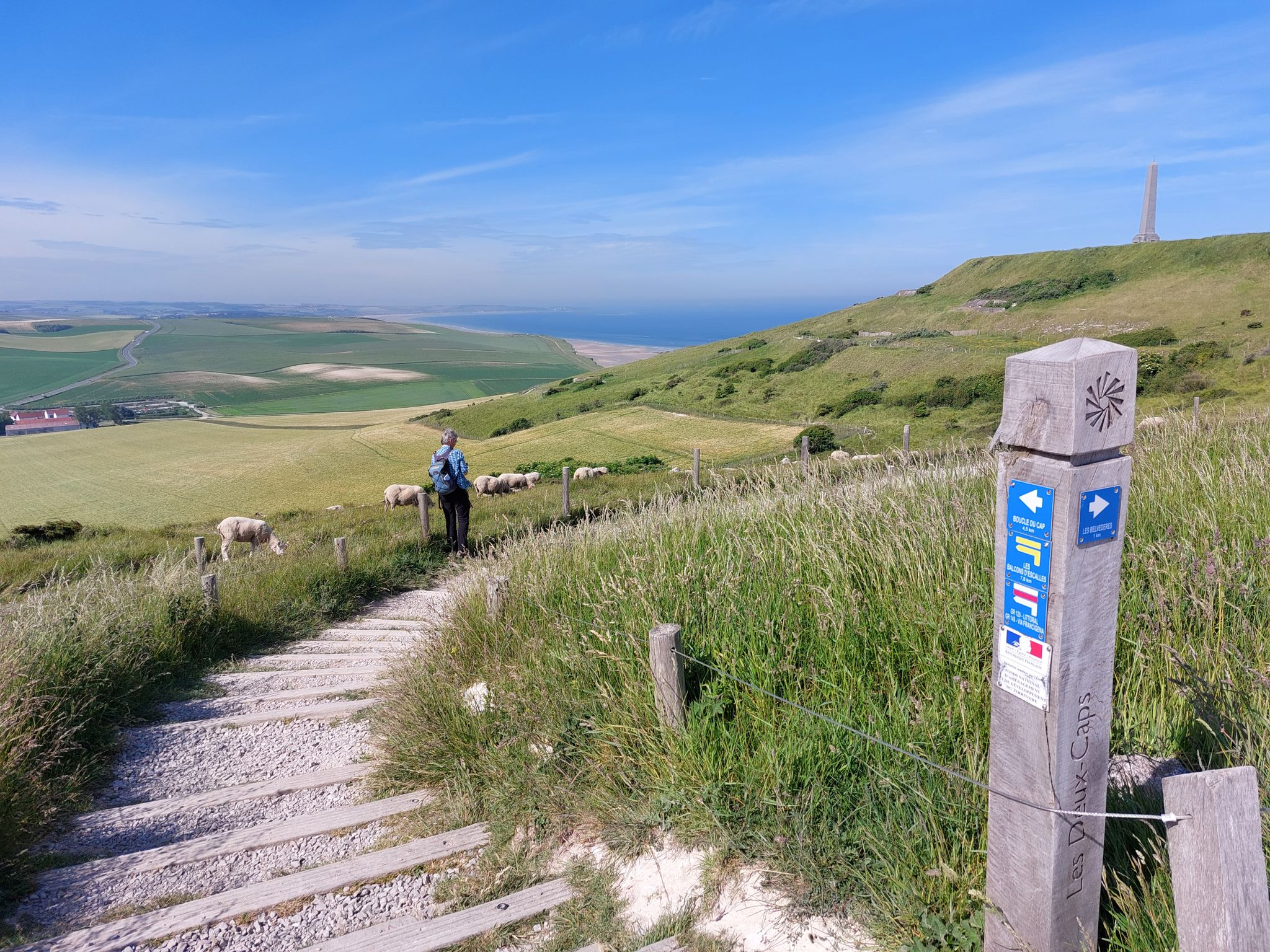
Via Francigena in the Pas-de-Calais – GR 145
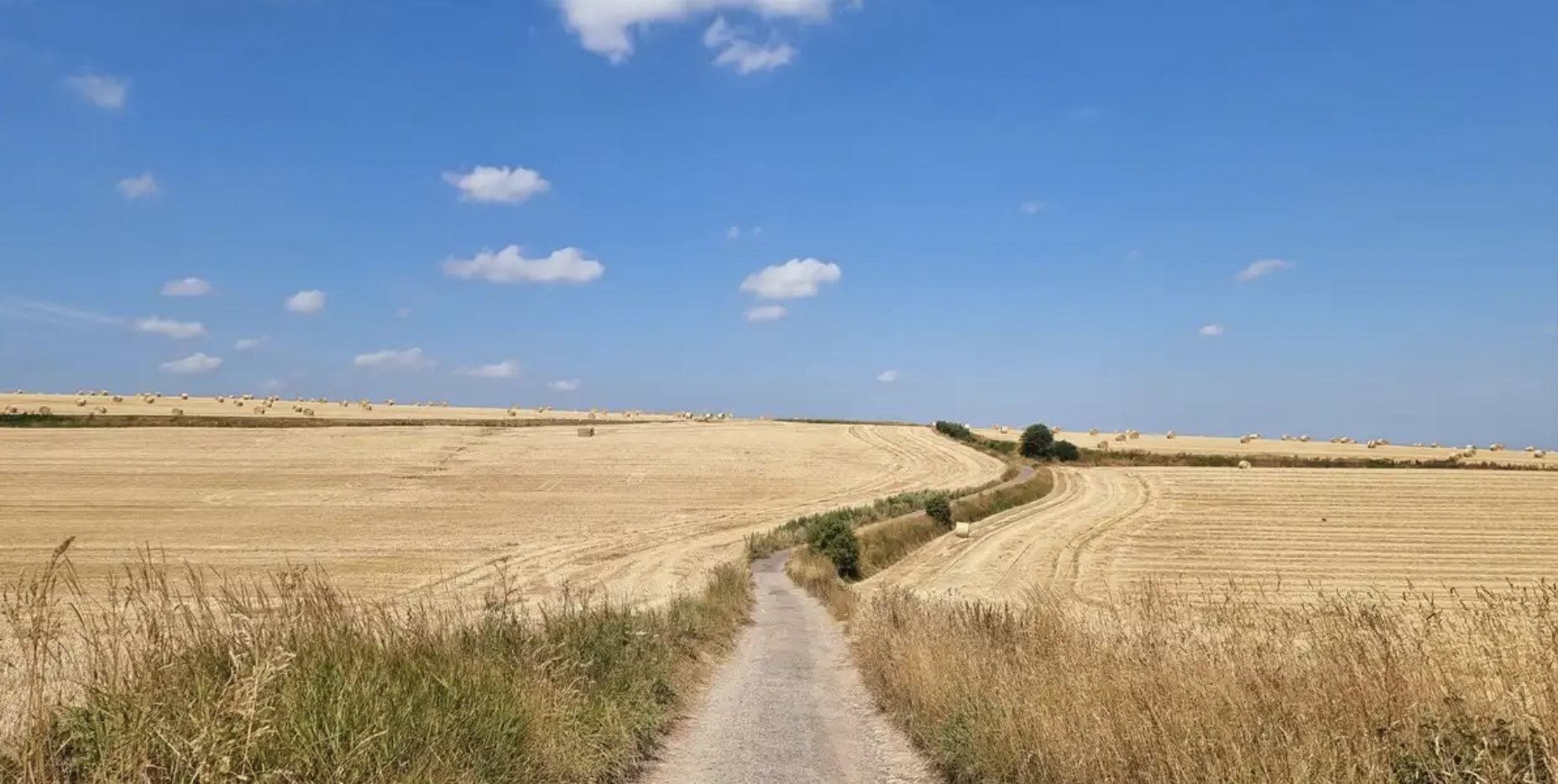
In the footsteps of History — GR 145, the Via Francigena
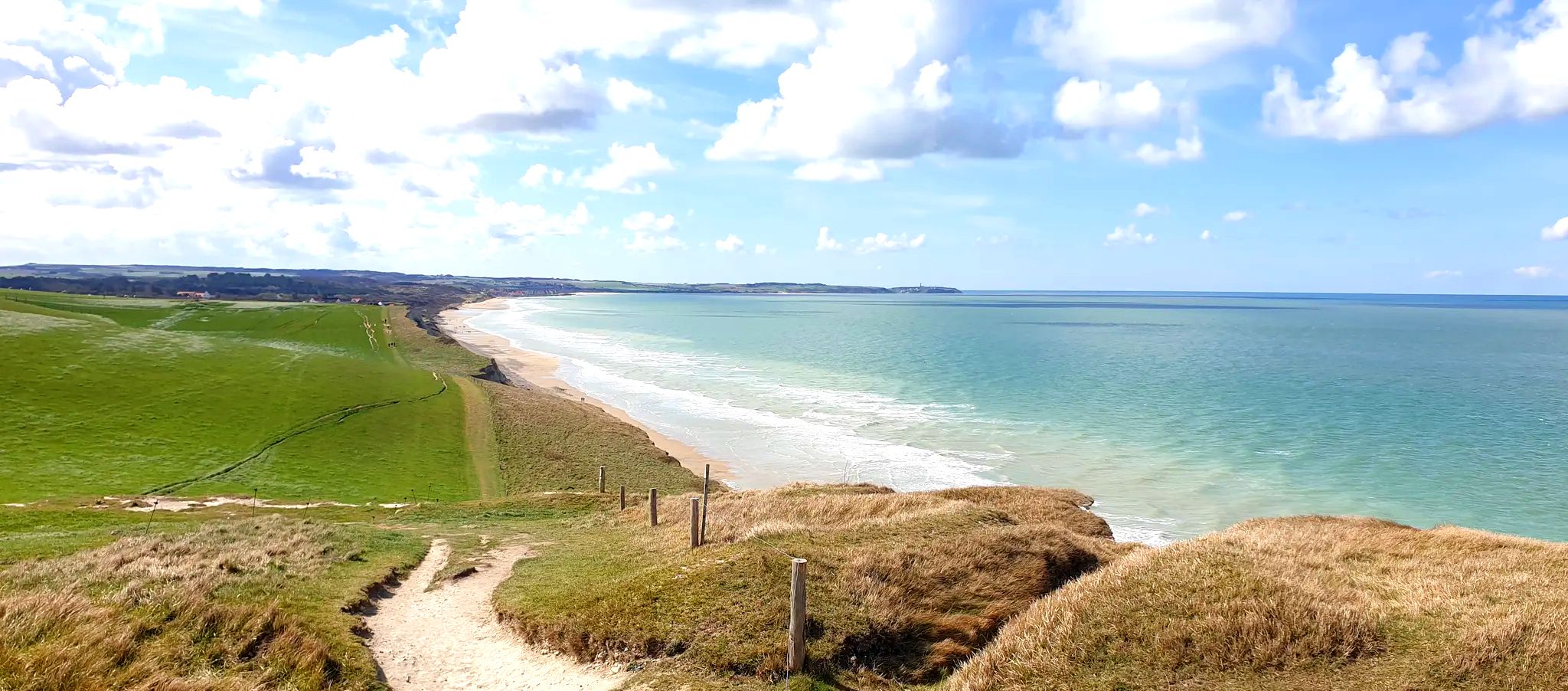
Journey from Flanders to the Somme – GR 120 coastal path
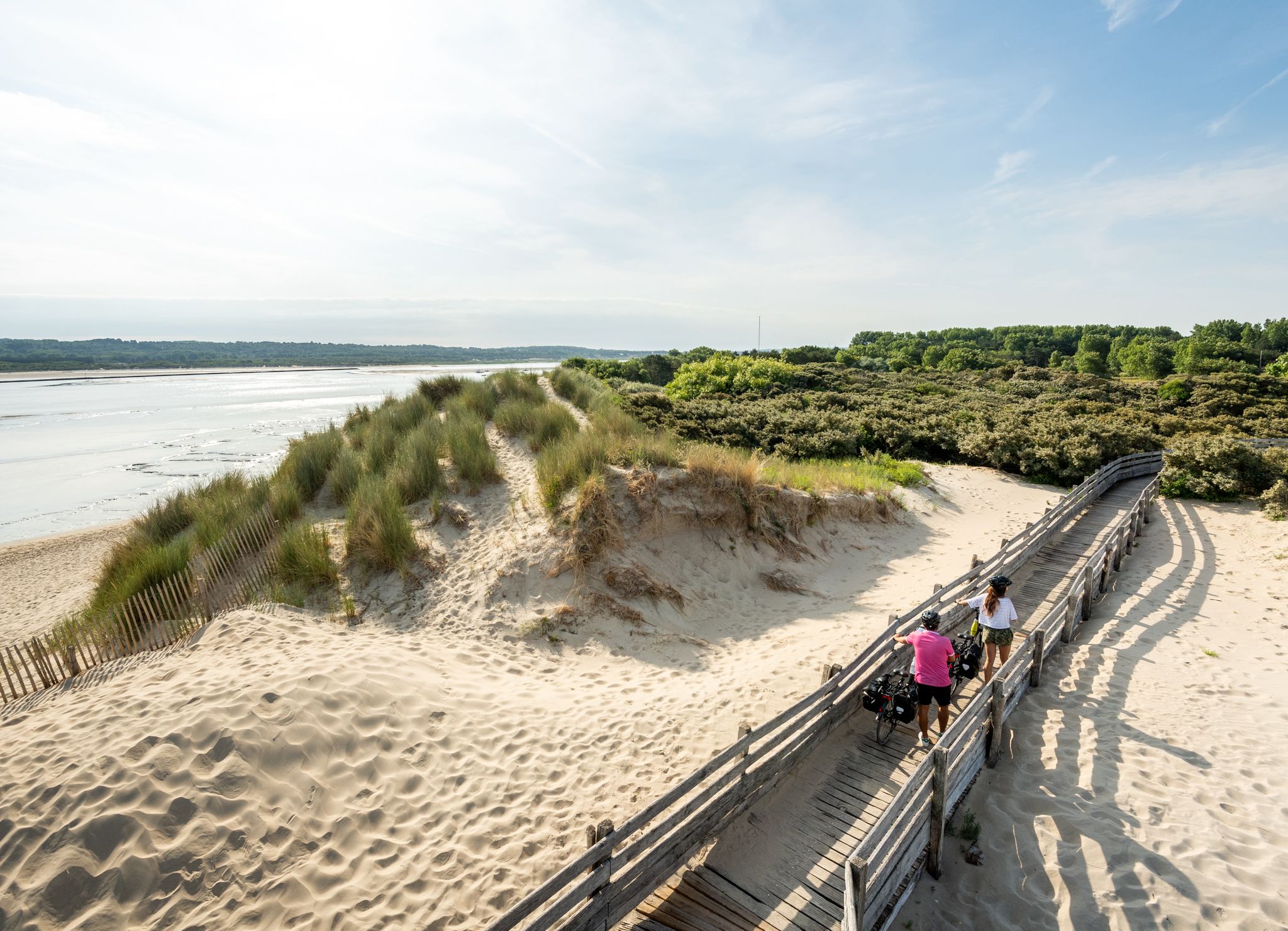
Five days cycling along the Opal Coast in Pas-de-Calais – La Vélomaritim
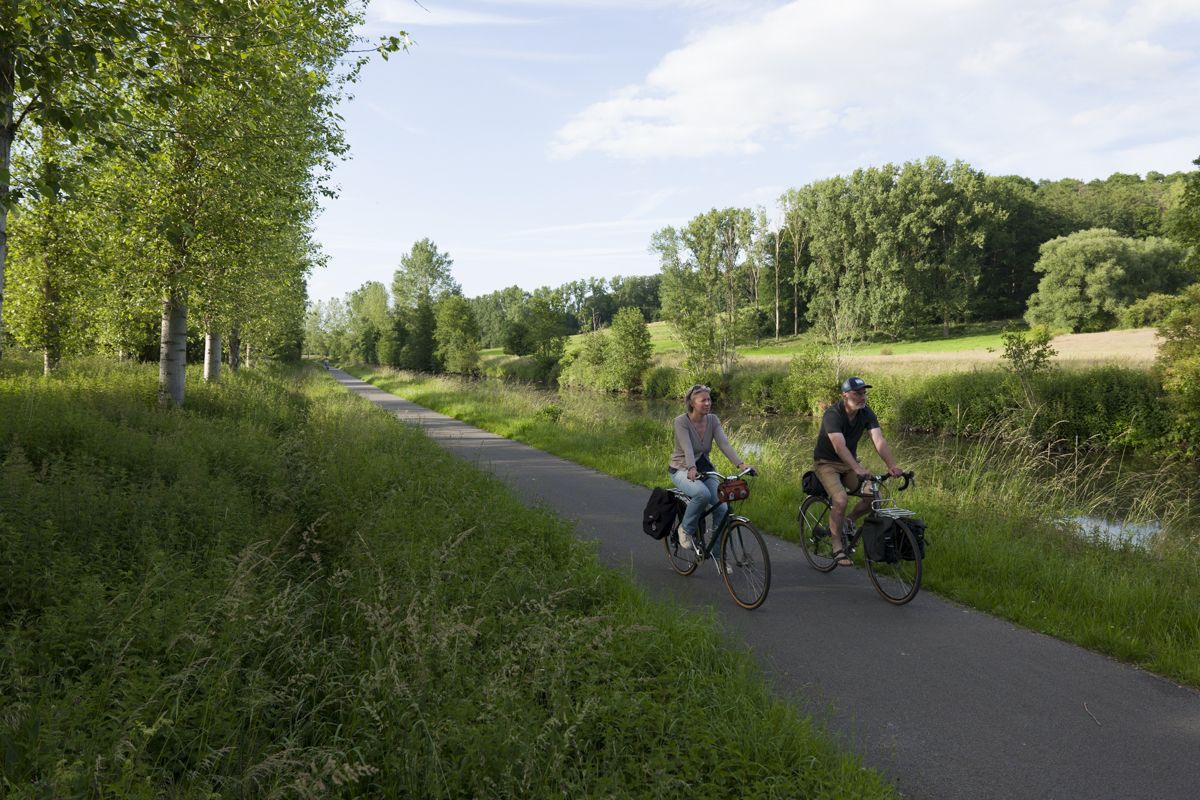
Cycling from Bethuné to Brussels – Eurovelo 5
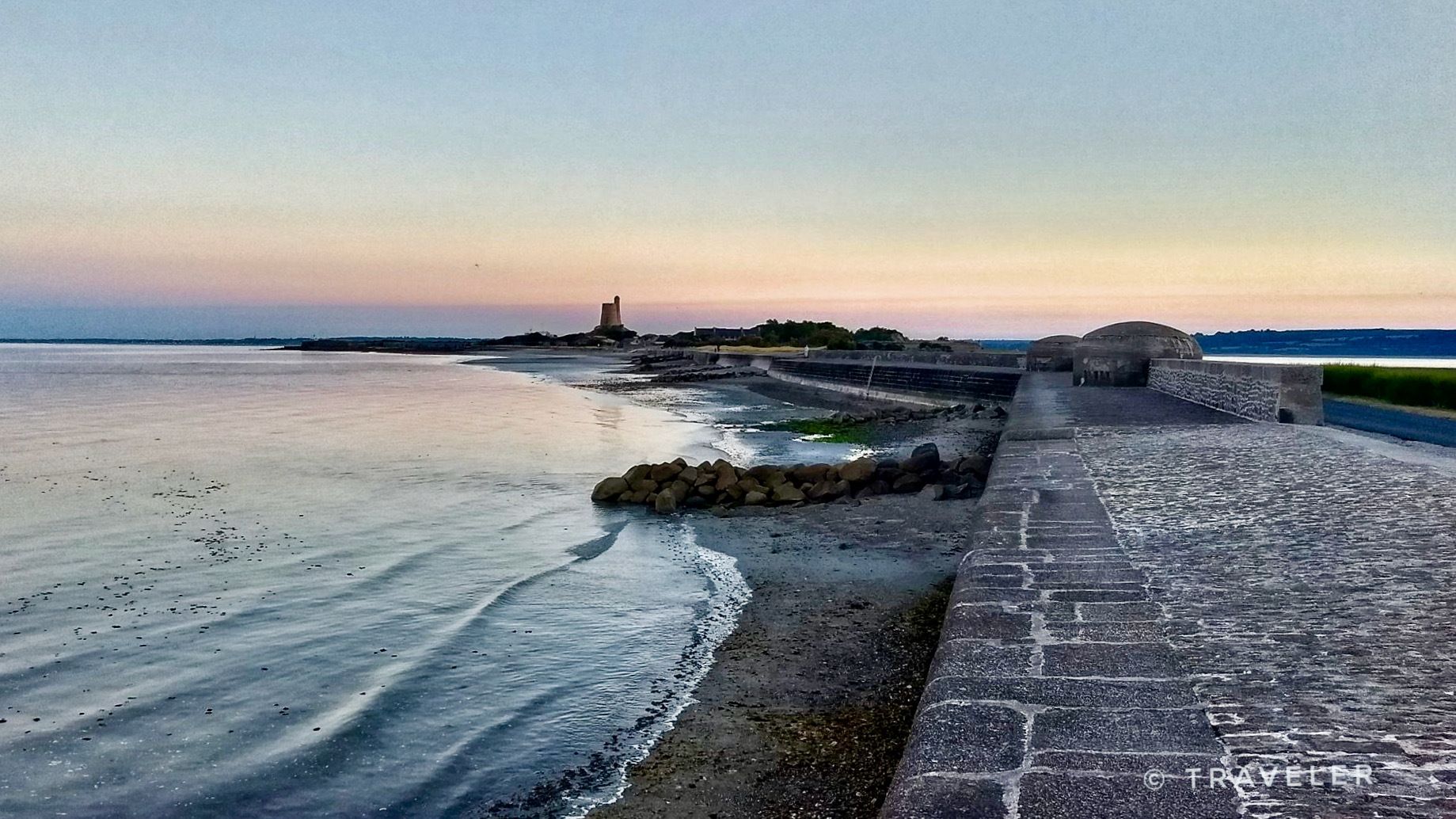
From pink granite to the Opal Coast — cycle France’s la Vélomaritime
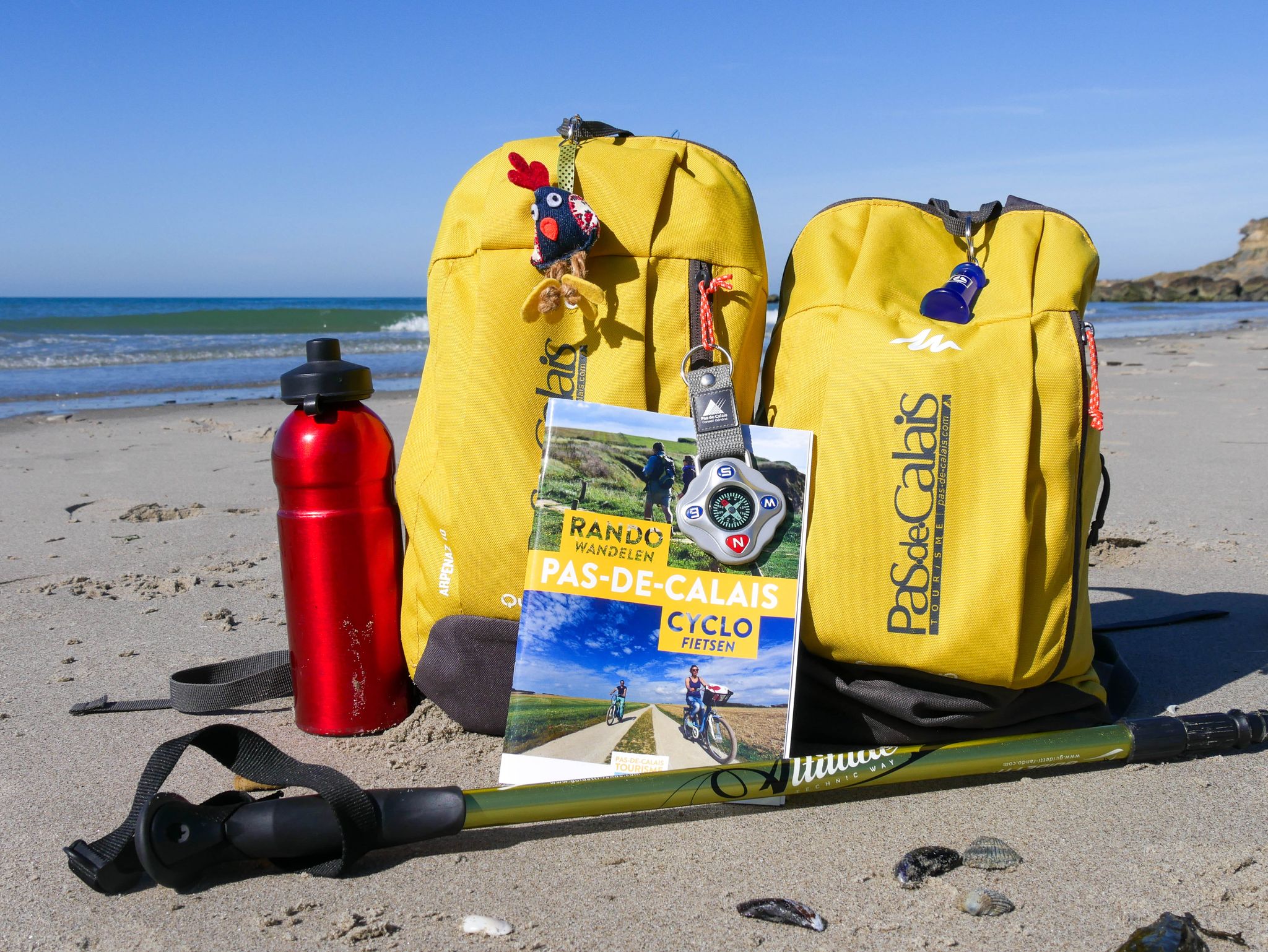
Les Sacados en Rando dans le Pas-de-Calais
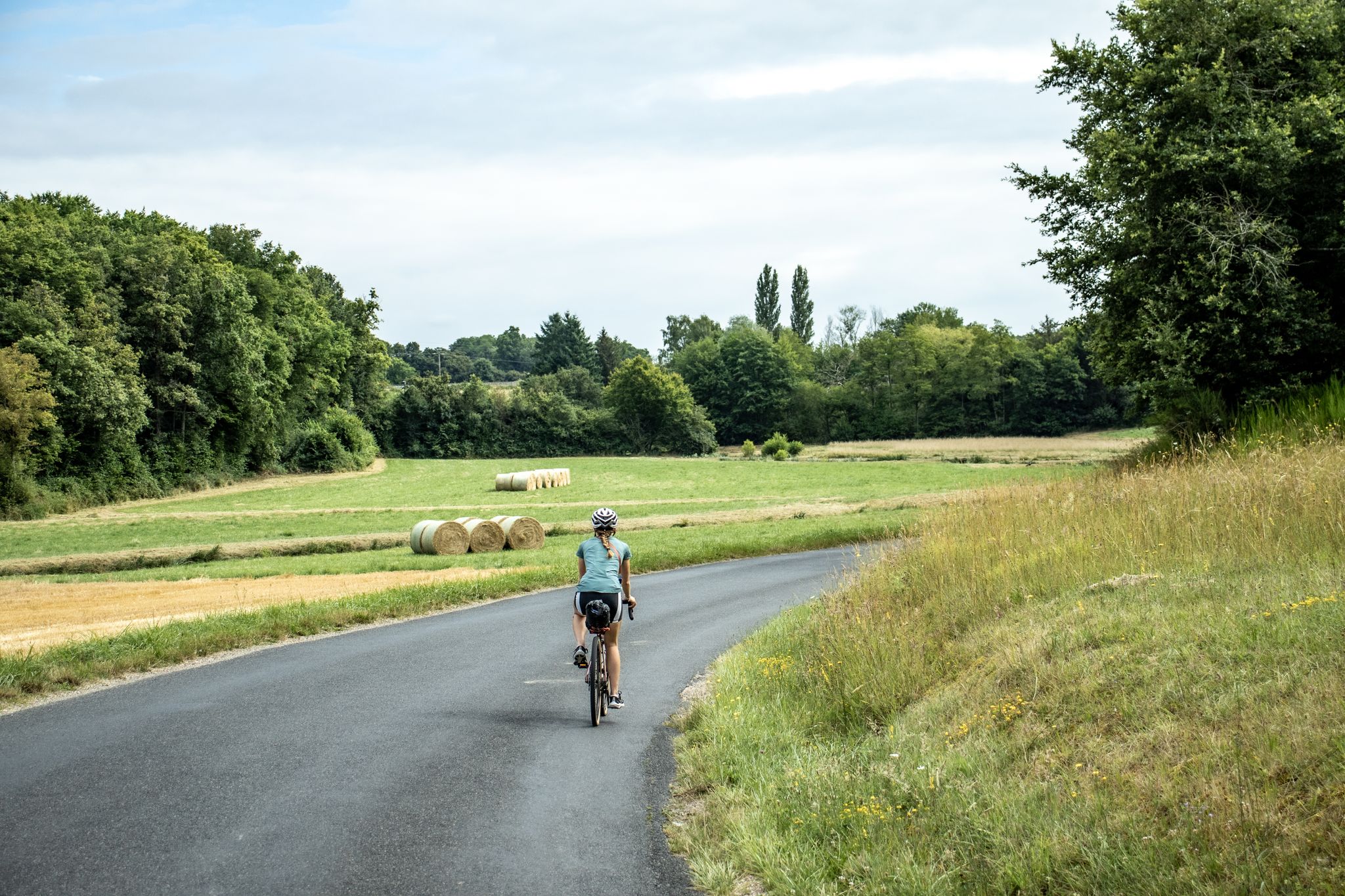
Itinéraires vélo en France accessibles en train — Mollow
Other adventures in Pas-de-Calais


Tips from the Community


The Battle of Vimy Ridge (April 9-12, 1917) This is one of the most famous battles for Canadians during the First World War. Vimy Ridge was a strategic position fortified by the Germans since 1914. In April 1917, the four Canadian divisions, united for the first time, attacked to retake it. - 💥 The bombardments that created the shell holes Before the assault For several weeks, Allied artillery (mainly British and Canadian) bombarded the German positions to weaken the defenses, cut the barbed wire, and destroy the enemy trenches. It is estimated that more than a million shells were fired in preparation for the attack. During the attack On April 9, 1917, the Canadian infantry advanced under a creeping barrage, that is, artillery fire that advanced just ahead of the soldiers to protect their advance. Result These intense bombardments literally riddled the ridge with craters. Each shell exploding in the ground dug a hole of varying width (depending on the caliber, often between 1 and 5 meters in diameter). 🏞 After the War Why are the shell holes still there? After 1918, it was decided to preserve certain areas as they were, particularly around the future memorial, to demonstrate the scale of the fighting. The land was therefore not leveled or cultivated, unlike other areas of the front, which reverted to agricultural fields. A Landscape for Remembrance The shell craters, reconstructed trenches, and replanted trees (each tree represents a killed Canadian soldier) create a living memorial park, keeping the scars of the conflict visible for future generations.
0
0


the rocks of the Gris-Nez are being loosened by rain and sea.
0
0

The rocks, with their cracks and small caves in the calcareous wall, provide an important nesting site for numerous bird species such as jackdaws, house martins, fulmars, kestrels, gulls, terns and herring gulls. As part of a renaturation project in 2006, a section of the asphalt road leading to the summit and the parking spaces there were completely removed. Instead, a parking lot about 300 meters inland was significantly expanded.
53
0
The obelisk crowns a 133-meter-high ensemble on a pedestal that can be seen from afar. It is THE landmark to reach to enjoy a 360° panorama from the top of the cliffs of Cap Blanc Nez. When the German army took possession of the Opal Coast in May 1940, this monument was immediately destroyed. The current Dover Patrol dates from the early 1960s. The last restoration took place in 2007. Source: https://www.calaisxxl.com/de/offres/a-voir-a-faire/monument-a-la-dover-patrol/
28
0
The Cap Blanc-Nez War Memorial (Dover Patrol Monument) is a major war memorial erected on the cliffs of Cap Blanc-Nez, near Sangatte. It honours the British naval forces and the Dover Patrol, a key unit of the Royal Navy that secured the Straits of Dover during the First and Second World Wars.
52
0
The Petit Blanc-Nez is a highlight on the Sentier des Douaniers (GR 120), a coastal hiking trail that runs along the French coast.
3
0
Frequently Asked Questions
What are some of the most impressive natural monuments in Pas-de-Calais?
Pas-de-Calais offers a diverse range of natural monuments. Among the most notable are the dramatic white chalk cliffs of Cape Blanc-Nez, which provide breathtaking views across the English Channel. Another significant site is the Dunes of the Slack, a beautiful nature reserve with varied paths through dunes and forests.
Are there good hiking opportunities around the natural monuments in Pas-de-Calais?
Yes, the region is excellent for hiking. The Grand Site des Deux-Caps, encompassing Cap Blanc-Nez and Cap Gris-Nez, features numerous trails, including parts of the GR120 coastal path. You can find various routes, such as the 'Dunes de la Slack — loop from Wimereux' or 'Balconies of Escalles Trail', which are part of the broader hiking network in the region. For more options, explore the Hiking in Pas-de-Calais guide.
What kind of wildlife can I expect to see at these natural sites?
The natural monuments in Pas-de-Calais are rich in biodiversity. At Cape Blanc-Nez, the cliffs are an important nesting site for numerous bird species like jackdaws, fulmars, and gulls. The Marais Audomarois, a UNESCO Biosphere Reserve, is a crucial habitat for waterbirds, including kingfishers and white storks. Seals are also frequently spotted in the coastal shallows around the Capes.
Are there family-friendly natural monuments to visit in Pas-de-Calais?
Many natural monuments in Pas-de-Calais are suitable for families. Cape Blanc-Nez and Cape Gris-Nez offer accessible paths and stunning views that children can enjoy. The Dunes of the Slack also provide varied and engaging walking routes for all ages. The Condette Marsh Nature Reserve is another excellent option for a family outing in nature.
What unique geological features can be found in Pas-de-Calais?
The region is known for its distinct geological formations. Cape Blanc-Nez is famous for its impressive white chalk cliffs, similar to those in Dover. In contrast, Cape Gris-Nez features grey sandstone, clay, and chalk cliffs, and its beaches are known for Jurassic-era fossils like bivalves and gastropods.
Do these natural monuments have historical significance?
Yes, several natural monuments in Pas-de-Calais hold historical importance. Cape Blanc-Nez has remnants of World War II bunkers and craters, and the Dover Patrol Monument crowns its summit, commemorating WWI efforts. Cap Gris-Nez Lighthouse also has a rich history, with its original structure dating back to 1861.
Can I explore wetland natural monuments in Pas-de-Calais?
Absolutely. The Marais Audomarois, near Saint-Omer, is a vast and unique wetland recognized as a UNESCO Biosphere Reserve. It features an intricate network of canals, reedbeds, and floating gardens, best explored by boat. The Condette Marsh Nature Reserve also offers a tranquil wetland experience.
Where can I find the best panoramic views of the coast?
For stunning panoramic views, head to Cape Blanc-Nez, where you can see the English coast on clear days. Cap Gris-Nez Lighthouse and Viewpoint also offers excellent vistas of the Channel. Additionally, the Mont de Couple and Mont Saint-Frieux hills provide elevated perspectives of the coastline and countryside.
What activities can I do near the coastal natural monuments?
Near the coastal natural monuments, you can enjoy hiking along the GR120 coastal path, birdwatching (especially at the Capes during migration), and fossil hunting on the rocky beaches of Cap Gris-Nez. The Cran d'Escalles offers a beautiful beach experience. You can also find various running trails, such as the 'Fartz Trail', detailed in the Running Trails in Pas-de-Calais guide.
What is the best time to visit the natural monuments in Pas-de-Calais?
The natural monuments in Pas-de-Calais can be enjoyed year-round, but spring and summer offer the most pleasant weather for hiking and outdoor activities. Spring is ideal for observing migratory birds, while summer provides longer daylight hours for exploration. Clear days are best for panoramic views across the Channel from the Capes.
Are there any ancient or archaeological sites among the natural monuments?
Yes, the region features some ancient sites. The Passage dolmen: The Fairy Table is a megalithic complex over 4000 years old, offering a glimpse into prehistoric times amidst the natural landscape. This site is a unique blend of natural and archaeological interest.
What makes the Plaine Maritime Picarde a significant natural area?
The Plaine Maritime Picarde is a significant natural area due to its mosaic of well-preserved wetlands. It is recognized as a Grand Site de France, a Ramsar site, and a Natura 2000 site, highlighting its importance for biodiversity. The region's wet meadows, maintained by traditional grazing practices, support a rich and diverse flora and fauna.
Most popular routes in Pas-de-Calais
Most popular attractions in Pas-de-Calais

Get inspired with the komoot mobile app


Didn’t find what you were looking for?
Find even more amazing natural monuments in Pas-de-Calais by checking out the top Highlights region by region:
Explore more
Extend your search for the best caves by checking out these guides of the top ones in Pas-de-Calais:
