Top 20 Natural Monuments in Haute-Savoie
Best natural monuments in Haute-Savoie are found in the French Alps, a region characterized by its mountainous terrain, deep valleys, and pristine lakes. This area features diverse natural landscapes, from high alpine peaks and glaciers to cascading waterfalls and ancient geological formations. The natural monuments here offer insights into glacial erosion and the region's rich biodiversity.
Best natural monuments in Haute-Savoie
- The most popular natural monuments is Angon Waterfall, a waterfall that is an impressive destination after a short…
Last updated: July 10, 2026
Angon Waterfall
Highlight • Waterfall
Translated by Google •
Tip by

Lac Blanc
Highlight • Lake
Translated by Google •
Tip by

Sign up now to discover places like this
Get recommendations on the best single tracks, peaks, & plenty of other exciting outdoor places.
Sign up for free
Aiguille du Midi
Highlight • Summit
One of the top highlights and influencer spot.
Great photo opportunity.
A …
Translated by Google •
Tip by

Mont Blanc Summit
Highlight • Summit
Translated by Google •
Tip by

Lacs des Chéserys
Highlight • Lake
Translated by Google •
Tip by

Green Lake
Highlight • Forest
Even in winter, when it's frozen over and covered in deep snow, it's simply fantastic!
Translated by Google •
Tip by

View of the Mer de Glace
Highlight • Viewpoint
Translated by Google •
Tip by

Lac de la Flégère
Highlight • Lake
Translated by Google •
Tip by
Roman bridge
Highlight • Bridge
Translated by Google •
Tip by
Sixt Fer à Cheval circus
Highlight (Segment) • Natural Monument
Tip by

Sign up for free to discover even more natural monuments in Haute-Savoie.
Sign up for free
Already have an account?
Start today with a free account
Your next adventure awaits.
Login or Signup
Popular around Haute-Savoie
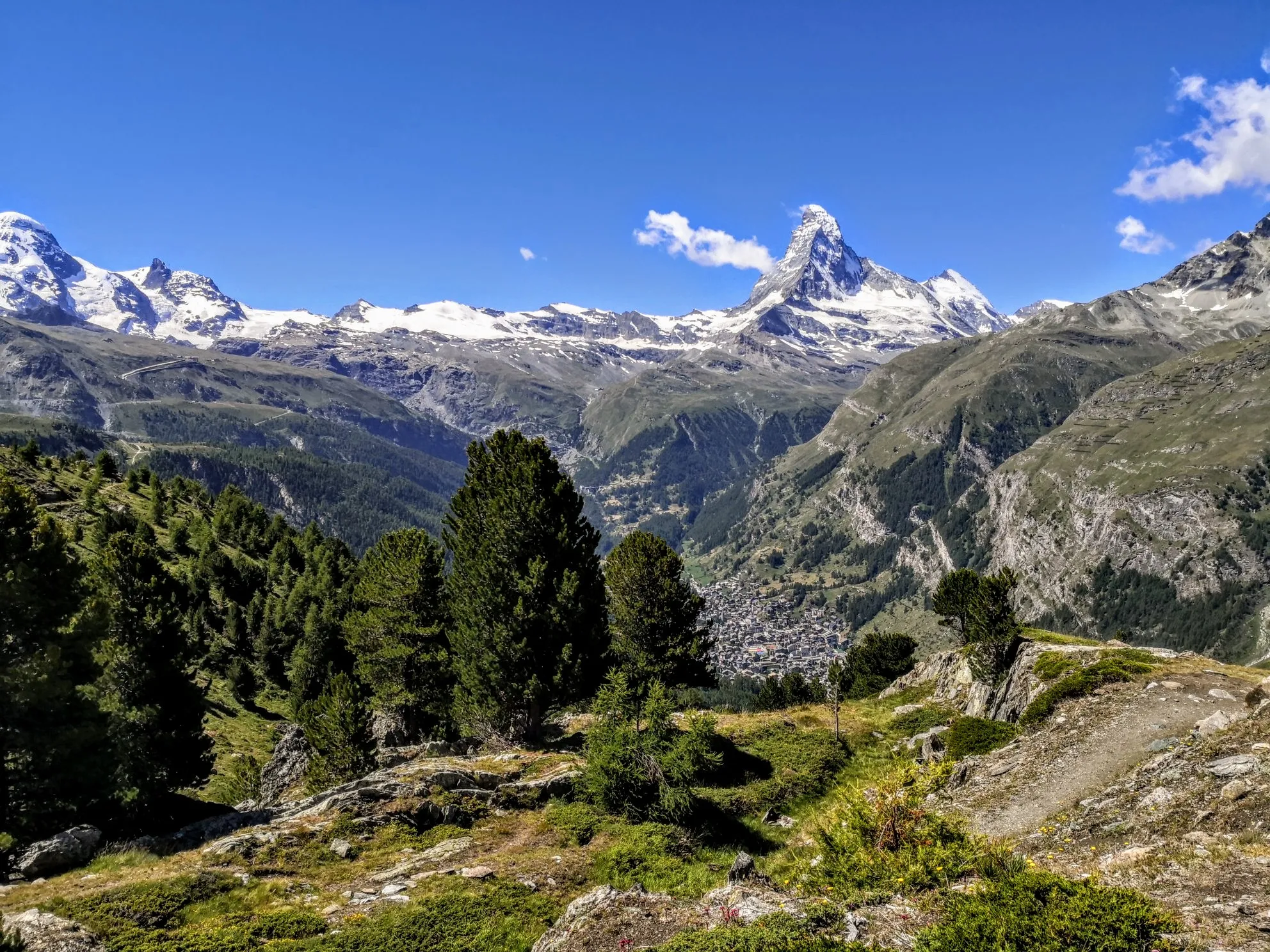
Walker's Haute Route – The ultimate alpine adventure
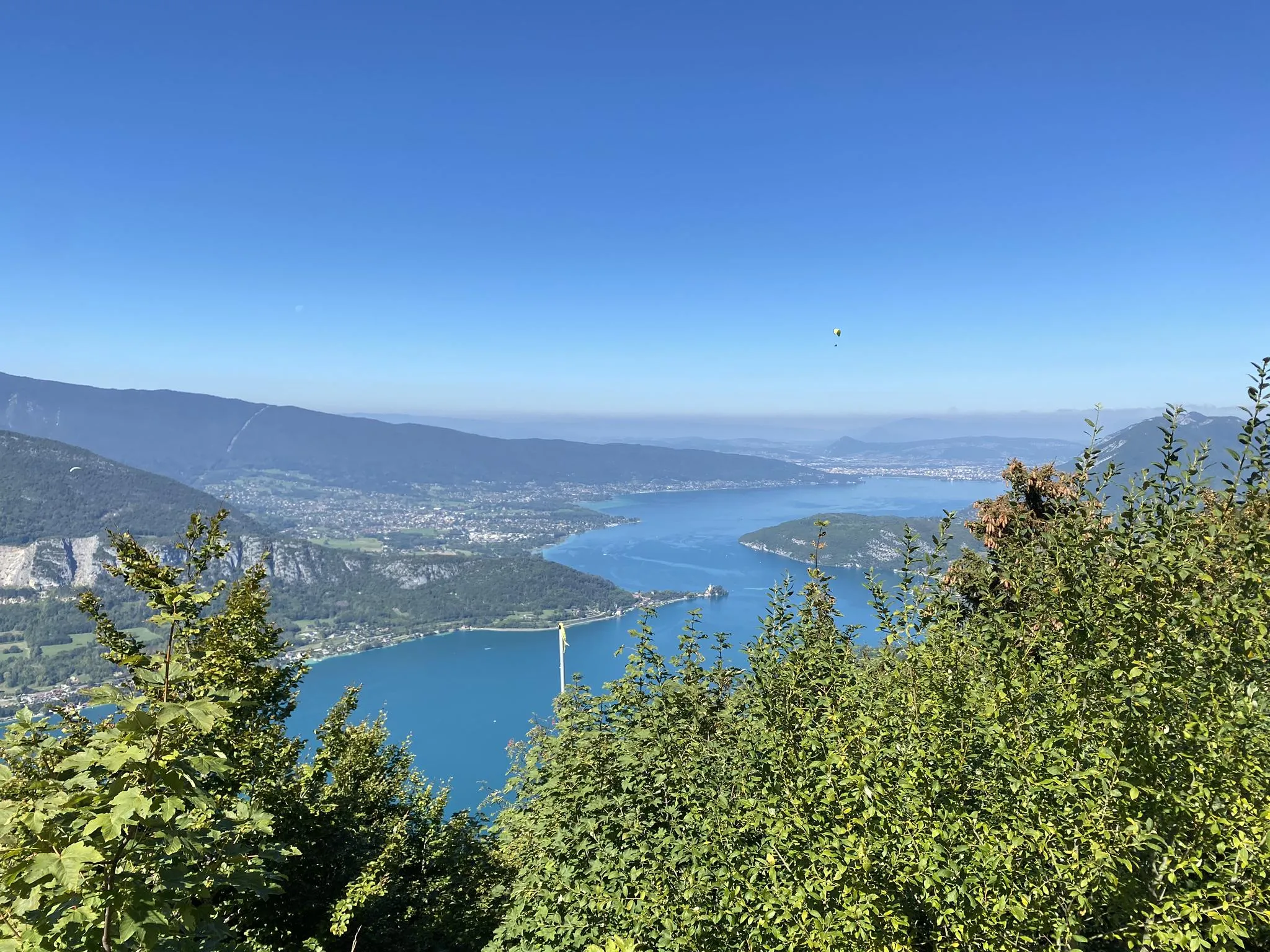
MaxiRace - The complete tour of Lake Annecy
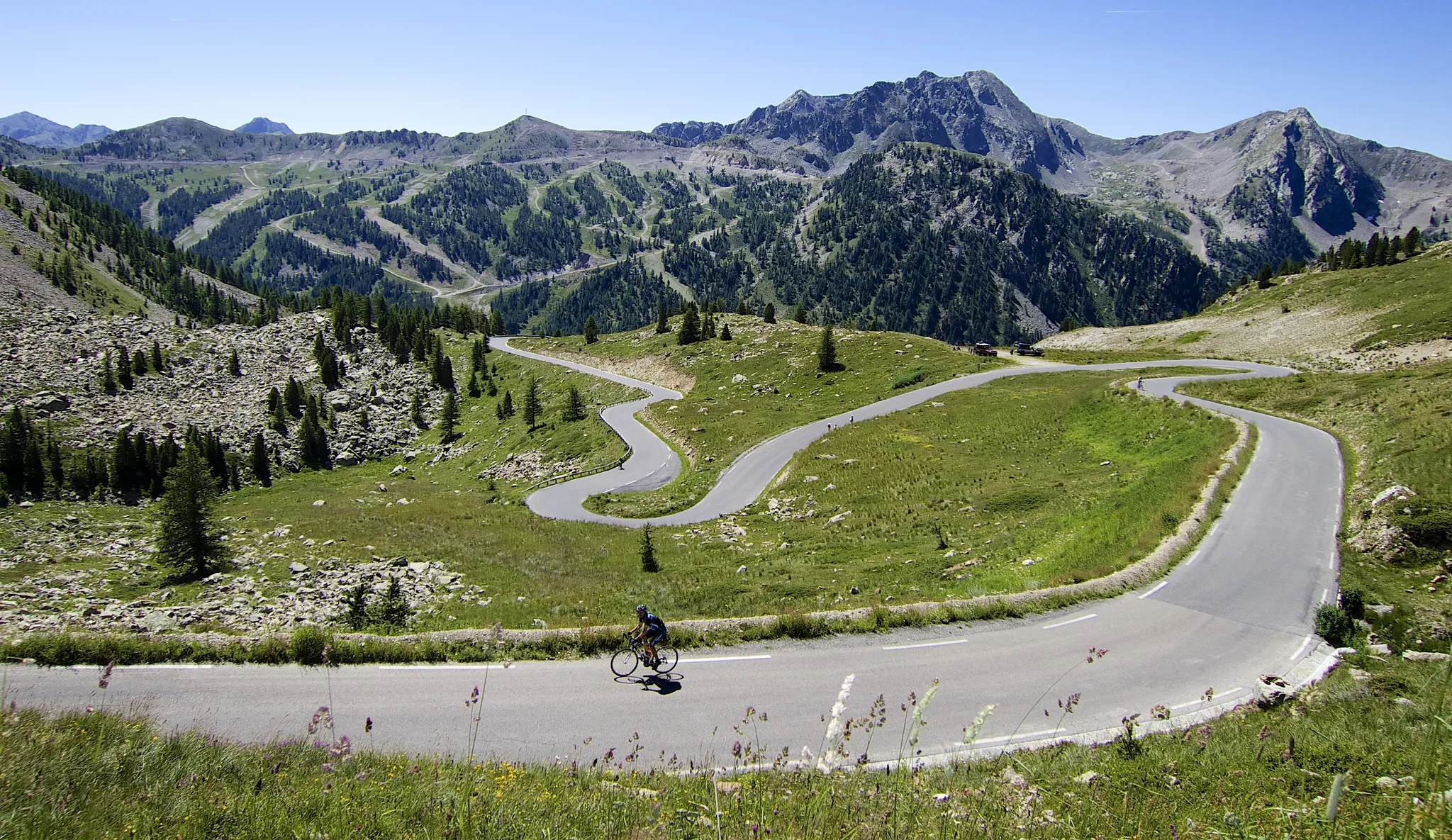
Haute Route Alps 2025 — Assaulting the Alps
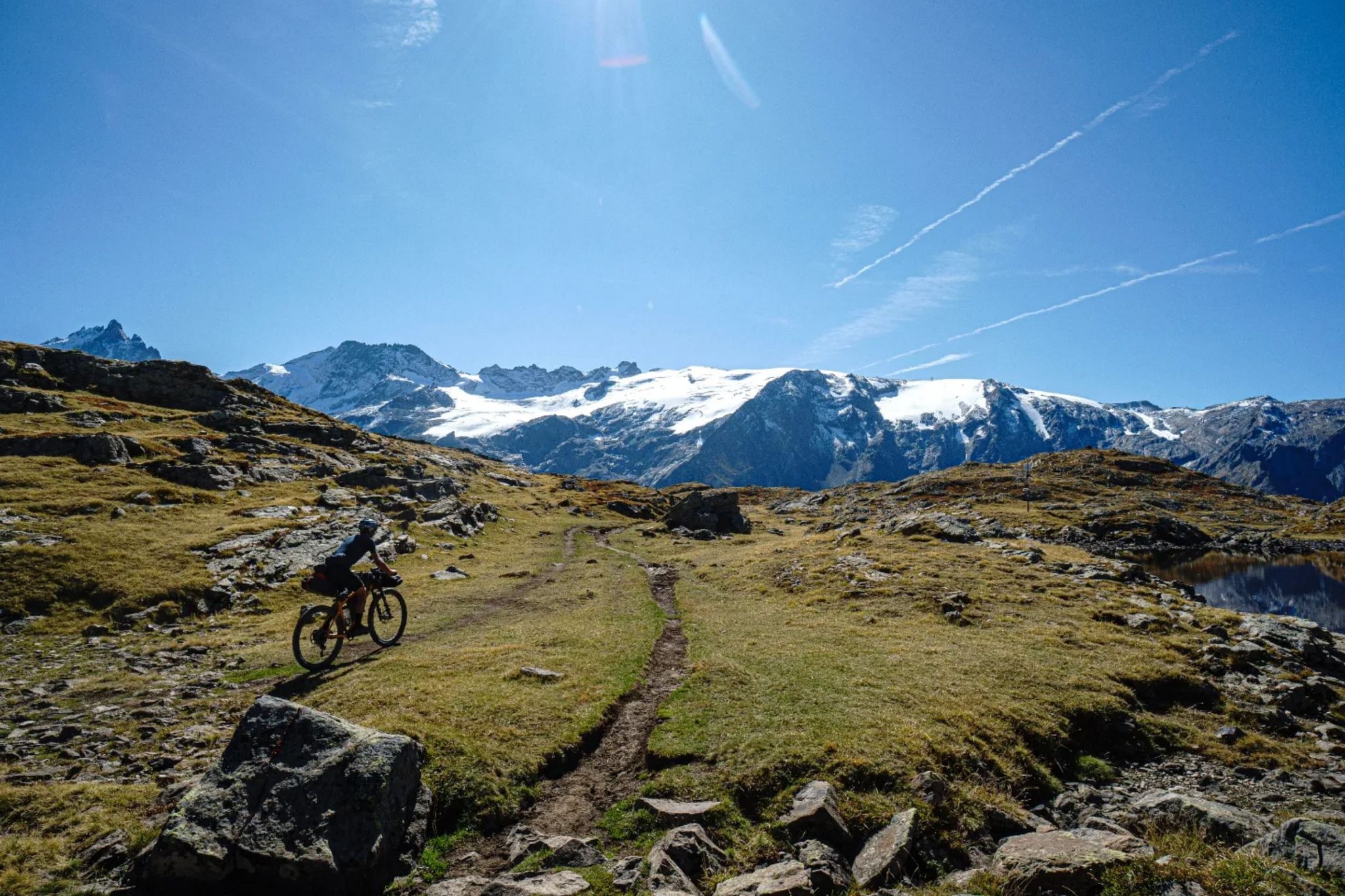
Transalps MTB – Chamonix to the Mediterranean Sea
L'Omomarto – The evil genius and the exploit
Europe Trail (GR 5) – Hike from Landry to Thonon-les-Bains
Ultra-Trail du Mont-Blanc – following the footsteps of legends
Road to Lisbon – bikepacking the Alps, Pyrenees and Picos de Europa
Naples to North Cape — Two friends, one purpose and many scoops of ice-cream
Follow the sun – riding from Germany to the south of France
Other adventures in Haute-Savoie


Tips from the Community

The Cirque du Fer-à-Cheval owes its name to the semicircular shape of its cliffs. Its impressive height (2,000 meters) gives rise to a multitude of waterfalls, the number of which varies depending on the season. It is very easy to access. Twin to the Pyrenean Gavarnie, it is the most visited and best-known site in Sixt-Fer-à-Cheval. Surrounding the eastern slope of the Giffre Valley, it is an immense limestone amphitheater 4 to 5 km long, whose steep cliffs can reach 2,000 m in height. It is the largest Alpine cirque, dominated by the Corne du Chamois. It rests on the steep slopes of the Tenneverge (2,985 m). In June, more than thirty waterfalls gush from its walls.
1
0

A circus accessible to all, a peaceful hike at your own pace, a large green space. A feast for the eyes
2
0


This is the highest peak in the Alps, in Italy and France and in Europe. It is one of the Seven Summits! Mountaineering was born here and this goal is a lifelong dream for many. Unmissable.
2
0
Sunrise from the summit of Mont Blanc!
3
0

Unique landscape easy with familly
2
1


The mountain huts are fully booked in the high season; nothing can be done without a reservation.
2
0
Frequently Asked Questions
What are some of the most impressive natural monuments to visit in Haute-Savoie?
Haute-Savoie offers a wealth of stunning natural monuments. Among the most impressive are the colossal Cirque du Fer-à-Cheval, known for its horseshoe-shaped amphitheater and numerous waterfalls, and the dramatic Aiguille du Midi, which provides unparalleled views of the Mont Blanc Massif. Another must-see is the Angon Waterfall, an impressive destination after a short, albeit steep and potentially slippery, hike.
Are there any natural monuments in Haute-Savoie that are particularly suitable for families?
Yes, several natural monuments in Haute-Savoie are family-friendly. The Green Lake, nestled in the forest, is a picturesque spot where Mont Blanc reflects in its waters, offering an easy and enjoyable outing. The View of the Mer de Glace also provides accessible views of the glacier, with facilities nearby.
What kind of outdoor activities can I do near the natural monuments in Haute-Savoie?
The region is a paradise for outdoor enthusiasts. You can find numerous running trails, such as the 'Lacs des Chéserys and Lac Blanc Loop', or cycling routes like the 'Tour of Lake Annecy'. For more options, explore the running trails in Haute-Savoie or the cycling routes in Haute-Savoie.
What is the best time of year to visit the natural monuments in Haute-Savoie?
The best time to visit largely depends on the specific monument and desired activity. For cascading waterfalls at Cirque du Fer-à-Cheval, June is ideal due to melting snow. Summer (June to September) is generally excellent for hiking and enjoying lakes like Lac d'Annecy. For high-altitude experiences like the Aiguille du Midi, cable cars operate year-round, but summer offers clearer views and better hiking conditions at lower elevations. Winter provides opportunities for snow-covered landscapes and winter sports.
Are there any natural monuments with historical significance in Haute-Savoie?
While many natural monuments are celebrated for their geological and ecological features, some also hold historical interest. The Roman bridge is an example of a site that combines natural beauty with historical elements, showcasing ancient craftsmanship amidst a natural gorge and waterfall.
Where can I find stunning alpine lake views in Haute-Savoie?
For breathtaking alpine lake views, head to Lacs des Chéserys. This group of small alpine lakes offers an incredible panorama of the Mont Blanc massif and is located within the Aiguilles Rouges nature reserve. Another beautiful option is Lac de la Flégère, also offering superb mountain vistas.
What are the options for public transport and parking when visiting natural monuments in Haute-Savoie?
Access to natural monuments varies. Major sites like the Aiguille du Midi are accessible via cable car from Chamonix, which is well-served by public transport. For other sites, such as the Gorges du Pont du Diable, parking facilities are typically available, but it's advisable to check specific access details for each location. Many trailheads for places like Cirque du Fer-à-Cheval also have designated parking areas.
Are there any challenging hikes to natural monuments in Haute-Savoie?
Absolutely. For those seeking a challenge, the ascent to Fly Hole is a rewarding option. This summit features a natural limestone arch and offers impressive views across two distinct valleys, though it involves exposed trails and can be challenging, especially with snow. The path to Mont Blanc Summit is also a highly challenging climb for experienced mountaineers.
Can I find accommodation or cafes near the natural monuments?
Yes, many popular natural monuments are located near towns or villages offering amenities. For instance, the town of Annecy provides numerous accommodation and dining options close to Lac d'Annecy. Near the Aiguille du Midi, Chamonix offers a wide range of services. Even in more remote areas, you might find mountain refuges or small cafes, especially near popular hiking starting points like those around Cirque du Fer-à-Cheval.
What makes Lac d'Annecy a significant natural monument?
Lac d'Annecy is renowned as one of Europe's cleanest lakes, celebrated for its crystal-clear turquoise waters. Nestled amidst majestic mountains, it's fed by mountain streams and an underground spring, supporting rich biodiversity. Its scenic beauty, combined with opportunities for swimming, paddleboarding, and cycling along its 42-kilometer path, makes it a significant and highly cherished natural monument.
What are the Gorges du Pont du Diable, and why are they worth visiting?
The Gorges du Pont du Diable, located in the Vallée d'Aulps, are a captivating natural wonder carved by glacial action and the Dranse de Morzine river. They feature dramatic limestone cliffs, turquoise waters, and unique geological formations, including a natural arch known as the 'Devil's Bridge'. Visitors can walk along paths and suspended bridges, with a highlight being the 'Pas du Diable' glass structure extending 60 meters above the river, offering an immersive and picturesque experience.
Are dogs allowed at the natural monuments in Haute-Savoie?
Dog policies vary significantly between natural monuments and protected areas. While some trails and natural sites may permit dogs on a leash, others, particularly within nature reserves like the Sixt-Fer-à-Cheval Nature Reserve or the Aiguilles Rouges nature reserve (where Lac Blanc is located), may have restrictions to protect wildlife. It's always best to check specific regulations for each monument before your visit.
Most popular routes in Haute-Savoie
Most popular attractions in Haute-Savoie

Get inspired with the komoot mobile app


Explore more
Extend your search for the best caves by checking out these guides of the top ones in Haute-Savoie:
