Top 7 Natural Monuments in Odder
Best natural monuments in Odder are found within Denmark's Kystlandet region, offering diverse landscapes. The area features rolling hills, dense forests, and coastlines. Odder municipality provides access to significant natural areas, including islands and unique geological formations. These sites offer opportunities to explore varied terrain and natural features.
Best natural monuments in Odder
- The most popular natural monuments is Picnic Area by the Stone Circle, a facilities highlight that offers a large table with benches. This spot is suitable…
Last updated: June 26, 2026
King Christian IV's Oak
Highlight • Natural Monument
Christian IV's Oak, The King's Oak or The Old Oak are some of the names given to a large, free-standing tree in the easternmost part of Dyrehaven Skanderborg.
Translated by Google •
Tip by

Dyvelstenen
Highlight • Natural Monument
Translated by Google •
Tip by

Sign up now to discover places like this
Get recommendations on the best single tracks, peaks, & plenty of other exciting outdoor places.
Sign up for free
Picnic Area by the Stone Circle
Highlight • Rest Area
Translated by Google •
Tip by
Møgelsskår Coast
Highlight • Beach
Translated by Google •
Tip by

View of the Rubjerg Knude Coast
Highlight • Viewpoint
Translated by Google •
Tip by

Sign up for free to discover even more natural monuments in Odder.
Sign up for free
Already have an account?
Start today with a free account
Your next adventure awaits.
Login or Signup
Popular around Odder
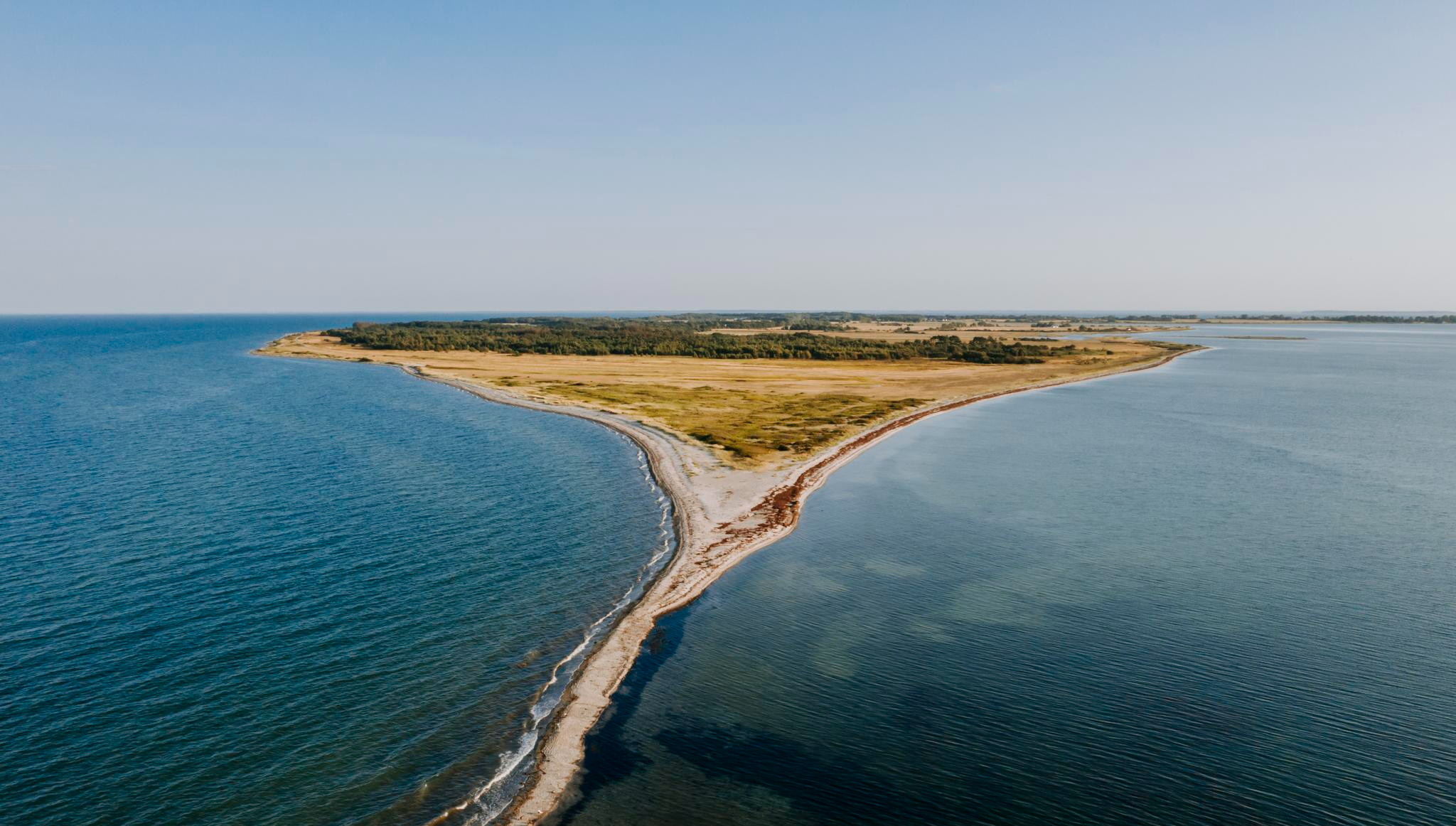
Small islands, great views – hiking and cycling in East Jutland
Across Denmark on National Cycle Route 4 – Copenhagen to Søndervig
The Fjordmino – multi-day hike around Denmark’s Horsens Fjord
Cycling in Odder
Hiking in Odder
Road Cycling Routes in Odder
Running Trails in Odder
MTB Trails in Odder

Gravel biking in Odder
Other adventures in Odder


Tips from the Community

Fantastic panoramic view
0
0

Møgelsskår is the most distinctive "shard" ("skår")—i.e., valley—in Nordby Bakker. Gentle hills and deep valleys make the landscape a very special natural experience. The grassy slopes facing the sea are characterized by their "sheep tracks," a geological phenomenon that appears as small, narrow rocky outcrops. When hiking in the area, you will often encounter cattle, or "gutefår," a Gotlandic breed that is part of the Samsø municipality's nature conservation program.
0
0

The name means "devil's stone" and, according to legend, was thrown by an angry troll in the direction of the Nordby church. It was also believed that the children born on the island came from the stone. Therefore bread is sacrificed to the stone as a sign of fertility.
0
0
Here is a large table with benches. Great for a break. But please make sure to take your rubbish with you.
4
0
Another highlight on a route that is a single highlight!
0
0

Great place for a break
2
0

The Old Oak / The Oak of Christian IV Christian IV's Oak, The King's Oak or The Old Oak are some of the names given to a large, free-standing tree in the easternmost part of Dyrehaven Skanderborg. Over time, the tree has been the center of many events. After the visit of Hereditary Prince Ferdinand and Princess Caroline to Dyrehaven in 1839, there was interest in including the area around the old oak as a party venue. The following year, the first summer festival with drinking and forest ball took place in a decorated dance tent next to the property. It was the start of a rich entertainment life in Dyrehaven. In 1852, confectioner Brandt built a permanent dance floor and a modest inn barn, which was continued by an active social club; forest association. Every Sunday during the season there was dancing and illumination for a fee of 24 shillings for men while entry was free for ladies. At the end of the 19th century, the fairground at the Old Oak lost its importance with the construction of the pavilion. Nowadays the oak tree still stands prominently and in the middle of the festival ground when the ”Smukfest” takes place in the forest in August. But is it correct to name the oak of King Chr.4? In 2009 a dendrochronological study was carried out on the tree, the annual rings were counted and it was concluded that the tree was planted between 1620 and 1719. King Chr.4 lived from 1577 to 1648, so it is not unrealistic that the tree grew in the last years of the king's life. Source: Skanderborg Leksikon
4
0

Frequently Asked Questions
What unique natural features can I explore in Odder?
Odder offers a variety of distinctive natural features. You can visit Møgelsskår Coast, known for its gentle hills, deep valleys, and geological phenomena called "sheep tracks." Additionally, the region boasts Sukkertoppen, one of Denmark's largest hills, providing magnificent views, and the expansive, tranquil landscapes of Alrø Island with clear fjord views.
Are there any natural monuments in Odder with historical significance?
Yes, King Christian IV's Oak is a prominent natural monument with a rich history. This large, free-standing tree has been the center of many events over time, including summer festivals and entertainment, and is believed to have grown during the last years of King Christian IV's life.
What are some family-friendly natural monuments in Odder?
Several natural monuments in Odder are great for families. King Christian IV's Oak and Dyvelstenen are both categorized as family-friendly. The Picnic Area by the Stone Circle offers a large table with benches, perfect for a family break. Additionally, Saksild Beach along the Odder Coast is known for being very child-friendly.
Where can I find panoramic views of the coastline in Odder?
For breathtaking panoramic views of the coastline, head to View of the Rubjerg Knude Coast. This viewpoint offers expansive vistas of the sea and surrounding natural beauty.
What kind of outdoor activities can I do near Odder's natural monuments?
The Odder region offers diverse outdoor activities. You can explore various MTB trails, enjoy running trails, or go cycling. Tunø Island, for example, features a 7-kilometer hiking trail through varied nature, while Alrø Island is excellent for cycling and hiking, especially with its summer bicycle ferry connection to Snaptun.
Are there specific hiking trails near the natural monuments in Odder?
Yes, there are several hiking opportunities. Tunø Island offers a 7-kilometer hiking trail that winds through grasslands, forests, marshes, and beaches, taking approximately three hours to complete. The area around Møgelsskår Coast also provides distinctive natural experiences with its unique geological formations and is home to grazing cattle.
What is the best time to visit the natural monuments in Odder?
The Kystlandet region, including Odder, is beautiful year-round. Coastal areas like Saksild Beach are popular in summer for swimming and relaxation. Islands like Alrø and Tunø are particularly pleasant for cycling and hiking during warmer months when the bicycle ferry operates. Forests and hills, such as Sukkertoppen, can be enjoyed in spring and autumn for their vibrant colors, and even in winter for tranquil walks.
Can I spot wildlife near the natural monuments in Odder?
Yes, wildlife spotting is possible, especially on the islands. Tunø Island, with its diverse ecosystems including grasslands, forests, marshes, and beaches, is home to rich bird life. Visitors hiking along its trails might even spot seals and porpoises in the surrounding waters, offering a prime location for wildlife observation.
Are there any natural monuments in Odder associated with local legends or folklore?
Yes, Dyvelstenen, meaning "devil's stone," is steeped in local legend. According to folklore, it was thrown by an angry troll towards Nordby church. It was also traditionally believed that children born on the island came from this stone, leading to bread sacrifices as a symbol of fertility.
What are the coastal natural areas like in Odder?
The Odder coastline is characterized by long, unspoiled stretches of beach and charming seaside towns. Saksild Beach is particularly well-known for being child-friendly. Beyond the immediate coast, islands like Alrø offer clear views over the fjord with fields and timber houses, while Tunø Island provides a rugged coastal experience with diverse natural habitats and opportunities for marine wildlife viewing.
Are there any places to take a break or picnic near the natural monuments?
Yes, the Picnic Area by the Stone Circle is a dedicated spot offering a large table with benches, perfect for taking a break and enjoying the surroundings. Remember to take your rubbish with you to keep the area clean.
Most popular attractions in Odder

Get inspired with the komoot mobile app


Explore more
Extend your search for the best caves by checking out these guides of the top ones in Odder:
