Top 20 Natural Monuments in Helsingør
Natural monuments in Helsingør, a coastal city in Denmark, feature diverse landscapes from coastal paths to forests and lakes. The region offers a blend of natural beauty and historical significance, with many sites providing opportunities for outdoor activities. These areas are characterized by varied terrain, including open woodlands and serene lakeside environments. Helsingør's natural sites are well-suited for exploration by nature enthusiasts.
Best natural monuments in Helsingør
- The most popular natural monuments is Dronningens Bøge Pier, Esrum Lake, a…
Last updated: August 20, 2026
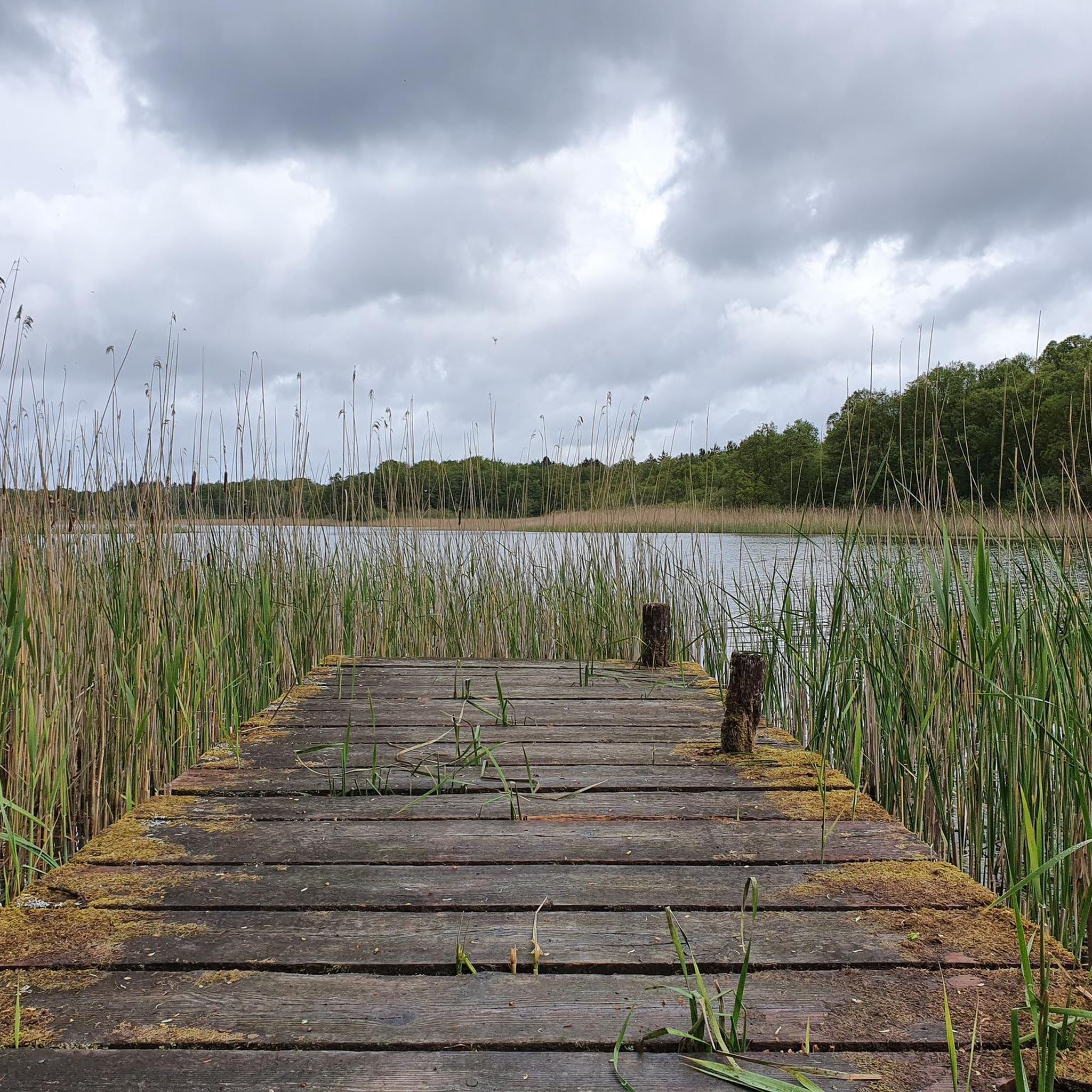
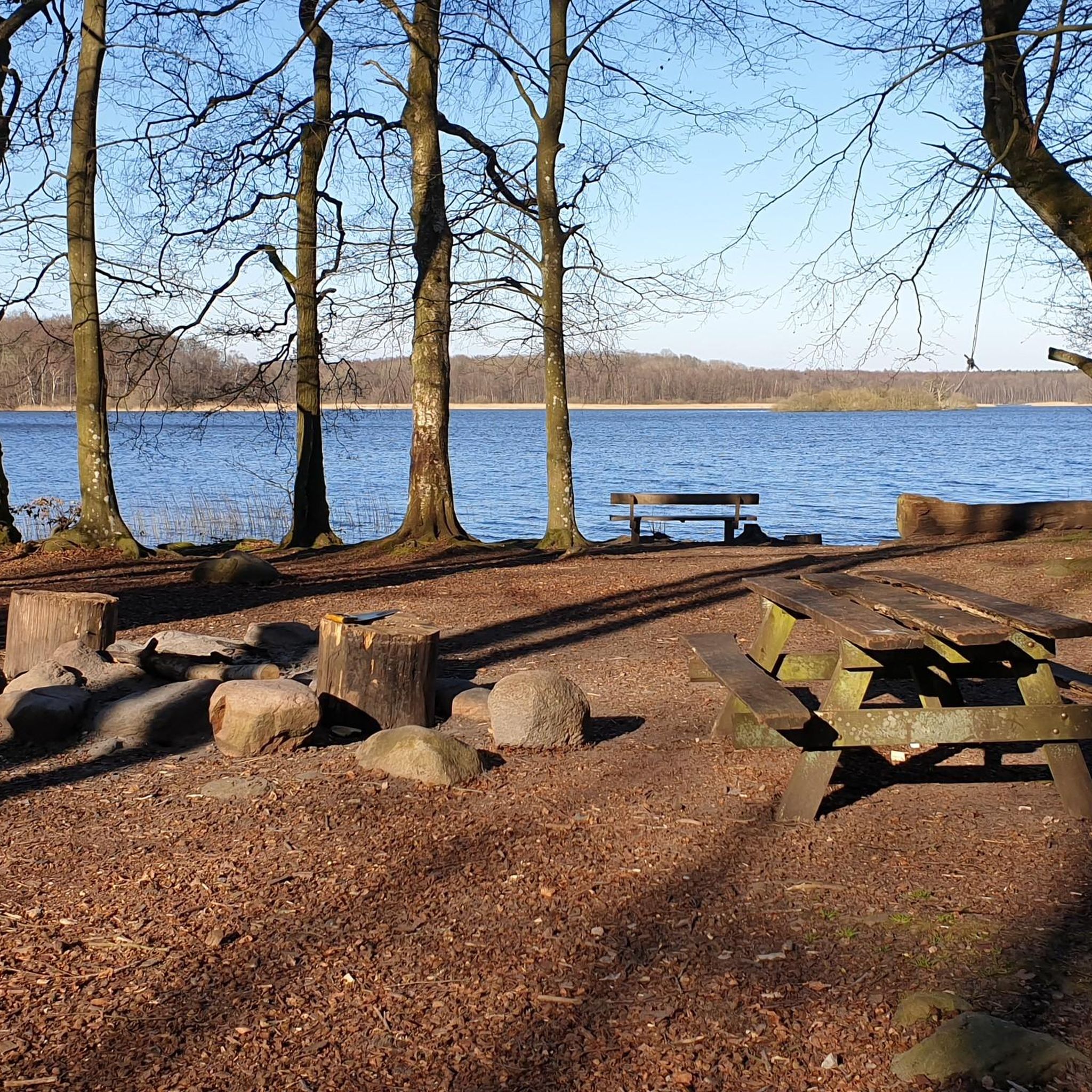
Dronningens Bøge Pier, Esrum Lake
Highlight • Lake
Translated by Google •
Tip by

Kulsvierstenen (The Charcoal Burners' Stone)
Highlight • Monument
Translated by Google •
Tip by
Sign up now to discover places like this
Get recommendations on the best single tracks, peaks, & plenty of other exciting outdoor places.
Sign up for free
Søren Kierkegaard Stone
Highlight • Monument
Translated by Google •
Tip by

Skibet (The Ship)
Highlight • Natural Monument
Translated by Google •
Tip by
The gardens of Fredensborg Palace
Highlight (Segment) • Historical Site
Translated by Google •
Tip by

Sign up for free to discover even more natural monuments in Helsingør.
Sign up for free
Already have an account?
Start today with a free account
Your next adventure awaits.
Login or Signup
Tips from the Community

As a student, I had the opportunity to study Søren Kierkegaard intensively, so a visit to this place was a special experience.
9
0

Memorial stone for Sören Kierkegaard The philosopher Sören Kierkegaard came to some of his great ideas during long walks along the north coast in Gilleleje.
3
0

Nice view over the Baltic Sea!
3
0


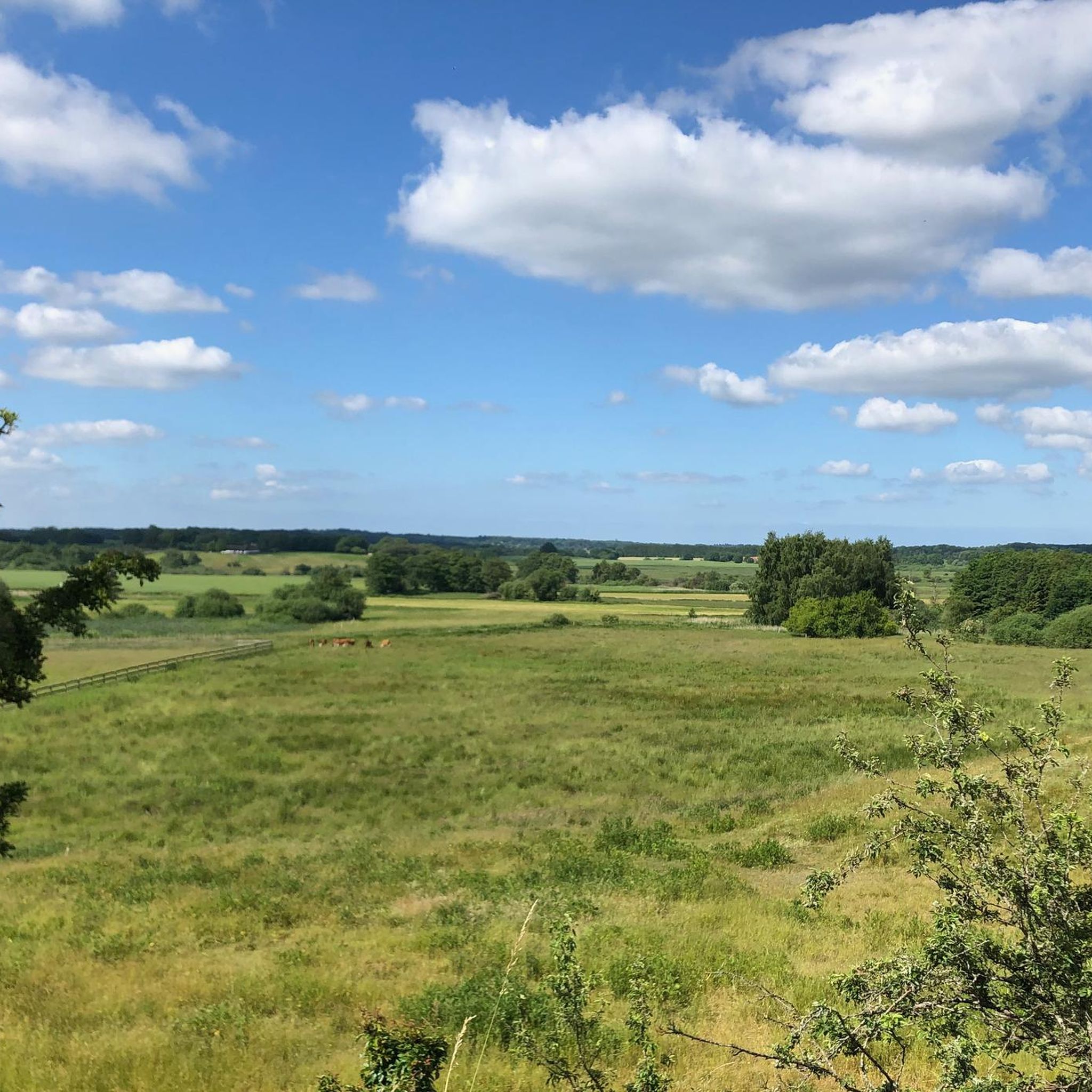
Fredensborg Castle Gardens are one of the largest historical gardens in Denmark and one of the most beautiful baroque gardens not only in Denmark but in all of Scandinavia. The long straight avenues radiating out from the chateau in a star shape are a feature of the garden's original French Baroque style. The star shape makes the castle a powerful center that once symbolized the power of the autocratic king, where the winding avenues were meant to demonstrate man's ability to dominate nature. The garden is richly decorated with sculptures, which were mainly created in the period 1760-1770. The romantic style, to which the castle garden was partially converted between 1833 and 1850, can be clearly seen in the natural forest areas of the garden. The reorganization meant most avenues were removed. In the last quarter of the 20th century, most of the avenues from the baroque period were recreated so that you can once again experience the wide view of the Esrumsee. Source: Wikipedia
2
0

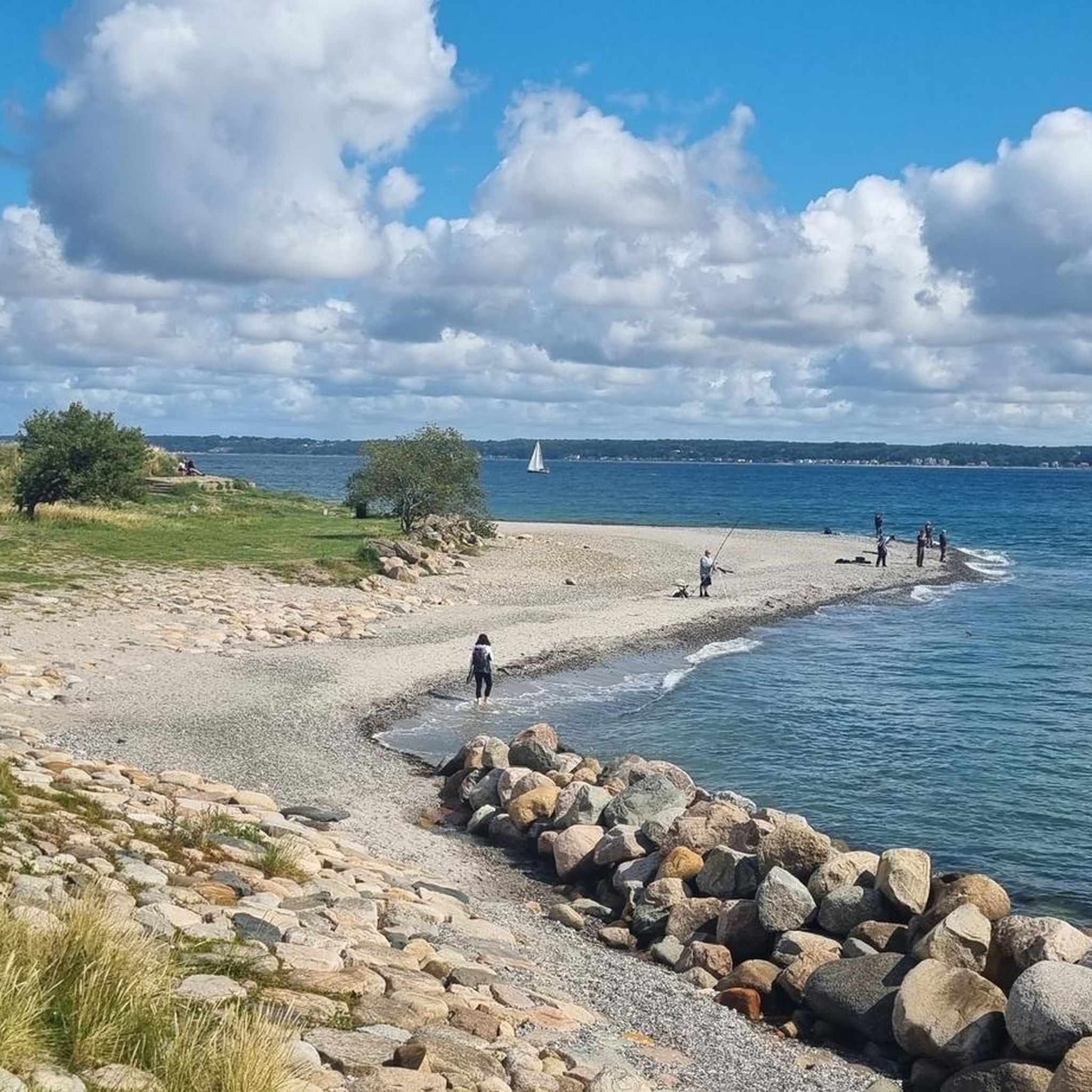
Søren Kierkegaard was a famous Danish theologian and philosopher, who is still considered one of the greatest Danish philosophers. He lived from 1813 to 1855. A memorial stone has been erected at Gilbjerg Hoved to the philosopher Søren Kierkegaard. Gilleleje's first tourist As one of Gilleleje's first tourists back in 1835, Søren Kierkegaard enjoyed sitting on Gilbjerg Hoved, where he could enjoy the peace and quiet to think through many of his ideas and later put them on paper. A memorial stone has been erected at the place where he most often sat and philosophized. A few hundred meters further west stands another stone, shaped like a chair. There is also a bench here, from which you can enjoy the view. Gilbjerg Hoved Gilbjerg Hoved is not far from being the northernmost point of Zealand. The area lies like a green oasis between Gilleleje's villas and Smidstrup's summer houses. Here, 25 hectares were protected in the 1950s and 40 hectares have been selected as an EU habitat because of the special coastal vegetation on the up to 33 meter high cliff facing the Kattegat. Between the cliff and Tinkerup Strandvej is a pasture that belongs to the area. Cattle graze here and help to preserve the current condition of the site. The beach along the cliff is an exciting pebble beach, where in several places there are built humps and other coastal protection. Practical If you walk or cycle, you can follow the Gilbjergstien from Gilleleje town all the way to Gilbjerghoved, where the memorial stone stands. If you come by car, there is a parking lot at Tinkerup Strandvej and from here you can walk the few hundred meters to the edge of the cliff where the stones stand.
7
0
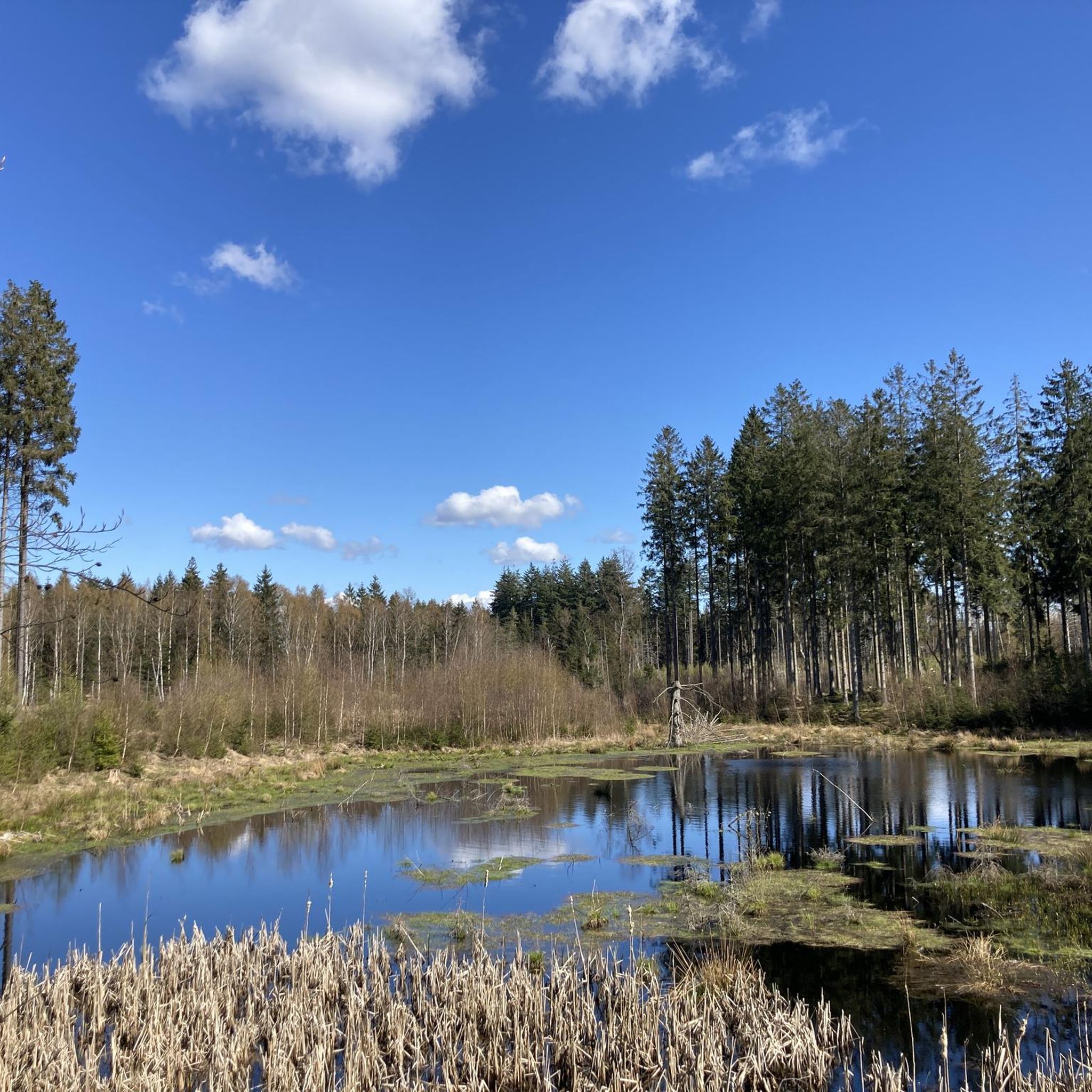
Während des 2. Weltkriegs war de sogenannte Köhlergruppe aktiv im Widerstandskampf. The group merged the Waffen container, the von der Englischen Luftwaffe über dem Gribskov abgeworfen wurden ein. In those places, there is a stone heute steht, wurden von März bis April 1945 8 Abwürfe vorgenommen. Bei der letzten Mission am 21. April 1945 wurden 18 Container abgeworfen. The Occupation Power Hats, but Information on the Abwurfplatz, and the rule of law are the Feuergefecht Zwischen der Widerstandsgruppe und Wehrmachtsoldiers. 2 The soldier kamen dabei ums Leben und 4 Widerstandsleute wurden festgenommen. The 14th anniversary of the Wald bis zum Esrum See zu kommen. Mit einem Ruderboot gelang sie dann an das gegenüberliegende Ufer vom See. The bullet at the marked route close to the intersection of Stutterivej and Søndre Skovportsvej near the Smørsten has been reminiscent of a fierce battle between opponents and Germans the night of April 21, 1945. The place was used for the removal of weapons from allied aircraft to the resistance movement, and this The last weapon reception was revealed by the Germans. They surrounded the 18 men, "The Bulls Battalion", who were saving the dumped firearms, hand grenades and ammunition, which were instead used to answer the fire of the 120 German police soldiers. To Germans were shot, four opponents were captured , and the rest fled in dinghies across Esrum Lake or to Hillerød. The four captured were released when the occupation ended two weeks later. Nearby is the Morsestenen, where the resistance leader's local leader was sitting as he routed the planes over the place. The master signal for B (- ...) has been captured.
4
0
In one Storm 1827 one big book feels. Instead of dying, 5 new book strains grow from the fallen book. Duch the particular form of the progressive tribes under other perpendicular standing tribes they look like masts on a sailing ship. //// The ship is probably Gribskov's most peculiar attraction of nature. For several decades it had become a rumor that the 6 old beech trees 1 km north of the Forest School in a row and row close to each other in reality were the side branches of a toppled beech that had taken root and had grown further. Could that be right? Yes ! In the old operating plan of 1878, the tree formation is described, and at that time you could clearly see the overturned tree. So the ship is really a real "frigate tree", and even Denmark's finest. The oldest parts date back at least to the 18th century. The ship is difficult to find these years because of the strong beech growth in the section of the forest where it stands. But in the back of the book's map (and in Volume 2) you can see the tree's GPS coordinates, so with a pocket GPS and a little talent, you can go right there. (source: gyldenlund.dk/severdigheter/se1.htm)
2
0
Frequently Asked Questions
What kind of natural features can I expect to see among Helsingør's natural monuments?
Helsingør's natural monuments offer a diverse range of features, from serene lakes and lush forests to coastal paths along the Øresund Strait. You can find unique geological formations like Smørstenen (The Butter Stone), and distinctive tree formations such as Skibet (The Ship), which resembles masts from a fallen beech tree. The region also features open woodlands with grazing cattle, as seen in Hellebæk Kohave, and tranquil spots like Klaresø and Kobberdammen within Teglstrup Hegn Nature Reserve.
Do Helsingør's natural monuments have historical significance?
Yes, many of Helsingør's natural monuments are intertwined with history. For instance, Dronningens Bøge Pier, Esrum Lake, has historical ties to Frederik IV and Queen Louise. Kulsvierstenen (The Charcoal Burners' Stone) is a man-made monument within a forest, notable for its role in the Danish resistance during World War II. Additionally, the Søren Kierkegaard Stone at Gilbjerg Hoved commemorates the philosopher's time seeking peace and inspiration there.
Are there family-friendly natural monuments in Helsingør?
Absolutely! Several natural monuments in Helsingør are well-suited for families. Dronningens Bøge Pier, Esrum Lake, offers a beautiful setting for a leisurely visit. Skibet (The Ship) in Gribskov forest is a unique natural formation that can spark children's imagination. The Smørstenen (The Butter Stone) is another interesting geological feature that can be explored by families. The Søren Kierkegaard Stone area also offers easy trails and scenic views suitable for all ages.
What outdoor activities can I do near Helsingør's natural monuments?
The natural monuments in Helsingør are surrounded by opportunities for various outdoor activities. You can enjoy hiking, road cycling, and touring bicycle routes. Popular hiking trails include the Gurre Lake Loop Trail and the Hornbæk Plantage and North Coast Trail Loop. For cyclists, options range from coastal road loops to routes exploring forests and historical sites. You can find detailed routes and guides for these activities on the Hiking in Helsingør, Road Cycling Routes in Helsingør, and Cycling in Helsingør guide pages.
Are there easy walks or beginner-friendly trails around Helsingør's natural monuments?
Yes, Helsingør offers several easy and beginner-friendly trails. The Bondedammen Loop in Hellebæk Skov is an easy 3.2 km hike with scenic pond views. The Hornbæk Plantage and North Coast Trail Loop (7.15 km) is also rated as easy, offering a mix of woodlands and coastal scenery. For cycling, 'The Castle Route' is an easy 25 km touring bicycle route. These trails provide accessible ways to experience the natural beauty of the region.
When is the best time of year to visit Helsingør's natural monuments?
Helsingør's natural monuments can be enjoyed throughout the year, each season offering a unique experience. Spring brings blooming flora, while summer is ideal for coastal walks and lakeside relaxation. Autumn is particularly atmospheric in the forests, with light filtering through colorful treetops, as described for The Forked Tree. Winter offers a peaceful, crisp beauty, especially along the Øresund Strait. Your preference for activities and scenery will determine your ideal visiting time.
How accessible are Helsingør's natural monuments by public transport or car?
Many of Helsingør's natural monuments are accessible by both public transport and car, though accessibility can vary by specific location. Areas like Kongernes Nordsjælland National Park and Teglstrup Hegn often have designated parking areas. For example, there's a parking lot at Tinkerup Strandvej for visiting the Søren Kierkegaard Stone. Public buses often serve towns and villages near these natural areas, allowing for connections to trailheads. It's advisable to check specific routes and schedules for your chosen destination.
Are there any unique geological features among Helsingør's natural monuments?
Yes, Helsingør is home to the fascinating Smørstenen (The Butter Stone). This large wandering block of granite, estimated to weigh around 30 tonnes, has been in the Gribskov forest for approximately 13,000 years since the ice receded. It features distinct geological characteristics, including pegmatitic passages with large quartz and feldspar grains, and visible ice scouring marks on its surface. Local folklore also adds to its unique charm.
What are some popular viewpoints or scenic spots in Helsingør's natural areas?
Helsingør offers several scenic viewpoints. The coastal paths along the Øresund Strait provide stunning vistas where the sea meets the land, often with views towards Kronborg Castle. The Søren Kierkegaard Stone at Gilbjerg Hoved offers a beautiful view over the Kattegat. Within Kongernes Nordsjælland National Park, the Wooden Bridge Over the Moor provides a picturesque walk along a narrow headland. Teglstrup Hegn Nature Reserve also features forest paths with beautiful sea views and tranquil lakeside environments.
Can I combine a visit to natural monuments with historical sites in Helsingør?
Absolutely. Helsingør is unique in its blend of natural beauty and historical significance. Many coastal trails along the Øresund Strait lead to or pass near Kronborg Castle, a UNESCO World Heritage site. The Dronningens Bøge Pier, Esrum Lake, and Kulsvierstenen (The Charcoal Burners' Stone) are natural monuments with rich historical narratives. This allows visitors to seamlessly combine outdoor exploration with cultural and historical insights.
Are there opportunities for birdwatching or observing wildlife in Helsingør's natural monuments?
Yes, Helsingør's diverse natural landscapes provide excellent opportunities for birdwatching and observing wildlife. The coastal areas along the Øresund Strait are home to diverse birdlife. Forested areas like Kongernes Nordsjælland National Park and Teglstrup Hegn Nature Reserve support a variety of woodland creatures. Hellebæk Kohave, with its open woodlands and grazing cattle, fosters a rich animal and plant life, making it a good spot for experiencing biodiversity.
How long should I plan for a visit to Helsingør's natural monuments?
The duration of your visit depends on the specific natural monument and the activities you plan. For a quick stop at a viewpoint or a short walk, 1-2 hours might suffice. For more extensive hikes, such as the Gurre Lake Loop Trail (10.2 km) or the Hornbæk Plantage and North Coast Trail Loop (7.15 km), you should plan for 2-4 hours. If you intend to explore multiple sites or combine activities like hiking and picnicking, a half-day or full-day excursion would be more appropriate.
Most popular attractions in Helsingør

Get inspired with the komoot mobile app


Explore more
Extend your search for the best caves by checking out these guides of the top ones in Helsingør:
