Top 15 Natural Monuments in Rødovre
Best natural monuments in Rødovre offer diverse outdoor experiences within the Capital Region of Denmark. The area features a mix of historical green corridors, protected wetlands, and urban parks. These natural features provide habitats for various flora and fauna, contributing to the region's biodiversity. Visitors can explore a range of landscapes, from tranquil lakes to expansive green spaces.
Best natural monuments in Rødovre
- The most popular natural monuments is Rose Garden at Rosenborg Castle, a natural monument that offers…
Last updated: July 10, 2026
The Little Mermaid
Highlight • Monument
Translated by Google •
Tip by

Gefion Fountain
Highlight • Monument
Translated by Google •
Tip by

Sign up now to discover places like this
Get recommendations on the best single tracks, peaks, & plenty of other exciting outdoor places.
Sign up for free
Rose Garden at Rosenborg Castle
Highlight • Natural Monument
Translated by Google •
Tip by

Damhus Lake
Highlight • Lake
Tip by

Churchill Park
Highlight • Natural
Translated by Google •
Tip by

Sign up for free to discover even more natural monuments in Rødovre.
Sign up for free
Already have an account?
Start today with a free account
Your next adventure awaits.
Login or Signup
Other adventures in Rødovre

Tips from the Community

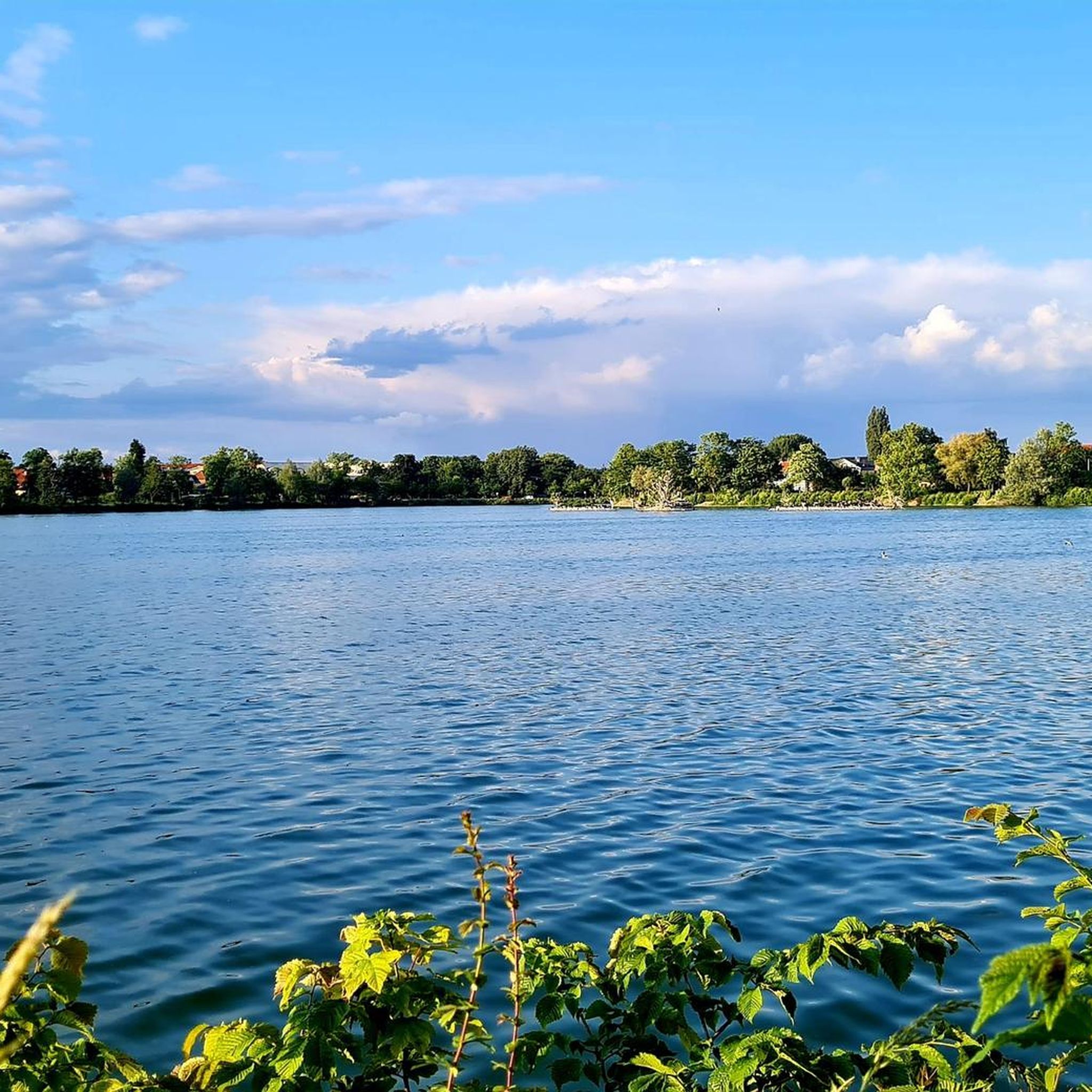
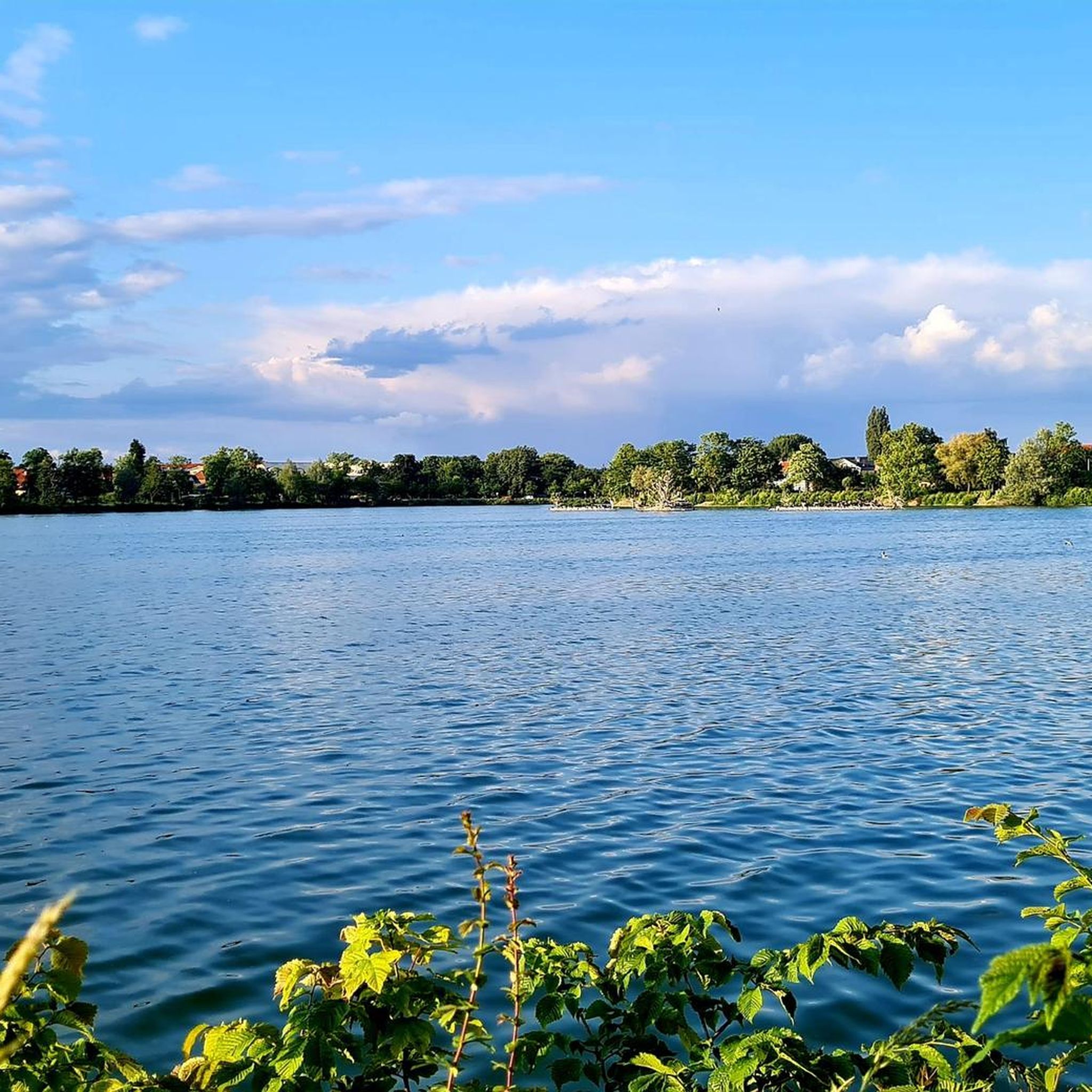
Damhussøen, or Damhussøen, is located in Copenhagen between Vanløse, Rødovre, Roskildevej, and Damhusengen, extending to Jyllingevej in the north. The green space is connected to Grøndalsparken, Krogebjergparken, and Vigerslevparken. The lake covers an area of 46 hectares. The dam in the south, over which Roskildevej is carried, was built in connection with the construction of the road in 1621. The aim was to ensure a stable water level in the lake and a better water supply to Copenhagen via Grøndalsåen and Ladegårdsåen. In 1849, additional dams were built, separating the northern part of the lake, Bagsøen, from the southern part. The Harrestrup Å, which formerly ran through the lake, was diverted into a ditch with dams on each side on the eastern side of the meadow in 1938. At the same time, Bagsøen was drained, creating Damhusengen. The lake and meadow were granted park status in 1941 and have been protected since 1966. The lake is named Damhus Sø after Damhuset, which is actually named after the lake formerly known as Langvaddam or simply Dammen. The area is also known for its inn. The small local amusement park was demolished in 2016.
0
0


There are 6 other parks worldwide that bear this name.
2
0

The Gefion fountain in Copenhagen shows the statue of the goddess Gefion from Germanic mythology, who is said to have turned her four sons into oxen. The legend says that the ox team tore a large hole in the middle of Sweden while ploughing and hurled the land mass into the Baltic Sea. The hole in Sweden today forms Lake Vänern. The island of Zealand is said to have emerged from the piece of land that was torn out.
19
2
The Little Mermaid sculpture is made of bronze and granite stone and is inspired by Hans Christian Andersen's fairy tale about the mermaid who sacrifices everything to be united with the young, beautiful prince on land. Every morning and every evening she rises from the seabed and longs for the prince from her rock in the water. The story of the Little Mermaid is known to many children today not only from Hans Christian Andersen's original version, but also from Disney's version of the same name.
18
2


Here in Churchill Park there is a monument to Winston Churchill, which commemorates the British support for the Danes in World War II.
4
0

good place to stop and eat, has tables and spot to sit and enjoy the view
1
0
Frequently Asked Questions
Are there family-friendly natural monuments in Rødovre?
Yes, Rødovre offers several family-friendly natural monuments. Sleeping Louis, one of the 'Six Forgotten Giants,' is a whimsical wooden sculpture where children can even crawl into a cave inside his open mouth, making it a fun treasure hunt. Vestvolden provides expansive green spaces for walking and cycling, suitable for families. Additionally, Damhus Lake is a pleasant spot with a water fountain and tables, ideal for a family break. The Rose Garden at Rosenborg Castle is also listed as family-friendly, offering beautiful castle grounds to explore.
What kind of outdoor activities can I do near Rødovre's natural monuments?
Rødovre's natural monuments are excellent starting points for various outdoor activities. You can enjoy extensive walking, cycling, and mountain biking. For hiking, consider routes like the 'Vestvolden Trail' or loops around 'Damhus Lake'. Cyclists can explore routes such as the 'Vestvolden Trail' or 'Damhus Lake – Superkilen Cycle Lane loop'. Mountain bikers have options like the 'Herstedhøje Hill – Lake loop'. You can find more details on these activities in the Hiking in Rødovre, Cycling in Rødovre, and MTB Trails in Rødovre guides.
What unique natural features can I explore in Rødovre?
Rødovre boasts several unique natural features. Kagsmosen is a protected bog with peat-digging lakes and reed swamps, known for its rich birdlife and diverse plant species. Schweizerdalssøen is the municipality's only remaining natural lake, home to various aquatic flora and fauna, including natterjack toads and several bird species. The historical Vestvolden also serves as a significant green corridor, supporting diverse plant and animal life.
Are Rødovre's natural monuments dog-friendly?
Many of Rødovre's natural areas, including parts of Vestvolden and areas around Damhus Lake, are generally dog-friendly, especially for walks on leash. However, specific rules may apply in protected areas like Kagsmosen to protect wildlife. It's always advisable to check local signage for any restrictions regarding dogs, particularly concerning leash requirements or access to sensitive habitats.
What is the best time of year to visit Rødovre's natural monuments?
The best time to visit Rødovre's natural monuments largely depends on your interests. Spring and summer (April to August) are ideal for enjoying lush greenery, birdwatching at Kagsmosen and Schweizerdalssøen, and outdoor activities like cycling and hiking. Autumn (September to October) offers beautiful fall foliage, especially along Vestvolden. Even winter can be charming for a peaceful walk, though some areas might be less accessible depending on snow and ice conditions.
Do Rødovre's natural monuments have historical significance?
Yes, some of Rødovre's natural monuments are deeply intertwined with history. Vestvolden, for instance, is a historic fortification system over 14 km long, originally built for defense. Today, it's preserved for its historical value as well as its ecological importance, offering a unique blend of nature and military heritage. While not in Rødovre, the Rose Garden at Rosenborg Castle is also a historical site, providing insights into royal Danish life.
How can I get to Rødovre's natural monuments using public transport or by car?
Rødovre's natural monuments are generally accessible. Vestvolden stretches through various municipalities and can be reached by public transport, with several bus stops along its length. Kagsmosen is also easily accessible via public transport. For places like Damhus Lake, there are often nearby parking options for those traveling by car. Specific public transport routes and parking availability can vary, so it's recommended to check local transport apps or maps for the most current information to your chosen destination.
Are there wheelchair-accessible natural sights in Rødovre?
While specific accessibility details can vary, some areas within Rødovre's natural monuments may offer wheelchair-friendly paths. Vestvolden, being a long green corridor, has sections with paved or well-maintained gravel paths suitable for wheelchairs. The Little Mermaid and Gefion Fountain, though not in Rødovre, are listed as wheelchair accessible. It's always best to research the specific monument you plan to visit for detailed accessibility information.
Where can I spot wildlife in Rødovre's natural areas?
For wildlife spotting, Kagsmosen is a prime location. This protected bog is a haven for approximately 200 different bird species, including breeding waterfowl and various resting and migrating birds. You might also spot numerous duck species and birds of prey. Schweizerdalssøen is another excellent spot, particularly in spring, where natterjack toads, common frogs, and agile frogs breed, and various birds like mallards and grey herons can be observed.
Are there cafes or restaurants near Rødovre's natural monuments?
While the natural monuments themselves are often serene and undeveloped, you can typically find cafes and restaurants in the surrounding urban areas of Rødovre. For example, areas near Damhus Lake or along the routes of Vestvolden that pass through more populated zones will have dining options. It's a good idea to plan your visit and check for nearby establishments before you go, especially if you're looking for a specific type of cuisine or a quick bite.
What is Sleeping Louis and where can I find it?
Sleeping Louis is one of the 'Six Forgotten Giants,' a series of large, whimsical wooden sculptures by artist Thomas Dambo, made from recycled materials. This particular giant is peacefully resting on a small, tree-covered hill in a secret spot within Rødovre. Its exact location is part of the adventure, encouraging visitors to explore and discover this unique blend of art and nature.
What is the significance of Vestvolden in Rødovre?
Vestvolden is a significant natural monument in Rødovre due to its dual role as a historical fortification and a vital green corridor. It's a preserved 14 km long rampart system that now offers diverse landscapes for recreation, including walking and cycling. More importantly, it acts as a crucial ecological link, connecting various natural areas and fostering biodiversity by preventing the isolation of plant and animal populations in an urban setting.
Most popular attractions in Rødovre

Get inspired with the komoot mobile app


Explore more
Extend your search for the best caves by checking out these guides of the top ones in Rødovre:
