Top 10 Natural Monuments in Kastrup
Natural monuments in Kastrup offer a blend of urban development and natural landscapes along the Øresund strait. Located on Amager island, the area features coastal parks, green spaces, and views of nearby natural reserves. Visitors can explore diverse environments, from man-made structures integrated with nature to protected island ecosystems.
Best natural monuments in Kastrup
- The most popular natural monuments is Rose Garden at Rosenborg Castle, a natural monument that offers beautiful gardens within a historical castle setting. It provides…
Last updated: June 26, 2026
The Little Mermaid
Highlight • Monument
Translated by Google •
Tip by

Gefion Fountain
Highlight • Monument
Translated by Google •
Tip by

Sign up now to discover places like this
Get recommendations on the best single tracks, peaks, & plenty of other exciting outdoor places.
Sign up for free
Rose Garden at Rosenborg Castle
Highlight • Natural Monument
Translated by Google •
Tip by

Damhus Lake
Highlight • Lake
Tip by

Botanical Garden Copenhagen
Highlight • Natural
Translated by Google •
Tip by
Sign up for free to discover even more natural monuments in Kastrup.
Sign up for free
Already have an account?
Start today with a free account
Your next adventure awaits.
Login or Signup
Tips from the Community

Finely landscaped spacious garden with greenhouses which can be visited for an entrance fee
7
0

Beautifully landscaped, quiet, and relaxing. Garden free, palm house fee applies.
1
0

Free admission to an impressive garden. Visits to the butterfly and palm houses cost extra or are included in the Copenhagen Card. Very worthwhile.
1
0

Great park with many beautiful plants 🪴 well worth seeing 💯🔝👍🏻😉
3
0
Beautiful park with many beautiful plants 🪴 well worth seeing 💯🔝👍🏻😉
1
0

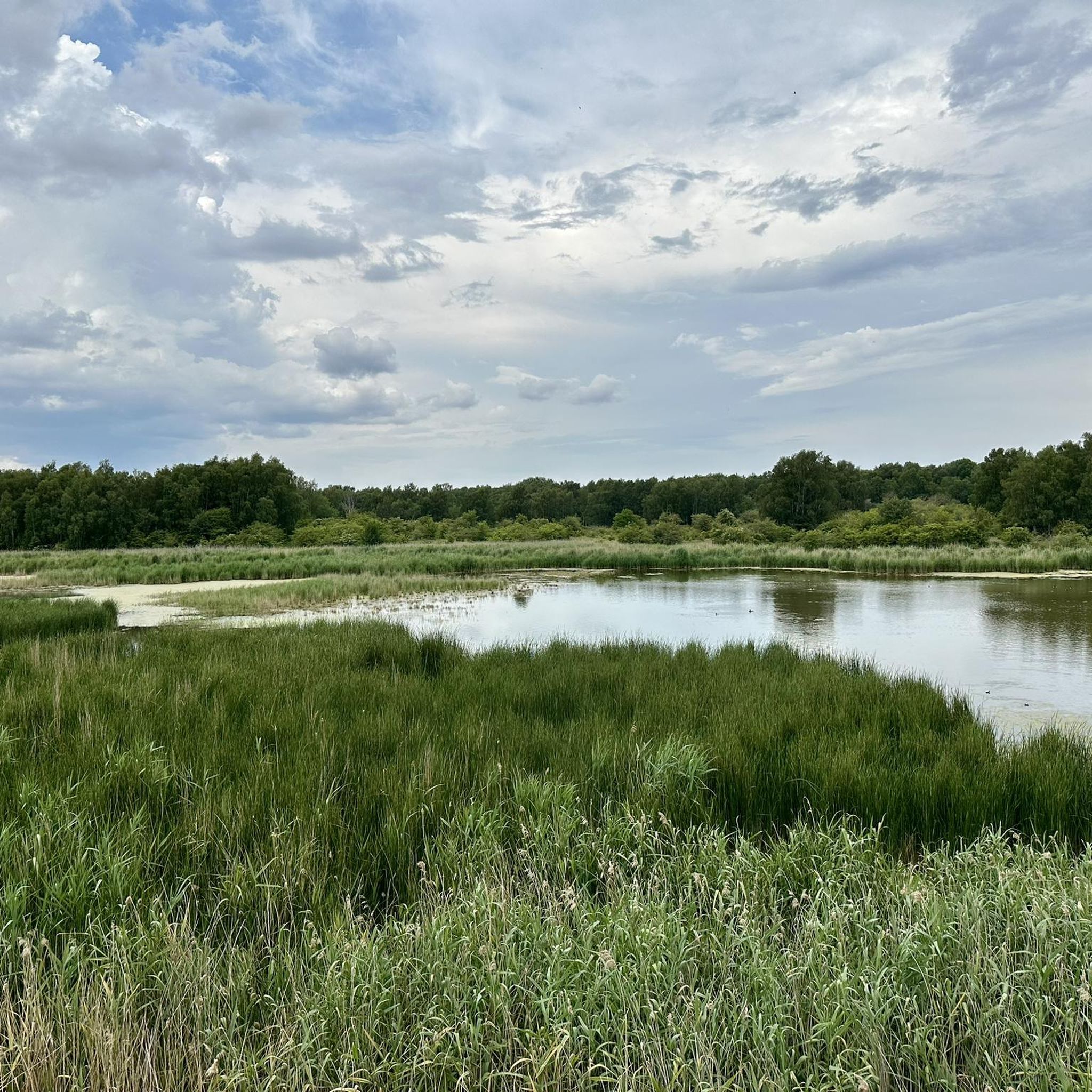
Damhussøen, or Damhussøen, is located in Copenhagen between Vanløse, Rødovre, Roskildevej, and Damhusengen, extending to Jyllingevej in the north. The green space is connected to Grøndalsparken, Krogebjergparken, and Vigerslevparken. The lake covers an area of 46 hectares. The dam in the south, over which Roskildevej is carried, was built in connection with the construction of the road in 1621. The aim was to ensure a stable water level in the lake and a better water supply to Copenhagen via Grøndalsåen and Ladegårdsåen. In 1849, additional dams were built, separating the northern part of the lake, Bagsøen, from the southern part. The Harrestrup Å, which formerly ran through the lake, was diverted into a ditch with dams on each side on the eastern side of the meadow in 1938. At the same time, Bagsøen was drained, creating Damhusengen. The lake and meadow were granted park status in 1941 and have been protected since 1966. The lake is named Damhus Sø after Damhuset, which is actually named after the lake formerly known as Langvaddam or simply Dammen. The area is also known for its inn. The small local amusement park was demolished in 2016.
0
0


The Gefion fountain in Copenhagen shows the statue of the goddess Gefion from Germanic mythology, who is said to have turned her four sons into oxen. The legend says that the ox team tore a large hole in the middle of Sweden while ploughing and hurled the land mass into the Baltic Sea. The hole in Sweden today forms Lake Vänern. The island of Zealand is said to have emerged from the piece of land that was torn out.
19
2
Frequently Asked Questions
What unique natural monuments can I explore in Kastrup?
Kastrup offers a blend of natural beauty and innovative design. A standout is the Kastrup Sea Bath, known as "The Snail" for its spiraling shape. This accessible structure extends into the Øresund strait, providing sheltered swimming, sunbathing, and panoramic views. It's a prime example of how urban development integrates with the natural coastal environment.
Are there any natural parks or green spaces in Kastrup suitable for relaxation and recreation?
Yes, Kastrup Strandpark is a prominent waterfront recreational area. It features sandy beaches, expansive grassy fields for picnics and games, playgrounds, and paths for walking and cycling. The park offers scenic views of the Øresund and Saltholm Island, providing a vital urban green space for various outdoor activities.
What kind of wildlife can be observed in the natural areas around Kastrup?
The region is particularly rich in birdlife, especially on Saltholm Island, a protected nature reserve visible from Kastrup's coastline. This low, windswept island is a haven for diverse avian species, including thousands of geese, swans, and ducks. It offers a rare glimpse of unspoiled nature for birdwatchers.
Are there family-friendly natural attractions in Kastrup?
Absolutely. Both Kastrup Strandpark and the Kastrup Sea Bath are excellent choices. The Strandpark has beaches, playgrounds, and open spaces for children to play, while the Sea Bath offers a safe, sheltered area for swimming and is fully accessible. Additionally, the Damhus Lake is a scenic spot for family walks.
What outdoor activities can I do near Kastrup's natural monuments?
Kastrup and the wider Amager island offer a wide range of outdoor activities. You can enjoy cycling, running, horse riding, sailing, fishing, and swimming. The larger Amager Nature Park, which Kastrup is part of, features diverse ecosystems perfect for exploration. For specific routes, you can find options for gravel biking, cycling, and MTB trails in the area.
Are there any historical or cultural sites integrated with the natural monuments?
Yes, the Rose Garden at Rosenborg Castle combines natural beauty with historical significance, offering insights into royal Danish life. The Gefion Fountain, a large monument depicting the Norse goddess Gefion, is another example of a cultural landmark with a natural theme, located near the harbor.
Are there wheelchair-accessible natural monuments in Kastrup?
Yes, the Kastrup Sea Bath is designed to be fully accessible, featuring ramps and other special features for individuals with reduced mobility. The Little Mermaid sculpture and the Gefion Fountain are also generally wheelchair-accessible, offering coastal views and cultural insights.
What is the best time of year to visit Kastrup's natural monuments?
Kastrup's natural monuments can be enjoyed year-round. The Kastrup Sea Bath is open and accessible throughout the year, with its dramatic lighting making for a unique experience at night. For enjoying beaches and outdoor activities in Kastrup Strandpark, the warmer months from late spring to early autumn are ideal. Birdwatching on Saltholm Island is rewarding in migration seasons.
Can I find hiking trails near the natural monuments in Kastrup?
Yes, the broader Amager Nature Park, which includes areas near Kastrup, features the 27 km 'Amarminoen' hiking trail. This trail allows you to explore diverse landscapes, including coastal areas, wetlands, and forests. You can find various cycling and gravel biking routes that often incorporate scenic natural paths.
What makes Saltholm Island a significant natural monument?
Saltholm Island is a significant natural monument due to its status as a protected nature reserve and its importance for birdlife. It features chalk meadows, salt marsh, and shallow tidal flats, creating an untouched landscape that is vital for thousands of migratory birds. Its remote and pristine environment offers a unique experience of coastal wilderness near an urban center.
Are dogs allowed in Kastrup's natural monument areas?
Many natural areas in Kastrup, such as Kastrup Strandpark, are generally dog-friendly, but specific rules regarding leashes may apply. It's always best to check local signage or official park guidelines for designated off-leash areas or restrictions to ensure a pleasant visit for everyone.
Where can I find cafes or places to eat near Kastrup's natural monuments?
Kastrup, being a district of Copenhagen, has various cafes and eateries. You'll find options near Kastrup Strandpark and the Kastrup Sea Bath, especially along the waterfront. The area around Damhus Lake also offers good places to stop and eat, with tables and spots to enjoy the view.
Most popular attractions in Kastrup

Get inspired with the komoot mobile app


Explore more
Extend your search for the best caves by checking out these guides of the top ones in Kastrup:
