Top 6 Natural Monuments around Mount Taylor
Best natural monuments around Mount Taylor include a dormant stratovolcano, the highest peak in the San Mateo Mountains, reaching an elevation of 11,301 feet. This area is recognized for its geological history, featuring a two-mile-wide, horseshoe-shaped caldera. Mount Taylor holds significant cultural importance for several Native American tribes, including the Navajo, who know it as "Tsoodził" or Turquoise Mountain. The region offers diverse ecosystems, from fir and ponderosa pine forests to open grassy expanses.
Best natural monuments around Mount Taylor
…Last updated: June 26, 2026
Petroglyph Panel
Highlight • Historical Site
Tip by

Natural Bridge and Slot Canyon
Highlight • Natural Monument
Tip by
Sign up now to discover places like this
Get recommendations on the best single tracks, peaks, & plenty of other exciting outdoor places.
Sign up for free
Mount Taylor Summit
Highlight • Summit
Tip by
Los Indios Canyon
Highlight • Canyon
Tip by
Wildflower Area in the Cibola National Forest
Highlight (Segment) • Forest
Tip by
Start today with a free account
Your next adventure awaits.
Login or Signup


Tips from the Community

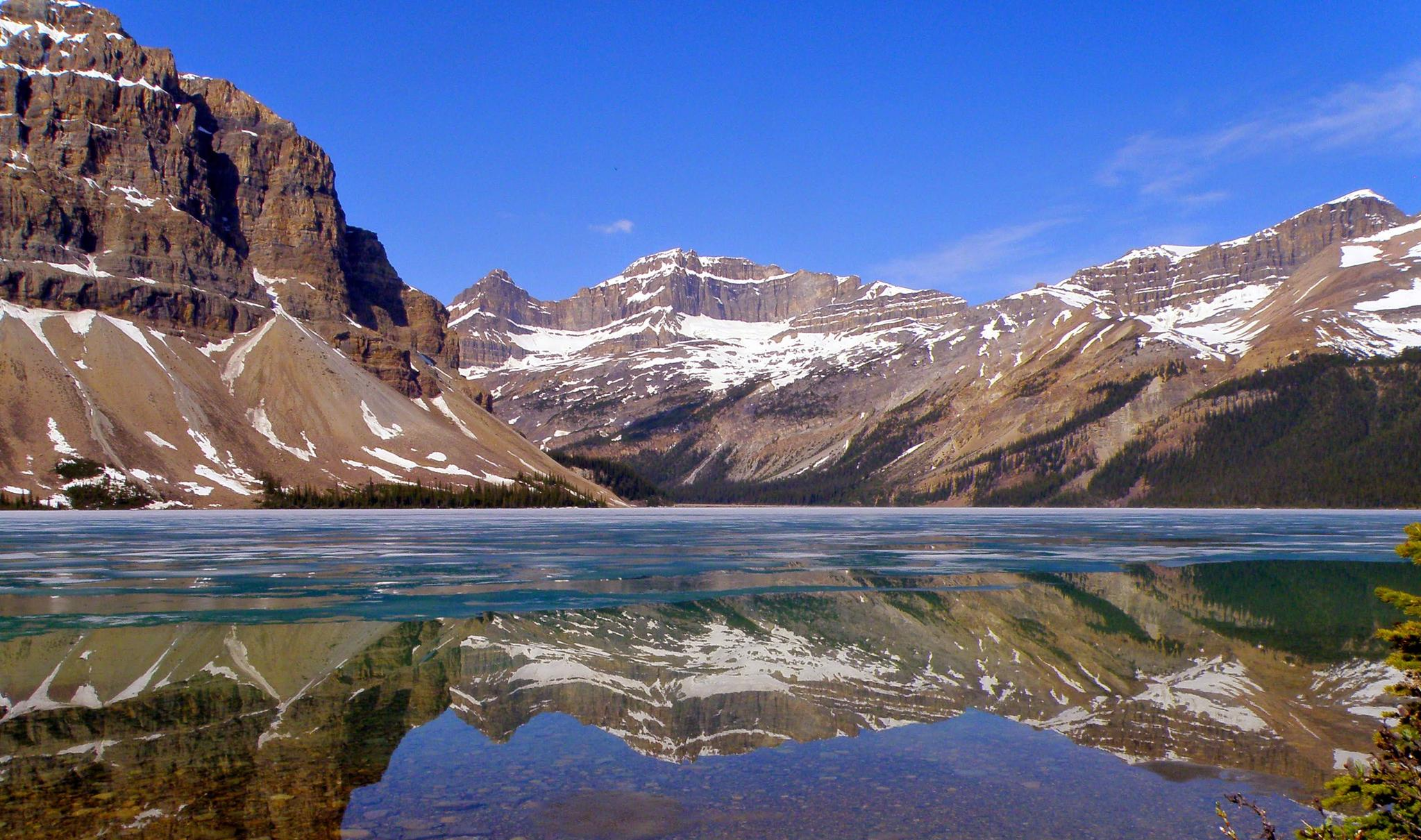
Here is where the "trail" completely deteriorates and one must decide if they are turning back or continuing on for a route-finding, canyoneering adventure. Be aware that the terrain worsens after passing under the, and there is no official route other than the few miles of trail already traveled.
0
0
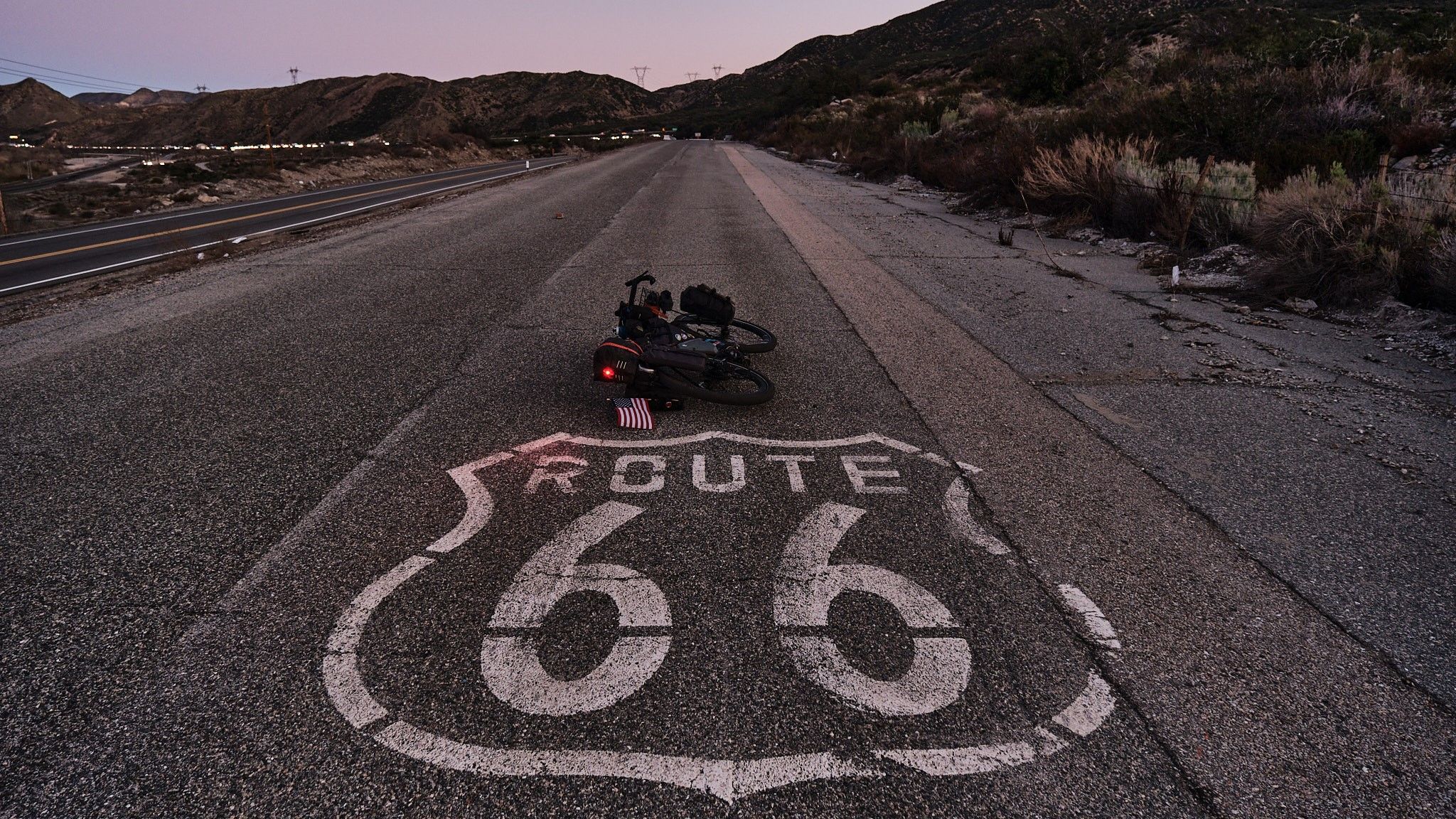
Admire an awesome collection of ancient petroglyphs etched into the sides of the canyon walls here. These petroglyphs are easy to miss so be sure to slow down when approaching this area. There are some on both sides of the canyon, with the left petroglyphs being somewhat hidden under an overhang and the ones on the right being more in plain sight.
0
0
This section of trail is filled with so many different kinds of wildflowers, budding plants, and other flora. Located on an easy to travel forest service road, this is a fantastic spot for the camera.
0
0
Here is where the "trail" completely deteriorates and one must decide if they are turning back or continuing on for a route-finding, canyoneering adventure. Be aware that the terrain worsens after passing under the, and there is no official route other than the few miles of trail already traveled.
0
0
Admire an awesome collection of ancient petroglyphs etched into the sides of the canyon walls here. These petroglyphs are easy to miss so be sure to slow down when approaching this area. There are some on both sides of the canyon, with the left petroglyphs being somewhat hidden under an overhang and the ones on the right being more in plain sight.
0
0
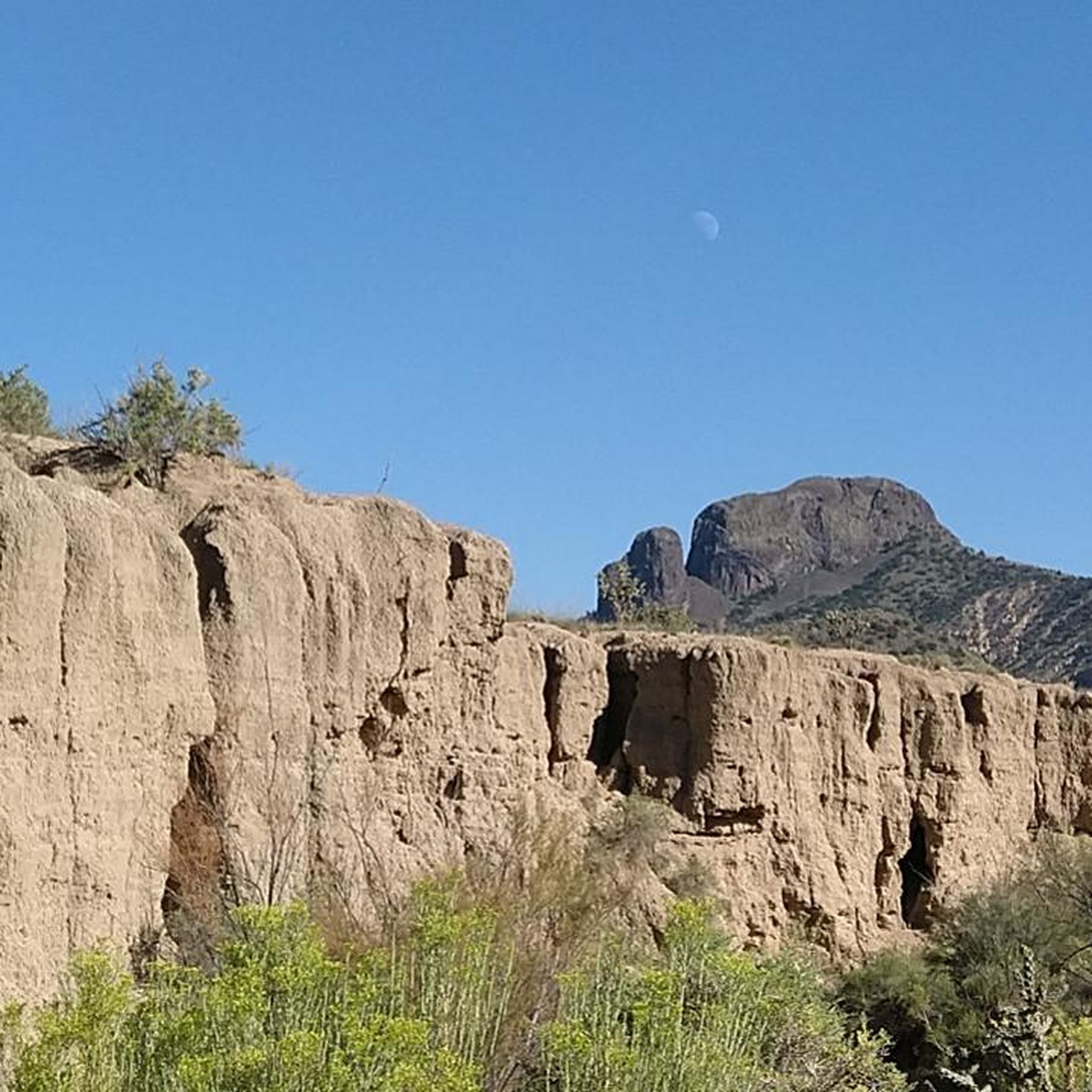
Gain access to this canyon from the main Continental Divide Trail by following the blue blazes indicating that a water source is nearby. The canyon grows in depth and width as you journey further into it via switchbacks. The trail is well kept and wide enough for safe travel, but be cautious when near the canyon walls and edges as this canyon does dive several hundred feet down to the bottom.
0
0
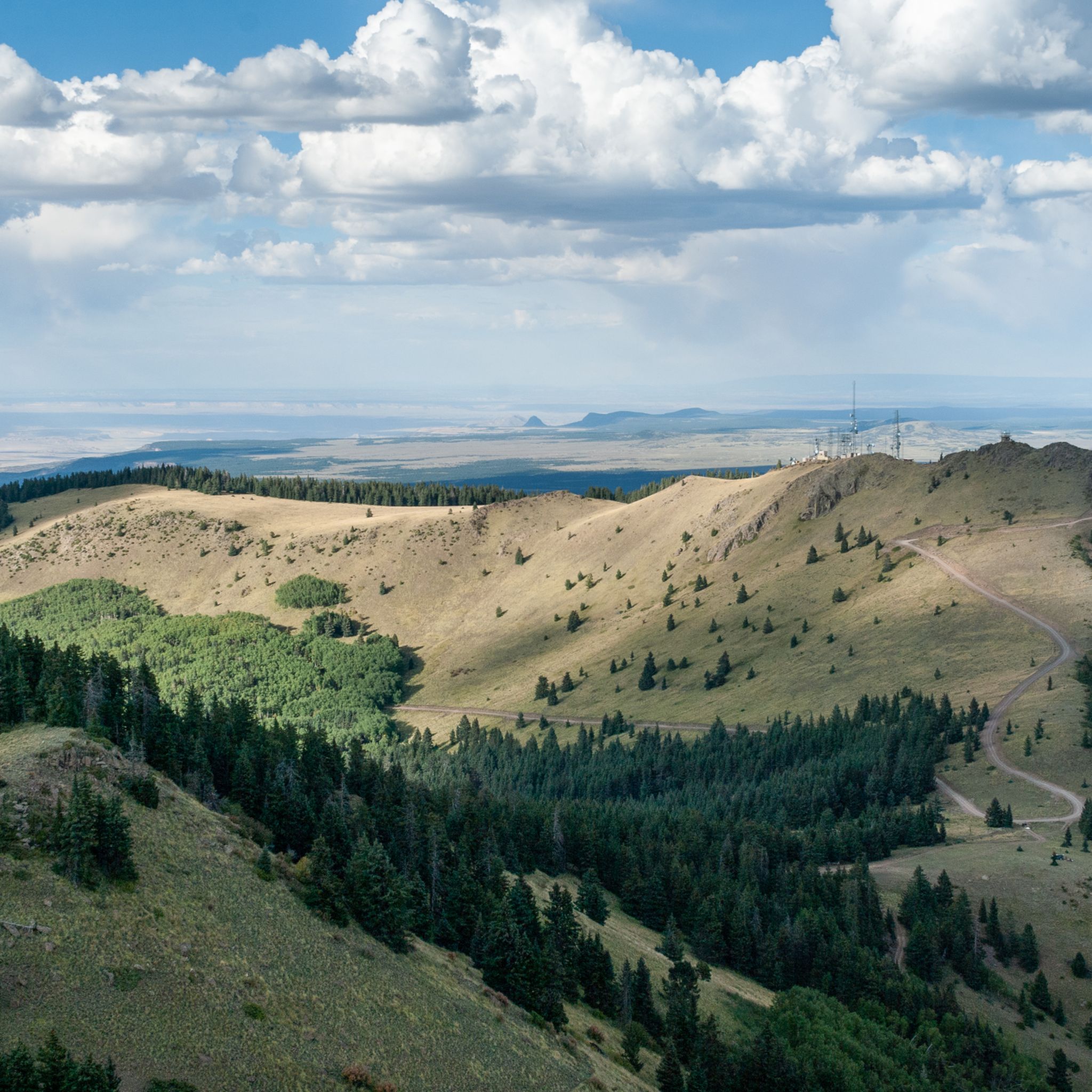
The peak of Mount Taylor sits atop the area being the tallest mountain in Cibola National Forest and San Mateo Mountains. This dormant stratovolcano has a visitors log at the top; read through the entries of prior summiteers and have a snack before making your way back to the car. Be observant of the weather, as spring and summer can often bring afternoon storms.
1
0
Frequently Asked Questions
What kind of natural features can I expect to see around Mount Taylor?
The Mount Taylor area, a dormant stratovolcano, offers diverse natural features. You can explore canyons like Los Indios Canyon, unique geological formations such as the Natural Bridge and Slot Canyon, and extensive forests. The region is part of a larger volcanic field, showcasing varied terrain from open grassy expanses to dense fir and ponderosa pine forests.
Are there any historical or cultural sites among the natural monuments?
Yes, the area is rich in history and culture. You can visit the Guadalupe ruins, a single-story masonry pueblo perched on an isolated sandstone mesa, offering insights into past cultures with its 39 rectangular rooms and 7 kivas. Another significant site is the Petroglyph Panel, where you can admire ancient petroglyphs etched into canyon walls.
What are some popular hiking trails near Mount Taylor's natural monuments?
The Mount Taylor area offers classic New Mexico hiking experiences. Popular routes include the Gooseberry Springs Trail and sections of the Continental Divide Trail (CDT). For more detailed hiking options, you can explore guides like Hiking around Mount Taylor, which features routes like the Gooseberry Springs and Mount Taylor Loop.
Are there family-friendly natural monuments or trails in the Mount Taylor area?
Yes, the region offers options suitable for families. The Wildflower Area in the Cibola National Forest is a fantastic spot for families, located on an easy-to-travel forest service road, perfect for photography and enjoying diverse flora. For easy hiking trails, check out the guide Easy hikes around Mount Taylor, which includes routes like Mount Taylor via Gooseberry Trail #77 and the Continental Divide Trail.
When is the best time of year to visit the natural monuments around Mount Taylor?
Mount Taylor offers different experiences throughout the year. Spring and summer are ideal for hiking, though afternoon storms can occur. The diverse ecosystems, from aspen and ponderosa pine stands, make autumn a beautiful time for vibrant foliage. Winter offers opportunities for activities like the annual Mt. Taylor Winter Quadrathlon, but be prepared for colder conditions.
What is the cultural significance of Mount Taylor to Native American tribes?
Mount Taylor holds immense spiritual importance for several Native American tribes, including the Navajo, Acoma, Laguna, Zuni, and Hopi. To the Navajo people, it is known as "Tsoodził," or Turquoise Mountain, marking the southern boundary of their traditional homeland. It is associated with healing, protection, and bringing rain, and is the site of many important events in Navajo sacred stories.
Can I find challenging hikes among the natural monuments?
Absolutely. The Mount Taylor area provides challenging hikes for experienced adventurers. The Natural Bridge and Slot Canyon, for instance, marks a point where the trail deteriorates, requiring route-finding and canyoneering skills. The Hiking around Mount Taylor guide also lists difficult routes like CDT Section 21: Mt Taylor Trailhead to Forest Road 239.
Where can I find panoramic views of the region?
For extensive panoramic views, the Mount Taylor Summit is the prime location. As the tallest mountain in Cibola National Forest and the San Mateo Mountains, it offers breathtaking vistas. On clear days, Mount Taylor itself is visible from distant locations, including Albuquerque.
What kind of wildlife might I encounter around Mount Taylor?
The diverse ecosystems of Mount Taylor, ranging from fir and ponderosa pine forests to open grassy expanses, support a variety of wildlife. While specific species are not detailed, visitors might encounter common forest animals and birds native to the New Mexico mountain regions. Always observe wildlife from a respectful distance.
Are there any specific tips for visiting the natural monuments?
When visiting the Mount Taylor Summit, be observant of the weather, as spring and summer can often bring afternoon storms. For the Petroglyph Panel, slow down as you approach, as some petroglyphs are easy to miss. Always carry enough water, especially on longer hikes, and respect the sacred nature of the mountain for Native American communities.
What other outdoor activities can I do near Mount Taylor's natural monuments?
Beyond hiking, the Mount Taylor area is a hub for various outdoor activities. The region hosts events like the annual Mt. Taylor Winter Quadrathlon and a 50K ultramarathon. You can also find running trails, with options listed in the Running Trails around Mount Taylor guide, including routes like the San Luis Mesa ACEC trail run.
Is there a specific area known for wildflowers?
Yes, the Wildflower Area in the Cibola National Forest is particularly known for its abundance of wildflowers and budding plants. This section of trail is filled with many different kinds of flora, making it a fantastic spot for nature enthusiasts and photographers.
Most popular routes around Mount Taylor
Most popular attractions around Mount Taylor

Get inspired with the komoot mobile app


