Top 20 Natural Monuments in the Carpathian Mountains
Best natural monuments in the Carpathian Mountains include dramatic limestone ridges, extensive cave systems, and glacial lakes across Central and Eastern Europe. This mountain range features diverse ecosystems and unique geological formations. Visitors can explore a variety of landscapes, from high peaks to deep gorges and ancient forests. The region offers numerous opportunities to experience its natural features.
Best natural monuments in the Carpathian Mountains
- The most popular natural monuments is Dunajec River Gorge, a gorge that features limestone cliffs and a gravel cycle path connecting Slovakia to Poland. The path offers views of the surrounding rocks and the Dunajec River.
- Another must-see spot is Great Giewont, a summit. This peak is the highest point of the Giewont massif and is considered a symbol of the Polish Tatras.
- Visitors also love Hala Gąsienicowa (Gąsienicowa Meadow), an other_natural area. This mountain pasture was established in the 17th century and is known for its meadows.
- Carpathian Mountains is known for its summits, gorges, and lakes. The region offers a variety of natural monuments to see and explore, from high-altitude peaks to river-carved canyons and glacial bodies of water.
- The natural monuments in the Carpathian Mountains are appreciated by the komoot community. Over 800 highlights have been upvoted, and more than 400 photos have been shared by users.
Last updated: July 10, 2026
Morskie Oko (Sea Eye)
Highlight • Lake
Until here, sneakers are sufficient but if you want to be around the lake, it should be good hiking boots.
Translated by Google •
Tip by

Lake Czorsztyn
Highlight • Lake
Translated by Google •
Tip by

Sign up now to discover places like this
Get recommendations on the best single tracks, peaks, & plenty of other exciting outdoor places.
Sign up for free
Great Giewont
Highlight • Summit
Translated by Google •
Tip by

Rysy Summit
Highlight • Summit
The many people (especially when the weather is hot and on weekends) are already a nuisance, but the magnificent view justifies the climb!
Translated by Google •
Tip by

Wodogrzmoty Mickiewicza Waterfalls
Highlight • Waterfall
Translated by Google •
Tip by
Hala Gąsienicowa (Gąsienicowa Meadow)
Highlight • Natural
Komoot marks the place Gawra (the bear's winter camp) here.
It is highly recommended to take a break here. In summer, the flowers color the meadows in bright colors.
But be aware that hiking here then becomes a mass migration.
Translated by Google •
Tip by

Hoverla Summit
Highlight • Summit
Translated by Google •
Tip by

Moldoveanu Peak
Highlight • Summit
Translated by Google •
Tip by

Dunajec River Gorge
Highlight (Segment) • Gorge
Tip by

Suchá Belá Gorge
Highlight (Segment) • Gorge
Source: Wikipedia
Translated by Google •
Tip by

Sign up for free to discover even more natural monuments in the Carpathian Mountains.
Sign up for free
Already have an account?
Start today with a free account
Your next adventure awaits.
Login or Signup
Popular around Carpathian Mountains
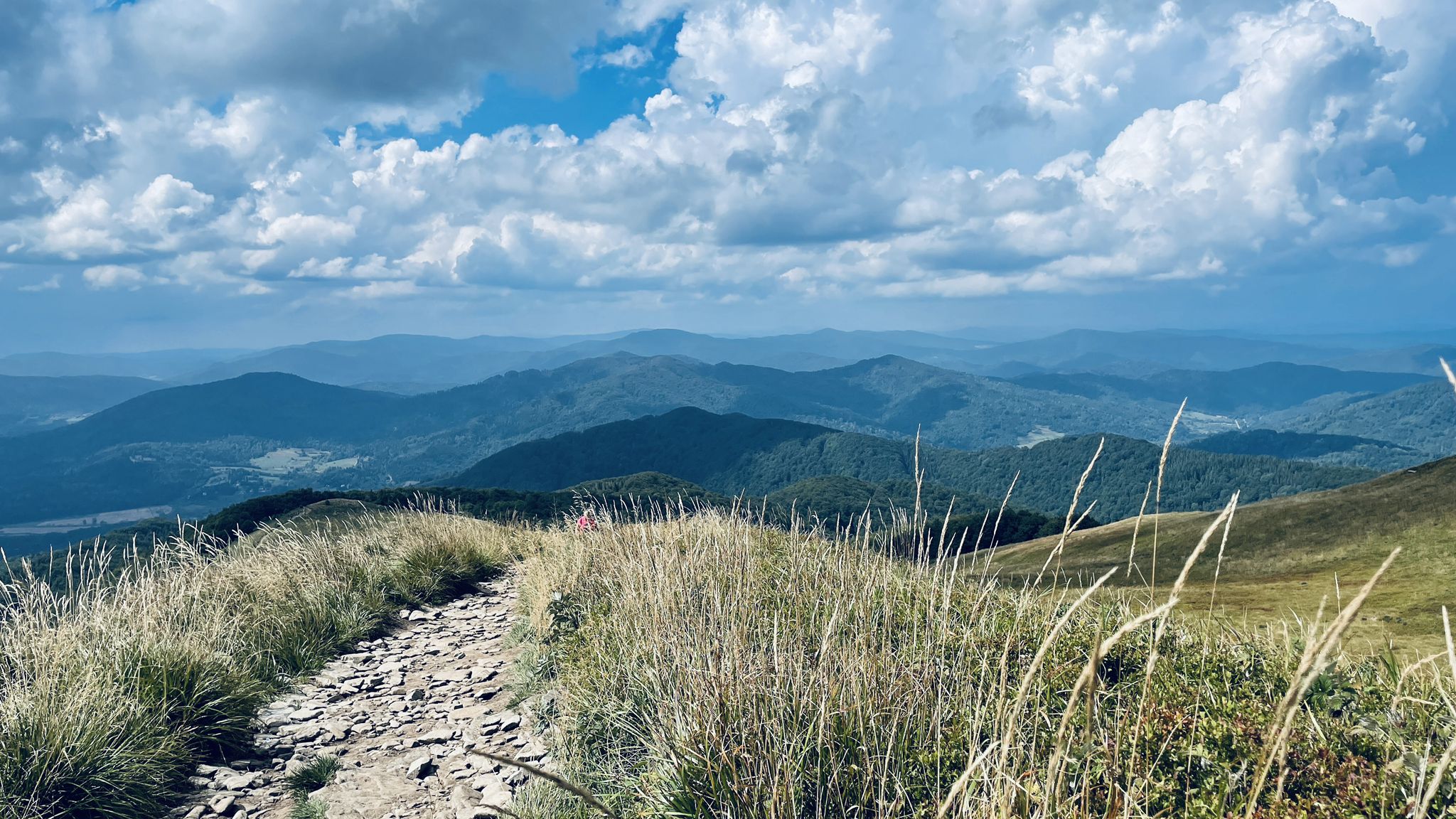
Main Beskids Trail — the longest Polish Mountain Trail
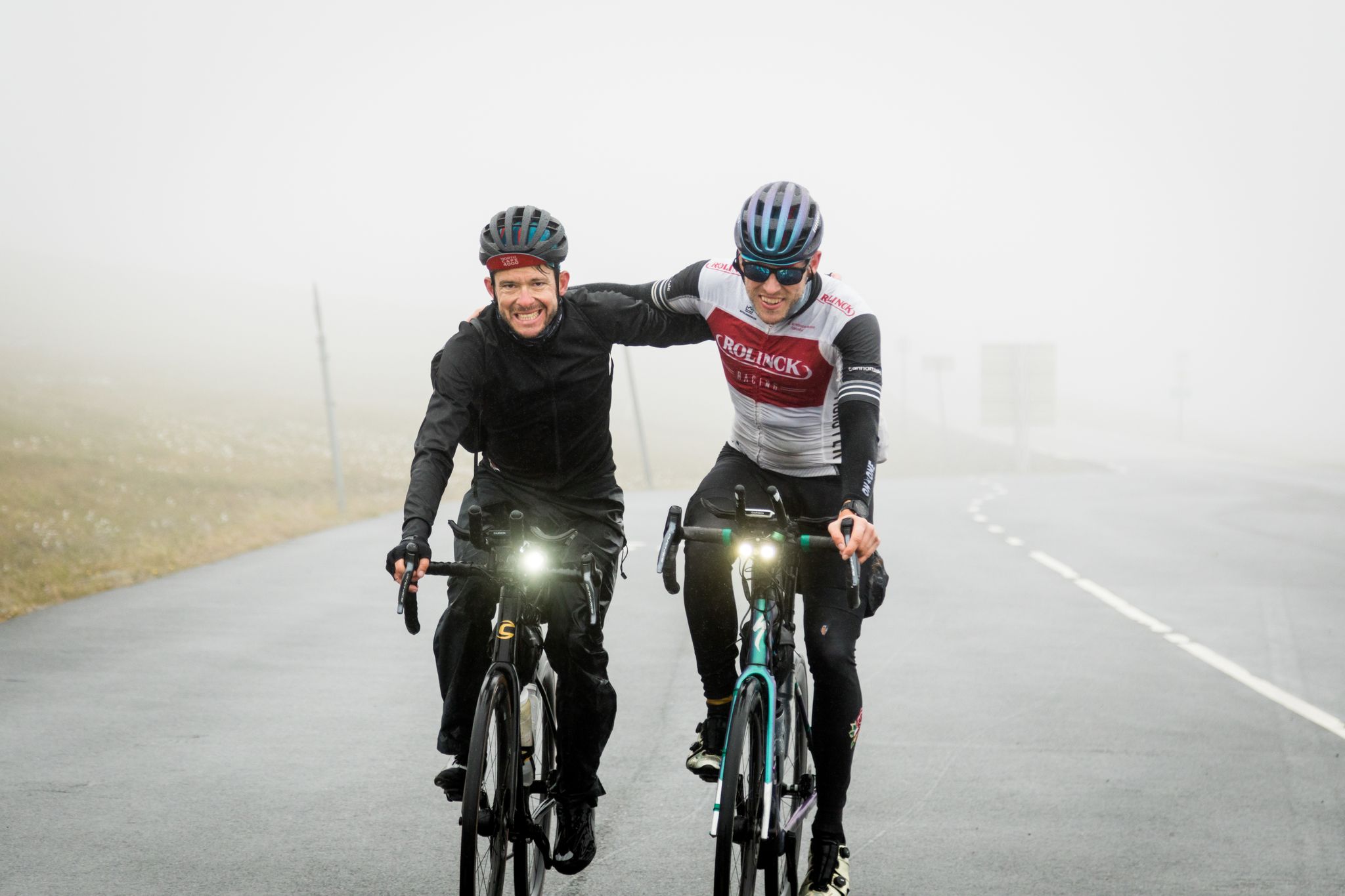
NorthCape4000 – 12 days from Lake Garda to the North Cape
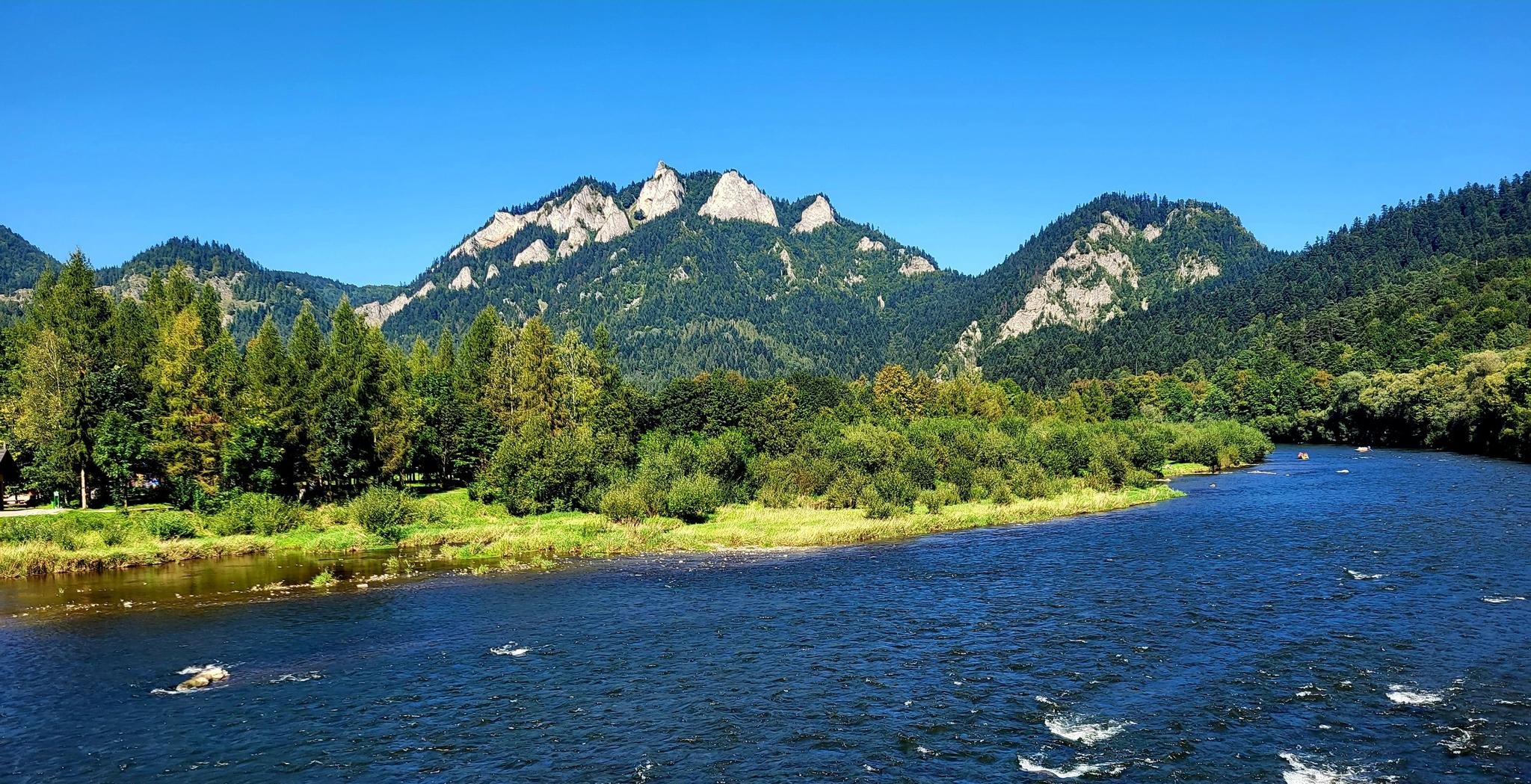
From Zakopane to Nowy Sącz along the river - Velo Dunajec
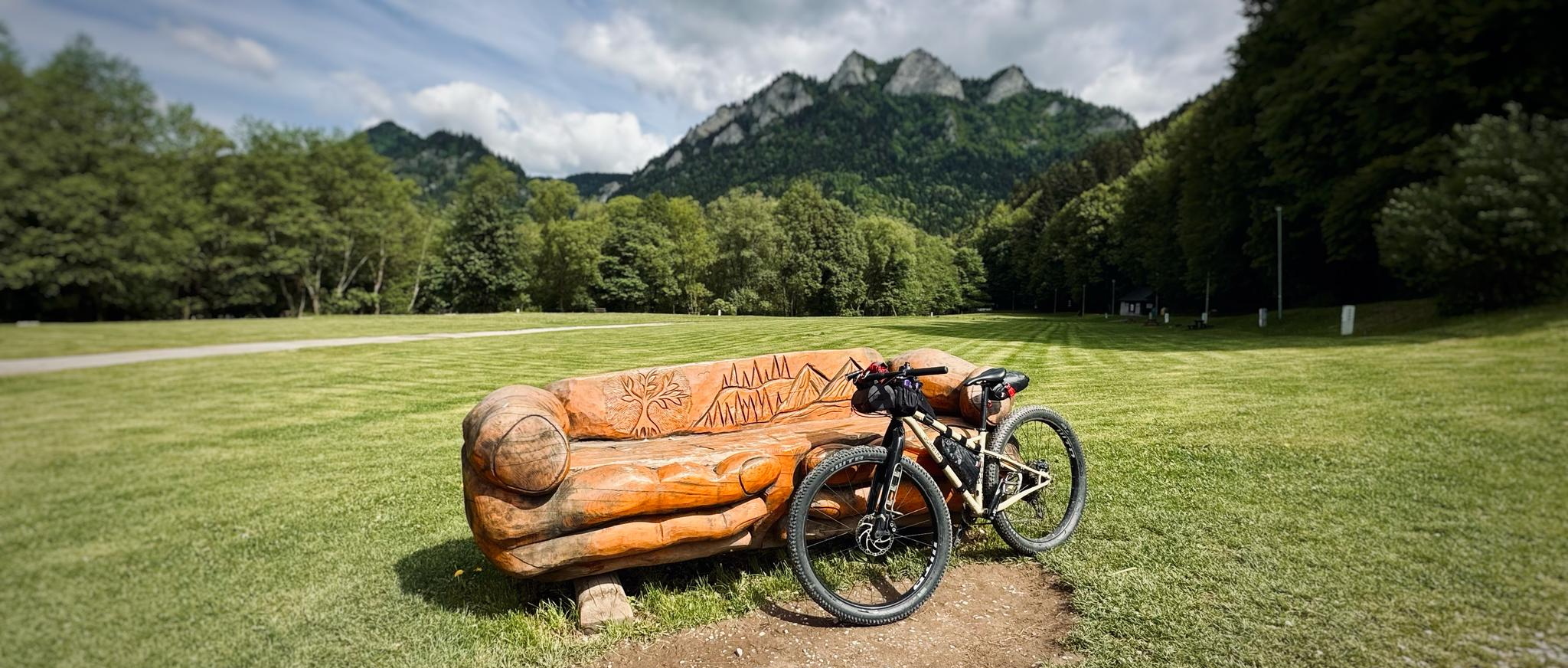
Between the Vistula & the High Tatras – bikepacking through Małopolska
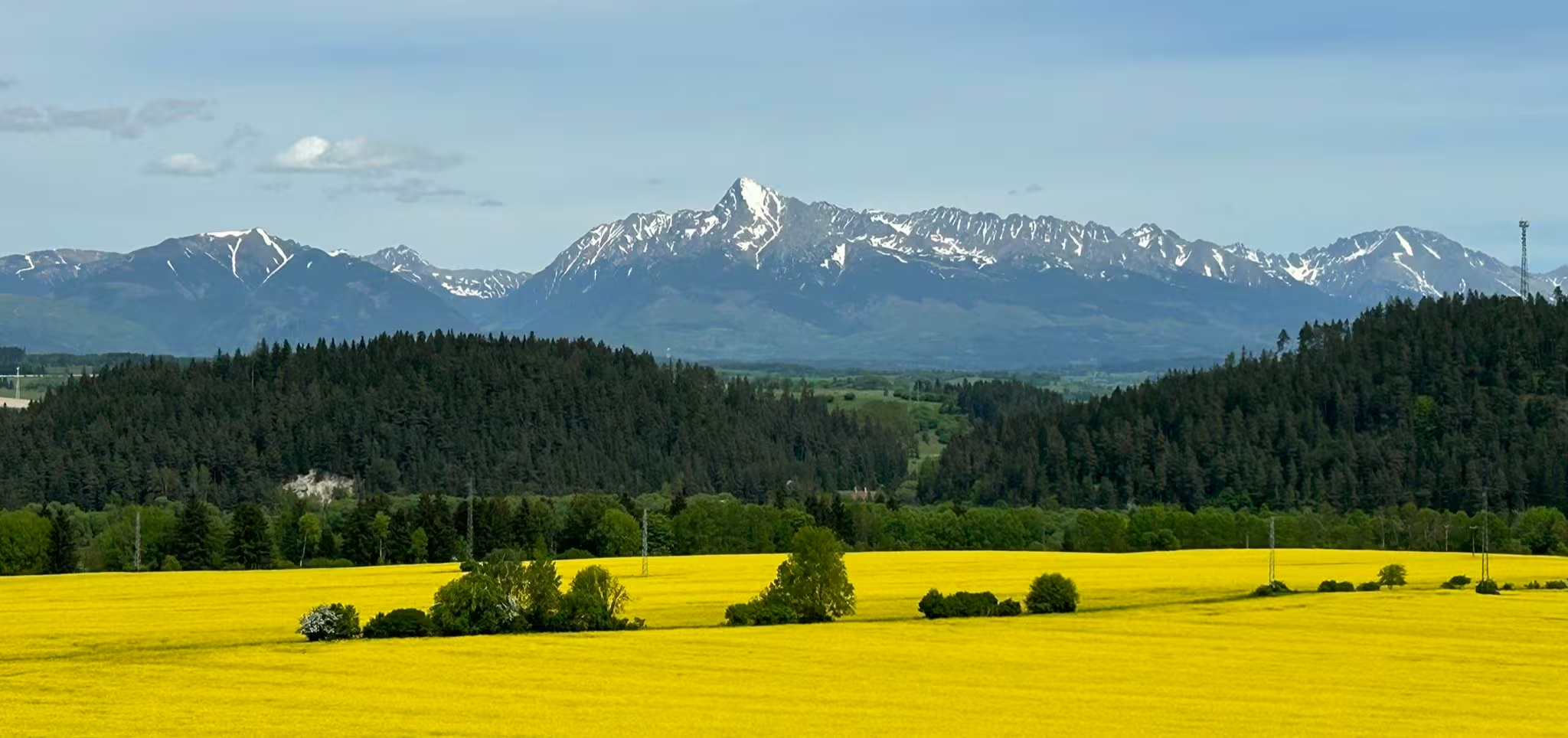
Discover the majesty of the mountains - Tour Around the Tatra Mountains (SWT)
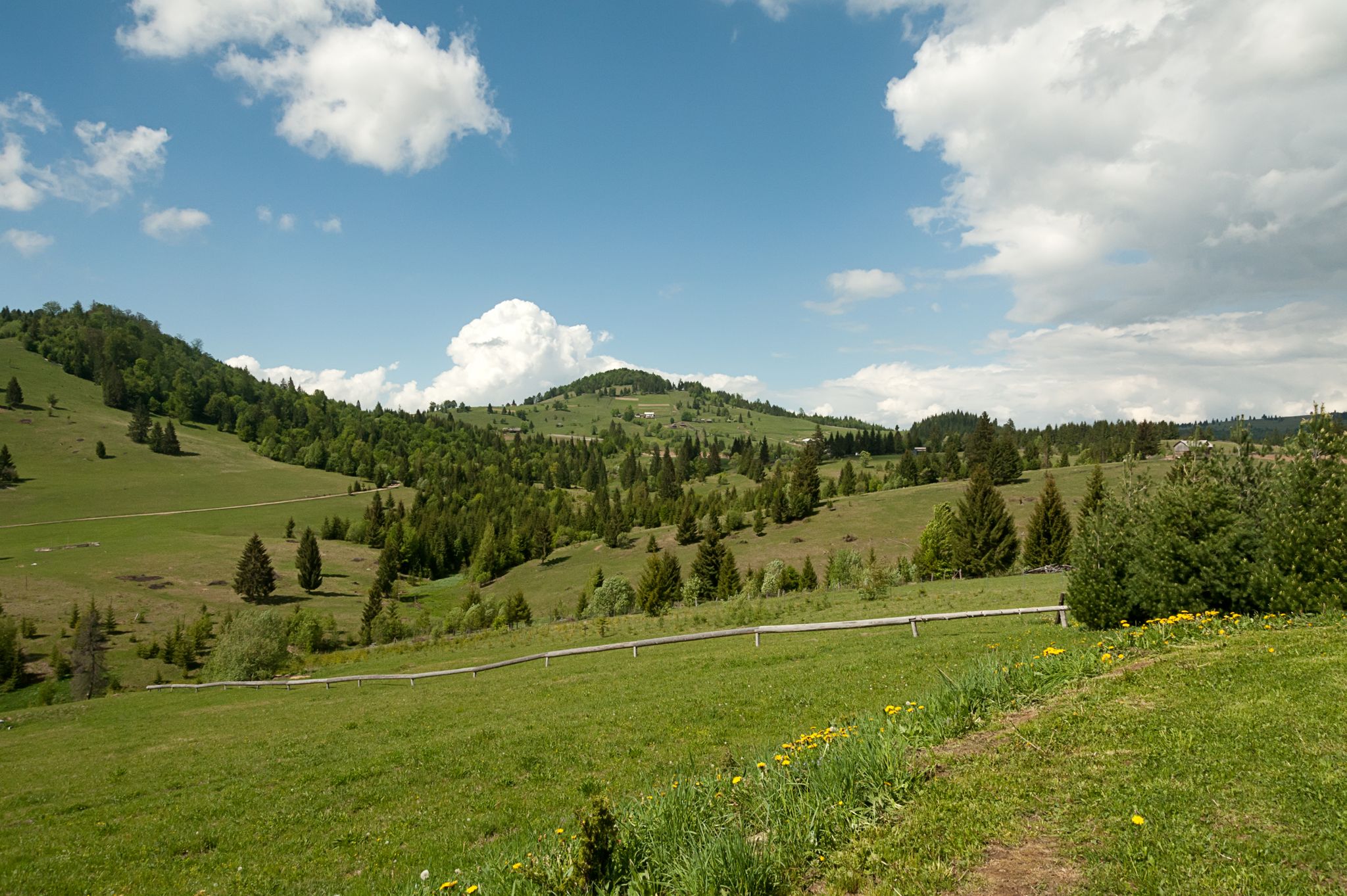
Via Transilvanica (second section) – Highlands
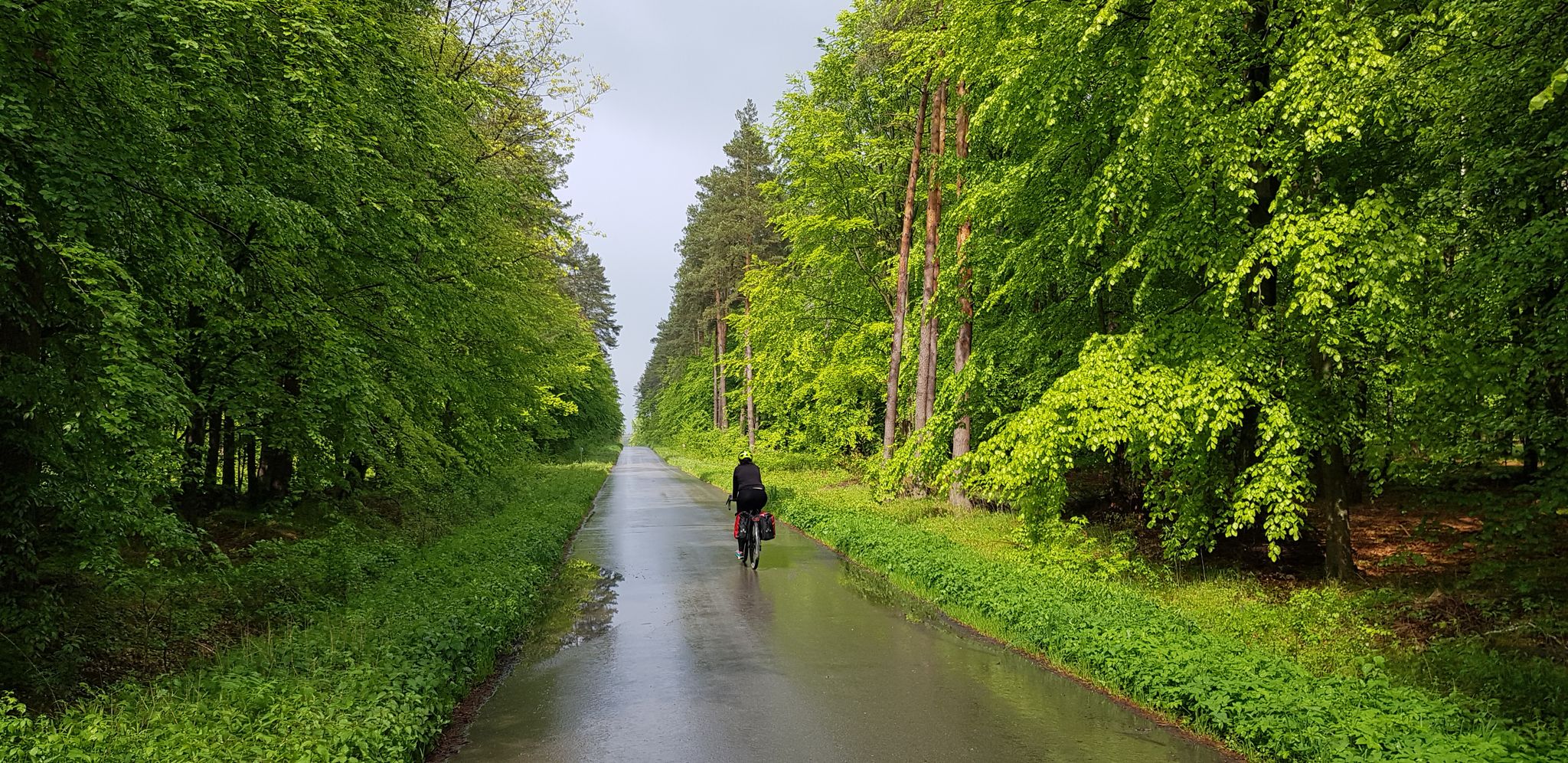
To the east, Eden – La Green Velo Szlak (part one)
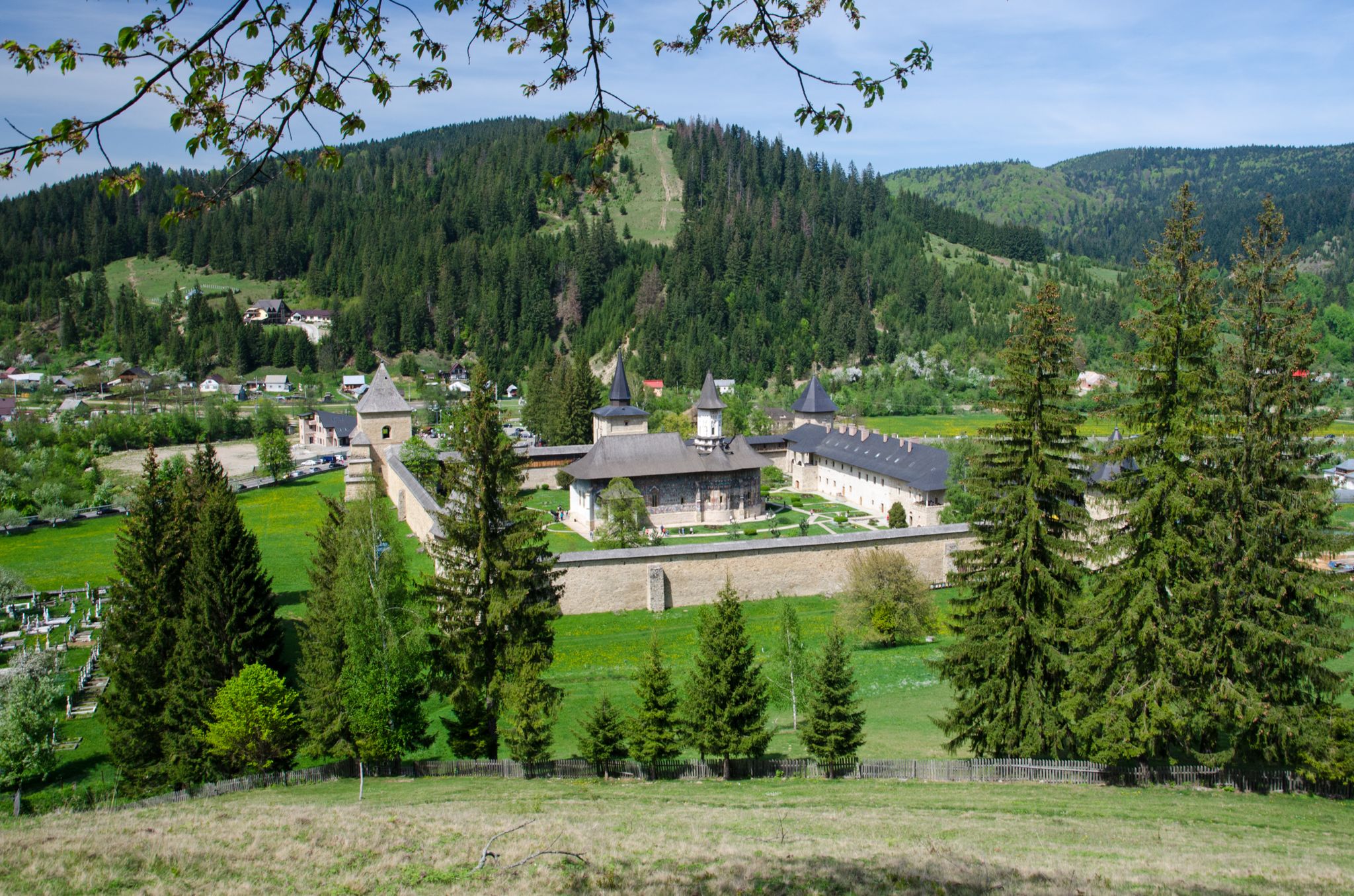
Via Transilvanica (first section) – Bucovina
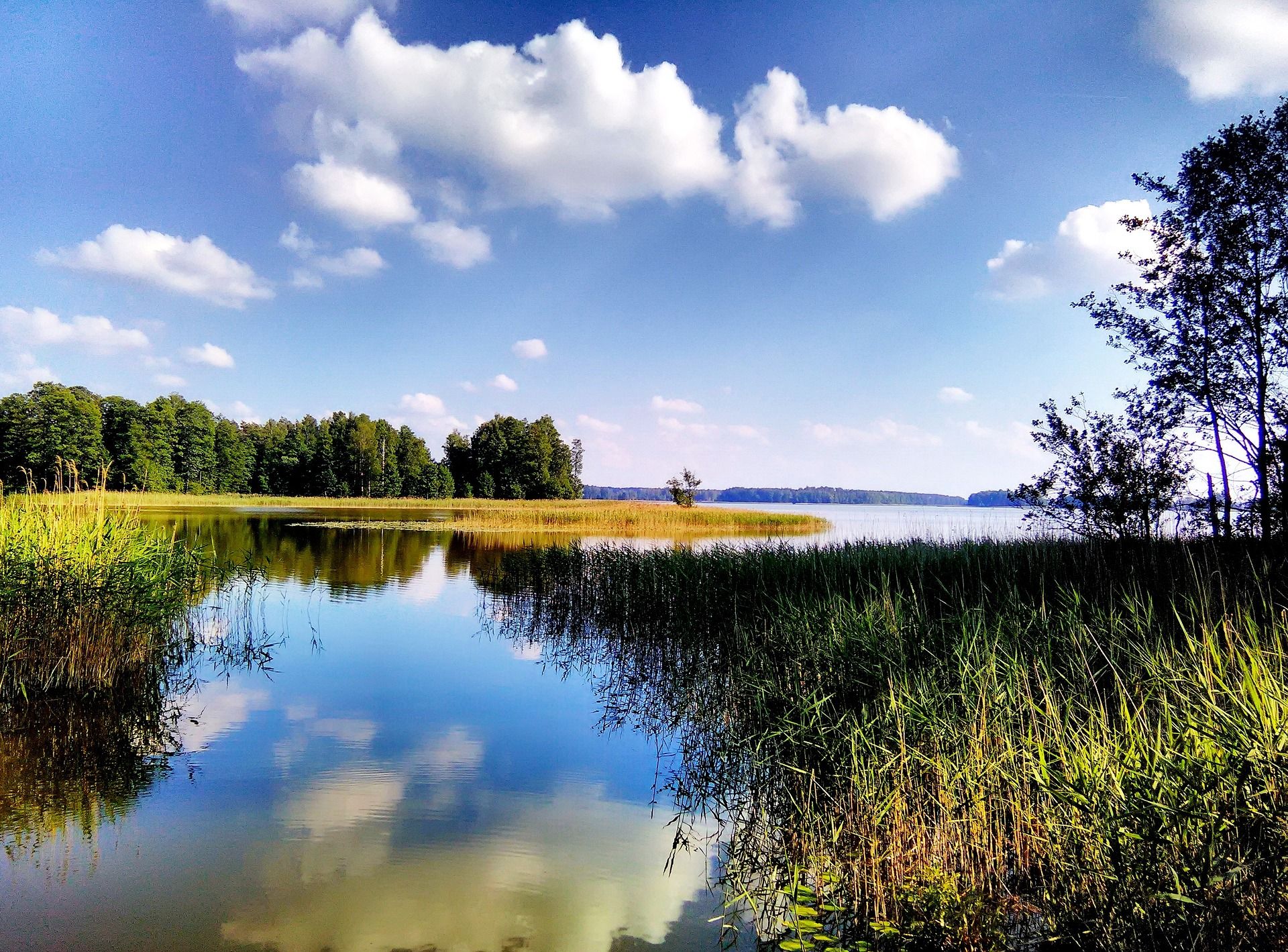
Where Poland's wild soul lives – explore five regions by bike
TCR No. 8 — racing across Europe
Other adventures in the Carpathian Mountains


Tips from the Community

Beautiful view of the Tatra Mountains
1
0

A beautiful waterfall with an even more beautiful name :-) a nice stop on the asphalt trail ;-)
0
0

Beautiful route, amazing views.
3
0


One of the most beautiful places in the Tatras at any time of year. https://youtu.be/dkuhN-VDZvk?si=Y8c9SHL7JVb0PqCU
1
1

Giewont is really the whole massif. This is its highest peak, Wielki Giewont. Giewont is the symbol of Zakopane, the Polish Tatras and Podhale. Because it is, you can expect crowds here - this peak is extremely popular. Especially at the very top, you have to be careful, because everything can be slippery for hundreds of feet here.
2
0
So, after all! You've arrived! You're on Rysy, the highest Polish peak. The views are stunning after this rather difficult ascent up the chains (if you're here from Morskie Oko in Poland). Rysy actually has three peaks: the central one, the northwestern one (this one here), and the southwestern one. Only this one here is on the Polish side.
0
0
Frequently Asked Questions
What unique geological features can I explore in the Carpathian Mountains?
The Carpathian Mountains are rich in unique geological formations. You can find dramatic limestone ridges, extensive cave systems, and impressive rock formations. For example, Romania's Piatra Craiului National Park features a striking limestone ridge, while the Bucegi Mountains are famous for the naturally sculpted Sphinx and Babele (Old Ladies). The Dunajec River Gorge also showcases impressive limestone cliffs.
Which natural monuments are particularly popular with visitors?
Among the most popular natural monuments in the Carpathian Mountains is Morskie Oko (Sea Eye), a picturesque lake that is a favorite destination for hikers. Another highly regarded spot is Great Giewont, a summit considered a symbol of the Polish Tatras. The Dunajec River Gorge is also very popular for its scenic cycle path and limestone cliffs.
Are there family-friendly natural monuments in the Carpathian Mountains?
Yes, several natural monuments are suitable for families. Morskie Oko (Sea Eye) is a picturesque lake that is well-visited and offers a circular hiking trail. Lake Czorsztyn is another beautiful, family-friendly lake with amazing views. Additionally, the Wodogrzmoty Mickiewicza Waterfalls offer an accessible and enjoyable experience for all ages.
What kind of natural features can I expect to see in the Carpathian Mountains?
The Carpathian Mountains offer a diverse range of natural features. You can explore high-altitude peaks like Great Giewont and Rysy Summit, stunning glacial lakes such as Morskie Oko and Lake Bucura, and dramatic river-carved canyons like the Dunajec River Gorge and Bicaz Gorges. The region also boasts dense forests, vast mountain pastures like Hala Gąsienicowa, and impressive waterfalls.
What are some popular hiking trails near these natural monuments?
The Carpathian Mountains offer numerous hiking opportunities. For challenging mountain hikes, you can explore routes like the Black Lake below Rysy – Morskie Oko loop or the Nosal Ascent – Gąsienicowa Meadow loop. If you're interested in waterfalls, trails like the Valley of Five Polish Lakes and Morskie Oko Trail are popular. You can find more details on these and other routes in the Mountain Hikes in the Carpathian Mountains and Waterfall hikes in the Carpathian Mountains guides.
Are there options for advanced hikers in the Carpathian Mountains?
Absolutely. The Carpathian Mountains provide challenging terrain for experienced hikers. Peaks like Rysy Summit, Great Giewont, Hoverla Summit, and Moldoveanu Peak offer demanding ascents with rewarding views. The two-day north-south ridge trail in Romania's Piatra Craiului National Park is also a challenging yet rewarding experience. Many routes in the Mountain Hikes in the Carpathian Mountains guide are graded as difficult.
Can I find routes for easy hikes to natural monuments?
Yes, there are several easy hiking options available. For instance, the Nature trail Folusz in Magurski National Park, the Nature trail "Torfowisko Wysokie Tarnawa Niżna", and the Buczynowa Nature Trail are all rated as easy. These trails allow you to experience the natural beauty without extreme difficulty. More easy routes can be found in the Easy hikes in the Carpathian Mountains guide.
What is the best season to visit the natural monuments in the Carpathian Mountains?
The best time to visit largely depends on your preferred activities. Summer (June to August) is ideal for hiking and exploring high-altitude areas, with wildflowers blooming and generally stable weather. Spring (April to May) and autumn (September to October) offer beautiful scenery with fewer crowds, though some higher trails might still have snow or become challenging due to changing weather. Winter provides opportunities for snow sports and a different kind of serene beauty, but many trails become inaccessible or require specialized gear.
Are there any notable cave systems in the Carpathian Mountains?
Yes, the Carpathian Mountains are home to impressive cave systems. Romania's Apuseni Nature Park is known as an underground adventure wonderland, featuring vast caverns carved by subterranean rivers. The Scarisoara Ice Cave within this park is particularly notable for its spectacular ice structures. In the Ukrainian Carpathians, the extensive Druzhba Cave is the longest karst cave in the region.
Where can I find impressive glacial lakes in the Carpathian Mountains?
The Carpathian Mountains boast several stunning glacial lakes. Romania's Retezat National Park, a UNESCO Biosphere Reserve, is characterized by significant glacial landscapes and over 80 glacial lakes, including Lake Bucura, the largest glacial lake in the Romanian Alpine area. In the Ukrainian Carpathians, Synevyr Lake is the largest lake, approximately 10,000 years old, with depths up to 24 meters.
What do visitors enjoy most about the natural monuments in the Carpathian Mountains?
Visitors frequently praise the breathtaking scenic beauty and the authentic wild landscapes. They appreciate the diverse ecosystems, from dramatic peaks and gorges to serene glacial lakes and ancient forests. Many enjoy the challenging yet rewarding hiking experiences, the opportunity for wildlife watching, and the sense of tranquility found in these largely undisturbed natural areas. The picturesque views, especially from viewpoints like Morskie Oko, are often highlighted.
Are there opportunities for winter hiking in the Carpathian Mountains?
Yes, winter hiking is possible in the Carpathian Mountains, offering a unique and serene experience. However, it requires proper preparation, equipment, and awareness of weather conditions. Many higher-altitude trails become challenging or inaccessible due to snow and ice. Lower elevation trails and designated winter routes can be explored, but it's crucial to check local conditions and forecasts. Some areas, like the Hala Gąsienicowa, are popular for winter activities, but can be very crowded.
Most popular routes in the Carpathian Mountains
Most popular attractions in the Carpathian Mountains

Get inspired with the komoot mobile app


Explore more
Extend your search for the best caves by checking out these guides of the top ones in the Carpathian Mountains:
