Top 5 Natural Monuments in the Pamir Mountains
Best natural monuments in the Pamir Mountains include towering peaks, vast glaciers, and high-altitude lakes, primarily located in Tajikistan. This region, often called the "Roof of the World," is characterized by dramatic landscapes and unique geological formations. Much of its natural beauty is preserved within the Tajik National Park, a UNESCO World Heritage site. The Pamir Mountains offer a blend of geological marvels and diverse ecosystems.
Best natural monuments in the Pamir Mountains
- The most popular natural monuments is Kyzylart…
Last updated: July 10, 2026
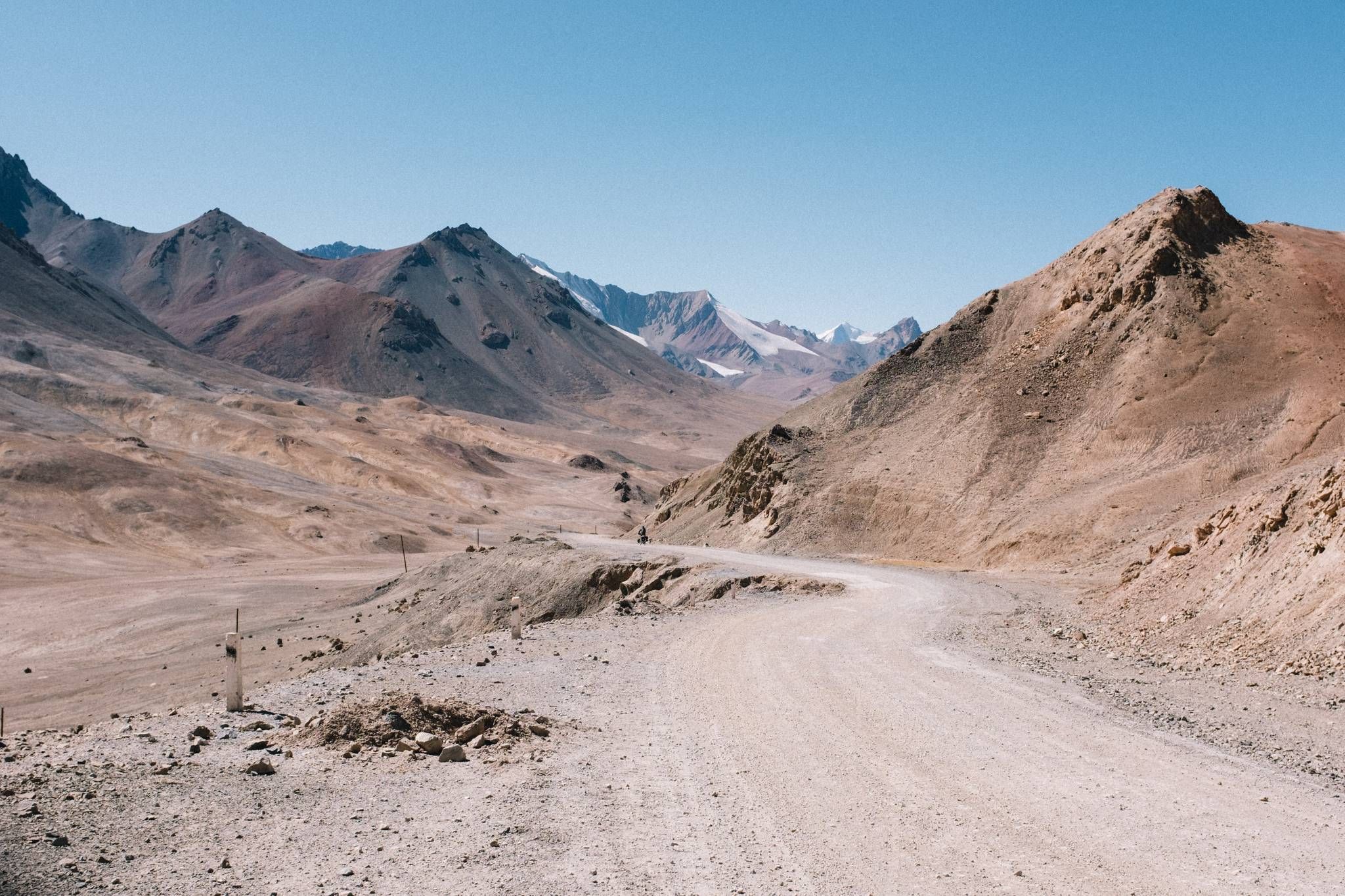
Kyzylart Pass
Highlight • Mountain Pass
Translated by Google •
Tip by

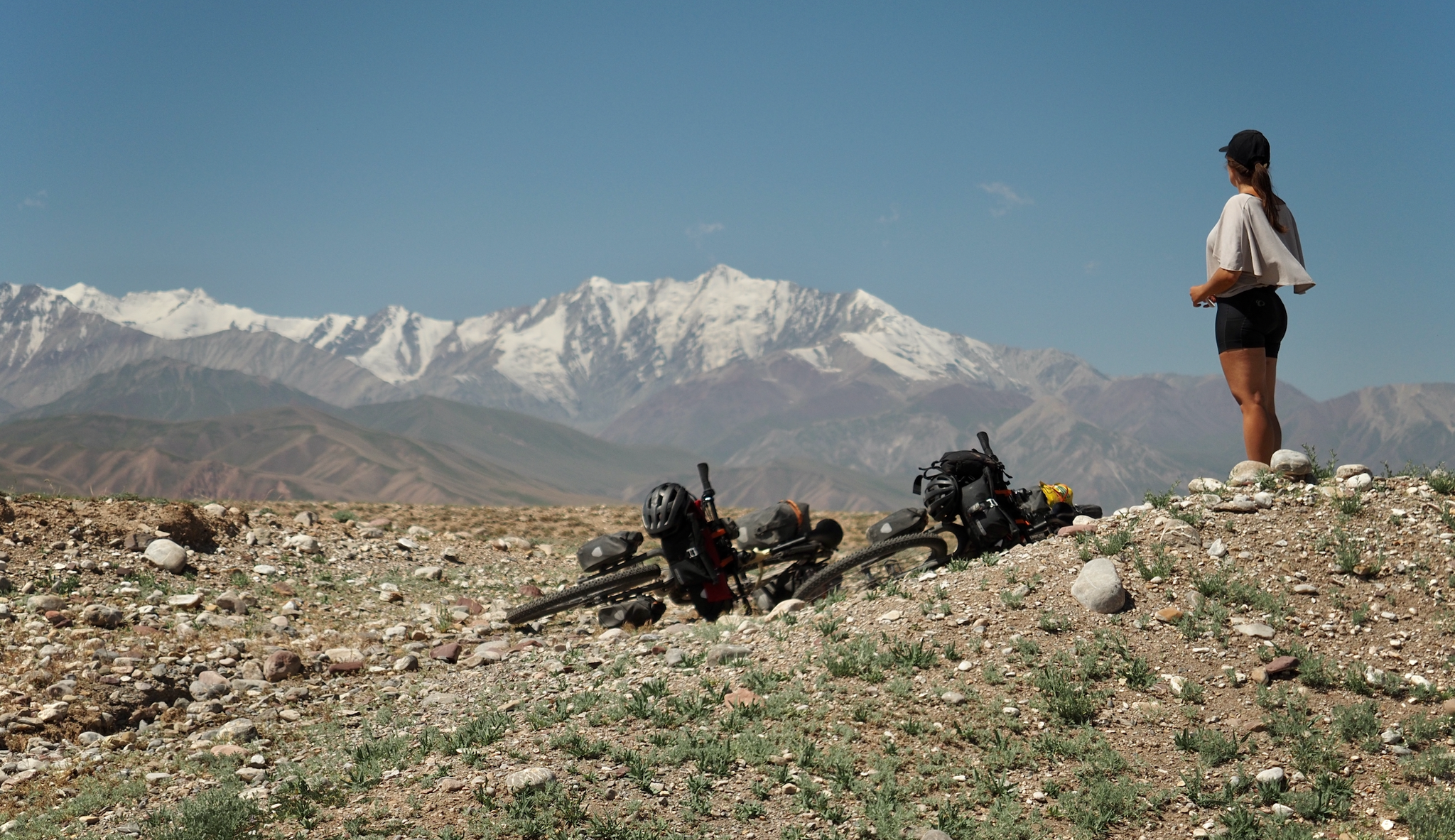
View of the Straight Road to the Snow-Capped Mountains
Highlight • Viewpoint
A quick descent on asphalt to the village of Karakul.
Tip by

Sign up now to discover places like this
Get recommendations on the best single tracks, peaks, & plenty of other exciting outdoor places.
Sign up for free
Garm Chashma Hot Springs
Highlight • Natural Monument
Tip by

Bibi Fatima Hotsprings
Highlight • Natural Monument
Translated by Google •
Tip by
Mineral Water Spring of Langar
Highlight • Natural Monument
There is also a bus stop and an outhouse next to it.
Translated by Google •
Tip by

Start today with a free account
Your next adventure awaits.
Login or Signup


Tips from the Community

Beautiful view of Lake Karakul and the mountains. A quick descent on asphalt to the village of Karakul.
0
0
Kyzyl-Art, Kyzylarth (Kyrgyz: Kyzyl-Art; Tajik: Surkhkotal) is a mountain pass in the Zaalai Range on the Pamir Highway on the border between Kyrgyzstan and Tajikistan. The Osh-Khorog motorway passes through the pass. The pass is 4,280 metres above sea level.
1
0

If you cross this border post, enjoy the journey, but keep in mind that it can get complicated at any time due to the weather, it is very changeable and could put you in serious difficulties if you cross it and are not well supplied and equipped.
1
1

The spring water is slightly fizzy and contains a little iron. Even the locals stop here to tap some of the healing water. There is also a bus stop and an outhouse next to it.
0
0

Very unique experience. The hot springs are natural. There is a bath built with a small entrance fee. Every half an hour the access changes between men and women. People use the hot springs for healing.
3
0

There are specific male and female times. The hot baths get VERY hot in summer!
0
0

This is one of the world's highest border posts at 4,280 meters. It's hard work to get there, but the view is fantastic. The border guards stamp your passport and we got to the other side without any hassle. When you cycle from Tajikistan to Kyrgyzstan it is quite a bit of no man's land before you get a new stamp to enter Kyrgyzstan.
3
0
A bath house with a hot spring. The water that comes straight from the mountain wall is great for warming up stiff muscles. It is quite a climb up, but the descent makes it worthwhile.
0
0
Frequently Asked Questions
What are some of the most unique geological features to explore in the Pamir Mountains?
The Pamir Mountains are a geologically dynamic region, offering insights into ongoing mountain-building processes. You can explore features like Kyzylart Pass, one of the world's highest border posts at 4,280 meters, offering expansive mountain views. The region is also home to the Fedchenko Glacier, the longest glacier outside the polar regions, and Lake Sarez, formed by the highest natural dam in the world.
Are there any natural hot springs in the Pamir Mountains worth visiting?
Yes, the Pamir Mountains feature several natural hot springs. Garm Chashma Hot Springs offers a unique experience, with natural springs used for healing. Another option is Bibi Fatima Hotsprings, where the water from the mountain wall is great for warming up stiff muscles after a climb.
What is the best time to visit the Pamir Mountains for outdoor activities?
The best time to visit the Pamir Mountains for outdoor activities like trekking and climbing is generally during the summer months, from June to September. During this period, the weather is more stable, and high mountain passes are typically clear of snow, making routes more accessible. However, be prepared for changeable weather even in summer.
What kind of views can I expect when visiting natural monuments in the Pamir Mountains?
The Pamir Mountains offer breathtaking panoramic views. From high mountain passes like Kyzylart Pass, you can see expansive mountain vistas. The View of the Straight Road to the Snow-Capped Mountains offers beautiful views of Lake Karakul and the surrounding peaks. The region's stark, lunar landscapes and towering peaks create surreal and awe-inspiring scenery.
Are there family-friendly natural monuments or activities in the Pamir Mountains?
While many areas in the Pamir Mountains are challenging, some natural monuments offer more accessible experiences. The Mineral Water Spring of Langar is considered family-friendly, where even locals stop to tap healing water. The Wakhan Valley also offers a blend of dramatic scenery and traditional village life, which can be interesting for families, though some hikes may be strenuous.
What wildlife might I encounter in the Pamir Mountains?
The Pamir Mountains boast significant biodiversity, with unique flora and fauna adapted to the harsh high-altitude climate. Visitors might have the chance to spot rare and threatened species such as the snow leopard, Siberian ibex, and Marco Polo Argali sheep, particularly in the more remote and untouched wilderness areas.
What are the options for hiking near the natural monuments in the Pamir Mountains?
The Pamir Mountains offer a range of hiking opportunities, from moderate to difficult. You can find routes like the 'Peak Lenin – Peak Lenin Base Camp loop' or the 'View of the Pamir Mountains – View of Engels Peak loop'. For more details on various hiking trails in the region, you can explore the Hiking in the Pamir Mountains guide.
What makes the Pamir Mountains a UNESCO World Heritage site?
Much of the Pamir Mountains' stunning natural beauty is preserved within the Tajik National Park, which is a UNESCO World Heritage site. This designation recognizes the park's exceptional natural beauty, its unique geological formations, and its importance for biodiversity, encompassing vast glaciers, high-altitude lakes, and diverse ecosystems. You can learn more about the site on the UNESCO website.
Are there any high-altitude lakes to visit in the Pamir Mountains?
Yes, the Pamir Mountains are renowned for their high-altitude lakes. Lake Karakul, often considered the highest large lake of meteoric origin in the world, is a notable example. Its name, meaning 'black lake,' refers to its changing colors from deep navy to icy turquoise, set against a stark, lunar landscape.
What should I wear when hiking to natural monuments in the Pamir Mountains?
Due to the high altitude and changeable weather conditions in the Pamir Mountains, it's crucial to dress in layers. Be prepared for significant temperature drops, strong winds, and potential snow even in summer. Waterproof and windproof outer layers, warm insulation, and sturdy hiking boots are essential for safety and comfort.
What is the Wakhan Valley known for?
The Wakhan Valley is a fertile corridor along the Panj River, contrasting with the barren plateaus of the eastern Pamirs. It's known for its dramatic mountain scenery, traditional Pamiri village life, natural hot springs, and historical sites. It offers a unique blend of cultural and natural experiences, with green villages nestled among snow-covered peaks.
What are some of the most challenging natural monuments for mountaineers in the Pamir Mountains?
The Pamir Mountains are home to some of the world's highest peaks, presenting ultimate challenges for mountaineers. These include Ismoil Somoni Peak (7,495 meters), Ibn Sina Peak (7,134 meters), and Korzhenevskoi Peak (7,105 meters). These towering giants, especially those in the Academy of Sciences Range, are for experienced climbers.
Most popular routes in the Pamir Mountains
Most popular attractions in the Pamir Mountains

Get inspired with the komoot mobile app


Explore more
Extend your search for the best caves by checking out these guides of the top ones in the Pamir Mountains:
