Top 5 Natural Monuments in the Langeberg Range
Best natural monuments in the Langeberg Range showcase the Western Cape's rich natural heritage, featuring magnificent mountain scenery and diverse flora. This region, part of the Cape Floral Kingdom, is known for its rugged terrain, indigenous forests, and unique geological formations. The Langeberg mountains stretch for approximately 200 km, providing a dramatic backdrop for exploration. Visitors can experience a variety of natural landscapes, from fynbos-covered slopes to deep gorges and waterfalls.
Best natural monuments in the Langeberg Range
- The most…
Last updated: July 10, 2026
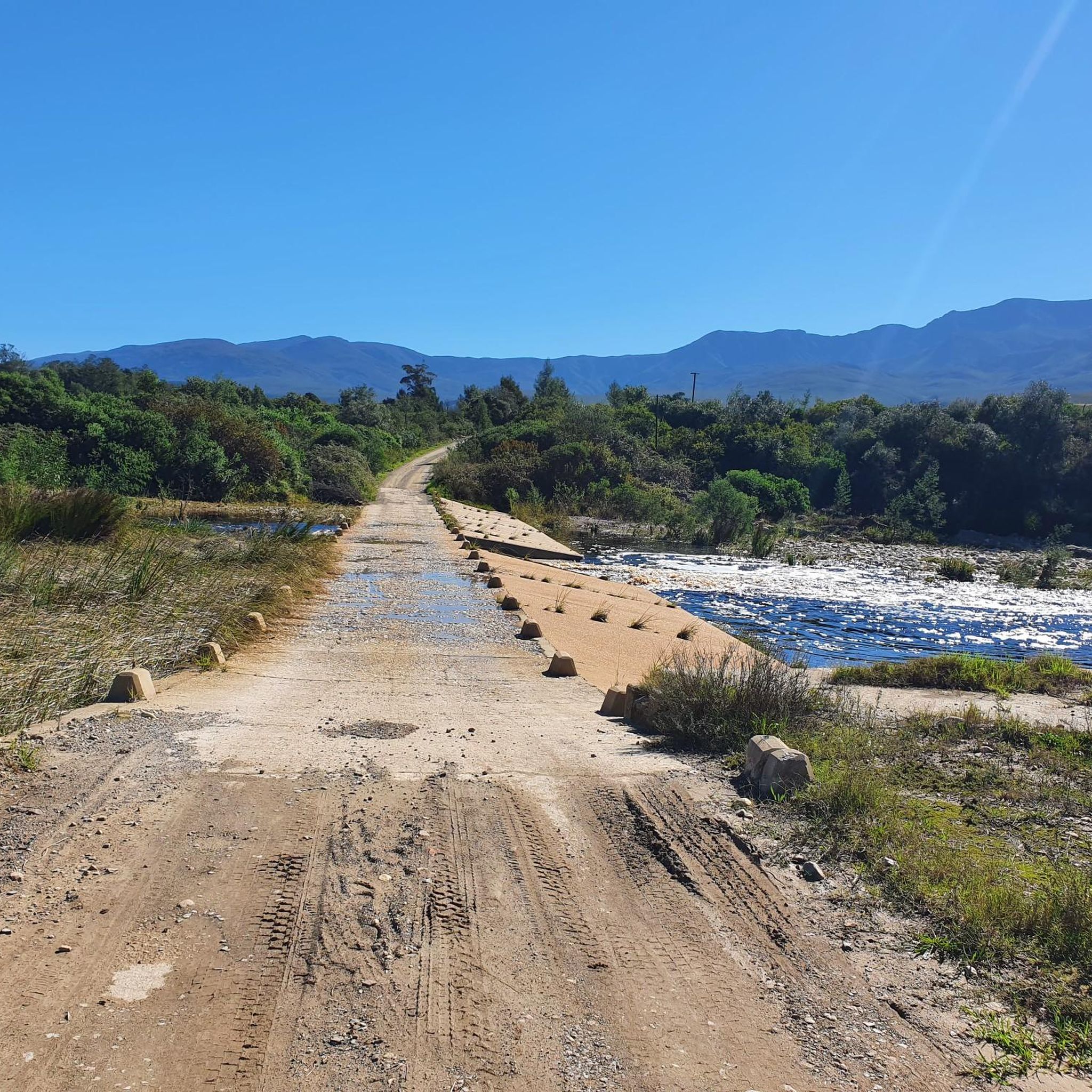
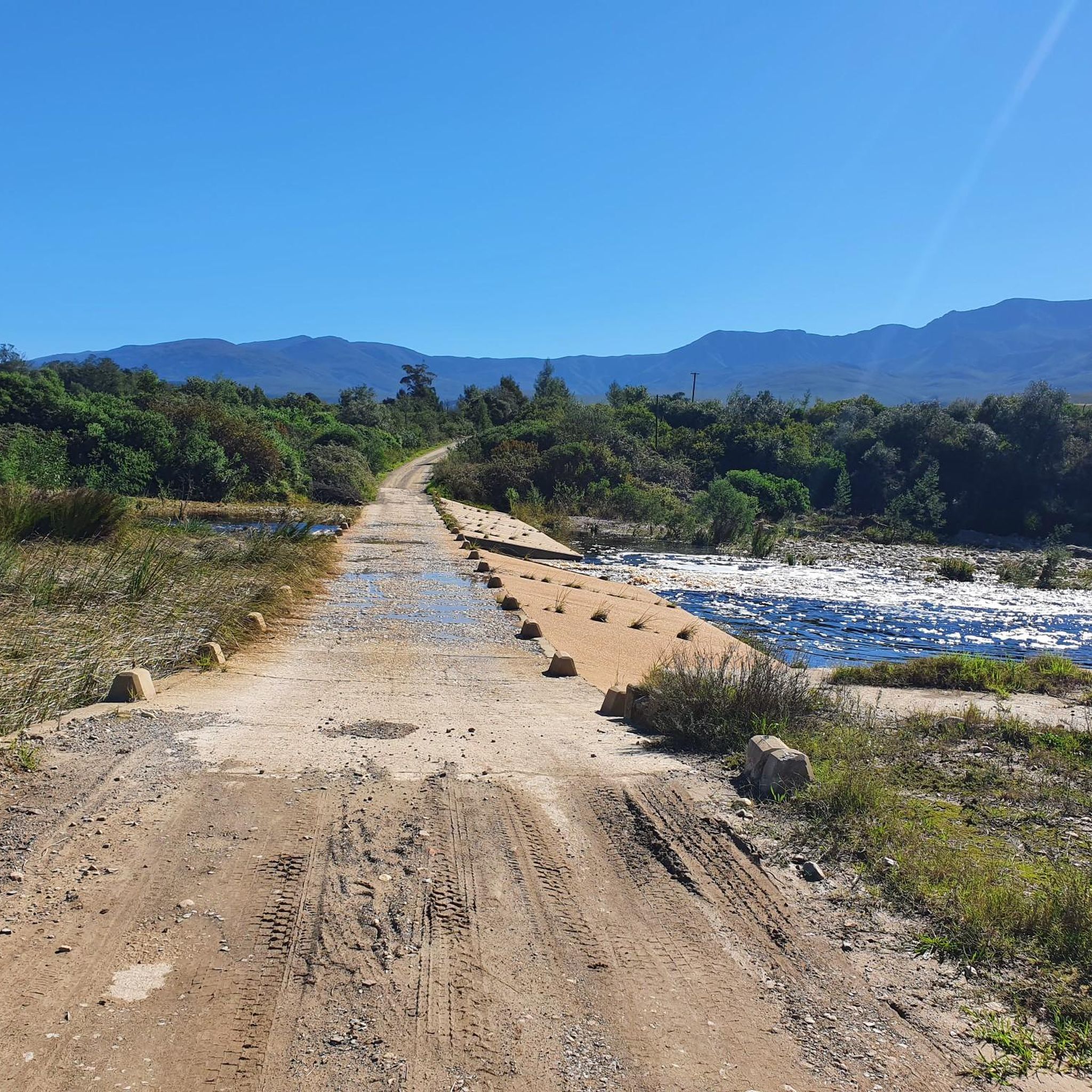
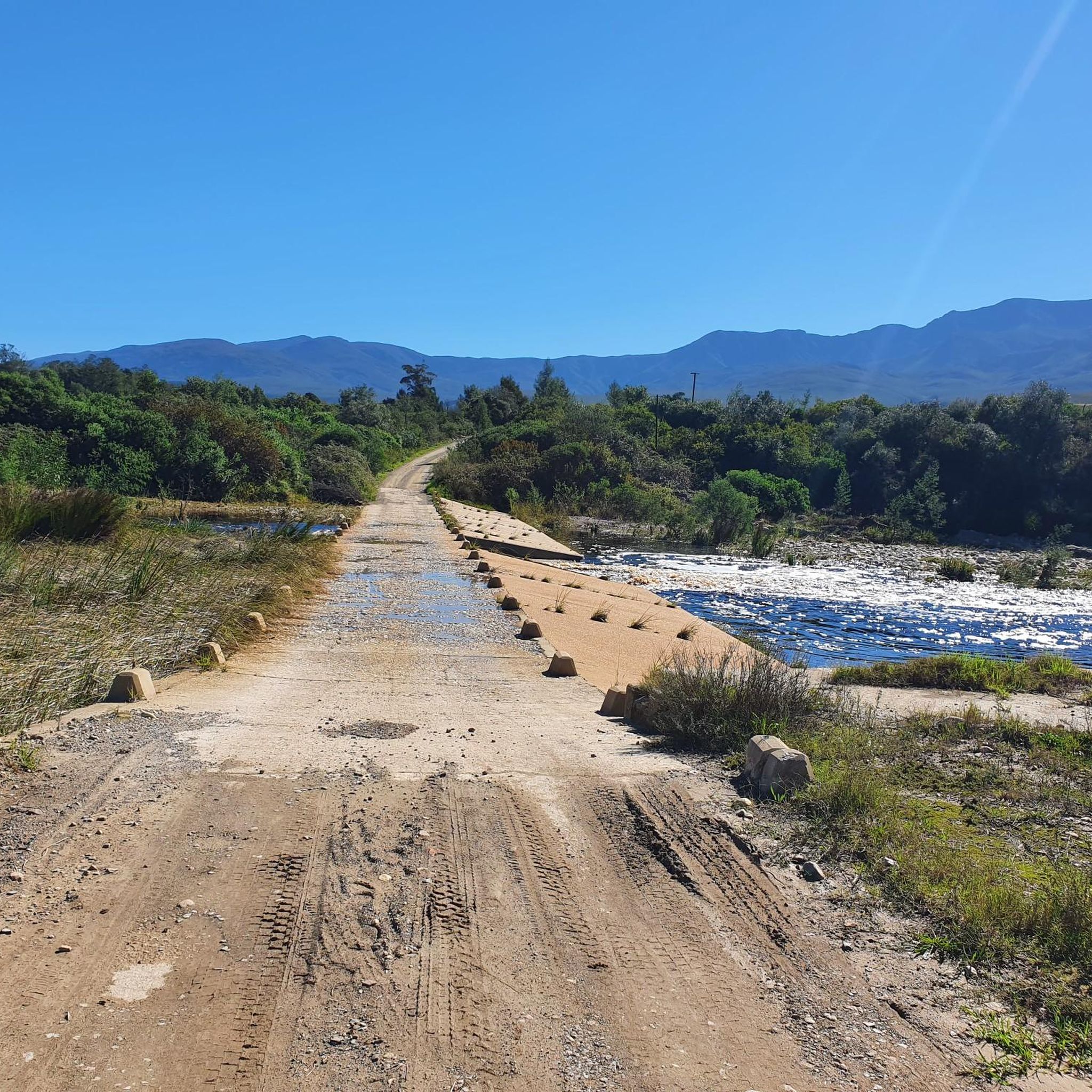
Stream Above the Waterfall (Marloth Nature Reserve)
Highlight (Segment) • River
Translated by Google •
Tip by

Waterfall Hiking Trail Montagu
Highlight (Segment) • Trail
Tip by

Sign up now to discover places like this
Get recommendations on the best single tracks, peaks, & plenty of other exciting outdoor places.
Sign up for free
Tradouw Pass
Highlight (Segment) • Mountain Pass
Tip by

Extreme caution on the way down to the pool
Highlight • Gorge
Tip by
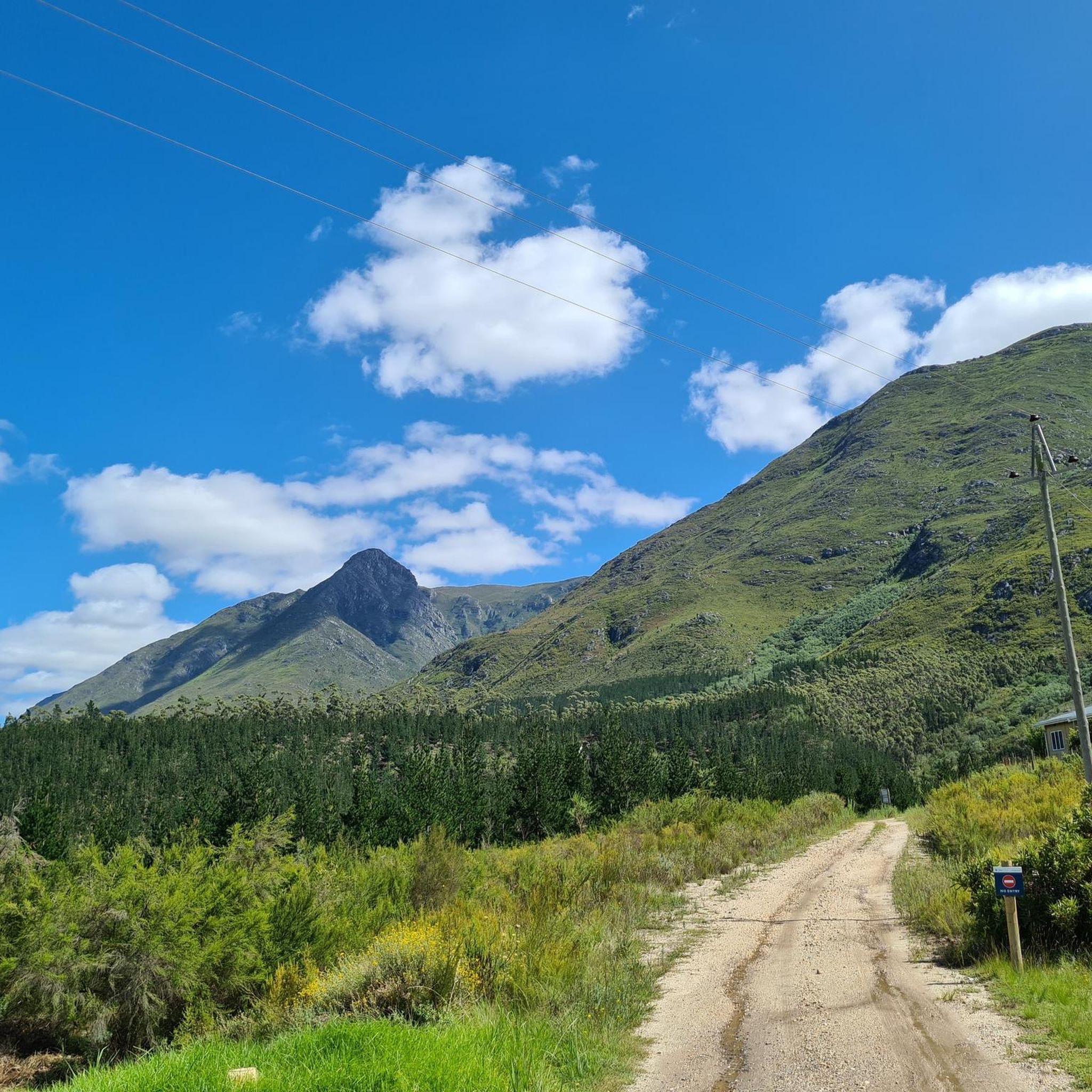
Twaalfuurkop Summit
Highlight • Summit
Translated by Google •
Tip by

Start today with a free account
Your next adventure awaits.
Login or Signup
Tips from the Community

The Twaalfuurkop peak in the Langeberg Mountains is 1428 m high and is located in the Merloth Nature Reserve near Swellendam. You can reach the summit without climbing equipment via a well-developed hiking trail. The climb is challenging due to the gradient and takes 3 to 3.5 hours. From the summit you have a fantastic view over the Langeberg Mountains, the Rûensveld and, if the visibility is clear, far out to the Indian Ocean.
2
0

A stunning pass road on "Tar" that will surely drop your jaws for the views and the beautiful switchbacks.
2
0
Tarmac, but still one of the most beautiful pass roads I have ever ridden! Be sure to pack a camera.
2
0

WARNING: Please take pepper spray, a pocket knife, or foldable batton with you, when running, or hiking in this area. I've done this trail on my own, yet took a pocket knife, and I'm skilled in close-quarters combat too. Don't take the risk, since this press report was released: https://www.msn.com/en-za/news/crime/2-suspects-in-custody-after-a-woman-found-dead-in-barrydale/ar-BB1eS7Aa?li=BBqfP3n
1
0
The trail down to the Pool is difficult to negotiate, hence rope most of the way, to assist with the journey down, and back up again.
1
0
This is a part of the return to the start of the Bloupunt Hiking Trail, circular route. Can be done as a short hike to see the gorge and waterfalls. There is a water filter located in the rock pool, with a pipe connected, which makes filling your hydration bladder, or Nalgene bottle a breeze for the end stretch of the Bloupunt Hike. To get to the Silver Stream Waterfall it's a very steep climb, and suggested viewing would rather be when returning on the Bloupunt Trail i.e. on the way down.
5
0

We are in the Marloth Nature Reserve. The gate at the main entrance is open from sunrise to sunset. At the office one pays 40, - ZAR per adult and one can register in case of the cases in a log book. The employees check the return, so nobody gets lost. Details (also for multi-day stays) can be found on the net under "http://www.capenature.co.za/reserves/marloth-nature-reserve/" under the tab "Activities / Hiking and Walking" you can also get a very good map download. (The cards in the office are not that detailed). We have done the complete Plaat tour, the trails are well signposted and very easy to find. Our highlight was the oasis above the waterfall, here was a very lush vegetation and the place offered a good opportunity for a long break. Have fun discovering.
4
0
Frequently Asked Questions
What types of natural features can I expect to see in the Langeberg Range?
The Langeberg Range is renowned for its diverse natural features, including magnificent mountain scenery, rugged terrain, and unique geological formations. You'll find extensive mountain fynbos, indigenous afromontane forests, deep gorges, and waterfalls. Notable examples include the lush vegetation around Stream Above the Waterfall (Marloth Nature Reserve) and the scenic vistas from Tradouw Pass.
Are there specific nature reserves worth visiting in the Langeberg Range?
Yes, the Langeberg Range is home to several significant nature reserves. The Marloth Nature Reserve in the Swellendam Mountains offers extensive fynbos and indigenous forests, with peaks that often see snow in winter. The Grootvadersbosch Nature Reserve protects 250 hectares of indigenous afromontane forest and is a World Heritage Site. Adjacent to it, the Boosmansbos Wilderness Area provides an immersive experience in pristine mountainous terrain and forests, also a World Heritage Site.
What outdoor activities are popular near the natural monuments in the Langeberg Range?
The region offers a variety of outdoor activities. Hiking is very popular, with trails ranging from moderate to challenging, such as the Waterfall Hiking Trail Montagu. Mountain biking and general cycling are also excellent ways to explore the scenic landscapes. You can find more details on routes in the area by visiting the Hiking in the Langeberg Range, MTB Trails in the Langeberg Range, and Cycling in the Langeberg Range guides.
What is the best time of year to visit the Langeberg Range for hiking?
The Langeberg Range offers beautiful scenery year-round, but the best time for hiking generally depends on your preference. Spring (September to November) is ideal for witnessing spectacular floral displays, especially the fynbos. Autumn (March to May) offers pleasant temperatures. Winter (June to August) can bring snow to higher peaks, creating picturesque landscapes, but trails may be more challenging. Summers (December to February) can be hot, so early morning hikes are recommended.
Are there any challenging trails for experienced hikers?
Yes, the Langeberg Range offers several challenging trails. For instance, the climb to Twaalfuurkop Summit in the Marloth Nature Reserve is a demanding ascent that takes 3 to 3.5 hours, rewarding hikers with fantastic views. The Waterfall Hiking Trail Montagu also presents a challenging route with steep sections.
Are there any family-friendly natural monuments or trails in the Langeberg Range?
While many trails in the Langeberg Range can be challenging, some sections or shorter walks within reserves like Marloth Nature Reserve offer more accessible options. The well-signposted trails within Marloth, such as those leading to Stream Above the Waterfall, can be enjoyed by families looking for a less strenuous experience amidst lush vegetation.
What permits or fees are required to access nature reserves in the Langeberg Range?
Access to nature reserves like Marloth Nature Reserve, Grootvadersbosch Nature Reserve, and Boosmansbos Wilderness Area typically requires permits and may involve entrance fees. For example, at Marloth Nature Reserve, there is a fee per adult, and visitors are required to register in a logbook. It's advisable to check the official CapeNature website for the most current information on fees and permit requirements for each specific reserve before your visit.
Can I spot wildlife in the Langeberg Range?
The Langeberg Range, particularly within its protected areas, is rich in biodiversity. Visitors have opportunities to spot diverse wildlife, including baboons, elands, and various bird species. The region's fynbos and indigenous forests provide habitats for a wide array of fauna, making it an excellent destination for nature observation.
What are the Clock Peaks and where can I see them?
The Clock Peaks are a notable subrange within the Langeberg Mountains, located near Swellendam. They are known for their seven distinct summits, where local lore suggests one can tell time by their shadows. These peaks contribute to the dramatic backdrop of the Langeberg Range and offer spectacular views, especially from various viewpoints and trails in the surrounding areas.
What should I wear when hiking in the Langeberg Range?
When hiking in the Langeberg Range, it's recommended to wear comfortable, layered clothing suitable for varying weather conditions, as mountain weather can change quickly. Sturdy hiking boots are essential for navigating the rugged terrain. Depending on the season, consider bringing sun protection (hat, sunscreen), rain gear, and warmer layers, especially if you plan to hike to higher elevations or during cooler months.
Are there any unique geological features in the Langeberg Range?
The Langeberg Range is part of the Cape Fold Belt, which gives rise to its striking rock formations, steep slopes, and rugged terrain. The mountain passes, such as Tradouw Pass, showcase impressive geological cuts and vistas. The deep gorges and waterfalls found throughout the region are also direct results of its unique geological history and erosion.
Most popular attractions in the Langeberg Range

Get inspired with the komoot mobile app


Explore more
Extend your search for the best caves by checking out these guides of the top ones in the Langeberg Range:
