Top 17 Natural Monuments around Eich
Natural monuments around Eich, located in the German state of Rhineland-Palatinate, are characterized by their diverse natural landscapes, particularly along the Rhine River. The region features significant ecological areas like floodplains, wetlands, and forests. These areas offer opportunities for exploring rich biodiversity and scenic beauty. The vicinity of Eich is known for its protected nature reserves, which serve as vital habitats for various flora and fauna.
Best natural monuments around Eich
- The most popular natural monuments is Zellmoos Nature Reserve…
Last updated: June 26, 2026
Zellmoos Nature Reserve
Highlight • Natural Monument
With an …
Translated by Google •
Tip by

Winkelried Monument
Highlight • Monument
Arnold Winkelried, or Arnold von Winkelried, is the hero of the Battle of Sempach (July 9, 1386) in traditional Swiss national history. Through his …
Translated by Google •
Tip by

Sign up now to discover places like this
Get recommendations on the best single tracks, peaks, & plenty of other exciting outdoor places.
Sign up for free
Steinibühl Pond
Highlight • Lake
Translated by Google •
Tip by

Vogelmoosweiher
Highlight • Lake
Translated by Google •
Tip by

Lake Baldegg
Highlight • Lake
Translated by Google •
Tip by

Sign up for free to discover even more natural monuments around Eich.
Sign up for free
Already have an account?
Start today with a free account
Your next adventure awaits.
Login or Signup
Other adventures around Eich

Tips from the Community

There is an adventure trail by the pond. This leads through the middle of the biotope at any time of year. This rich habitat can be experienced intensively with all of the senses.
1
0

Anyone interested in the history of the Swiss Confederation cannot help but pay a visit to the Winkelried Memorial (the place where he is said to have died heroically). The nearby and unfortunately busy "Battle Street" makes it difficult to imagine that the Swiss and Habsburgs once stood hostilely against each other here.
0
0

The idyllic pond is often covered with water lilies and is a popular local recreation area for good reason. There is a barbecue area with seating, a toilet and shelter nearby.
0
0

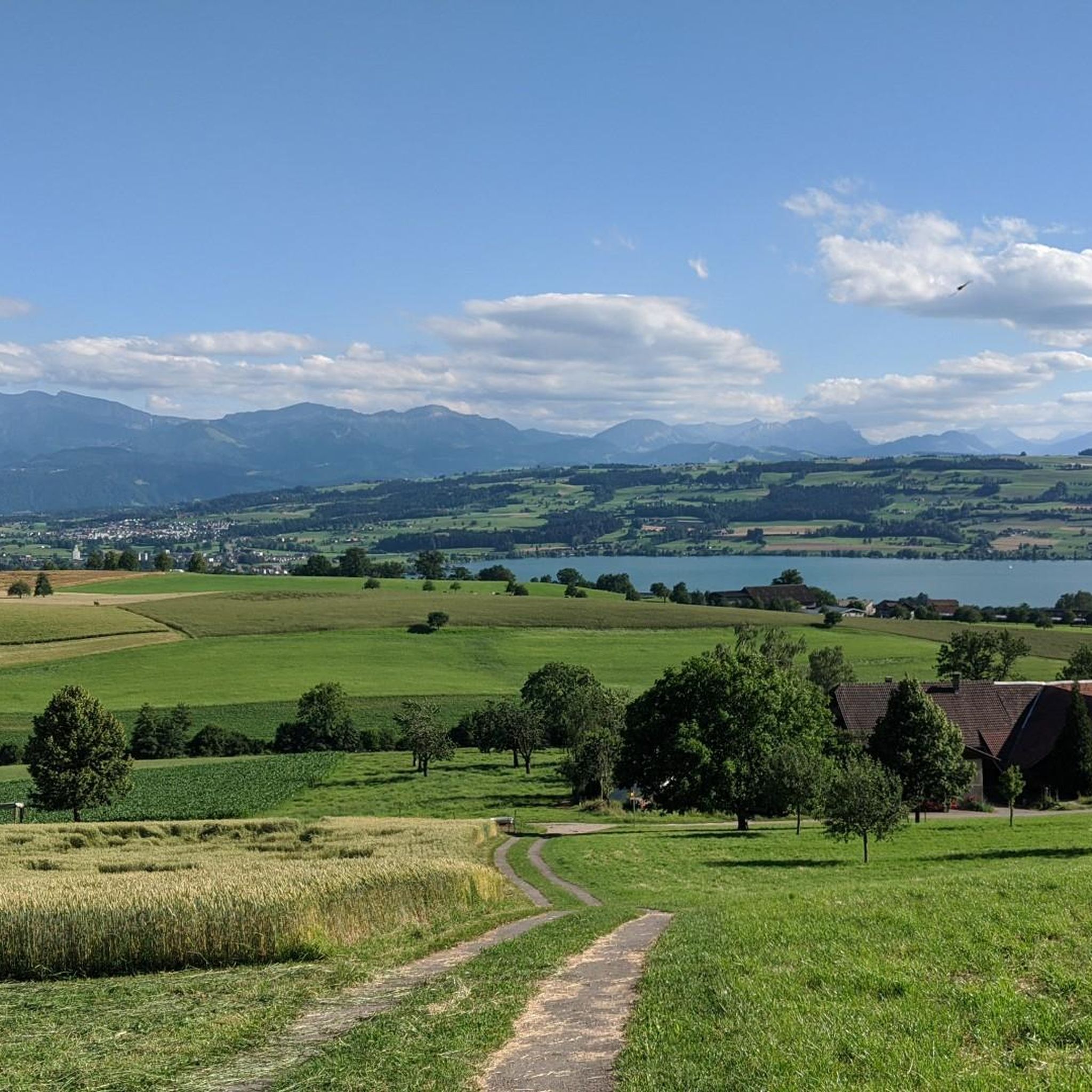
The Zellmoos is also worth a walk for nature lovers at any time of year.
1
0

Battlefield, battle inn, battle memorial The battlefield is still the property of the state of Lucerne. On it is the battle chapel, the Winkelriedstein (1864) and an inn (1963). The Winkelriedstein is said to mark the place where Winkelried's voluntary heroic death supposedly made the victory of the Swiss Confederation possible. The inn is the successor building to the home of the so-called battle brother, who was responsible for looking after the battlefield, acting as sexton and entertaining guests. The Sempach battlefield is on the road that leads from Sempach to Hildisrieden. It is the place where a battle took place on July 9, 1386 between troops from Lucerne, Uri, Schwyz and Unterwalden and a force of knights led by Duke Leopold during the long conflict between the young Swiss Confederation and the House of Habsburg. The battle ended in defeat for Habsburg and his army of knights, and the city of Lucerne used the victory to increase its territorial expansion efforts. Text / Source: Sempach City Administration, Stadtstrasse 8, 6204 Sempach https://www.sempach.ch/sehenswuerdigkeiten
14
0
Winkelried Memorial, Sempach (July 9, 1386) Arnold Winkelried, or Arnold von Winkelried, is the hero of the Battle of Sempach (July 9, 1386) in traditional Swiss national history. Through his voluntary sacrificial death, he is said to have made the victory of the Eight Old Places against the superior power of Habsburg Austria possible. In the 19th century, Winkelried became one of the central figures of national romanticism alongside William Tell, and in the culture of remembrance around Sempach, a "real hero worship" began, which in the 20th century was often classified as a "national myth". Text / Source: wikipedia.org https://de.wikipedia.org/wiki/Arnold_Winkelried
14
0


The Steinibühlweiher is located at an altitude of 559 m above sea level and is an artificially created reservoir.
0
0
Frequently Asked Questions
What are the primary natural monuments to explore around Eich?
The region around Eich is rich in natural beauty, featuring significant areas like the Kühkopf-Knoblochsaue nature reserve and the Eich-Gimbsheim Altrhein nature reserve. Additionally, popular spots include the Zellmoos Nature Reserve, known for its observation sites, Steinibühl Pond with its recreational facilities, and the naturally preserved Vogelmoosweiher.
What kind of wildlife can I expect to see in the natural monuments near Eich?
The natural monuments around Eich are vital habitats for diverse wildlife. In the Kühkopf-Knoblochsaue nature reserve, you can spot over 250 bird species, including the black kite, along with deer, wild boars, and foxes. The Eich-Gimbsheim Altrhein nature reserve is particularly known for rare birds like the Purple Heron and Little Bittern, as well as the endangered Spadefoot Toad and various dragonfly species. Vogelmoosweiher is home to frogs, snakes, and various aquatic life.
Are there family-friendly natural monuments around Eich?
Yes, several natural monuments around Eich are suitable for families. The Zellmoos Nature Reserve offers 11 observation sites and attractive footpaths. Steinibühl Pond features a popular local recreation area with a barbecue spot and shelter. Vogelmoosweiher and Lake Baldegg also provide serene natural experiences that families can enjoy.
What activities can I do in the Kühkopf-Knoblochsaue nature reserve?
The Kühkopf-Knoblochsaue nature reserve offers over 60 kilometers of well-maintained hiking and cycling trails. It's an excellent spot for birdwatching, with observation stands like the Aquarium and Schlappeswörth. The Environmental Education Center in Hofgut Guntershausen provides exhibitions and information about the protected area, making it ideal for nature enthusiasts and those interested in environmental education.
What makes the Eich-Gimbsheim Altrhein nature reserve unique?
The Eich-Gimbsheim Altrhein nature reserve is unique for its extensive reed beds, one of the largest continuous stands in Rhineland-Palatinate. It's a crucial breeding and resting ground for numerous rare bird species and hosts a significant population of the endangered Spadefoot Toad. A floristic highlight is the presence of Glanz-Wolfsmilch (Euphorbia lucida), found almost exclusively here in Germany. The AltrheinErlebnisPfad offers an accessible way to explore its diverse wetland environment.
Are there hiking trails available in the natural monuments around Eich?
Yes, there are numerous hiking opportunities. The Kühkopf-Knoblochsaue nature reserve boasts over 60 kilometers of trails. The Eich-Gimbsheim Altrhein nature reserve features the AltrheinErlebnisPfad, a 6.1 km circular hike. For more options, you can explore various routes in the Hiking around Eich guide, including easy and moderate trails like the 'Pond with Observation Tower – Stud Farm Near Eich loop'.
What is the best time of year to visit the natural monuments near Eich?
Spring and autumn are generally excellent times to visit. In spring, the Kühkopf-Knoblochsaue forest floor is covered with wild garlic, and many bird species are breeding. Autumn offers spectacular colors and continued bird migration. However, the diverse habitats provide unique experiences year-round, with observation stands in the nature reserves offering good birdwatching opportunities even in colder months.
Are the natural monuments around Eich accessible for everyone?
While specific accessibility details vary by location, many trails within the Kühkopf-Knoblochsaue nature reserve are well-maintained, offering over 60 kilometers of paths suitable for various fitness levels. The AltrheinErlebnisPfad in the Eich-Gimbsheim Altrhein nature reserve is designed to guide visitors through the area. For detailed information on specific paths, it's advisable to check local resources or trail descriptions.
Where can I find information about the history or cultural significance of the area?
While the focus is on natural monuments, the region does have historical connections. For instance, the Winkelried Monument, though not a natural monument itself, is a significant historical site nearby, commemorating the hero of the Battle of Sempach. The nature reserves themselves have a history tied to the Rhine River's meanders and its straightening.
Can I bring my dog to the natural monuments around Eich?
Many natural areas in Germany, including nature reserves, have specific rules regarding dogs, often requiring them to be kept on a leash to protect wildlife. It's generally recommended to keep dogs leashed on trails within the Kühkopf-Knoblochsaue and Eich-Gimbsheim Altrhein nature reserves to minimize disturbance to the sensitive ecosystems and wildlife. Always check local signage for specific regulations.
Are there any specific viewpoints or observation spots in the nature reserves?
Yes, both major nature reserves offer dedicated spots for observation. In the Kühkopf-Knoblochsaue nature reserve, you'll find observation stands like the Aquarium and Schlappeswörth, as well as the Martin-Roth Bridge, which provides excellent opportunities for birdwatching. The Eich-Gimbsheim Altrhein nature reserve also features observation huts designed for viewing birds without disturbance.
Where can I park when visiting the natural monuments near Eich?
Parking facilities are typically available near the entrances to the larger nature reserves and popular natural monuments. For instance, the Kühkopf-Knoblochsaue nature reserve has designated parking areas to accommodate visitors. For specific locations, it's best to consult local maps or visitor information centers for each particular site you plan to visit.
What kind of plant life can be found in the natural monuments around Eich?
The natural monuments boast diverse flora. The Kühkopf-Knoblochsaue nature reserve features riparian forests with soft and hardwood floodplains, extensive reed beds, grasslands, and traditional orchards with over 2000 fruit trees. In spring, wild garlic covers the forest floor, and mistletoes are common. The Eich-Gimbsheim Altrhein nature reserve is notable for its vast reed beds, wet meadows, and the rare Glanz-Wolfsmilch (Euphorbia lucida).
Are there opportunities for cycling in the natural monuments around Eich?
Absolutely. The Kühkopf-Knoblochsaue nature reserve offers over 60 kilometers of well-maintained cycling trails, making it a prime destination for cyclists. For more cycling adventures, you can explore the Gravel biking around Eich guide or the MTB Trails around Eich guide, which feature various routes suitable for different cycling preferences.
Most popular attractions around Eich

Get inspired with the komoot mobile app


Explore more
Extend your search for the best caves by checking out these guides of the top ones around Eich:
