Top 20 Natural Monuments around Fräschels
Best natural monuments around Fräschels are characterized by a diverse natural landscape. The municipality is situated on the eastern edge of the Grosses Moos marshlands, a significant agricultural and ecological area. Forested regions contribute to local biodiversity, offering opportunities for outdoor activities. The area also features a small percentage of rivers and lakes, enhancing its natural appeal.
Best natural monuments around Fräschels
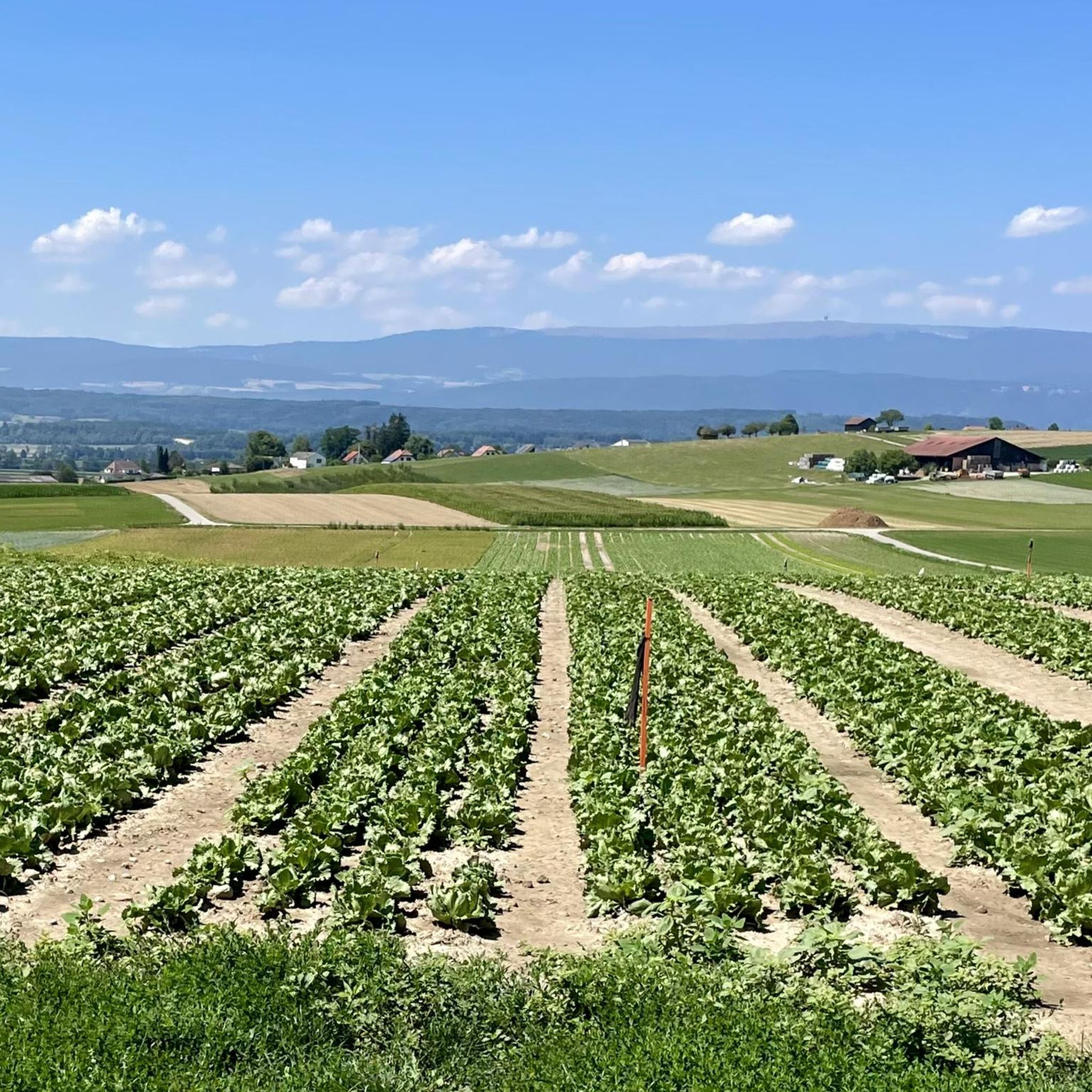
- The most popular natural monuments is Mont Vully, a summit known for its panoramic views. It offers vistas towards the Jura and the Alps, along with vineyards and historical sites.
- Another must-see spot is Hagneck Canal Mouth, a river location that has been renatured. This area provides an opportunity to experience nature and offers impressive facilities.
- Visitors also love Confluence of the Sense and Saane, a river where the cold and warm Sense rivers meet. It serves as a rest area, suitable for taking a break or enjoying the water.
- Fräschels is known for its marshlands, forests, rivers, and summits. These natural features offer a variety of landscapes to explore and appreciate.
- The natural monuments around Fräschels are appreciated by the komoot community, with more than 400 upvotes and over 90 photos shared.
Last updated: July 10, 2026
Hagneck Canal Mouth
Highlight • River
Translated by Google •
Tip by

Mont Vully
Highlight • Summit
Translated by Google •
Tip by
Sign up now to discover places like this
Get recommendations on the best single tracks, peaks, & plenty of other exciting outdoor places.
Sign up for free
Lobsigen Sandstone Caves
Highlight • Cave
Translated by Google •
Tip by
Confluence of the Sense and Saane
Highlight • River
Translated by Google •
Tip by

Niederried Hydroelectric Power Plant and Niederried Reservoir
Highlight • Structure
The Niederried hydropower plant is located about 3 km below the mouth of the Saana into the Aare. It was built between 1959 and 1963 next to the existing weir of the Kallnach power plant.
The mechanical equipment is practically identical to that of the Aarberg hydropower plant, which was built a short time later 5 km down the Aare. The 1.5 km long Niederriedstausee was built in 1913 for the Kallnach power plant and is now under protection. A large part of the original lake content has now landed. The beaver lives here today and around 10,000 water birds spend the winter there. BKW supports this nature reserve and maintains the fish pass to ensure fish migration in the Aare.
Source: bkw.ch
Translated by Google •
Tip by

Sign up for free to discover even more natural monuments around Fräschels.
Sign up for free
Already have an account?
Start today with a free account
Your next adventure awaits.
Login or Signup
Tips from the Community

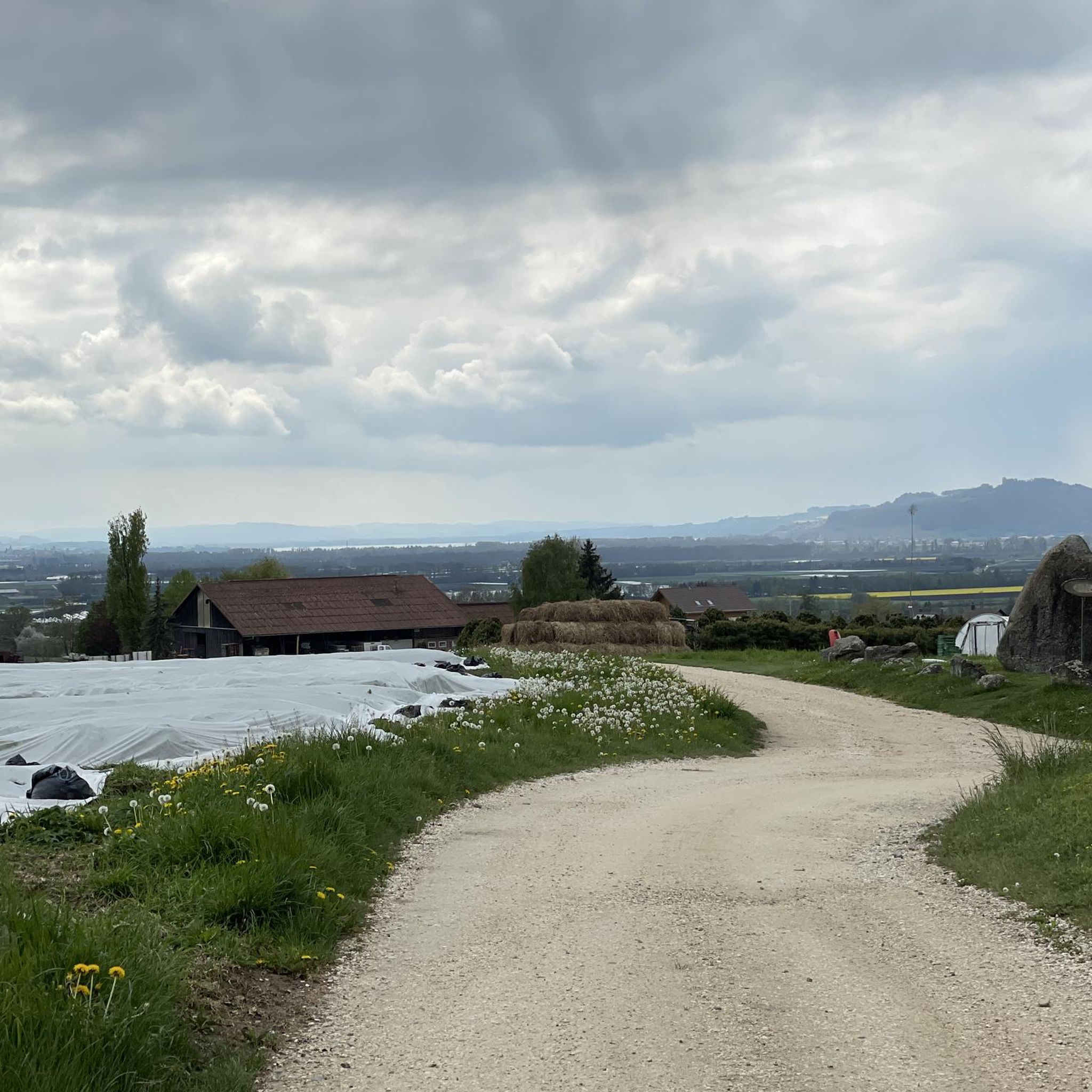
Awesome approach from Sugiez, then a further descent via Lugnorre. The view of 2-3 lakes is fantastic!
0
0

Cycling around Mont Vully offers an unforgettable experience with stunning views of Lake Murten and Lake Neuchâtel. You’ll pass through vineyards, charming Swiss villages and rolling hills, providing a picturesque landscape ideal for a leisurely ride.
0
0

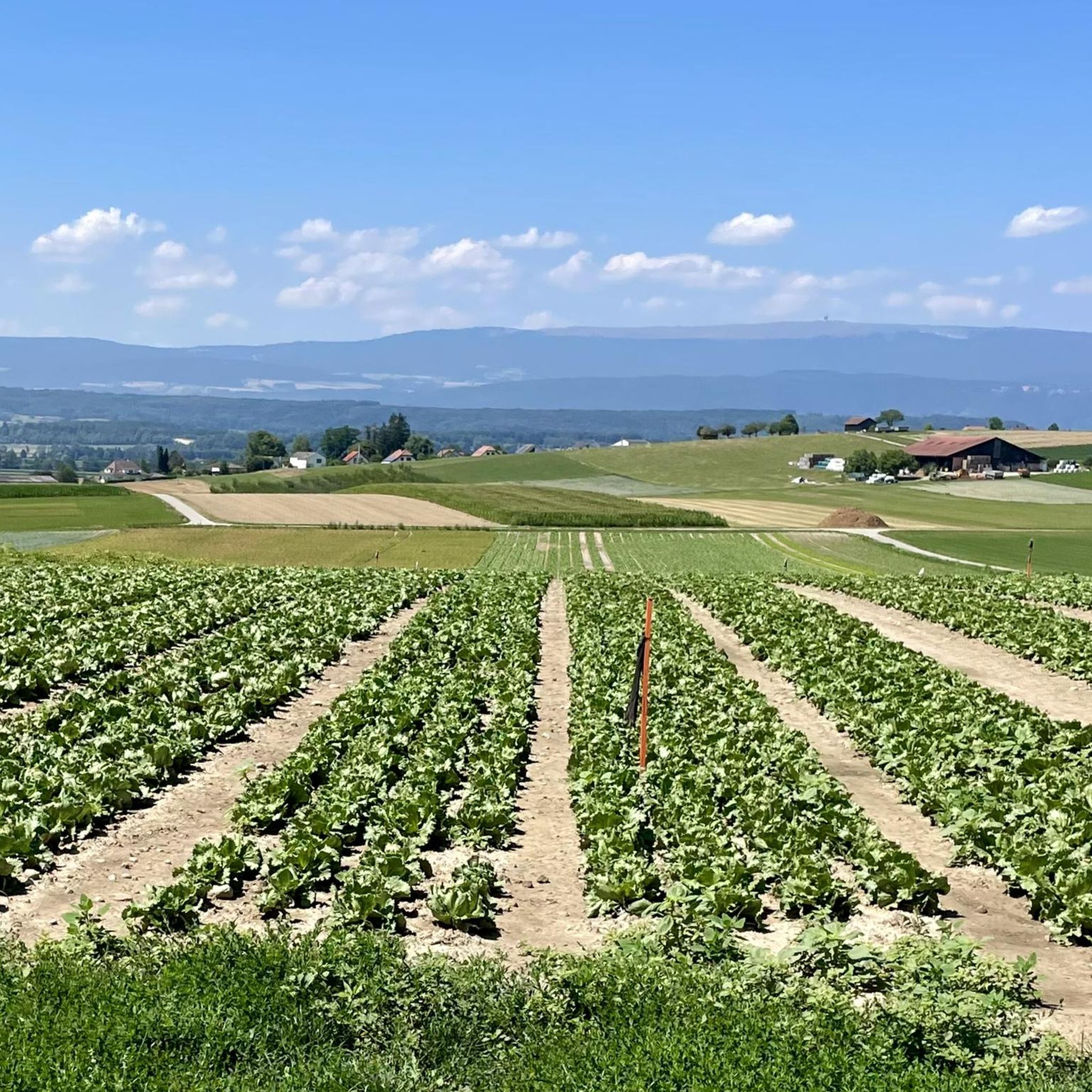
Great view over Lake Murten to the Alps or the other way around over the Seeland to the Chasseral
1
0

Beautiful view over Lake Murten to the Valais Alps and over Lake Biel to the Chasseral. If you want to see the view from Mont Vully, you should do the climb from Sugiez. Over 2.3km you have to overcome 210m of elevation with a gradient of 7-13%. For this reason alone it makes sense to roll from Sugiez ↗️ and over Lugnorre ↘️.
2
0

It also has several tables and benches to relax
0
0

Cycling around and along here, very interesting and an impressive building
0
0

The Niederried nature reserve is highly recommended 👍
2
0

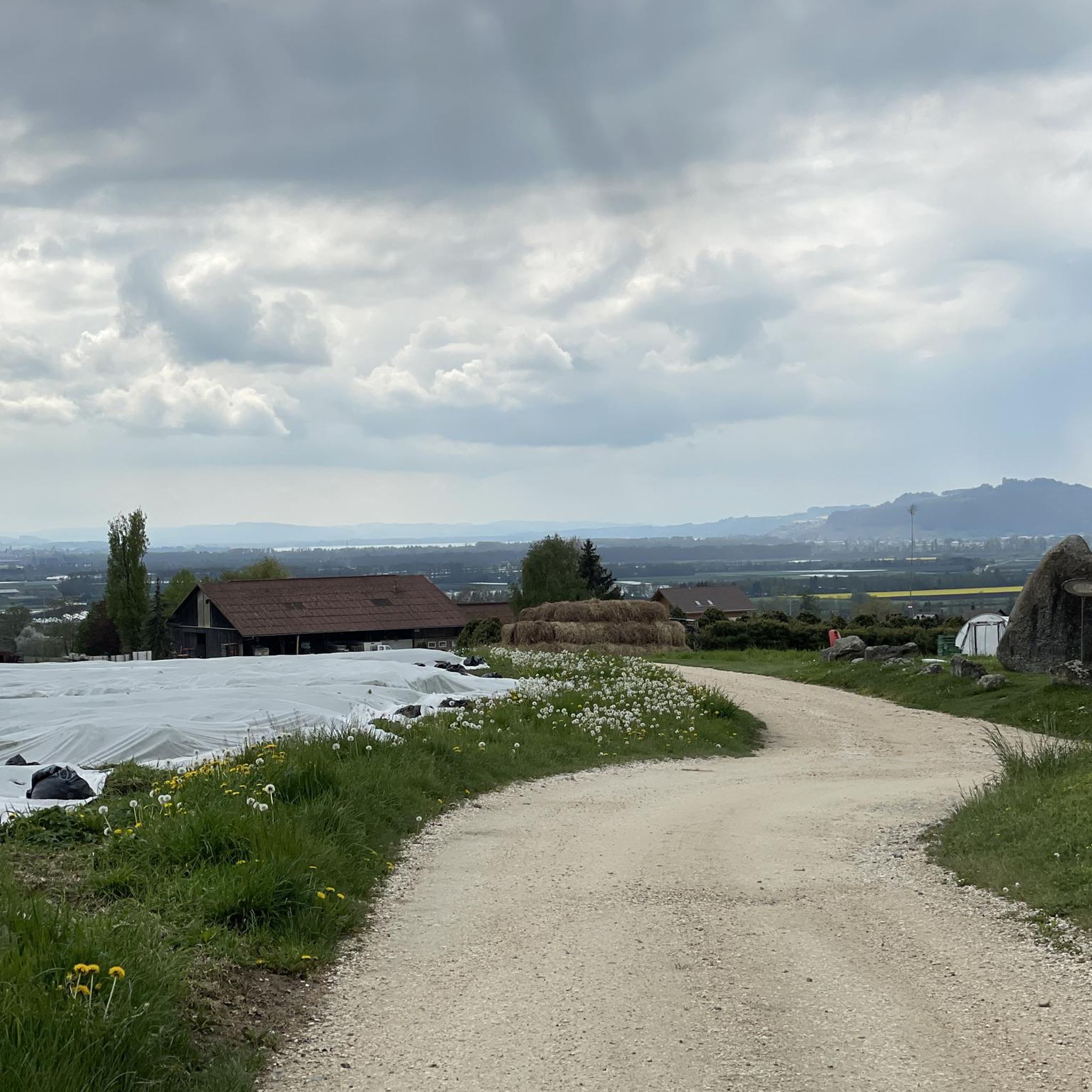
Confluence Hagneck Canal in Lake Biel - beautiful renatured landscape
0
0
Frequently Asked Questions
What kind of natural features can I expect to see around Fräschels?
Fräschels is characterized by its diverse natural landscape, including the expansive Grosses Moos marshlands, significant forested areas, and a network of rivers and lakes. While not known for dramatic geological formations like extensive caves or towering rock formations, the region offers a unique blend of agricultural and ecological landscapes.
Are there any natural monuments with panoramic views near Fräschels?
Yes, Mont Vully is a must-see summit offering panoramic views towards the Jura and the Alps, as well as over Lake Murten and Lake Biel. It's also known for its vineyards and historical sites.
Where can I experience renatured river landscapes near Fräschels?
You can visit the Hagneck Canal Mouth, a renatured river location that provides an opportunity to experience nature and features impressive facilities. It's a great spot to enjoy the natural environment.
Are there any family-friendly natural monuments in the area?
Absolutely. The Confluence of the Sense and Saane is a family-friendly river spot where the cold and warm Sense rivers meet. It serves as a nice rest area, perfect for taking a break or dipping your feet in the water. Another option is the Niederried Hydroelectric Power Plant and Niederried Reservoir, which includes a nature reserve popular with water birds and beavers, offering a great experience for nature lovers of all ages.
What kind of outdoor activities can I do near these natural monuments?
The region around Fräschels is excellent for various outdoor activities. You can explore numerous hiking trails, such as the 'Niederried Reservoir loop' or the 'Schuelwald loop'. For more options, check out the Hiking around Fräschels guide. There are also extensive MTB Trails and Road Cycling Routes available.
Are there any unique geological formations or caves to explore?
While the region isn't known for dramatic geological formations, you can explore the Lobsigen Sandstone Caves. These historical caves, once inhabited, are located in sandstone cliffs within a forested area and can be reached via various trails, offering a unique natural and historical experience.
What is the Grosses Moos and how can I experience it?
The Grosses Moos, also known as Seeland, is a significant marshland area on the eastern edge of which Fräschels is situated. It has been transformed into one of Switzerland's most vital vegetable-growing areas. You can experience this unique agricultural and natural landscape by cycling or inline skating along the 'Vegetable Trail' within the Great Marsh.
What do visitors enjoy most about the natural monuments around Fräschels?
Visitors particularly appreciate the diverse landscapes, from the panoramic views at Mont Vully to the tranquil renatured river areas like the Hagneck Canal Mouth. The opportunity to connect with nature, whether through hiking, cycling, or simply enjoying a peaceful break by the water, is highly valued. The blend of natural beauty with historical and agricultural significance also makes the area appealing.
Is there parking available at the natural monuments?
For natural monuments like Mont Vully, parking facilities are available, making it convenient for visitors to access. For other locations, it's advisable to check specific access points or consider starting your journey from nearby towns with public transport connections.
What is the best time to visit the natural monuments around Fräschels?
The best time to visit largely depends on the activities you plan. Spring and autumn offer pleasant temperatures for hiking and cycling, with beautiful scenery as nature awakens or changes colors. Summer is ideal for water-related activities at the rivers and lakes. The region's forests and trails can be enjoyed year-round, though some paths might be less accessible in winter.
Are there any historical aspects connected to the natural monuments?
Yes, several natural monuments have historical significance. Mont Vully features Helvetian fortifications and remnants from the 'Reduit' era. The Lobsigen Sandstone Caves were inhabited until the early 20th century, offering a glimpse into past ways of life. The Grosses Moos itself represents a significant historical transformation from vast wetlands to a vital agricultural area.
Most popular routes around Fräschels
Most popular attractions around Fräschels

Get inspired with the komoot mobile app


Explore more
Extend your search for the best caves by checking out these guides of the top ones around Fräschels:
