Top 13 Natural Monuments around Granges-Paccot
Natural monuments around Granges-Paccot offer diverse landscapes within the Fribourg canton and Les Paccots region. This area features a blend of ecological sites, including ancient peat bogs, mountain lakes, and river formations. The region is characterized by green hills, forests, and pre-Alpine peaks, providing varied natural features. These sites are recognized for their ecological significance and geological interest.
Best natural monuments around Granges-Paccot
- The most popular natural monuments is Sandstone Cliffs on the Sarine River, a natural monument formed…
Last updated: July 10, 2026
Auried Nature Reserve
Highlight • Natural
As a former gravel mining area, this area was acquired by Pro Natura.
One of the …
Translated by Google •
Tip by

Magdalena Hermitage, Räsch
Highlight • Religious Site
Translated by Google •
Tip by
Sign up now to discover places like this
Get recommendations on the best single tracks, peaks, & plenty of other exciting outdoor places.
Sign up for free
Düdinger Moos Nature Reserve
Highlight • Lake
Translated by Google •
Tip by
Saint Urban Chapel and Linden of Lage
Highlight • Religious Site
Translated by Google •
Tip by

Sandstone Cliffs on the Sarine River
Highlight • Natural Monument
Translated by Google •
Tip by

Sign up for free to discover even more natural monuments around Granges-Paccot.
Sign up for free
Already have an account?
Start today with a free account
Your next adventure awaits.
Login or Signup

Tips from the Community

A super highlight is the Düdinger Moos
0
0

The Düdingen Möser were subject to numerous disturbances in the 20th century. The peat of this Möser, which took several thousand years to form, was intensively mined during the Second World War to counteract the lack of coal. This resulted in several bodies of water and the habitat began to be colonized by trees and bushes. The use of part of the Möser as a waste pit and for fish farming, as well as the construction of the A12 motorway, had a major impact on this habitat in the 1970s.
6
0
A hermit's dwelling in the hamlet of Räsch was first mentioned in 1448. The hermit Johann Dupré and his assistant Johann Liecht expanded the rock dwelling to its current size between 1680 and 1708. In order to prevent the hermitage from collapsing and to preserve it for the general public, the parish of Düdingen carried out extensive renovation work in 2005/2006. Open and free of charge from April to September.
6
0

The Magdalena Hermitage in Büdingen is a historic hermitage that was built in the 18th century. It is picturesquely located on the edge of the forest and consists of a small chapel and a residential building for the hermit. The hermitage served as a retreat for religious hermits and is now a popular destination for visitors seeking peace and historical atmosphere.
0
0

https://www.pronatura.ch/de/naturschutzgebiet-auried Frog concerts can be heard in spring and early summer.
0
0

A whole grotto system was created by hand between 1680 and 1708 and offered retreat to hermits. Coincidentally, petrified sand dunes of a sea that was here 20 million years ago (Tertiary) came to light.
0
0

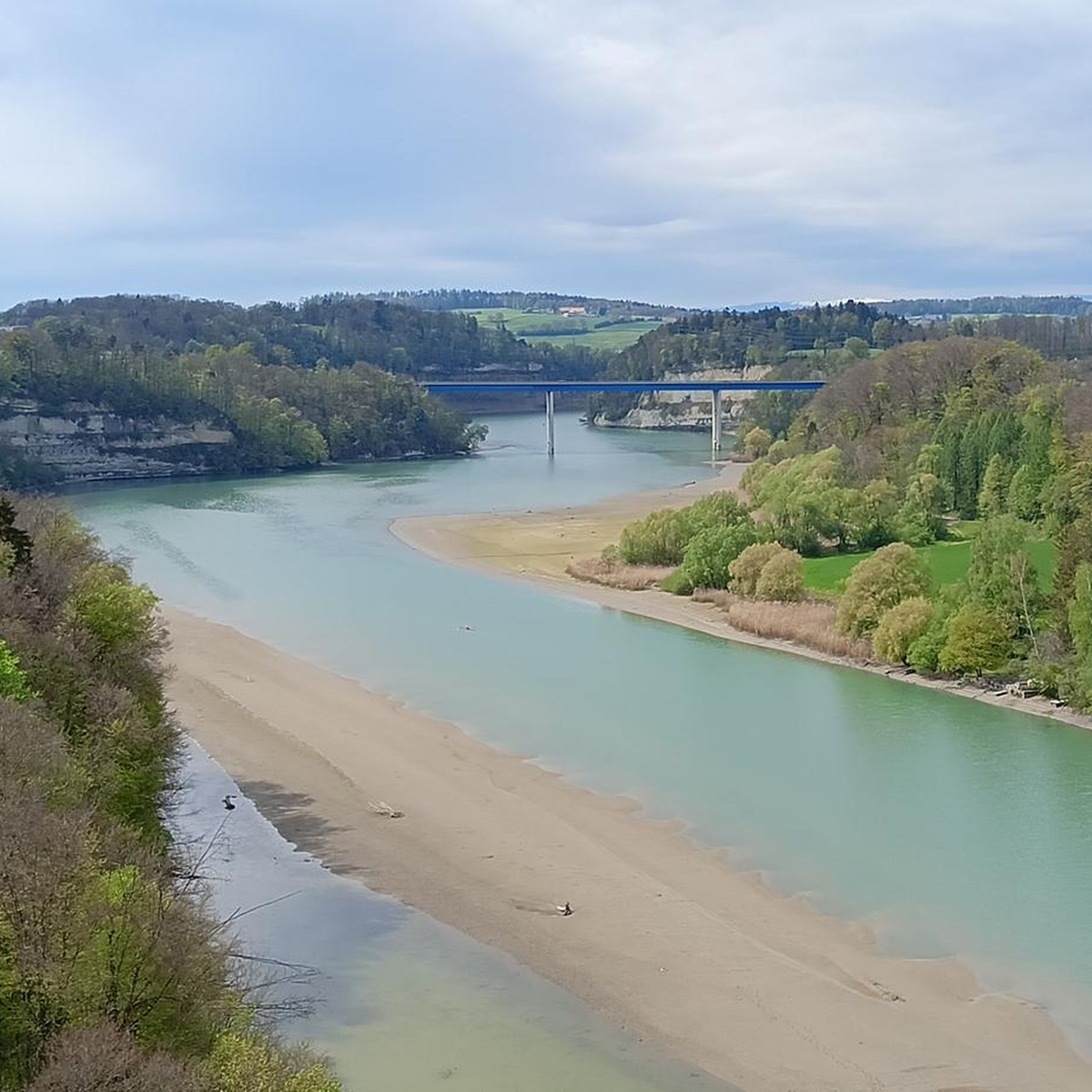
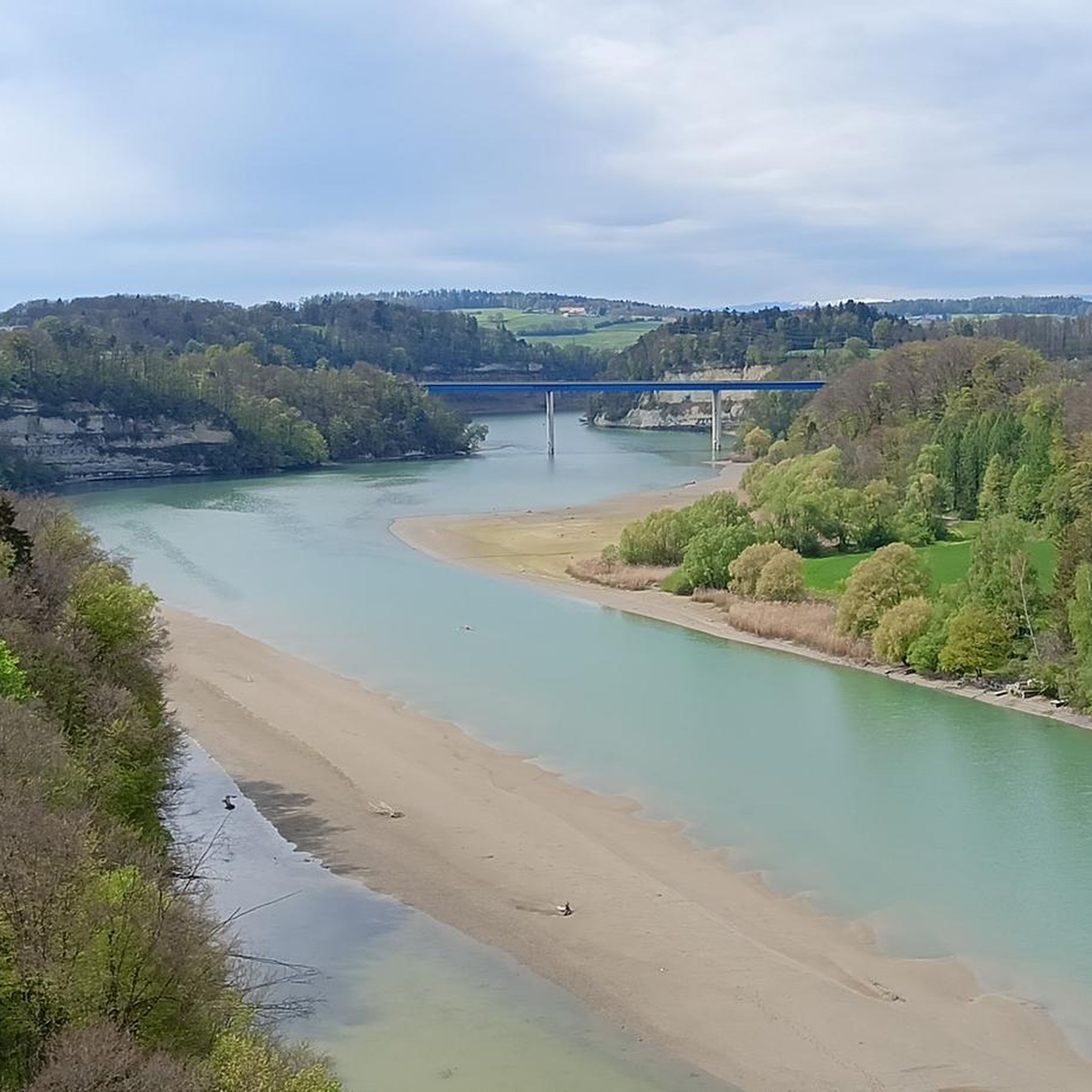
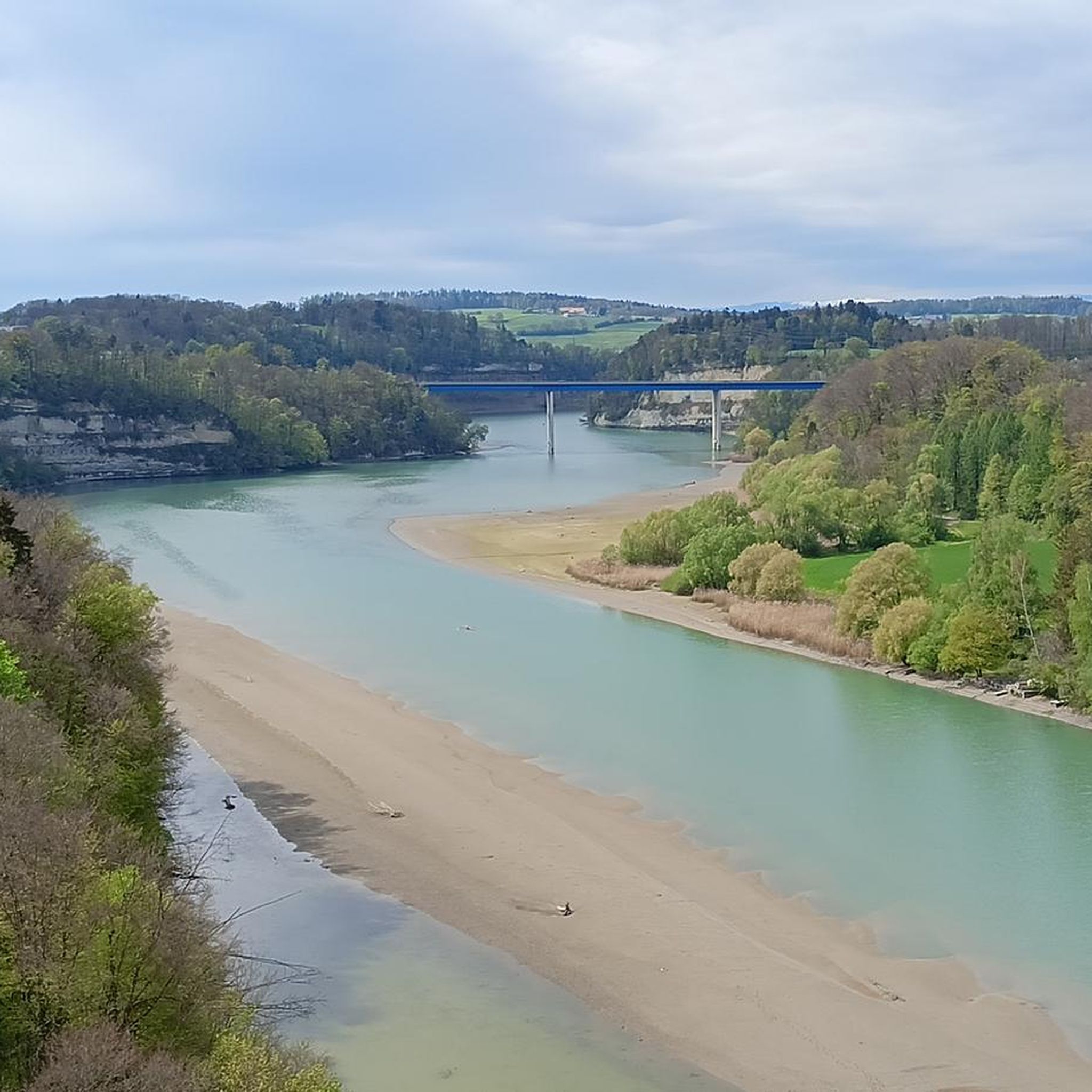
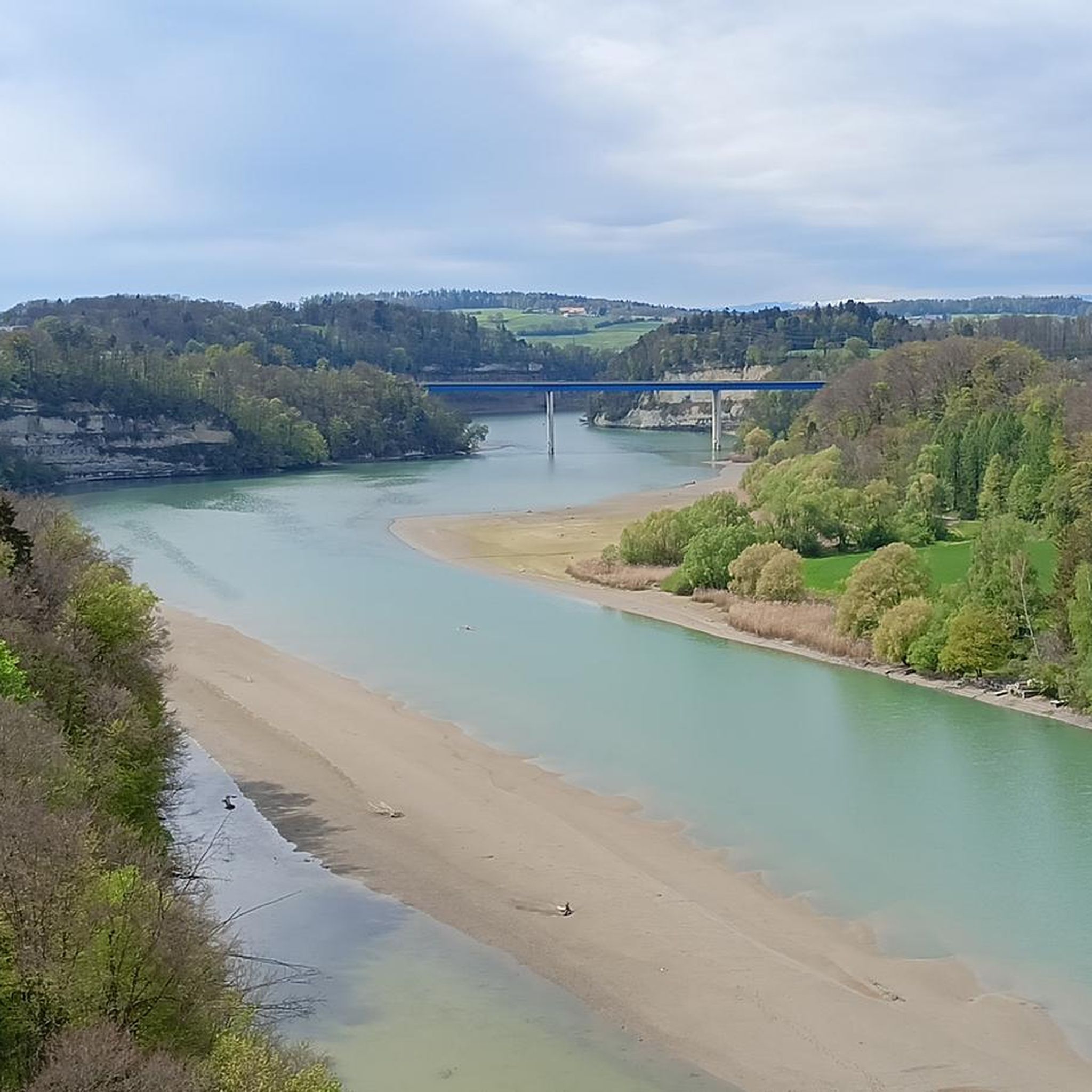
Within sight of the Abbaye, in a hollow of the knee, is the Saane, this natural rock formation. Once upon a time, powerful underwater currents continuously eroded the rocks to the crag over eons of years. If you want to look up from the river bed to the edge of the cliff with its treetops, you have to tilt your head all the way back. The washed-out sandstone spirals into the sky in a breathtaking way and leaves the viewer standing there quite small and with their mouth open. The term "divine" takes on a new meaning here in the face of the abbey. A real natural highlight!!!
0
0

Easy to reach on foot within 40 minutes from the Poya railway station.
0
0
Frequently Asked Questions
What unique natural features can I explore around Granges-Paccot?
The region offers a variety of unique natural features. You can marvel at the Sandstone Cliffs on the Sarine River, a geological formation where eroded sandstone spirals upwards. There are also several significant peat bogs, such as the ancient Rathvel Pond and the protected "La Mosse d'En Bas" Peat Bog, which are important ecological sites. The Niremont Mountain features diverse landscapes including peat bogs, wet meadows, and forests.
Are there any nature reserves of national importance near Granges-Paccot?
Yes, the Auried Nature Reserve is a site of national importance. This former gravel mining area is now home to one of Switzerland's largest tree frog populations and serves as a vital resting and breeding ground for numerous bird species. Another significant area is the Düdinger Moos Nature Reserve, historically a peat bog, which now features several bodies of water and diverse habitats.
What kind of historical or cultural sites are integrated with the natural monuments?
The Magdalena Hermitage, Räsch, is a remarkable site dug into a rock face high above the Schiffenen reservoir. This rock dwelling, expanded between 1680 and 1708, is a place of power where you can walk on petrified sand dunes, testifying to a sea present 20 million years ago. Another example is the Saint Urban Chapel and Linden of Lage, where a linden tree symbolizes friendship between communities.
Are there family-friendly natural monuments to visit around Granges-Paccot?
Many natural sites around Granges-Paccot are suitable for families. The Auried Nature Reserve offers opportunities for nature observation, with its tree frogs and bird species. The Saint Urban Chapel and Linden of Lage is also considered family-friendly. Exploring the picturesque landscapes around the Saane River or the Lac des Joncs can also be enjoyable for all ages.
What outdoor activities can I do near these natural monuments?
The area around Granges-Paccot is excellent for various outdoor activities. You can find numerous hiking trails, such as the moderate routes around the Grandfey Viaduct and Lake Schiffenen. There are also cycling routes, including challenging loops around Lake Schwarzsee or the Vully Vineyards. For mountain biking, trails like the La Faye Trail offer moderate to difficult options. You can find more details on these activities in the hiking guide, cycling guide, and MTB trails guide for Granges-Paccot.
What is the best time to visit the natural monuments in this region?
The natural monuments around Granges-Paccot are generally best visited from spring through autumn. During these seasons, the weather is pleasant for hiking and exploring the diverse landscapes, and the flora and fauna are most active. For instance, the Magdalena Hermitage is open from April to September, with extended hours in May to September.
Are there any mountain lakes or significant water bodies to visit?
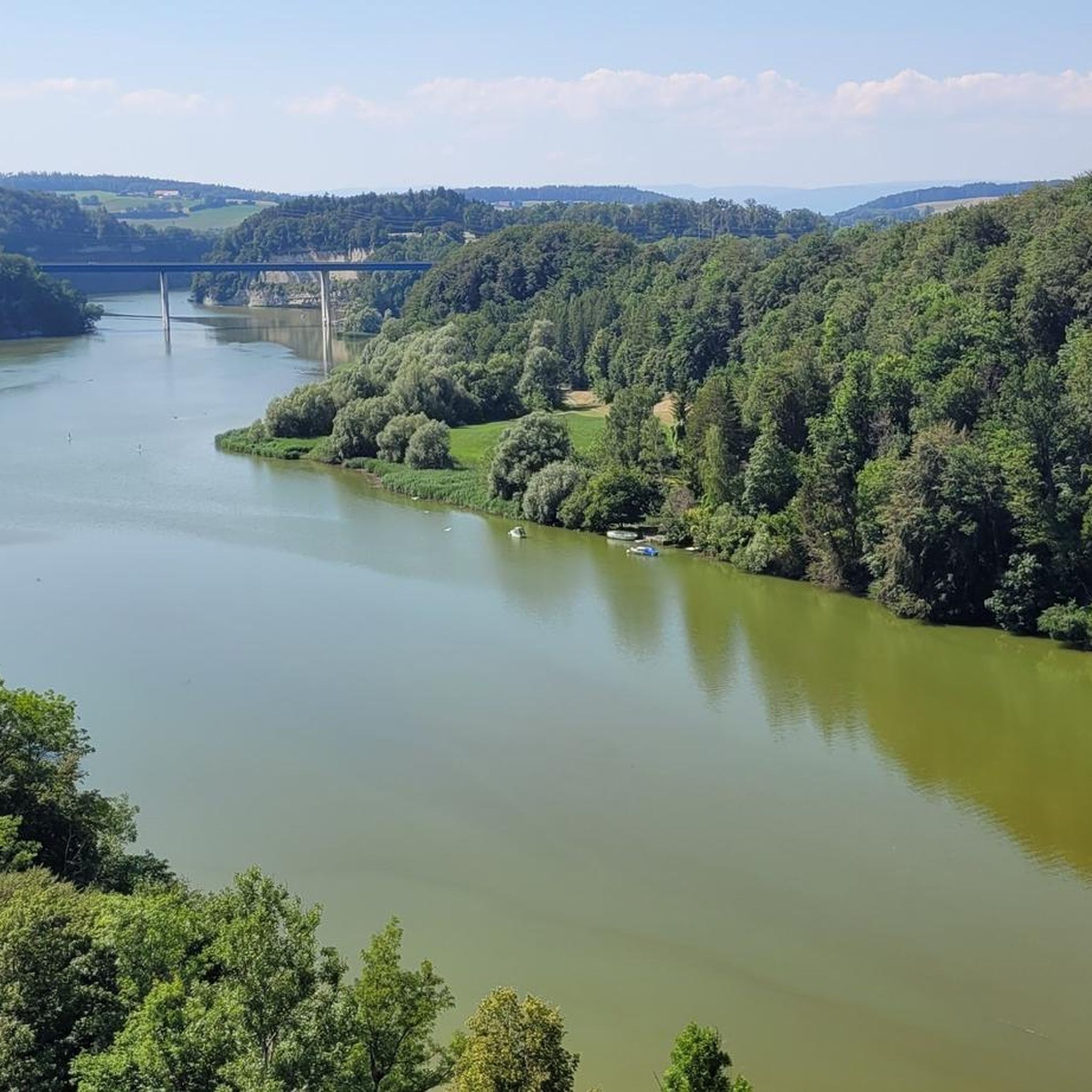
Yes, the deep mountain lake "Lac des Joncs," located above Les Paccots, is over 5000 years old and offers a pristine mountain setting. The Düdinger Moos Nature Reserve also features several bodies of water within its diverse habitats. Additionally, the Saane River flows through the region, providing picturesque views and opportunities for scenic trails.
What kind of wildlife can I expect to see in the natural monuments?
The natural monuments around Granges-Paccot support a variety of wildlife. The Auried Nature Reserve is particularly known for its large tree frog population, as well as numerous bird species, amphibians, waders, dragonflies, and other invertebrates. The Niremont Mountain area, with its diverse landscape, also supports a variety of flora and fauna. Further afield, the Vanil Noir Nature Reserve is noted for its rich biodiversity, including various butterflies and plant species.
How accessible are the natural monuments by public transport?
While specific public transport details for each monument vary, Granges-Paccot serves as a gateway to the surrounding Fribourg canton. Many trailheads and natural sites in the region can be reached by local bus services from larger towns like Fribourg. It's advisable to check local transport schedules for specific routes to your chosen natural monument.
What do visitors enjoy most about the natural monuments around Granges-Paccot?
Visitors frequently appreciate the ecological significance and the opportunities for nature observation. The Auried Nature Reserve is highlighted as an "absolute highlight for nature lovers" with "many species to observe." The Düdinger Moos Nature Reserve is described as "a beautiful area to discover." The breathtaking views and unique geological formations, such as the Sandstone Cliffs on the Sarine River, also leave a lasting impression.
Are there any natural monuments that are particularly good for photography?
The Sandstone Cliffs on the Sarine River offer dramatic geological formations that are highly photogenic, especially with the river as a backdrop. The serene landscapes of the Auried Nature Reserve and Düdinger Moos Nature Reserve, with their diverse habitats and water bodies, provide excellent opportunities for nature and wildlife photography. The ancient Lac des Joncs also offers picturesque mountain scenery.
Can I find any hidden gems or less-known natural monuments in the area?
While the main highlights are well-regarded, exploring the smaller peat bogs like Rathvel Pond or "La Mosse d'En Bas" Peat Bog can offer a quieter experience of ecologically significant sites. The diverse landscapes of Niremont Mountain, with its various peat bogs and wet meadows, also hold many less-traveled paths and scenic spots waiting to be discovered.
Most popular routes around Granges-Paccot
Most popular attractions around Granges-Paccot

Get inspired with the komoot mobile app


Explore more
Extend your search for the best caves by checking out these guides of the top ones around Granges-Paccot:
