Top 14 Natural Monuments around Champagne
Best natural monuments around Champagne offer diverse landscapes shaped by unique geological and ecological heritage. This French region features extensive chalk deposits, crucial for its renowned vineyards, and natural caves. The area is characterized by a blend of forests, rivers, and rolling hills, providing varied natural features. Visitors can explore significant natural sites that showcase the region's distinct environment.
Best natural monuments around Champagne
- The most popular natural monuments is Chasseron Summit, a summit that offers a wonderful view…
Last updated: September 30, 2026
Chasseron Summit
Highlight • Summit
Translated by Google •
Tip by

Menhirs of Clendy
Highlight • Monument
Showing Translation
Tip by

Sign up now to discover places like this
Get recommendations on the best single tracks, peaks, & plenty of other exciting outdoor places.
Champ-Pittet Observation Tower – Grande Cariçaie Nature Reserve
Highlight • Viewpoint
The new observation tower, inaugurated in March 2018, offers visitors three floors to enjoy the panorama of the Grande Cariçaie and benefit …
Translated by Google •
Tip by

Petites Roches Ridge
Highlight • Viewpoint
Translated by Google •
Tip by
Rocky path in the Covatannaz Gorge
Highlight • Gorge
Translated by Google •
Tip by

Sign up for free to discover even more natural monuments around Champagne.
Already have an account?
Start today with a free account
Your next adventure awaits.
Tips from the Community

In Yverdon-Les Bains, a significant prehistoric stone avenue with 45 menhirs dating back to around 4,000 BC is located in a park. Access is barrier-free. More information: https://yverdonlesbainsregion.ch/de/poi/menhire-von-clendy/
0
0

The gorges are currently closed until 26.06.26
0
0

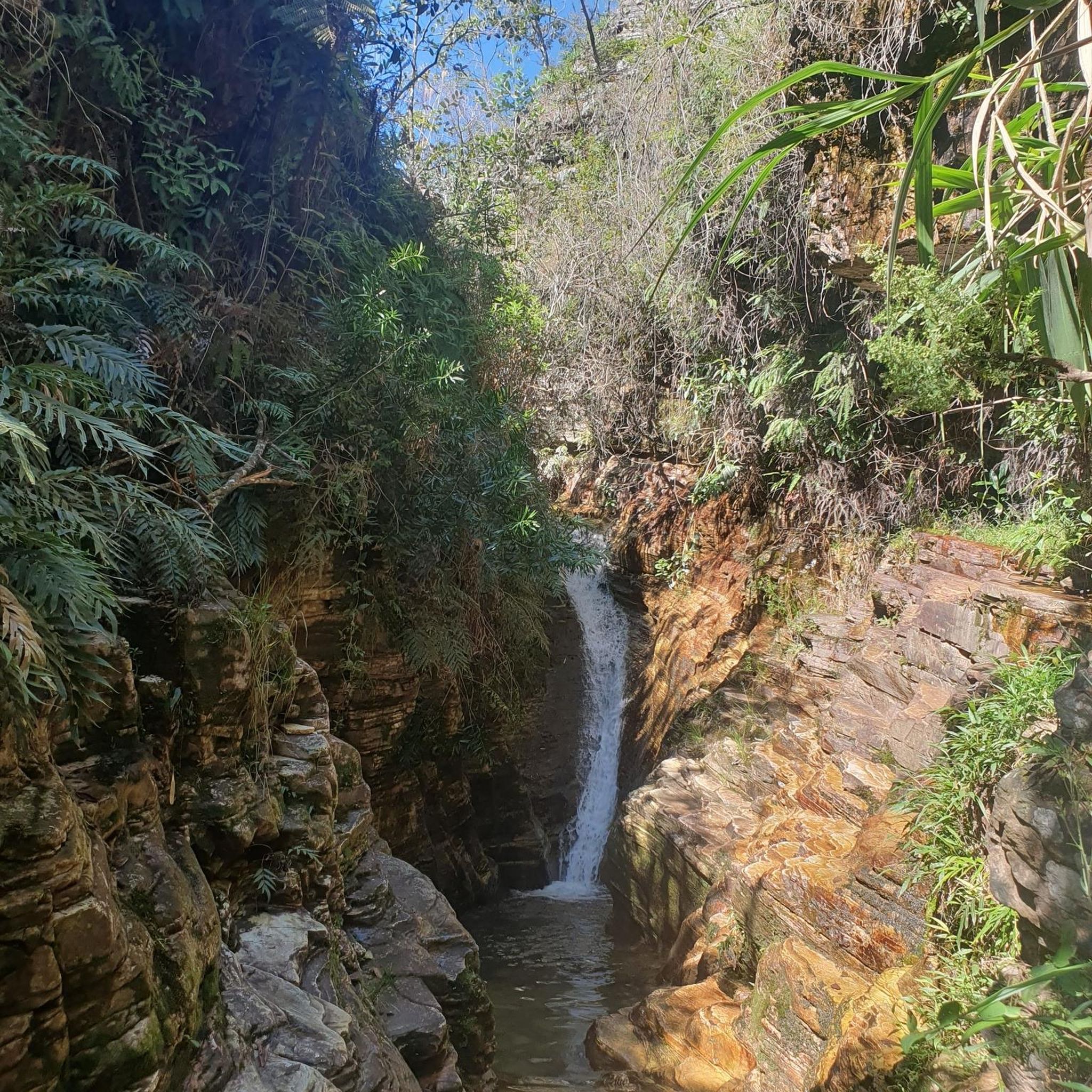
The hiking trail through the Covatannaz Gorge becomes very narrow here due to the terrain and leads directly along the high rock walls. Further down, or rather beside you, the Arnon stream rushes through the gorge. Over a distance of approximately three kilometers, it descends a difference in altitude of about 450 meters.
2
0

A little smaller than the Chasseron, but the view is also gigantic
2
0
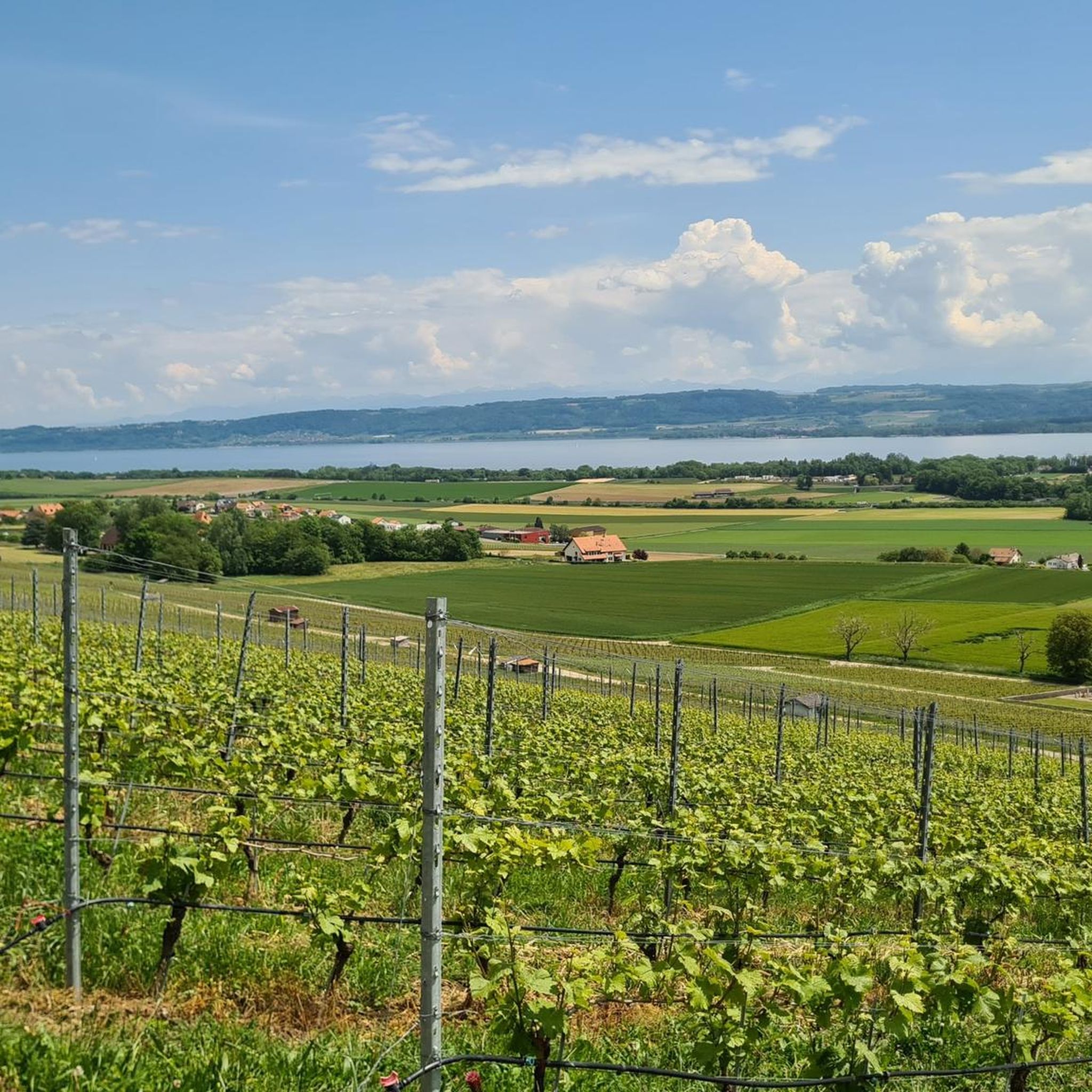
Easy paths lead up, the view is gigantic, all the famous Alpine peaks can be seen and in front of them Lake Neuchâtel and Lake Geneva
3
0

Wonderful vantage point high above Lake Neuchâtel
8
1

It is a rough walk from the Chasseron to the Rochers, a small ridge walk that is worth it
3
0
Frequently Asked Questions
What unique natural features can I explore in the Champagne region?
The Champagne region offers diverse natural features. You can discover the unique twisted beech trees known as the Faux de Verzy within the Montagne de Reims Regional Natural Park. The region is also characterized by its extensive chalk subsoil, which is crucial for its vineyards and features natural caves and ancient chalk quarries called "crayères." The Marne Valley, shaped by the Marne River, presents a blend of water, forests, and vineyards.
Are there historical natural monuments or sites related to the region's heritage?
Yes, the region has sites that blend natural and historical significance. The ancient chalk quarries, or "crayères," are a fascinating example, often repurposed as wine cellars. You can also visit the Menhirs of Clendy, a prehistoric stone alignment near Yverdon Beach, featuring 45 stones, some dating back 6000 years.
Where can I find the best panoramic views of the Champagne region?
For breathtaking views, consider visiting the Chasseron Summit, which offers expansive vistas of the Savoyard, Valais, and Bernese Alps. The Petites Roches Ridge also provides excellent long-distance views. Additionally, the Champ-Pittet Observation Tower – Grande Cariçaie Nature Reserve offers panoramic views of the Grande Cariçaie wetlands. Elevated spots like Mont Bernon in Epernay and Champillon in the Montagne de Reims also provide spectacular views of vineyards and the surrounding countryside.
What outdoor activities can I do near these natural monuments?
The Champagne region offers various outdoor activities. You can find numerous hiking trails within the Montagne de Reims Regional Natural Park and along the Marne Valley. For more specific routes, explore options like the "Traces of Nature – Arnon River Walk loop from Champagne" for hiking, or the "Bât les Creils Trail – Grand’Vy Observation Tower loop from Bonvillars" for mountain biking. Cycling enthusiasts can enjoy routes such as the "Grandson Castle – Yverdon Beach loop from Bonvillars." You can find more details on these activities in the hiking, MTB, and cycling guides around Champagne.
Are there family-friendly natural monuments around Champagne?
Yes, several natural monuments are suitable for families. The Menhirs of Clendy offer an exciting historical experience. The Champ-Pittet Observation Tower – Grande Cariçaie Nature Reserve and the Observation Tower at Grande Cariçaie Nature Reserve are excellent for wildlife observation and offer easy access for all ages. The Montagne de Reims Regional Natural Park also has many trails suitable for family walks.
When is the best time to visit the natural monuments in Champagne?
The best time to visit the natural monuments in Champagne is generally from spring to autumn (April to October). During these months, the weather is pleasant for outdoor activities like hiking and cycling, and the vineyards are lush. Autumn offers beautiful fall foliage, especially in areas like the Montagne de Reims and Marne Valley. Some sites, like the Faux de Verzy, are particularly striking in spring with new growth or in autumn with changing leaf colors.
What is the geological significance of the Champagne region's natural monuments?
The Champagne region's geology is defined by its extensive chalk subsoil, a soft, white, porous sedimentary rock formed from ancient marine organisms. This chalk not only influences the unique terroir of Champagne wines but also gives rise to natural caves and the famous "crayères." These geological formations are integral to the region's landscape and its winemaking heritage. You can learn more about chalk on Wikipedia.
Can I spot wildlife at these natural monuments?
Yes, the region's natural monuments are home to diverse wildlife. The Montagne de Reims Regional Natural Park is a "green lung" with rich flora and fauna. The Marshes of Saint Gond are a wild natural heritage site known for their biodiversity. The Grande Cariçaie Nature Reserve, accessible via the observation towers, is particularly excellent for birdwatching and observing marshland animals. Staying quiet and observant is key to spotting wildlife.
Are the natural monuments in Champagne dog-friendly?
Many natural areas and trails within the Montagne de Reims Regional Natural Park and along the Marne Valley are dog-friendly, provided dogs are kept on a leash. It's always advisable to check specific regulations for individual sites or nature reserves before visiting, as some protected areas may have restrictions to protect wildlife.
Are there any lesser-known natural gems in the Champagne region?
Beyond the well-known vineyards, the region holds several hidden natural gems. The Marshes of Saint Gond, located within the Montagne de Reims, are a wild natural heritage site offering a mosaic of discoveries and archaeological treasures. The Faux de Verzy, with its unique twisted beech trees, also offers a mystical atmosphere that feels like a discovery. Exploring the smaller trails in the Montagne de Reims can also lead to serene and less-frequented spots.
What do visitors enjoy most about the natural monuments around Champagne?
Visitors particularly enjoy the stunning panoramic views from summits like Chasseron Summit and the Petites Roches Ridge. The unique atmosphere of the Menhirs of Clendy and the opportunity for birdwatching from the Champ-Pittet Observation Tower are also highly appreciated. The overall appeal lies in the diverse landscapes, from high peaks to ancient stone formations and nature reserves, offering a blend of natural beauty and historical intrigue.
Are there any natural monuments that are easily accessible by public transport?
While many natural monuments in the Champagne region are best reached by car, some areas within the Montagne de Reims Regional Natural Park can be accessed via local bus services from larger towns like Reims or Epernay. For specific routes and schedules, it's recommended to check local public transport websites. The Menhirs of Clendy are also easily reachable on foot or by bike from Yverdon-les-Bains.
Most popular routes around Champagne
Most popular attractions around Champagne

Get inspired with the komoot mobile app


Explore more
Extend your search for the best caves by checking out these guides of the top ones around Champagne:
