Top 20 Natural Monuments around Grafschaft
Best natural monuments around Grafschaft are characterized by diverse landscapes, including wetlands, sandstone cliffs, and moorlands. This region in Lower Saxony, Germany, features unique ecological formations and geological history. Visitors can explore areas with birch forests, peat pools, sand ridges, and significant raised bog ecosystems. The natural features of Grafschaft Bentheim offer varied outdoor experiences.
Best natural monuments around Grafschaft
- The most popular natural monuments is View of the Aletsch Glacier from Bettmerhorn, a viewpoint that offers a magnificent…
Last updated: June 26, 2026
Eggishorn
Highlight • Viewpoint
Translated by Google •
Tip by

View of the Aletsch Glacier from Bettmerhorn
Highlight • Viewpoint
Showing Translation
Tip by

Sign up now to discover places like this
Get recommendations on the best single tracks, peaks, & plenty of other exciting outdoor places.
Sign up for free
Twingi Gorge
Highlight (Segment) • Gorge
Translated by Google •
Tip by

Märjelensee
Highlight • Lake
Translated by Google •
Tip by

Oberaar Glacier Tongue
Highlight • Natural Monument
Translated by Google •
Tip by

Sign up for free to discover even more natural monuments around Grafschaft.
Sign up for free
Already have an account?
Start today with a free account
Your next adventure awaits.
Login or Signup
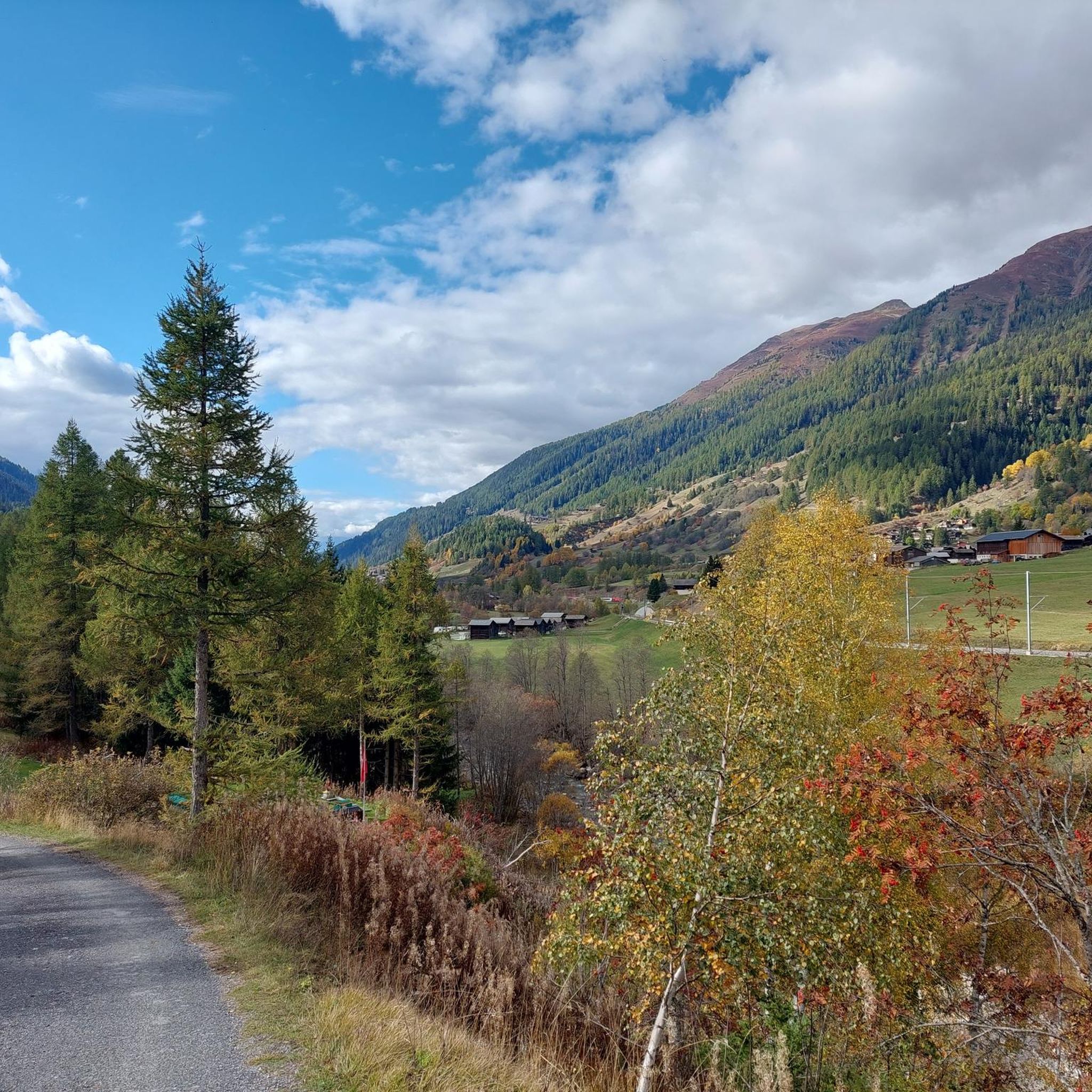
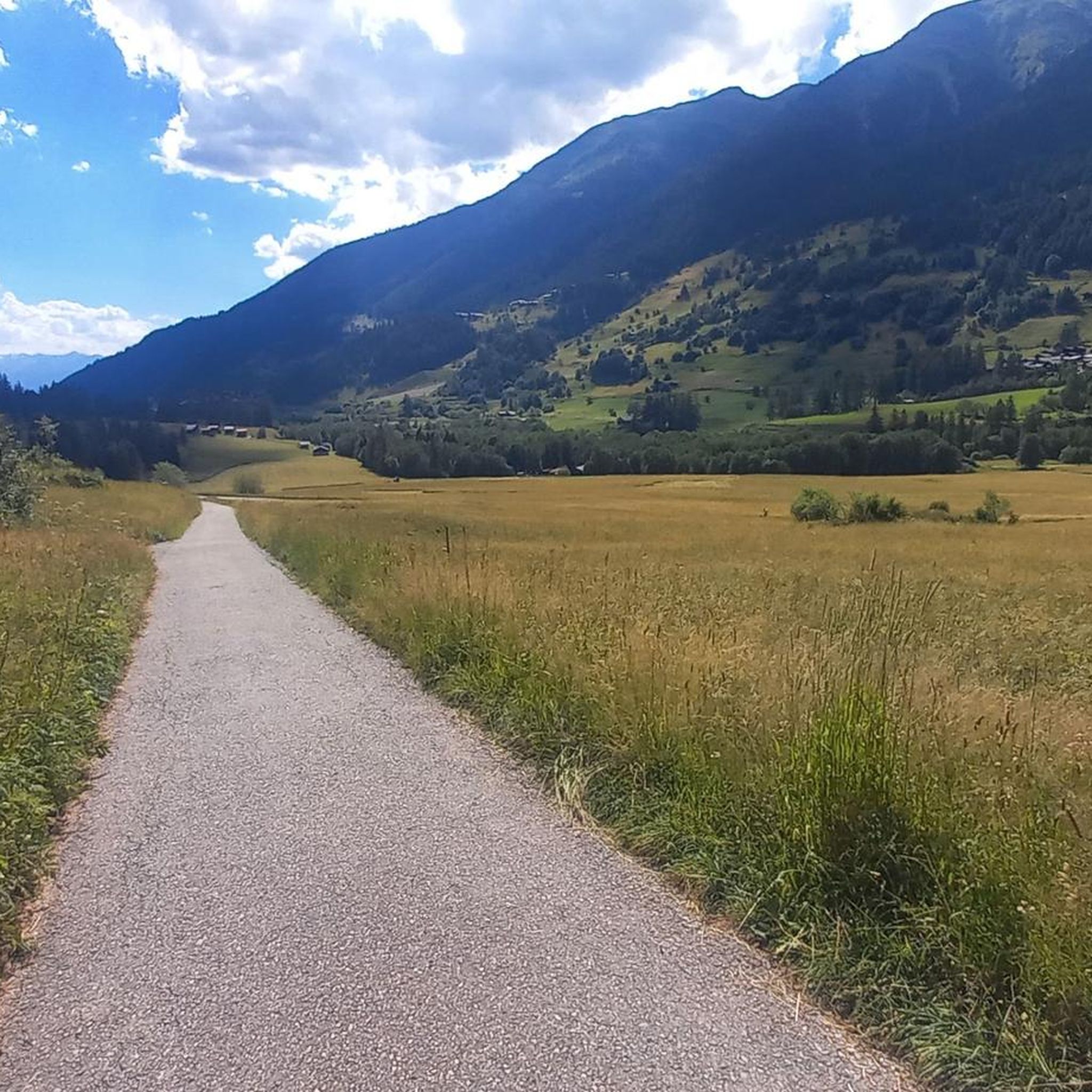
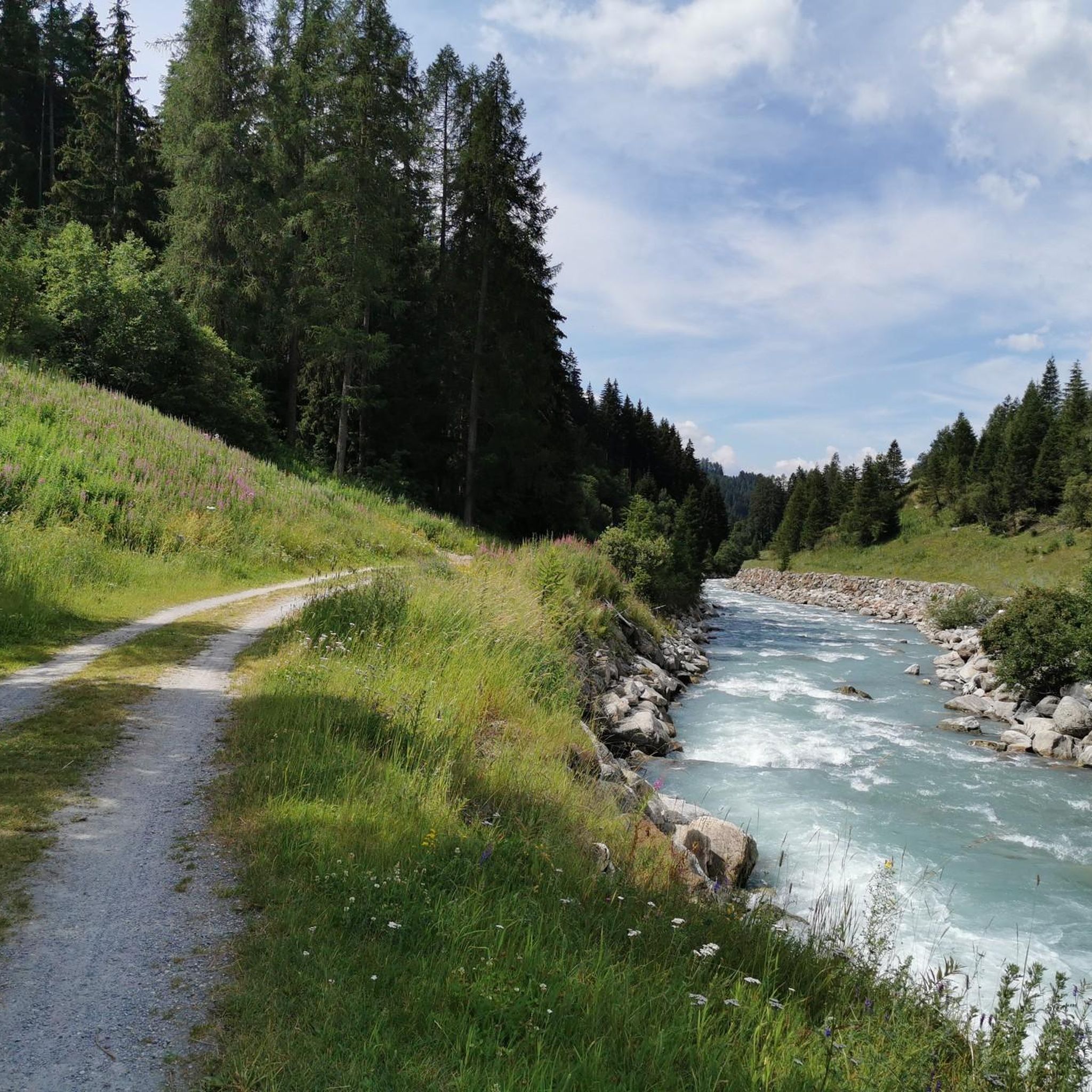


Tips from the Community

The circular trail is almost 500 metres long and always offers you the perfect view of the UNESCO World Heritage Swiss Alps Jungfrau-Aletsch. Information boards along the route provide interesting facts about the largest ice stream in the Alps and the surrounding mountains. The circular trail starts directly at the Eggishorn mountain station.
11
0

This lake supplies the three mountain villages with drinking water. This shows even more that we need to take care of our nature.
1
0


Refreshment stop in the Gletscherstube and short hike to the Aletsch Glacier
1
0

I was up there in August and it was freezing wind! Wears more than slippers, t-shirt and shorts!!!
3
1
The last sheltered spot before you can hike over the ridge to the Eggishorn.
2
0

The waterfall, and directly opposite the imposing mountains
2
0

Fantastically beautiful and suitable for everyone.
2
0
Frequently Asked Questions
What unique natural features can I expect to see in Grafschaft Bentheim's natural monuments?
Grafschaft Bentheim offers a diverse range of natural features. You can explore the wetland ecosystems of the Gildehauser Venn, characterized by birch forests, peat pools, and sand ridges. The Bentheimer Klippen feature impressive sandstone cliffs and rock formations, including the historic Franzosenschlucht. Additionally, the Dalum-Wietmarscher Moor showcases expansive moorland with re-watered areas for bog regeneration.
What kind of wildlife can be observed in the natural monuments of Grafschaft Bentheim?
The region is rich in biodiversity. In the Gildehauser Venn, you might spot rare plant species like bladderwort and sundew, as well as birds such as the Short-eared Owl and Oriole, and amphibians like the Moor Frog. The Dalum-Wietmarscher Moor is particularly known for its birdlife, providing crucial habitats for waders and meadow birds like lapwings, redshanks, and the golden plover.
Are there opportunities for hiking and exploring in these natural areas?
Yes, all three main natural monuments offer excellent opportunities for exploration. The Gildehauser Venn has clearly marked walking paths and observation towers. The Bentheimer Klippen feature various small trails leading over hills and cliffs, ideal for hiking and even climbing in areas like the Franzosenschlucht. The Dalum-Wietmarscher Moor also has viewing hills and observation towers for panoramic views.
Do any of the natural monuments have historical significance?
The Bentheimer Klippen and the Franzosenschlucht are steeped in history. The sandstone cliffs are remnants of centuries of quarrying for 'Bentheimer Gold' dating back to the 11th century. The Franzosenschlucht itself is named after a historical event in 1795 when French troops reportedly camped there during the siege of Bentheim Castle. Additionally, near the Gildehauser Venn, you can find the Ostmühle, a Dutch windmill built from Bentheim sandstone in 1749/1750.
What is the best time to visit the natural monuments in Grafschaft Bentheim?
The best time to visit largely depends on your interests. Spring and summer are ideal for observing flora and fauna, especially rare plants in the Gildehauser Venn and breeding birds in the Dalum-Wietmarscher Moor. Autumn offers beautiful foliage, particularly around the forested Bentheimer Klippen. Birdwatching is excellent during migration seasons in spring and autumn.
Are there family-friendly activities or areas suitable for children?
Yes, many areas are suitable for families. The marked paths in the Gildehauser Venn and the observation towers offer engaging experiences for children interested in nature. The gentle trails around the Bentheimer Klippen and the historical context of the Franzosenschlucht can also be an adventure for older children. Birdwatching from observation points in the Dalum-Wietmarscher Moor is also a calm and educational activity for families.
Where can I find information about hiking or cycling routes near these natural monuments?
You can find various outdoor activities near the natural monuments. For running, cycling, and touring bicycle routes in the broader Grafschaft region, you can explore guides such as the Running Trails around Grafschaft, Road Cycling Routes around Grafschaft, and Cycling around Grafschaft. These guides offer routes of varying difficulties to suit different preferences.
Are there specific viewpoints or observation points in the natural monuments?
Yes, observation points are available to enhance your experience. In the Gildehauser Venn, observation towers provide excellent views of waterfowl colonies and other wildlife. The Dalum-Wietmarscher Moor features viewing hills and observation towers, particularly in Füchtenfeld, offering panoramic vistas of the restored moorland landscape.
What efforts are being made for nature conservation in Grafschaft Bentheim?
Significant conservation efforts are underway, particularly in the Dalum-Wietmarscher Moor. This area is recognized for its raised bog restoration, where large sections have been re-watered to regenerate wetland ecosystems. These efforts aim to preserve and enhance crucial habitats for specialized flora and fauna, especially waders and meadow birds.
Can I visit the Gildehauser Venn Nature Reserve with a dog?
While the Gildehauser Venn is a nature reserve, it's generally possible to visit with dogs, but they must be kept on a leash to protect the sensitive ecosystem and wildlife. Always check local signage for specific rules and restricted areas within the reserve.
Are there any specific plants or geological formations that are particularly rare or notable?
The Gildehauser Venn is notable for its rare plant species, including carnivorous plants like bladderwort and sundew, which thrive in the nutrient-poor peat waters. The Bentheimer Klippen are geologically significant as one of the last foothills of the Teutoburg Forest, showcasing unique sandstone formations resulting from centuries of quarrying.
What are the terrain and difficulty levels of trails in the Gildehauser Venn?
The Gildehauser Venn features generally flat terrain with clearly marked walking paths. The difficulty level is typically easy, making it accessible for most visitors. Some areas may have sand ridges or slightly uneven ground, but overall, the trails are suitable for leisurely walks and nature observation.
Most popular routes around Grafschaft
Most popular attractions around Grafschaft

Get inspired with the komoot mobile app


Explore more
Extend your search for the best caves by checking out these guides of the top ones around Grafschaft:
