Top 11 Natural Monuments around Bourrignon
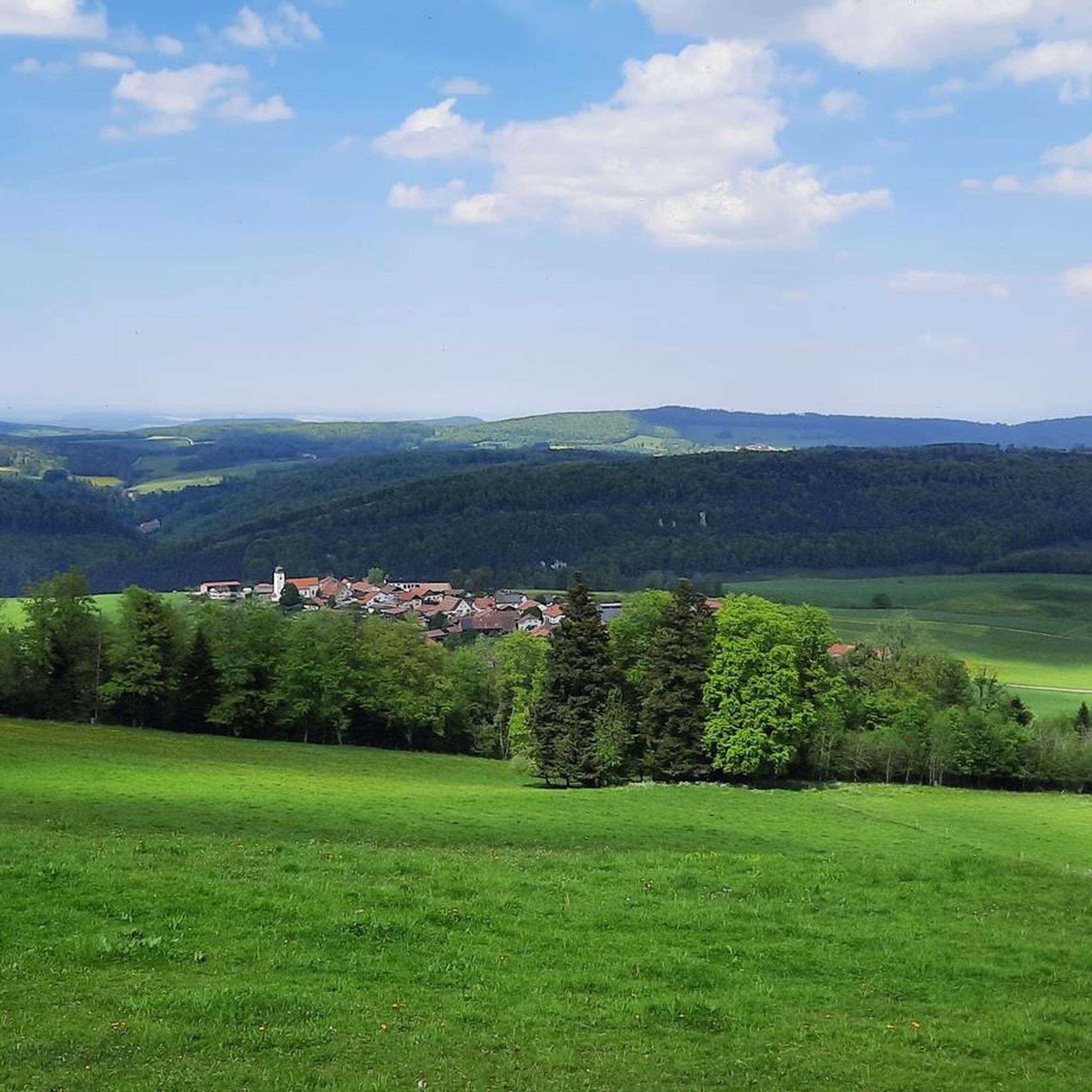
Natural monuments around Bourrignon are situated within the picturesque Jura Mountains, offering a blend of geological wonders and serene natural landscapes. The region is characterized by its distinctive rock formations, such as La Fille de Mai, and tranquil water bodies. These sites provide opportunities for appreciating the area's ancient geological past and rich local folklore. The natural environment around Bourrignon invites exploration of its unique features.
Best natural monuments around Bourrignon
- The most popular natural monuments is Lucelle Lake,…
Last updated: September 30, 2026
Lucelle Lake
Highlight • Lake
Translated by Google •
Tip by

Doubs
Highlight (Segment) • River
Translated by Google •
Tip by

Sign up now to discover places like this
Get recommendations on the best single tracks, peaks, & plenty of other exciting outdoor places.
Grotto of Sainte-Colombe
Highlight • Cave
Translated by Google •
Tip by

Source de la Largue
Highlight • Natural Monument
Translated by Google •
Tip by

La Fille de Mai Rock Formation
Highlight • Natural Monument
Translated by Google •
Tip by

Sign up for free to discover even more natural monuments around Bourrignon.
Already have an account?
Start today with a free account
Your next adventure awaits.
Tips from the Community

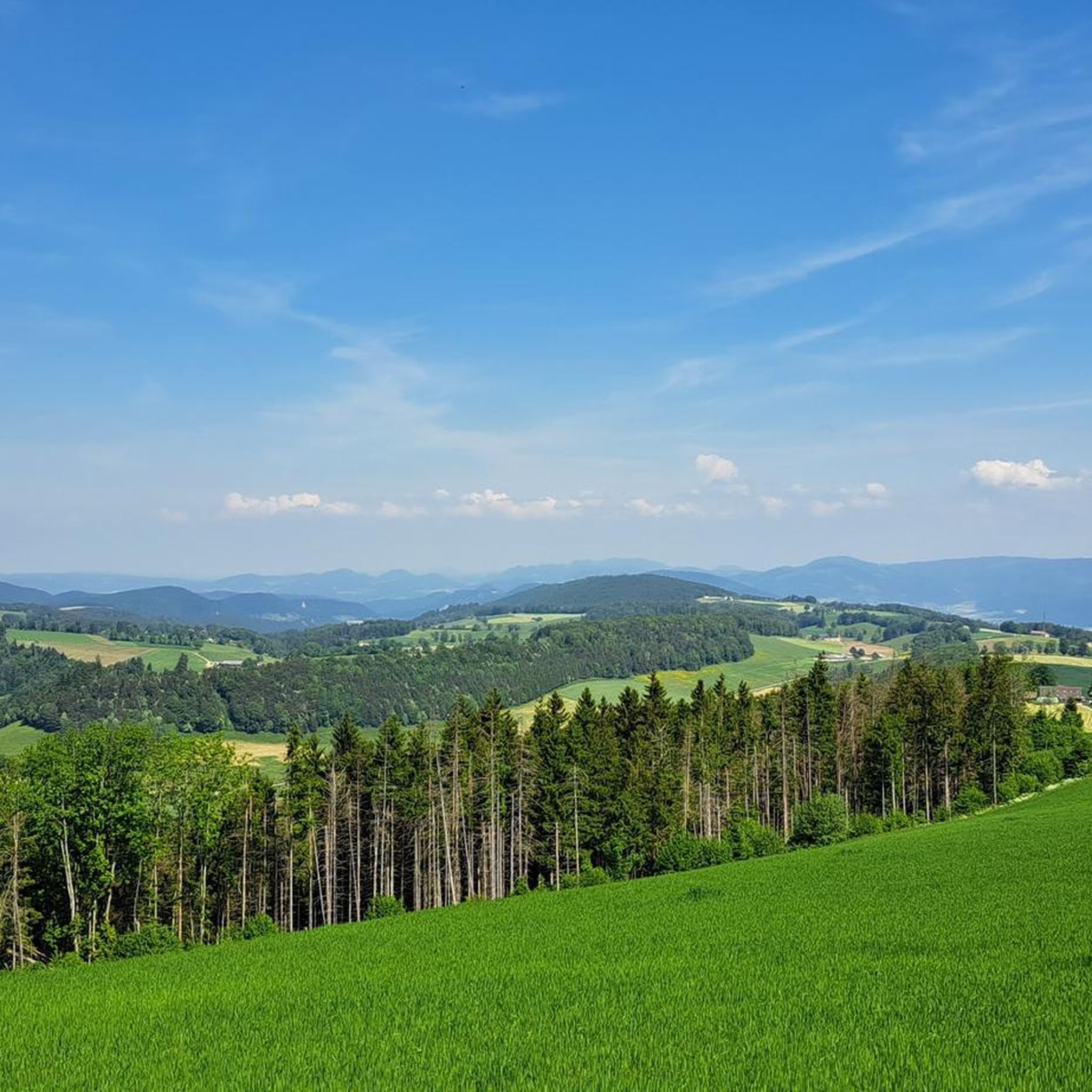
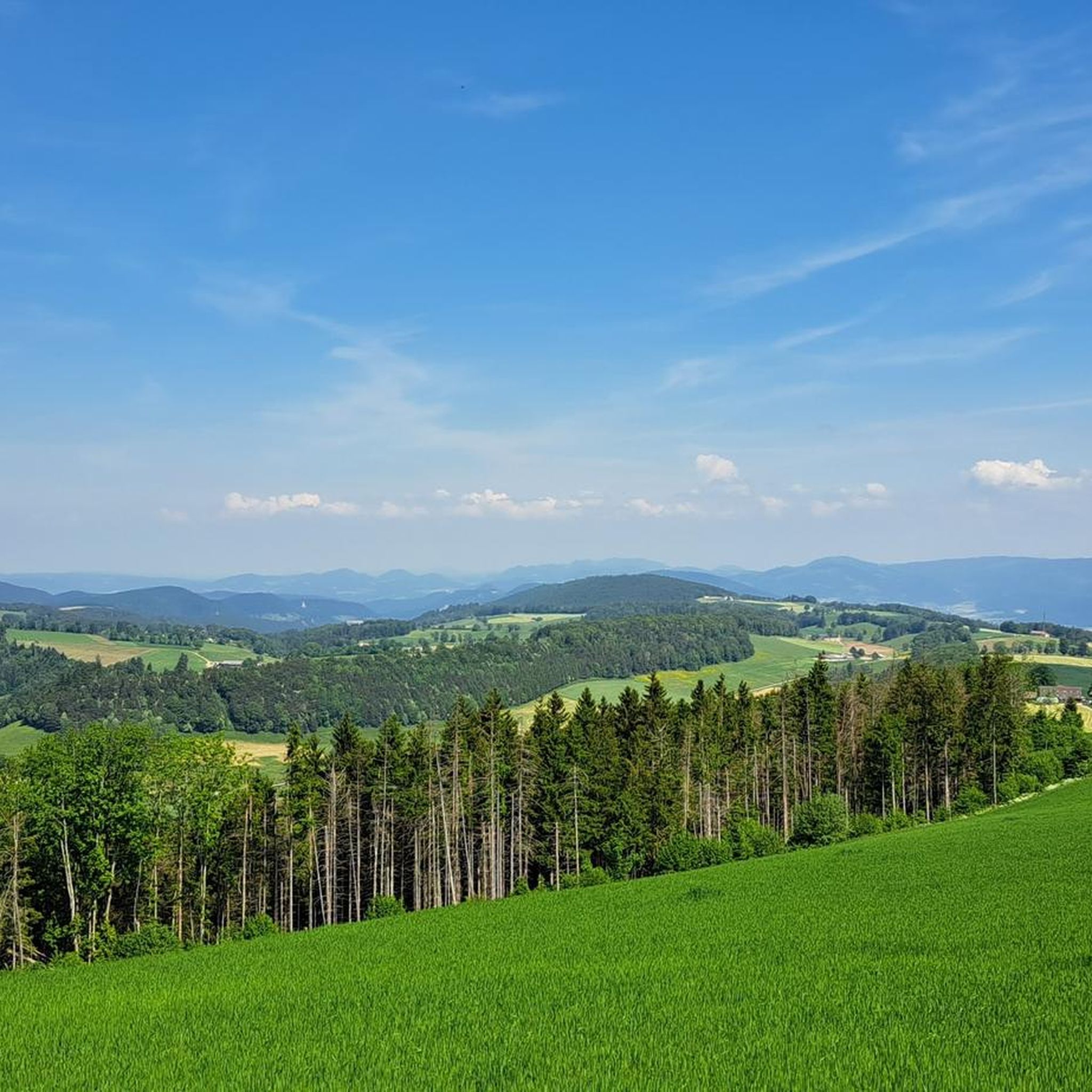
Idyllically situated at the end of the Lützeltal.
0
0

While the prosperous times in the town of Lucelle are over, the Lac de Lucelle is a nature reserve that captivates with its peace, idyll and beauty. The lake can be easily walked around on a well-developed nature trail, and there are many benches where you can watch the ducks and fish in the lake.
1
1

The Source du Doubs is a powerful karst spring in a heavily karstified area of the Jura Mountains. It is located near Mouthe, in the Haut-Jura Regional Nature Park, at an altitude of 937 m at the foot of the wooded, up to 1419 m high Mont Risoux mountain range, which marks the border between France and Switzerland. The Doubs rises from a cave in the rock from a small, approximately five-meter-deep spring basin. The spring discharges an average of 1740 litres per second and is the exit of a complex cave system with several siphons. The discharge can vary greatly. Several layers of rock can be distinguished on the rock above the spring. Below the spring, the river plunges down over a small waterfall. About two kilometers below the Source du Doubs, the approximately nine-kilometer-long Cébriot flows into the Doubs.
0
0

At this point / I would like to quickly / say something about the source And specifically to quote the incomparable humorist Heinz Erhardt (1909 - 1979), who was known to a wide audience for his wit and "Another poem", with a short four-line line: "There is certainly a lot of beauty in the element, the wet. Because you can drink the water. But you can also - not." (H.Erhardt)
0
0

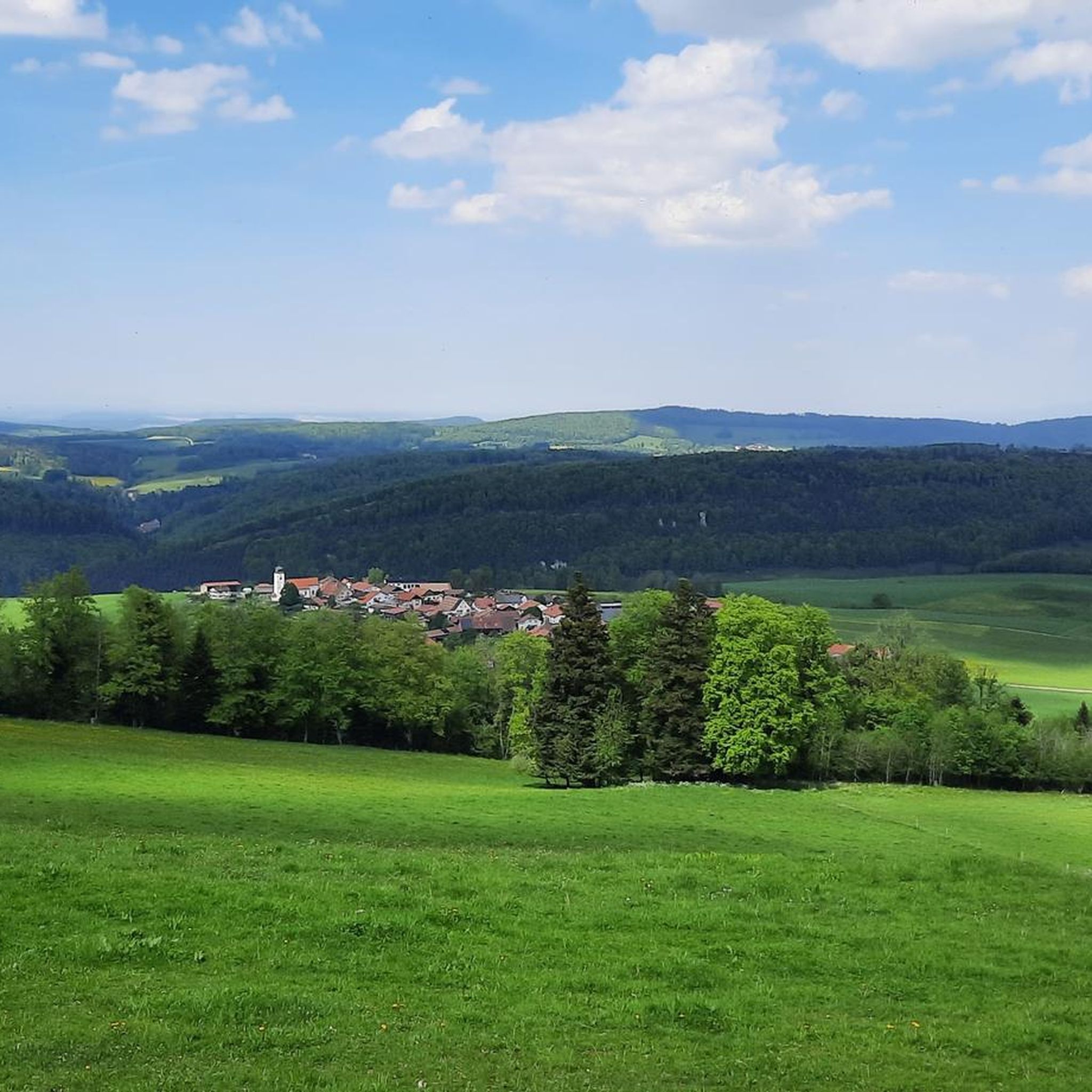
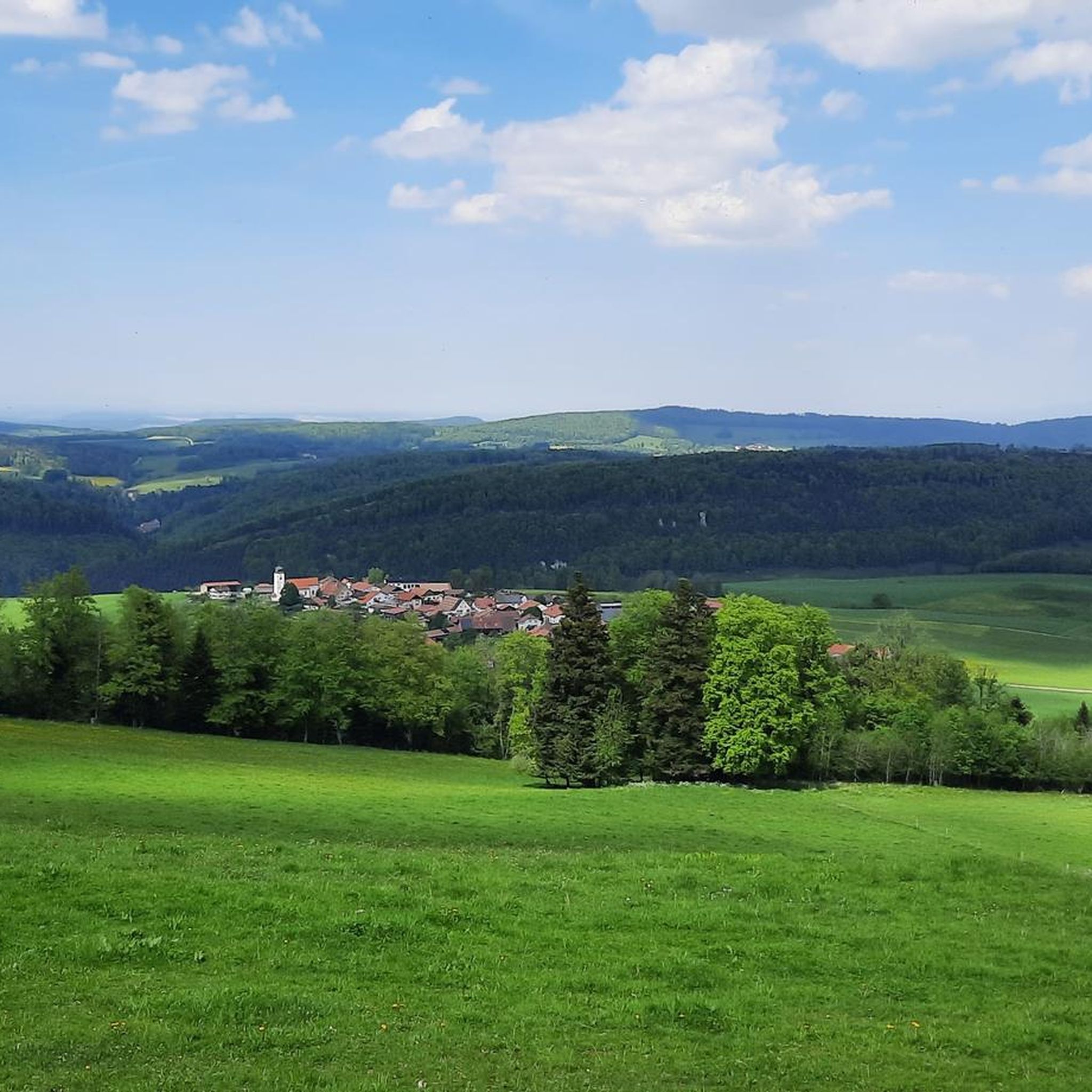
The Largue has its source in Oberlarg at an altitude of 500 m, near the Swiss border, and flows into the Ill at Illfurth after traveling 46 km. In the 19th century, it provided energy for 53 mills spread across 34 villages.
1
0

Imposing grotto and at the same time a place of pilgrimage. Here you should switch from the hiking trail near the bridge to the road and pause for a moment and enjoy the gentle coolness and refresh yourself with the water from the Karlsquelle (which is said to have healing powers). A small karst spring arises inside the cave. The water flows as a trickle from a stalagmite into a shallow basin. There is a crucifix under the entrance arch of the grotto, dedicated to Saint Columba of Sens, a 3rd century martyr. The place has been the destination of a pilgrimage on August 15th since the 13th century. The spring water is said to have miraculous healing powers. More: https://de.wikipedia.org/wiki/Grotte_de_Sainte-Colombe
0
0

Lake Lucelle is the smallest in Switzerland and is located in a protected natural area near the French border. The trail around the lake is a comfortable and mostly flat 2km loop, with only 30m of elevation gain and loss. You can enjoy the view of the sparkling water, colorful vegetation and secluded houses on the other side of the lake. Whether you want to run fast or slow, Lake Lucelle offers a delightful experience for trail runners of all levels.
2
1
La Fille de Mai is an amazing rock formation located near the village of Lucelle. This impressive monolith resembles a woman wearing a long dress and a hat. According to legend, she is a princess transformed into stone by a witch.
4
0
Frequently Asked Questions
What are some unique natural monuments to visit around Bourrignon?
Bourrignon and its surroundings offer a variety of distinctive natural monuments. You can explore the intriguing La Fille de Mai Rock Formation, known for its geological history and local legends. Another must-see is Lucelle Lake, the smallest lake in Switzerland, set in a protected natural area with a wild and romantic character. The Doubs River, forming part of the border with Switzerland, is also notable for its scenic beauty and small beaches.
What makes La Fille de Mai Rock Formation a significant natural monument?
La Fille de Mai is a striking monolithic rock formation with a geological history spanning over 150 million years. Its distinctive shape is said to resemble a woman, and it holds cultural intrigue, possibly having served as a druidic monument with a visible carved step. Local legends also add to its mystique, including tales of dancing and the rock turning on its axis at midnight during May festivals.
Are there family-friendly natural monuments to visit near Bourrignon?
Yes, several natural monuments around Bourrignon are suitable for families. Lucelle Lake offers a comfortable and mostly flat 2km loop trail, perfect for a leisurely stroll. The Doubs River features small beaches that families can enjoy. Additionally, the Grotto of Sainte-Colombe is an impressive site that can be explored by families, offering a cool retreat in summer.
What kind of natural features can I explore around Bourrignon?
The Bourrignon region is rich in diverse natural features. You can discover serene lakes like Lucelle Lake, scenic rivers such as the Doubs and the Source de la Largue, and unique rock formations like La Fille de Mai. The area also features caves, including the Grotto of Sainte-Colombe, and various springs.
Are there any natural monuments with historical or cultural significance in the area?
Absolutely. The La Fille de Mai Rock Formation is steeped in local legend and is believed by historians to have been a druidic monument. The Grotto of Sainte-Colombe is a significant pilgrimage site, dedicated to Saint Columba of Sens since the 13th century, with a karst spring whose water is said to have healing powers. The Source de la Largue also has historical importance, having powered 53 mills in the 19th century.
What outdoor activities can I do near these natural monuments?
The Bourrignon area, with its natural monuments, is excellent for various outdoor activities. You can find numerous routes for mountain biking, cycling, and gravel biking. For example, there are challenging MTB trails like the 'Val Terbi Bike (Nº 701)' or scenic cycling routes such as 'La Lucelle – Lucelle Lake loop'. You can explore more options on the dedicated guides for MTB Trails around Bourrignon, Cycling around Bourrignon, and Gravel biking around Bourrignon.
What geological features can I expect to see among Bourrignon's natural monuments?
The natural monuments around Bourrignon showcase fascinating geological features, primarily influenced by the Jura Mountains. The La Fille de Mai Rock Formation is a prime example, with its origins dating back over 150 million years to the Upper Jurassic period. You'll also encounter karst springs, such as the one within the Grotto of Sainte-Colombe, and the distinctive riverbeds and formations of the Doubs River.
What do visitors enjoy most about the natural monuments around Bourrignon?
Visitors frequently appreciate the wild and romantic character of places like Lucelle Lake, where they can unwind in nature and observe waterfowl. The scenic beauty of the Doubs River, with its small beaches, is also a highlight. Many are captivated by the legends and unique appearance of the La Fille de Mai Rock Formation, and the serene, cool atmosphere of the Grotto of Sainte-Colombe is often mentioned as a special experience.
Are there hiking trails near these natural monuments?
Yes, there are several hiking opportunities. The trail around Lucelle Lake is a comfortable and mostly flat 2km loop. While specific hiking guides for the immediate vicinity of all natural monuments are not listed, the broader Bourrignon region offers extensive hiking networks. You can find various routes for different sports, including those that pass by or are close to these natural sites, in the general outdoor activity guides for the area.
When is the best time of year to visit the natural monuments around Bourrignon?
The natural monuments around Bourrignon can be enjoyed throughout the year, each season offering a different charm. Spring and summer are ideal for hiking and enjoying the lush greenery and water activities. The Grotto of Sainte-Colombe, for instance, offers a wonderfully cool retreat in summer. Autumn brings vibrant colors to the landscape, while winter can offer serene, snow-covered views, though some trails might require appropriate gear for colder conditions.
Is parking available near Bourrignon's natural attractions?
While specific parking details for each individual natural monument are not provided, natural attractions in the Jura region generally have designated parking areas or are accessible from nearby villages. It is advisable to check local signage or specific highlight pages for the most accurate parking information when planning your visit to monuments like Lucelle Lake or La Fille de Mai.
Most popular routes around Bourrignon
Most popular attractions around Bourrignon

Get inspired with the komoot mobile app


Explore more
Extend your search for the best caves by checking out these guides of the top ones around Bourrignon:
