Top 14 Natural Monuments around Lajoux (JU)
Best natural monuments around Lajoux (JU) showcase the region's unique geology and diverse ecosystems within the Canton of Jura, Switzerland. The area is characterized by its rich natural landscape, offering various sites for exploration. These natural features include high-altitude moor lakes, dramatic gorges carved through limestone, and karstic depressions. The region provides opportunities to observe geological formations and specific flora and fauna.
Best natural monuments around Lajoux (JU)
- The most popular natural monuments is Étang de la Gruère, a lake that is a high-altitude moor lake within a nature reserve. This site is known for its unique ecosystem, including peat bogs and specific flora and fauna.
- Another must-see spot is Étang Plain-de-Saigne, a lake and raised bog of national importance. This location offers a peaceful environment for rest and observing the natural beauty of the Franches-Montagnes.
- Visitors also love Green Lake, a small artificial lake formed by the Sorne river. Its emerald color, due to the reflection of surrounding forests, makes it a notable natural experience.
- Lajoux (JU) is known for its variety of natural monuments, including lakes, rivers, caves, and gorges. The region offers diverse geological features and landscapes to see and explore.
- The natural monuments around Lajoux (JU) are appreciated by the komoot community, with over 418 upvotes and 343 photos shared by visitors.
Last updated: July 10, 2026
Étang de la Gruère
Highlight • Lake
Translated by Google •
Tip by

Étang Plain-de-Saigne
Highlight • Lake
Translated by Google •
Tip by

Sign up now to discover places like this
Get recommendations on the best single tracks, peaks, & plenty of other exciting outdoor places.
Sign up for free
Doubs
Highlight (Segment) • River
A special feature is the border of the Doubs along the French-Swiss border. Unlike in rivers otherwise common, the border does not run in the middle of the river, but the Doubs belongs there entirely to France. This resulted from treaties between the Prince-Bishop of Basel and the King of France.
Flowing west from Saint-Ursanne, the Doubs returns to France and flows below Saint-Hippolyte, where it takes on Dessoubre on the left, through a Montagnes du Lomont valley north to Audincourt. Here he takes right after the Allaine, then turns in its lower reaches to the southwest and strives over Baume-les-Dames, Besançon and Dole, where he takes on the left Loue, the Saône, in which he in 170 m height in Verdun-sur-le-Doubs about 16 km northeast of Chalon-sur-Saône opens.
Source: Wikipedia
Translated by Google •
Tip by

Grotto of Sainte-Colombe
Highlight • Cave
Inside the grotto, a small karst spring rises. The water flows as a trickle from a stalagmite into a shallow basin. There is a crucifix under the entrance arch of the grotto, which is dedicated to Saint Columba of Sens, a martyr from the 3rd century. Since the 13th century, the place has been the destination of a pilgrimage that takes place on August 15th. The spring water is said to have miraculous healing powers.
More: de.wikipedia.org/wiki/Grotte_de_Sainte-Colombe
Translated by Google •
Tip by

Lac Vert (Gorges du Pichoux)
Highlight • Lake
Translated by Google •
Tip by

Sign up for free to discover even more natural monuments around Lajoux (JU).
Sign up for free
Already have an account?
Start today with a free account
Your next adventure awaits.
Login or Signup
Tips from the Community

magnificent tuff stones
0
0

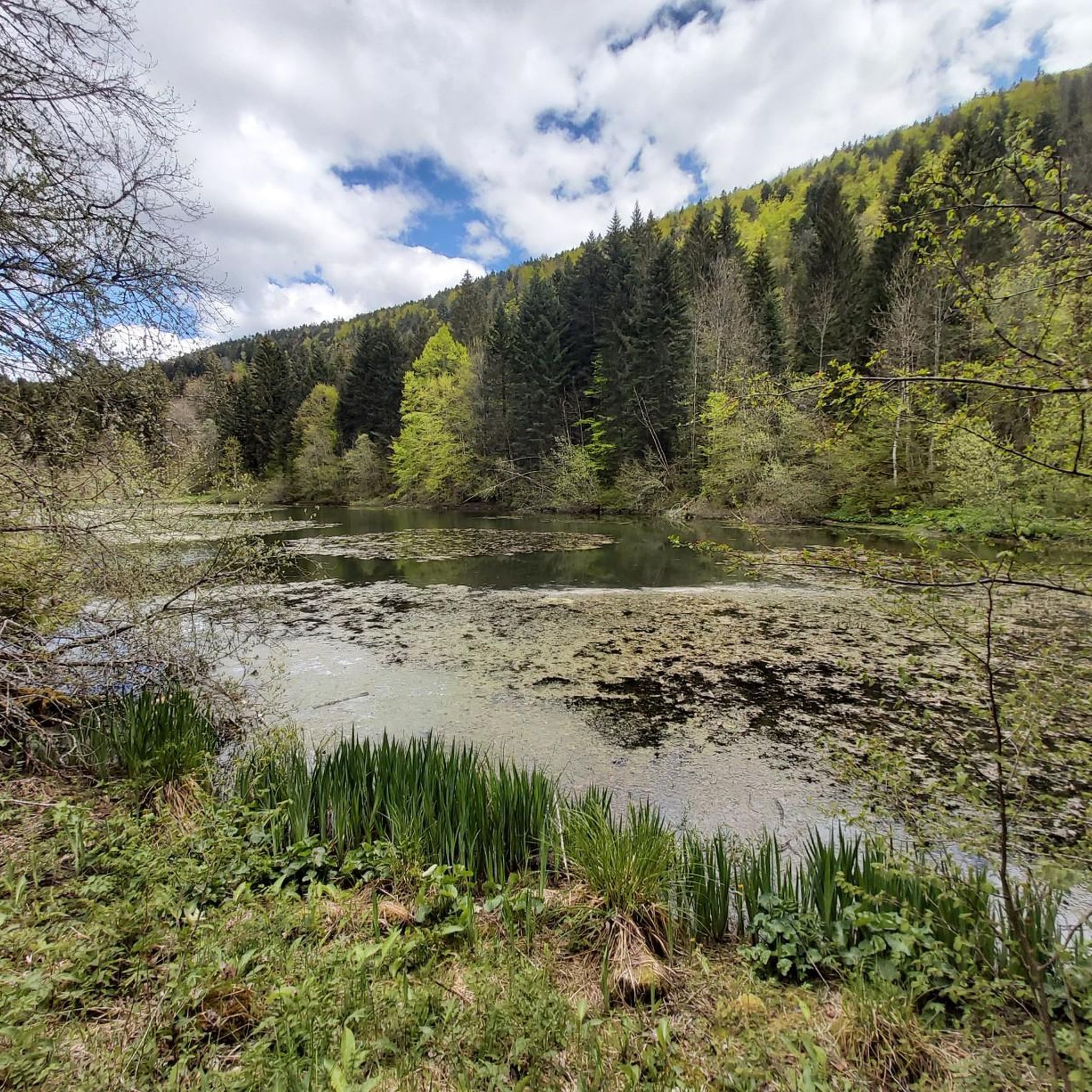
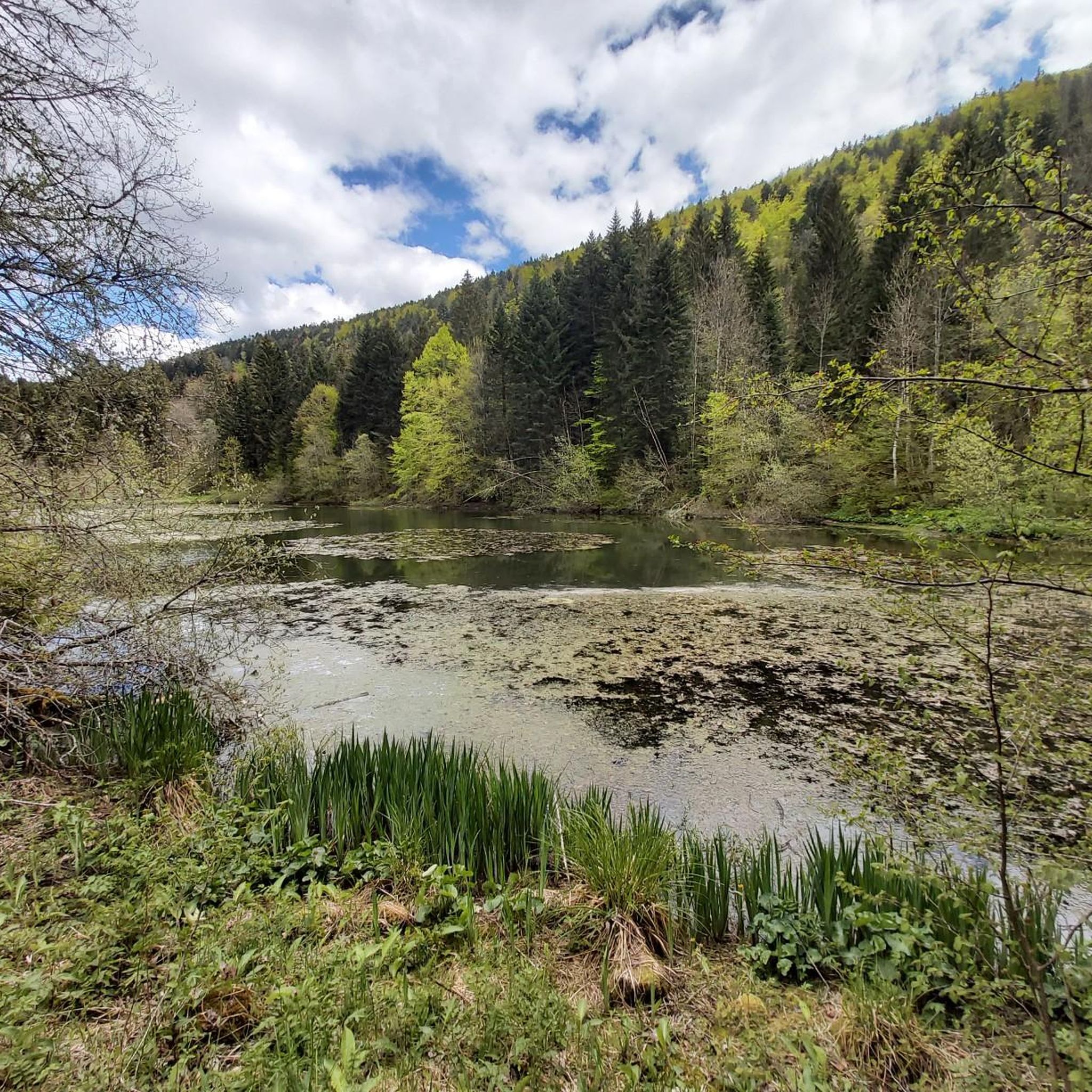
The Etang de la Gruère nature reserve is a paradise for nature lovers. Opt for a morning hike to enjoy the calm, and to observe the rising mists over the water.
1
1

The Source du Doubs is a powerful karst spring in a heavily karstified area of the Jura Mountains. It is located near Mouthe, in the Haut-Jura Regional Nature Park, at an altitude of 937 m at the foot of the wooded, up to 1419 m high Mont Risoux mountain range, which marks the border between France and Switzerland. The Doubs rises from a cave in the rock from a small, approximately five-meter-deep spring basin. The spring discharges an average of 1740 litres per second and is the exit of a complex cave system with several siphons. The discharge can vary greatly. Several layers of rock can be distinguished on the rock above the spring. Below the spring, the river plunges down over a small waterfall. About two kilometers below the Source du Doubs, the approximately nine-kilometer-long Cébriot flows into the Doubs.
0
0

Imposing grotto and at the same time a place of pilgrimage. Here you should switch from the hiking trail near the bridge to the road and pause for a moment and enjoy the gentle coolness and refresh yourself with the water from the Karlsquelle (which is said to have healing powers). A small karst spring arises inside the cave. The water flows as a trickle from a stalagmite into a shallow basin. There is a crucifix under the entrance arch of the grotto, dedicated to Saint Columba of Sens, a 3rd century martyr. The place has been the destination of a pilgrimage on August 15th since the 13th century. The spring water is said to have miraculous healing powers. More: https://de.wikipedia.org/wiki/Grotte_de_Sainte-Colombe
0
0

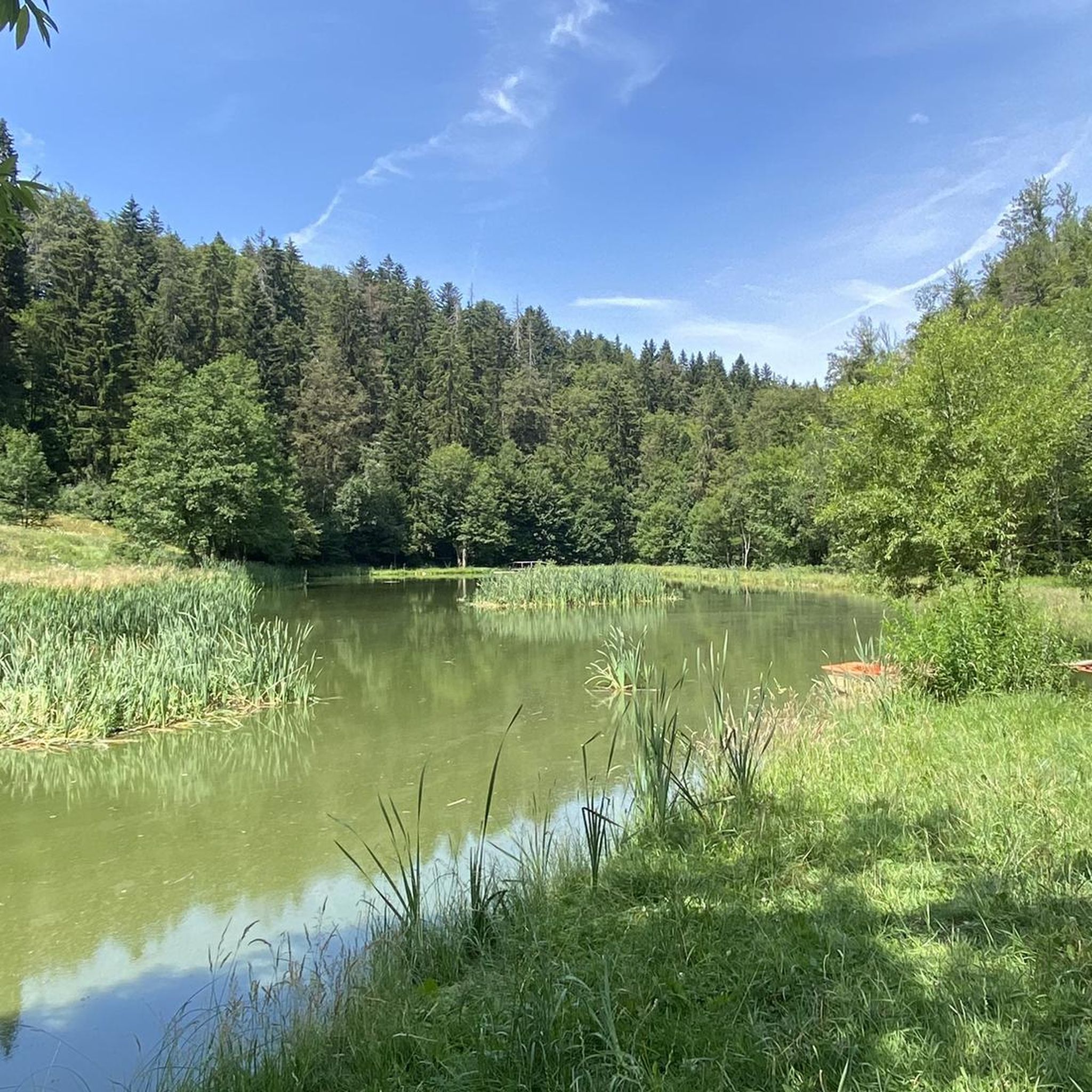
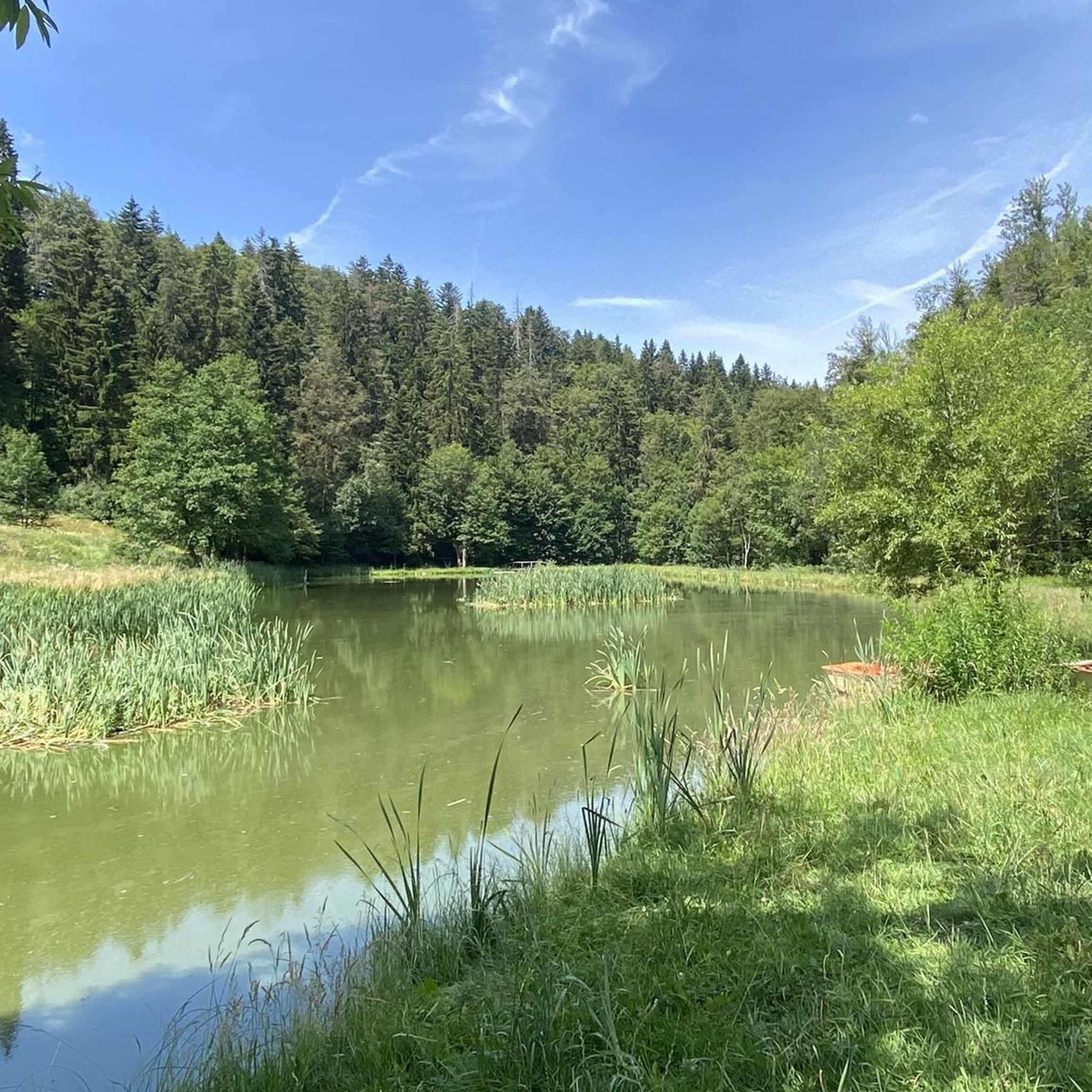
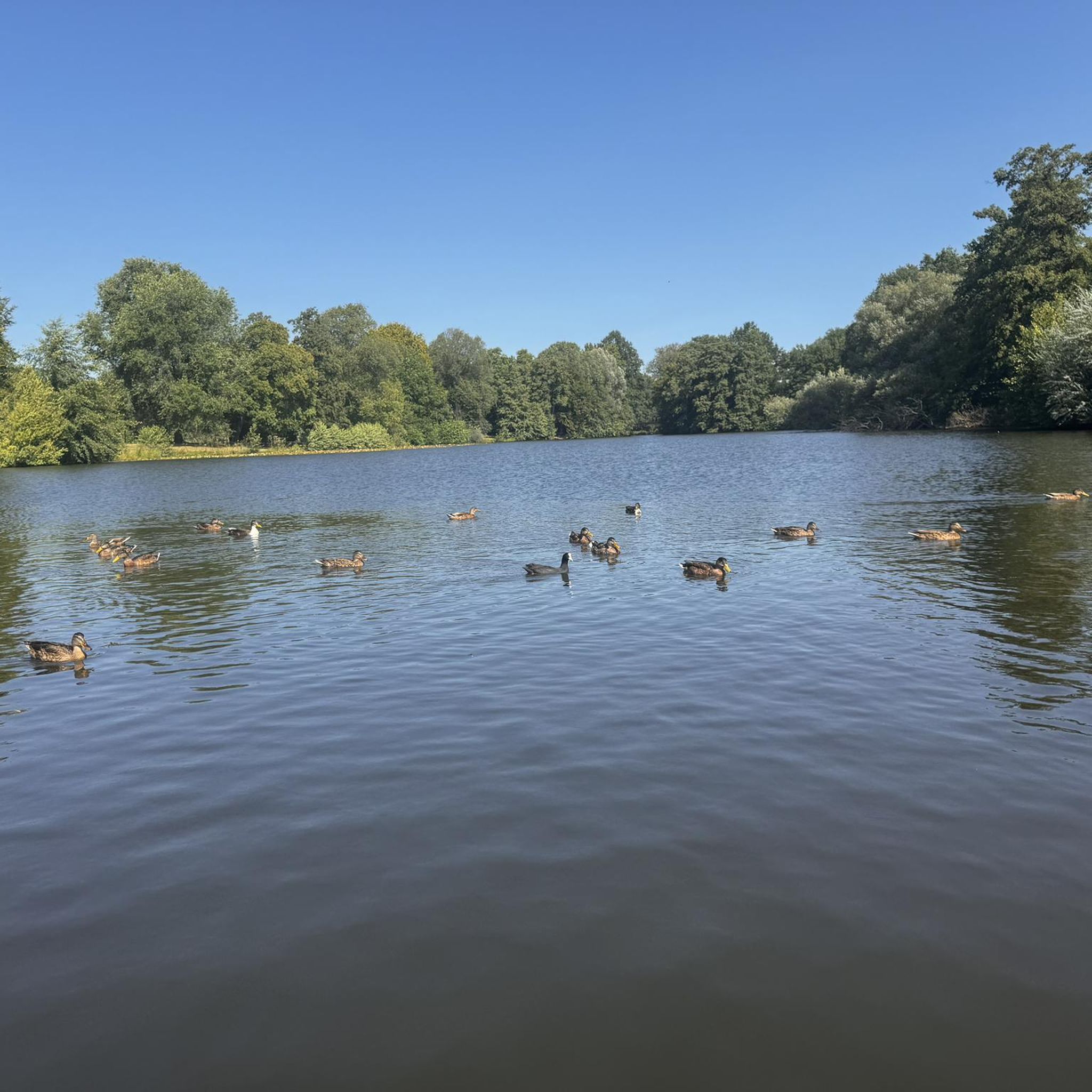
The Plain-de-Saigne pond is a small artificial lake located in Montfaucon. It's a great place to picnic and admire the reflections of the sky and trees on the water. You can also learn about the history of the lake, which was once home to a mill and peat extraction site.
3
1

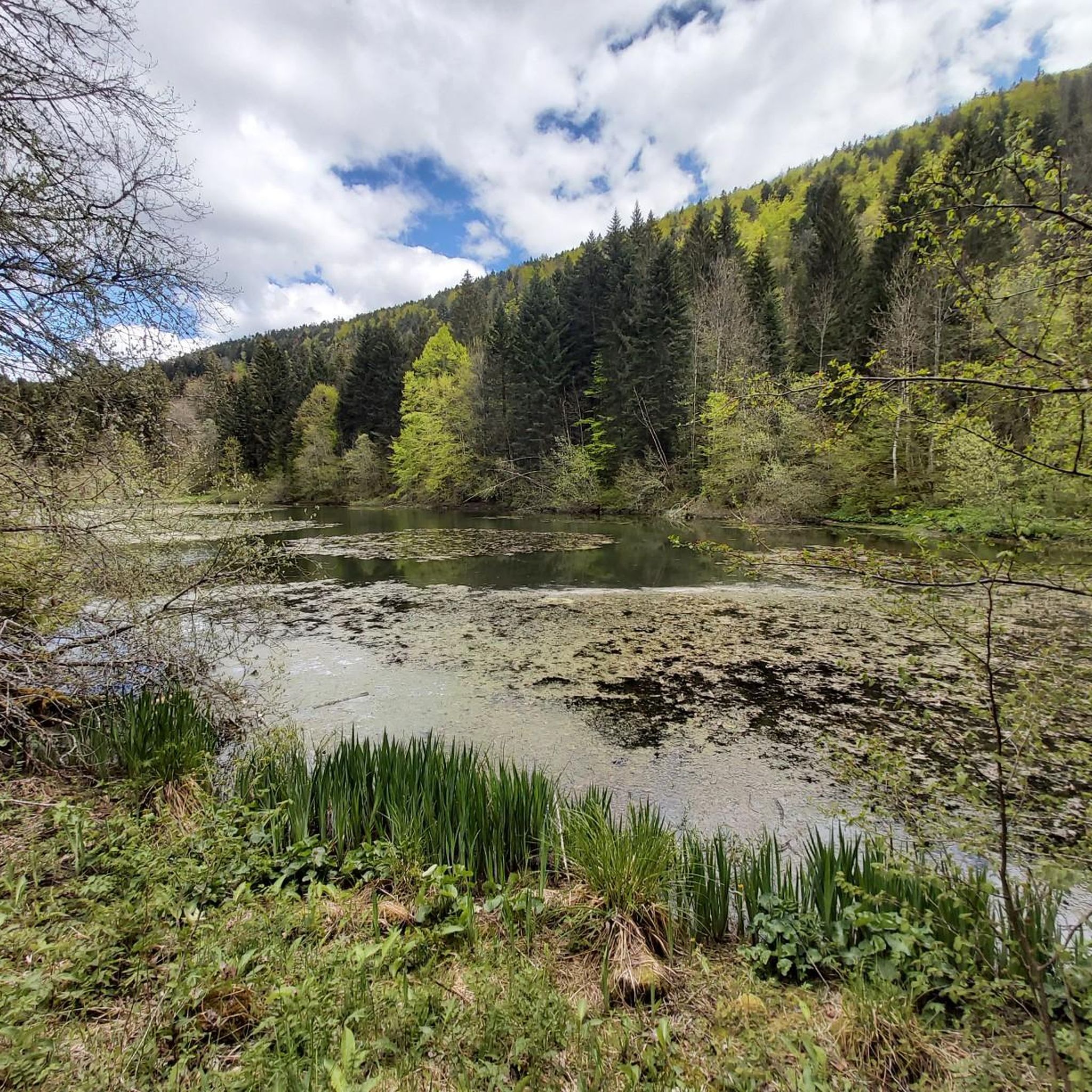
The Sorne has dug itself deep into the rocks and today roars between almost vertical walls through the wildly romantic gorge. Numerous springs flow into the Gorges du Pichoux. Are there actually 1,000 sources, as the name “Pichoux” translates to? At the end of the gorge, Lac Vert shines like an emerald in the most wonderful shades of green - a fantastic place for your picnic. The Gorges du Pichoux is located on the road between Bellelay and Undervelier. By public transport or by car go to Sornetan, Le Pichoux.
1
2

Grotto in the rock with many thank you plaques.
0
0
Impressive grotto and pilgrimage site. You should really stop here and enjoy the gentle coolness and fill your bottle with the water from the Karlsquelle (which is said to have healing powers). Inside the grotto, a small karst spring rises. The water flows as a trickle from a stalagmite into a shallow basin. There is a crucifix under the entrance arch of the grotto, which is dedicated to Saint Columba of Sens, a martyr from the 3rd century. Since the 13th century, the place has been the destination of a pilgrimage that takes place on August 15th. The spring water is said to have miraculous healing powers. More: https://de.wikipedia.org/wiki/Grotte_de_Sainte-Colombe
1
0
Frequently Asked Questions
What unique natural features can I explore around Lajoux (JU)?
The region around Lajoux (JU) offers a diverse range of natural features. You can discover high-altitude moor lakes like Étang de la Gruère and Étang Plain-de-Saigne, which are significant for their unique ecosystems and peat bogs. The dramatic Sorne Gorge, with its impressive Jura rock formations, is another geological highlight. Additionally, the area features karstic depressions such as Puits Willy and various caves like the Grotto of Sainte-Colombe, offering insights into the subterranean geology.
Are there family-friendly natural monuments to visit near Lajoux (JU)?
Yes, several natural monuments around Lajoux (JU) are suitable for families. Both Étang de la Gruère and Étang Plain-de-Saigne are considered family-friendly, offering peaceful environments for walks and nature observation. The Green Lake, with its emerald color and surrounding forests, is also a great spot for families. The Grotto of Sainte-Colombe is another family-friendly option, combining natural beauty with a touch of local history.
What kind of outdoor activities can I do near these natural monuments?
The natural monuments around Lajoux (JU) are excellent starting points for various outdoor activities. You can enjoy running on trails like the 'Church in Montfaucon – Chapel near Le Bosse loop' or 'Dry Stone Wall of Les Genevez loop'. For cycling enthusiasts, there are routes such as 'Tabeillon Combe Station – 40% Steep Slope Warning loop' or 'Le Pré-Petitjean – Étang Plain-de-Saigne loop'. Road cyclists can tackle challenging routes like the 'Schelten Pass and Sorne Gorge Loop' or 'Mont Crosin (1,227 m) – Col de Pierre Pertuis loop'. You can find more details on these activities in the Running Trails around Lajoux (JU), Cycling around Lajoux (JU), and Road Cycling Routes around Lajoux (JU) guides.
Are there any significant gorges or rivers to explore in the area?
Yes, the region is home to the spectacular Sorne Gorge (Gorges du Pichoux), where the Sorne River has dramatically carved its way through limestone, creating impressive rock formations. The Green Lake is also formed by the Sorne river. Further afield, the Doubs River forms part of the border with France and features the impressive Saut du Doubs waterfall, offering unique natural beauty and historical significance regarding its border status.
What do visitors enjoy most about the natural monuments around Lajoux (JU)?
Visitors particularly appreciate the tranquility and natural beauty. For instance, many enjoy the calm of Étang de la Gruère, especially during morning hikes to observe the rising mists. The Étang Plain-de-Saigne is valued as a peaceful spot for rest and soaking in the Franches-Montagnes' natural beauty. The emerald color and natural spectacle of the Green Lake are also frequently highlighted as a special experience.
Are there any caves or underground formations to visit?
Yes, the area around Lajoux features several caves. The Grotto of Sainte-Colombe is an impressive grotto and pilgrimage site with a karst spring. Further afield, the Grottes de Vallorbe are the largest caves in Switzerland, carved by the Orbe River, showcasing stunning stalactites and stalagmites. You can find more information about the Grottes de Vallorbe on Wikipedia.
Is there a natural amphitheater or large rock formation worth seeing?
Absolutely. The Creux du Van, located at the border of the cantons of Neuchâtel and Vaud, is a world-renowned natural amphitheater. It features impressive 160-meter-high vertical rock faces encircling a valley basin over a kilometer wide. It's a protected nature reserve known for its diverse flora and fauna, including ibex and chamois, and offers breathtaking panoramic views. You can learn more about Creux du Van on Wikipedia or MySwitzerland.com.
What is the best time of year to visit the natural monuments around Lajoux (JU)?
The best time to visit largely depends on the activities you plan. Spring and autumn offer pleasant temperatures for hiking and cycling, with vibrant foliage or blooming flora. Summer is ideal for enjoying the lakes and longer days. Even in winter, some areas like Étang de la Gruère can be beautiful, especially for peaceful morning walks to see the mists over the water.
Are there any natural monuments with historical or archaeological significance?
Yes, Puits Willy, a karstic depression located east of Lajoux, is notable not only for its natural formation but also for archaeological discoveries. Gallo-Roman ceramics have been found there, indicating historical human activity in the area and offering a glimpse into the region's past. Additionally, the Grotto of Sainte-Colombe has been a pilgrimage site since the 13th century, adding a layer of cultural history to its natural appeal.
Can I find places to rest or have a picnic near the natural monuments?
Yes, several spots offer amenities for rest. For example, Étang Plain-de-Saigne has benches and tables, and even a fireplace, making it an ideal place for a picnic. The tranquil settings of the moor lakes generally provide peaceful areas to relax and enjoy the surroundings.
Are there any specific natural monuments known for birdwatching or unique wildlife?
Yes, Étang Plain-de-Saigne is recognized as a significant birdwatching spot due to its status as a raised bog and peat bog of national importance. The unique ecosystem of Étang de la Gruère also supports specific flora and fauna. Further afield, the Creux du Van is a protected nature reserve home to diverse wildlife, including ibex and chamois, which are often spotted by visitors.
Most popular routes around Lajoux (JU)
Most popular attractions around Lajoux (JU)

Get inspired with the komoot mobile app


Explore more
Extend your search for the best caves by checking out these guides of the top ones around Lajoux (JU):
