Top 7 Natural Monuments around Lugnez
Best natural monuments around Lugnez are found within the Lumnezia Valley, a region in Grisons, Switzerland, known for its diverse landscapes. This area features a variety of natural attractions, including impressive mountain peaks, serene lakes, dramatic canyons, and powerful waterfalls. The valley's geological characteristics, such as mineral deposits and ancient formations, contribute to its natural heritage. It offers opportunities to explore unique natural features and immerse oneself in an alpine environment.
Best natural monuments around Lugnez
- The most popular natural…
Last updated: July 10, 2026
Porrentruy Botanical Garden
Highlight • Natural Monument
Translated by Google •
Tip by

Source de la Largue
Highlight • Natural Monument
Translated by Google •
Tip by

Sign up now to discover places like this
Get recommendations on the best single tracks, peaks, & plenty of other exciting outdoor places.
Sign up for free
Dinosaur Tracks of Pommerat
Highlight • Natural Monument
Translated by Google •
Tip by

Milandre Caves
Highlight • Cave
Showing Translation
Tip by

Mannlefelsen Cave
Highlight • Cave
Translated by Google •
Tip by

Sign up for free to discover even more natural monuments around Lugnez.
Sign up for free
Already have an account?
Start today with a free account
Your next adventure awaits.
Login or Signup
Tips from the Community

Depending on the water level, the lower entrance of the cave can be explored more or less dry.
1
0

Impressive grotto under Millandre The active, vadose cave has been scientifically well studied. It is located in subhorizontal, fossil-bearing limestone. The cave river Milandrine flows through it, has a measured length of 10,520 meters and a vertical extension of 135 meters. https://de.wikipedia.org/wiki/Grotte_de_Milandre
0
2

At this point / I would like to quickly / say something about the source And specifically to quote the incomparable humorist Heinz Erhardt (1909 - 1979), who was known to a wide audience for his wit and "Another poem", with a short four-line line: "There is certainly a lot of beauty in the element, the wet. Because you can drink the water. But you can also - not." (H.Erhardt)
0
0

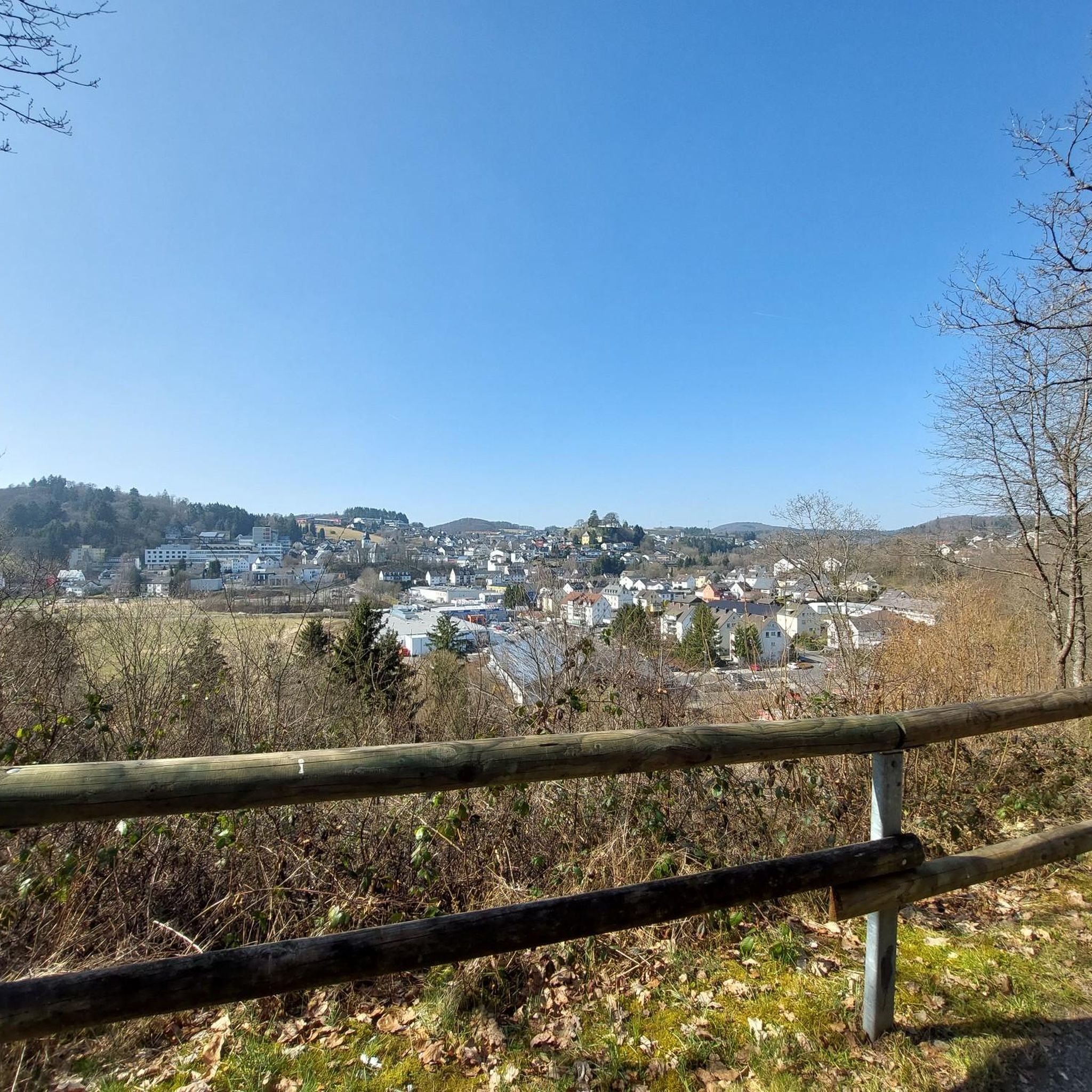
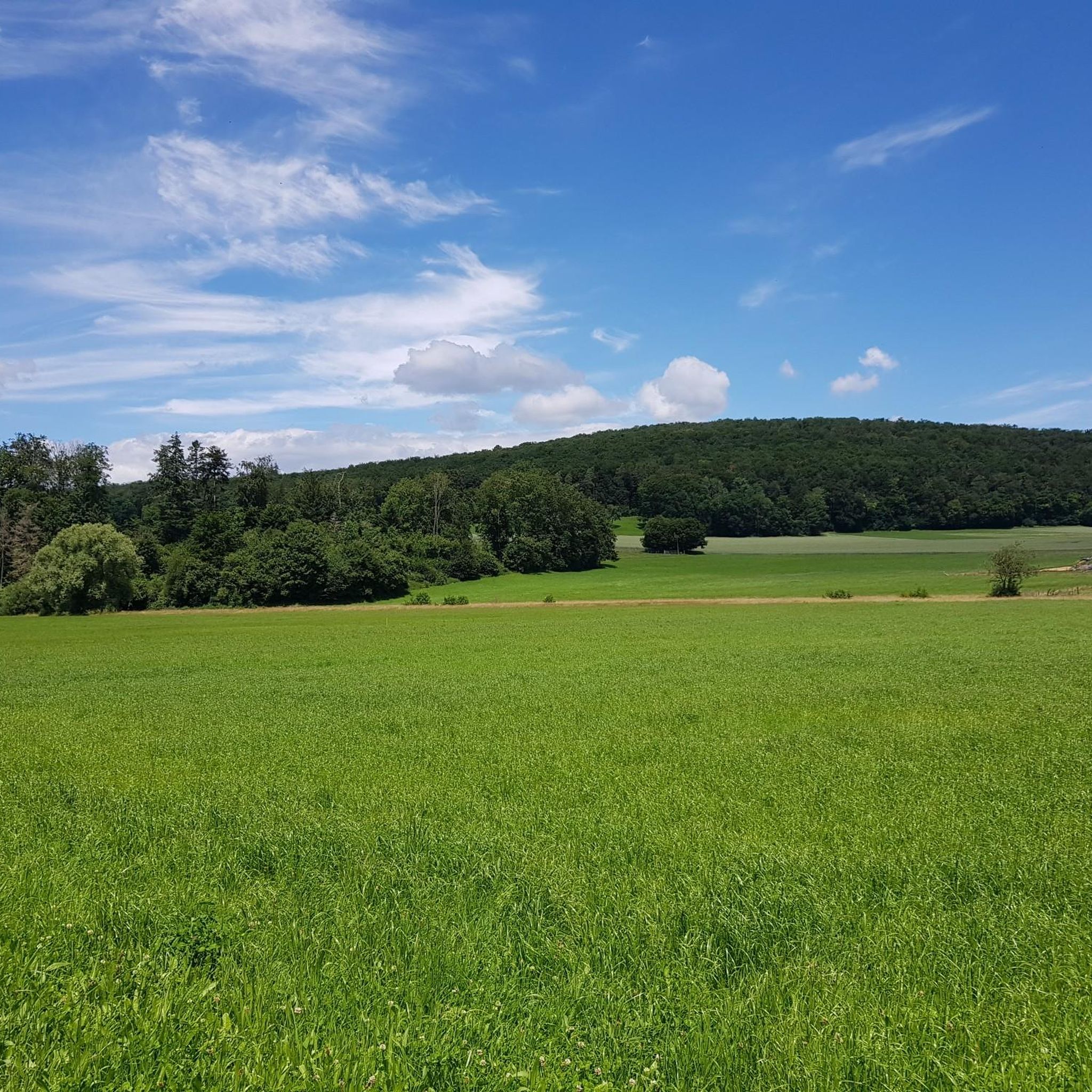
The Largue has its source in Oberlarg at an altitude of 500 m, near the Swiss border, and flows into the Ill at Illfurth after traveling 46 km. In the 19th century, it provided energy for 53 mills spread across 34 villages.
1
0

Enormous cellar whose entrance is 4 m high. It is currently filled. It is one of the rare caves known in Alsace.
0
0

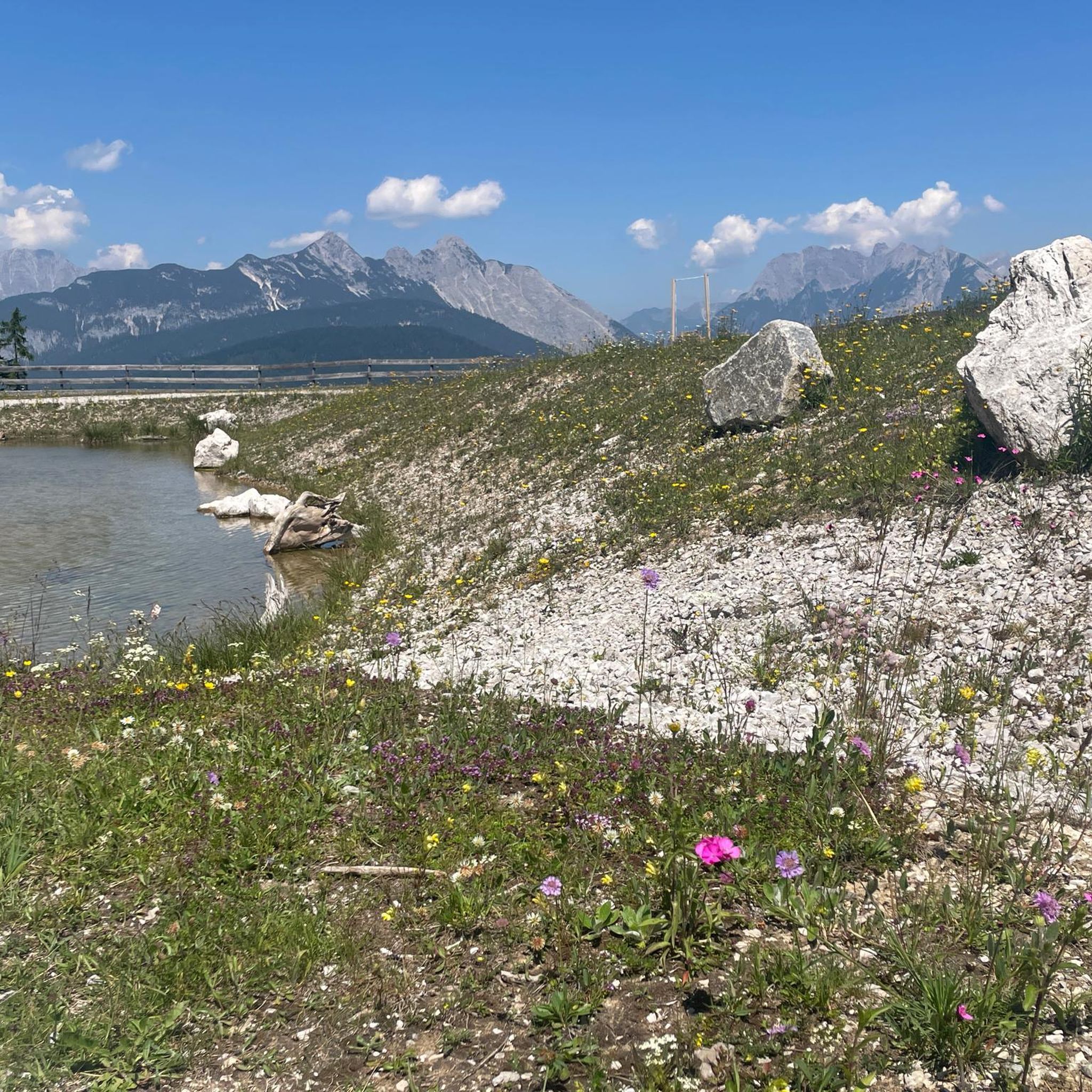
If you stop in Porrentruy, if you are a herb, plant and flower enthusiast, you should definitely pay a visit to the Parc du Jardin Botanique. After the botanical garden in Basel, it is the second oldest in Switzerland. It is striking that in addition to the almost inexhaustible variety of plants, one or the other sundial on several house fronts shows the time in a shadowy way. A particularly idiosyncratic and modern example can be seen at the end of the park when you enter the area through the main portal. Right next to the botanical garden, there is a public car park that is subject to a fee. From the botanical garden, you can continue your journey of discovery in the direction of the old town, or pay your respects to the castle above the city.
0
0

Over 600 local plant species from the Jura chain from Lake Biel to the Chasseral are on display. One focal point is the more than 70 varieties of roses and 180 varieties of irises, which enchant the garden in a huge sea of color when the flowers are in bloom.
1
1

It goes via a muddy trail to the well-preserved dinosaur tracks that are 150 million years old
4
0
Frequently Asked Questions
What unique natural features can I explore in the Lugnez area?
The Lugnez area, nestled in the Lumnezia Valley, offers a diverse range of natural features. You can discover impressive geological formations like the Mannlefelsen Cave, known for its 4-meter high entrance, or the extensive Milandre Caves, an active cave system over 10 kilometers long. The region is also characterized by serene lakes, dramatic canyons, and powerful waterfalls, all set against a backdrop of majestic mountains.
Are there any historical or archaeological natural monuments to visit?
Yes, the region boasts significant historical and archaeological natural sites. A must-see is the Dinosaur Tracks of Pommerat, where you can observe well-preserved 150-million-year-old fossilized dinosaur footprints. The Porrentruy Botanical Garden, established in 1798, is also a historical site, being one of Switzerland's oldest botanical gardens.
What natural monuments are suitable for families with children?
Several natural monuments in Lugnez are family-friendly. The Dinosaur Tracks of Pommerat are particularly engaging for children, featuring informative boards and even a dinosaur replica they can ride. The Source de la Largue offers a peaceful setting to observe the beginning of a river's journey, and the Porrentruy Botanical Garden provides a beautiful and educational experience with its diverse plant species.
What outdoor activities can I do near the natural monuments in Lugnez?
The Lumnezia Valley offers a wide range of outdoor activities. You can explore numerous cycling routes, from easy to difficult, such as those found in the Cycling around Lugnez guide. For mountain biking enthusiasts, there are trails like the 'Vendlincourt Pond – Three Powers Boundary Stone loop' detailed in the MTB Trails around Lugnez guide. Gravel biking options are also available, including the 'Tour of the Alsatian Jura' from the Gravel biking around Lugnez guide.
Are there hiking trails near these natural monuments?
While specific hiking trails directly linked to individual natural monuments are not detailed, the Lumnezia Valley is excellent for general hiking. Many natural monuments, like the Dinosaur Tracks of Pommerat, are accessed via trails. The surrounding mountains and valleys offer numerous opportunities for walks and hikes, allowing you to immerse yourself in the alpine environment and discover the region's diverse landscapes.
What is the best time to visit the natural monuments in Lugnez?
The best time to visit the natural monuments in Lugnez largely depends on the activities you plan. Spring and summer are ideal for enjoying the lush botanical garden and exploring river sources. The warmer months are also perfect for hiking and cycling. While some caves might be accessible year-round, conditions can vary, especially with water levels. The region's natural beauty is captivating in all seasons, but for outdoor activities, late spring to early autumn generally offers the most pleasant weather.
What do visitors enjoy most about the natural monuments in Lugnez?
Visitors particularly appreciate the unique blend of natural beauty and historical significance. The ancient Dinosaur Tracks of Pommerat offer a fascinating glimpse into the past, while the Porrentruy Botanical Garden delights with its extensive collection of local plant species and historical charm. The serene atmosphere of the Source de la Largue and the impressive geological formations of the caves also receive high praise.
Are there any hidden gems among the natural monuments in Lugnez?
Beyond the well-known sites, the Lumnezia Valley itself can be considered a hidden gem, with its diverse landscapes of mountains, lakes, canyons, and waterfalls. Exploring the lesser-known trails and paths can lead to discovering tranquil spots and breathtaking views that are not always highlighted. The geological characteristics, including mineral deposits like baryte and quartz, also offer a unique interest for those with a passion for geology.
Can I bring my dog to the natural monuments in Lugnez?
Generally, many outdoor natural monuments in the Lugnez area are dog-friendly, especially those that are open-air and involve walking trails. For instance, exploring the area around the Source de la Largue or the trails leading to the Dinosaur Tracks of Pommerat should be fine with a leashed dog. However, for specific indoor attractions like parts of the Porrentruy Botanical Garden or certain cave sections, it's advisable to check local regulations or signage beforehand.
Is public transport available to reach the natural monuments?
The Lumnezia Valley, where Lugnez is located, is part of the Grisons region in Switzerland, which generally has a good public transport network. While direct access to every single natural monument might vary, major towns and villages in the valley are typically served by buses or trains. From these points, you might need to walk or use local transport to reach specific sites. It's recommended to check local transport schedules for the most up-to-date information on reaching your desired natural monument.
What should I wear when visiting the natural monuments?
Given the diverse landscapes of the Lumnezia Valley, including mountains, caves, and outdoor trails, it's best to dress in layers. Comfortable, sturdy walking shoes or hiking boots are highly recommended, especially if you plan to explore trails or uneven terrain. For cave visits, a light jacket might be useful as temperatures can be cooler underground. Always check the weather forecast before your visit and bring appropriate rain gear if necessary.
Are there opportunities for wildlife spotting near the natural monuments?
The Lumnezia Valley's preserved natural beauty and diverse ecosystems offer opportunities for wildlife spotting. While specific natural monuments might not be dedicated wildlife habitats, the surrounding forests, mountains, and near water bodies are home to various animal species. Keep an eye out for local birds, small mammals, and insects, especially during quieter times of the day. Patience and a keen eye are key to observing the region's fauna.
Most popular attractions around Lugnez

Get inspired with the komoot mobile app


Explore more
Extend your search for the best caves by checking out these guides of the top ones around Lugnez:
